 Elite
Elite
Kathmandu, Chitwan National Park and Pokhara 8-Day Tour
Free Cancellation · Instant confirmation · Pickup available

Every foreign visitor pays the same fixed NPR 1,000 heritage fee at the gate, collected by the Pashupati Area Development Trust. The options below bundle that same access with a licensed guide, who makes the difference between wandering the outer courtyards confused and actually understanding the rituals, the architecture, and where you're allowed to stand.
Elite
Free Cancellation · Instant confirmation · Pickup available
 Elite
Elite
Free Cancellation · Instant confirmation · Meet on location or pickup
 Elite
Elite
Free Cancellation · Instant confirmation · Private tour
 Elite
Elite
Free Cancellation · Instant confirmation · Private tour
 Elite
Elite
Free Cancellation · Instant confirmation · Private tour
 Elite
Elite
Free Cancellation · Instant confirmation · Private tour
 Elite
Elite
Free Cancellation · Instant confirmation · Private tour
 Elite
Elite
Free Cancellation · Instant confirmation · Private tour
 Elite
Elite
Free Cancellation · Instant confirmation · Private tour
 Elite
Elite
Free Cancellation · Instant confirmation · Private tour
 Elite
Elite
Free Cancellation · Instant confirmation · Private tour
 Elite
Elite
Free Cancellation · Instant confirmation · Private tour
 Elite
Elite
Free Cancellation · Instant confirmation · Private tour
 Elite
Elite
Free Cancellation · Instant confirmation · Private tour
 Elite
Elite
Free Cancellation · Instant confirmation · Private tour
 Elite
Elite
Free Cancellation · Instant confirmation · Private tour
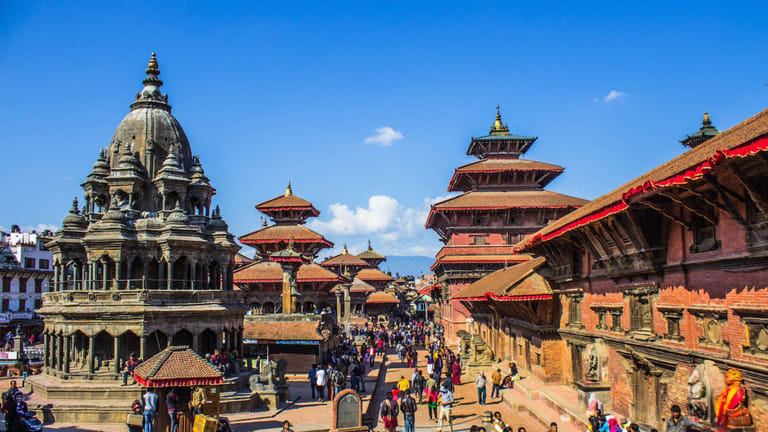
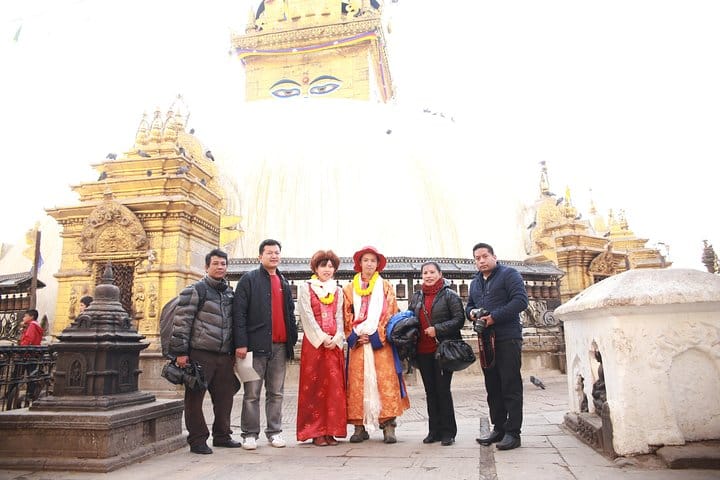
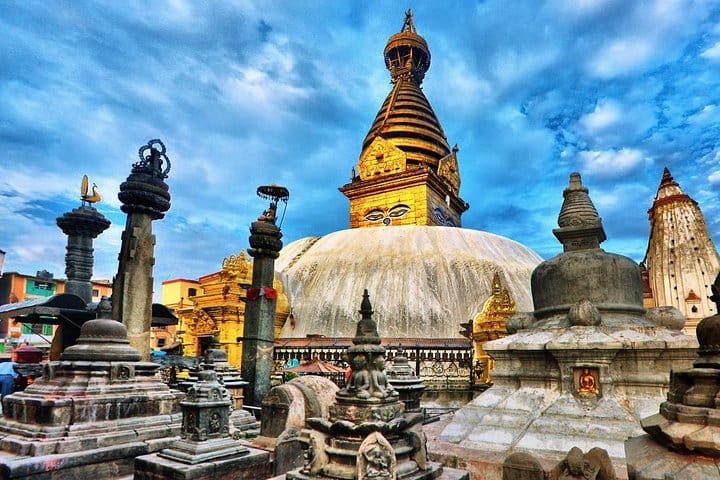
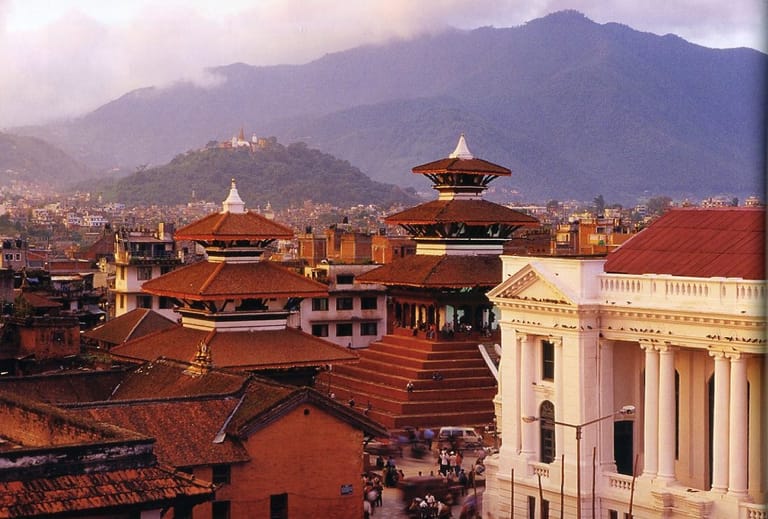
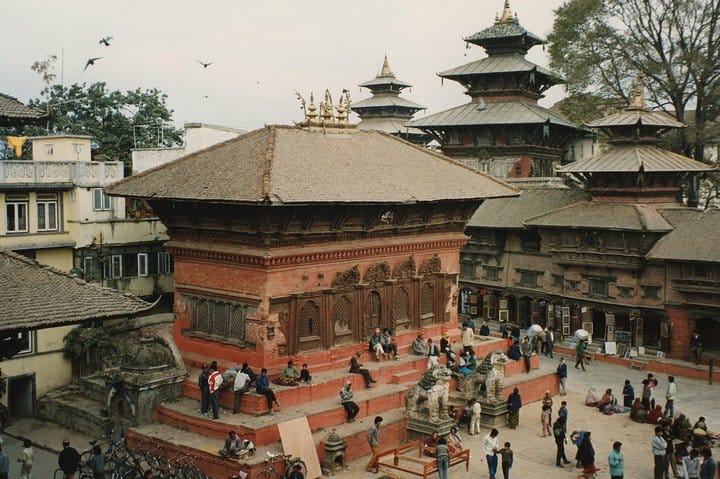
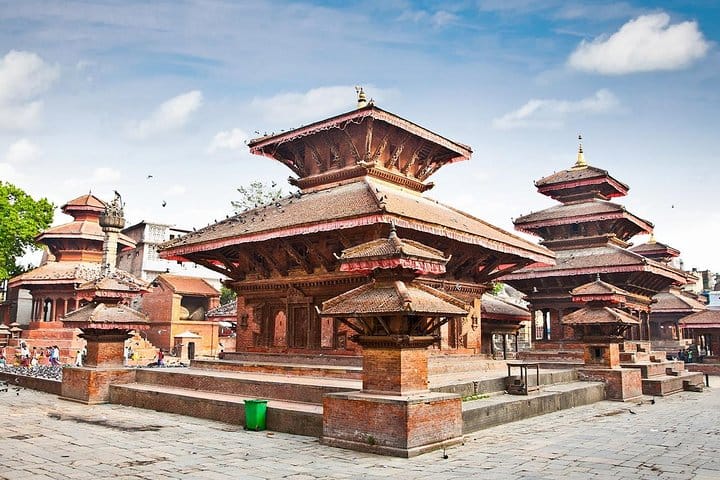
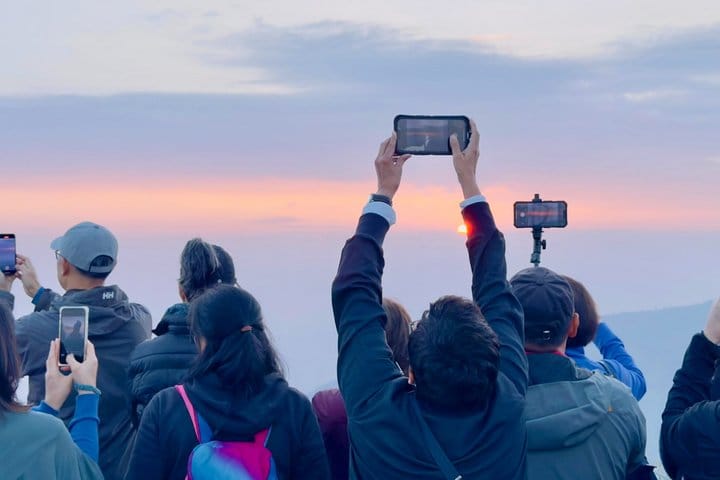
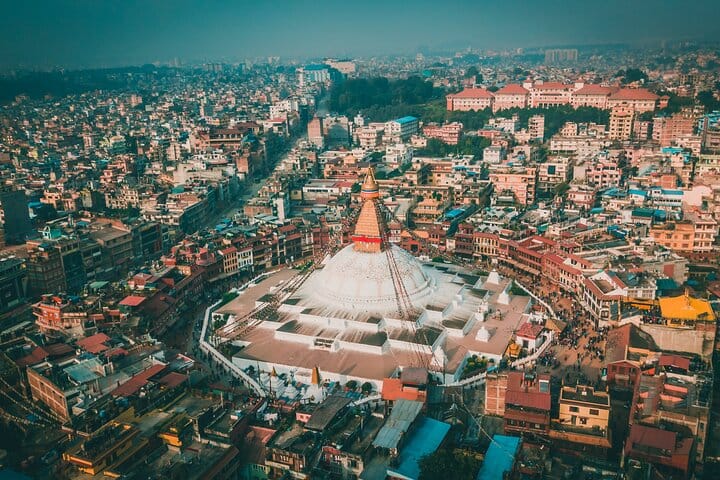
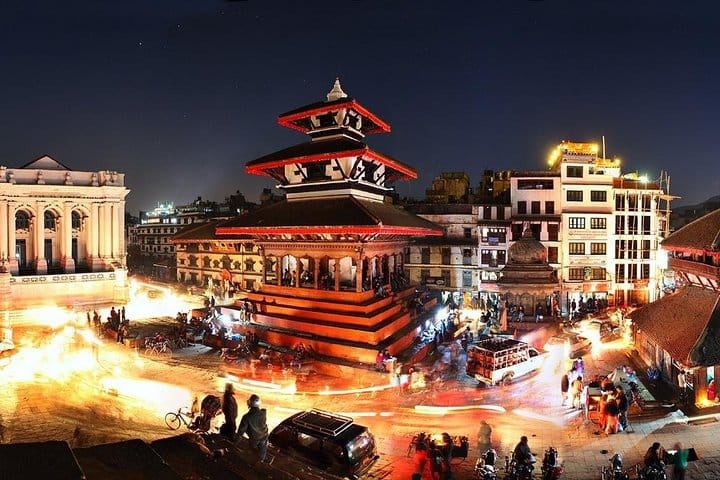
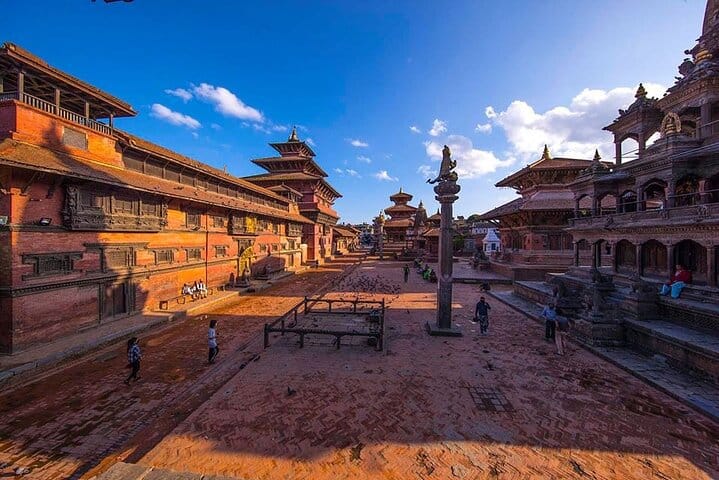
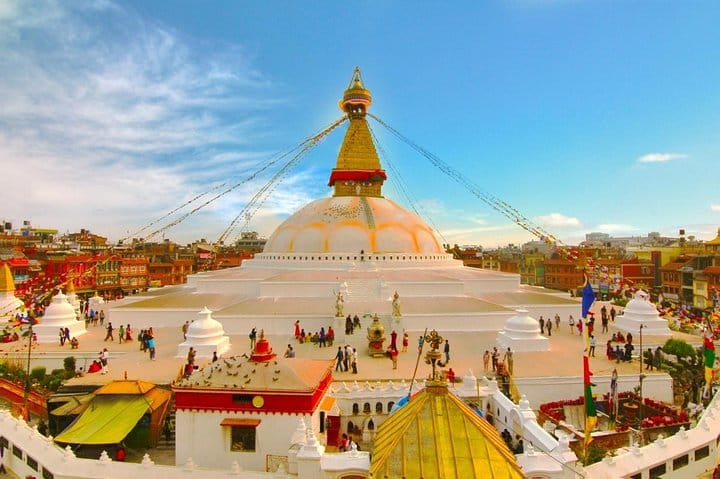
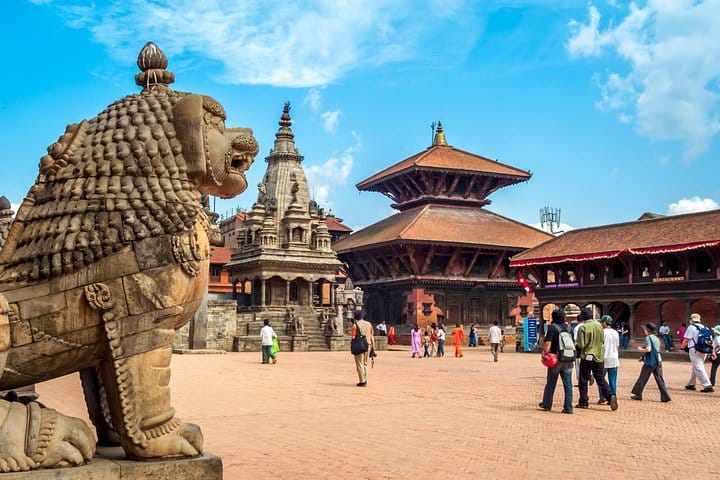
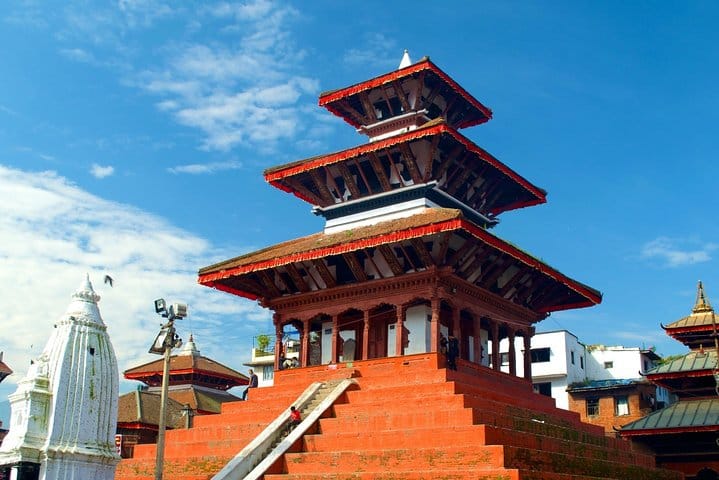
These tours pair Pashupatinath with the rest of Kathmandu Valley's UNESCO sites — Boudhanath, Swayambhunath, and Durbar Square — or focus on a single unhurried sunrise or sunset visit, so you can choose between a deep dive and a full-day overview.
 Elite
Elite
Free Cancellation · Instant confirmation · Private tour
 Elite
Elite
Free Cancellation · Instant confirmation · Private tour
 Elite
Elite
Free Cancellation · Instant confirmation · Private tour
 Elite
Elite
Free Cancellation · Instant confirmation · Private tour
 Elite
Elite
Free Cancellation · Instant confirmation · Private tour
 Elite
Elite
Free Cancellation · Instant confirmation · Private tour
 Elite
Elite
Free Cancellation · Instant confirmation · Private tour
 Elite
Elite
Free Cancellation · Instant confirmation · Private tour
 Elite
Elite
Free Cancellation · Instant confirmation · Pickup available
 Elite
Elite
Free Cancellation · Instant confirmation · Private tour
 Elite
Elite
Free Cancellation · Instant confirmation · Private tour
 Elite
Elite
Free Cancellation · Instant confirmation · Private tour
 Elite
Elite
Free Cancellation · Instant confirmation · Private tour
 Elite
Elite
Free Cancellation · Instant confirmation · Private tour
 Elite
Elite
Free Cancellation · Instant confirmation · Private tour
 Elite
Elite
Free Cancellation · Instant confirmation · Private tour
 Elite
Elite
Free Cancellation · Instant confirmation · Private tour
 Elite
Elite
Free Cancellation · Instant confirmation · Private tour
 Elite
Elite
Free Cancellation · Instant confirmation · Private tour
 Elite
Elite
Free Cancellation · Instant confirmation · Private tour
 Elite
Elite
Free Cancellation · Instant confirmation · Private tour
 Elite
Elite
Free Cancellation · Instant confirmation · Private tour
 Elite
Elite
Free Cancellation · Instant confirmation · Private tour
 Elite
Elite
Free Cancellation · Instant confirmation · Private tour
 Elite
Elite
Free Cancellation · Instant confirmation · Private tour
 Elite
Elite
Free Cancellation · Instant confirmation · Private tour
 Elite
Elite
Free Cancellation · Instant confirmation · Private tour
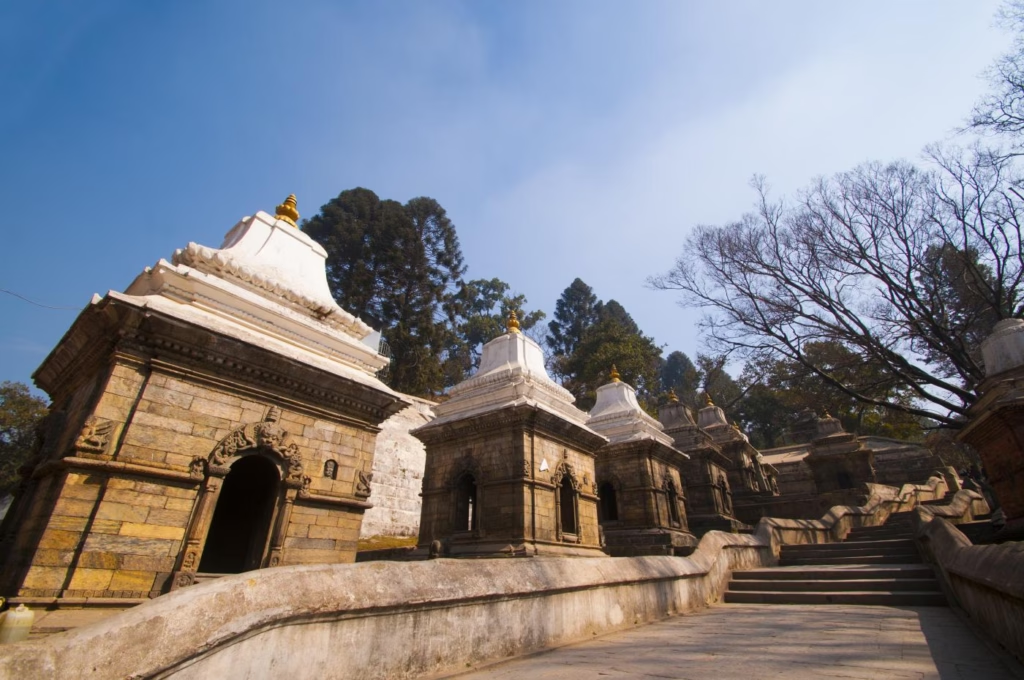
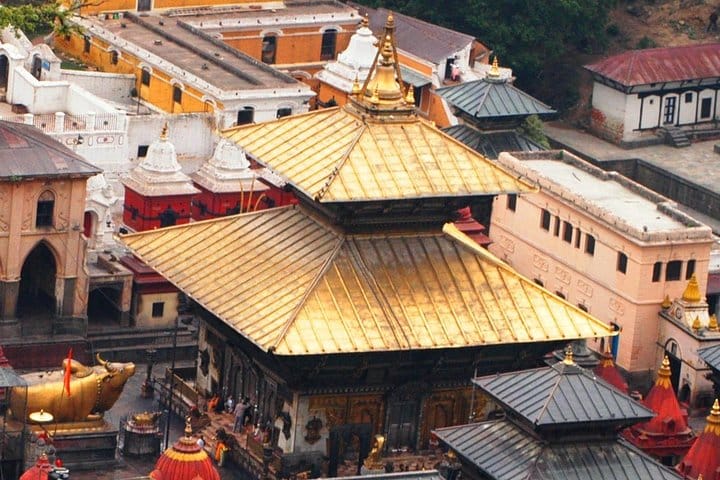
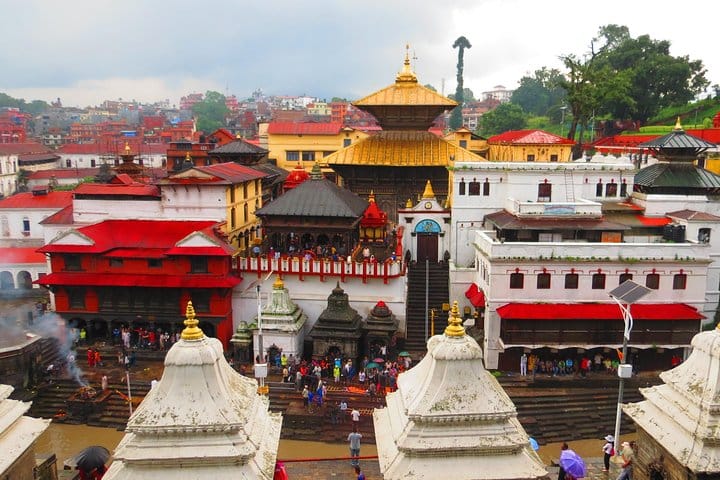
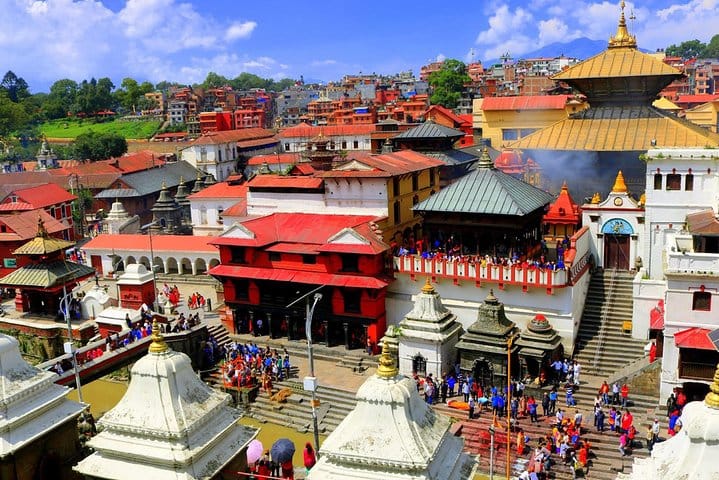
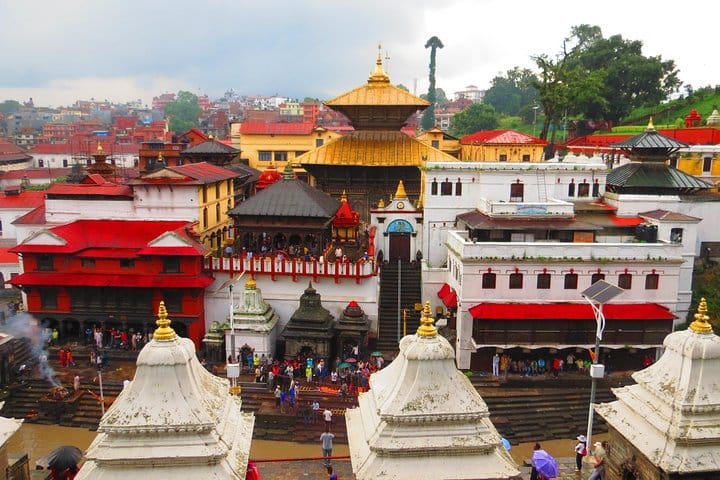
Pashupatinath is the holiest Shiva temple in Nepal and one of the most important Shaivite pilgrimage sites in South Asia, set on the eastern bank of the Bagmati River in Gaushala, about 5 km east of Thamel and 2.5 km from Tribhuvan International Airport. Worship at this spot is recorded back to the Licchavi era around 400 CE, though the gold-roofed pagoda visitors photograph today dates mainly to the late 17th century, rebuilt after termites destroyed an earlier wooden structure. The two-tiered roof is copper gilded in gold, the four main doors are sheathed in silver, and the inner sanctum holds a stone Shiva lingam carved with four faces looking to the cardinal directions — a form found almost nowhere else in the Hindu world.
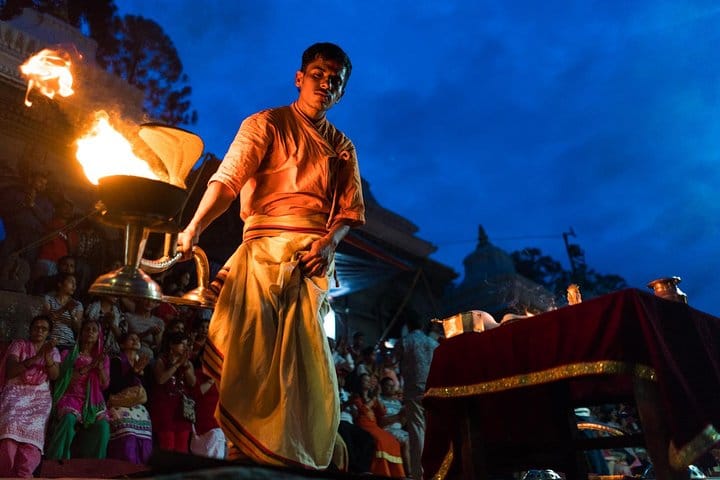
The temple anchors a much larger riverside complex of roughly 500 shrines, ashrams, and cremation ghats, inscribed by UNESCO as part of the Kathmandu Valley World Heritage Site in 1979. Open-air cremations take place daily along the ghats closest to the temple, and sadhus — Hindu ascetics, some in residence year-round — are a near-constant presence in the courtyards. Only Hindus may enter the inner sanctum itself; everyone else can still watch the evening aarti fire ceremony, walk the gardens and outer shrines, and view the golden roof and cremation rituals from the terraced steps across the river. That distinction matters for planning your visit, and it's exactly what a local guide is useful for.
Non-Hindus cannot enter the inner sanctum where the Shiva lingam is kept, but you're welcome in the wider complex — the courtyards, gardens, outer shrines, and the terraces across the Bagmati River, where you can see the temple's gold roof and watch the cremation ghats and evening Aarti.
Foreign visitors pay a fixed NPR 1,000 (about US$7.50) heritage fee at the gate; Nepali and Indian nationals enter free. Check each tour's inclusions below — some bundle the entry fee into the price, others meet you after you've purchased it.
Early morning, around 5:00–7:00 AM for the Mangala Aarti, is quietest and coolest. The evening Aarti around sunset (roughly 6:00–7:30 PM) is the most atmospheric time to watch from the riverbank, though it's also the most crowded.
Yes — cremations along the Bagmati ghats are conducted openly and visitors regularly observe respectfully from across the river or the surrounding steps. Keep a respectful distance, don't photograph close-up, and follow your guide's or any steward's direction.
Modest, respectful clothing that covers shoulders and knees. You'll also remove your shoes before entering any shrine building that permits entry.
Most visitors need 1.5 to 3 hours to see the main complex, cross to the riverside viewing terraces, and take in a couple of the surrounding shrines. Add time if you're visiting specifically for the Mangala or evening Aarti ceremony.