 Elite
Elite
Kathmandu, Chitwan National Park and Pokhara 8-Day Tour
Free Cancellation · Instant confirmation · Pickup available

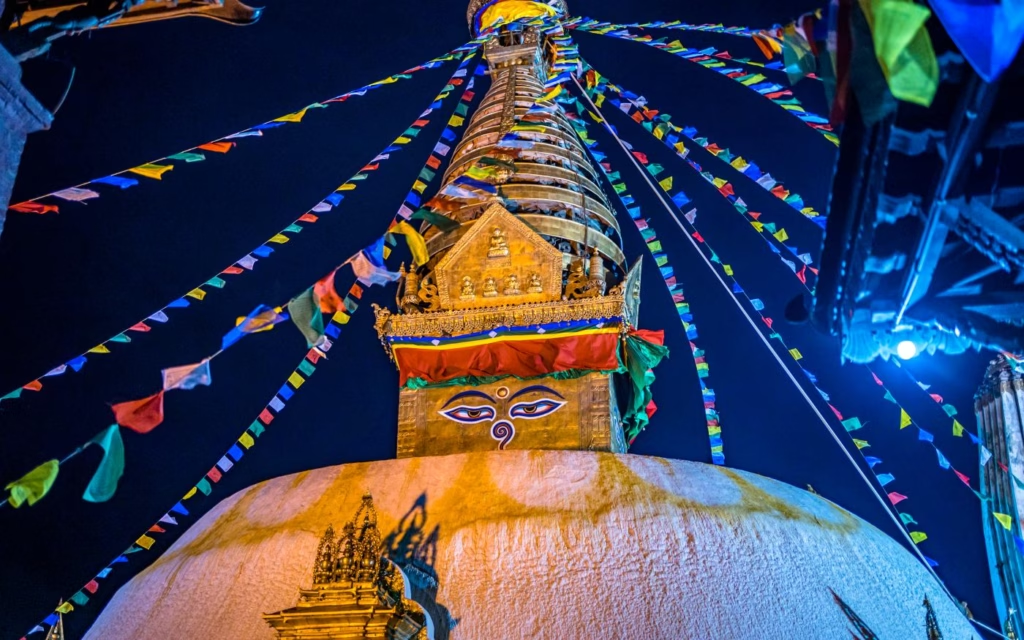
An entry ticket gets you through the gate and onto the hill. The options below add what the ticket alone doesn't — a guide who can explain what you're looking at, skip-the-hassle pickup from your hotel, or a stop at Swayambhunath as part of a wider Kathmandu Valley itinerary.
Elite
Free Cancellation · Instant confirmation · Pickup available
 Elite
Elite
Free Cancellation · Instant confirmation · Meet on location or pickup
 Elite
Elite
Free Cancellation · Instant confirmation · Private tour
 Elite
Elite
Free Cancellation · Instant confirmation · Private tour
 Elite
Elite
Free Cancellation · Instant confirmation · Private tour
 Elite
Elite
Free Cancellation · Instant confirmation · Private tour
 Elite
Elite
Free Cancellation · Instant confirmation · Private tour
 Elite
Elite
Free Cancellation · Instant confirmation · Private tour
 Elite
Elite
Free Cancellation · Instant confirmation · Private tour
 Elite
Elite
Free Cancellation · Instant confirmation · Private tour
 Elite
Elite
Free Cancellation · Instant confirmation · Private tour
 Elite
Elite
Free Cancellation · Instant confirmation · Private tour
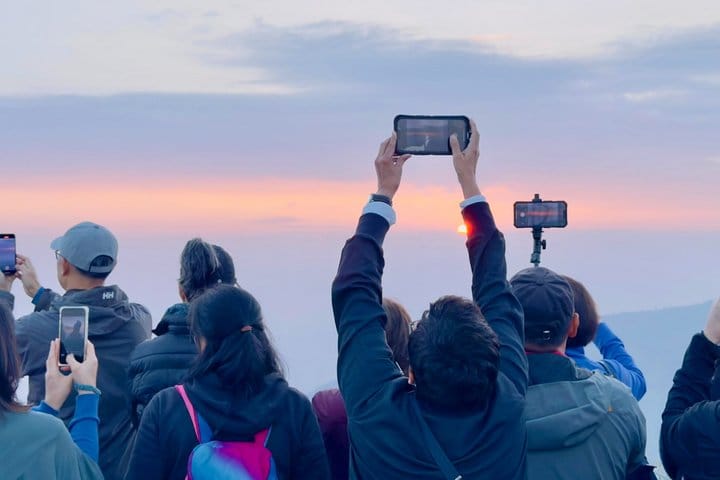
From an early climb timed to the morning circumambulation to a half-day pairing with Boudhanath and Pashupatinath, here's how travelers typically experience Swayambhunath with a local guide.
 Elite
Elite
Free Cancellation · Instant confirmation · Private tour
 Elite
Elite
Free Cancellation · Instant confirmation · Private tour
 Elite
Elite
Free Cancellation · Instant confirmation · Private tour
 Elite
Elite
Free Cancellation · Instant confirmation · Private tour
 Elite
Elite
Free Cancellation · Instant confirmation · Private tour
 Elite
Elite
Free Cancellation · Instant confirmation · Private tour
 Elite
Elite
Free Cancellation · Instant confirmation · Private tour
 Elite
Elite
Free Cancellation · Instant confirmation · Private tour
 Elite
Elite
Free Cancellation · Instant confirmation · Pickup available
 Elite
Elite
Free Cancellation · Instant confirmation · Private tour
 Elite
Elite
Free Cancellation · Instant confirmation · Private tour
 Elite
Elite
Free Cancellation · Instant confirmation · Private tour
 Elite
Elite
Free Cancellation · Instant confirmation · Private tour
 Elite
Elite
Free Cancellation · Instant confirmation · Private tour
 Elite
Elite
Free Cancellation · Instant confirmation · Private tour
 Elite
Elite
Free Cancellation · Instant confirmation · Private tour
 Elite
Elite
Free Cancellation · Instant confirmation · Private tour
 Elite
Elite
Free Cancellation · Instant confirmation · Private tour
 Elite
Elite
Free Cancellation · Instant confirmation · Private tour
 Elite
Elite
Free Cancellation · Instant confirmation · Private tour
 Elite
Elite
Free Cancellation · Instant confirmation · Private tour
 Elite
Elite
Free Cancellation · Instant confirmation · Private tour
 Elite
Elite
Free Cancellation · Instant confirmation · Private tour
 Elite
Elite
Free Cancellation · Instant confirmation · Private tour
 Elite
Elite
Free Cancellation · Instant confirmation · Private tour
 Elite
Elite
Free Cancellation · Instant confirmation · Private tour
 Elite
Elite
Free Cancellation · Instant confirmation · Private tour
 Elite
Elite
Free Cancellation · Instant confirmation · Private tour
 Elite
Elite
Free Cancellation · Instant confirmation · Private tour
 Elite
Elite
Free Cancellation · Instant confirmation · Private tour
 Elite
Elite
Free Cancellation · Instant confirmation · Private tour
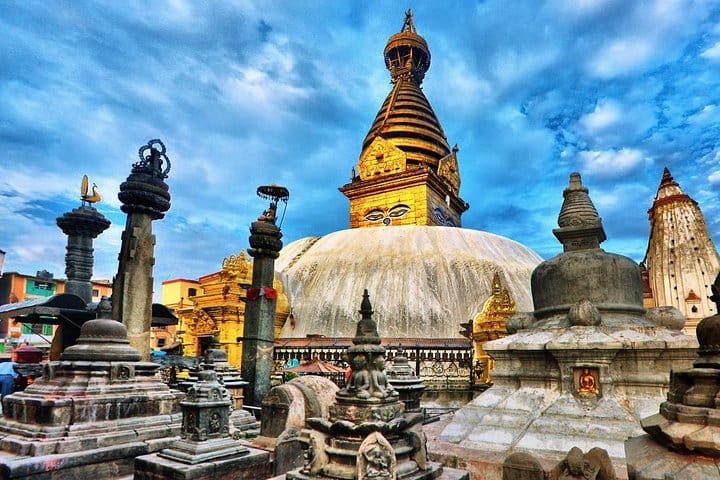
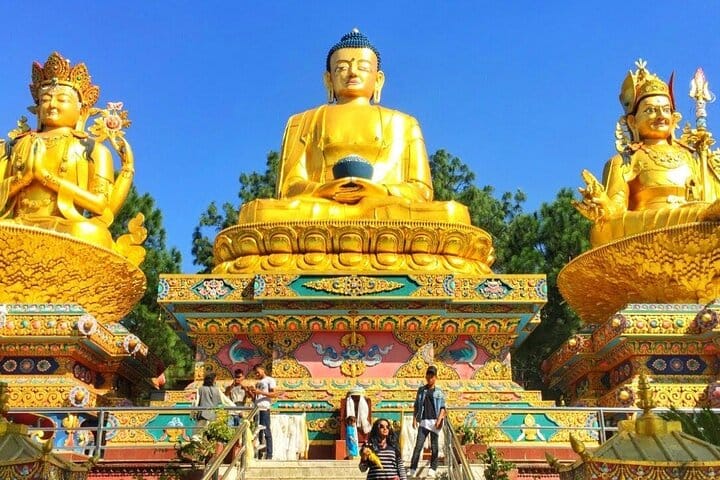
Swayambhunath sits on a forested hilltop about 77 meters above the Kathmandu Valley floor and roughly 3 kilometers west of Thamel. Stone inscriptions found on the hill place organized worship here as far back as the 5th century, though local tradition holds the site is older still, rooted in a legend in which a self-created flame rose from a lotus growing in a primordial lake said to have once filled the valley. That legend gives the complex its name — Swayambhu, "the self-arisen one" — and its dual status as a pilgrimage site for both Buddhists and Hindus.
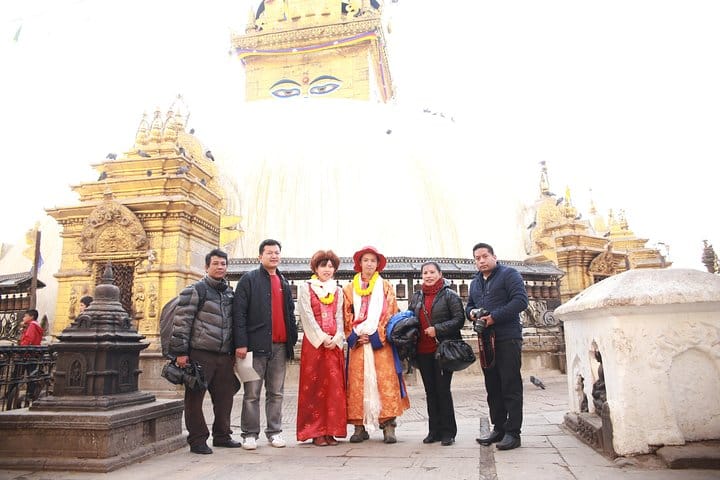
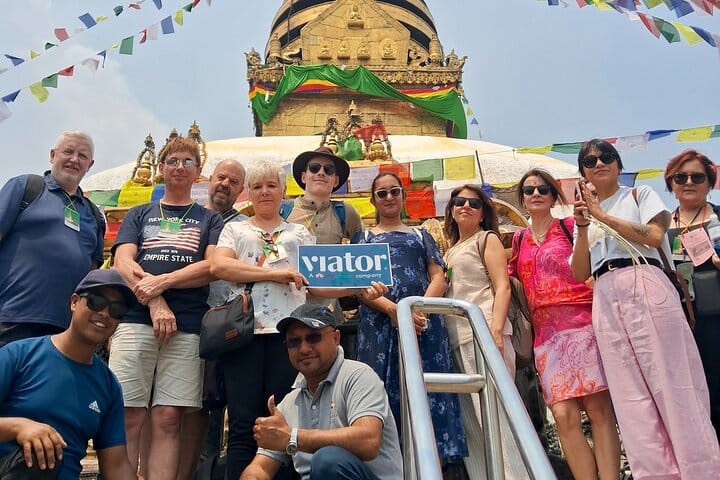
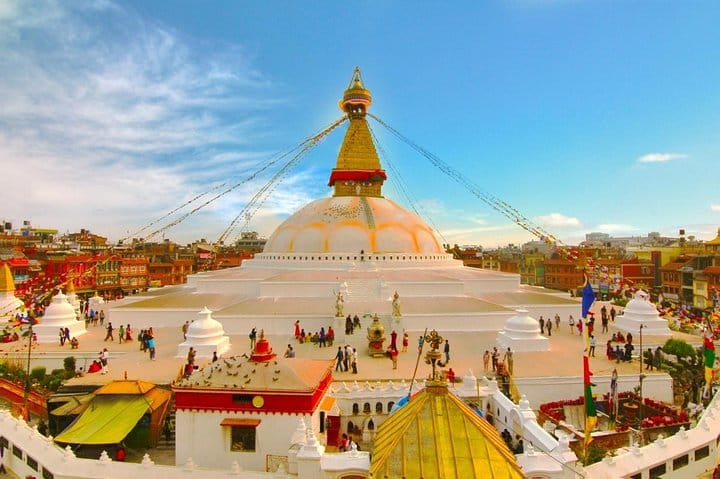
At the center stands a whitewashed dome roughly 36 meters tall, capped by a gilded spire of thirteen tapering rings and an umbrella finial. Below the spire, painted Buddha eyes face all four directions above the valley — Nepal's most recognized image — paired with a curling third eye and the Nepali numeral 1, a symbol of unity. Pilgrims circle the base clockwise past hundreds of prayer wheels, a large bronze Vajra, a shrine to the Hindu goddess Harati, and working Tibetan monasteries where monks still chant most afternoons. The hill is also home to a longstanding troop of rhesus macaques, the reason English-speaking visitors nicknamed it the "Monkey Temple." Reaching the summit means 365 stone steps up the eastern stairway, one for each day of the year, though a paved road on the southwest side reaches the same point for anyone who'd rather skip the climb.
Swayambhunath is a hilltop stupa about 3 km west of central Kathmandu, older and visually layered with Hindu shrines mixed among the Buddhist ones. Boudhanath is a larger, flat-ground stupa in the eastern valley and the center of Kathmandu's Tibetan community. Many travelers see both in a single day.
The NPR 200 ticket covers the main stupa complex and grounds. The working Tibetan monasteries on site are open to respectful visitors free of charge, though donations are customary, and a small on-site museum near the stupa has its own separate, minor fee.
Yes. A paved road climbs the hill's southwest side to a parking area near the summit, and most taxis and tour vehicles use it — a practical option if you're traveling with young kids or have mobility limitations.
They're generally not aggressive as long as you don't feed them or make direct eye contact. Keep food, sunglasses, and anything shiny out of reach, and give them space if they approach.
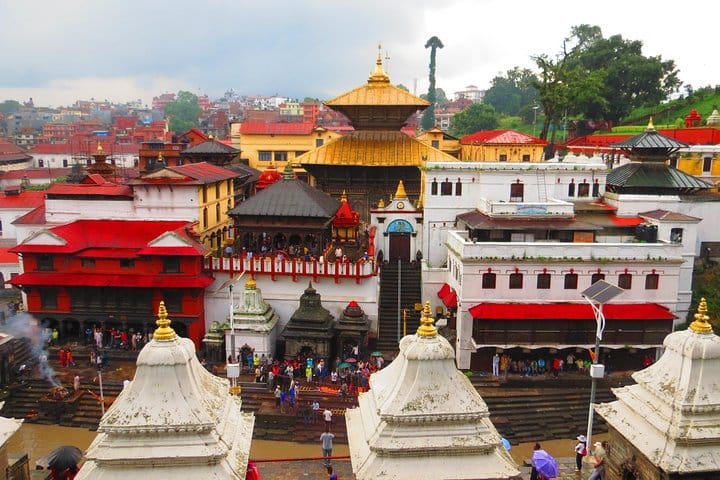
Yes — Swayambhunath, Pashupatinath, and Boudhanath, three of the valley's UNESCO-listed sites, can realistically be combined in one day with a private driver or guide, though it makes for a full, temple-heavy itinerary.
Modest clothing that covers shoulders and knees is appreciated, though it's less strictly enforced here than at some temples. Comfortable, grippy footwear matters more than dress code, given the 365-step climb.