 Elite
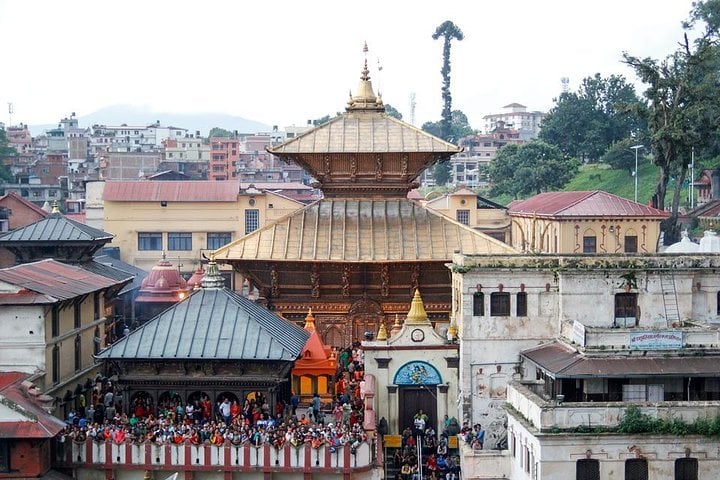
Pashupatinath Temple, Boudanath and Patan Durbar Square Tour
Free Cancellation · Instant confirmation · Private tour

Walk the kora around Nepal's largest stupa and book tickets, guided tours, and Kathmandu Valley day trips from vetted local operators.
 Pashupatinath Temple, Boudanath and Patan Durbar Square Tour
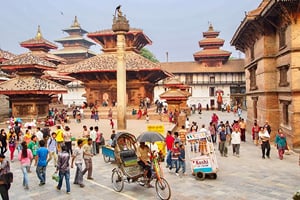 Kathmandu, Chitwan National Park and Pokhara 8-Day Tour
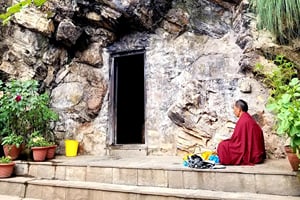 Kathmandu, Pharping and Dakshinkali 2-Day Heritage Tour
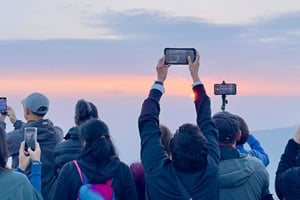 Private Bhaktapur and Nagarkot Day Tour from Kathmandu
43 tours from 2 operatorsfrom $35 per person100% free cancellationrated 5.0/5 from 254 reviews
In shortBoudhanath Stupa anchors the Boudha neighborhood in northeastern Kathmandu, about 6 km (4 miles) from Durbar Square and roughly 4.5 km (2.8 miles) from Tribhuvan International Airport.
From dawn kora walks with a Tibetan Buddhist guide to rooftop-café evenings watching the stupa light up, these are the ways past travelers have gotten the most out of Boudhanath.
Elite
Free Cancellation · Instant confirmation · Private tour
 Elite
Free Cancellation · Instant confirmation · Private tour
 Elite
Free Cancellation · Instant confirmation · Private tour
 Elite
Free Cancellation · Instant confirmation · Private tour
 Elite
Free Cancellation · Instant confirmation · Private tour
 Elite
Free Cancellation · Instant confirmation · Private tour
 Elite
Free Cancellation · Instant confirmation · Private tour
 Elite
Free Cancellation · Instant confirmation · Private tour
 Elite
Free Cancellation · Instant confirmation · Private tour
 Elite
Free Cancellation · Instant confirmation · Private tour
 Elite
Free Cancellation · Instant confirmation · Private tour
 Elite
Free Cancellation · Instant confirmation · Private tour
No tours match. Try another length.
No tours match. Try another length.
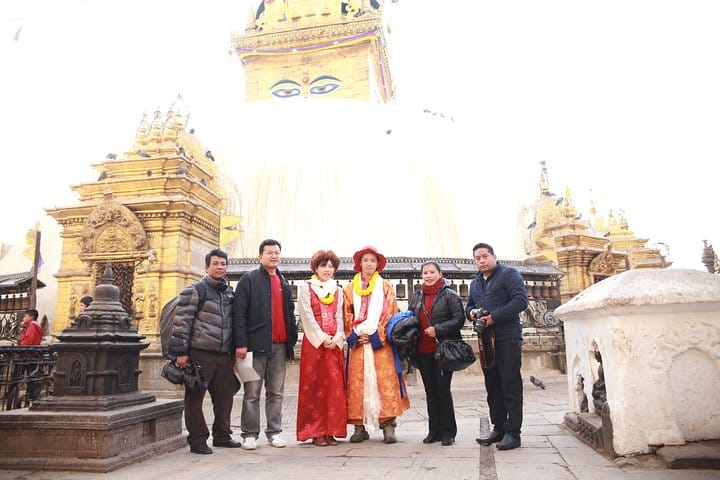
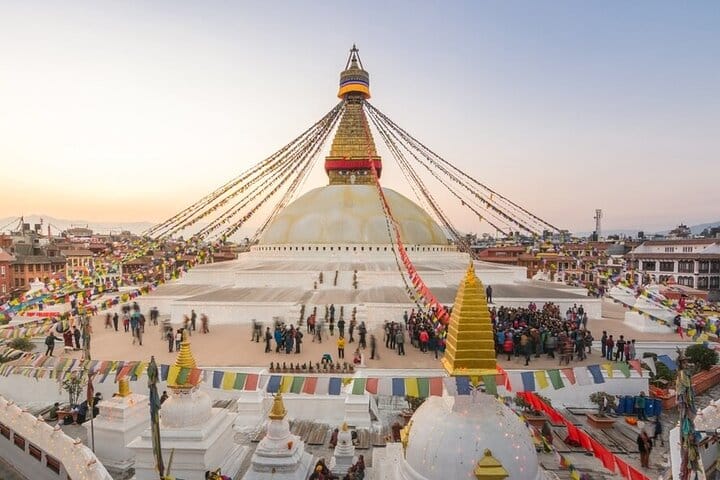
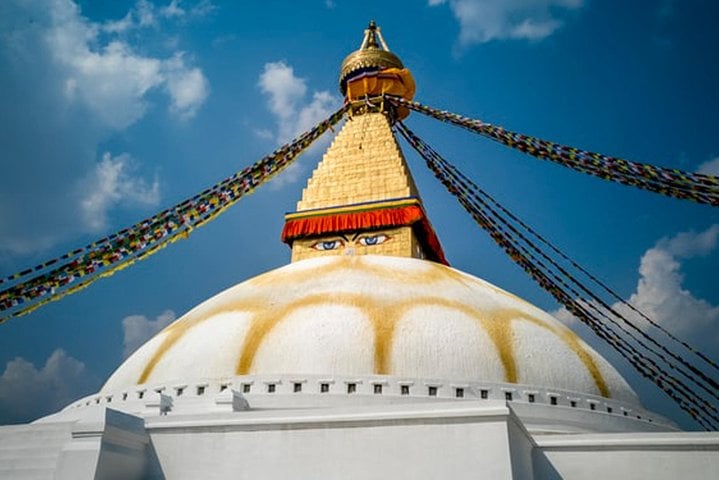
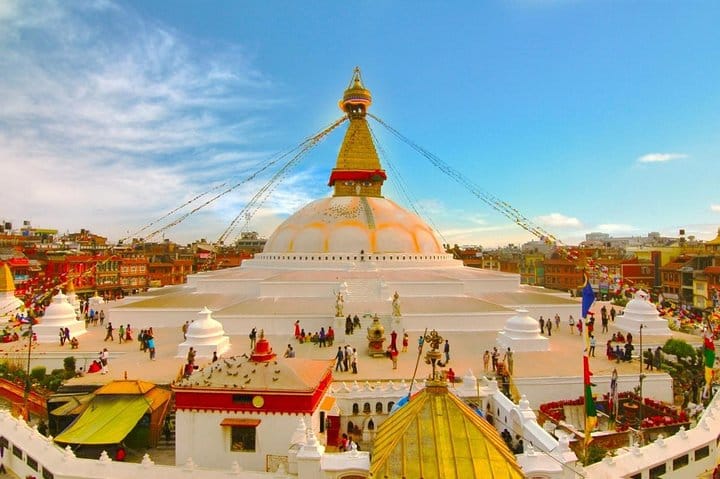
Boudhanath Stupa anchors the Boudha neighborhood in northeastern Kathmandu, about 6 km (4 miles) from Durbar Square and roughly 4.5 km (2.8 miles) from Tribhuvan International Airport. At 36 meters (118 feet) tall, its whitewashed dome is one of the largest spherical stupas in the world, set on a base built as a mandala of twelve interlocking rectangles that Tibetan Buddhist tradition reads as a map of the path to enlightenment. Four painted eyes watch out from the gilded spire, one per compass direction, and hundreds of prayer wheels line the surrounding wall, each inscribed with the mantra Om Mani Padme Hum.
The stupa's exact origins are debated — Nepali chronicles credit the 5th-century Licchavi king Manadeva, while Tibetan accounts date the structure later — but its role as a pilgrimage hub sharpened after 1959, when Tibetan refugees settled around it and built roughly 50 monasteries and gompas that now ring the plaza, earning the area its nickname, "Little Tibet." The 2015 Gorkha earthquake cracked the stupa's spire; monks, the local community, and Buddhist organizations worldwide funded an 18-month rebuild finished with fresh gold leaf, and the site reopened in November 2016. UNESCO listed Boudhanath as a World Heritage Site in 1979, part of the broader Kathmandu Valley inscription, and it remains a living place of worship rather than a museum piece — pilgrims still circle it clockwise from before dawn until after dark.
On TripWays, tours that visit Buddha Stupa range from $35 to $7,910 per person, and half of them cost $810 or less (prices as of November 25, 2026). Tours of a day or less start at $35; multi-day tours start at $220.
Half of the tours that visit Buddha Stupa last 4 days or less. By length: Up to 4 hours: 2; 4 hours to 1 day: 10; 2–3 days: 8; 4–7 days: 11; 8 days or more: 12.
43 of 43 tours that visit Buddha Stupa (100%) offer free cancellation. The exact deadline is shown on each tour page before you pay.
Yes: 39 of 43 tours that visit Buddha Stupa can be booked for one person. The others need a minimum group of two or more travelers, shown on the tour page.