 Elite
Elite
Durbar Square Half-Day Cultural Tour in Kathmandu
Free Cancellation · Instant confirmation · Private tour

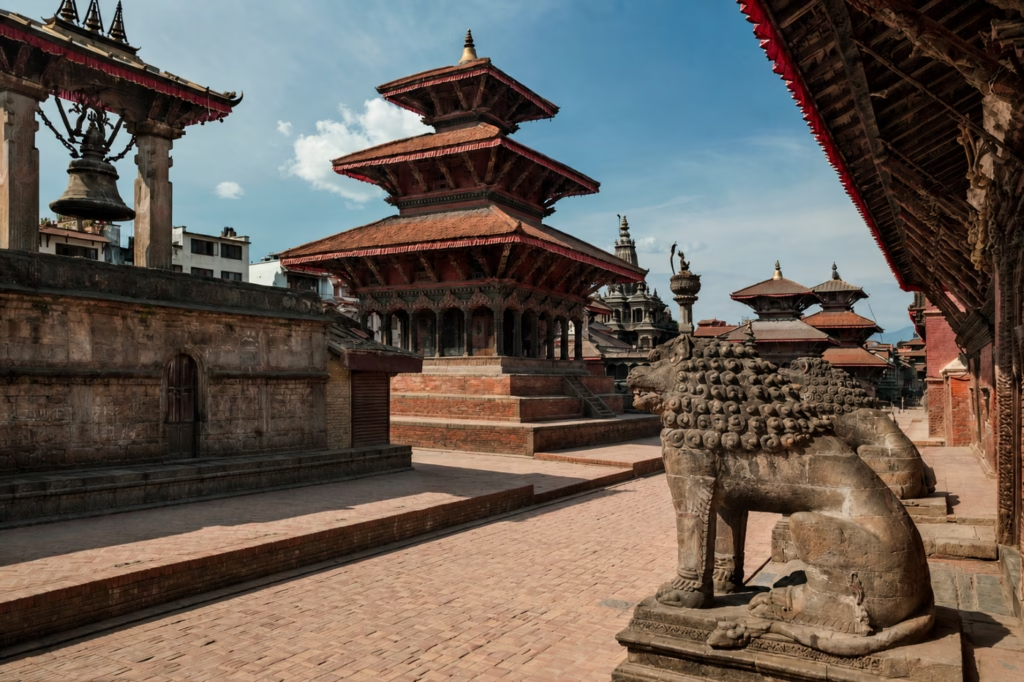
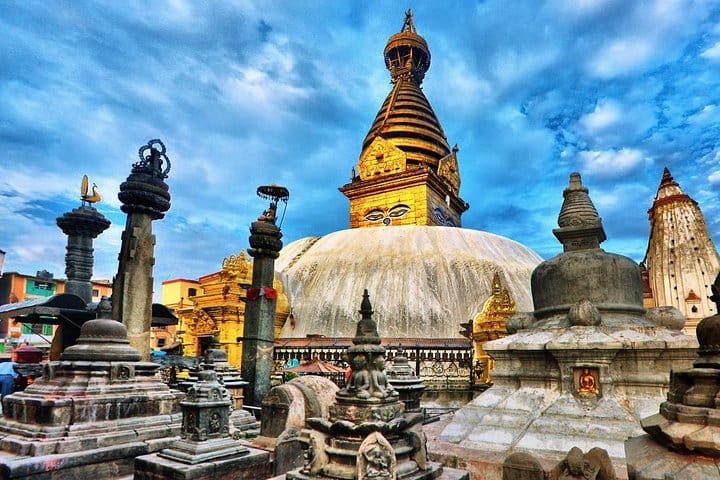
Entry tickets and combo passes for Kathmandu Durbar Square, sold at official booths at each main entrance. Options below range from a simple same-day pass to bundles that add Kasthamandap, the Tribhuvan Museum, and nearby Swayambhunath.
Elite
Free Cancellation · Instant confirmation · Private tour
 Elite
Elite
Free Cancellation · Instant confirmation · Private tour
 Elite
Elite
Free Cancellation · Instant confirmation · Private tour
 Elite
Elite
Free Cancellation · Instant confirmation · Private tour
 Elite
Elite
Free Cancellation · Instant confirmation · Private tour
 Elite
Elite
Free Cancellation · Instant confirmation · Private tour
 Elite
Elite
Free Cancellation · Instant confirmation · Private tour
 Elite
Elite
Free Cancellation · Instant confirmation · Private tour
 Elite
Elite
Free Cancellation · Instant confirmation · Private tour
 Elite
Elite
Free Cancellation · Instant confirmation · Private tour
 Elite
Elite
Free Cancellation · Instant confirmation · Private tour
 Elite
Elite
Free Cancellation · Instant confirmation · Private tour
 Elite
Elite
Free Cancellation · Instant confirmation · Private tour
 Elite
Elite
Free Cancellation · Instant confirmation · Private tour
 Elite
Elite
Free Cancellation · Instant confirmation · Private tour
 Elite
Elite
Free Cancellation · Instant confirmation · Private tour
 Elite
Elite
Free Cancellation · Instant confirmation · Private tour
 Elite
Elite
Free Cancellation · Instant confirmation · Private tour
 Elite
Elite
Free Cancellation · Instant confirmation · Private tour
 Elite
Elite
Free Cancellation · Instant confirmation · Private tour
 Elite
Elite
Free Cancellation · Instant confirmation · Private tour
 Elite
Elite
Free Cancellation · Instant confirmation · Private tour
 Elite
Elite
Free Cancellation · Instant confirmation · Private tour
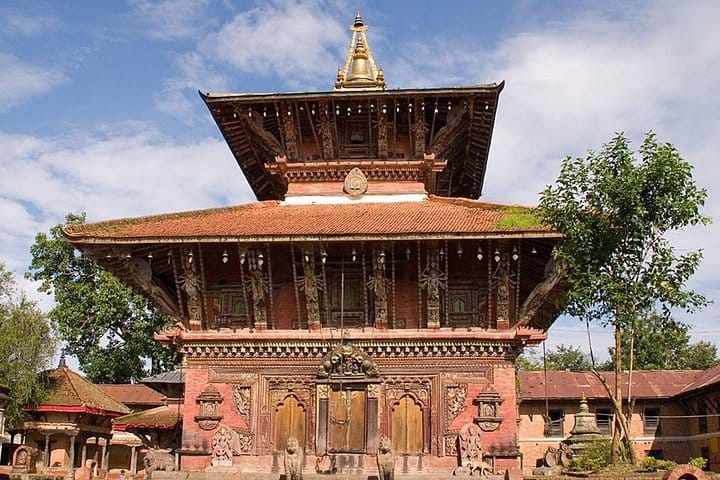
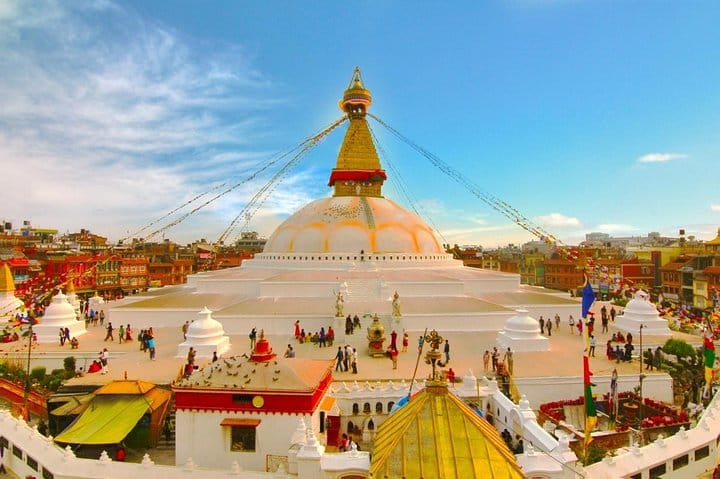
Guided walks through Durbar Square, paired with nearby heritage sites or built into full Kathmandu Valley itineraries. Every guide listed is vetted for licensing and current knowledge of what's been rebuilt since 2015.
 Elite
Elite
Free Cancellation · Instant confirmation · Private tour
 Elite
Elite
Free Cancellation · Instant confirmation · Private tour
 Elite
Elite
Free Cancellation · Instant confirmation · Private tour
 Elite
Elite
Free Cancellation · Instant confirmation · Private tour
 Elite
Elite
Free Cancellation · Instant confirmation · Private tour
 Elite
Elite
Free Cancellation · Instant confirmation · Private tour
 Elite
Elite
Free Cancellation · Instant confirmation · Private tour
 Elite
Elite
Free Cancellation · Instant confirmation · Private tour
 Elite
Elite
Free Cancellation · Instant confirmation · Private tour
 Elite
Elite
Free Cancellation · Instant confirmation · Private tour
 Elite
Elite
Free Cancellation · Instant confirmation · Private tour
 Elite
Elite
Free Cancellation · Instant confirmation · Private tour
 Elite
Elite
Free Cancellation · Instant confirmation · Private tour
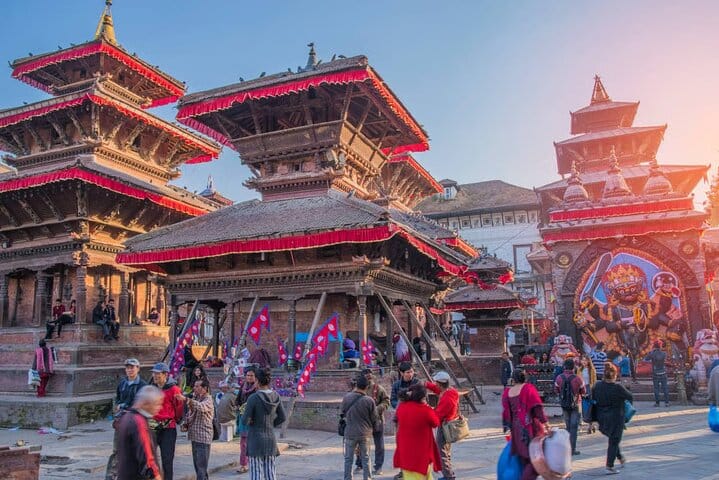
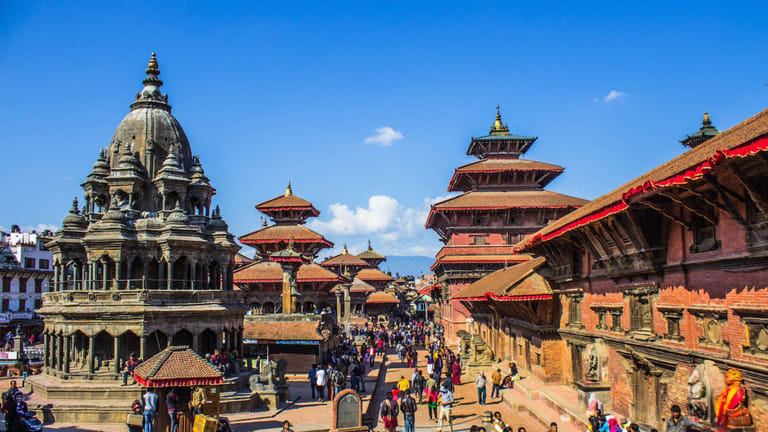
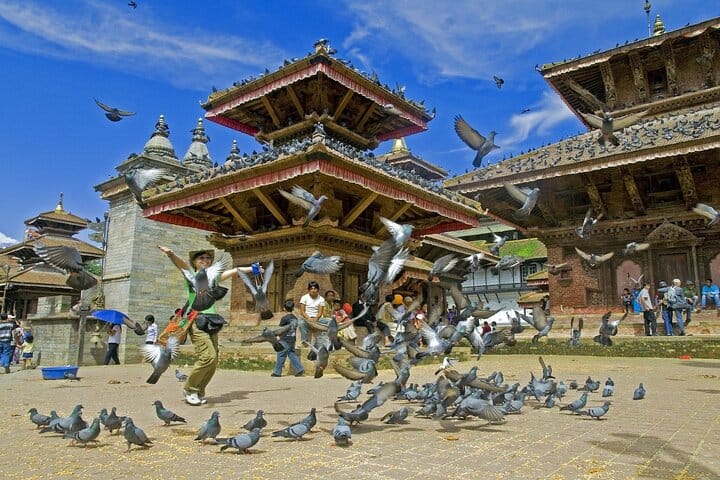
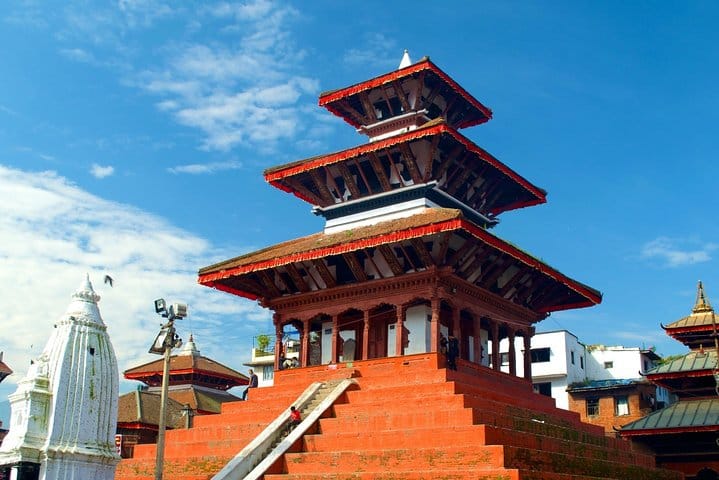
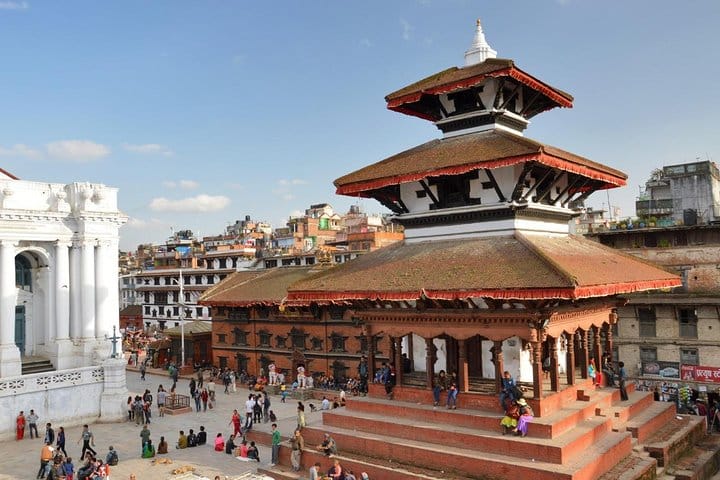
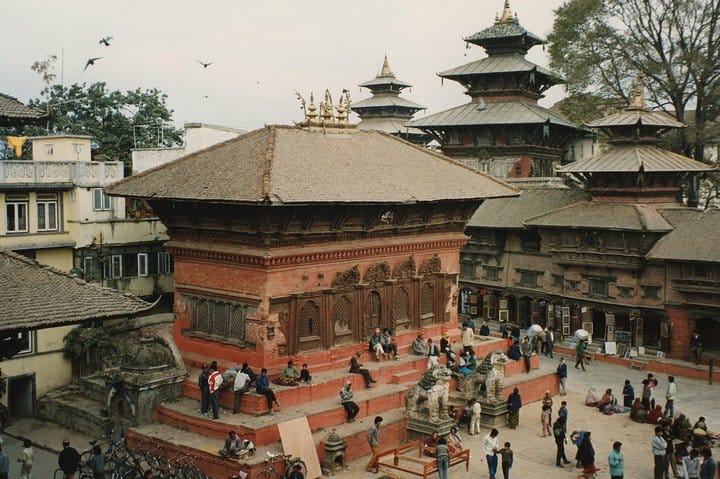
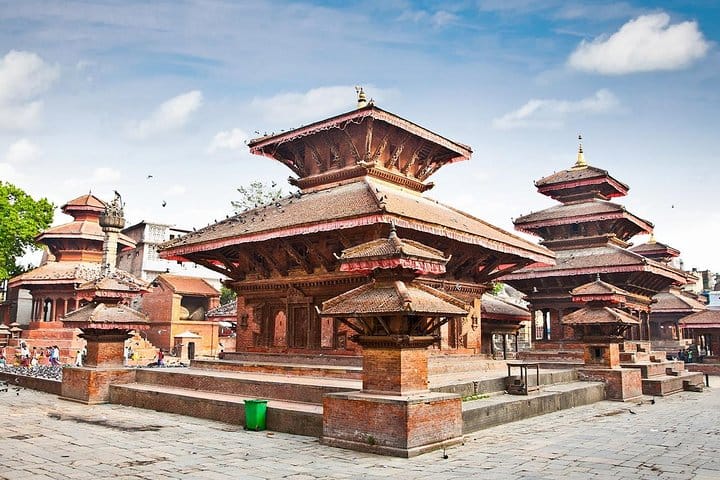
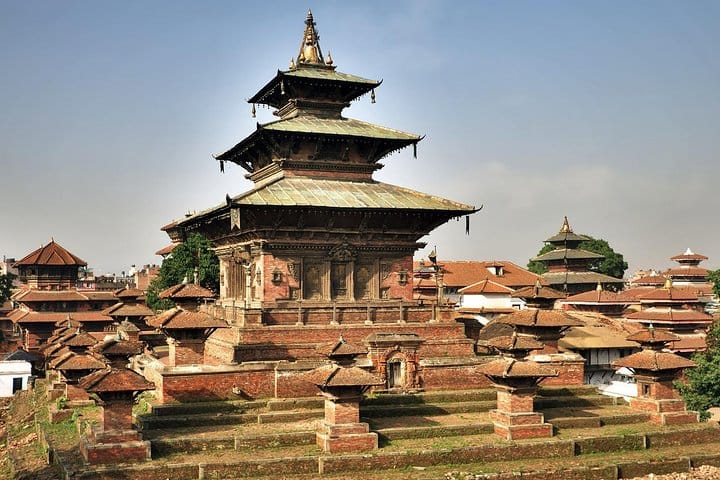
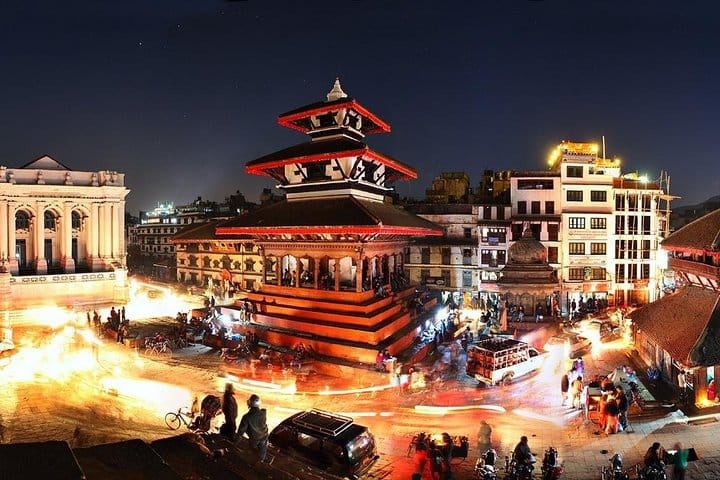
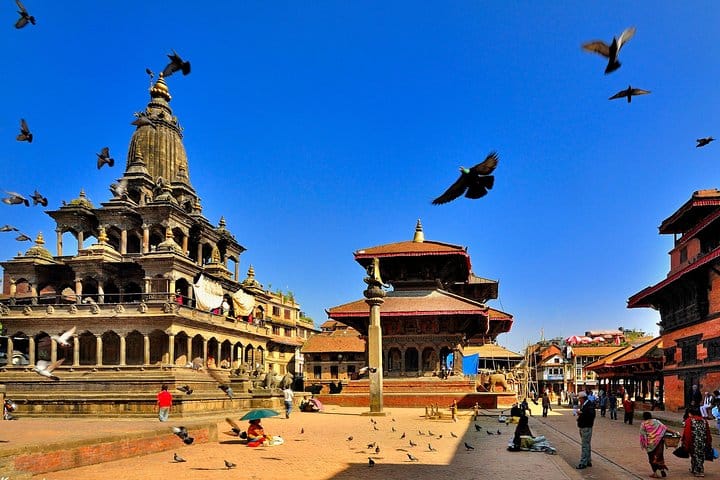
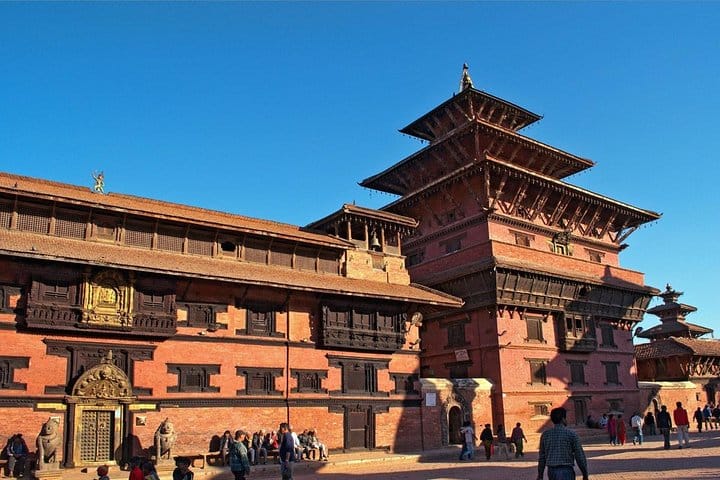
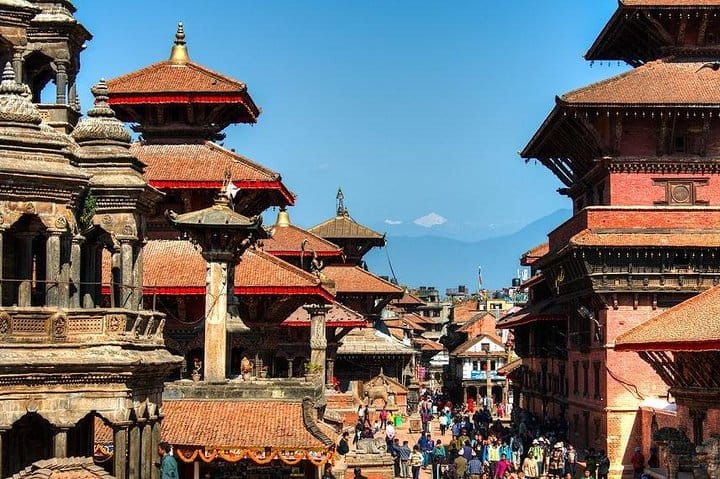
Kathmandu Durbar Square is the ceremonial core of the old royal city, a dense cluster of pagoda temples, stone courtyards, and palace wings built up around the Malla kings' seat of power. Most of what stands today dates from the 17th and 18th centuries, though the site's roots reach back to the Licchavi era. It's one of three royal squares in the Kathmandu Valley — alongside Patan and Bhaktapur — inscribed as a UNESCO World Heritage Site in 1979, and unlike a preserved ruin, it still works as a living part of the city: vegetable sellers set up under temple eaves, pigeons scatter across Basantapur's open flagstones, and worshippers file past the gilded Kal Bhairav relief on their way through.
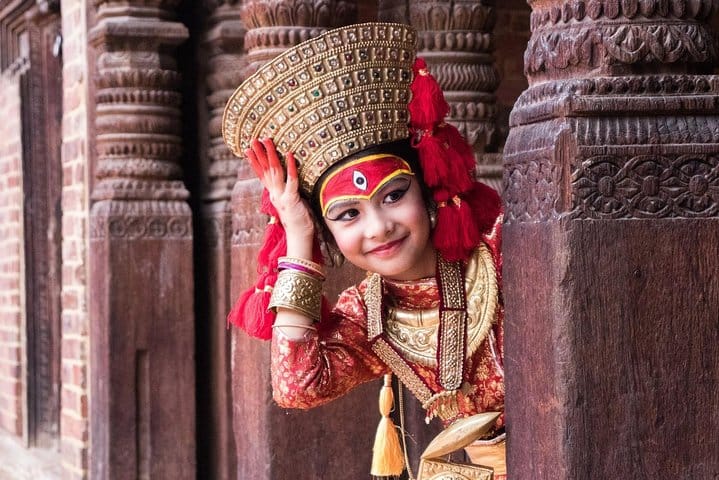
At its center sits Hanuman Dhoka, the former royal palace, and Nasal Chowk, the courtyard where Nepal's kings were once crowned. A few steps away, the carved wooden windows of Kumari Ghar look down on the square — home to the Kumari, a young girl worshipped as a living goddess under a centuries-old Newar tradition, who sometimes appears briefly at the window. The square took heavy damage in the 2015 earthquake, losing the nine-story Basantapur tower and the timber pavilion Kasthamandap, which many historians credit with giving Kathmandu its name. Reconstruction has been deliberate rather than fast: Kasthamandap reopened in 2022 rebuilt with traditional joinery, the Basantapur tower was restored that same year with Chinese government funding, and the Trailokya Mohan Narayan temple's rebuild finished in 2024. A few structures, including the Shiva-Parvati Temple, are still under scaffolding — so the square today is genuinely mid-restoration, which is exactly why a guide who knows what's original versus rebuilt adds real value here.
Partly. Kasthamandap and the nine-story Basantapur tower were rebuilt and reopened by 2022, and the Trailokya Mohan Narayan temple's reconstruction finished in 2024. A few structures, including the Shiva-Parvati Temple, are still under repair, so expect scaffolding alongside the fully restored monuments.
Foreign visitors pay NPR 1,000 (about $8) for a same-day pass, sold at official booths at each entrance. Nepali citizens enter free, and SAARC nationals pay a reduced rate.
She occasionally appears briefly at the carved window of Kumari Ghar, though there's no set schedule and photographing her is not allowed. Seeing her isn't guaranteed on any given visit.
Most guided tours on this page include the ticket in the price — check each listing's inclusions, since a few book the guide only and leave ticketing to you at the booth.
Most travelers spend 2–3 hours in the square itself. Add another 45 minutes for the Tribhuvan Museum inside Hanuman Dhoka Palace, which keeps shorter hours than the square.
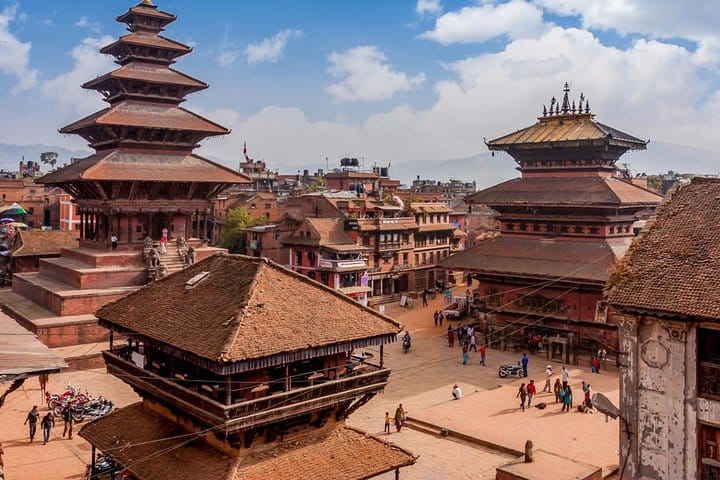
Yes — the three squares complement rather than repeat each other. Kathmandu's is the busiest and most central, Patan's is generally the most architecturally refined, and Bhaktapur's is the best-preserved and least crowded.