 Elite
Elite
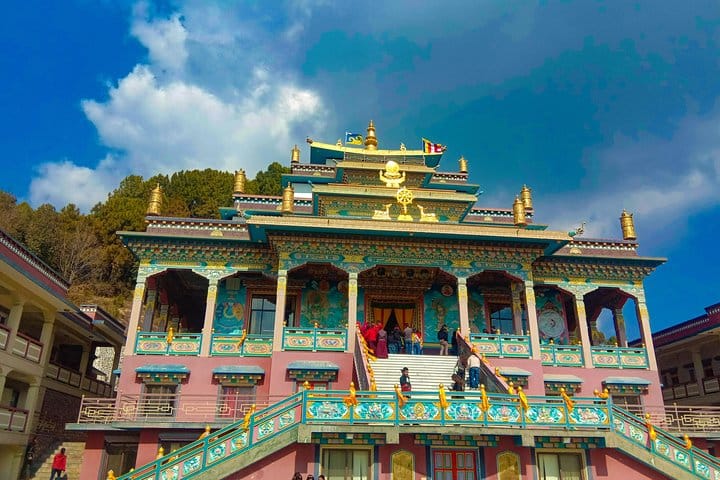
Dhagpo Sheydrub Ling Monastery and Bhaktapur Durbar Square Tour
Free Cancellation · Instant confirmation · Private tour

These passes are built around Bhaktapur's official city entry permit — the same ticket that covers Durbar, Taumadhi, Pottery, and Dattatreya Squares — so check each listing's inclusions for museum add-ons or skip-the-queue processing.
Elite
Free Cancellation · Instant confirmation · Private tour
 Elite
Elite
Free Cancellation · Instant confirmation · Private tour
 Elite
Elite
Free Cancellation · Instant confirmation · Private tour
 Elite
Elite
Free Cancellation · Instant confirmation · Private tour
 Elite
Elite
Free Cancellation · Instant confirmation · Private tour
 Elite
Elite
Free Cancellation · Instant confirmation · Private tour
 Elite
Elite
Free Cancellation · Instant confirmation · Private tour
 Elite
Elite
Free Cancellation · Instant confirmation · Private tour
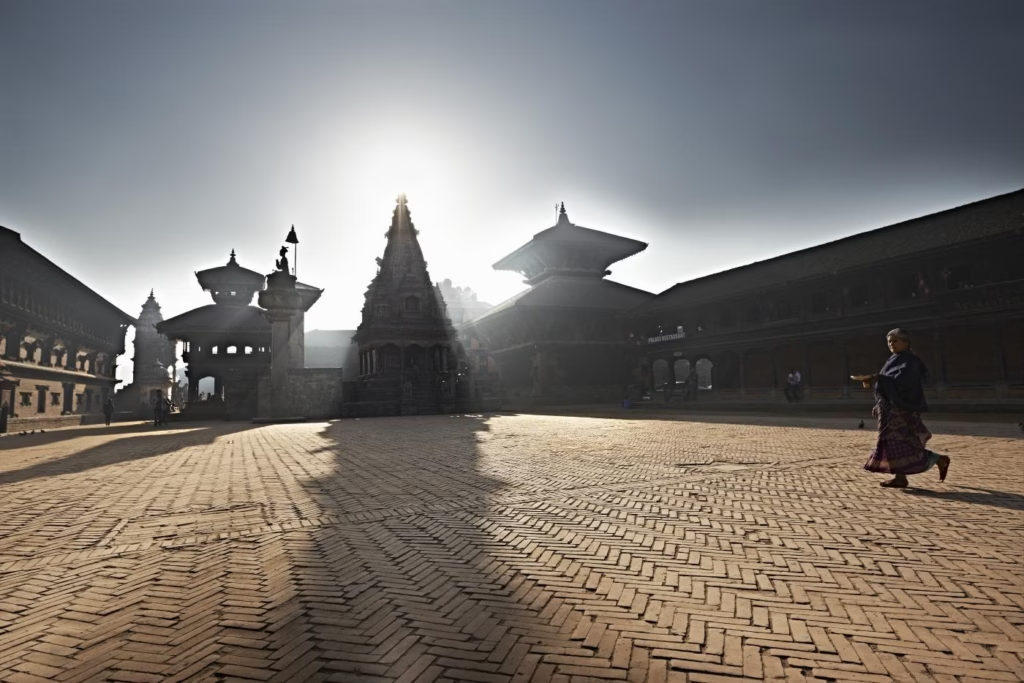
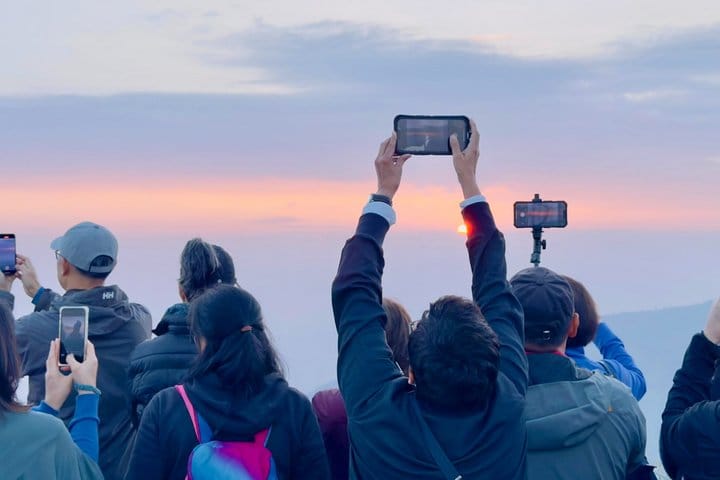
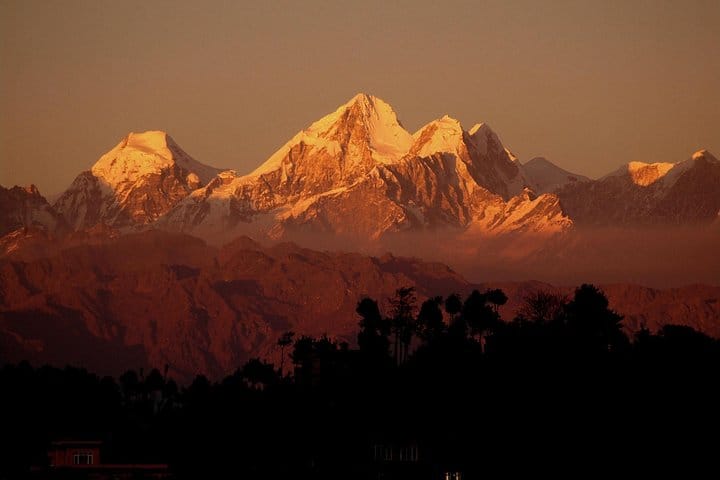
Beyond the entry ticket, here's how travelers actually see the square: guided heritage walks, half-day pairings with Changu Narayan or Nagarkot, and sunrise photography walks timed to the temple bells.
 Elite
Elite
Free Cancellation · Instant confirmation · Private tour
 Elite
Elite
Free Cancellation · Instant confirmation · Private tour
 Elite
Elite
Free Cancellation · Instant confirmation · Private tour
 Elite
Elite
Free Cancellation · Instant confirmation · Private tour
 Elite
Elite
Free Cancellation · Instant confirmation · Private tour
 Elite
Elite
Free Cancellation · Instant confirmation · Private tour
 Elite
Elite
Free Cancellation · Instant confirmation · Private tour
 Elite
Elite
Free Cancellation · Instant confirmation · Private tour
 Elite
Elite
Free Cancellation · Instant confirmation · Private tour
 Elite
Elite
Free Cancellation · Instant confirmation · Private tour
 Elite
Elite
Free Cancellation · Instant confirmation · Private tour
 Elite
Elite
Free Cancellation · Instant confirmation · Private tour
 Elite
Elite
Free Cancellation · Instant confirmation · Private tour
 Elite
Elite
Free Cancellation · Instant confirmation · Private tour
 Elite
Elite
Free Cancellation · Instant confirmation · Private tour
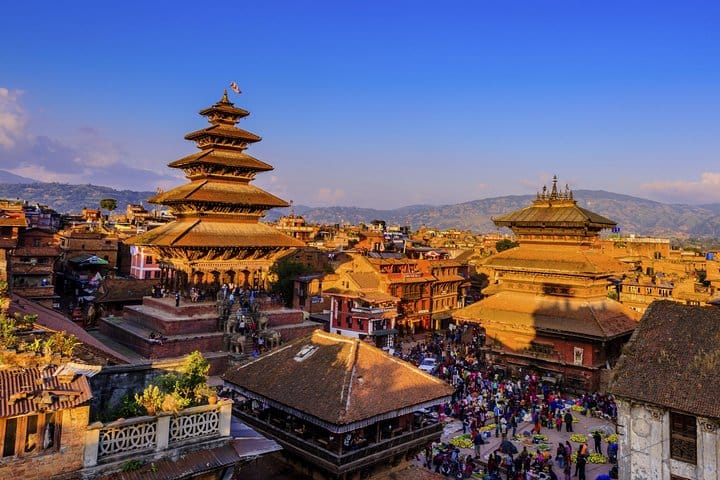
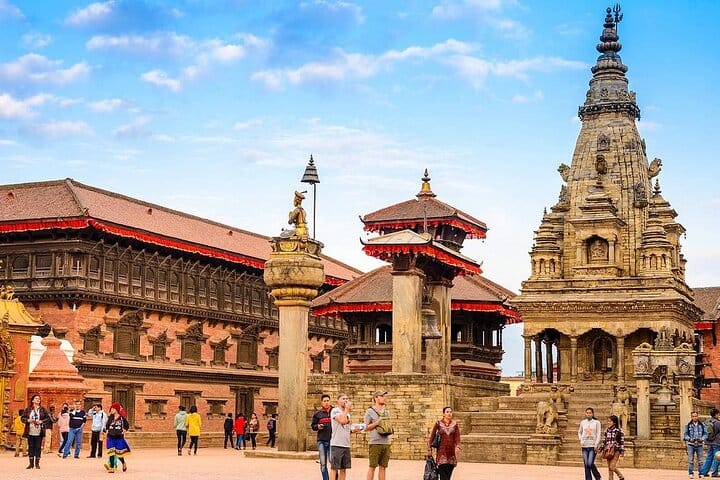
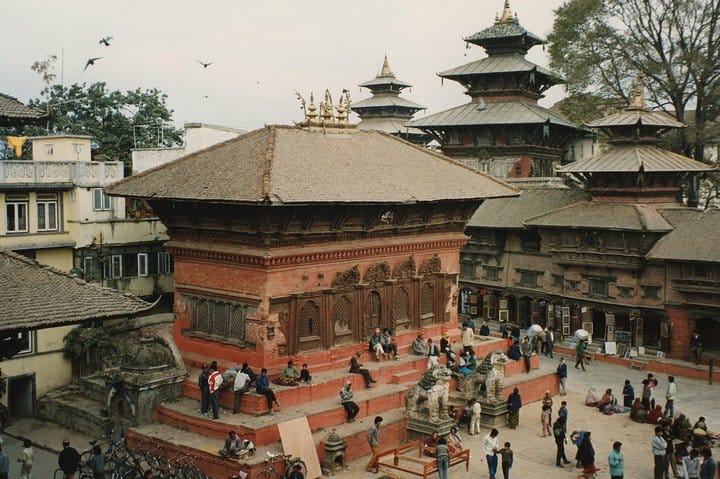
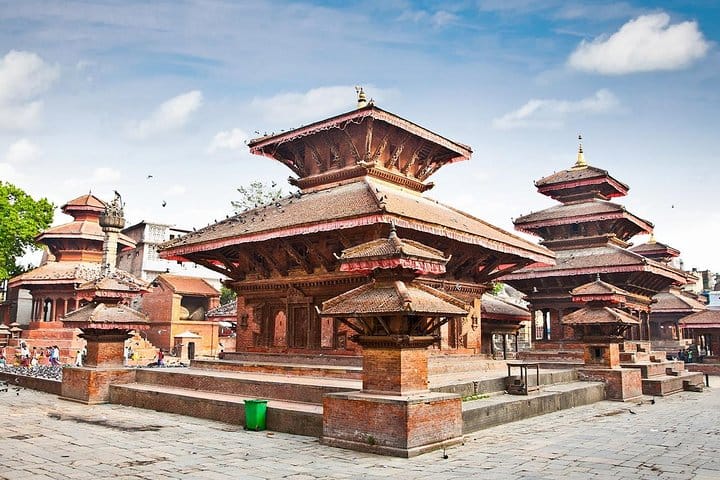
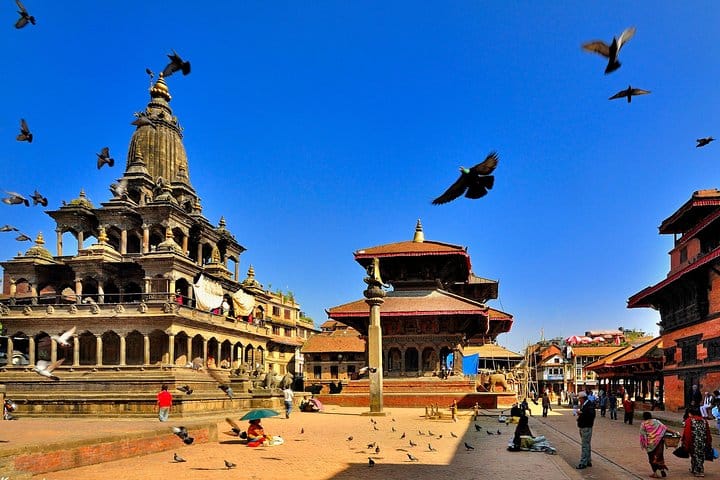
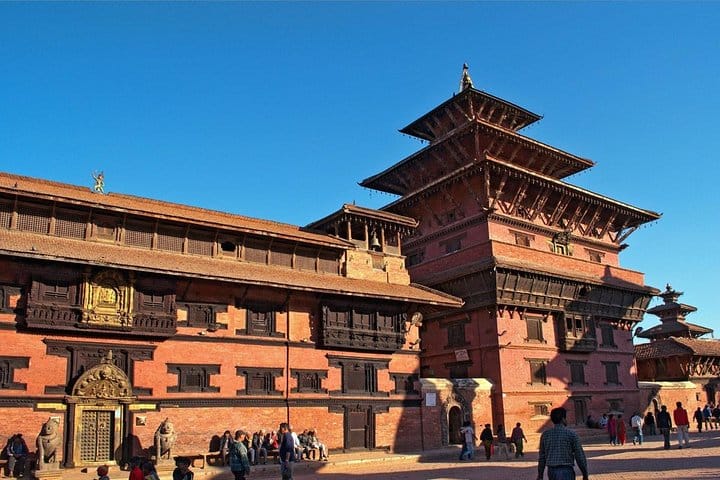
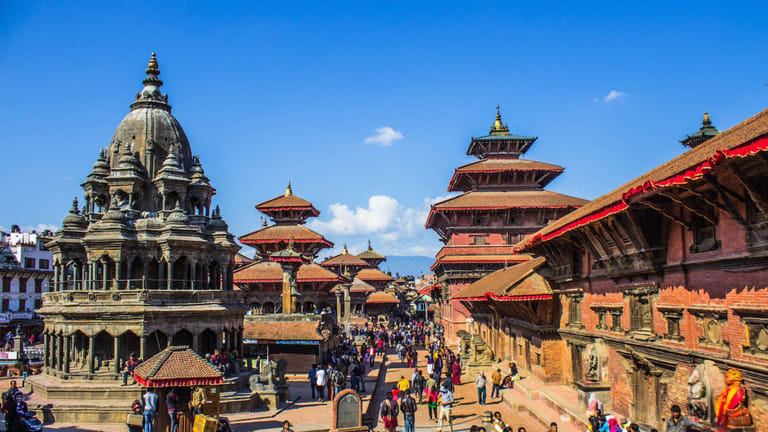
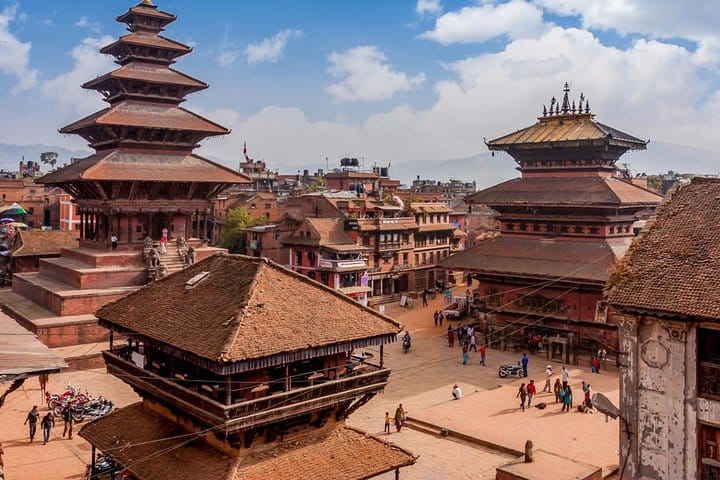
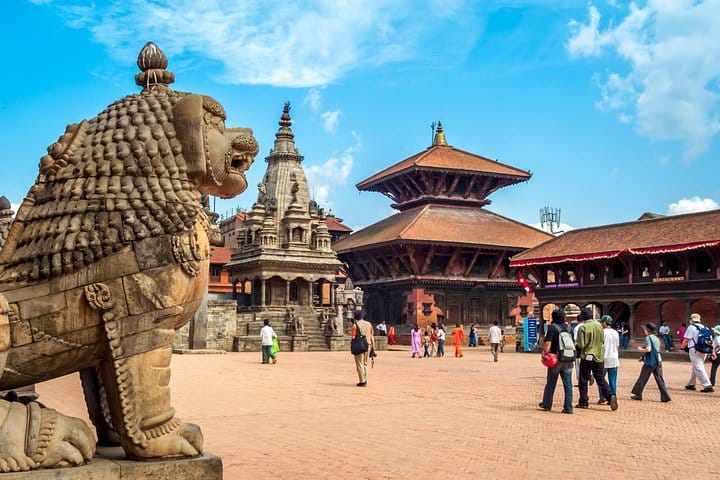
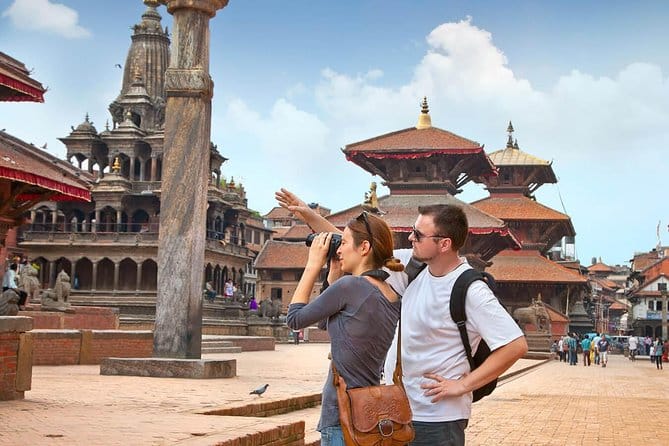
Bhaktapur Durbar Square was the royal seat of an independent Newar kingdom for nearly 400 years, and it still looks the part. The Palace of 55 Windows anchors the north side of the plaza, expanded to its current form under King Bhupatindra Malla in the late 17th century, its carved wooden lattices opening onto a courtyard reached through the Golden Gate (Sun Dhoka), a gilded copper-repoussé archway added by King Ranjit Malla in the 1750s and still ranked among the finest single pieces of metalwork in the Kathmandu Valley. Facing the palace, a stone pillar carries a statue of Bhupatindra Malla himself, kneeling in prayer toward the temple he commissioned. Not every monument survived intact: the sandstone Vatsala Durga Temple, famous for its "barking bell," collapsed completely in the 2015 Gorkha earthquake — the bell, cast in 1737 and still rung twice daily by palace priests, is one of the few 18th-century fixtures standing exactly where it was placed. Nearby, the octagonal Chyasilin Mandap tells a quieter engineering story: destroyed in the 1934 earthquake, it was rebuilt in the early 1990s around a hidden steel frame that let it walk away from 2015 with barely a crack.
Unlike a roped-off museum, this square is still worked and worshipped in daily. Potters spin wheels five minutes away in Pottery Square, vendors sell bowls of juju dhau — Bhaktapur's clay-pot "king curd" — along the plaza's edge, and the Taleju bell still marks the hours it always has. Inscribed as part of the Kathmandu Valley UNESCO World Heritage Site in 1979, the square is also still being rebuilt: several structures damaged in 2015 remain under active restoration, a visible process rather than a finished exhibit.
The square is fully walkable without one — most signage is in English and the main monuments are easy to find. A guide adds the most value for the history behind specific carvings, temple functions, and the 2015 earthquake restoration story, none of which is posted on-site.
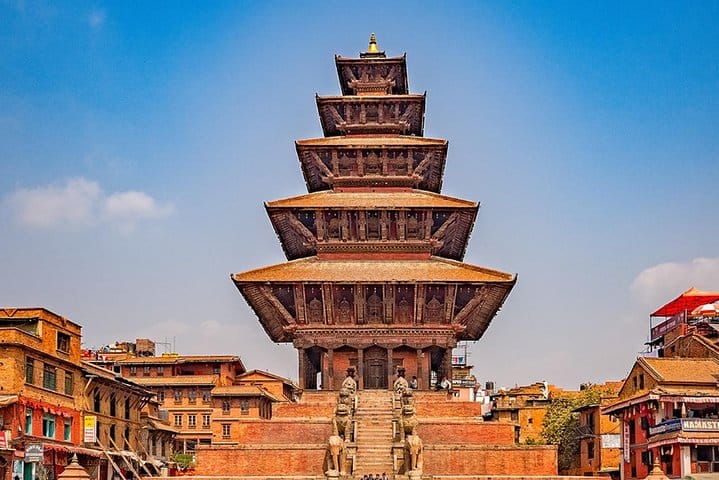
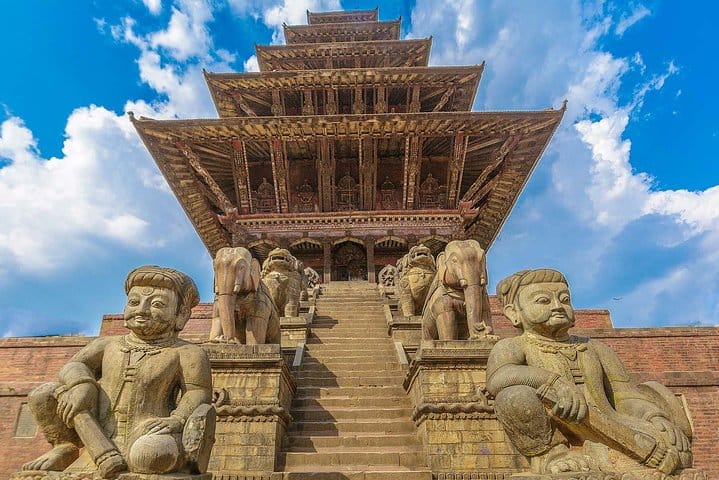
The foreigner entry fee (NPR 1,800 as of 2026) is a city-wide permit for old Bhaktapur, not just the Durbar Square plaza — it also covers Taumadhi Square (Nyatapola Temple), Pottery Square, and Dattatreya Square. Museums inside the palace, like the National Art Gallery, charge a small separate ticket.
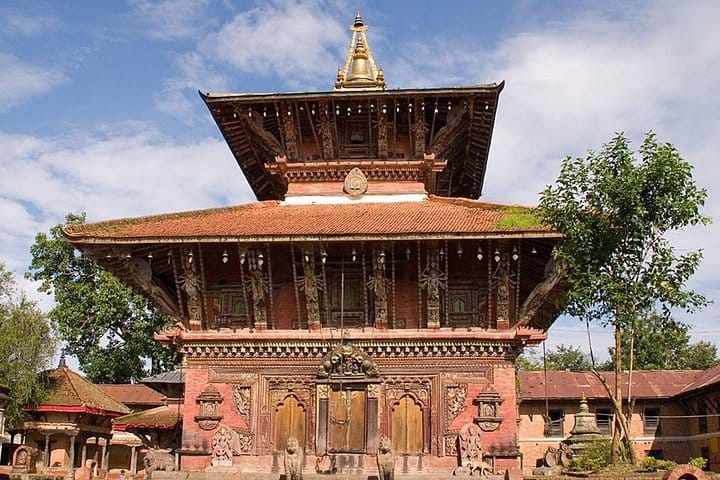
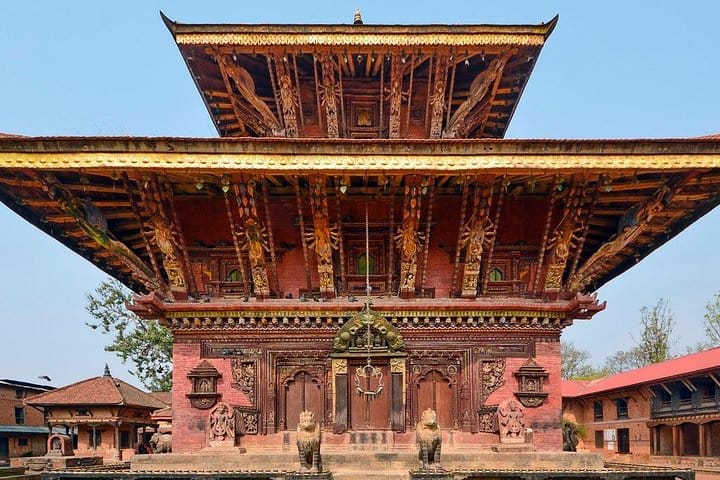
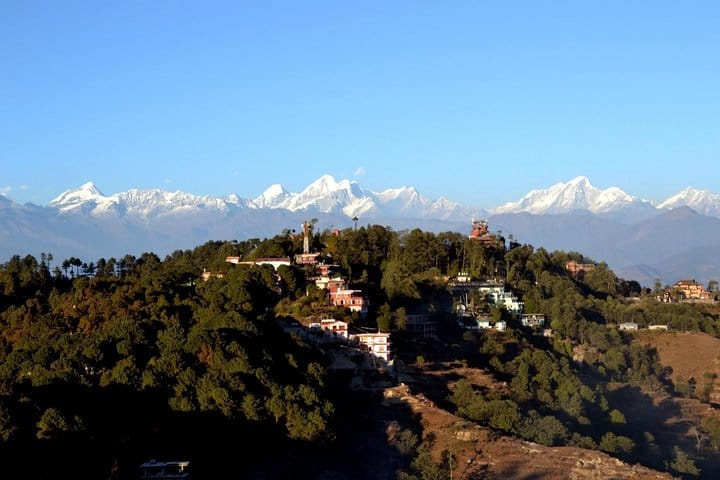
Yes — Bhaktapur pairs naturally with Changu Narayan (Nepal's oldest Hindu temple, about 20 minutes away) or Nagarkot for valley and Himalayan views. Combining it with Kathmandu or Patan Durbar Square on the same day is possible but rushed; each deserves at least half a day.
Not easily. Most of the plaza is uneven stone and brick paving, several key viewpoints involve steps, and the older temple plinths have no ramps. Wheeled luggage or strollers are manageable on the main paths but difficult elsewhere.
Photography is generally fine in the open courtyards, but flash is discouraged indoors and the Taleju Temple's inner sanctum is closed to photography and to non-Hindus entirely. Ask before photographing people at prayer.
October to March brings clear skies and cooler temperatures, which is also peak season. For the square without heavy tour-group traffic, come at sunrise regardless of season, or visit in the monsoon shoulder months (June, September) and accept a higher chance of rain.