

 Elite
Elite
Luxor Private Guided Day Tour from Marsa Alam with Lunch
Free Cancellation · Instant confirmation · Private tour

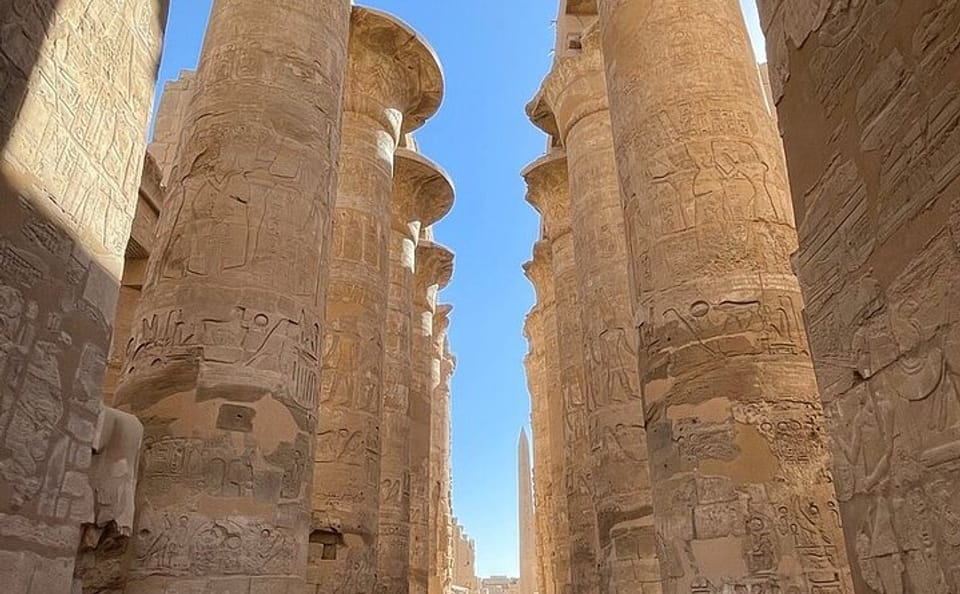
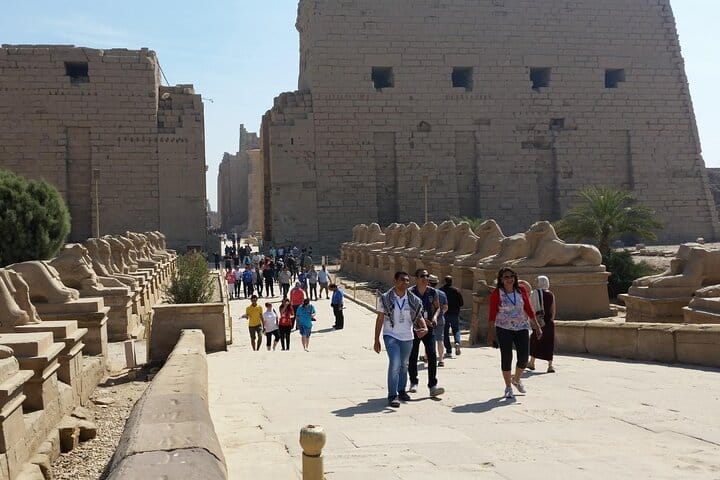
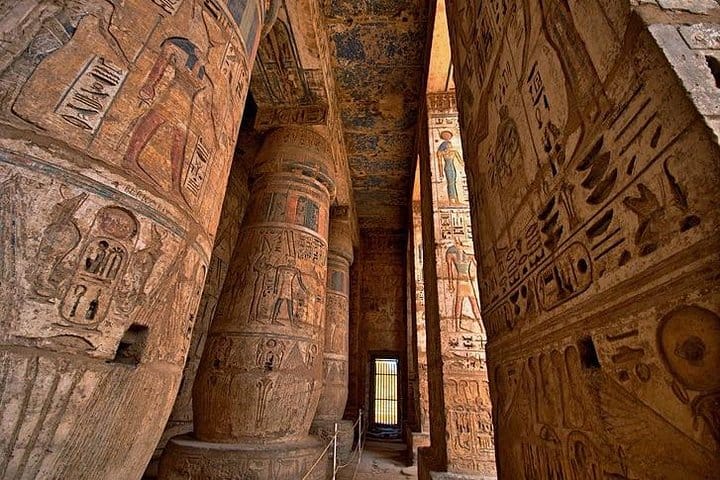
Karnak Temples in the East Bank of Luxor Karnak you visit what is considered to be one of the world's greatest architectural masterpieces, namely the complex of Karnak Temples on the East Bank of Luxor. Karnak is a complex of temples built in different reigns, starting with the Avenue of Sphinxes, the Hypostyle Hall with its 134 gigantic columns, the Obelisks of Queen Hatshepsut and Tutomosis I, the Temple of Amon adorned with lotus and papyrus designs, the Granite Scarbeus of Amenophis III and the Sacred Lake. Karnak beats every other pharaonic monument: it is simply one of the most beautiful ancient monuments in Egypt
Necropolis of Thebes, the Valley of the Kings on the West Bank of Luxor. This ancient necropolis is a must-see for Luxor travelers. There you visit four royal tombs, including the Tomb of Ramses, the Tomb of Horemheb, the Tomb of Merenptah and of course the Tomb of King Tut. The tomb of Tutankhamen is the only tomb in Valley of the Kings that was discovered nearly intact in 1922. The discoverer of his tomb was Howard Carter. Tut's famous golden mask is on display at the Egyptian Museum in Cairo, but here you have the opportunity to be amazed at the royal mummy of the young king
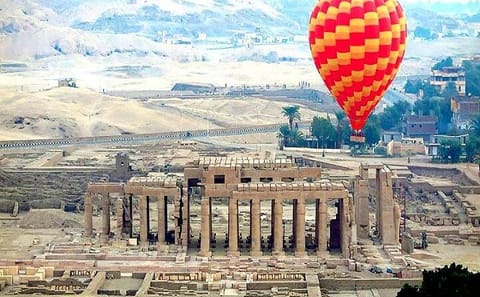
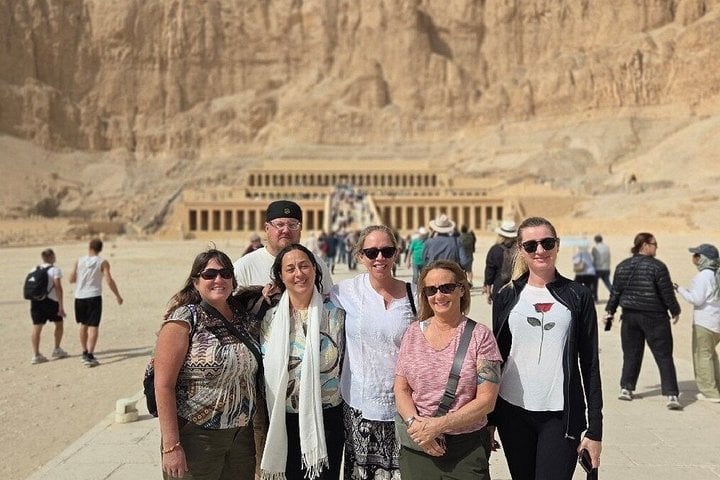
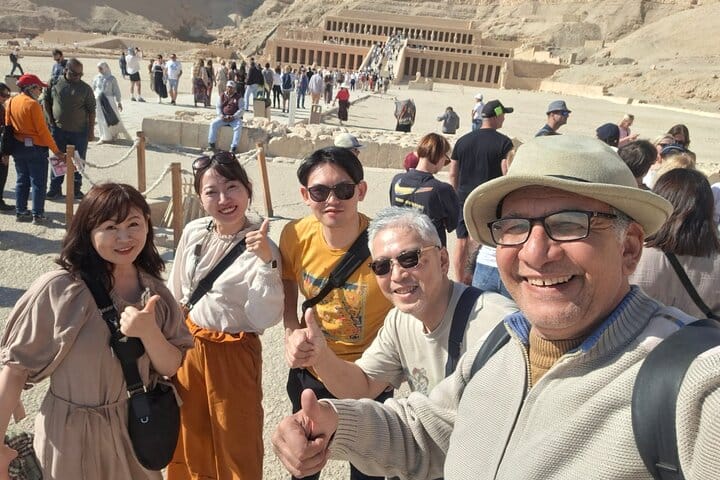
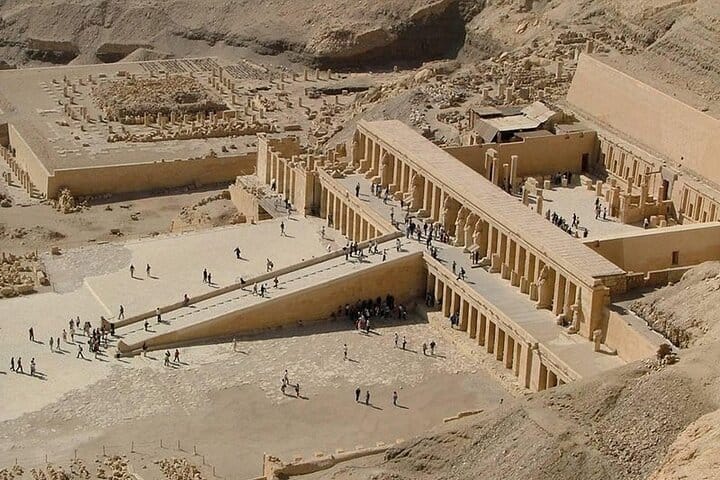
After visiting the tombs you will be transported to the Temple of Queen Hatshepsut (Deir el Bahari), the only woman ever to reign over Egypt as Pharaoh. This queen was an ancestor of King Tutankhamen and belonged to the same dynasty
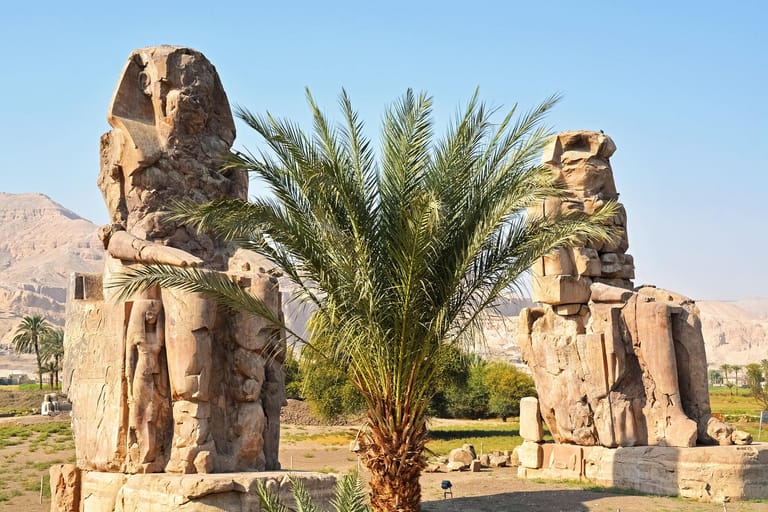
the Colossi of Memnon, the two largest ancient statues in Egypt, which date back to the era of King Amenhotep III.
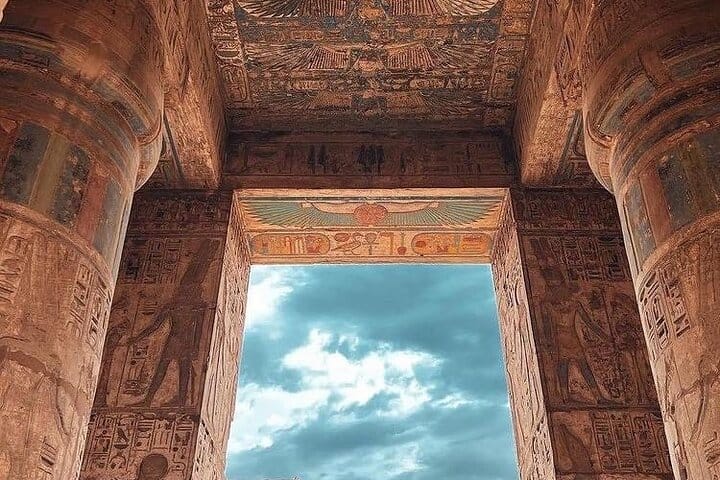
The Obelisks of Queen Hatshepsut and Tutomosis I, the Temple of Amon adorned with lotus and papyrus designs
Obelisk of Queen Hapshetsut, The Obelisks of Queen Hatshepsut and Tutomosis I, the Temple of Amon adorned with lotus and papyrus designs
Tomb of King Ramesses lX was the third pharaoh of the Twentieth Dynasty of the New Kingdom of Ancient Egypt. His name prior to assuming the crown was Amonhirkhopshef. He was the fifth son of Ramesses III and was appointed to the position of crown prince by the twenty-second year of his father's reign when all four of his elder brothers predeceased his promotion to crown prince . The tomb has so much colour and detail even the ceiling above the sarcophagi with its goddess Nut stretching across the space. The sarcophagus is one of the largest in the valley, even though some of the paintings have deteriorated this is one of the most decorated
In Egyptian mythology, Ptah is the demiurge of Memphis, god of craftsmen and architects. In the or simply in its falcon form of the new deity, began to be placed in tombs to accompany and protect the dead on their journey to the West of Luxor .Tomb 8, which is located in the Valley of the Kings, was the burial place of the Pharaoh Merneptah and is the model of royal tombs Merneptah was a son of Ramesses II and Queen Isis-Nofret.the tomb was discovered by Howard Carter in 1903. Of coursethere is a material decrease in the number of lateral rooms, and a dramatic increase in the height of the corridors and rooms. He did away with the jogged axis used since the time of Horemheb and instead built the entire tomb on a single axis. Also, for the first time, the entrance was made considerably wider than earlier tombs
The tomb of Ramesses III, designated as KV 11, is a complex system in the Valley of the Kings. It has been known since antiquity,the wonderful decorations include colourful painted sunken reliefs featuring the traditional ritual texts (Litany of Ra, Book of Gates etc) and Ramses before the gods. Unusual here are the secular scenes, in the small side rooms of the entrance corridor, showing foreign tributes, such as highly detailed pottery imported from the Aegean, the royal armoury, boats and, in the last of these side chambers, the blind harpists that gave the tomb one of its alternative names: ‘Tomb of the Harpers
Fully refundable until 1 day before start
Non-refundable after 1 day before start
Elite
Free Cancellation · Instant confirmation · Private tour
Free Cancellation · Instant confirmation · Private tour
Instant confirmation · Pickup available
Free Cancellation · Instant confirmation · Private tour
 Elite
Elite
Free Cancellation · Instant confirmation · Private tour
 Elite
Elite
Free Cancellation · Instant confirmation · Pickup available
 Elite
Elite
Free Cancellation · Instant confirmation · Private tour
 Elite
Elite
Free Cancellation · Instant confirmation · Private tour
Our assistant finds tours and checks live dates and prices, and answers your questions.