

 Temporarily unavailable
Private Day Trip to Luxor from Hurghada with Guide
Free Cancellation · Instant confirmation · Private tour

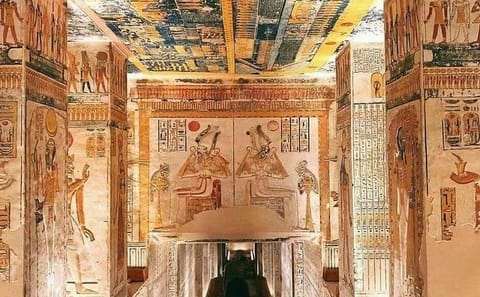
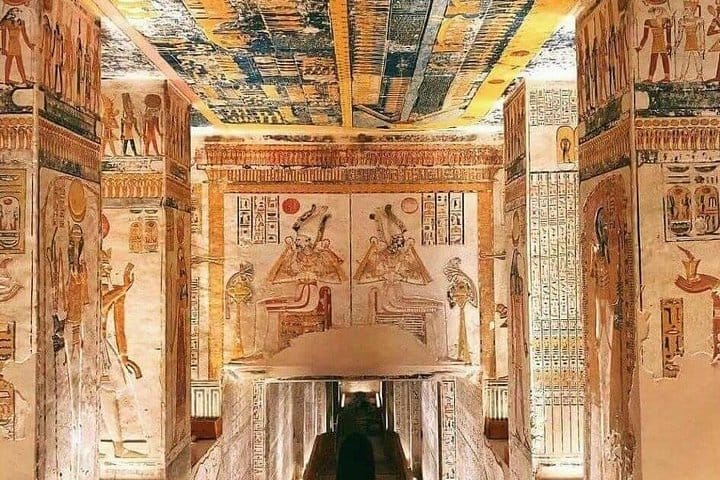
With three free in trance tombs if you would like to visit king tott tombs you can buy the tickets there
Deir al-Bahari
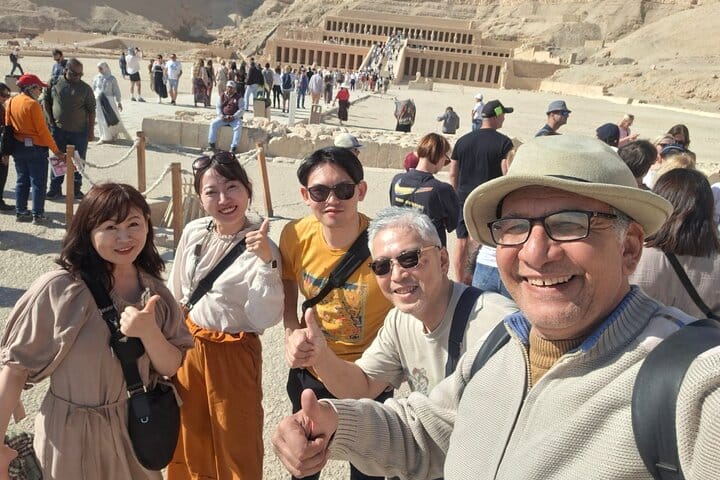
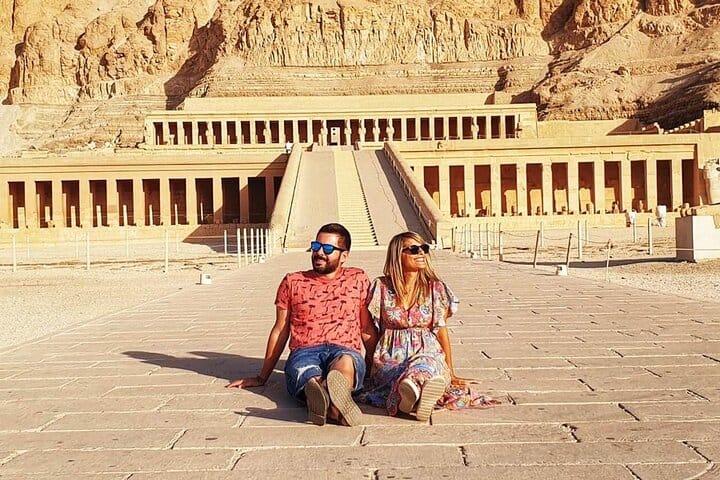
Hatshepsut (c.1473–1458 BC), the queen who became Pharaoh, built a magnificent temple at Deir al-Bahari, on the west back of Luxor. It lies directly across the Nile from Karnak Temple, the main sanctuary of the god Amun. Hatshepsut’s temple, Djeser-djeseru “the Holy of Holies” was designed by the chief steward of Amun, Senenmut.
The temple consists of three levels each of which has a colonnade at its far end. On the uppermost level, an open courtyard lies just beyond the portico. Mummiform statues of Hatshepsut as Osiris, the god of the dead, lean against its pillars.
This is because Djeser-djeseru is Hatshepsut’s mortuary temple, where her cult was practiced after her death, when she attained the blessed state of Osiris. Far from being devoted solely to her, the temple also includes sections for the cults of her revered father Thutmose I, the goddess Hathor, and the funerary god Anubis. An altar, open to the sky and the sun
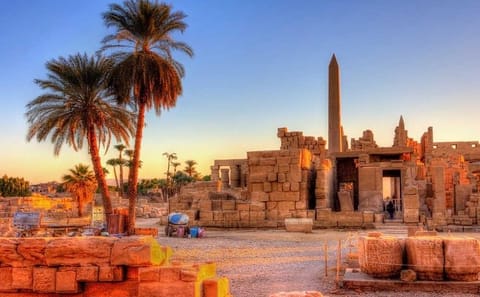
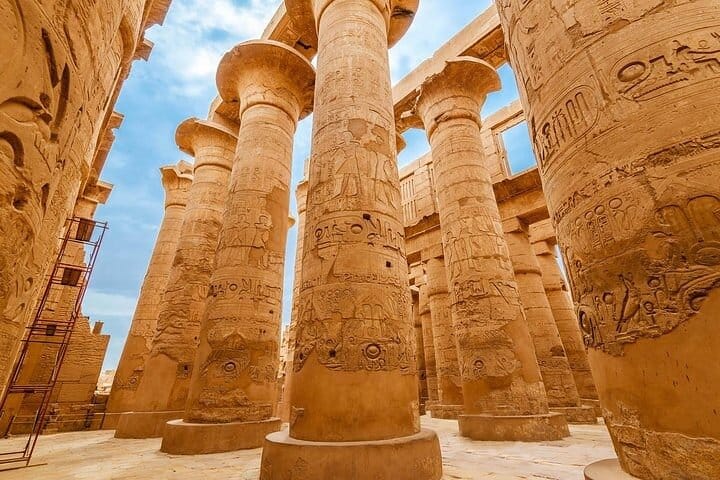
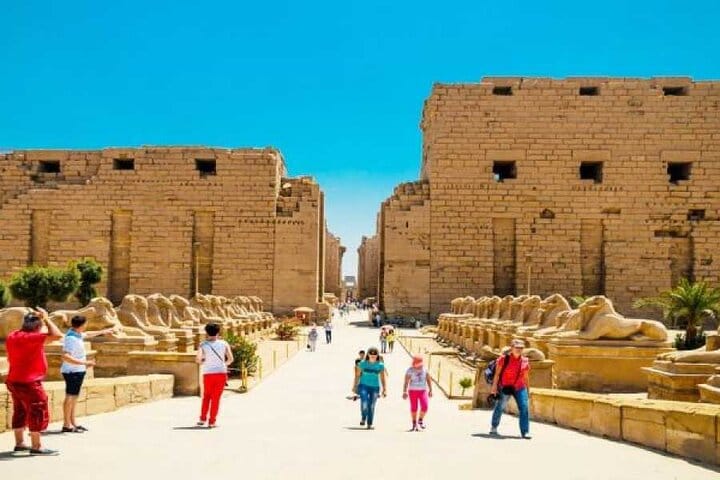
Karnak Temple dates from around 2055 BC to around 100 AD
Cult temple dedicated to Amun, Mut and Khonsu. The largest religious building ever constructed.
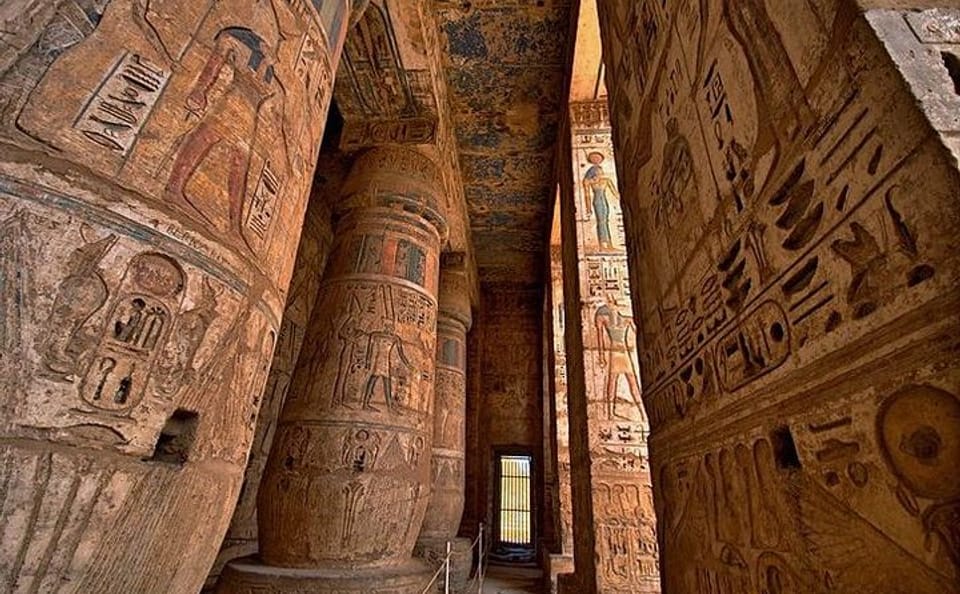
The temple of Karnak was known as Ipet-isu—or “most select of places”—by the ancient Egyptians. It is a city of temples built over 2,000 years and dedicated to the Theban triad of Amun, Mut, and Khonsu. This derelict place is still capable of overshadowing many wonders of the modern world and in its day must have been awe-inspiring.
Fully refundable until 1 day before start
Non-refundable after 1 day before start
Temporarily unavailable
Free Cancellation · Instant confirmation · Private tour
 Elite
Elite
Free Cancellation · Instant confirmation · Private tour
Free Cancellation · Instant confirmation · Private tour
Free Cancellation · Instant confirmation · Private tour
 Elite
Elite
Free Cancellation · Instant confirmation · Pickup available
 Elite
Elite
Free Cancellation · Instant confirmation · Private tour
 Elite
Elite
Free Cancellation · Instant confirmation · Private tour
 Elite
Elite
Free Cancellation · Instant confirmation · Private tour
Our assistant finds tours and checks live dates and prices, and answers your questions.