 Elite
Elite
Private Full-Day West Bank Tour in Luxor
Free Cancellation · Instant confirmation · Private tour

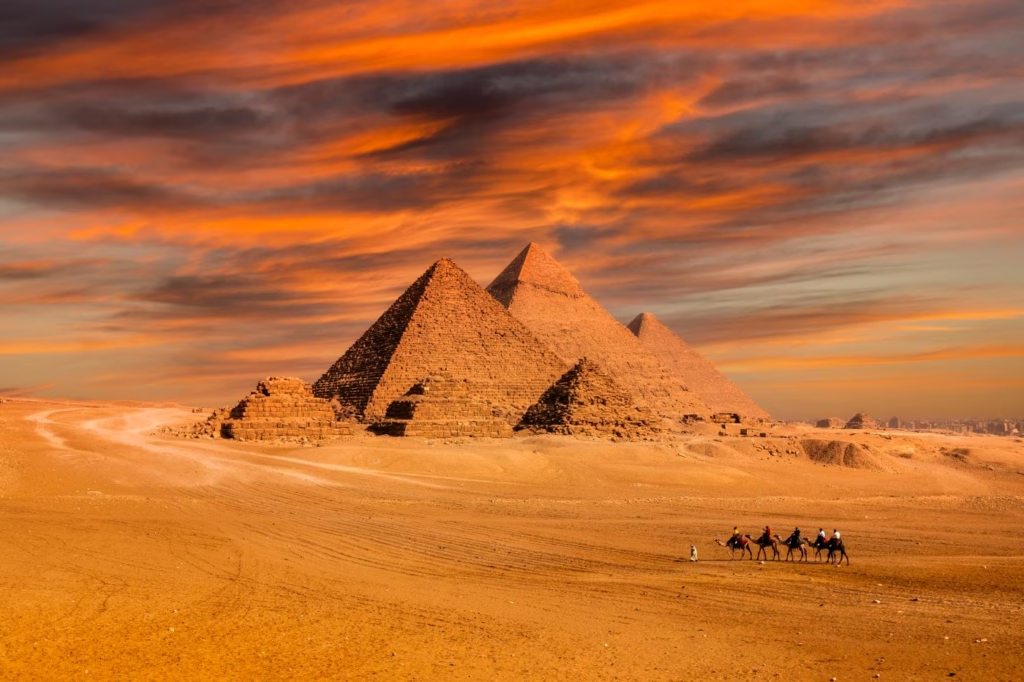
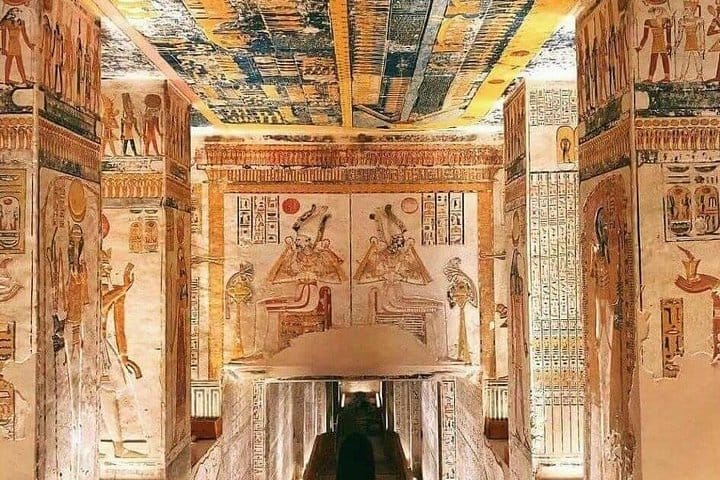
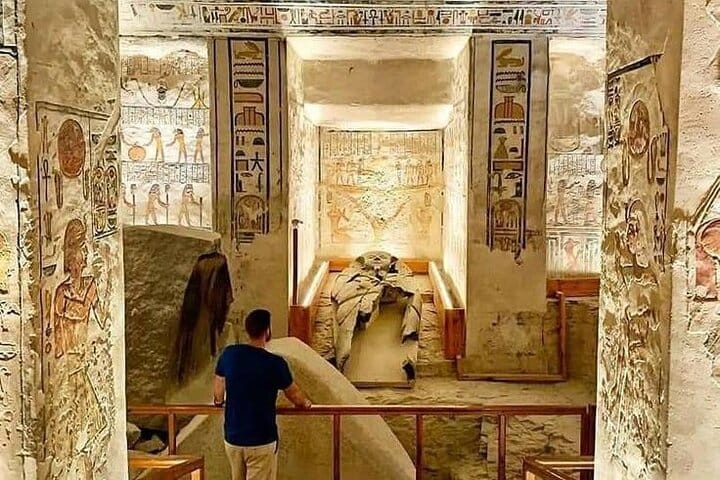
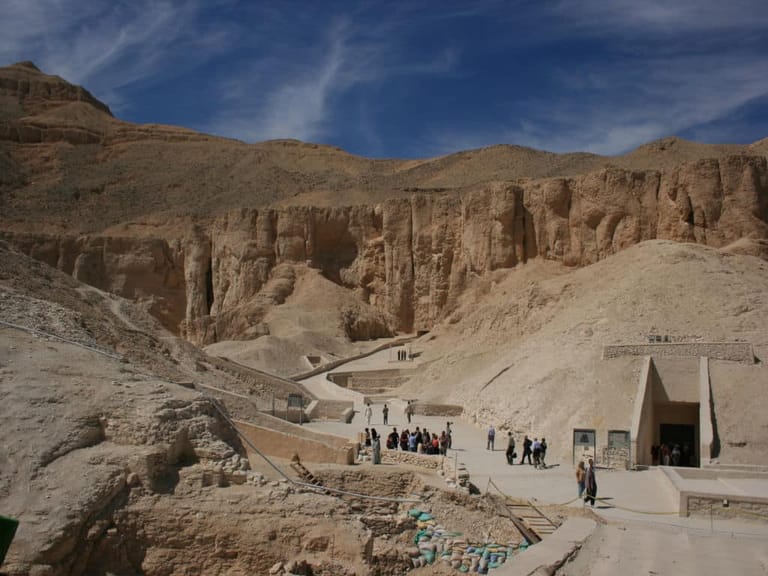
Admission-style options are built for travelers who want flexible, self-paced access to the Valley of the Kings without a guided narrative. These typically cover general entry to the site and a standard selection of open tombs, so you can explore at your own rhythm. Always confirm current tomb access and any separately ticketed tombs at booking or on-site.
Elite
Free Cancellation · Instant confirmation · Private tour
 Elite
Elite
Free Cancellation · Instant confirmation · Private tour
 Elite
Elite
Free Cancellation · Instant confirmation · Private tour
 Elite
Elite
Free Cancellation · Instant confirmation · Pickup available
 Elite
Elite
Instant confirmation · Pickup available
 Elite
Elite
Free Cancellation · Instant confirmation · Private tour
 Elite
Elite
Free Cancellation · Instant confirmation · Pickup available
 Elite
Elite
Free Cancellation · Instant confirmation · Private tour
 Elite
Elite
Free Cancellation · Instant confirmation · Private tour
 Elite
Elite
Free Cancellation · Instant confirmation · Private tour
 Elite
Elite
Free Cancellation · Instant confirmation · Private tour
 Elite
Elite
Free Cancellation · Instant confirmation · Private tour
 Elite
Elite
Free Cancellation · Instant confirmation · Private tour
 Elite
Elite
Free Cancellation · Instant confirmation · Private tour
 Elite
Elite
Free Cancellation · Instant confirmation · Private tour
 Elite
Elite
Free Cancellation · Instant confirmation · Private tour
 Elite
Elite
Free Cancellation · Instant confirmation · Private tour
 Elite
Elite
Free Cancellation · Instant confirmation · Private tour
 Elite
Elite
Free Cancellation · Instant confirmation · Private tour
 Elite
Elite
Free Cancellation · Instant confirmation · Private tour
 Elite
Elite
Free Cancellation · Instant confirmation · Private tour
 Elite
Elite
Free Cancellation · Instant confirmation · Private tour
 Elite
Elite
Free Cancellation · Instant confirmation · Private tour
 Elite
Elite
Free Cancellation · Instant confirmation · Pickup available
 Elite
Elite
Free Cancellation · Instant confirmation · Private tour
 Elite
Elite
Free Cancellation · Instant confirmation · Private tour
 Elite
Elite
Free Cancellation · Instant confirmation · Private tour
 Elite
Elite
Free Cancellation · Instant confirmation · Private tour
 Elite
Elite
Instant confirmation · Meet on location
 Elite
Elite
Free Cancellation · Instant confirmation · Private tour
 Elite
Elite
Free Cancellation · Instant confirmation · Pickup available
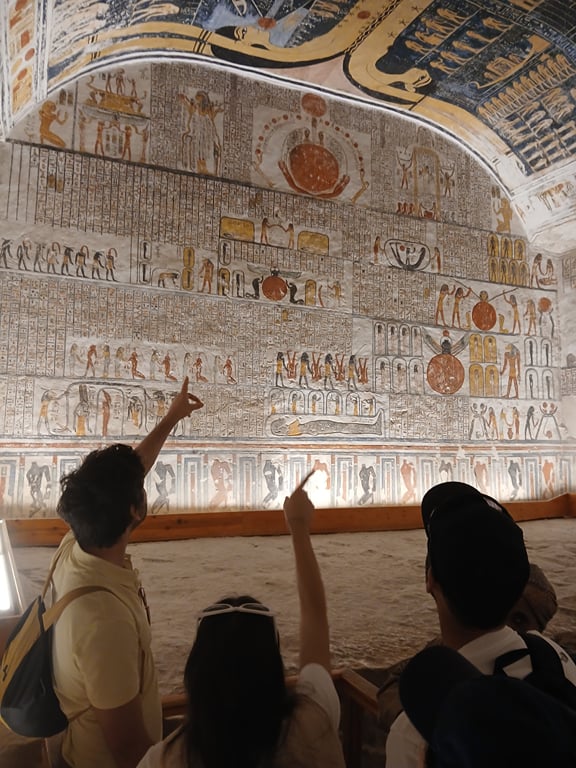
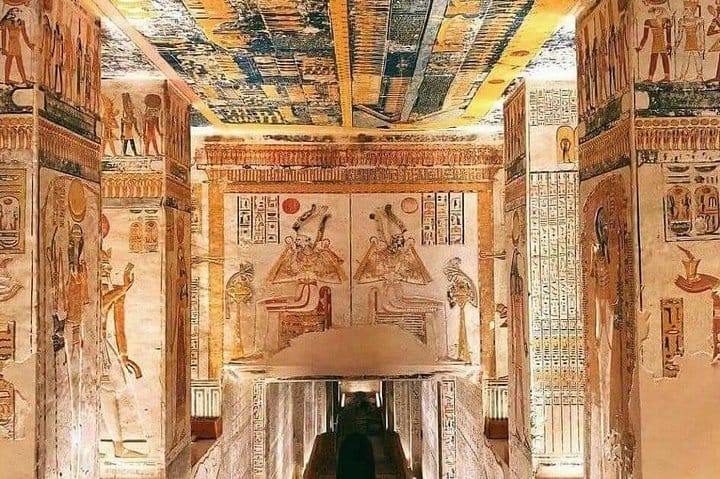
Guided experiences pair entry with an Egyptologist or licensed guide who can bring the tombs' history, artwork, and burial customs to life. These tours often bundle transport, skip-the-line handling, and additional West Bank stops, making them a good fit for first-time visitors. Group size, route, and included tombs vary by operator, so check the specific itinerary before booking.
 Elite
Elite
Free Cancellation · Instant confirmation · Private tour
 Elite
Elite
Free Cancellation · Instant confirmation · Private tour
 Elite
Elite
Free Cancellation · Instant confirmation · Private tour
 Elite
Elite
Free Cancellation · Instant confirmation · Pickup available
 Elite
Elite
Free Cancellation · Instant confirmation · Pickup available
 Elite
Elite
Free Cancellation · Instant confirmation · Private tour
 Elite
Elite
Free Cancellation · Instant confirmation · Pickup available
 Elite
Elite
Free Cancellation · Instant confirmation · Private tour
 Elite
Elite
Free Cancellation · Instant confirmation · Private tour
 Elite
Elite
Free Cancellation · Instant confirmation · Private tour
 Elite
Elite
Free Cancellation · Instant confirmation · Private tour
 Elite
Elite
Free Cancellation · Instant confirmation · Pickup available
 Elite
Elite
Free Cancellation · Instant confirmation · Private tour
 Elite
Elite
Free Cancellation · Instant confirmation · Private tour
 Elite
Elite
Free Cancellation · Instant confirmation · Private tour
 Elite
Elite
Free Cancellation · Instant confirmation · Pickup available
 Elite
Elite
Free Cancellation · Instant confirmation · Pickup available
 Elite
Elite
Free Cancellation · Instant confirmation · Pickup available
 Elite
Elite
Free Cancellation · Instant confirmation · Pickup available
 Elite
Elite
Free Cancellation · Instant confirmation · Pickup available
 Elite
Elite
Free Cancellation · Instant confirmation · Pickup available
 Elite
Elite
Free Cancellation · Instant confirmation · Pickup available
 Elite
Elite
Free Cancellation · Instant confirmation · Pickup available
 Elite
Elite
Free Cancellation · Instant confirmation · Pickup available
 Elite
Elite
Free Cancellation · Instant confirmation · Pickup available
 Elite
Elite
Free Cancellation · Instant confirmation · Pickup available
 Elite
Elite
Free Cancellation · Instant confirmation · Pickup available
 Elite
Elite
Free Cancellation · Instant confirmation · Private tour
 Elite
Elite
Free Cancellation · Instant confirmation · Pickup available
 Elite
Elite
Free Cancellation · Instant confirmation · Pickup available
 Elite
Elite
Free Cancellation · Instant confirmation · Private tour
 Elite
Elite
Free Cancellation · Instant confirmation · Private tour
 Elite
Elite
Free Cancellation · Instant confirmation · Private tour
 Elite
Elite
Free Cancellation · Instant confirmation · Private tour
 Elite
Elite
Free Cancellation · Instant confirmation · Private tour
 Elite
Elite
Free Cancellation · Instant confirmation · Private tour
 Elite
Elite
Free Cancellation · Instant confirmation · Private tour
 Elite
Elite
Free Cancellation · Instant confirmation · Private tour
 Elite
Elite
Free Cancellation · Instant confirmation · Private tour
 Elite
Elite
Cancellable until 1 day before · Instant confirmation · Pickup available
 Elite
Elite
Cancellable until 1 day before · Instant confirmation · Pickup available
 Elite
Elite
Free Cancellation · Instant confirmation · Private tour
 Elite
Elite
Free Cancellation · Instant confirmation · Pickup available
 Elite
Elite
Free Cancellation · Instant confirmation · Private tour
 Elite
Elite
Free Cancellation · Instant confirmation · Private tour
 Elite
Elite
Free Cancellation · Instant confirmation · Meet on location or pickup
 Elite
Elite
Instant confirmation · Meet on location
Elite
Instant confirmation · Meet on location
 Elite
Elite
75% refund until 9 days before · Instant confirmation · Private tour
 Elite
Elite
75% refund until 9 days before · Instant confirmation · Private tour
 Elite
Elite
75% refund until 9 days before · Instant confirmation · Private tour
 Elite
Elite
75% refund until 9 days before · Instant confirmation · Private tour
 Elite
Elite
Free Cancellation · Instant confirmation · Pickup available
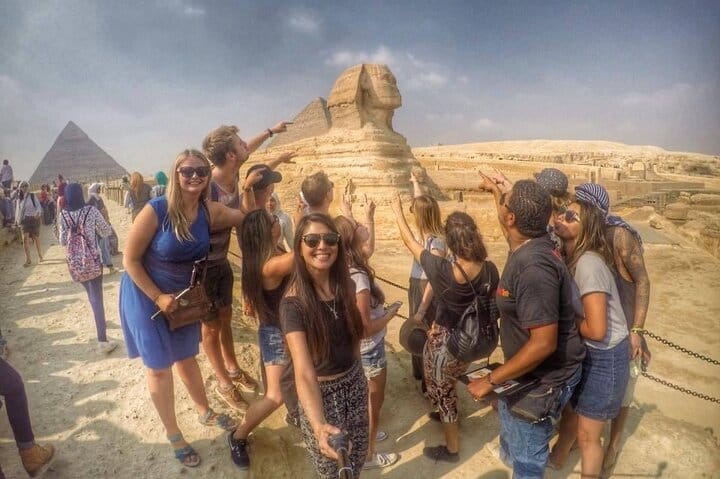
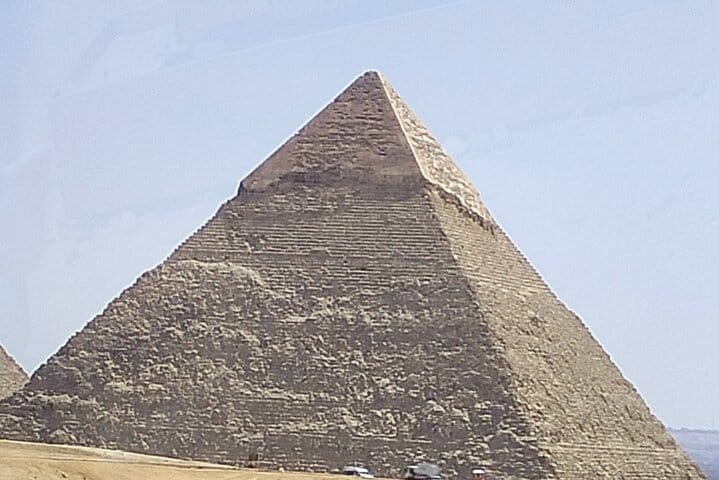
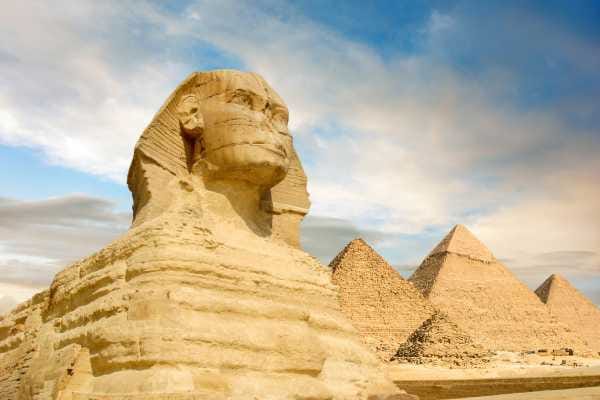
The Great Pyramid of Giza is the oldest of the ancient Seven Wonders of the World — and the only one still standing. Built around 2560 BCE as the tomb of the Pharaoh Khufu, it anchors the Giza Plateau alongside two smaller pyramids built for his son Khafre and grandson Menkaure, along with the Great Sphinx. For nearly 3,800 years, until England's Lincoln Cathedral was completed in the 14th century, it held the record as the tallest man-made structure on Earth.
The pyramid was originally built from roughly 2.3 million limestone blocks and stood about 481 feet (146.6 meters) tall; erosion and the removal of its smooth outer casing stones over the centuries have brought it down to around 455 feet (138.5 meters) today. How its builders moved and stacked blocks weighing several tons apiece, without modern machinery, remains one of the most studied questions in archaeology — ramps, sledges, and levers are the leading theories, but no single account has been definitively confirmed.
The pyramid sits within a larger necropolis on the Giza Plateau in Al Haram, Giza Governorate, about 30 minutes from central Cairo. Most visits combine the pyramid itself with the Sphinx, the Khafre and Menkaure pyramids, and often a stop at the Grand Egyptian Museum or the Egyptian Museum in Cairo, since all sit within a short drive of one another.
Interior access to the pyramid's burial chamber is sold separately from general site admission and is limited by daily quota, worth confirming before you book if it's a priority.
Below, you'll find guided tours, admission-only tickets, and multi-day Egypt itineraries that include the Great Pyramid, sourced from vetted local operators.
Most admission and guided tour options on TripWays include site entry as part of the package, but which specific tombs are covered can vary. Check the tour details or confirm at booking to understand exactly what's included.
Admission-style tours are typically simpler, self-guided entry passes for travelers who want flexibility, while experience tours add a guide, narrated context, and often transport or additional West Bank stops for a fuller day out.
Most travelers spend around 2–3 hours exploring the valley and its open tombs. If you're combining it with other West Bank sites in one day, plan for a longer outing.
Yes, independent visits are common and standard admission generally allows you to explore open tombs at your own pace. A guide is optional but can add helpful historical context, especially for first-time visitors.
Access to specific tombs, including Tutankhamun's, often requires a separate or upgraded ticket and can change over time. Always confirm current access details on your booking or official sources before your visit.
Confirm which tombs are included, whether transport and a guide are part of the package, and check current photography and bag policies, since these details can change. Comfortable footwear and sun protection are essential regardless of which option you choose.
Tomb interiors typically involve stairs, ramps, and uneven ground, and can be hot and narrow, so accessibility is limited in places. If mobility is a concern, it's worth checking with your tour provider about which tombs are more manageable.
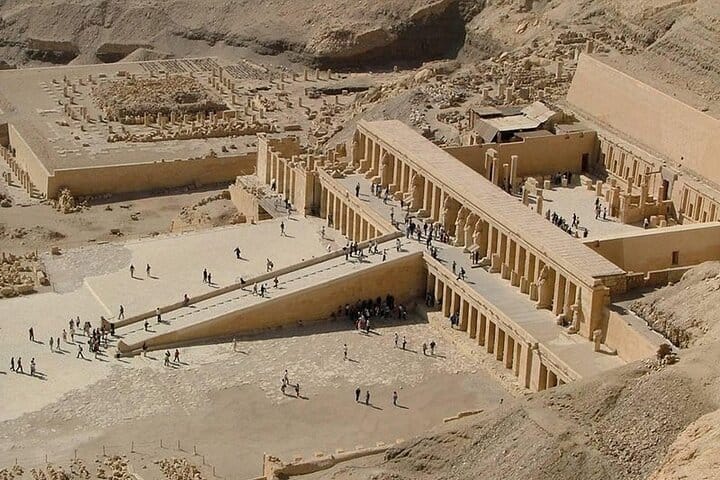
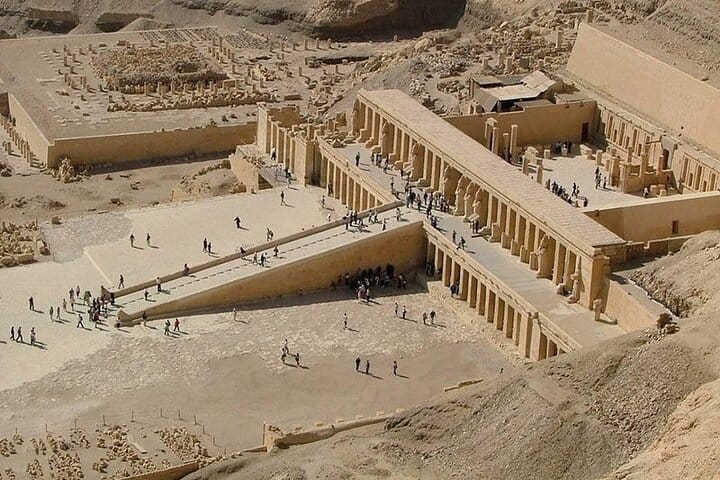
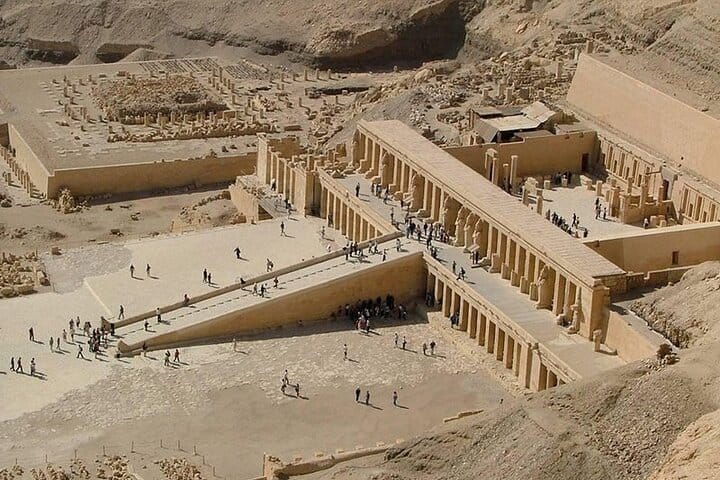
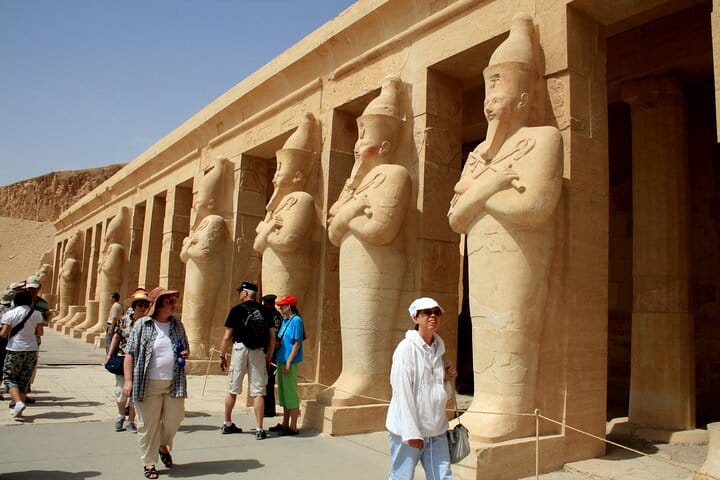
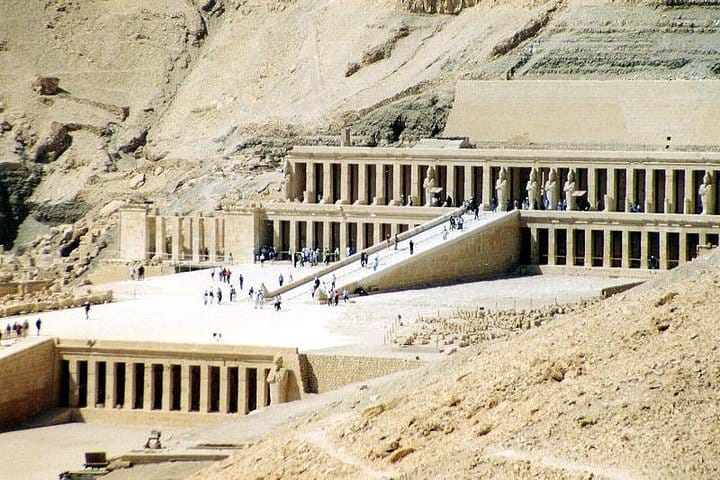
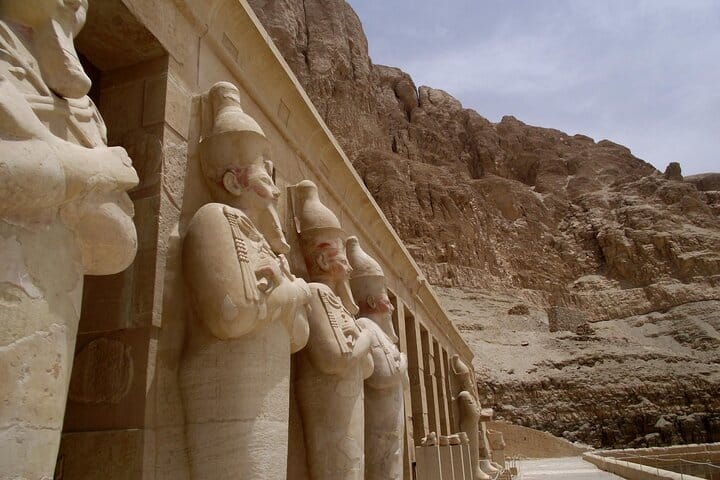
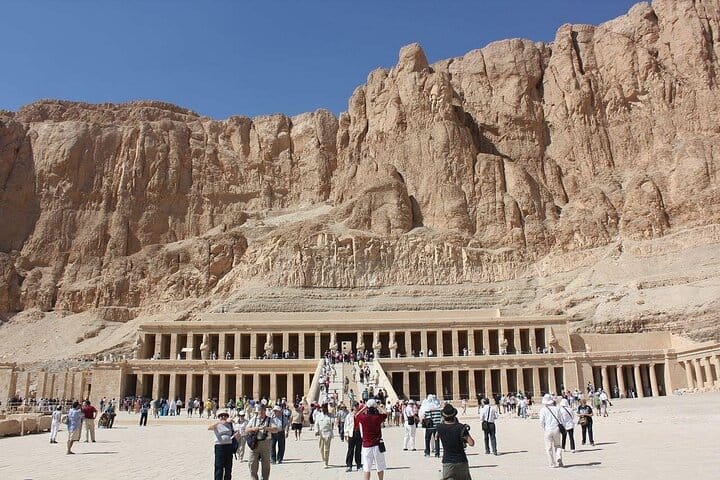
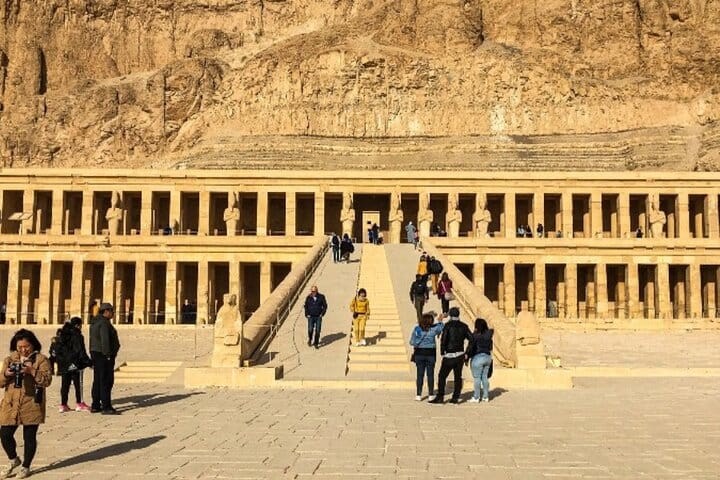
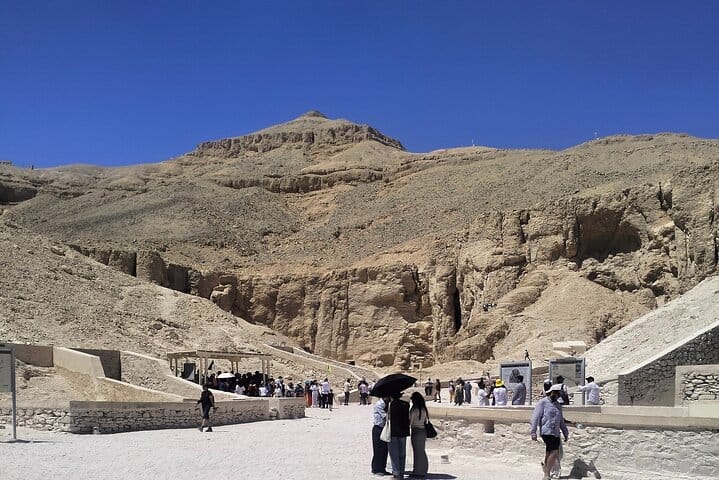
The Valley of the Kings sits within Luxor's West Bank necropolis, close to the Valley of the Queens, the Temple of Hatshepsut, Medinet Habu, and the Colossi of Memnon, making it easy to combine into a fuller day of sightseeing.