 Elite
Elite
Full-Day Luxor Tour from Cairo with Private Egyptologist Guide
Free Cancellation · Instant confirmation · Private tour

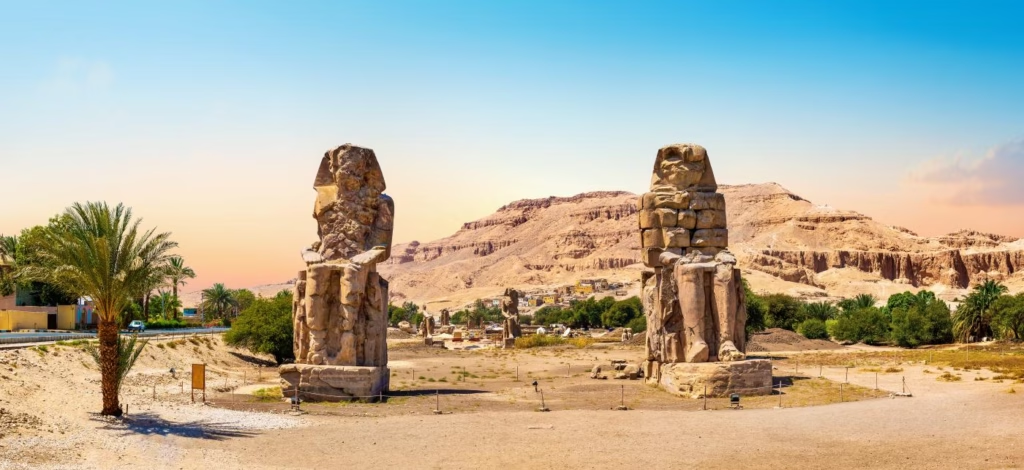
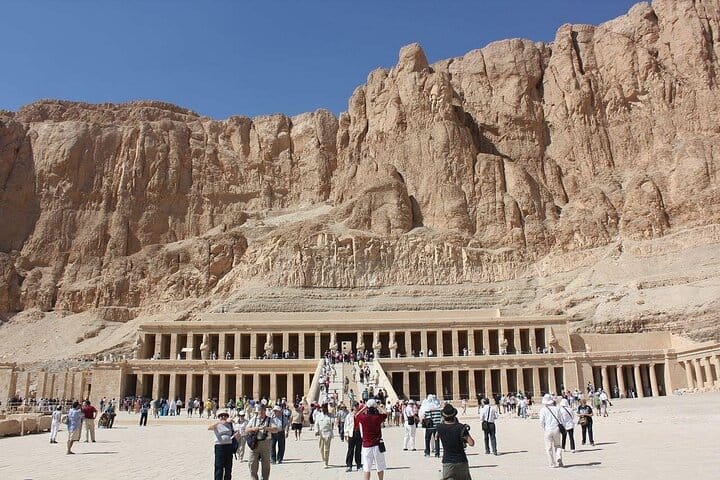
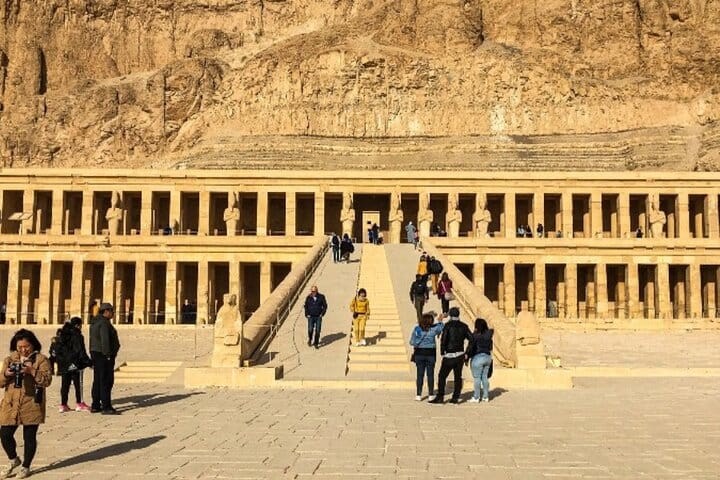
The Colossi themselves are free — there's no ticket booth or gate, since they stand on open public land beside the road. The tours below bundle a stop here with paid entry to the sites most travelers pair it with, like Valley of the Kings, Valley of the Queens, or the Temple of Hatshepsut.
Elite
Free Cancellation · Instant confirmation · Private tour
 Elite
Elite
Free Cancellation · Instant confirmation · Private tour
 Elite
Elite
Free Cancellation · Instant confirmation · Private tour
 Elite
Elite
Free Cancellation · Instant confirmation · Private tour
 Elite
Elite
Free Cancellation · Instant confirmation · Pickup available
 Elite
Elite
Instant confirmation · Pickup available
 Elite
Elite
Free Cancellation · Instant confirmation · Private tour
 Elite
Elite
Free Cancellation · Instant confirmation · Private tour
 Elite
Elite
Free Cancellation · Instant confirmation · Private tour
 Elite
Elite
Free Cancellation · Instant confirmation · Private tour
 Elite
Elite
Free Cancellation · Instant confirmation · Private tour
 Elite
Elite
Free Cancellation · Instant confirmation · Private tour
 Elite
Elite
Free Cancellation · Instant confirmation · Private tour
 Elite
Elite
Free Cancellation · Instant confirmation · Private tour
 Elite
Elite
Free Cancellation · Instant confirmation · Private tour
 Elite
Elite
Free Cancellation · Instant confirmation · Private tour
 Elite
Elite
Free Cancellation · Instant confirmation · Private tour
 Elite
Elite
Free Cancellation · Instant confirmation · Pickup available
 Elite
Elite
Free Cancellation · Instant confirmation · Pickup available
 Elite
Elite
Free Cancellation · Instant confirmation · Private tour
 Elite
Elite
Free Cancellation · Instant confirmation · Private tour
 Elite
Elite
Free Cancellation · Instant confirmation · Private tour
 Elite
Elite
Free Cancellation · Instant confirmation · Private tour
 Elite
Elite
Free Cancellation · Instant confirmation · Private tour
 Elite
Elite
Free Cancellation · Instant confirmation · Private tour
 Elite
Elite
Instant confirmation · Meet on location
 Elite
Elite
Instant confirmation · Meet on location
 Elite
Elite
Free Cancellation · Instant confirmation · Private tour
Because the Colossi sit right on the road into the Theban Necropolis, almost no operator sells them as a standalone stop — they're built into half-day and full-day West Bank tours instead. Here's how local guides typically work them in.
 Elite
Elite
Free Cancellation · Instant confirmation · Private tour
 Elite
Elite
Free Cancellation · Instant confirmation · Pickup available
 Elite
Elite
Free Cancellation · Instant confirmation · Pickup available
 Elite
Elite
Free Cancellation · Instant confirmation · Private tour
 Elite
Elite
Free Cancellation · Instant confirmation · Pickup available
 Elite
Elite
Free Cancellation · Instant confirmation · Private tour
 Elite
Elite
Free Cancellation · Instant confirmation · Private tour
 Elite
Elite
Free Cancellation · Instant confirmation · Private tour
 Elite
Elite
Free Cancellation · Instant confirmation · Pickup available
 Elite
Elite
Free Cancellation · Instant confirmation · Private tour
 Elite
Elite
Free Cancellation · Instant confirmation · Private tour
 Elite
Elite
Instant confirmation · Pickup available
 Elite
Elite
Free Cancellation · Instant confirmation · Pickup available
 Elite
Elite
Free Cancellation · Instant confirmation · Private tour
 Elite
Elite
Free Cancellation · Instant confirmation · Private tour
 Elite
Elite
Free Cancellation · Instant confirmation · Private tour
 Elite
Elite
Free Cancellation · Instant confirmation · Private tour
 Elite
Elite
Free Cancellation · Instant confirmation · Private tour
 Elite
Elite
Free Cancellation · Instant confirmation · Private tour
 Elite
Elite
Free Cancellation · Instant confirmation · Private tour
 Elite
Elite
Free Cancellation · Instant confirmation · Private tour
 Elite
Elite
Cancellable until 1 day before · Instant confirmation · Pickup available
 Elite
Elite
Cancellable until 1 day before · Instant confirmation · Pickup available
 Elite
Elite
Cancellable until 1 day before · Instant confirmation · Pickup available
 Elite
Elite
Free Cancellation · Instant confirmation · Meet on location or pickup
Elite
Instant confirmation · Meet on location
 Elite
Elite
75% refund until 9 days before · Instant confirmation · Private tour
 Elite
Elite
75% refund until 9 days before · Instant confirmation · Private tour
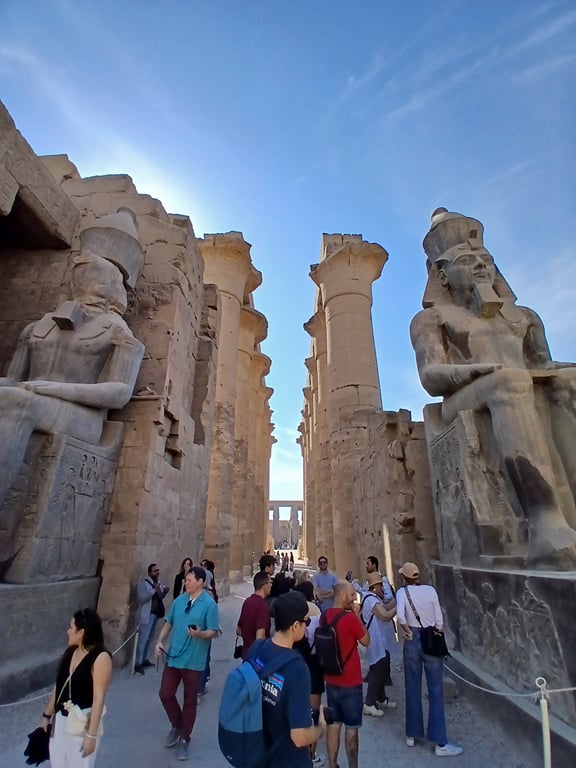
Two seated quartzite giants have marked the entrance to Amenhotep III's mortuary temple on Luxor's West Bank since roughly 1350 BCE, and they're usually the first monument travelers see on any West Bank route — visible from the roadside before your vehicle even reaches the ticket booths at Valley of the Kings. Each colossus rises about 18 meters (60 feet) and weighs close to 700 tons, carved from a single block of quartzite sandstone quarried at Gebel el-Ahmar near modern Cairo and hauled more than 675 km down the Nile, a feat of ancient logistics that still puzzles Egyptologists.
Their fame outlasted the pharaoh who built them. After a 27 BCE earthquake cracked the northern statue, it began emitting a strange sound each sunrise, most likely caused by dew evaporating from the fractured stone as morning temperatures rose. Ancient Greek and Roman visitors, convinced they were hearing the mythical hero Memnon greet his mother Eos, carved dozens of graffiti inscriptions into its legs — some still legible today. The sound stopped after Roman emperor Septimius Severus repaired the statue around 199 CE, but the misapplied name Memnon stuck for good.
The statues themselves cost nothing to visit and sit in open view year-round. The temple behind them, however — once larger than Karnak — is an active excavation run by the Colossi of Memnon and Amenhotep III Temple Conservation Project. In December 2025, the mission unveiled two newly restored alabaster colossi inside the temple grounds after nearly three decades of reassembly work, which means there's now genuinely more to see here than a five-minute photo stop.