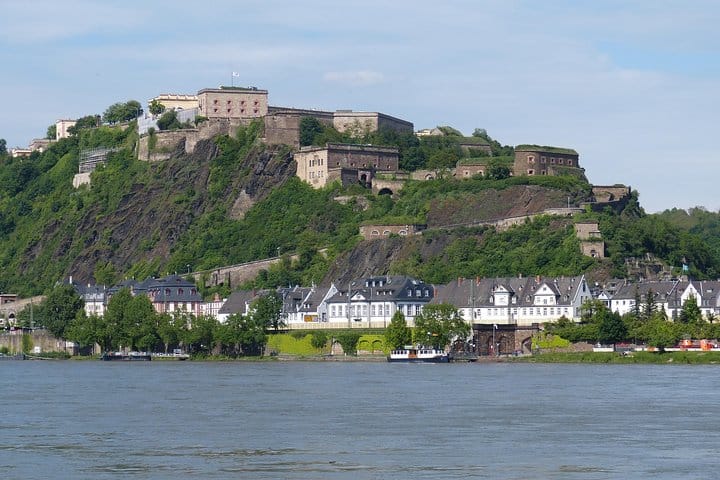
Ehrenbreitstein Fortress Tour with Scenic Cable Car Ride in Koblenz
Instant confirmation · Private tour · Meet on location

Instant confirmation · Private tour · Meet on location
Instant confirmation · Private tour · Meet on location
Free Cancellation · Instant confirmation · Private tour
Instant confirmation · Private tour · Meet on location
Free Cancellation · Instant confirmation · Private tour
Instant confirmation · Private tour · Meet on location
Instant confirmation · Private tour · Meet on location
Instant confirmation · Private tour · Meet on location

Instant confirmation · Private tour · Meet on location or pickup
Instant confirmation · Private tour · Meet on location
Instant confirmation · Private tour · Meet on location
Instant confirmation · Private tour · Pickup available
Instant confirmation · Private tour · Meet on location
Instant confirmation · Private tour · Meet on location
Instant confirmation · Private tour · Meet on location
Instant confirmation · Private tour · Meet on location
Instant confirmation · Private tour · Meet on location
Instant confirmation · Private tour · Meet on location
Instant confirmation · Private tour · Meet on location
Instant confirmation · Private tour · Meet on location
Instant confirmation · Private tour · Meet on location
Instant confirmation · Private tour · Meet on location
Instant confirmation · Private tour · Meet on location
Instant confirmation · Private tour · Meet on location
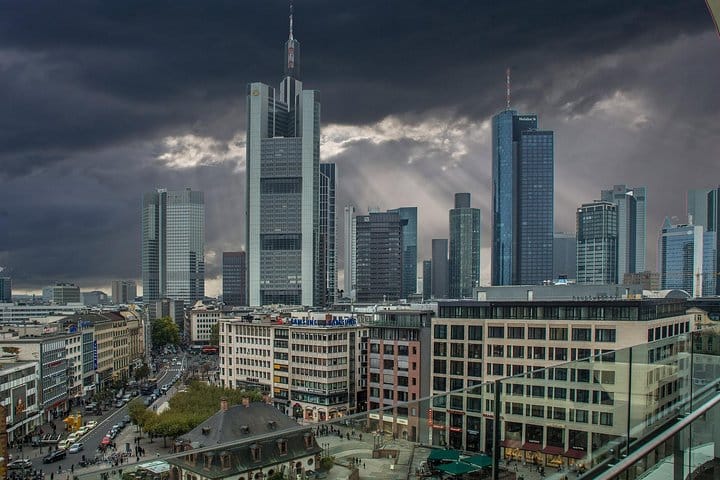
Germany is a vibrant country known for its rich history, diverse landscapes, and cultural landmarks. Visitors often explore bustling cities like Berlin, Munich, and Frankfurt am Main, each offering unique experiences from historic sites to modern attractions. The best time to visit Germany is typically from late spring to early autumn, when the weather is pleasant and outdoor festivals abound. Typical trips range from a week to two weeks, allowing travelers to immerse themselves in Germany's heritage and scenic beauty. TripWays features over 160 tours across Germany, highlighting popular destinations such as Munich's Bavarian charm, Berlin's dynamic urban culture, and Frankfurt's financial and architectural significance. Whether you're interested in historical tours, culinary experiences, or scenic excursions, Germany offers a wide variety of options to suit diverse interests.
The best time to visit Germany is generally from late spring through early autumn, when the weather is mild and many cultural events take place.
A typical trip to Germany lasts between 7 to 14 days, allowing time to explore major cities and some surrounding regions.
Tour costs in Germany vary widely depending on the type and length of the tour, with typical ranges spanning from budget-friendly options to more premium experiences.
Spending 3 to 4 days in Munich is common to fully experience its cultural sites, historic landmarks, and nearby attractions.
Popular areas to stay in Berlin include Mitte for central access to major sights, Kreuzberg for a vibrant arts scene, and Charlottenburg for a more relaxed atmosphere.
Popular day trips from Frankfurt am Main include visits to the Rhine Valley, Heidelberg, and the medieval towns of the Taunus region.
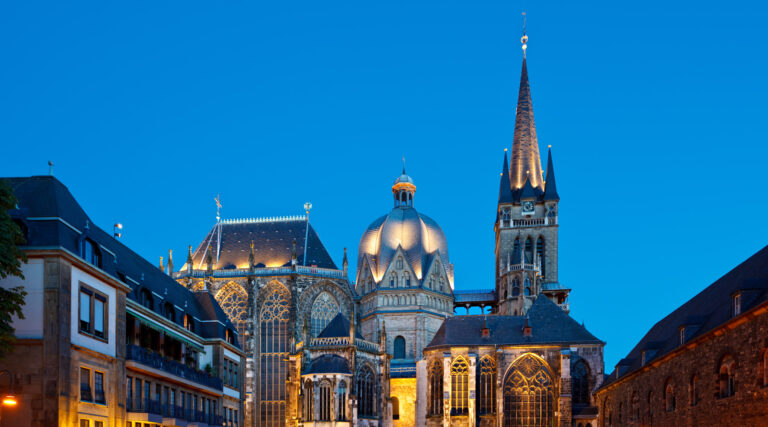
The Cathedral of Aachen is one of the oldest attractions in Germany. This Cathedral was built in the 8th century by one of the famous architects of that time. The builder of this church died in 814 AD. The Cathedral of Aachen has been inscribed on the UNESCO World Heritage List for its antiquity and splendor. In German, it is called Kaiserdom, which means Imperial Cathedral.
Read More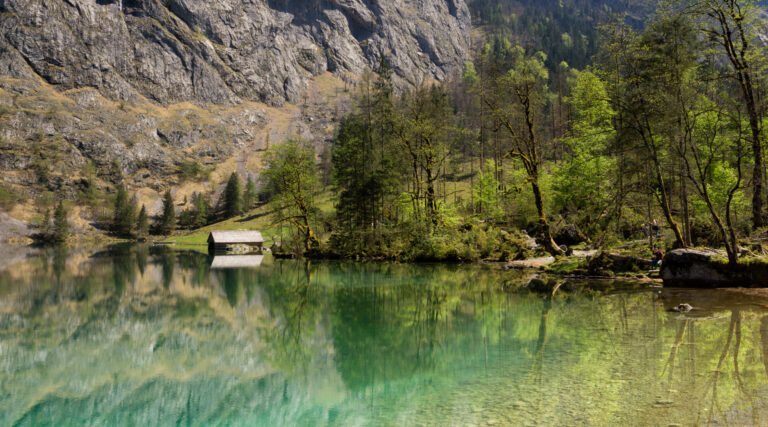
National Park status was granted to this portion of Berchtesgaden on 1 August 1978. It has expanded to cover 218 square kilometers in the Bavarian Alps since then. This landscape boasts a variety of rare plants and animals, such as lake Königssee (the cleanest lake in Germany), Jenner, Steinerne Meer (Sea of Stone), and Watzmann mountain in the park at 2,713 meters high.
Read More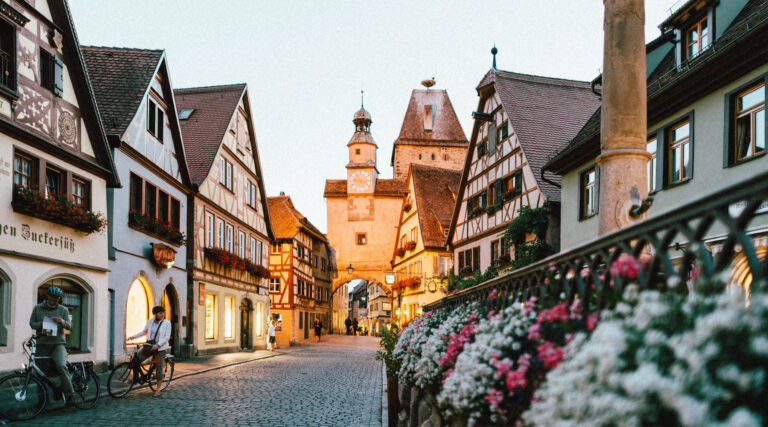
Rothenburg ob der Tauber is a beautiful historical town in northern Bavaria known for its medieval architecture. It's one of three towns in Germany that have completely intact city walls. The town used to be a Free imperial city from the late Middle Ages to 1803.
Read More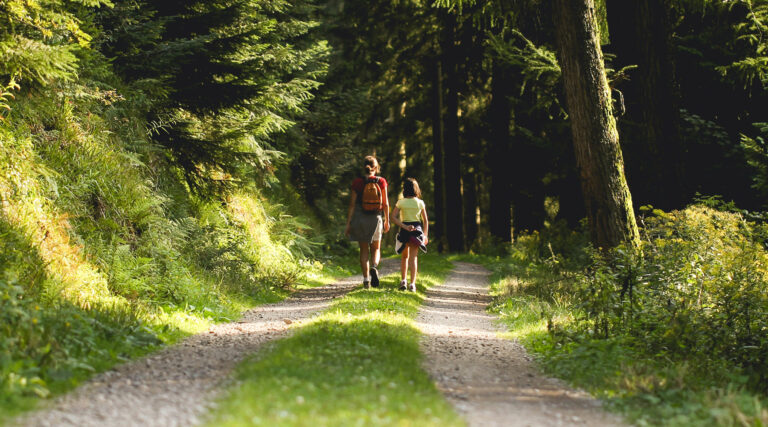
The "Black Forest" is an exceptional mountainous region in southwest Germany, on the border of France. The dense, evergreen forests and picturesque villages have made the forest one of the major attractions of the country.
Read More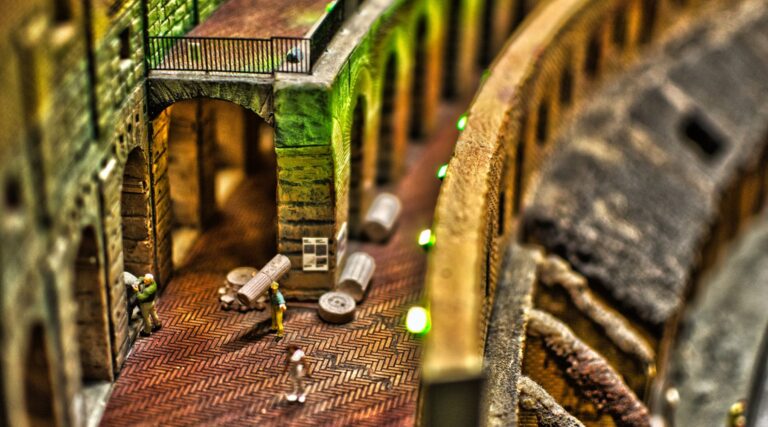
Miniatur Wunderland is a model railway and miniature airport attraction in Speicherstadt district of Hamburg in Germany, known as the largest model railway system in the world. It has been one of the most visited attractions in Germany, attracting millions of tourists annually.
Read More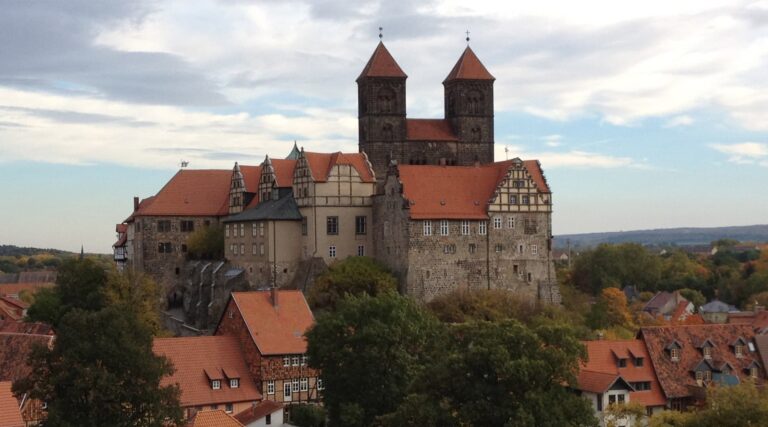
Quedlinburg is one of the most wonderful cities in Germany, located in the northern Harz Mountains in northern Germany and a famous destination for those who want to find the pure spirit of Germany in its cities. A big part of the importance of Quedlinburg Old Town is because it has been a UNESCO World Heritage Site since 1994. The people of this city speak German, and its population is about 25,000.
Read More