

8-Day Cultural and Nature Tour of Sri Lanka from Colombo
Free Cancellation · Instant confirmation · Private tour

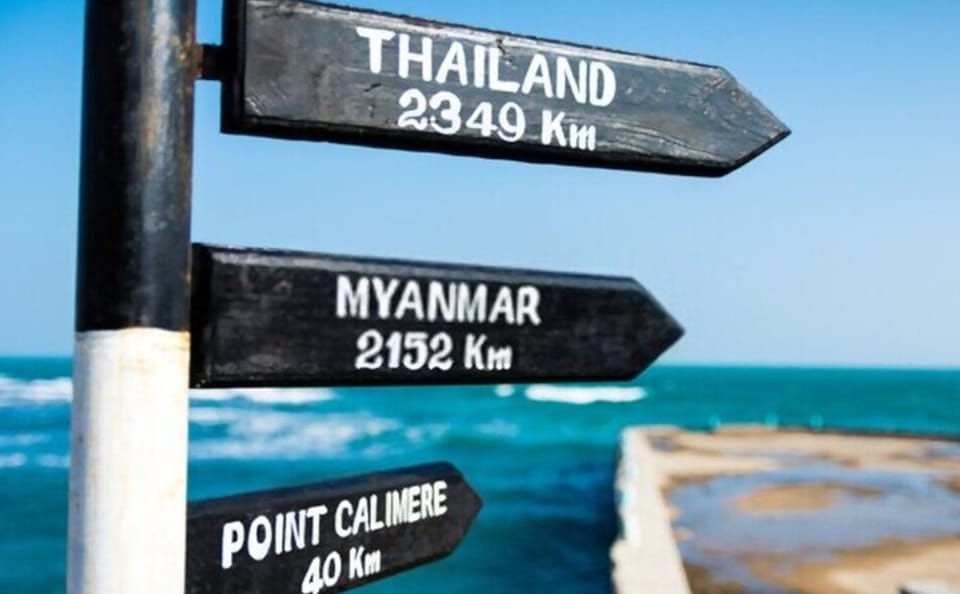
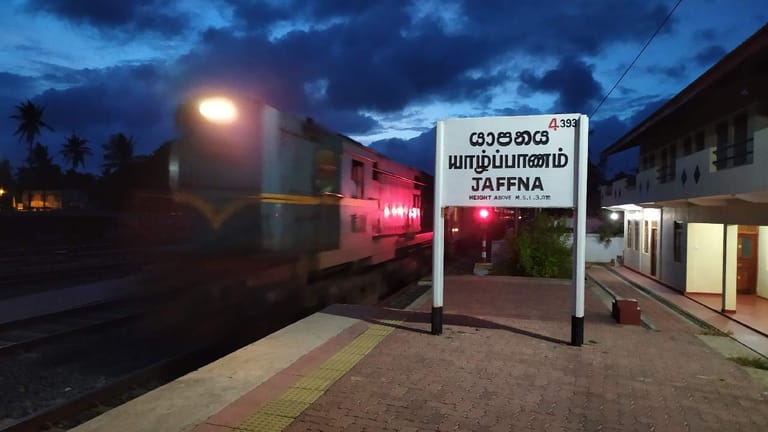
Remote and war-torn JAFFNA is far and away the largest town in northern Sri Lanka and the undisputed cultural capital of the Sri Lankan Tamils, who have controlled the area since the thirteenth century. The town was the focal point of many of the early civil war’s fiercest battles, although having remained under government control since 1995 it at least avoided being caught up in the devastating fighting which enveloped the rest of northern Sri Lanka during 2008–09. Largely inaccessible for over two decades, Jaffna is now once again freely open to visitors, still unexpectedly vibrant, despite its many years of isolation, and, in places, strangely beautiful.
Jaffna is closer to India than to Colombo, and in many ways looks across the Palk Strait to the Indian state of Tamil Nadu rather than to Sinhalese Sri Lanka for its cultural and political inspiration. Arriving in Jaffna can come as something of a culture shock if you’ve spent much time in the rest of the island, and you can’t fail to notice the profound Indian influence here, exemplified by the replacement of the Buddhist dagoba with the Hindu gopuram, and by the switch from the singsong cadences of Sinhala to the quickfire intonations of Tamil – as well as myriad other details like the sultry Indian pop music which blares out of shops and cafés, and the quasi-subcontinental hordes of kamikaze cyclists who rattle around the congested streets.
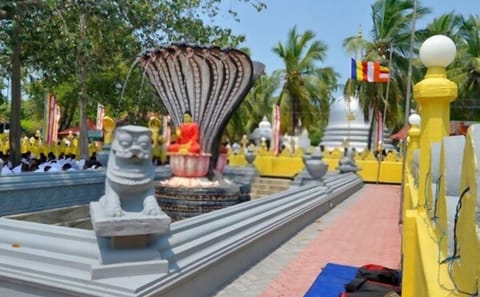
The Nagadeepa Purana Rajamaha Viharaya is one of the sixteen most sacred places of worship by the Buddhists in Sri Lanka. Pilgrims have been coming to Nagadeepa since about the 1st century AC to worship at its famous Rajayathana stupa. The Rajayathana stupa was constructed by two warring Naga kings, Chulodara and Mahodara, at the site where Lord Buddha during His second visit to the country on a Bak Maha Amawaka Poya Day, five years after attaining Enlightenment, intervened and mediated in settling a dispute over the possession of a gem-studded throne.
Jaffna’s most notable sight is the large Nallur Kandaswamy Temple, about 2km northeast of the town centre. Dedicated to Murugan (known to the Buddhist Sinhalese as Kataragama), this is the most impressive Hindu temple in Sri Lanka, and the only one on the island to rival the great shrines of India. The original temple is thought to date back to the mid-fifteenth century, though it was destroyed in 1620 by the Portuguese. The present structure was begun in 1807 and has now developed into an enormous religious complex, surrounded by red-and-white striped walls. There are numerous shrines inside, richly decorated corridors framed in rows of golden arches and a beautiful courtyard with a large tank. Men must remove their shirts before entering. There are no fewer than six pujas daily, with three between 4pm and 5pm, the best time to visit.
Jaffna is closer to India than to Colombo, and in many ways looks across the Palk Strait to the Indian state of Tamil Nadu rather than to Sinhalese Sri Lanka for its cultural and political inspiration. Arriving in Jaffna can come as something of a culture shock if you’ve spent much time in the rest of the island, and you can’t fail to notice the profound Indian influence here, exemplified by the replacement of the Buddhist dagoba with the Hindu gopuram, and by the switch from the singsong cadences of Sinhala to the quickfire intonations of Tamil – as well as myriad other details like the sultry Indian pop music which blares out of shops and cafés, and the quasi-subcontinental hordes of kamikaze cyclists who rattle around the congested streets.
Jaffna is closer to India than to Colombo, and in many ways looks across the Palk Strait to the Indian state of Tamil Nadu rather than to Sinhalese Sri Lanka for its cultural and political inspiration. Arriving in Jaffna can come as something of a culture shock if you’ve spent much time in the rest of the island, and you can’t fail to notice the profound Indian influence here, exemplified by the replacement of the Buddhist dagoba with the Hindu gopuram, and by the switch from the singsong cadences of Sinhala to the quickfire intonations of Tamil – as well as myriad other details like the sultry Indian pop music which blares out of shops and cafés, and the quasi-subcontinental hordes of kamikaze cyclists who rattle around the congested streets.
Fully refundable until 1 day before start
Non-refundable after 1 day before start
Free Cancellation · Instant confirmation · Private tour
 Elite
Elite
Instant confirmation · Private tour · Meet on location or pickup
 Elite
Elite
Instant confirmation · Private tour · Meet on location or pickup
 Elite
Elite
Free Cancellation · Instant confirmation · Private tour
50% refund until 21 days before · Instant confirmation · Private tour
Free Cancellation · Instant confirmation · Private tour
Free Cancellation · Instant confirmation · Private tour
50% refund until 21 days before · Instant confirmation · Private tour
Our assistant finds tours and checks live dates and prices, and answers your questions.