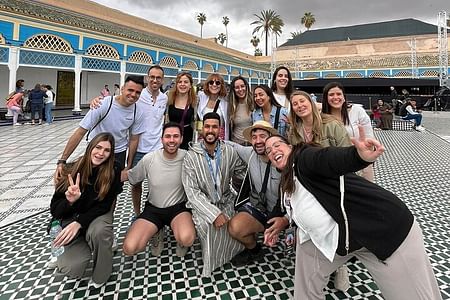
Marrakech Islamic History & Seven Saints Tour
Why we love it?
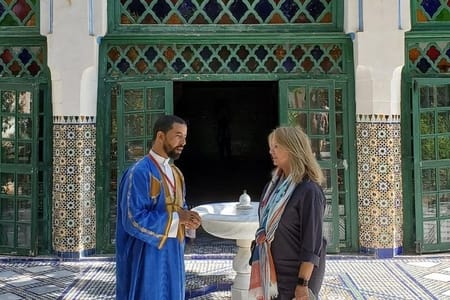
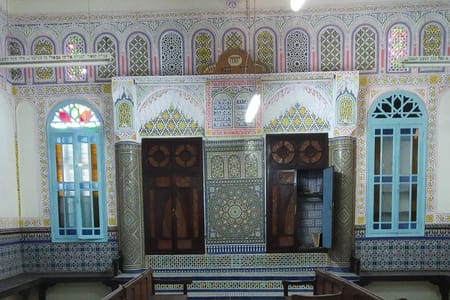
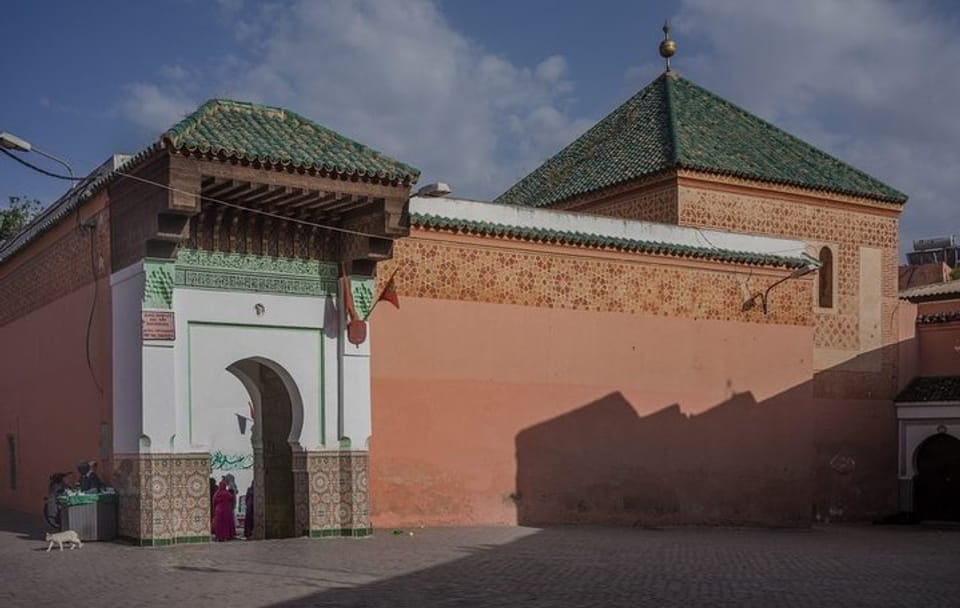
The Marrakech Islamic History & Seven Saints Tour offers a deep dive into the rich cultural heritage of Marrakech, Morocco, over the course of four hours. Participants will explore significant historical sites and learn about the lives of the city's revered saints, making it ideal for history enthusiasts and those interested in Islamic culture. The tour is distinctive for its focus on local traditions and spiritual practices, providing insights into the influence of these figures on the city's development. Safety measures, including masks for protection against COVID-19, are included to ensure a comfortable experience.
Inclusions
- Masks for protection against COV19
Exclusions
- TIPS
Itinerary
Step 1
Also called: Abou el Abbas Ahmed ben Jaafar el Khazraji. Origin: Originally from Sebta. Education: Disciple of Cadi Ayyad, He lived for 40 years in a cave on a hill in Guéliz, without ever entering the city. He spent his life caring for and defending the weak and the blind. Died in: [ ] AH) Buried in: Sidi Marouk cemetery, near Bab Taghzout.
Step 2
Sidi Abdelaziz Tebbaâ Also called: Abou Fares Abdelaziz. Origin: Silk merchant from Fez. Education: Principal disciple of Sidi Ben Slimane. Particular Sign: He propagated the Sufi ethics in the corporations of craftsmen. Died in: [ ] AH). Buried: not far from the Ben Youssef Mosque.
Step 3
Also called: Sidi Mohammed ben Slimane ben Said al Jazouli. Origin: Originally from Souss. Education: He was enrolled in the Essaffarin Medersa of Fez where he excelled in the hadiths. Special Signs: He is the founder of Moroccan Sufism for a mobilization against the Iberian invasion. He is the author of the famous collection of prayers "Dala’il al-Khayrat" (the paths of benefactions). He died praying. Died in: [ ] Hegira) Buried in: La zaouïa Jazoulia, north of the medina, near Dar-el-Glaoui.
Sidi Youssef Ben Ali
Sidi Yusuf ibn 'Ali as-Sanhaji is a [ ] ([ ] [ ] or saint) who was born in [ ], [ ] and died there in 1196 CE. He is considered one of the [ ]. Yusuf ibn 'Ali was born in Marrakesh. He studied under Sheikh Abu 'Usfur. He was afflicted at a young age with [ ], for which he was allegedly banished from his family and from living in the city. He took up residence in a nearby cave or in a hollow that he dug himself, in the lepers' quarter outside the southern city gate of [ ]. Despite his ill health, he lived longer than anyone expected and many began to believe he possessed powers to resist hunger and disease.[ ] Locals came to visit him in his cave seeking guidance, and he came to be known also as Mul al-Ghar (meaning roughly "Man of the Cave"). He died in 1196 CE and was buried in or near the cave where he lived.
Yusuf ibn 'Ali's reputation grew over time and he became one of the most celebrated of the many [ ] ("saints") of his native city. In the 16th century the [ ] [ ] [ ] built a mausoleum and [ ] over the cave where he was buried. The sultan's reasons for this are unclear but may have been a conciliatory gesture over his displacement of the leprous population from Bab Aghmat to [ ]. 378–379 Later on, he was counted among the "Seven Saints" of Marrakesh and his tomb became the first stop in a yearly pilgrimage, or [ ], instituted by the [ ] sultan [ ] in the late 17th and early 18th century. Today, the neighbourhood and suburb around the mausoleum is part of the local prefecture of Sidi Youssef Ben Ali, named after the saint.
Al Cadi Ayyad
Ayyad ibn Musa was born and raised in the northern city of Ceuta during the Islamic Golden Age in 1149. Ceuta hosted many scholars from Andalucia, the wider Islamic community, and the Maghrib during this period. Today Ceuta is considered an official part of Spain.
Ibn Musa was influenced by many intellectuals who traveled to Ceuta and he then became a notary scholar. In 1113 and 1114, Ibn Musa traveled to Cordoba, Murcia, Almeria, and Granda where he met and studied with some of the most important scholars of the time. These figures included Abu Ali al-Ṣadafi (1120), Ibn al-Hajj (1134), Ibn Rushd (1126), and Ibn Hamdin (1114). From [ ], Ibn Musa was appointed the judge of Ceuta. He also served as a judge in Granda, Spain. He led a revolt against the Almohades and as a result, he was banished to Tadla and then to Marrakech. Ibn Musa is considered the most scholarly of the seven saints. The University of Marrakech (Cadi Ayyad University) is named after him and referred to in his honor Saint Ibn Musa. He died in 1149 by a spear. He was executed for refusing to support the idea of Ibn Hazm and the Almohads, supporters of the Zahirite school of Sunni Islam.
Sidi Bel Abbas
Considered the patron saint of Marrakech and arguably the most important, Sidi Bel Abba is best recognized as distributing food to the poor and helping the blind. He was brought up in Ceuta during the 12th century. His father passed during Abbas’ teenage years. It is said that death inspired the saint to become absorbed in a world of books and studying. To help support the family’s finances, he was asked by his mother to work. It wasn’t until a Sheikh saw the young Abbas’ potential that he was permitted to spend time at formal study in the mosque. He learned under Sheikh Abi Abdellah Mohamed Lfakhar. Abbas’ zaouia is decorated with stucco. Its interior has a courtyard with a fountain. He died in 1204.
Sidi Ben Slimane
Sidi Ben Slimane is known throughout the Islamic world for publishing his prayer book during the 15th century. The book has a description of prayers for each day of the week. Slimane was originally from the Souss Massa Draa region, near the coastal city Agadir. He became a well-liked Sufi leader of the Jazulah Berber tribe in Essaouira. Although it is rumored that he is a descendant of Ali ibn Abi Talib, the cousin and son-in-law of Muhammad, he was described as being down to earth. He experienced a sudden death while he was praying at the age of 75 (June 1465). He was originally buried in Essaouira.
Sidi Abdel Aziz Tebbaa
Born with the name Abu Faris Abdelaziz Ben Abdelhaq Al Marrakchi, he held a career as a silk merchant. His profession is from where he received his nickname, El Harrar. Tebbaa not born to a wealthy or prominent family. In spite of this, he was able to study under Sidi Mohamed Ben Slimane Al Jazouli.
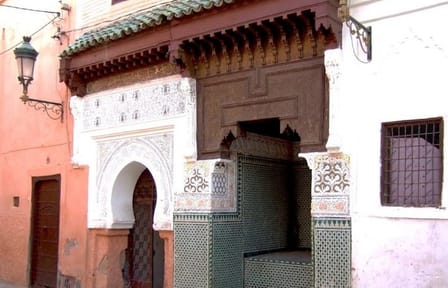
Jazouli’s tariqa (teaching) was followed by many Moroccans. The leader came to respect Tebba, eventually calling him the “Alchemist.” Tebba also learned from Al Jazouli, a major leader of the Tariqa Jazoulia Chadilia. From 1466, Tebbaa moved to Fes where he spent the next 8 years in the service of Sheikh Mohamed Sghir Souhaili. Upon returning to Marrakech, he built the zaouia in which he is buried today. Located in Hay El Qebbabin (Nejjarin), the sacred site brought together saints and scholars. The zaouia is visited today by people in search of miracles who wish for help with skin diseases, eye diseases, syphilis, or baldness. Women who visit the tomb perform a special ritual after praying. They bring locks that they use to close a window. The locks are not opened until their wishes have been granted. Tebbaawas considered a bridge between the two Sufi sects and also played a role in the development of science and Islamic mysticism.
Sidi Abdullah Ghazouani
Sidi Abdullah Ghazouani is a 16th-Century Sufi saint from Fes who is credited for writing the idea of the Tariqa Muhammadiyya (associated with neo-Sufism) and known for his tendency to shake up the Moroccan monarchy. Sidi Abdullah preached the ideas of Ibn Arabi and Al-Jili. He spoke of the importance of both Islam and saints in society. After studying in Fes, Granada, and Marrakech, his opinions became more compelling to the public.
Ghazouani’s increasing power became a threat to the monarchy. Sultan Sidi Mohamed Cheikh imprisoned him. He remained incarnated until he was set free by Sultan Watasi. Watasi built him the Zaouia in Fes with the goal to isolate him. Ghazouani rebelled and returned to Marrakech where he built a zaouia in the neighborhood El Ksour. The saint is originally from the Gazouane tribe and nicknamed Moul El Ksour. Ghazouani also specialized in constructing channels and sinking wells. He died in 1528 and is buried near the Mouassine Mosque. He is known also for his poignant disagreements with the Marinid sultan for having predicted the end of the dynasty.
Imam Abderahim Souhaili
A well-respected 12th-Century figure from the Spanish coastal town Malaga. Despite coming from a secular family and growing up in a period of censorship, he was considered open-minded and simple in nature. Souhaili was born with the challenge of being blind, however, came from a good family. They were poor but well educated. As a result, Souhaili accomplished things like becoming an expert in the law, memorizing the Quran, and being fluent in Arabic. Spanish was the saint’s native language. Many students studying legal matters follow him and pray to him for help with exams.
Please Note
- Wheelchair accessible
- Stroller or pram accessible
- Not suitable for pets
- Infant seats unavailable
- Not wheelchair accessible
- Wheelchair accessible
Know Before You Go
- Public transportation nearby
- Infants must sit on laps
Cancellation Policy
Fully refundable until 1 day before start
Non-refundable after 1 day before start