
Author: Meysam Soheili
Explore Cartagena: Colombia’s Coastal Gem
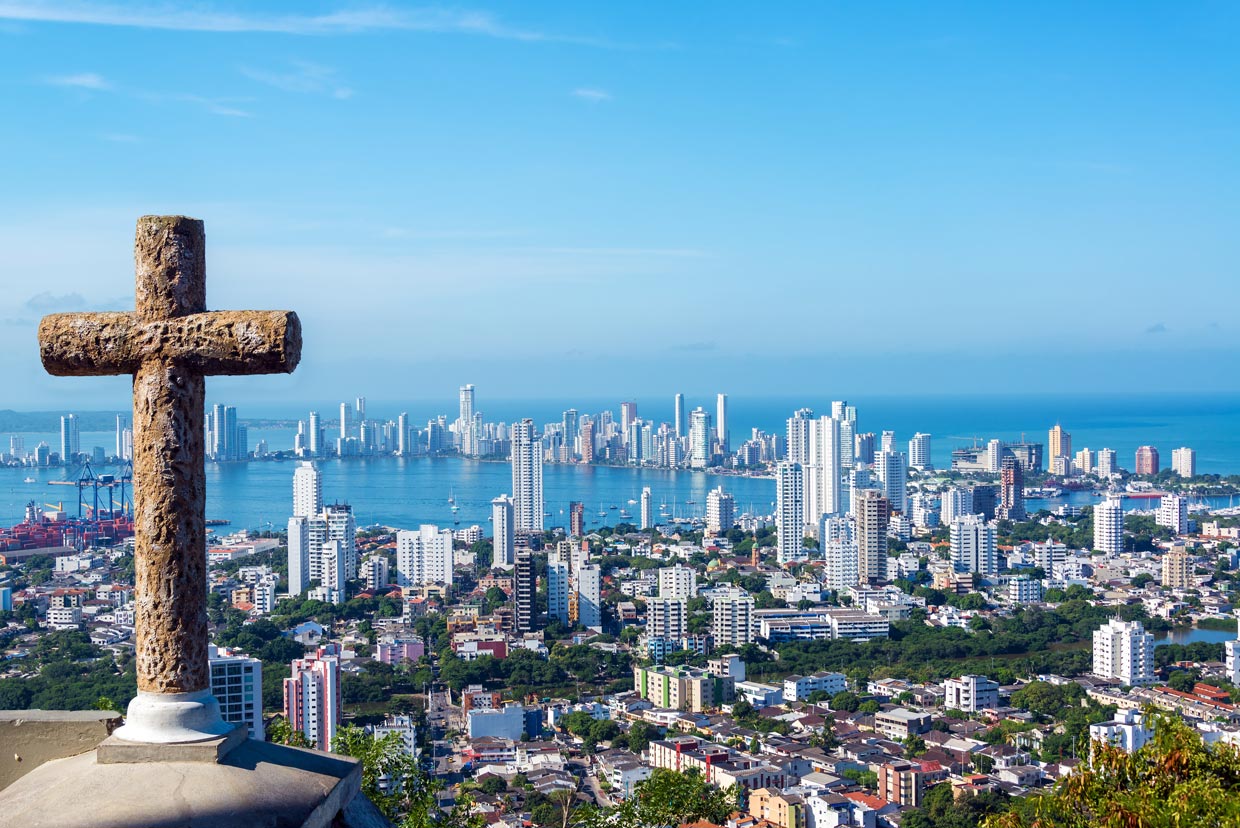
Cartagena, officially known as Cartagena de Indias, is a vibrant city located on the northern coast of Colombia in South America. This historic city is nestled on the shores of the Caribbean Sea, boasting a tropical climate that entices travelers all year round. Its exact coordinates are 10.4° North latitude and 75.5° West longitude, which places it strategically as a port city, which historically made it a key player in regional trade and defense.
The cultural significance of Cartagena is deeply rooted in its history. Founded in 1533 by Spanish commander Pedro de Heredia, the city quickly became a prominent colonial enclave and a significant link in Spain’s trade routes between Europe and South America. The city’s rich history is reflected in its well-preserved architecture, with a UNESCO World Heritage-designated walled old town, “Ciudad Amurallada,” which includes forts, bastions, and colonial buildings. The cultural fabric of Cartagena is a colorful tapestry that includes African, Spanish, and indigenous influences, manifesting in its music, dance (such as cumbia), cuisine, and festivals.
Sights and activities
A journey to Colombia and, specifically, Cartagena brings a sense of diversity to the visitors’ experience. You might find yourself doing a variety of things during the day, and in each case, one of those many beautiful monuments is a part of the story. Be open to recommendations not to miss any opportunity.
Take a walk through the walled city
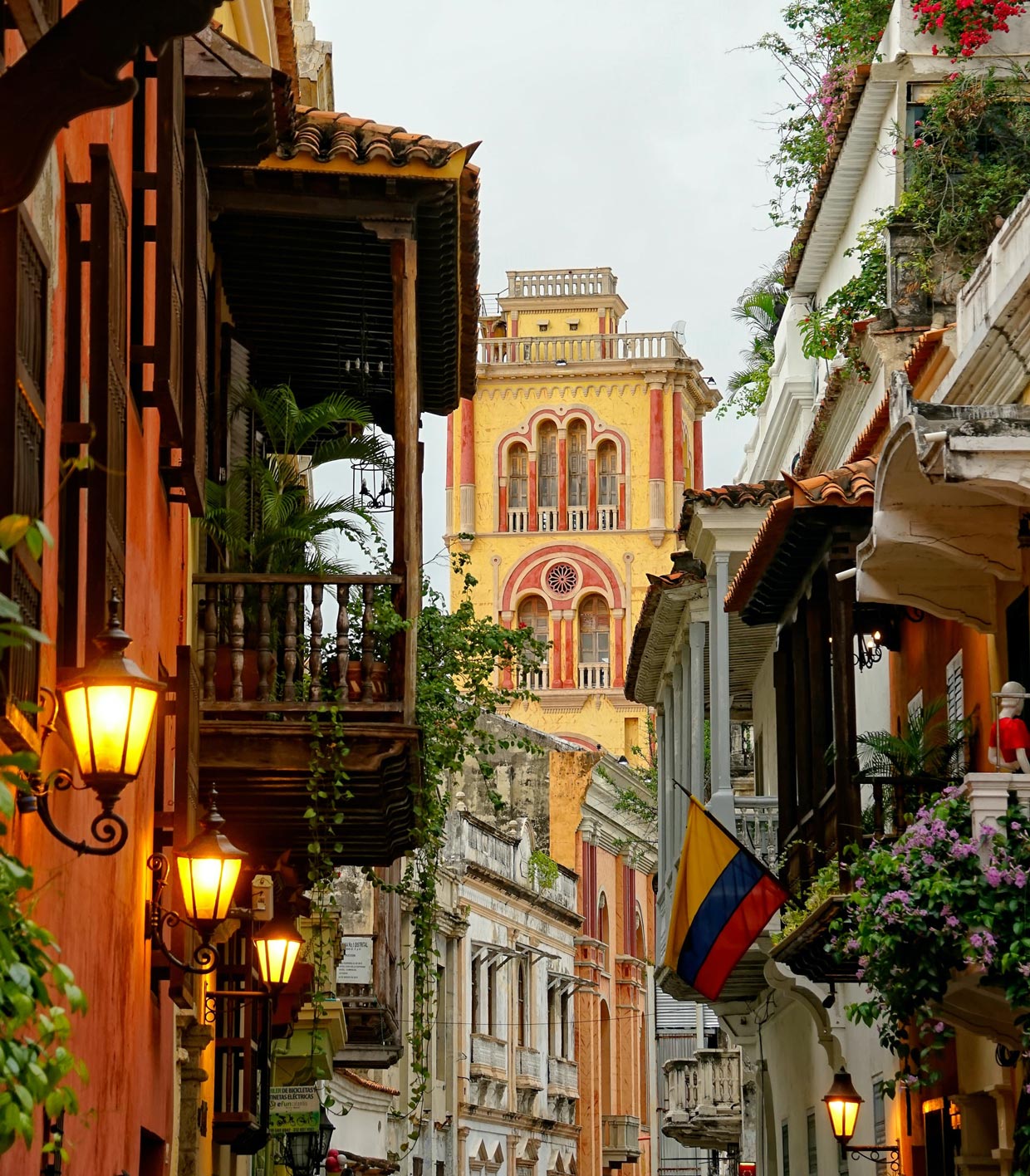
There’s such a vast range of activities available in Cartagena. Still, you should do the one thing – both free and wonderfully exciting- is taking a stroll in the city center, the old town. The whole vibe of this part of Cartagena is guaranteed to recharge your batteries and instantly put you in a better mood. Wandering through the narrow and vibrant streets with colorful colonial buildings will make you feel like you’re in a movie scene.
We also recommend visiting the Getsemaní neighborhood for its fantastic graffiti art.
And if at any point during your stroll you find yourself thirsty or in need of a short rest, you can always stop at one of the many local cafes and restaurants on your way and have a cold, fresh drink while enjoying the live street music and dance.
Catch the Sunset on a Rooftop or the City’s Wall
This experience is one you’d thank yourself for it later, so don’t miss it. The sunset alone in this city is already breathtaking. Now imagine watching it from a rooftop bar at the Movich Hotel. Another place to have this experience again is on top of the city’s wall. Here, a lot of people gather around and watch the sun as it goes down. On the wall in El Centro, Cafe Del Mar is also another option if you want to grab a drink or a bite with a spectacular view.
Castillo De San Felipe de Barajas
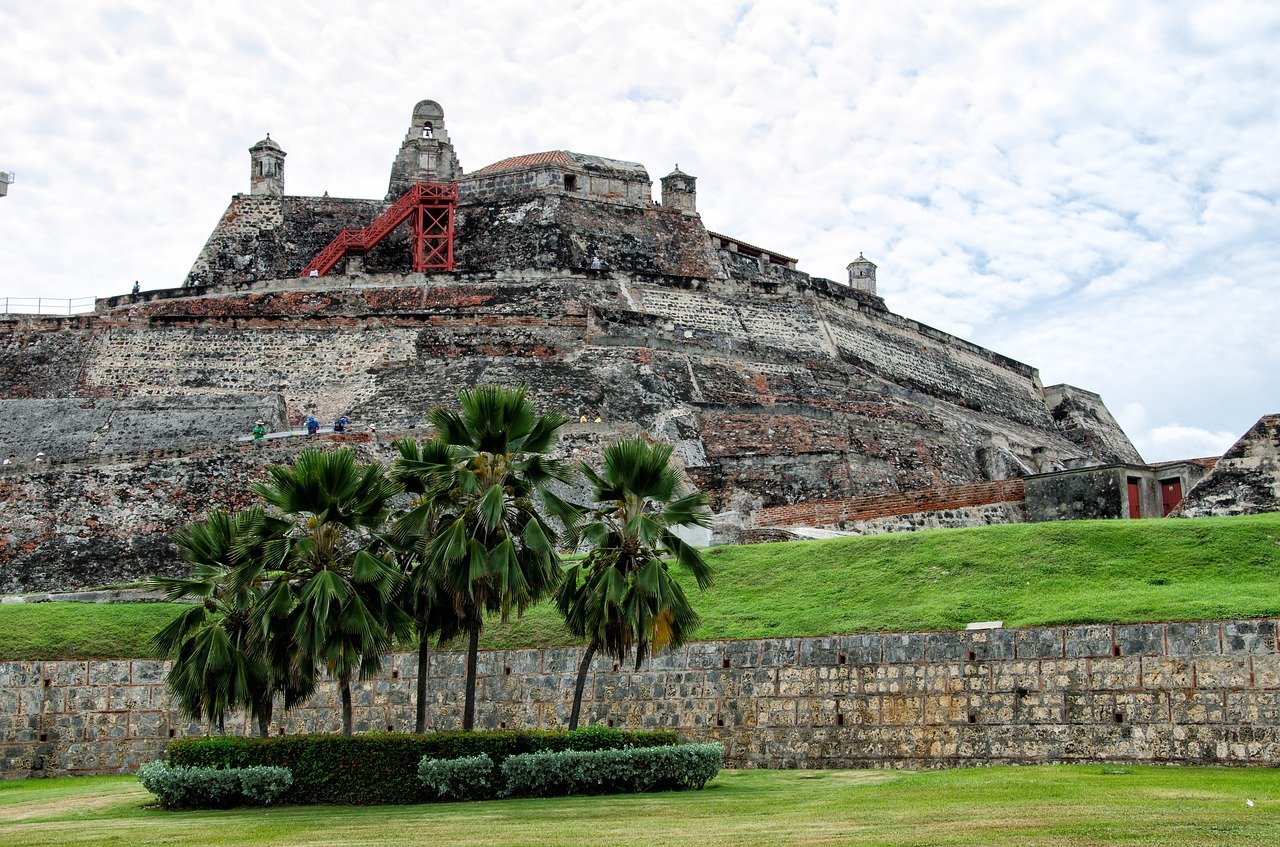
This masterpiece of a fortress was built in 1657 by the Spanish to defend the city from foreign attacks. Of course, it is not the only magnificent fortress in Cartagena, and there are 15 more. But if you only want to check one of them out, this is considered one of the most outstanding buildings of all. It’s open from 6 a.m.- 8 p.m. every day, but it does get a bit crowded on weekends, so try to avoid that if possible. Each child’s ticket is about $3 and $7 for adult’s.
Party on a bus
If you’re looking for a fun night out, you should seriously consider taking a Chiva bus tour. You will tour around the city on a bus listening to music the whole time and will be served alcohol. But the fun doesn’t stop here! The bus will drop you off at a nightclub or bar where you can blow off some steam by dancing to the energetic music and refreshing drinks. Prices range from $6 – $12, depending on the tour.
Check out Mercado de Bazurto, the Food Market
As modern as some parts of Cartagena might be, you can’t neglect its authentic local details. For example, the food market offering all types of fresh and locally grown fruits is one of the places you can visit in the city to have a real Cartagena experience. Besides fruits and vegetables, you can also find handicrafts and even the traditional food of indigenous people at Mercado de Bazurto. Most things are wallet-friendly at this market.
Playa Blanca
Staying at least a day on a white sand beach is a must when you come to this city. There are several islands around it with stunning beaches, which you could get to by boat, and some even by car. Playa Blanca isn’t the nearest beach to Cartagena, but it’s the dreamiest, so if you are looking for a paradise alongside the sea, this is your destination. With its crystal blue water and charming resorts, this beach is a 45-minute boat ride from the city. Try to visit here on weekdays so you can enjoy the experience peacefully.

Caribe Jewelry Museum & Factory
Colombia is well-known for its emeralds, so if jewelry fascinates you, take a tour through the emerald exhibition; you will first visit the museum and learn about the historical methods for mining the precious gem and the history of the industry in Colombia. The next part of the tour is in the workshop, where you will see professional workers cutting and placing the gems. And the last stop in the store. You can browse through it and purchase anything you’d like. There’s a wide range of jewelry that fits every budget.
Sanctuary of Saint Peter Claver
There are a lot of churches and museums in Cartagena. One of the most exceptional ones is the Saint Peter Claver Church. This catholic cathedral, located in the walled city, is named after the priest who baptized over 30000 people, many of whom were slaves who were moved through Cartagena. Claver’s body is preserved in a coffin on the church’s main altar. There’s also a small museum where visitors can learn about Saint Peter’s life and the cathedral’s history.
The astonishing architecture of the building is something that every tourist has mentioned after visiting it. There’s also a flourishing garden around the building with plants that enhance its beauty. You can sit and absorb the glory of this cathedral in the garden. The entrance fee is about $7 for adults and less for children.
Cartagena Beaches
Cartagena is home to multiple lovely shores on the Caribbean side. Some of the beaches in or near Cartagena city are Bocagrande, Castillogrande, La Boquilla, and Manzanillo del Mar.
Rosario Islands
It takes a 45-minute boat trip to get to this fascinating archipelago. It’s part of the Rosario and San Bernardo Corals National Natural Park, so it consists of some of Colombia’s best parks and an underwater park you can only find there in the whole country. Visit the Rosario Islands and enjoy the many lovely Caribbean beaches and fresh seafood at an affordable price. We recommend you search for hostels to stay in before you begin your trip, and it’s guaranteed you’ll find excellent options.
Tierra Bomba Island
Tierra Bomba Island: another gem in the Caribbean Sea, with many coasts to spend a joyful time in. Dreamy destinations like Blanca Beach, Isla Grande Beach, Bocagrande Beach with its fabulous restaurants, Punta Arena, and many more. With an average cost of around 100$, you can stay in great hotels, or if you fancy seaside hotels, there are plenty of them in Tierra Bomba.
San Bernardo Archipelago
ُpending two hours on a boat will get you to the fantastic San Bernardo archipelago. This place is where unique-looking shores surrounded by clear blue water can be found. The beaches are unbelievably gorgeous with cabañas, shades, and palm trees. The contrast of white sand and water with so many shades of blue adds to the beauty.
Tayrona National Natural Park
You may have already heard about the famous Tayrona National Natural Park, which is close to Santa Marta and blessed with some well-favored beaches. Camping in Tayrona is usual, and this way you can have a full-day fun time with palm trees and green landscapes in sight. You are not allowed to swim on all of the beaches, so be careful and do your research before visiting.
Traditional Dishes and Where to Find Them
Cartagena’s culinary scene is a delectable reflection of its cultural diversity, with traditional dishes that are a must-try for any food-loving traveler.
Ceviche Cartagenero
One of the city’s most iconic dishes is Ceviche Cartagenero, a fresh seafood dish marinated in lime juice and spiced with chili peppers. It can be found at many local cevicherías, but La Cevichería, located in the historic district, is famed for its variety and quality.
Arepa de huevo
Arepa de huevo is another traditional fare, a deep-fried cornmeal cake stuffed with an egg and sometimes meat, which is widely available from street vendors and at Mercado de Bazurto, the bustling local market.
Posta Negra Cartagenera
A savory-sweet beef dish slow-cooked in a sauce of panela (unrefined cane sugar) and spices, is a staple that reflects the city’s Afro-Colombian heritage. Restaurante Donjuán in the old town is known for serving an upscale version of this hearty meal.
Arroz de Mariscos
For a taste of the sea, Arroz de Mariscos (seafood rice) is a flavorful dish combining rice with a variety of seafood, cooked with coconut milk and local spices. You can savor this dish with an ocean view at many of the restaurants lining the beaches of Bocagrande.
Pargo Rojo Frito
Another coastal favorite is Pargo Rojo Frito (fried red snapper), often served with coconut rice and fried plantains, a combination that encapsulates the tropical flavors of the region. Try it at La Mulata for an authentic experience.
Popular Spots for Live Music and Dancing
For those seeking a night out filled with rhythm and local beats, Cartagena offers an array of venues where live music and dancing take center stage. One of the most popular spots for an authentic musical experience is Café Havana, located in the Getsemaní neighborhood. This iconic salsa bar features live bands that play late into the night, attracting both salsa aficionados and those new to the dance floor.
Another revered venue is Quiebra-Canto, where the sound of live jazz, salsa, and champeta—a local genre with African roots—fills the air. It’s a perfect spot for those looking to immerse themselves in the local music scene while enjoying a cocktail or two. For a more upscale experience, head to Alquimico, a trendy bar set in a restored colonial mansion, where you can enjoy live DJ sets, a rooftop bar, and a menu of innovative cocktails.
La Movida is a place that promises a lively atmosphere with a mix of local and international music, where the crowd dances until dawn. It’s frequented by a blend of locals and tourists, ensuring a diverse and energetic vibe. Don’t miss Bazurto Social Club, another Getsemaní gem, which is part bar, part art gallery, and offers a live soundtrack of Caribbean and Afro-Colombian rhythms.
Best Time to Visit
Cartagena has an overall hot and humid climate with an average temperature of 84 °F, so make sure your hotel is airconditioned. Although the humidity rarely wears off, the temperature falls during the 3 months between January and March. These are also the driest months in Cartagena, and you might even feel the evening breeze then. On the other hand, October is the month you would want to avoid if sudden rainfalls are a problem since this is the wettest month. To make it easier to check the weather, take a look at this table:
| Month | High | Low | Rain |
|---|---|---|---|
| January | 31 ° C | 24 °C | 0 days |
| February | 31 °C | 24 °C | 0 days |
| March | 31 °C | 25 °C | 0 days |
| April | 31 °C | 26 °C | 1 day |
| May | 32 °C | 26 °C | 5 days |
| June | 32 °C | 26 °C | 8 days |
| July | 32 °C | 26 °C | 8 days |
| August | 32 °C | 26 °C | 8 days |
| September | 32 °C | 26 °C | 8 days |
| October | 31 °C | 25 °C | 11 days |
| November | 31 °C | 25 °C | 8 days |
| December | 31 °C | 25 °C | 3 days |
Transportation and Costs
The ideal way to get around the Old Town is by walking the cobblestone streets as it’s such an excellent opportunity to soak up this extraordinary city’s atmosphere slowly. But there are also other means of transportation in Cartagena like bikes, taxis, and buses, and the most special of them are horse-drawn carriages which you should try at least once. In case you want to take a cab, try calling a taxi from your hotel rather than getting one on the streets since they may try to increase the fare that way. If you have decided to take the bus, make sure you know your stops before getting on, as it might be a bit confusing for a first-timer to navigate on the bus.
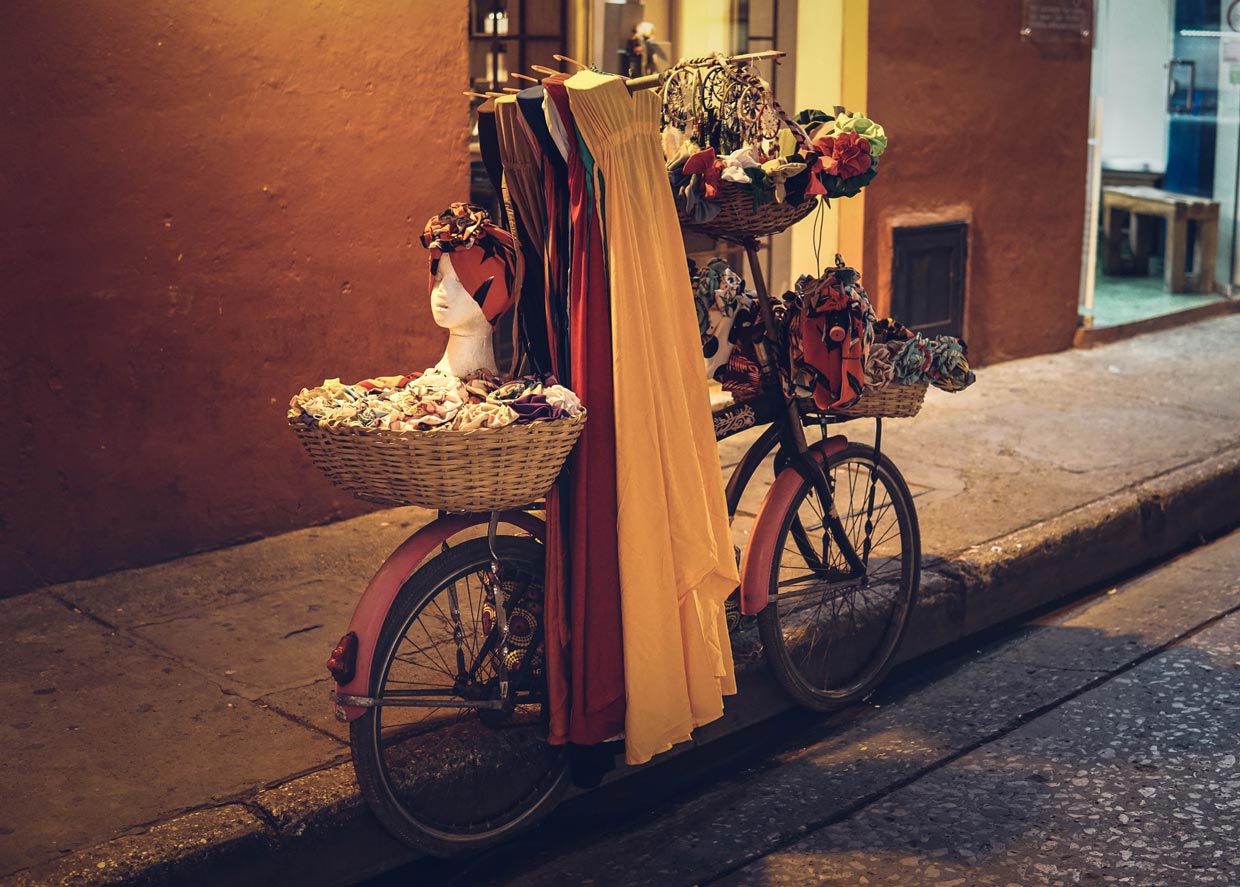
Based on tourists’ experience, you should expect an average daily price of $40 in Cartagena. They have mentioned an average of $7 on each meal and $2.5 on transportation for one day.
Where to stay
Since this city is on top of the “most visited places” list, there are various accommodation types available in both the Walled City and Boca Grande. Most tourists choose the city center to access the best parts of town. From boutique and luxury hotels to colonial buildings turned into local hostels, you can decide where to spend the night in Cartagena depending on your preference and budget. The hotels in Boca Grande are further from the walled city but more affordable, so keep that in mind when looking for a place to stay. International chain hotels like the Hilton Hotel and Resort are mostly found in this part of the city.
Baobabs Avenue Madagascar: Ultimate Travel Guide & Tips
Baobabs’ Avenue is Madagascar’s iconic natural treasure that no traveler can resist. Whether you’re planning your first visit to Madagascar or returning to relive its magic, a stop at this enchanting landmark is an absolute must.
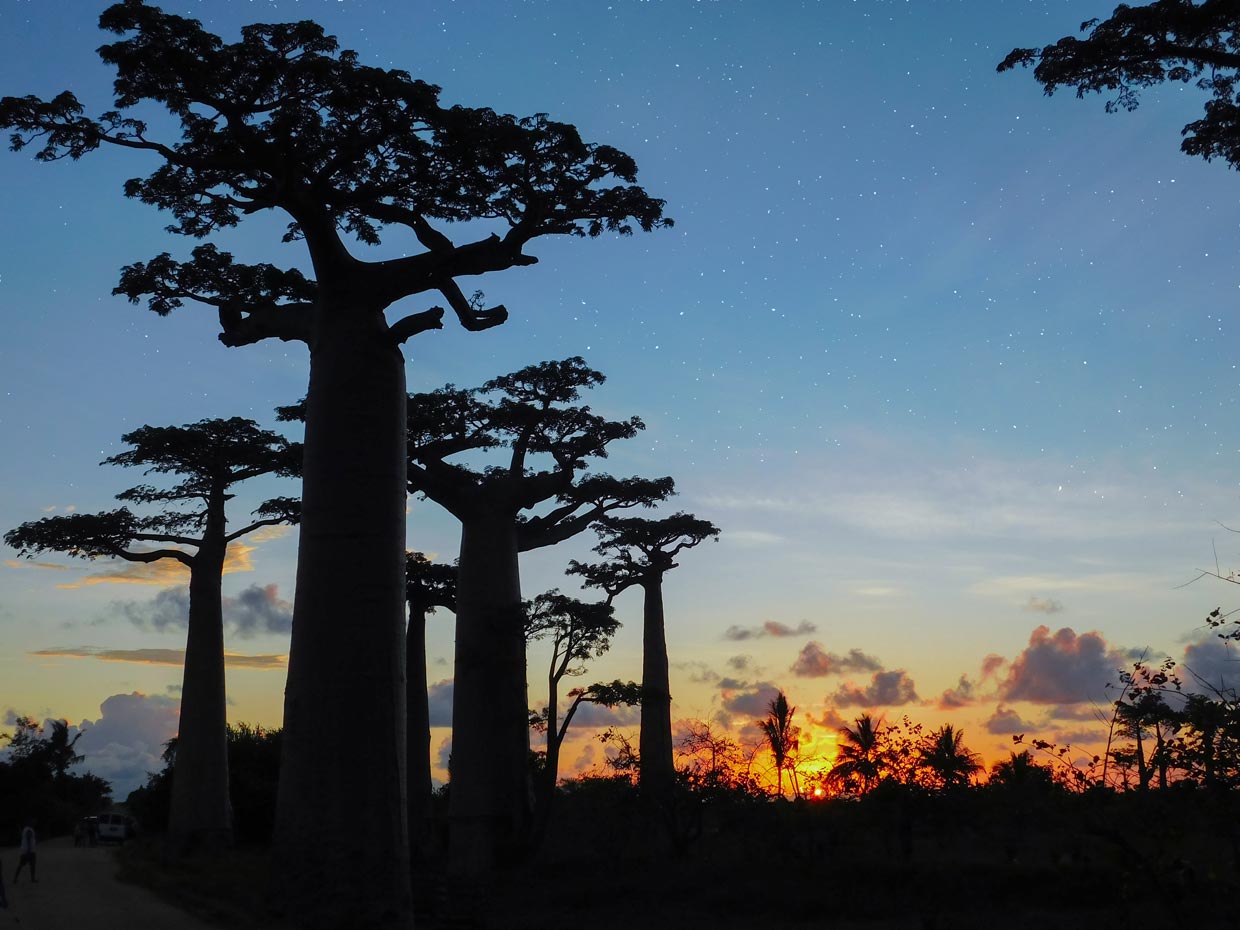
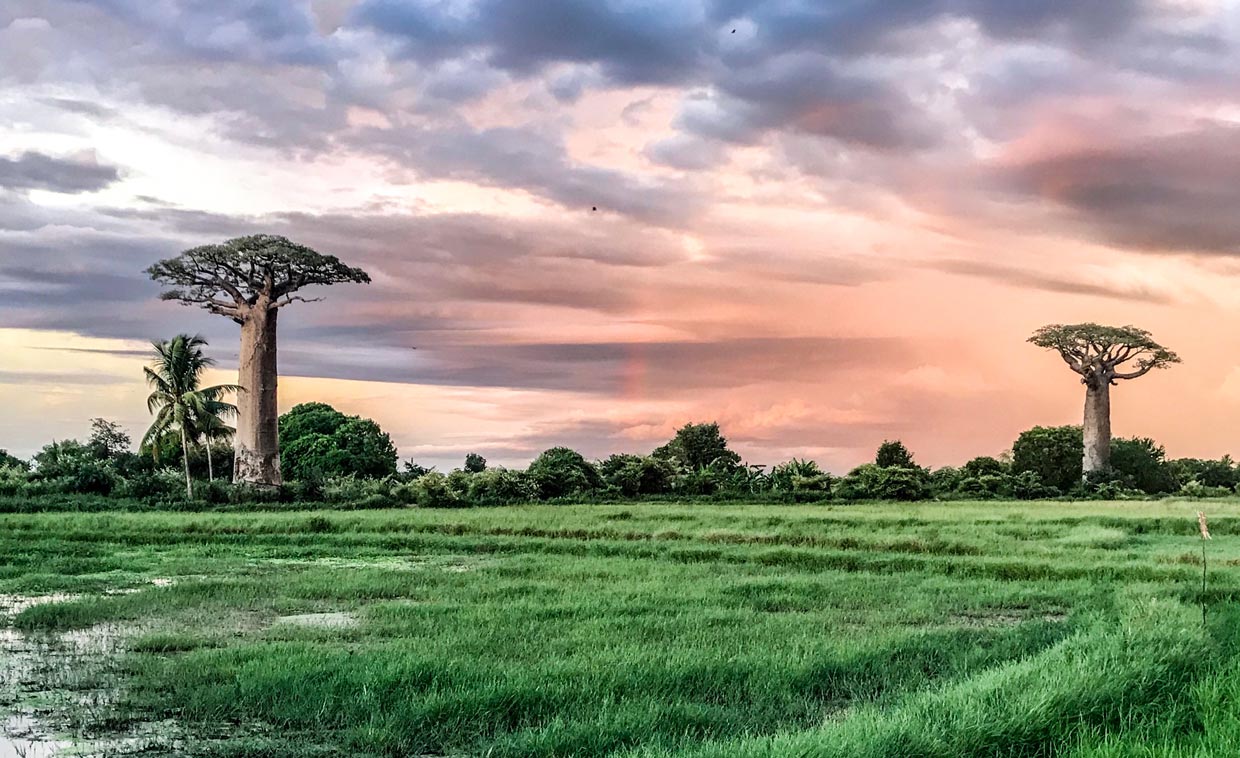
If you’re wondering why this avenue is the number one attraction, take a look at the pictures below. We’re sure you’ll soon understand why visitors can’t help but capture every moment along this breathtaking dirt road.
Why Are Baobabs So Special?
The magic of the Grandidier’s baobabs is best experienced in person. From countless traveler reviews to the unforgettable photos, here are some captivating reasons why these trees have become Madagascar’s pride:
Incomparable Elegance
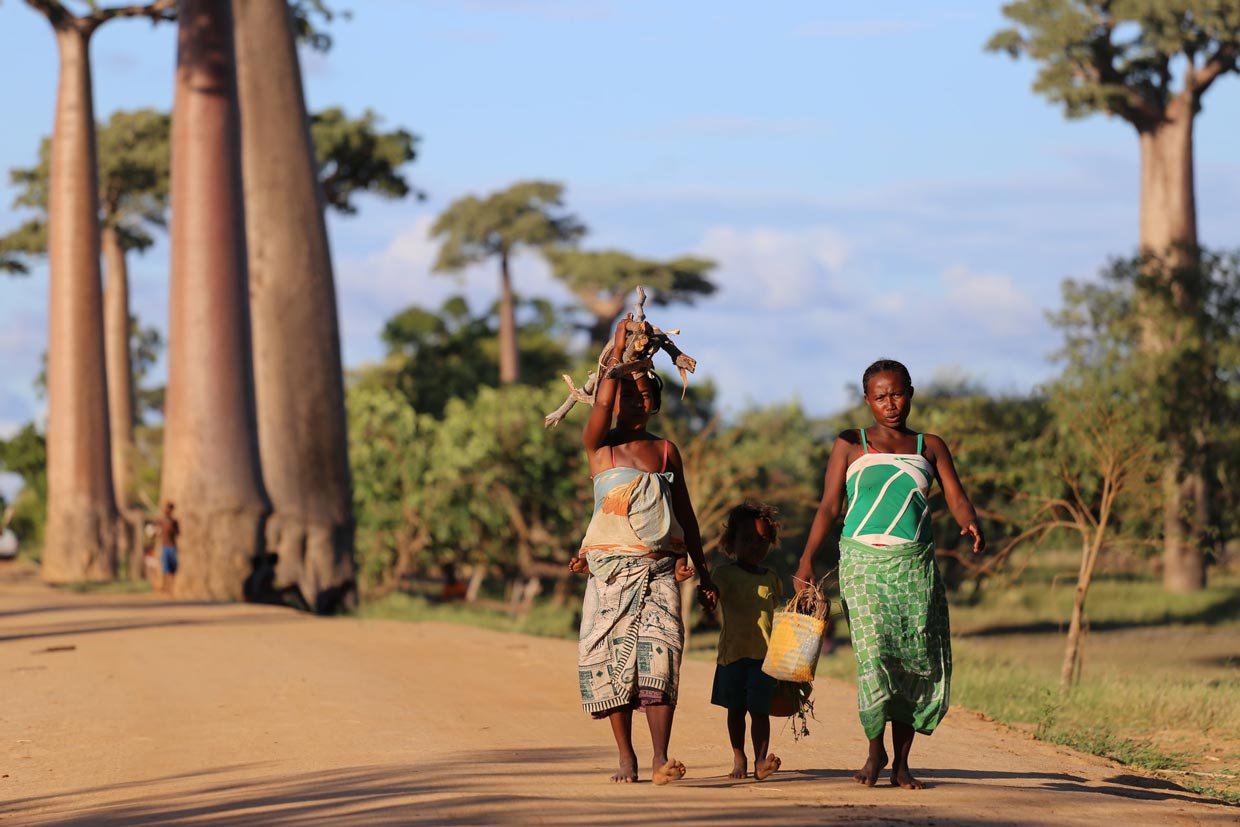
The baobabs not only tower above the landscape—they transform a simple dirt road into one of the most stunning scenes in Madagascar. Their sheer presence gives life to the area, creating a visual experience so mesmerizing that no other element could define this backdrop.
Ancient Giants
Some of these majestic trees are estimated to be around 800 years old, making them among the oldest living beings on Earth. Today’s baobabs are the sole survivors of a once lush, dense forest that has since been transformed by increased agriculture and deforestation.
The reduction from a vibrant forest to less than 60 trees in the area underscores their rarity and the importance of environmental preservation.
Madagascar’s First Natural Monument
Despite being a popular tourist destination for decades, the avenue only received official recognition and protection in 2007, when it was designated Madagascar’s first natural monument. Though local and international organizations now work to preserve these natural wonders, the baobabs remain endangered, adding urgency to conservation efforts.
Experiencing the Avenue: Activities and Tips
Despite its popularity, significant investments in infrastructure around the Baobabs remain limited. However, this does not detract from the exquisite experience awaiting every traveler. Whether you’re a photographer eager to capture stunning shots or a nature lover looking to immerse yourself in raw beauty, here’s how to get the most out of your visit:
Capture the Most Scenic Views
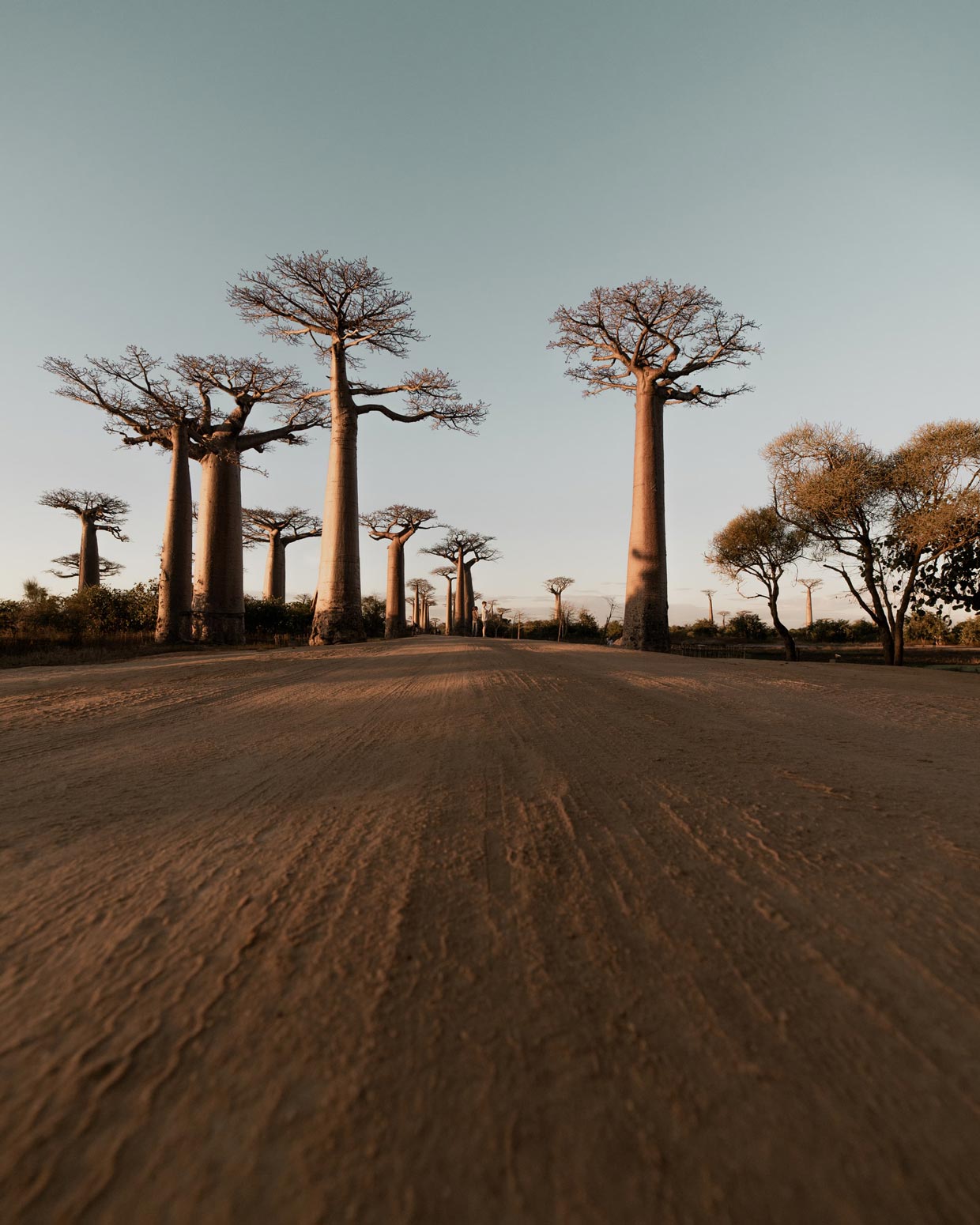
The avenue is a photographer’s paradise. The dynamic play of light during sunrise and sunset provides magical opportunities for photography. Arriving early, especially during the golden hours, allows you to pick a quiet spot before the crowds arrive. Even if you’re not a photography enthusiast, you’ll find its beauty irresistible.
Pick Up Unique Souvenirs
Local artisans create unique handicrafts using baobab wood. By stopping at the small stalls at the end of the road, not only can you take home one-of-a-kind souvenirs, but you also help support the local economy. It’s a win-win for travelers and locals alike.
Immerse in the Magic
After photographing this spectacular site, take your time to simply wander the alley. The unique vibe, enhanced by a quiet bar at the end of the road, offers a perfect spot to relax with a drink while soaking in the surroundings. It’s a serene pause in an otherwise bustling tourist landscape.
Taste the Local Flavors
The baobab tree, locally known as “Renala” or “Mother of the Forest”, has more to offer than its majestic appearance. Its fruits—about the size of a coconut with an exotic taste that varies from sweet to slightly sour—are used to make refreshing local drinks available at the nearby bar. In addition, the nutritious leaves are sometimes added to local salads, offering a true taste of Madagascar.
Visit the Amoureux Trees
Not far from the main avenue, approximately 7 km away, you’ll find the famous Amoureux baobabs—two trees intertwining as if in an eternal embrace. Known as the “Baobabs of Love,” these trees are among the most photographed and cherished landmarks in the region. If you have extra time during your visit, head over to this romantic duo.
When Is the Best Time to Visit?
While the Baobabs are a year-round attraction, planning your visit to catch the ideal light and avoid the crowds will help you get the most out of the experience. Here’s what you need to know:
Sunset Splendor
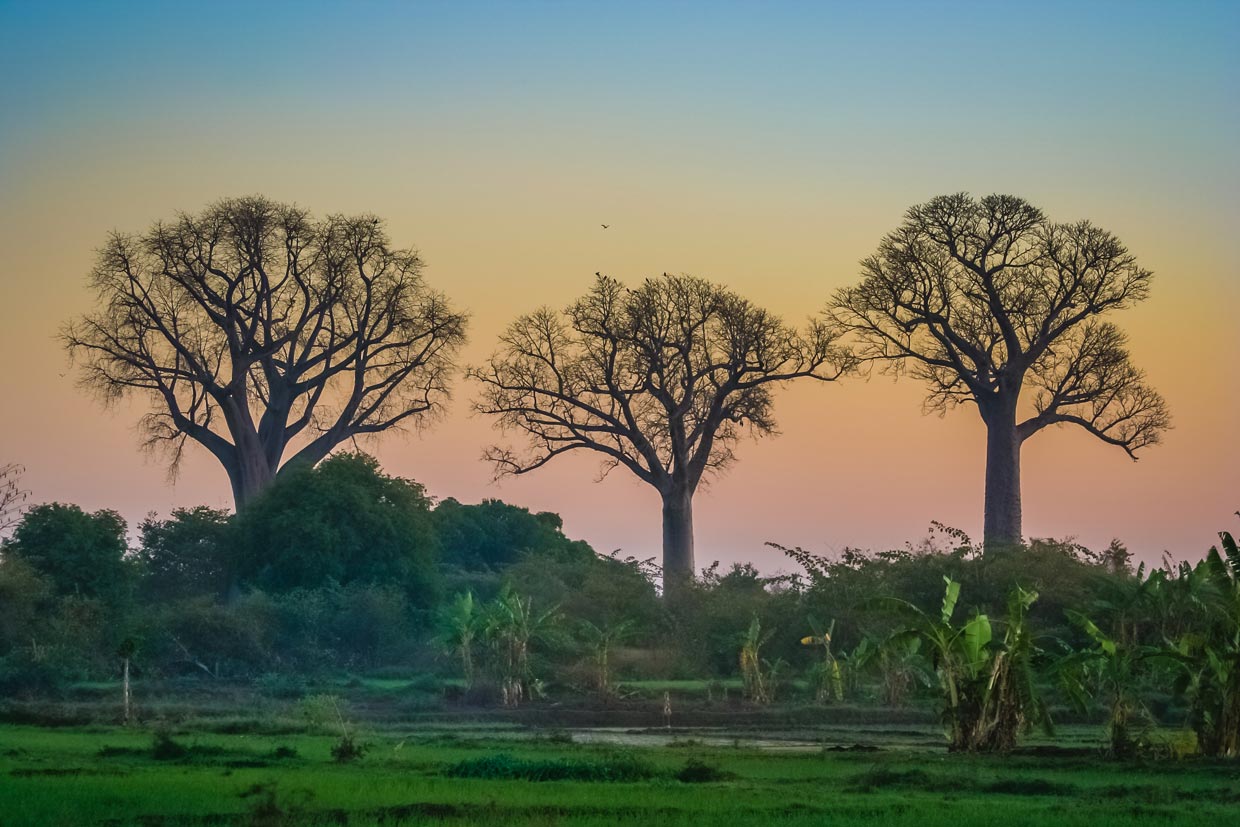
Dusk is the most popular time to visit. The setting sun casts a magical glow over the baobabs, and the scene becomes a photographer’s dream. Expect a busy atmosphere—arrive early to secure your favorite spot and enjoy the spectacle as the day gives way to night. Once the buses from nearby cities begin to head back, a quieter, star-lit ambiance takes over.
A Quiet Sunrise
For those who prefer a peaceful start to the day, sunrise offers a chance to witness the avenue bathed in the soft early morning light. With fewer visitors around, you can enjoy a more intimate experience and capture unobstructed photos of the luminous trees.
Midday Serenity
Although the lighting is less dramatic than during dawn or dusk, midday is ideal for a quiet exploration if you’d prefer to avoid the tourist rush. This period is also an excellent time to interact with friendly locals and get insider tips about the region.
Local Climate Insights
The nearby town of Morondava shares the same climate as the Baobab Avenue area. Below is an updated table showing the average monthly temperatures so you can plan according to your comfort.
| Month | Jan | Feb | Mar | Apr | May | Jun | Jul | Aug | Sep | Oct | Nov | Dec |
|---|---|---|---|---|---|---|---|---|---|---|---|---|
| Min (°C) | 23°C | 23°C | 23°C | 20°C | 17°C | 14°C | 14°C | 15°C | 18°C | 20°C | 22°C | 23°C |
| Max (°C) | 32°C | 32°C | 32°C | 32°C | 30°C | 29°C | 29°C | 29°C | 30°C | 31°C | 32°C | 32°C |
| Min (°F) | 73°F | 73°F | 73°F | 68°F | 63°F | 57°F | 57°F | 59°F | 64°F | 68°F | 72°F | 73°F |
| Max (°F) | 90°F | 90°F | 90°F | 90°F | 86°F | 84°F | 84°F | 84°F | 86°F | 88°F | 90°F | 90°F |
Getting There and Getting Around
With no accommodations directly along the avenue, visitors typically arrange transport from nearby cities such as Morondava or Belon’i Tsiribihina. Many travelers also visit the site while en route to other Malagasy attractions like Tsingy National Park or the Kirindy Reserve.
Depending on your travel style and budget, choose from one of the following transportation options:
Renting a Car
A rental car offers the freedom to explore the region at your own pace. Although this option is the most expensive, it’s ideal if you’re comfortable navigating Madagascar’s bumpy, uneven dirt roads. A reliable vehicle typically costs around $60 per day.
Using a Taxi
For first-time visitors or those who prefer comfort without the hassle of driving, taking a taxi is a great option. Most taxis will take you directly to Baobabs’ Avenue, wait for you as agreed, and then drive you back. A round trip usually costs around $14, with an extra $1 for parking.
Tour Bus Adventures
Many tourists opt for a tour bus, which not only provides an economical way to reach the site but also offers opportunities to socialize while traveling. Prices typically range from $4 to $10 each way, depending on the tour package you choose.
Final Thoughts and Essential Tips
- Madagascar is home to eight species of these magnificent trees, with six endemic species that rightly belong only to this island.
- After enduring climate change and near extinction, these baobabs are a living testament to nature’s resilience. Respect their habitat and value their ecological importance.
- Traveler reviews and local statistics suggest that the region is one of the safest on the island, making it a worry-free destination.
We hope this guide helps you appreciate the wonder of Baobabs’ Avenue and inspires you to explore more of Madagascar’s hidden gems. For further insights about traveling in Madagascar, check out our other destination guides on Tripways.
Etosha National Park – The World of Rare Animals in Namibia
Etosha National Park, located in the Kunene Region of northeastern Namibia, opened in 1907. When the park opened, Namibia was a colony of the German Empire. The park is located on the African continent and is so large that it can even be seen from space. At the time of its opening, it was about 100,000 square kilometers. For various historical and political reasons, the park area has been reduced to a quarter of its original location and currently has an area of 22,270 square kilometers.
Is It Dangerous to Visit Etosha?
Although the park is located on the African continent, it does not contain malaria, so you do not have to worry about Anopheles mosquitoes! For other diseases, there is no mandatory vaccine for tourists visiting Etosha. All in all, we can say that Etosha National Park is a pretty safe place to visit.
How Many Days in Etosha?
Although you cannot walk around the whole park in a short time, the minimum time you need to spend in this park is 3 or 4 days. But the more, the better.
Etosha National Park, Namibia
Can You Self-Drive in Etosha?
Yes, why not! Self-driving in Etosha is one of the most exciting things you can do. You can enjoy the beautiful scenery as well as enjoying yourself. However, to not waste your time, have a proper plan and read the travel guide of Etosha. Take a paper plan to make it a genuine experience with a nostalgic sense.
What Animals Live in Etosha?
In Etosha National Park, there are various animals such as elephants, rhinos, cheetahs, lions, giraffes, zebras, and cuckoos. You can see smaller animal species such as squirrels, honey badgers, and bat-eared foxes in addition to these large animal species. As you must have guessed, there are various plant species in this park in addition to animal species. According to official statistics, there are about 31 different plant species in this park, most of which are rare, and you can see them only in this part of the planet. Make sure you won’t harm anything there.

Etosha National Park, Namibia
What Does Etosha Mean?
The word Etosha means big white place. This word used to be written as Etosha. The word Etosha comes from the word Oshindonga. The names of most of the places in this area are actually some descriptive names about the places. “Big White Place” was once a name to refer to this area. To tell you the truth, it is still the name of this place, but it only makes sense to the locals.
How Many Lions Are There
Approximately 500 to 800 lions are kept in the Etosha National Park, the last remaining lions in Namibia. It will be a scarce experience to have an encounter with these lions.
Is Etosha National Park fenced?
Yes, there is a fence around the park to keep it safe and protect animals. That means an area of about 22,912 square kilometers. It is not a zoo or a prison; it’s a massive part of the land belonging to animals.
How Do I Get to Etosha National Park?
You have several options for going to Etosha National Park; you can fly there or travel by land. The nearest airport to Etosha National Park is WDH or Hosea Kutako International Airport. This airport is located near Windhoek.

Etosha National Park, Namibia
How Far Is Windhoek From Etosha National Park?
If you want to travel by car, Etosha National Park is at least 6 hours away from Windhoek’s capital city. As the road is well paved, driving should not be too difficult for you. So you can go all the way in one day. It is also a fabulous experience to observe every part of this area. Driving all the way would be more of an exciting time for you.
But Which Paths Should You Take?
Etosha is 553km north of Windhoek when you’re on the Eastern course. You have to drive to Von Lindequist Gate. You should do that by going through Otjiwarongo and Tsumeb. Then you can go to Namutoni rest camp, which is around 11km inside the Etosha National Park.
Daily Entrance Fees to Etosha National Park
Grown-ups (Foreign) have to pay NAD 80 every day per person. Adults (SADC) fee is NAD 60 per person every day; however, grown-ups from Namibia have to pay NAD 30 per adult every day. Kids under 16 years old do not have to pay anything to enter the park.
- For cars with ten seats or less, you have to pay NAD 10-00 daily.
- For cars with 11-25 seats or less, you have to pay NAD 40-00 daily.
- For cars with 26-50 seats or less, you have to pay NAD 300-00 daily.
What About the Snakes?
Snakes and scorpions are some of the most likely animals you will see on your trip to Etosha National Park. Over 70% of snakes in Namibia are not poisonous, and the rest assured that they are more afraid of you than you are of them! So even if they bite you, you are very unlikely to die. To not feel their bites’ pain, it is better to follow the safety tips and wear strong boots and long pants when you are walking in nature. Do not put your hand in the holes you see and not lift reasonably large stones.
If you pitch a tent outdoors, be sure to close your tent completely, and when you want to put on your shoes, be sure to shake them a few times so that there will be no scorpion in them.

Etosha National Park, Namibia
Best Time To Visit
The best time to plan your trip to Etosha National Park is the season of winter in Namibia _From May to October. During these months, the amount of rainfall is at a minimum, and the height of grasses and plants is short, so you can easily see the animals. This season, you can see different animals around the water holes and photograph them. As the number of tourists in this park increases this season, it is better to book your ticket a few months sooner.
If you want to visit this park in summer, you should know that summer is the rainy season in this country. The season is warm, and the average temperature is 30 degrees Celsius. You can still see the animals in this season, but you should ask a ranger for help to find their location easily.
Ondangwa is 124 kilometers from Etosha National Park. The Annual weather averages in Ondangwa can clarify Etosha National park’s climate situation. Here we made a table of average temperature in Ondangwa.
Annual Weather Averages in Ondangwa
[wpsm_colortable color=”main-color”]
| Month | Jan | Feb | Mar | Apr | May | Jun | Jul | Aug | Sep | Oct | Nov | Dec |
|---|---|---|---|---|---|---|---|---|---|---|---|---|
| Min (°C) | 21°C | 21°C | 20°C | 18°C | 14°C | Ten °C | 12°C | 16°C | 20°C | 21°C | 21°C | 21°C |
| Max (°C) | 33°C | 33°C | 32°C | 32°C | 31°C | 28°C | 31°C | 35°C | 37°C | 36°C | 34°C | 34°C |
[/wpsm_colortable]
Accommodations in Etosha National Park
During your stay in Etosha National Park, you can stay in one of the accommodation centers built inside or outside the park. Most of your options are providing the same services as others. Don’t spend a lot of time choosing the best one. Ask a local and make an instant decision. To make it easier to find some accommodation services, we made a list of the names of some well-known place in Etosha National park:
Accommodation Outside Etosha National Park
- Emanya Lodge
- Mokuti Etosha Lodge
- Mushara Collection
- Onguma Collection
· Accommodation Inside Etosha National Park
- Dolomite Camp
- Onkoshi Camp
- Okaukuejo Camp
- Halali Camp

Etosha National Park, Namibia
Various gates of Etosha National Park
Etosha National Park has four different gates through which you can enter the park. If you are traveling with a group, try not to forget the entrance you have been through.
- By Lindequist Gate
This gate is located east of the park.
- Anderson’s Gate
This gate is located south of the park.
- Galton Gate
This gate is located southwest of the park.
- King Nehale Lya Mpingana Gate
This gate is located in the northern part of the park.

Etosha National Park, Namibia
A Take-Away Note
This place is not usual, just like other tourist destinations. If you really like to experience a profound sense of nature, Etosha National Park can be the best option ever. But with all these adventurous potentials, traveling to these kinds of places might be tricky. Solo traveling is possible, but you should have a concise plan to use it efficiently. By the way, be aware that you must have a valid ID with yourself to enter the park, such as a passport or driver’s license. Also, this park’s working hours change according to the hours of sunrise and sunset in each season.
How to become a tour guide
Is Becoming a Tour Guide Right for You?
- Do you love adventures?
- Have you ever thought about traveling while making money out of it?
- Are you a good speaker and an overall outgoing person?
- Have you ever considered becoming a tour leader or a tour guide?
- Are you wondering what exactly they do?
If your answer is “yes” To any of those questions, this article can help you. Even if you are not interested in applying for these jobs, but you won’t like to know them better for any reason, you came to the right place. We will reveal everything essential you want to know about tour leaders and tour guides and how to start your career as one.
Tour Guide vs. Tour Leader: What’s the Difference?
You probably often hear the term “tour guide” alongside the tour leader, and you may wonder if both of them do the same thing or not. Well, their jobs are a little bit different, and this difference lies in the fact that tour guides do not necessarily “lead” a group to a place. They often assist a group or an individual client and share several kinds of information about several tourist attractions like historical, cultural, or religious places.
Another variation between these two jobs is that tour guides primarily work on short, local trips or visits and leave the group after the tour. They may only work in a specific museum, church, temple, business guide, or nature guide. The main point is that their workplace is, on the whole, more limited than tour leaders in most cases. There is a thin, blurry line between These careers, and they can combine easily. A tour leader has to more or less play the part of a tour guide on the trip, and a tour guide may become an outstanding tour leader with a bit of practice and training.
The Role of a Tour Leader: Responsibilities and Skills
A tour leader is someone with an energetic and explorer spirit. Tour leaders voyage with a group of tourists, mostly overseas, and stay with them until the end of the tour. If the tour leader is a complete foreigner like the rest of the tourists, they have to be great researchers and have in-depth knowledge about that place. The leader generally plans where the group should go and then when to go there. They should also answer the questions: why are they leading the tour there, and what is there to do? As you see, it’s evident that a tour leader should be good at scheduling. On top of designing the tour, they accompany them on the trip too.
Being a tour leader may be hard sometimes, but on the other hand, extremely fun. Based on the statistics, this job will probably be highly demanded in the future, as more and more people can afford tours. People are also more interested in exploring different cultures and nations due to the closeness that social media brings us.
Tour leaders should have effective communication and management skills. Meaning that they should have self-control, have a professional manner throughout the trip, and seem approachable. It should be effortless for the clients to speak with them. They need to know how to respond and talk to different types of people, use their body language, and lead and manage some more roles while facing the possible problems of the trip and solving them.

Essential Skills for a Successful Tour Guide
If you aspire to be a tour guide, you need to ensure you have a lot of energy while looking smart and confident enough for the tour to trust in you. You have to be fluent in both English and the destination’s language. Having a basic knowledge of some other well-known languages and good general education, and a tour-related degree is advantageous.
You can Contact a tourism training institution to take a course in tour leading or tour guide for a start. If you are willing to work with a particular agency, you may have to do interviews and attend specific training programs. We will talk about the tour guiding career later in more detail.
Before you start, clearly explain your abilities and talk about what they can expect from you. If you are a veteran tour leader or have any related experiences, clarify how your working way is. Then, in exchange, fully understand what the company proposes and what they lack, then discover what they represent and what they need you to do precisely. As a leader, it is evident that you cannot be misleading in any way. They should be outspoken, frank, and gentle on top of everything. Tour leaders must have a good understanding of the tour as a whole and avoid ignoring their possible individual needs. Good physical status and research skills are also a must. We will continue to explain why these requirements are needed, in detail and with examples.

Basic Requirements for Becoming a Tour Guide
Before the trip, tour leaders reserve and affirm all tour facets, like accommodations and meals. They must detail their plan for each day and should be good at managing time to catch up on all of them. Depending on the tour type, they may help with meal preparation or buy some supplies. They make sure the whole group is gathered and give needed explanations. Tour leaders patiently answer questions related to the trip and enjoy people’s company.
A tour guide can manage the budget; this means they may have to pay all tour bills and taxes. They need to spend money frugally to have money available for expenses. When the trip is going on right, they should keep it entertaining by providing engaging, updated information and commentaries on the places and sights visited. They can also organize fun activities and occasionally invite clients to make subgroups with each other to keep the tour’s vibe friendly, warm, and interactive.
In the hard times of the trip, tour leaders are obligated to encounter all sorts of situations. They need to be aware of the group’s safety and educate them about it. They should be adaptable and fully considerate the whole trip. For example, if the group contains older people, they must suggest activities that are not hard and dangerous for them to do. If a group member feels anxious and unsure about doing a particular thing or going to a certain somewhere due to personal reasons, tour leaders must be understanding, respectful, and comforting. They should not force them into something but come up with new ideas and suggestions. The priority is for everyone to have a pleasant and safe voyage.
In case of an emergency, a tour leader has to deal with sudden problems and know how to succor efficiently when needed. They need to know where they can get medical, legal, or any other type of assistance. Having former disaster management training can also be sorely helpful. In the end, After the tour, they complete an orderly, receipted, equivalent set of accounts. They prepare it for their company and report the critical issues to them too.
Conditions and Payment
aside from the skills and passion for this exciting job, they need the passport of the area or country they are applying for and a credible working visa. Tour leaders are in charge of the whole trip, which can last for days or weeks. It’s crucial for them to love their job; otherwise, it can get so frustrating. They should be comfortable being in different conditions, like hot or cold weather, populated places, quiet nature, luxurious hotels, or tents. They may even have to wear unique uniforms, all depending on the various tours.
If they wish to work as a driver tour leader, a driving license is needed. In that case, having a PVC license and former experience as a driver is desirable, and they should be over 25 years old for insurance objectives. Some tour leaders or managers are self-employed, but most are full or part-time and generally earn from $50 – $150 per day. Receiving tips from guests is common, too; tips are usually 5 to 20 percent of the tour’s cost. A tour leader’s monthly income can vary between 1000 to 10000 USD, depending on their work.

To Become a Good Tour Leader
knowledge Is the Base
Just like the tour leaders, the best tour guides are the ones who are completely respectful and understanding of different cultures. They can further their knowledge about Sociology, history, art, architecture, etc. over time, and slowly become total experts. As a tour guide, you always have to keep studying and keep your information updated. This job can be a real personal growth opportunity.
Compete to Survive
This job is usually very competitive because of how flexible and non-monotonous it is. You can start working at less-known places first and then compete with other professional guides. And if it’s possible, get to know your competitors better and see how you can continuously improve yourself.
Get Ready
Tour guides usually work from 8 to 12 hours a day and get 2 or 3 days off in between tours. It is necessary to be healthy and fit to work with high efficiency for long day trips. Another thing is dressing; Casual dressing is proper for them, not too formal and not too loose. Also, the climate and the weather must be considered.

Be a Local One
A tour leader may be local and guide a group of foreign tourists for days or even weeks in his/her hometown. In that case, the tour leader gathers them as they arrive and go along with them mostly until the end of the tour which may last days or weeks. Then he/she escorts the group to their flight, train, or whatever they’re using to get back home.
Qualify Yourself
Just like what I said for tour leaders, a related degree in subjects such as tourism or languages and a driver’s license can be quite beneficial in this competitive career.
Keep in Touch
As the tour leader, your research and contact where you want to work. Tour operators and tourism companies differ based on their country or city. You can even directly contact the hotels, museums, parks, etc. then, of course, you get examined or interviewed to see if you are fit for the job.
Find the Niche
There are so many websites to find a local tour guide. If you want private clients, you can register with them to find and contact you. The cost of a private tour guide is around 70 USD per hour. In return, they can set the tour’s pace, ask as many questions as they want without worrying about others’ interests, and have overall easier communication with the guide without interruptions.
Palomino in Colombia – The Hippest Beach Town in The country
Palomino is a beach town in the Dibulla municipality of the Guajira region, providing both the warmth and humidity of the Caribbean and the fresh breeze of the mountain. It is also one of the five towns of the Dibulla region, and despite being a beach town, boasts a relatively high altitude due to its location on the foothills of the Sierra Nevada Mountains.
Getting There
Are you currently in Santa Marta? Well, you have the best chances of getting to Palomino!
So you are in Santa Marta and are willing to visit Palomino. As you might have already seen, there is a public market in Santa Marta, and that is where buses to Palomino take off from. You should look for buses with a combination of white, green and blue colors on them.
It is worth noting that these buses’ ultimate destination is Parque Tayrona, so you probably will not find the right buses if you keep looking for Palomino buses. Palomino is on the same route as Parque Tayrona, which is why you can take the buses instead.
Costs of Transportation
The Parque Tayrona tickets cost 9,000 pesos for each person, helping you reach four stops, including Palomino. The bus trip duration will be around an hour and a half, and as mentioned, Palomino is one of the stops of this route, and you should not expect to get off the bus at the city center.
The Palomino stop of the Parque Tayrona route is at a gas station outside of the city. You will have to walk for a while to get to Palomino after getting off the bus. If you feel uncomfortable about walking alone in a foreign country’s suburbs, motto-taxis will take you to your destination for 3,000 pesos.
But walking is not that bad either; there are multiple restaurants, hostels, and guiding signs on the road, which will ensure you will never get lost.
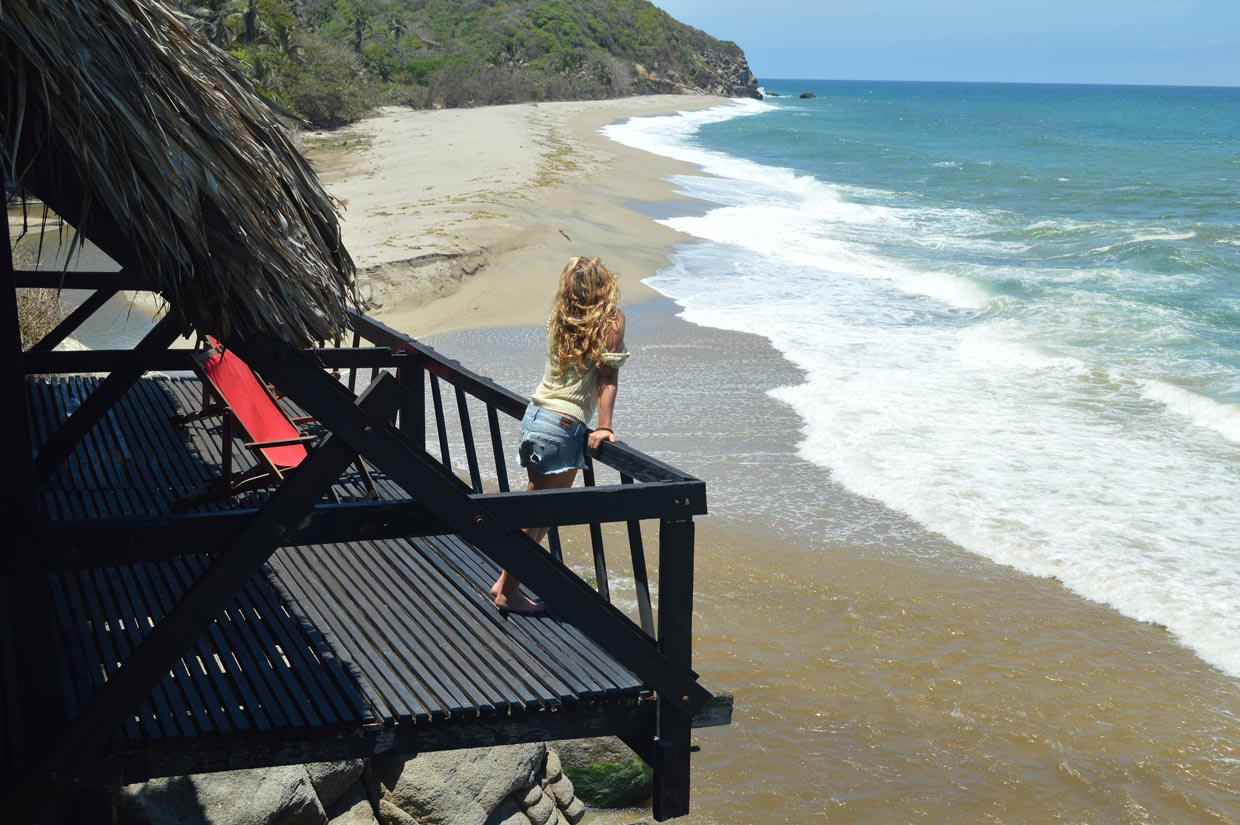
Photo by Hugo Pardo Kuklinski via Flickr
Closest Destinations to Palomino
The other possible locations for destination Palomino are Barranquilla, Cartagena or La Guajira
You might remember that Palomino is inside the Guajira region, so it will not take long to get to the beach town from there. In addition to Guajira, Cartagena, or Barranquilla, tourists can also reach Palomino by bus.
The Cost of Reaching Palomino
While reaching Palomino from the three locations is also possible, the cost is a spine breaker compared to that of the Santa Marta route. It costs a whopping 38,000 pesos to get to Palomino from these points. Besides the horrendous cost difference, taking these buses will not spare you from the walking part at the end of the journey.
Accomodation in Palomino
So you are in Palomino now, where are you going to stay?
Palomino’s unique geographical position provides the required conditions for a stay by the beach, in the forest, or the mountainside. Many hotels and hostels inside the town have better access to the town’s restaurants and bars. You might prefer to stay outside of the town’s hustle and bustle; then you can look for guest houses and hotels in the forest. But of course, when we speak of a beach town, 90% are looking for accommodation by the beach. Whether you wish to stay in/outside the town, numerous choices could fit your budget.
[woo_mod carouseltype=”review” orderby=”rand” show=”8″ autorotate=”1″ showrow=”4″ cat=”590″]
The Best Hotels in Palomino
The best hotels for ocean lovers with a breathtaking beach view are in Palomino.
Hotel Chiniu
Hotel Chiniu and its palm trees are waiting for you! Covered from sunlight with dozens of palm trees, Hotel Chiniu is at a wee 500 meters distance from the sea. There is an international restaurant inside the property and a free parking area, an outdoor swimming pool, an on-site lounge, and a bar. Hotel Chiniu has equipped all rooms with a flat-screen TV and a private bathroom. There is a billiards table if you fancy a game or two, and the options of an American or a continental breakfast every morning. The hotel is close to the mountainside, suitable for hiking trips. The nearest airport is 75 kilometers away from the hotel.
Aite Eco Resort
Aite Eco Resort offers a private beach and two outdoor swimming pools. It is a favorite among beach lovers with its exclusive beach. Although not inside Palomino, Aite Eco is pretty close to the town. As you are not inside of the town, you could take your time to relax by the two outdoor pools of the resort. There is no need to go out; if you feel hungry, the Aite Eco restaurant offers premium quality food. All rooms at Aite Eco come with a wardrobe, a fan, and a private bathroom. There is the option of free unlimited WIFI and open-air dining. The restaurant offers international and local food, but many restaurants are a short walk away from you if you do not like the food there.
Casa Coraje
Casa Coraje offers natural meals consisting of local fruits. This beautiful hotel provides a sun terrace, a private beach, and free parking for its guests. The property is equipped with an on-site bar, and the breakfast consists of fresh fruit, juice, coffee, or tea. The garden at the place is filled with beach beds and hammocks, and if you feel you need a massage, you could have it delivered at Casa Coraje. Also, It is possible to participate in yoga classes and sightseeing tours organized for you. The last thing is that the nearest airport is 76 kilometers away from Casa Coraje.
Hukumeizi Hotel
Hukumeizi Hotel offers seamless views of the beach. Unlike Casa Coraje, Hukeimizi is right in the heart of Palomino. Sitting at almost zero distance to the beach, Hukeimizi provides parking space and various dining options. The rooms’ design at Hukeimizi grants a continuous ocean view through its large, seamless windows. There are unlimited WIFI options at Hukeimizi, and all rooms are equipped with wardrobes and private bathrooms. Hukeimizi offers a shared terrace and is 5 minutes away from the town’s best bars and restaurants.
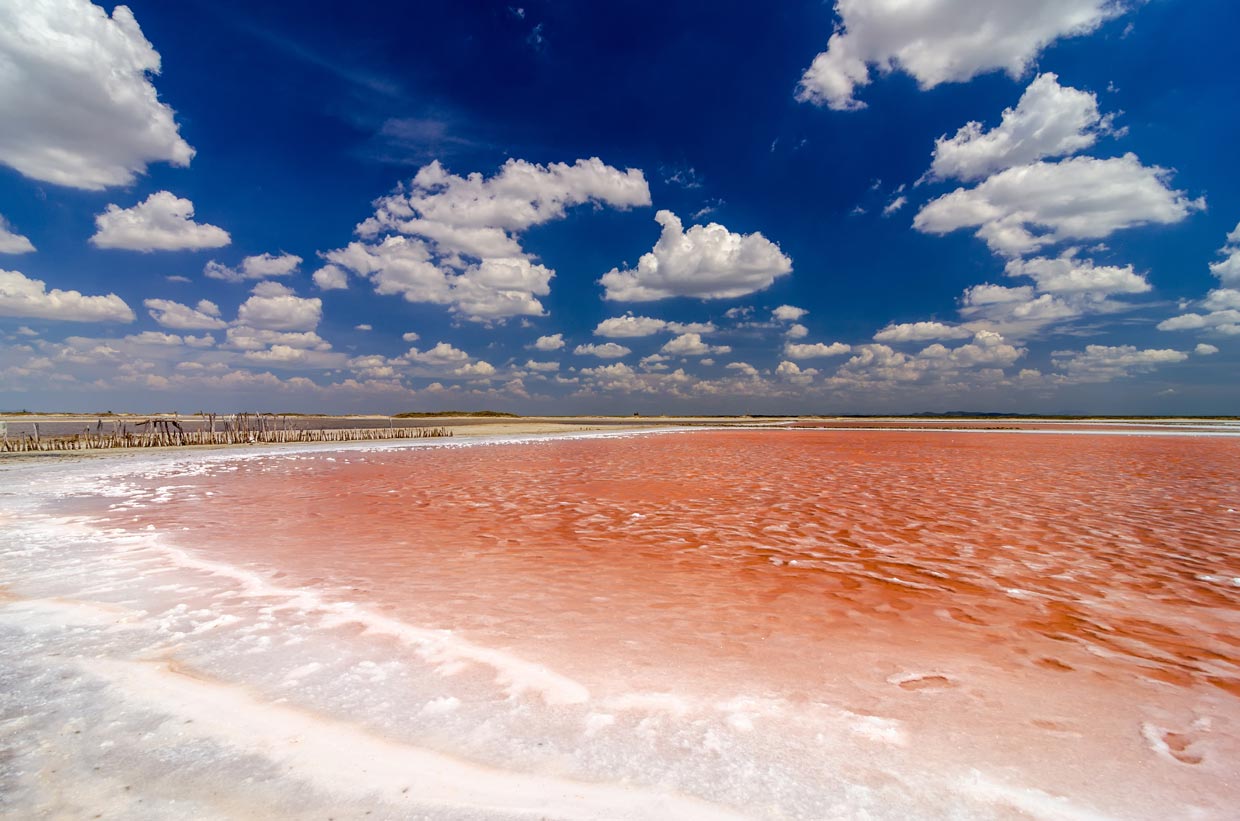
Palomino in Colombia
Hotels Which Are Not Beachfront
ONE Santuario Natural
ONE Santuario Natural offers unique views and private gardens. Although not beachfront, the ONE Santuario Natural is at a wee kilometer’s distance from the sparkling beach. ONE Santuario Natural offers a restaurant, private parking, a bar, and a shared lounge. Each room at ONE Santuario Natural enjoys a magnificent view of the gardens and direct access to the private garden and beach area. All rooms are equipped with a flat-screen TV, a mini-fridge, a boiler, a hairdryer, and a dressing room. ONE Santuario Natural offers English breakfasts and barbecue meals. The nearest airport to ONE Santuario Natural is 92 kilometers away.
Casa del Pavo Real Boutique
Located within a wee 400 meters distance from the beach, Casa del Pavo Real Boutique offers dining options at a restaurant and a bar. There are private parking spaces at Casa del Pavo Real Boutique, and the property provides access to a terrace and a shared lounge, boasting a magnificent garden. In fact, Casa del Pavo Real Boutique is a family-friendly hostel and is 75 kilometers away from Riohacha airport.
Luz de Luna & Spa
Luz de Luna & Spa provides the conditions not to leave your hotel for any reason. Luz de Luna believes its guests are worth only the best, and this is precisely why it has provided an outdoor swimming pool, a bar, and a shared lounge for its extremely exclusive guests. Although all rooms do not come with a private kitchen, there is a shared kitchen to use whenever cooking something.
Room service operates 24 hours in Luz de Luna, and there is free unlimited WIFI. If you need local money, you can exchange your currency in the hotel without leaving the property. Although not a beachfront option, Luz de Luna is still close enough to the beach to merit the title seaside hotel. Unfortunately, the nearest airport is 3 hours away from Luz de Luna, but a 3 hour trip is worth the services Luz de Luna offers.
[woo_mod carouseltype=”review” orderby=”rand” show=”8″ autorotate=”1″ showrow=”4″ cat=”590″]
What to Do in Palomino?
Although mostly regarded as a beach town, Palomino offers much more than marine activities. From hiking to surfing, Palomino offers various options during your holidays:
Tubing on the Palomino River
Are you an outdoor sports lover? Then tubing on the Palomino River is the best option for you. Streaming from the Sierra Nevada Mountain’s foothills into the Caribbean Sea, the Palomino River is a beloved destination among tourists. Riding a tube down the Palomino River does not cost very much but is very rich as it allows you to witness the pure nature of Colombia.
Jungle Journey
Are you ready for an adventure in Palomino forests that involves exposure to local animals and plants? The jungles around Palomino are considered one of the richest ecological regions in Columbia regarding plants and animal species. The title of “the planet’s most important ecological areas” by National Geographic is given to Palomino’s forests. Interestingly, a vast collection of animals native to southern America, such as toucans, parrots, monkeys, and many more, await visitors in Palomino forests.
Relaxation on the Beach
What better location to relax than a beach? Palomino boasts one of the most beautiful beaches globally, with a kilometers-long strand of white-sand, kept from the sun by palm trees in front of an eternally blue sea. The wavy sea provides all conditions required for surfing, while beach bars and small restaurants on the shoreline complete the perfect image. Walking alongside this breathtaking beach of the Caribbean, or lying on a beach bed, would be a great way to relax and rehabilitate in Palomino.
Landscapes, Coffee, and Happiness
Relaxing by the sunrise’s views or sipping your coffee while watching the sunset. Boasting a location right by the sea, Palomino offers picturesque scenes, especially during sunrise or sunset. Watching the sunrise while taking a stroll alongside the beach or watching the sun go down from the balcony of your hotel will be a good idea for spending time in Palomino.
Nostalgic Experiences
Would you like to have a horseback ride along the coast? With such a long strand, the Palomino beach is the perfect spot for horseback riding. With many tour operators facilitating access to horseback riding trips, you can get on a horse and ride through the shore, enjoying the sound of crashing waves and the sheer feeling of wind in your hair.
A Waterfall is near!
Quebrada Valencia waterfalls might not be as reputable as Niagara falls, but they are worth visiting. Although it might be dry in some seasons, seeing the Quebrada Valencia waterfalls in the rain season is worth the trip. Quebrada is relatively close to Palomino. You can hop on a moto-taxi to take you to the mountainside, but you will have to hike your way up from thereon.
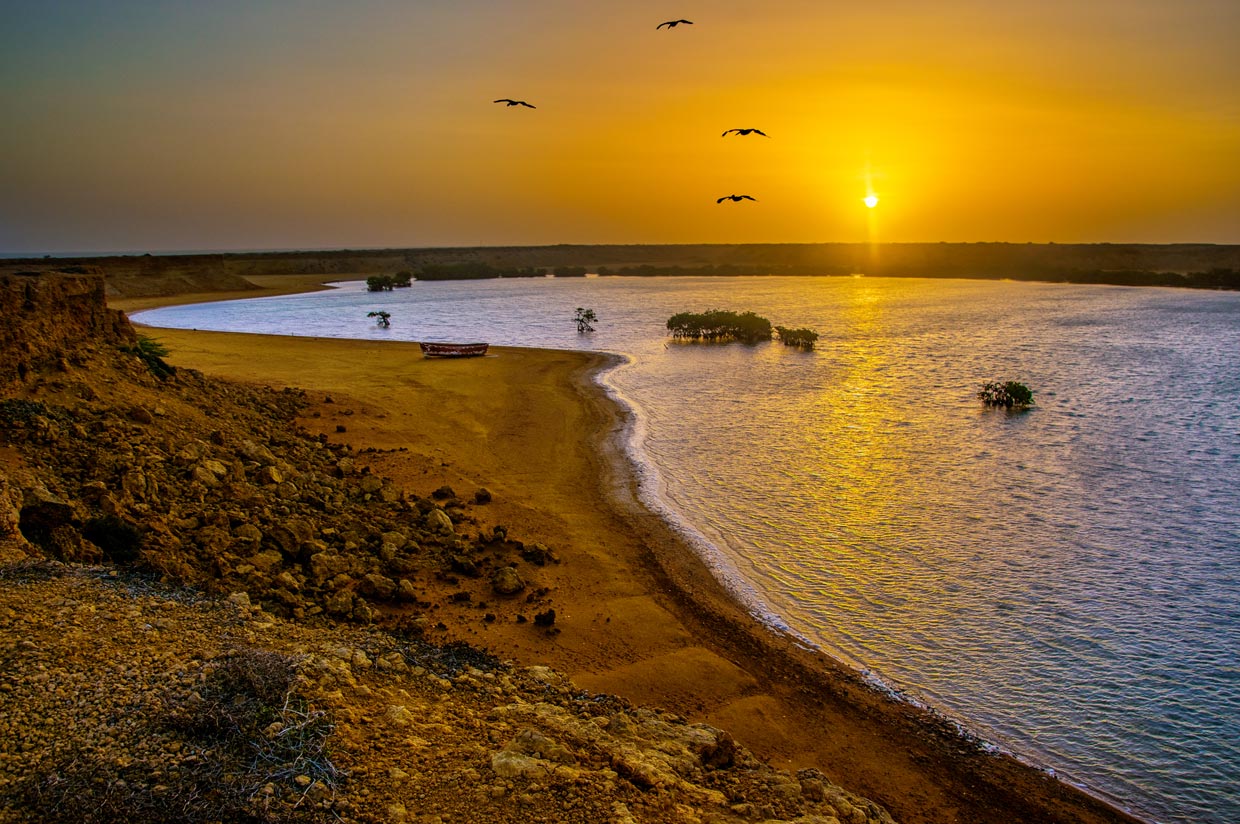
Guajira in Colombia
Where to Eat in Palomino
Besides visual benefits, by staying in Palomino, Colombia, you will also do your stomach a favor! With an enormous variety of foods and drinks, restaurants, and bars of Palomino will suit everyone’s taste:
Best overall restaurant, Sua
With wooden outdoor tables and daily live music, Sua is the image of Palomino. The food at Sua tastes heavenly and is very fresh. The restaurant offers you the option to make up your plate, which allows you to adjust the amount of protein, sauce, and other ingredients you would like to put into your stomach.
Best Pizzeria, Turcolandia
Offering thin crusty pizzas with generous toppings, Turcolandia alone is a reason to visit Palomino. Offering a perfect Caribbean ambiance with tree stump seats and trunk tables, Turcolandia is must go. Besides the heavenly pizza, Turcolandia offers homemade whiskey and sauces.
Best burgers, JUntos
Best burgers in Palomino are served along with the music of a DJ from Trinidad & Tobago. Besides offering the most delicious burgers in Palomino, JUntos is one of the town’s most popular bars.
Chinese Dragon Types, History, Symbolism, and Legends
Have you ever come across Chinese dragon symbols? Chances are you have, because dragons are everywhere in Chinese culture – from books and clothes to movies, sports events, and even tattoos. In fact, many people in China proudly sport dragon tattoos. But how did these ancient creatures come to be, and what do they really mean? Read on to discover the fascinating history, symbolism, and many types of Chinese dragons.
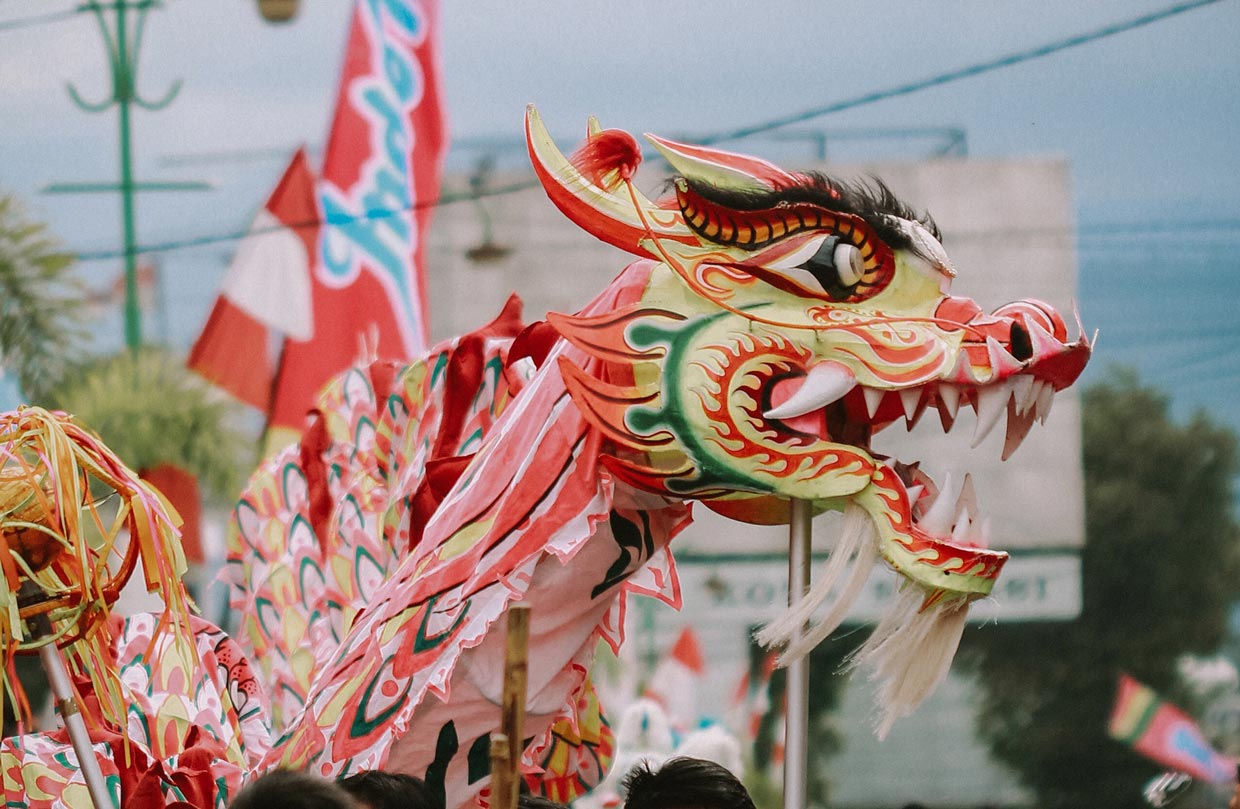
Fascinating Facts about Chinese Dragons
- Chinese dragons are mythological. Despite their vivid depictions in art and literature, there is no scientific evidence to prove they ever existed.
- In Chinese mythology, dragons have a gender and are distinctly divided into male and female.
- The dragon is one of the twelve animals in the Chinese zodiac, and those born under its sign are believed to be powerful and lucky.
- In ancient China, emperors were considered the “sons of dragons.” Ordinary people were once forbidden from wearing dragon motifs, as they were regarded as royal symbols reserved only for the monarchy.
- Unlike the sinister, fire-breathing dragons of the West, Chinese dragons symbolize luck, power, and nobility.
- Traditionally, Chinese dragons are associated with water – living near rivers, lakes, and seas – rather than in caves or mountains.
The Origin of Chinese Dragons
The exact origin of Chinese dragons remains shrouded in myth and legend. While no single source can claim authority on where these fantastical creatures first emerged, historical evidence suggests that dragon symbols date back to at least 3000 BCE. One compelling theory is that early totem worshipers combined aspects of various animals – such as the ferocity of tigers, the sinuous form of snakes, and the strength of bulls – to create the composite image of a dragon.
According to one legend, the legendary Yellow Emperor (Huangdi) waged war against nine rival tribes. In his quest for dominance, he merged different animal totems into his own dragon symbol – a creature with shrimp-like eyes, deer antlers, a bull’s mouth, dog-inspired snout, and catfish whiskers. Other depictions include lion-like manes, snake tails, fish scales, and eagle claws, making each dragon a complex emblem of various natural forces.
Another tale recounts how the Yan Emperor came into power after a fateful encounter with a mighty, dragon-like creature. While many theories swirl around the origin of these beings, experts also speculate that the discovery of enormous dinosaur fossils may have sparked the ancient imagination, inspiring elaborate legends of dragons. During Marco Polo’s travels in China, his accounts of these majestic creatures helped shape European perceptions of the dragon myth.
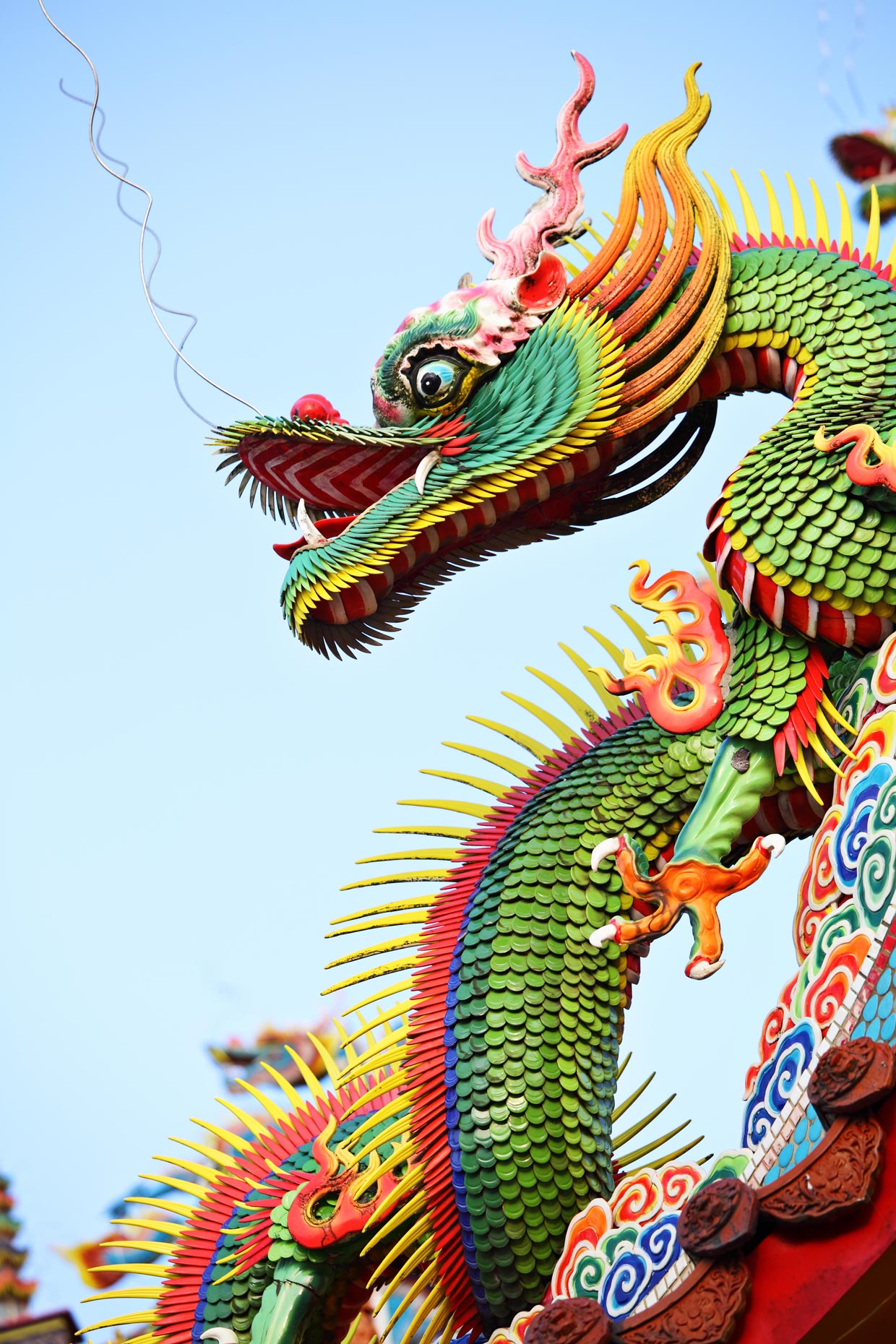
Diverse Types of Chinese Dragons
Chinese mythology recognizes multiple types of dragons, each with unique characteristics and purposes. Here are the eight main forms:
Spiritual Dragons (Shenlong)
Spiritual Dragons control wind and rain – essential elements for agricultural prosperity. Their benevolent nature ensures that these natural forces benefit humanity.
Treasure Dragons (Fucanglong)
Primarily regarded as guardians of hidden treasures, these dragons safeguard both man-made fortunes and natural riches. Ancient lore even linked their activities with volcanic eruptions – seen as messages sent to the heavens.
Winged Dragons (Yinglong)
Unlike most Chinese dragons, which are wingless, the rare winged dragons not only soar through the skies but also bring much-needed rain clouds. Their presence is one of the oldest elements in Chinese mythology, entwined with both benevolence and the potential for natural calamities such as floods.
Horned Dragons (Qianlong)
Renowned for their rarity and power, horned dragons are often associated with rainmaking phenomena, linking them with the weather and natural cycles.
Coiling Dragons (Panlong)
Symbolizing the careful passage of time, coiling dragons are believed to be able to control time. However, they remain intrinsically linked to water, confined to rivers, seas, and lakes.
Underground Dragons (Dilong)
Often seen as the female counterparts to the Spiritual Dragons, Underground Dragons maintain the balance of water on earth by overseeing rivers and seas. In some local traditions, they are also revered as symbols of fertility.
Celestial Dragons (Tianlong)
These guardian dragons protect the ethereal realms of the gods and are celebrated for their martial prowess and soaring skill. With wings and majestic aura, they are seen as divine protectors of the heavens.
Dragon Kings (Lóng Wáng)
The most potent of all, Dragon Kings rule both the seas and the lands. Possessing the power to shapeshift – even into human form – they govern all other dragons and preside over the four cardinal directions.
Symbolic Meanings of the Chinese Dragon
Beyond their fantastical origins, Chinese dragons carry deep symbolic significance, with meanings that have evolved over millennia. Below are some of the most common interpretations:
Kindness and Benevolence
Many myths portray dragons as benevolent guardians—wise, kind, and ever willing to help those in distress. Their portrayal as benefactors reinforces the idea that nature, though powerful, can also be nurturing.
A Symbol of Good Fortune
Dragons are synonymous with good fortune and luck—a belief so prevalent that the dragon motif is a favored decoration in casinos and during festive celebrations like the Chinese New Year.
Agricultural Prosperity
Given their control over rain and water, dragons have long been linked with agricultural abundance. In traditional Chinese lore, male dragons bring rain while their female counterparts govern earthly waters, ensuring bountiful harvests.
Nobility and Wisdom
Those born under the dragon sign are often believed to possess inherent nobility and wisdom. Emperors and scholars alike have invoked the dragon’s image to symbolize power, health, and intellectual prowess – an image still celebrated in modern Chinese culture.
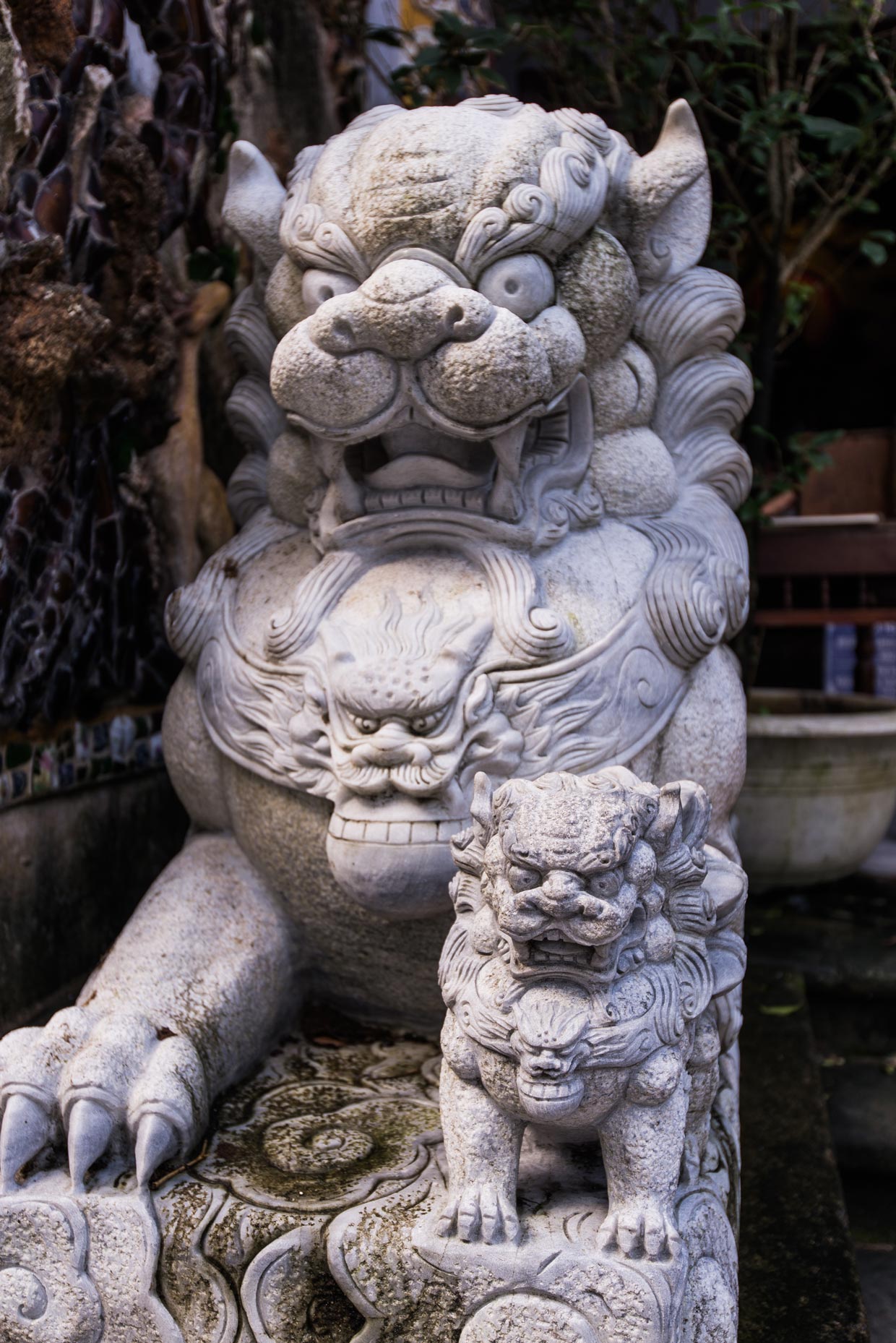
The Enduring Importance of Dragons in Chinese Culture
Sacred and Holy
Throughout history, dragons have held a sacred place in Chinese society. Temples and shrines across the country feature dragon motifs, symbolizing a divine connection between nature, the heavens, and human endeavor. Visitors to historical sites in China will often notice dragon imagery adorning ancient pillars and walls.
Commerce and Prosperity
Dragons are also seen as emblems of wealth and commercial success. During New Year celebrations, the dynamic dragon dance is performed to invoke prosperity and drive away misfortune, a tradition that continues to inspire modern festivities.
A Blessing from Heaven
Farmers in ancient China offered gifts and built shrines to appease dragon gods, believing they safeguarded their lands and ensured a favorable harvest. This deep-rooted tradition underscores the dragon’s role as a celestial force protecting humanity from natural disasters like floods.
Guardianship and Protection
Whether as a tattoo, an engraved piece of wood, or a bold decorative motif, dragons have long been symbols of protection. Their ever-watchful presence is meant to ward off negative influences in homes and businesses, a belief that still survives among many Chinese communities.
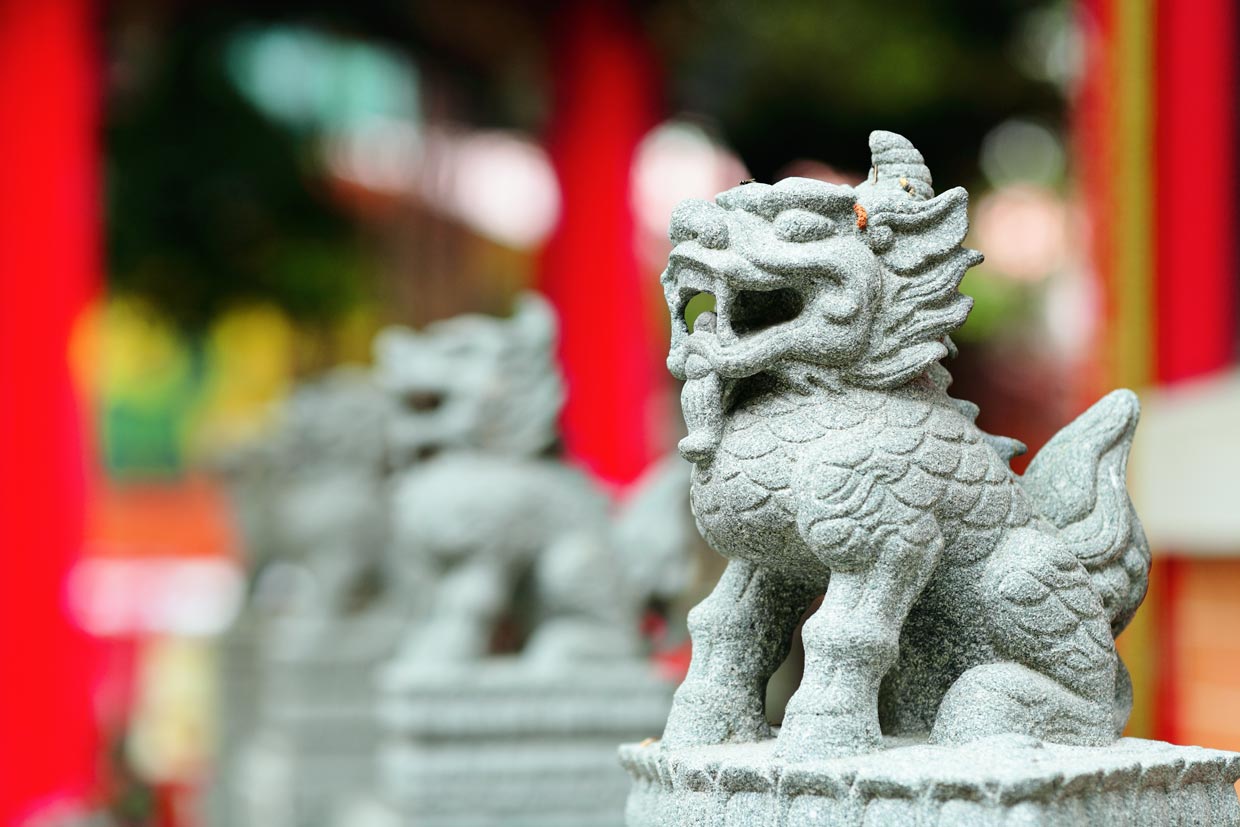
Decoding Chinese Dragon Colors and Their Meanings
Dragon depictions come in various colors, each imbued with its own symbolism. While the most common hues are red, green, black, blue, and yellow, every color tells a story:
Blue dragons are linked with the sky and water, symbolizing power and the life-sustaining force of rain. Green dragons, often paired with blue, highlight the fertility and nurturing aspects of the earth. White dragons, meanwhile, can embody purity or even be associated with death in certain local legends. Red dragons are widely regarded as harbingers of joy and good fortune, especially prominent during weddings and celebratory events. Yellow dragons, reserved for the elite, have long symbolized imperial power, wisdom, and wealth – qualities that were highly prized in ancient China.
The Dragon’s Place in the Chinese Zodiac
The Chinese zodiac operates on a 12-year cycle, with each year represented by a different animal. The dragon, occupying the fifth position, is particularly significant. Legend has it that during an imperial celebration, animals were invited to a grand feast – the order of arrival determined their place in the zodiac. Despite its might, the dragon arrived later than the rat, ox, tiger, and rabbit because it paused to help a drought-stricken village. Impressed by its generosity, the emperor bestowed upon the dragon the honor of the fifth zodiac position.

Today, the rich tapestry of dragon lore continues to influence modern festivals and cultural celebrations, proving that these legendary creatures remain a vibrant symbol of heritage and aspiration.
Conclusion: The Enduring Legacy of Chinese Dragons
Chinese dragons continue to enchant and inspire, serving as powerful symbols of luck, wisdom, and prosperity. Whether admired for their mythic history or celebrated during cultural festivals in China, these legendary creatures remain an integral part of Chinese identity. Their stories not only reflect the rich tapestry of ancient mythology but also influence modern art, architecture, and even commercial symbols across Asia.
Today, from dragon boat festivals to giant parade displays, the spirit of the dragon lives on. For travelers interested in exploring this captivating culture firsthand, destinations like China offer endless opportunities to witness the legacy of these mythical beasts in temples, museums, and festivals.
Embrace the magic, delve into the legends, and let the dragon’s mystique guide you on your journey of discovery.
San Andrés in Colombia – A True Paradise in Caribbean
San Andrés is a hidden treasure deep into the Caribbean Sea. In such a time that tourists overrun most Caribbean islands, San Andrés is a fresh breath of authentic air. Even though it has become more urban throughout the last few years and attracts more tourists, it is still better than other Caribbean islands. The island was once part of the British empire, but nowadays, it is known as a part of Columbia. It has one of the unique ecosystems in the world. If you like sunny holidays with exciting activities, this is the destination for you!
A Short History of San Andrés and Its Politics
San Andrés has a vibrant history filled with pirates and different settlers from different countries.
Pre-Independence
The island was first on a Spanish map in 1527, and soon after, in the 17th century, the English arrived and took control of the islands; they even fought off the Spaniards in 1635 and managed to be the owners of the land until 1787 when they agreed to give the island back to the Spanish.
Colombian Territory
San Andrés and the rest of the islands went a long way for independence from the US, Spain, and Guatemala. Finally, in 1900 France recognized all the islands as belongings of Columbia, a ruling that the inhabitants were happy with.
Political Concerns
Even though some parts of Columbia are unsafe and troublesome for foreigners, San Andrés is safe to visit and has a very peaceful atmosphere.
How To Travel to San Andrés
Right now, taking a flight is the only way you can get to San Andrés. Even though the island is surrounded by water, there are no passenger ships to take, Nicaragua, and unless you want to spend 3 to 4 days on a cruise ship, your best route is from the sky.
The Budget You Need
There are direct flights from Panama and Nicaragua to San Andrés, but the flights within Colombia are cheaper; the highest cost of a one-way ticket is 50$, travelers, and the cheapest ticket you can find is around 23$. It is also mandatory for tourists to pay 112,500 Colombian Pesos (around 26$-34$) to enter San Andrés, this fee is to preserve the island, and you can pay it directly at the airport. Because the airlines like to make sudden travelers pay extra, make sure to book your tickets online and don’t surpass the baggage weight limit because if not careful, a cheap flight can become expensive really fast.
What to Pack
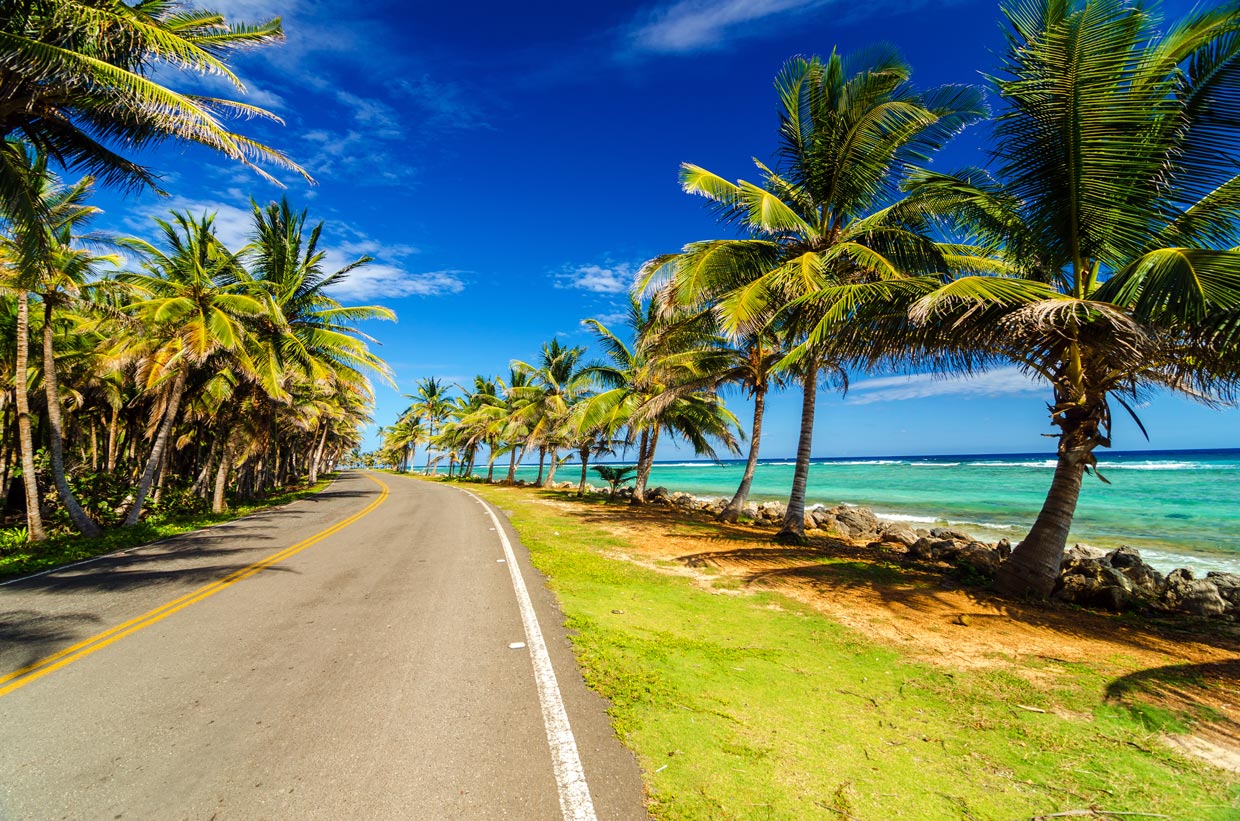
The weather is unique in San Andrés. It’s tropical, and you should expect a lot of rain, but the rain never sits and interestingly enough, the rainy season, which starts in January and ends in May, in San Andrés are also the months which the island gets the most sun. The weather is mostly windy from October to December in San Andrés. So it is best to pack as light as possible. Since San Andrés is best known for its sea and water-related activities, you should pack several swimming sets!
San Andrés in Colombia
Things to Remember
For traveling to San Andrés as a tourist, you must have a scheduled plan for returning to the mainland. The officials will not let you fly to San Andrés without booking a return flight. Pay the extra attention you need for these costs.
Where to Stay in San Andrés
There are a few hostels and some great hotels on San Andrés island, but they sell out soon, so you must book your place in advance. There are also posadas that you can look into to experience the local life of San Andrés. POsadas are either studio apartments or rooms in local’s houses that cost less and are a great choice if you already know a little Spanish.
Hostels
Hostels like Republica, Villa Sarie Bay, and Blue Almond Hostel cost from 32,000 COP to 50,000 COP in San Andrés. We reviewed the client’s comments on their services, and they seem to be good at providing the basics you need during such a journey. Also, by asking the locals and searching more about the accommodation providers in San Andres, you will confront various places to spend some nights. Some solo travelers prefer to save their money by staying in proper places. These hostels are the best options for those not seeking luxury hotels. Sometimes a soft bed is enough.
San Andrés in Colombia
Hotels
Hotels like Bliss, On Vacation Acantilado de la Tierra, and South End Villas are all great luxurious hotels to look into. They obviously cost more but have advantages like good air conditioning and private pools. These are the best options for families and group tours. They provide you with the experience of being comfortable while visiting a significant part of this planet. Even with their excellent service level, you can still find reasonable prices among their offers.
Posadas
Posada Playa Yaphi, Summer House San Andrés Posada Turistica, and Posada Nativa Atardecer Isleño are great posadas located in the middle of San Andrés town. They’re great for starting the exploration of the city life and the inner culture of San Andrés. They usually cost less than 70$ and have exciting features. Sunny Beach Apartments is also a great choice if you’re not traveling alone and are in the mood to cook because they come with kitchen facilities and are loads of fun!
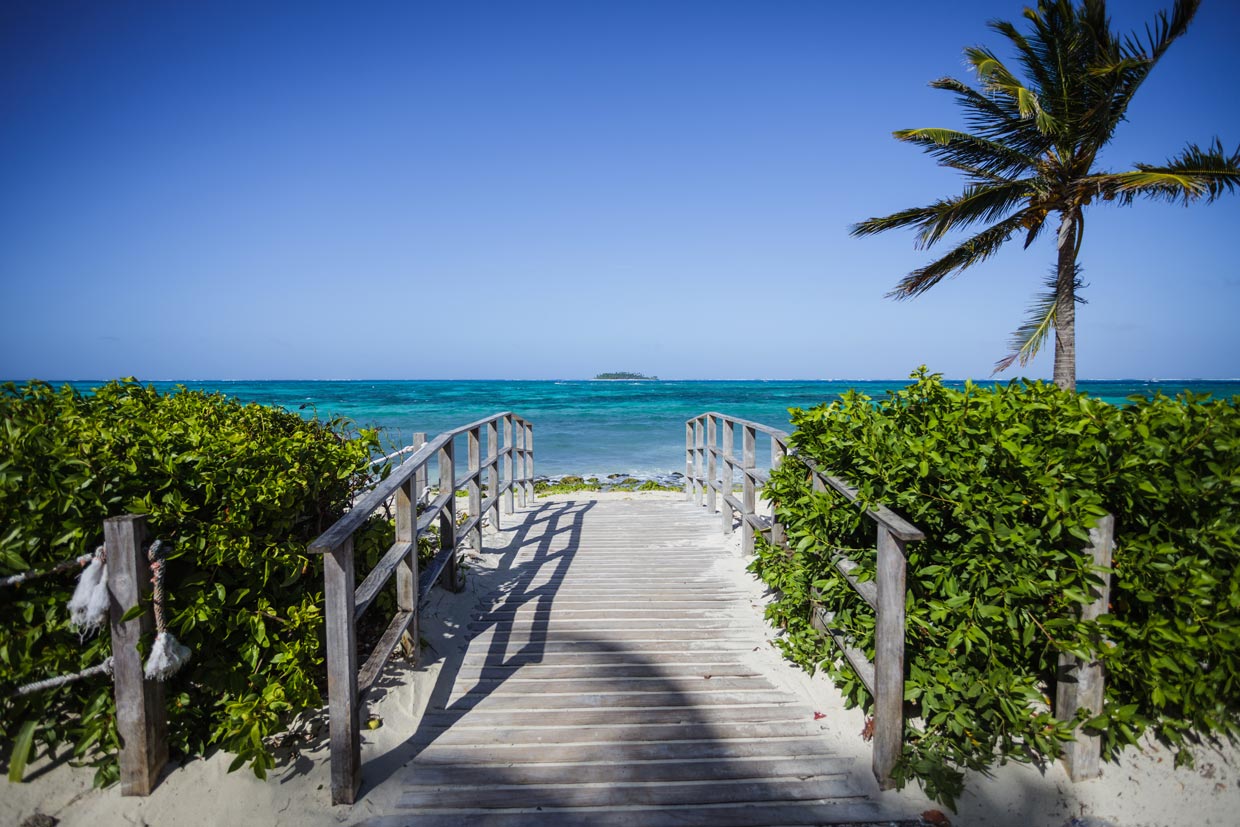
San Andrés in Colombia
Transportation in San Andrés
If you’re worried about hanging out in San Andrés, the best option is to either rent a golf-cart (if you’re traveling with a group, these are great since they have space for 3-4 people.) or a scooter for half the price! It really makes sense. San Andrés has a central city that is very busy and crowded and a road around the city that has less pollution; it is straightforward to find your own way on this single road. There are also public busses running all year round and even stop at beaches on their way. You can check them if they are busy and crowded. Scooters and Motors are usually 70,000 COP per day (that means by 6 p.m.), and Golf-Carts are around 100,00 COP per day.
What to Do in San Andrés
Even though San Andrés is pretty small, it still has much amusement for any traveler.
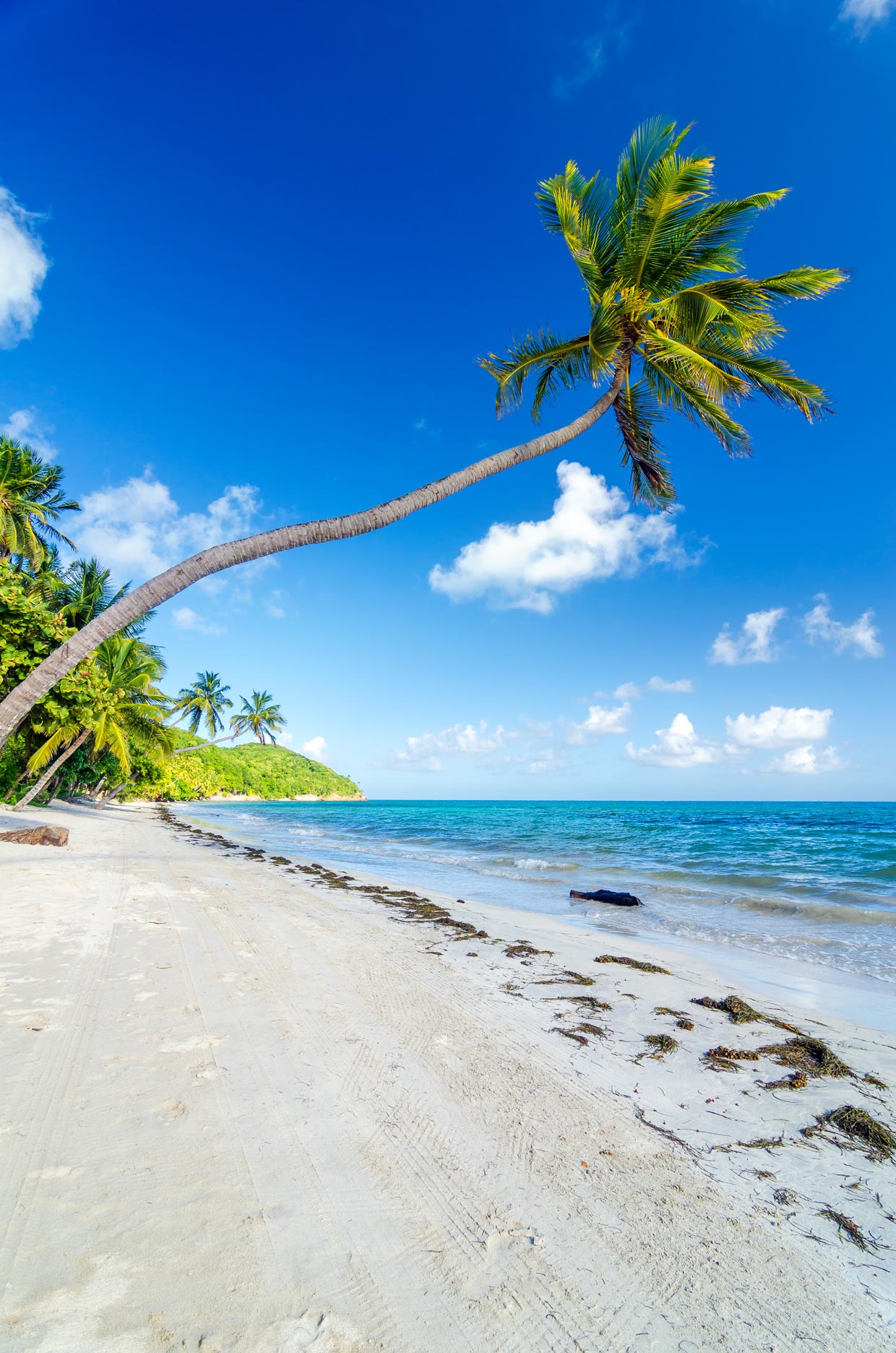
Explore the Many Beaches of San Andrés
San Andrés has beaches all around the city, and each has different features. The best thing to do is manage your time to glimpse all the beaches around. Here we made a shortlist of some of them.
Spratt Bight Beach & Playa Principal
Both are town beaches with calm water and white sand, but since they’re right on the northern part of the island and close to shopping centers and hotels, they are almost always popular and packed with tourists.
San Andrés in Colombia
Rocky Caye Beach
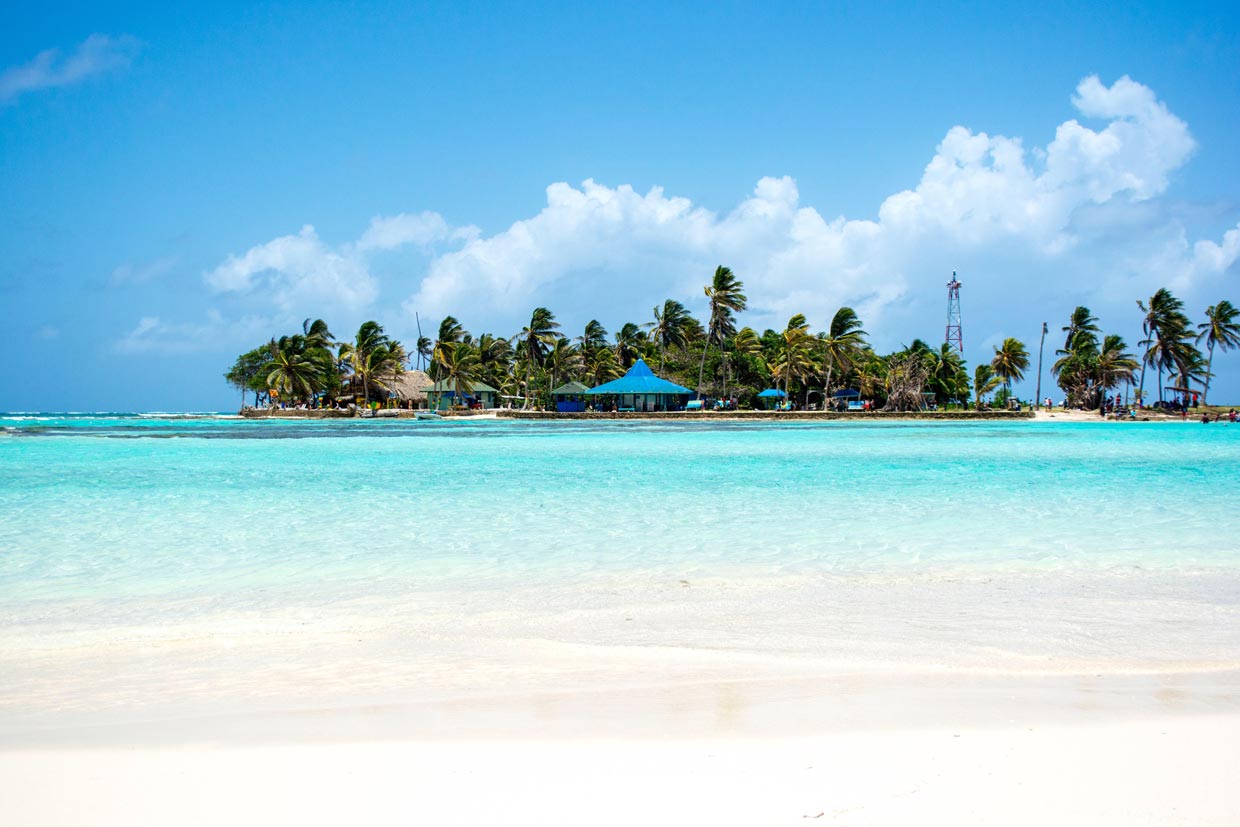
For getting to Rocky Caye beach in San Andrés, you need to get on the road (via your golf-cart, bus, or motor), but don’t worry, it takes only a 6-km drive from town and is not really that far. The beach is also known as Playa Zarpada or Cocoplum beach. Just make sure you are on free sands, and that’s it! It’s best to wear sea-shoes because of all the coral in the water when you want to swim or walk to the small island.
Playa San Luis
Playa San Luis is on the eastern coast and feels more back-packer friendly. The water is wilder than the rest of the San Andrés beaches. A few cocktail bars and restaurants on this beach are a bit pricier than the other beaches.
Scuba Diving in San Andres
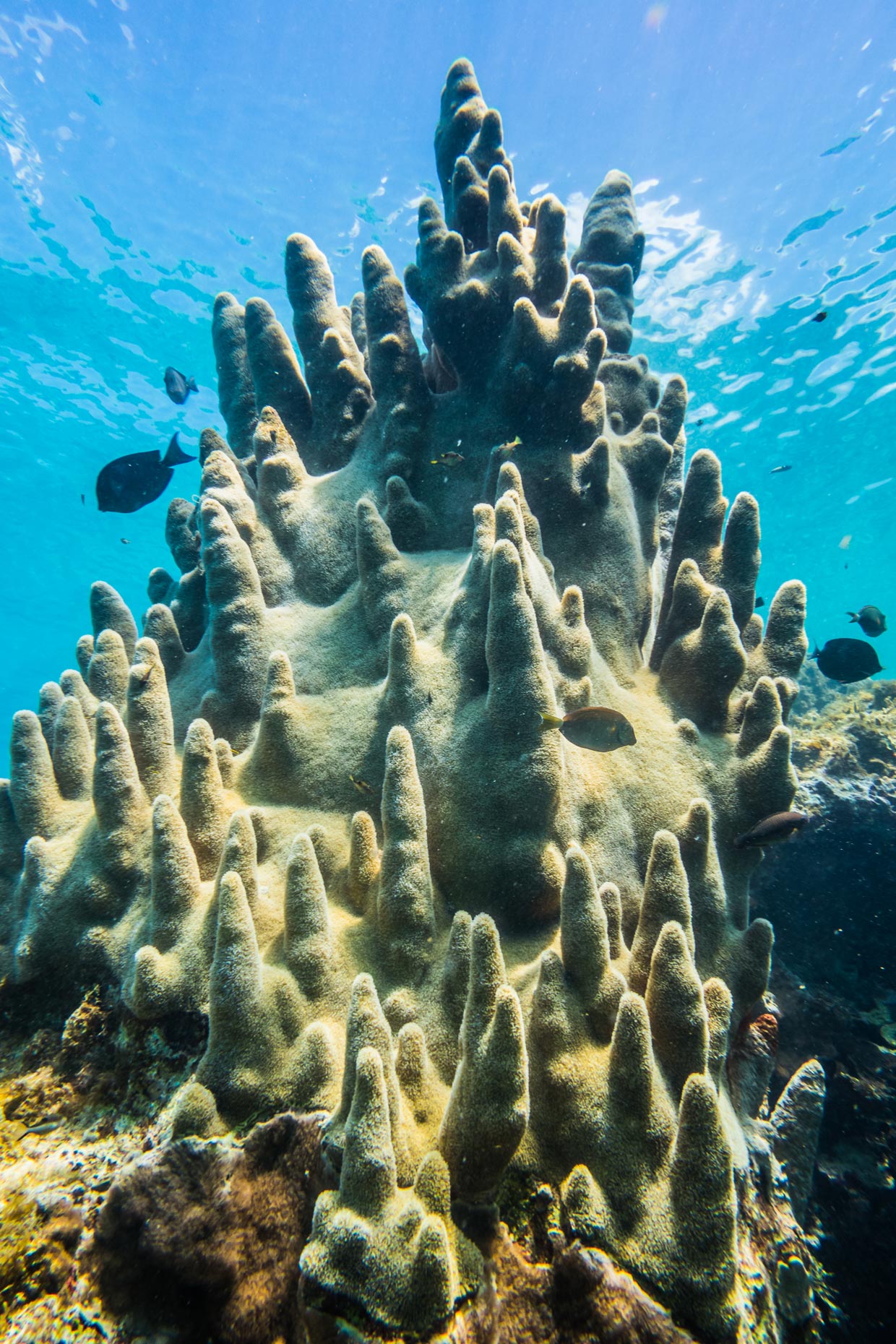
The scuba-diving scene is quite popular and famous in San Andrés; divers from all around the world come to San Andrés for the beautiful coral and crystal clear waters. Even if you don’t scuba-dive, you can try Helmet-diving and still enjoy San Andrés.
San Andrés in Colombia
Visit West View
You can find a private area at the east of San Andres that divers call ‘West View.’ It’s perfect for snorkeling as there are no waves. You can also do other water activities like diving and water sliding. There are also lounge chairs and tables in the area if you want to sunbathe and chill. But do note that there is an entrance fee of 4,000 COP per person.
Visit Providencia
Just next to San Andrés Island is another even smaller island called Providencia! With its own history and folk tales of pirates, this island is now even more popular than San Andrés because it has fewer people and more relaxing vibes. The beaches in Providencia are great for anyone who wants to chill and enjoy the view! You can get to Providencia either by taking a ferry or a plane. The ferry costs around 215,000 COP and takes about 3.5 hours. It is a rough ride that we don’t recommend for people with seasickness.
The plane is much better because it only takes 20 minutes. The flights are around 250,000-300,000 COP but do sell out in advance. The luggage weight is also another issue, and it’s best to travel light because there is a 10kg limit for every person. You can also book an overnight tour that includes transport and accommodations.
Since Providencia takes quite an effort to get into, we recommend spending a couple of nights here. But remember that this island is even more expensive than San Andrés and it is not recommended for people on a strict budget.
San Andrés in Colombia
Visit the San Andrés sign
To the left of the city’s main beach is the “I love San Andrés” sign which every tourist should visit and take a photo to remember San Andrés by!
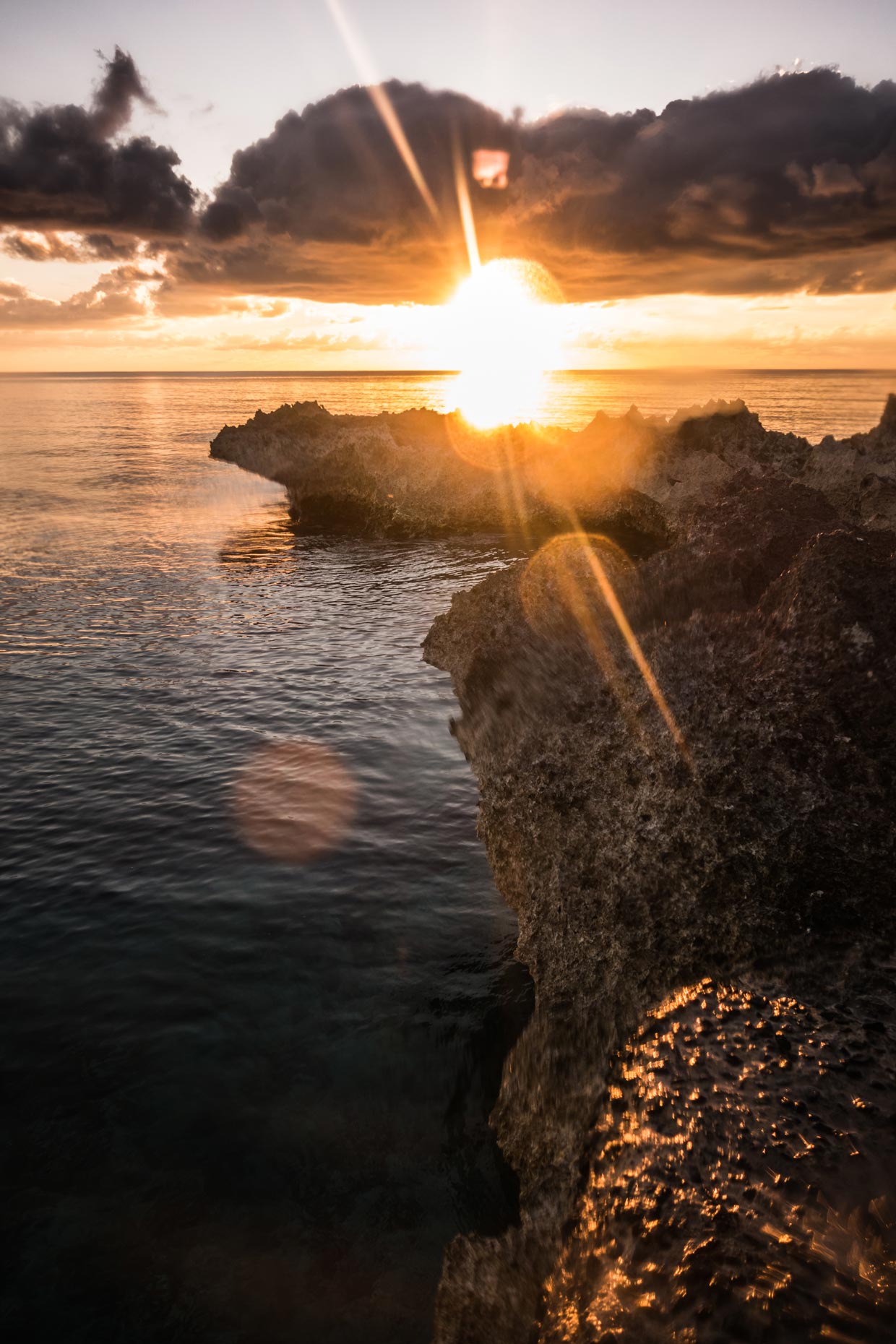
Watch the Sunset at the Blowhole
One of the main things to do at San Andrés is visiting the Blowhole, which has an excellent spot for watching the sunset! Since most people see the “ILSA” sign around sunset, it can get crowded, but the blowhole down the road from the sign is much calmer, and you can have a little picnic there too!
Essential Tips
Water
The tap water in San Andrés is not drinkable, so you must buy water bottles as you go.
Duty-free shops
San Andrés is a duty-free zone, which means the island’s product is sold without additional taxes! So, make sure to look around the many shops on the island and do a little shopping for yourself.
Lookout for Lovely Wild Animals
There are stingrays and sea turtles under the water, and Iguanas are everywhere on the land in San Andrés; they are pretty friendly too!
Try the Local Food
Caribbean islands like San Andrés have great seafood so if you like fish and such, make sure you eat out at least once!
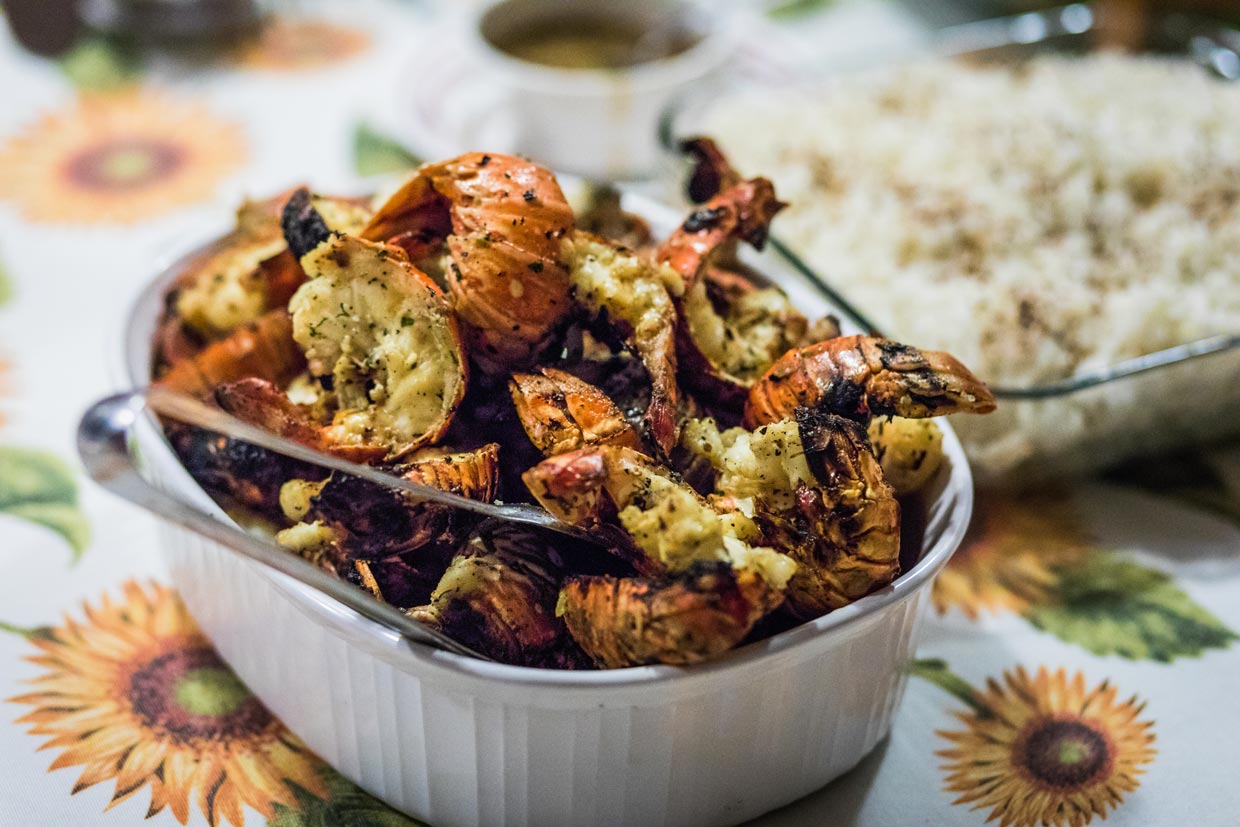
Caribbean Food
Things Are More Expensive in San Andrés
If you’ve traveled to Colombia, you might realize that San Andrés is more expensive than the mainland. Although things like groceries and beers are pricier, they are still affordable, and one can also enjoy their time there on a budget.
Leticia in Colombia – The Gem of Nature & Culture
Leticia is a city located in the deep south of Colombia and has borders with Brazil and Peru. It’s basically the meeting point of the three countries. The gem of this city gets looked over a lot by tourists, mostly because it’s usually a stopping point for people and not a destination. Still, you should never underestimate the potential of a city located by the Amazon River.
When to Go in Leticia?
Considering its location, the weather in Leticia is precisely what you would expect it to be. On average, it’s mostly hot with a tropical climate. You would experience the most rainfall from January to July.
- January is the wettest month, so you should avoid it if you’re not a big fan of rain.
- July is the coldest and driest month with an average temperature of 29°C.
With all that said, don’t forget that Leticia’s in the Amazonas region and has a tropical climate meaning it’s humid, and the weather could change any second; but that’s what makes this city so unique, the fact that it can surprise you with every inch and ounce of it.
| JAN | FEB | MAR | APR | MAY | JUN | JUL | AUG | SEP | OCT | NOV | DEC | |
|---|---|---|---|---|---|---|---|---|---|---|---|---|
| High °C | 31°C | 31°C | 31°C | 31°C | 30°C | 30°C | 30°C | 31°C | 32°C | 32°C | 32°C | 31°C |
| Low °C | 23°C | 23°C | 23°C | 23°C | 23°C | 22°C | 22°C | 22°C | 22°C | 23°C | 23°C | 23°C |
| High °F | 88°F | 88°F | 88°F | 87°F | 87°F | 86°F | 86°F | 88°F | 90°F | 90°F | 89°F | 88°F |
| Low °F | 73°F | 73°F | 73°F | 73°F | 73°F | 72°F | 71°F | 71°F | 72°F | 73°F | 73°F | 73°F |
| Rain | 18 days | 15 days | 16 days | 16 days | 15 days | 13 days | 12 days | 12 days | 12 days | 13 days | 13 days | 17 days |
Where to Go and What to Do
Whether you are an adventurous person looking for adrenaline-pumping activities or a laid-back nature lover, this city offers a long list of activities to do. Visiting nearby islands ziplining, and more; will surely make you more connected to nature on a different level and make it an unforgettable trip.
Visiting Isla de Los Micos, the Monkey Island
With its breathtaking sceneries, this vibrant island is famous for its small wild monkeys but don’t worry! They are entirely used to humans, and it’s even customary for tourists to buy a banana and feed the monkeys right from their hands. These monkeys are not shy and will climb you up, so remember to wear clothes that you don’t mind getting a bit dirty. Tourists also recommend not wearing earrings or jewelry that the monkeys can grab onto. You can again meet indigenous people and buy handicrafts from them as a souvenir and help their community. The most common way to get to this island is by boat. It’s about 45 minutes away from Leticia, and we can guarantee you will enjoy your boat ride to your destination.
Exploring the Amazon River
It should be on top of your list of activities here. After all, Amazon is the biggest and one of the most remarkable spots on earth. Some guides can help you schedule and arrange a personalized trip for you through amazon. Don’t hesitate to ask one of them for help since it’s not very safe for a first-timer to wander through the river and forests there alone.
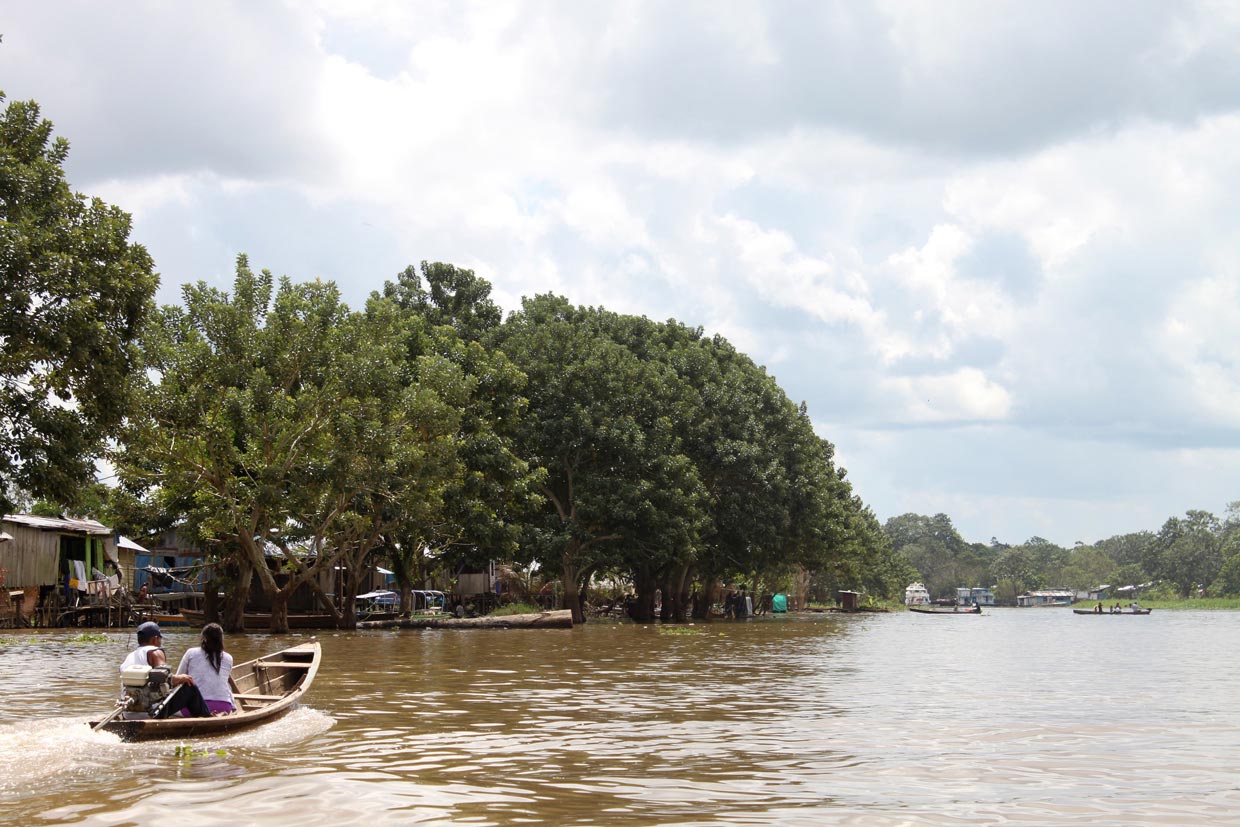
Strolling through the Tourist Boardwalk
If you’re only here for a few hours or just want to relax after a long day, you should definitely make a stop at the tourist boardwalk or “Malecón Turístico. This spot is where the 3 Amazonian countries(Brazil, Peru, and Colombia) are divided, and you can sit back with a drink and watch the boats as they load and unload people and produce. If you have the opportunity, make sure you catch the sunrise or sunset over the river at this spot. It’s the same place but a different and irreplaceable experience.
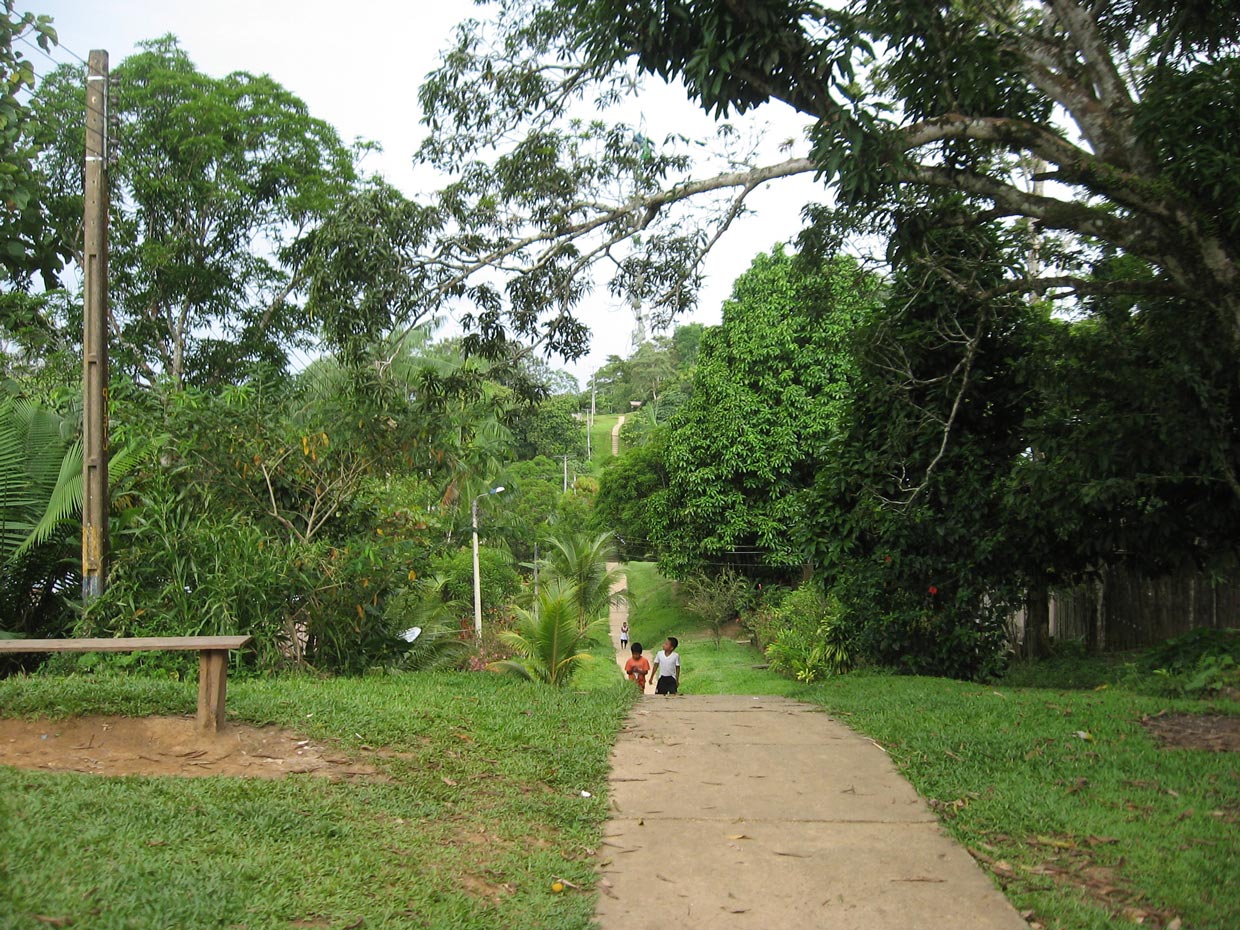
Exploring Reserva Natural Tanimboca
Off the beaten track, this peaceful reserve is where you can experience and explore the wilderness of amazon with all its raw features and authenticity without fear or concern.
This reserve can provide you with extremely knowledgeable and experienced guides so you can just soak up the beauty and learn and connect with nature. You can choose to do many activities, such as canopying, kayaking, ziplining, and night hikes. You can also visit indigenous people and learn about their lifestyles with a guide familiar with their community. This is an opportunity of a lifetime, so don’t miss it and give it a try, even as a day trip.
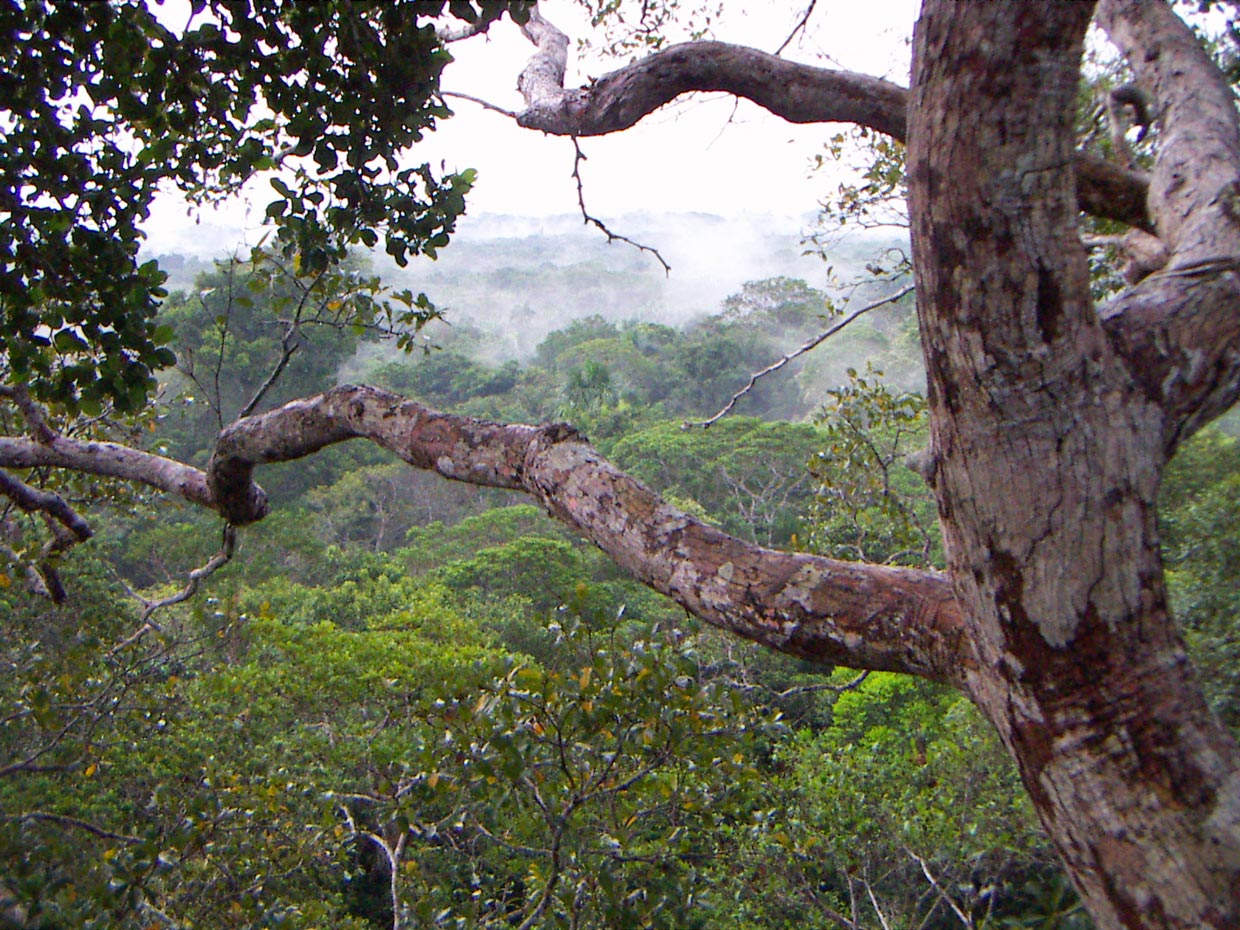
Taking a walk to Brazil
This will be a walk you won’t forget. Since there’s no actual visible border between Leticia, Colombia, and Tabatinga, Brazil, you can cross the borders by riding a bike or even taking a walk. Although the border towns might look a lot like each other initially, you will notice the language and the color spectrum change. But the change in cuisine is also something you might find delightful. Suppose you’re in the town at the weekend. In that case, you can enjoy the dance show at la Compare, which is like a mini Brazilian festival dance with feathered-costume dancers and Brazilian music. They love that type of music and sure you will.
Trying the Local Food
Every town or city has a unique traditional dish of its own. Now that you’re in a city bordering two other countries, you can try them all. Since this town is located alongside the amazon, freshwater fish is one of the most common choices and is always on the menu. If you’re looking for more exotic dishes, you should try Mojojoy ( a worm you can eat grilled, fried, stuffed, etc.) or fariña (a type of hot porridge).
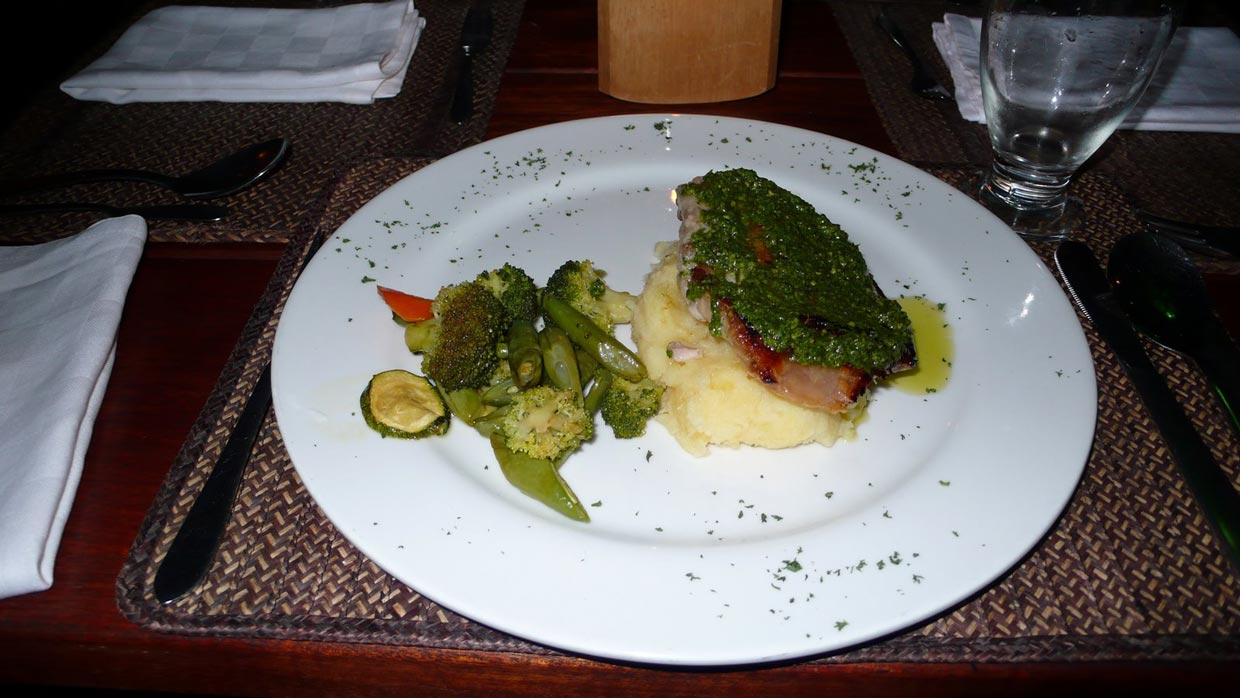
Catching the sunset at Parque Santander
Parque Santander is one of your best options for a relaxing yet very memorable evening in town. Just walk to the main park of Leticia, Parque Santander, before dusk. Hundreds of birds and especially parrots fly back from the forests to this park at night for resting and spending the night. People usually gather around the park and sit back with a drink or a bite from the street-food vendors and listen to the birds’ mesmerizing sound echoing through the park. It’s the kind of sound you hear in movies or documentaries about the Amazonian forests. Now, you get to experience it in a park in the middle of the town. If you’re interested, there is a church tower nearby. You can climb for a better view of the birds and the sunset.
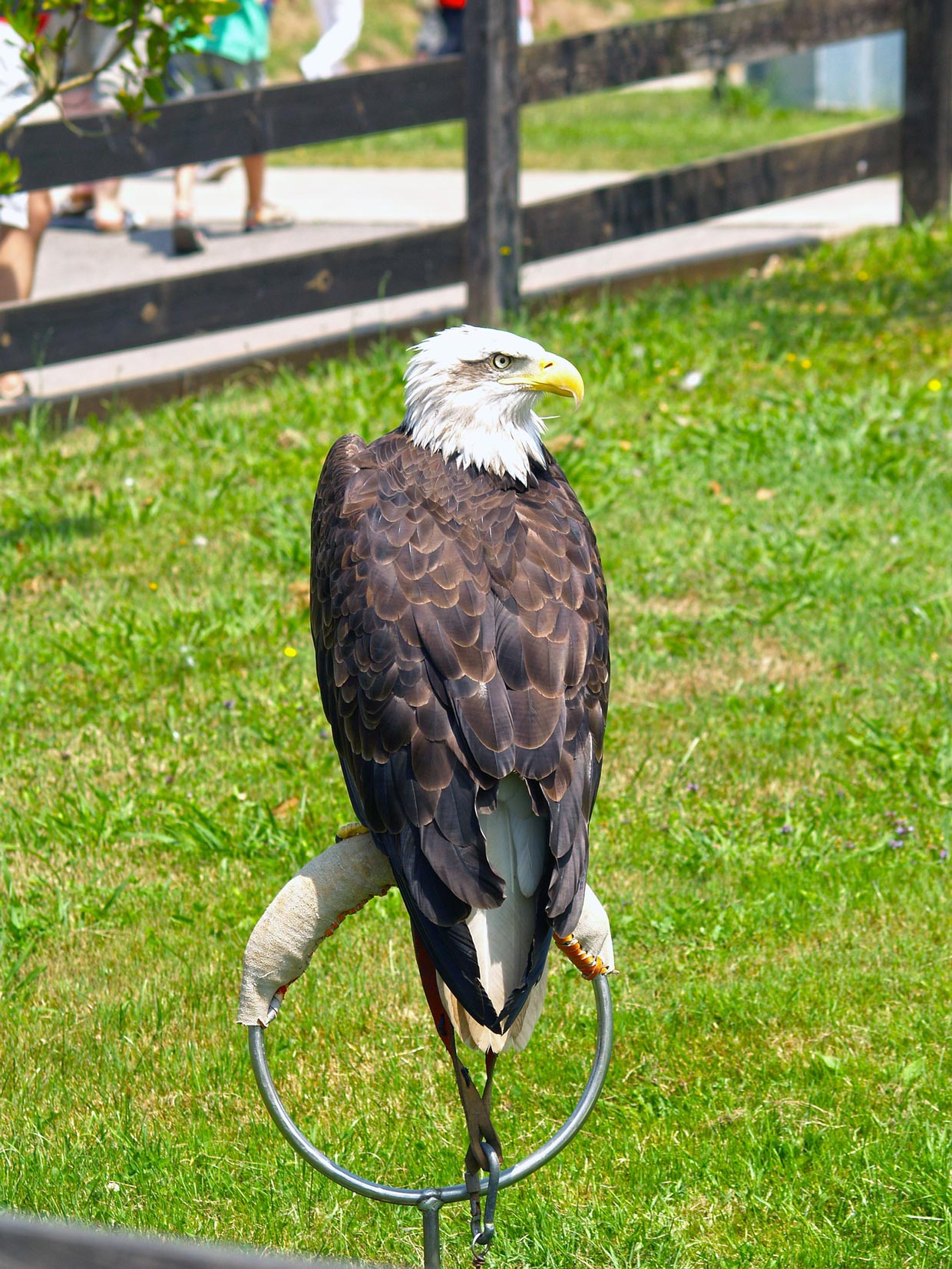
Visiting Museo Etnografico
Exploring Leticia and other Amazonas regions, you might want to know a bit more about the history of this unique piece of land and its ancient people’s ways of living. The Etnografico Museum is a small but well-detailed and arranged place downtown where you can learn about different tribes, rituals, clothes, tools, and beliefs. The signs in the museum are in English and very informative, and you will leave this place knowing a lot more about the past and present of the indigenous people in this region. There are also guides there who can give you unwritten information, facts, and stories about each item exhibited there.
Where to Dine and What to Eat in Leticia?
There’s a wide variety of food and cuisine styles in Leticia that you can choose from. Whether you are adventurous and willing to try new things or not, you can find your ideal restaurant and feed yourself good food. Apart from the exotic and traditional dishes, most restaurants in town have a diverse menu. You can even try Brazilian and Peruvian cuisine here. Street food is also very popular in Leticia. Some of the most famous restaurants with tourists with reasonable prices are Tierras Amazonia’s, Amektiar, RESTAURANTE PUNTO LOUNGE. They all have a Colombian(Latin)/ international menu.
Where to Stay in Leticia?
Depending on your preferences, you can either stay at a boutique hotel with the same luxury you would expect anywhere else. You can also even spend the night in the tree houses in reserves like Tanimboca and get away from it all in the wilderness. So it’s really up to you, your budget, and the kind of experience you had in your mind planning this trip. But whichever type of accommodation you choose you can check the place online and book it right away. Some of the most recommended places to stay in Leticia are:
- Reserva Natural Tanimboca –Tree House in the forest
- Hipilandia – Best Hostel in Leticia
- The Cabaña Flotante Kurupira -floating cabin with balconies
- Amazonas Explorers- individual apartments fully furnished
Transportation
Leticia isn’t a big city, but you can move around town by tuk-tuks or taxis if needed. You will also be able to rent bikes there. Transportation between Brazil, Peru, and Colombia is available by both boats and flights, but it’s such a short trip and is easier to take by boat or even a bus.
Useful Tips Before You Go
You are not required to get the yellow fever vaccine shot to enter Leticia, but it’s better if you do it 10-15 days before your trip; otherwise, you will spend your whole trip worrying about it. A trip to the Amazon region, especially Leticia, is about connecting with nature and letting go of city life’s pressures and chaos. So pack a light suitcase or even a backpack and only take the essentials like sunscreen, light clothing, a sun-blocking hat or cap, a small first-aid kit, bug repellent, and such according to your plans.
+100 Essential Chinese Phrases for Travelers: Greetings, Dining, Shopping & More
With its unique writing system and tonal pronunciation, Chinese can feel intimidating — but you don’t need to master it fully to enjoy a trip to China. Learning a handful of key phrases can help you connect with locals, get around more easily, order meals, shop, and simply show respect. Whether you’re traveling, meeting Chinese friends, or just fascinated by the language, knowing some basic Mandarin goes a long way.
In this article, we will guide you through essential Mandarin phrases for everyday travel situations in China: greetings, politeness, directions, eating out, shopping, and emergencies. We’ll provide simplified Chinese characters, Pinyin (romanization), a pronunciation guide, and English translation — so you can easily copy and say them on the go.

Greetings & Basic Politeness
Whether you meet someone at your hotel, on the street, or in a restaurant, first impressions matter. Here are essential phrases to start with:
- 你好 Nǐ hǎo — Hello / Hi (“nee how”)
- 早上好 Zǎo shàng hǎo — Good morning (“dzow shung haow”)
- 晚上好 Wǎn shàng hǎo — Good evening (“wun shung haow”)
- 晚安 Wǎn’ān — Good night (“wun‑ahn”)
- 请 / 请问 Qǐng / Qǐng wèn — Please / Excuse me (to ask a question) (“ching/ching wuhn”)
- 谢谢 / 谢谢你 Xièxiè (nǐ) — Thank you (“shyeah‑shyeah (nee)”)
- 不客气 Bú kèqi — You’re welcome / No problem (“boo kuh‑chee”)
- 对不起 Duìbuqǐ — Sorry / Excuse me (“dway boo chee”)
- 没关系 Méi guānxi — It’s okay / No problem (“may gwan‑shee”)
These simple but important phrases help you show respect, politeness, and cultural awareness, a small effort that often goes a long way.
Introductions & Basic Conversation Starters
Want to introduce yourself or ask a friendly question to strike up a conversation? These phrases will come in handy.
- 我叫 … Wǒ jiào … — My name is … (“wo jyaow …”)
- 我来自 … Wǒ lái zì … — I am from … (“wo lie z‑ee …”)
- 你好吗? Nǐ hǎo ma? — How are you? (“nee haow ma”)
- 你会说英语吗? Nǐ huì shuō Yīngyǔ ma? — Do you speak English? (“nee hway shwor Ying‑yoo ma”)
Simple introductions like “Hello, my name is … / I come from …” can help you break the ice, especially when travelling or staying in hostels and meeting fellow travellers or locals. The phrase “Do you speak English?” can also come in handy if you’re struggling with pronunciation or characters.

Getting Around & Asking for Help
Exploring China often involves navigating bustling cities, subway networks, and busy streets. These phrases will save you when you need help finding your way or asking for something.
- … 在哪里? … zài nǎlǐ? — Where is …? (“… zye nah‑lee?”)
- 厕所在哪里? Cè suǒ zài nǎlǐ? — Where is the restroom? (“tsuh swaw zye nah‑lee?”)
- 这个多少钱? Zhè ge duō shǎo qián? — How much is this? (“juh guh dwaw shaow chyen?”)
- 我听不懂 Wǒ tīng bù dǒng — I don’t understand (“wo ting boo dong”)
- 我不会说中文 Wǒ bú huì shuō Zhōngwén — I can’t speak Chinese (“wo boo hway shwor jong‑wun”)
These phrases are extremely useful when you find yourself lost, looking for restrooms, or trying to ask for prices. They help you navigate daily life with more confidence and fewer misunderstandings.
Eating Out in China
China’s culinary scene is a highlight of any visit — but ordering at restaurants or night markets can feel tricky without English menus. These essential dining phrases will help you order like a local:
- 我要这个 Wǒ yào zhè ge — I want this one (“wo yow juh guh”)
- 我是素食者 Wǒ shì sùshí zhě — I’m vegetarian (“wo shir soo-shrr juh”)
- 我不吃肉 Wǒ bù chī ròu — I don’t eat meat (“wo boo chir row”)
- 不要辣 Bú yào là — No spice please (“boo yow lah”)
- 请不要太辣 Qǐng bú yào tài là — Please don’t make it too spicy (“ching boo yow tie lah”)
- 买单 Mǎi dān — Check, please! (“my dahn”)
- 可以刷卡吗? Kěyǐ shuākǎ ma? — Can I pay by card? (“kuh yee shwah kah ma?”)
Learning even a few restaurant-specific phrases can make dining experiences smoother and more enjoyable. Always remember that food etiquette — like receiving items with both hands — is considered polite.

Shopping & Bargaining in Chinese
Markets and shops often have room for negotiation, especially in tourist areas. Use these handy phrases to get better deals and make friendly exchanges.
- 太贵了! Tài guì le! — Too expensive! (“tie gway luh”)
- 可以便宜一点吗? Kěyǐ piányí yīdiǎn ma? — Can it be cheaper? (“kuh yee pyan‑yee ee‑dyen ma?”)
- 这个多少钱? Zhè ge duōshǎo qián? — How much is this? (“juh guh dwaw shaow chyen?”)
- 我只是看看 Wǒ zhǐshì kànkan — I’m just looking (“wo jir shrr kan‑kan”)
- 我买这个 Wǒ mǎi zhè ge — I’ll take this (“wo my juh guh”)
Tip: It’s common to bargain politely in markets but not in chain stores. Always smile — humor and friendliness go further than haggling hard.
Transportation & Directions
Public transport is extensive in Chinese cities. Whether taking a taxi, subway, or high-speed train, these phrases will help you get to your destination:
- 去 … 怎么走? Qù … zěnme zǒu? — How do I get to …? (“chyoo … dzun muh dzow?”)
- 我要去 … Wǒ yào qù … — I want to go to … (“wo yow chyoo …”)
- 这个地铁站在哪? Zhè ge dìtiě zhàn zài nǎr? — Where is the subway station? (“juh guh dee‑tyeh jan zye nar?”)
- 打车 / 的士 Dǎ chē / Dīshì — Taxi (“dah chuh / dee-shr”)
- 请带我去这个地址 Qǐng dài wǒ qù zhè ge dìzhǐ — Please take me to this address (“ching dye wo chyoo juh guh dee-jrr”)
It’s a good idea to keep your hotel address written in Chinese or on your phone. Taxi drivers often don’t speak English, and place names can get lost in translation if you only say them in English.

Emergency & Health Phrases
While no one wants to think about emergencies while traveling, it’s smart to know how to ask for help if needed. These basic phrases can be lifesavers:
- 救命! Jiù mìng! — Help! (“jyoh ming!”)
- 我生病了 Wǒ shēng bìng le — I’m sick (“wo shung bing luh”)
- 我需要医生 Wǒ xūyào yīshēng — I need a doctor (“wo shyoo yow ee shung”)
- 你能帮我吗? Nǐ néng bāng wǒ ma? — Can you help me? (“nee nung bahng wo ma?”)
- 我迷路了 Wǒ mílù le — I’m lost (“wo mee loo luh”)
- 我的酒店在哪里? Wǒ de jiǔdiàn zài nǎlǐ? — Where is my hotel? (“wo duh jyo‑dyen zye nah‑lee?”)
For extra safety, keep emergency contacts and local embassy details saved in your phone, along with a translation app like Pleco or Google Translate.
Romantic Phrases & Expressing Emotions
Love and affection are expressed a bit differently in Chinese culture — often more subtly and through actions rather than direct declarations. Still, if you’re feeling romantic or want to connect more deeply, here are some gentle and culturally appropriate ways to express feelings:
- 我爱你 Wǒ ài nǐ — I love you (“wo eye nee”)
- 我喜欢你 Wǒ xǐ huān nǐ — I like you (“wo shee hwahn nee”)
- 我想你 Wǒ xiǎng nǐ — I miss you (“wo shyahng nee”)
- 我很想你 Wǒ hěn xiǎng nǐ — I miss you very much (“wo hun shyahng nee”)
- 我想和你在一起 Wǒ xiǎng hé nǐ zài yīqǐ — I want to be with you (“wo shyahng huh nee dzai ee‑chee”)
- 你很漂亮 / 你很帅 Nǐ hěn piàoliang / Nǐ hěn shuài — You are beautiful/handsome (“nee hun pyow-lyang / nee hun shwai”)
Remember, Chinese people often express love through actions, gifts, or shared experiences. Direct expressions like “I love you” are usually reserved for serious relationships.
Special Greetings for Festivals & Welcoming
Holidays and hospitality are important in Chinese culture. Here are phrases to greet people warmly and celebrate special occasions.
- 欢迎 Huānyíng — Welcome! (“hwahn‑ying”)
- 吃饱了吗? Chī bǎo le ma? — Have you eaten? (a traditional way to show care) (“chir bow luh ma?”)
- 圣诞快乐! Shèngdàn kuàilè! — Merry Christmas! (“shung dan kwai luh”)
- 新年快乐! Xīnnián kuàilè! — Happy New Year! (“shin nyen kwai luh”)
- 节日快乐! Jiérì kuàilè! — Happy Holidays! (“jyeh rrr kwai luh”)
- 祝你好运 Zhù nǐ hǎo yùn — Wish you good luck (“joo nee haow yoon”)

Cultural Tips & Language Notes
Mandarin Chinese is a tonal language with four main tones, which means the same syllable can have multiple meanings depending on the tone. Even small pronunciation differences can lead to misunderstandings. Here are a few tips to make learning easier:
- Use Pinyin and tones together: When practicing, include tone marks in your learning — they’re crucial for being understood.
- Listen to native speakers: Apps like Duolingo, HelloChinese, or YouTube videos help you mimic tones and accents.
- Practice daily words: Even 5–10 minutes of daily practice can make a big difference when you land in China.
- Body language matters: Hand gestures, facial expressions, and a smile often help bridge communication gaps.
China is an incredibly hospitable country, and even a few attempts at speaking Mandarin can open doors, invite warm smiles, and show great respect to the culture you’re exploring.
Final Words
Whether you’re traveling to Beijing, hiking in Zhangjiajie, or sampling street food in Chengdu, these essential Mandarin phrases will boost your confidence and enrich your experience. Don’t worry about being perfect — Chinese people truly appreciate any effort you make to speak their language. Bookmark this guide, save it on your phone, and practice a few lines before your next adventure to China. 一路顺风! (Yī lù shùn fēng!) — Have a safe journey!
Mid-Autumn Festival – Chinese Moon Festival
Mid-Autumn Festival, also known as the moon festival, is the second most far-flung Chinese Festival after Chinese New Year. As it is believed that it is a particular time of the year in which the moon is at its fullest and brightest mode, Chinese people appreciate this full moon to worship the moon on that day, which is the 15th day of the 8th lunar Chinese month. It was once considered a day like a valentine’s day in ancient China in which, despite the couples showing their love and compassion to one another, single men and women could also wish for a happy marriage. This event takes place in the middle of autumn, but you should calculate the date converted from the Chinese calendar to your own calendar to better schedule your trip. The three-day public day off is a travel peak. If you want to say “Mid-Autumn Festival” in Chinese, you should try pronouncing 中秋节 zhōng qiū jié.
Origin of Mid Autumn Festival
Dating back to about 3,000 years ago, the Mid-Autumn festival roots in the moon worship to glorify the gathering of ripe crops in the autumn season. About 800 to 1,200 years later, people began to use the word “Mid-autumn” to mention the festival in recorded heritage. The famous tradition of serving moon cake on the festival date has a rich history of 1,100 to 1,400 years. It is about 1000 years since the Northern Song Dynasty finally set an exact date as the official one to celebrate it nationwide with solidarity. This historically rich tradition is designed with many fascinating legends and myths told and spread among folklore, explaining the moon worship motive. The most popular one is the legend about flying Chang E to the moon.
It is told that Chang E’s spouse, Hou Yi, was awarded the elixir of perpetual life for accomplishing the mission of shooting down the extra nine suns, which caused people to suffer a lot. But he preferred not to become immortal without his wife and leave her to live in heaven. Whenever he left the house, he entrusted the elixir to Change. Unfortunately, one of Hou Yi’s followers discovered this. On the 15th day of the 8th lunar month, Hou Yi was away from home hunting, that follower crept into their house and coerced Chang E to surrender the elixir. Unkindly, Chang E drank the elixir herself, became imperishable, and instantly left the earth to heaven. As she chose to stay as close as possible to her husband, she flew to the moon, the closest place in the kingdom of heaven to the earth. Hou Yi, in the desire of reunion, served some mooncakes on this day.
There are many artful myths to explain moon worship, eating moon cakes, and other traditions taking place during the mid-autumn festival. For example, you can also read about the rabbit’s tales in the moon, Wu Gang chopping the tree, Li Longji wandering on the Moon Palace, etc.
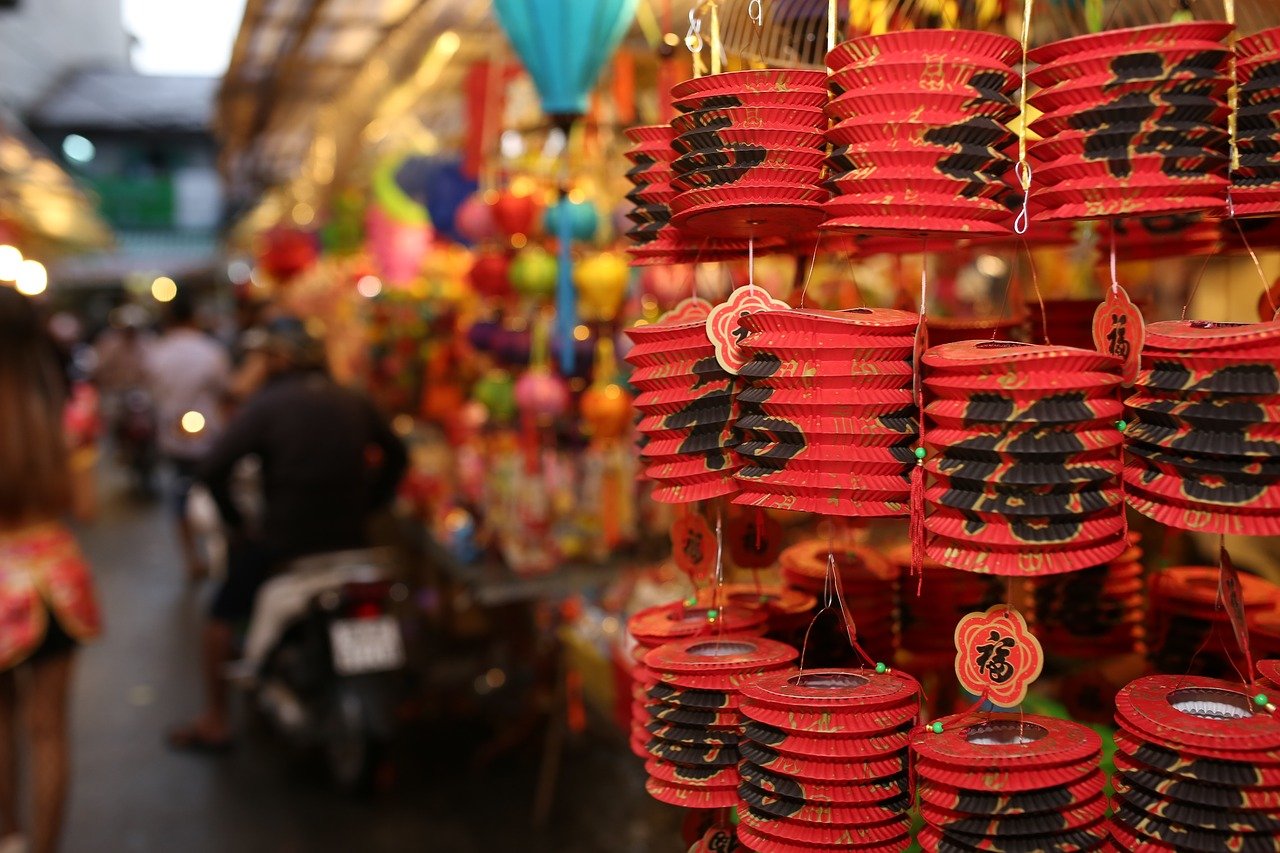
Mid autumn Festival Decorations, China
Mid Autumn Festival Traditions
Serving Moon Cakes
Chinese people serve different kinds of mouth-watering moon cakes to celebrate the mid-autumn festival. There are 12 types of mooncakes classified into four styles differing in origin, sales volume, and features like flavor, filling, crust, and appearance. They are mostly baked round symbolizing the full moon and family gathering. It sounds wondrous to know that once, mooncakes were used for military purposes for delivering messages secretly.
Mooncake for Mid Autumn festival in China
Appreciating and Worshiping the Moon
Just like Hou Yi, who appreciated the fullest and brightest moon to feel close to her wife again, family members feel close to each other by enjoying the moon together even through geographical distances. There is also a 3,000-year-old tradition of setting the table with moon cakes and other sacrifices towards the moon, aspiring, presenting incense, and kowtow to it. After that, it is allowed to share sacrifices.

Moon, Shanghai
Family Dinner Reunion
Feasts are meaningless in the East without special foods, so people try their best to use this opportunity to enjoy serving tasty food on the family table. In addition to mooncakes, there are some other trendy dishes for the gathering dinner, including osmanthus cake and wine, hairy crab, duck, taro, pumpkin, and fruits like pomegranate and pomelo. We recommend you especially not to lose the chance to drink osmanthus wine at its perfect blossom when colored in light yellow with strong osmanthus redolence and grape-like flavor, tasting a soft combination of sweet and sour.

Mid Autumn Festival Celebrations
Glowing Festival Lanterns
Making and hanging festival lanterns are among those traditionally favored by kids, while adults can also enjoy it. People all around China hang different kinds of colorful lanterns wishing good things to happen for them and making the atmosphere more festive. Still, this tradition is mostly appreciated in Guangdong and Hong Kong areas.
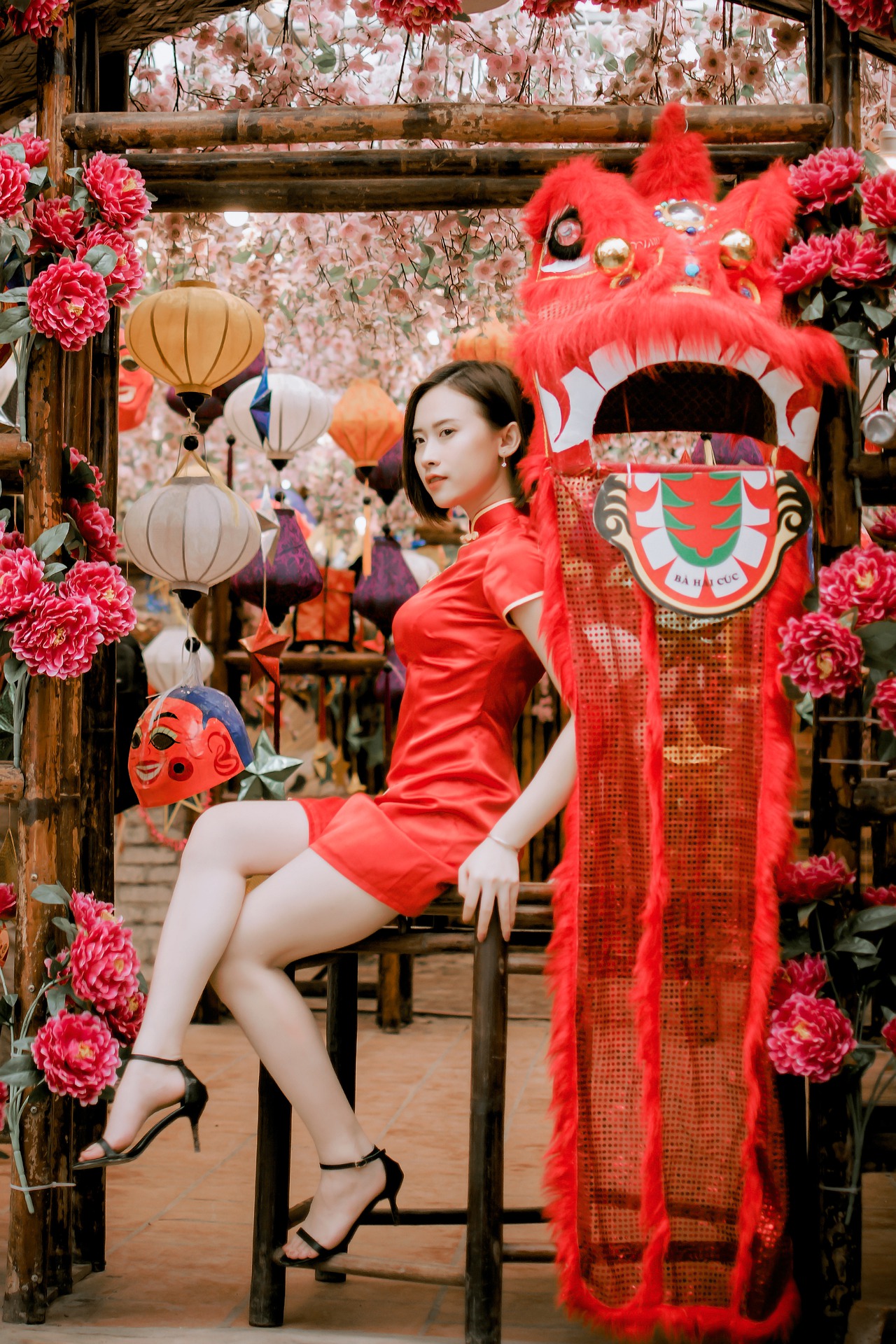
Mid-Autumn Festival in China
Other Traditions
There are so many other traditions among China’s vast land to celebrate the Mid-Autumn Festival, including wearing unique costumes, fire dragon dance, playing Lord Rabbit, and observing Qiantang River Tide in Hangzhou, etc. While this is initially a festival among the Han Chinese, other ethnic minorities also celebrate it with marvelous customs, such as chasing and seeking the moon and dancing in its moonlight.
Top Locations for Celebration
As long as the mid-autumn festival is mostly tied with the moon, the best places are usually the best sites suitable to appreciate the full moon. For example, waterside Shichahai, Beihai Park in Beijing, and the Lake in west Hangzhou, where the full moon duplicates its beauty with its reflection in the water, are flat places suitable for appreciating the moon. Still, high places such as the World Financial Center, Jinmao Tower, and the top of Yellow Mountain are the places you can feel closest to the moon. Ancient sites like the City Wall in Xi’an are also the right places to choose as a destination due to highlighting this tradition’s historical context.
Mid Autumn Festival Greetings
If you want to greet the mid-autumn festival to Chinese people in their own language, you can use the phrase written below:
中秋节快乐 Zhōng qiū jié kuài lè: Happy mid-autumn festival!

Mid-Autumn Festival in China
Celebrating the Mid Autumn Festival outside China
Due to constant links with China and Chinese immigrants, the mid-autumn festival has become known in other parts of the world, especially neighboring countries in Eastern Asia. Besides some similar traditional activities, people in those countries add their own specific ways of celebration. For instance, in Korea, families also gather around, but their exceptional festival food is not a moon cake. They serve Songpyeon, a type of rice cake. In Japan, housewives like to design their houses with flowers and pampas grass to worship the moon ceremony and appreciate the full moon; in Vietnam, it is more like children’s happy days despite serving moon cakes.
Mid-Autumn Festival in China