

 Temporarily unavailable
3-Day Jaisalmer Tour from Jodhpur: Hotel, Camp & Desert Safaris
Free Cancellation · Instant confirmation · Private tour

Breakfast at hotel, drive to visit Narayan Sarovar Sanctuary. Narayan Sarovar is home to a wide array of wildlife, including many species of mammals, reptiles, and birds. The principle species here is the chinkara, an Indian gazelle. In this harsh landscape, only animals well-adapted to the desert climate can thrive, with extreme heat, high winds, and frequent storms. For this reason, many species can be seen here that are not easy to find elsewhere. Most of Narayan Sarovar is desert thorn forest and scrub forest, with some seasonal wetlands and dry savannah-type vegetation as well. Gorad and babul are the prevailing plant species; gorad in the east and babul in the west. Also found among the 252 species of flowering plants in the sanctuary are hermo, ber, pilu, thor, gugal, salai, ingorio, kerdo, carissa, and the invasive “gando baawal” (prosopsis juliflora), though less so than in other nearby areas.
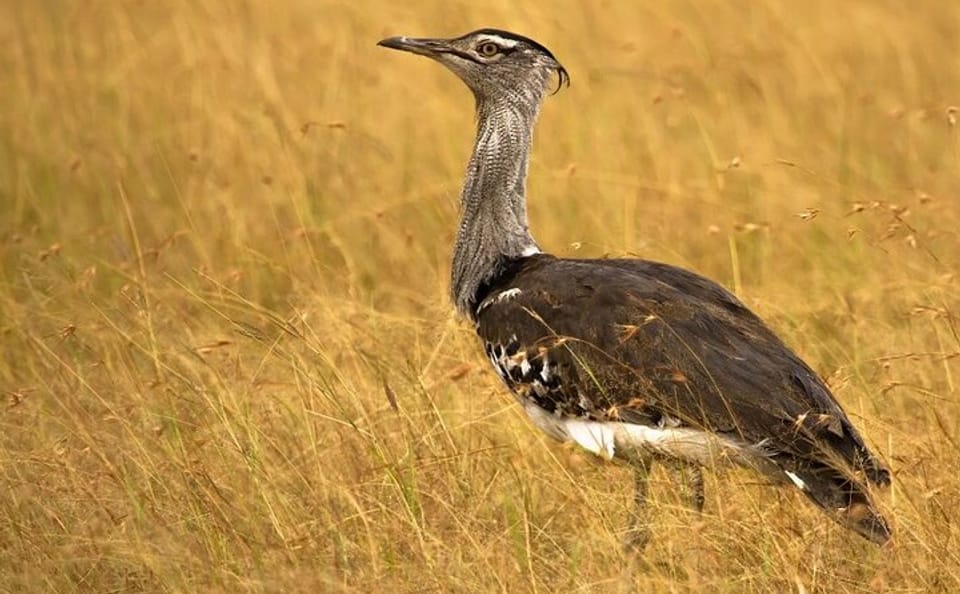
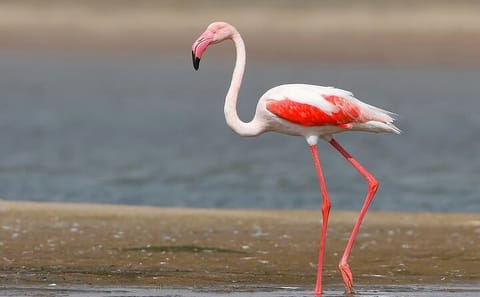
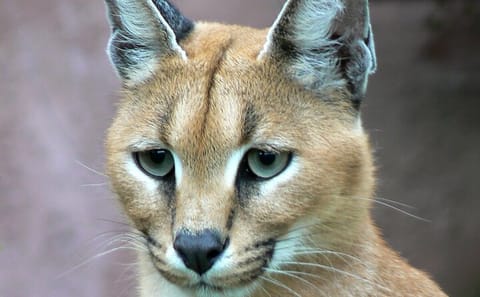
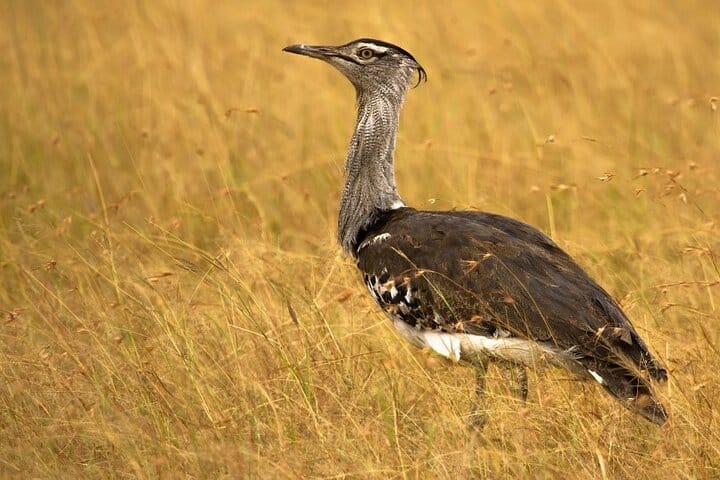
The endangered chinkara is the only gazelle in the world with horns on both males and females. Of the roughly 7000 chinkaras known to exist, 80% of them live in Kutch, and since their primary habitat is the scrub and thorn forests so common here, Narayan Sarovar Sanctuary is crucial to their well-being. The sanctuary also houses many other mammals, from wildcats like the caracal (African or Persian Lynx) to desert foxes and the endangered Indian wolf, from spotted deer to wild boar. The ratel, or honey badger, renowned for its snake-killing ability and fierce self-defense against leopards, lions, poisonous snakes, and swarms of bees, earning it the title of “most fearless animal” in the Guinness Book of World Records, also lives here. Birds abound in the sanctuary, with no less than 184 distinct species to be found here. All three species of bustards (the Great Indian Bustard, the Houbara Bustard, and the Lesser Florican) live here, as well as the Black Partridge, 19 different birds of prey, and many species of waterfowl.
Also visit Koteshwar an ancient Shiv temple standing next to a marsh. It is believed the Lord visited this place, created the Lake and made it his home. The lake is considered just as scared as Mansarovar and it is one of the Panch Sarovar for pilgrimages in India. Mythology states that Ravana was granted a boon by Shiva and received a magical lingam that bestows immortality provided it was not dropped on the way to Lanka. However, Ravana was fooled into leaving the lingam at Koteshwar and it dispersed into tiny pieces.
After sightseeing drive to Hodka check in at resort. Dinner
overnight at resort.
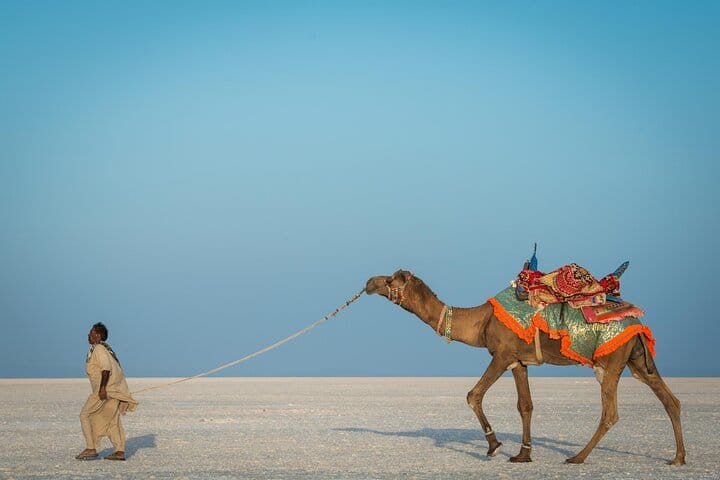
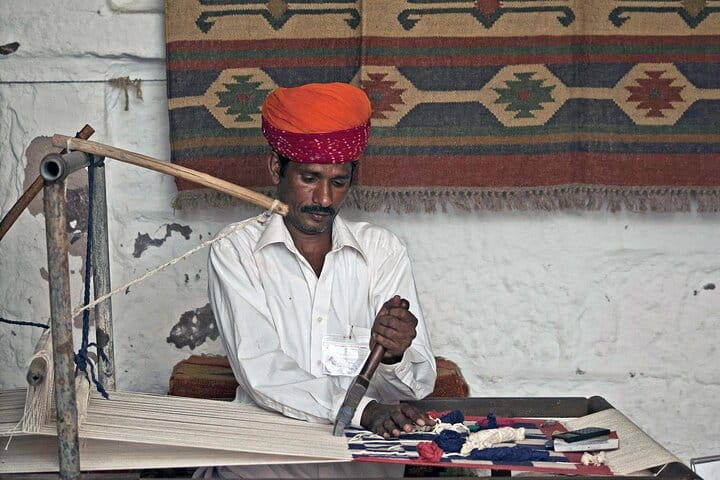
Today very early in the morning drive to White Rann of Kutch to see the sunrise. The Great Rann of Kutch is a salt marsh in the Thar Desert. It is about 7500 km2 (2900 sq miles) in the area and is reputed to be one of the largest salt deserts in the world. Return Hodka for breakfast and later visit a small Pathan community hamlet engaged in Embroidery. Visit Banni region of Kutch Nirona Village for Rogan arts on a piece of cloth. The word Rogan comes from Persian and means oil-based. The process of making the natural colors used in art gives it such a name. Castor oil is heated on a fire for about 12 hours and then cast into cold water to give a thick residue called the Rogan. This is then mixed with stone pigments to lend it different hues. Next, the artisan uses a six-inch metal stick to paint with a fine thread of Rogan on cloth. Seeing it live made us realize how delicately the Rogan thread has to be led with precision to give shape to one’s imagination. The Luhars in Nirona have been preserving the Copper Crafts making over seven generations. As a result you can see some heart-shaped wind chimes, a xylophone made of bells and even a few fauna inspired bell pieces. And Lacquer Works on wooden utensils. You will also visit Dhordo village, this area which has White Rann. You can see Mutwa Muslim Community here in Dhordo. Continue to Khavda to see Potters and Samma tribe. Later leave for Kala Dungar to view the beautiful sunset. Dinner
overnight at resort.
Breakfast at hotel transfer to Bhuj airport to board flight for onward destination.
Fully refundable until 2 days before start
Non-refundable after 2 days before start
Free Cancellation · Instant confirmation · Private tour
Free Cancellation · Instant confirmation · Private tour
Free Cancellation · Instant confirmation · Private tour
Free Cancellation · Instant confirmation · Private tour
Our assistant finds tours and checks live dates and prices, and answers your questions.