

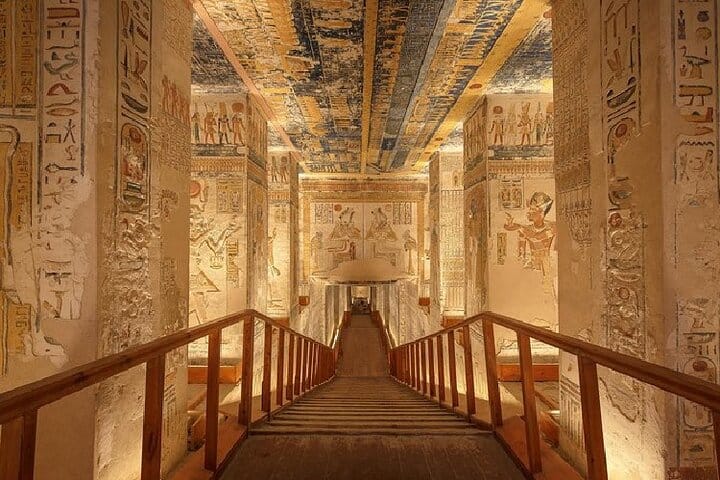
Full Day Tour of Valley of the Kings and Habu Temple in Luxor
Free Cancellation · Instant confirmation · Private tour

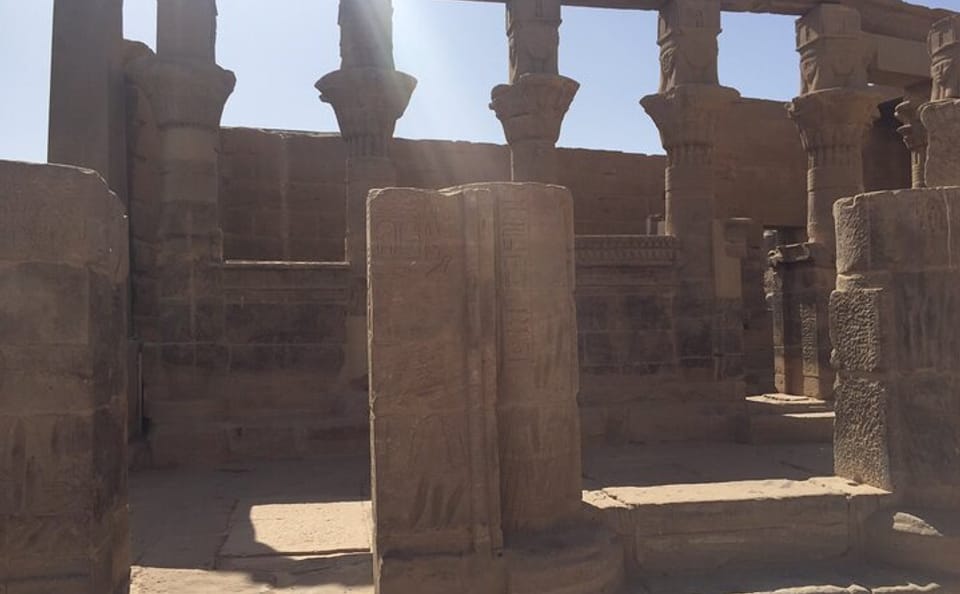
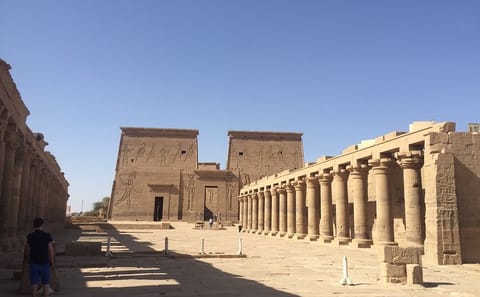
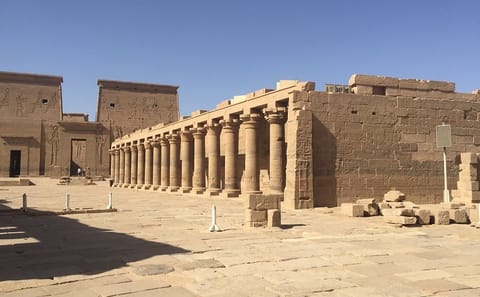
Visit Habu temple, deir el medina , Ramesseum, Luxor temple where you can get a good idea about daily life about ancient Egyptian
Tour Details
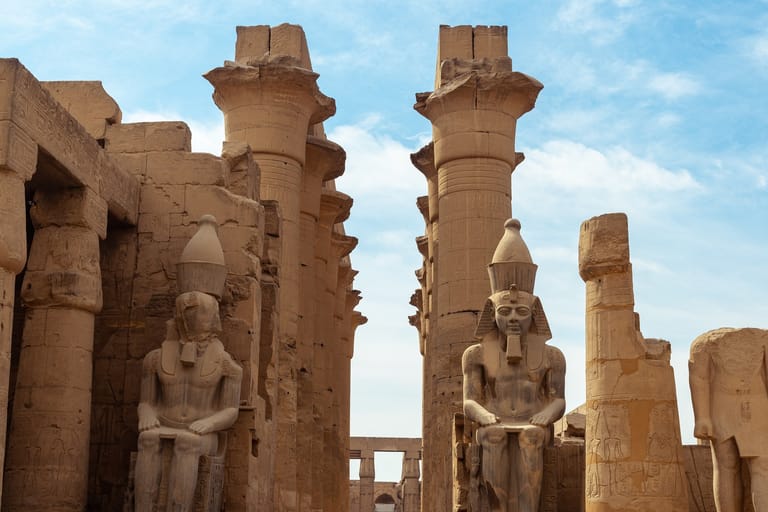
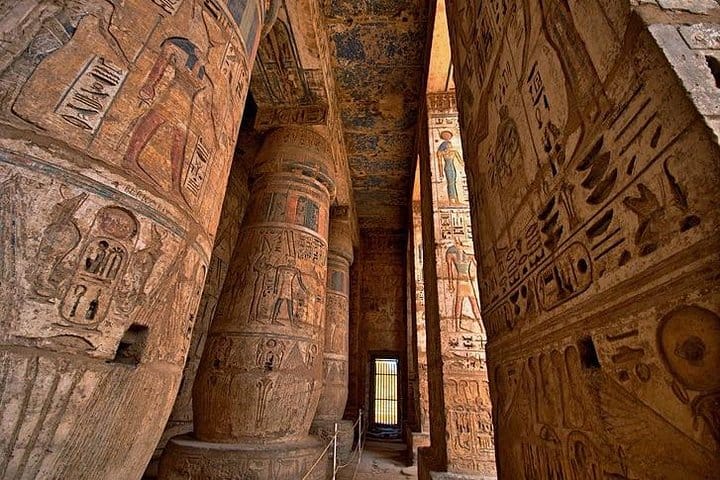
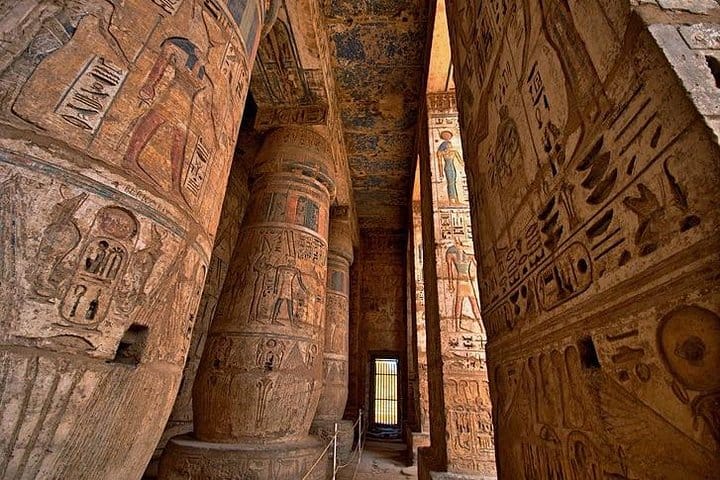
will pick you up from your hotel to visit Habu temple one of good preserved temple at west bank where still covered by remains of colours and then the temple of the great king Ramses II where there you will see the ruins of colossi of Ramses II and after that we will have lunch then we will visit Luxor temple
While it is not among the most well traveled sites on the West Bank, Medinat Habu is considered by many visitors to be among the most impressive sights they see in Luxor. This temple complex is impressively preserved, especially in comparison to the Ramesseum, on which its plan is based.
While the Ramesseum was built by a more famous pharaoh (Ramesses II), Medinat Habu, commissioned by Ramesses III, is a much more impressive sight with its pylon and many of its walls still intact and much more of the original painting visible on its carved surfaces.
Ramesses III (reign 1184—1153 BC) was the last of the great pharaohs of Egypt. After his reign, Egypt began a long decline that led to it being ruled by foreign powers for the majority of its history after the New Kingdom. After the empire stretched to its furthest extremes under Ramesses II, the pressure of invasion threats from multiple frontiers eventually proved too much most see it
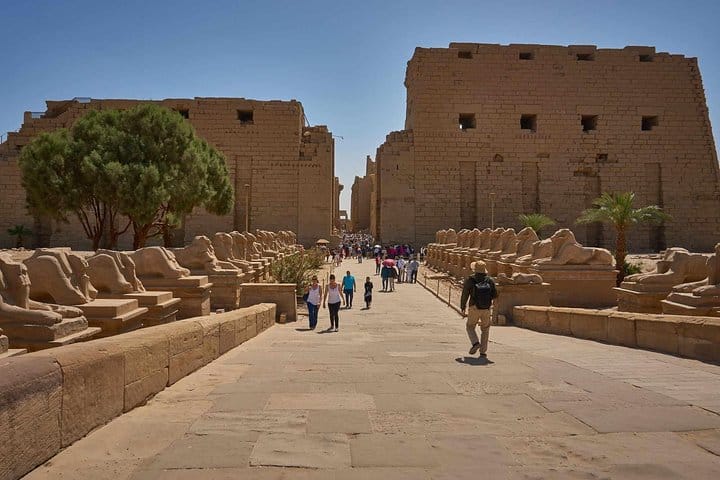
Pharaoh Amenhotep III, one of the great builders of ancient Egypt, was responsible for starting the construction of the Luxor temple during the New Kingdom ([ ] BC) following by Tutankhamun (1336-27 BC), then Horemheb ([ ] BC) and then finished by Rameses II (1279-13 BC).
The Luxor temple appears to be one of the many projects that Ramesses II commissioned during his long reign. Ramesses II also repurposed many existing monuments to add to his own reputation. The statuary and carvings that decorate the temple today mainly feature Ramses II.
Fully refundable until 1 day before start
Non-refundable after 1 day before start
Free Cancellation · Instant confirmation · Private tour
Instant confirmation · Pickup available
Free Cancellation · Instant confirmation · Private tour
 Temporarily unavailable
Free Cancellation · Instant confirmation · Private tour
 Elite
Elite
Free Cancellation · Instant confirmation · Private tour
 Elite
Elite
Free Cancellation · Instant confirmation · Pickup available
 Elite
Elite
Free Cancellation · Instant confirmation · Private tour
 Elite
Elite
Free Cancellation · Instant confirmation · Private tour
Our assistant finds tours and checks live dates and prices, and answers your questions.