

E-Bike Tour of Appian Way: Explore Aqueducts and Mausoleum
Cancellable until 1 day before · Instant confirmation · Meet on location

The Appian Way is one of the earliest and strategically most important Roman roads of the ancient republic. It connected Rome to Brindisi, in southeast Italy.
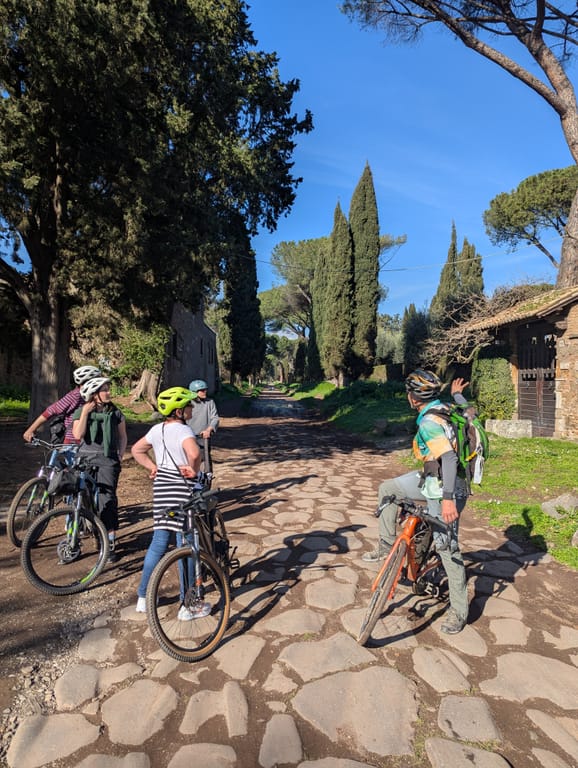
Many parts of the original road close to Rome have been preserved and it is possible to walk on the ancient roman paved made up of “sanpietrini” to feel completely immersed in the Ancient Roman atmosphere
Capo di Bove is an archeological site on the Appian Way on the outskirts of Rome. There are several well-preserved mosaics and the high quality of building materials used suggest a very elegant environment with the usual rooms found in Roman thermal baths like caldarium, a tepidarium and frigidarium. The site also includes a former farmhouse converted to host an internal exhibition contains photographs of the Appian Way in the first half of the 20th Century.
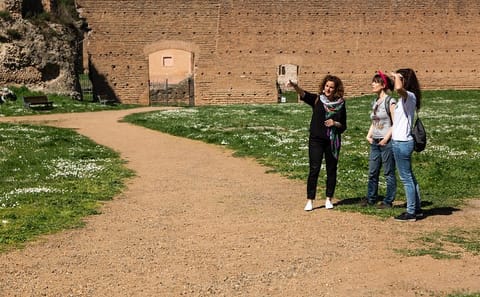
One of the most beautiful archaeological sites in the Roman countryside can be found between the second and third mile on the Via Appia Antica. This is the site of the Villa belonging to Emperor Maxentius. The archaeological complex consists of three main buildings: the palace, a circus and dynastic mausoleum. The three buildings were constructed to blend with the natural contours in the area, to avoid having to resort to extensive excavation works.
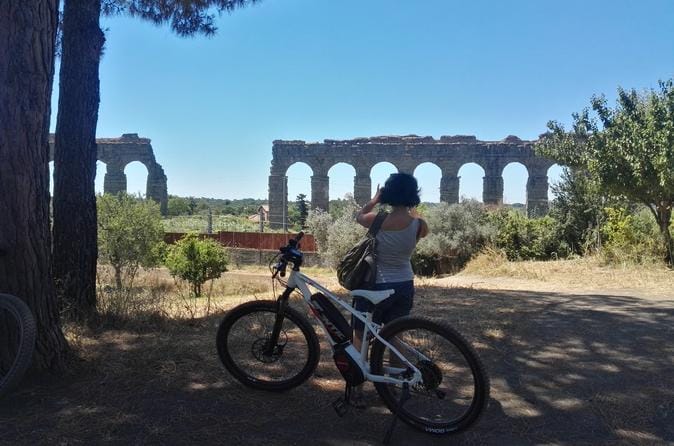
The Caffarella Valley, is a green oasis among roman buildings, comprising a fascinating mix of archaeological and ecological wonders set in a picturesque rural landscape.
The green fields, ancient monuments, old farm buildings, woods and ponds all merge into a single, unifying complex that represents a really attractive place to explore and to relax far away from the urban frenetic pace.
Largo dei Colli Albani
Fully refundable until 1 day before start
Non-refundable after 1 day before start
Cancellable until 1 day before · Instant confirmation · Meet on location
Cancellable until 1 day before · Instant confirmation · Meet on location
Free Cancellation · Instant confirmation · Private tour
Cancellable until 1 day before · Instant confirmation · Private tour
Free Cancellation · Instant confirmation · Private tour

Free Cancellation · Instant confirmation · Private tour

Free Cancellation · Instant confirmation · Private tour

Free Cancellation · Instant confirmation · Private tour
Our assistant finds tours and checks live dates and prices, and answers your questions.