


Osaka Castle Walking Tour
Free Cancellation · Instant confirmation · Meet on location

➤ Preparation
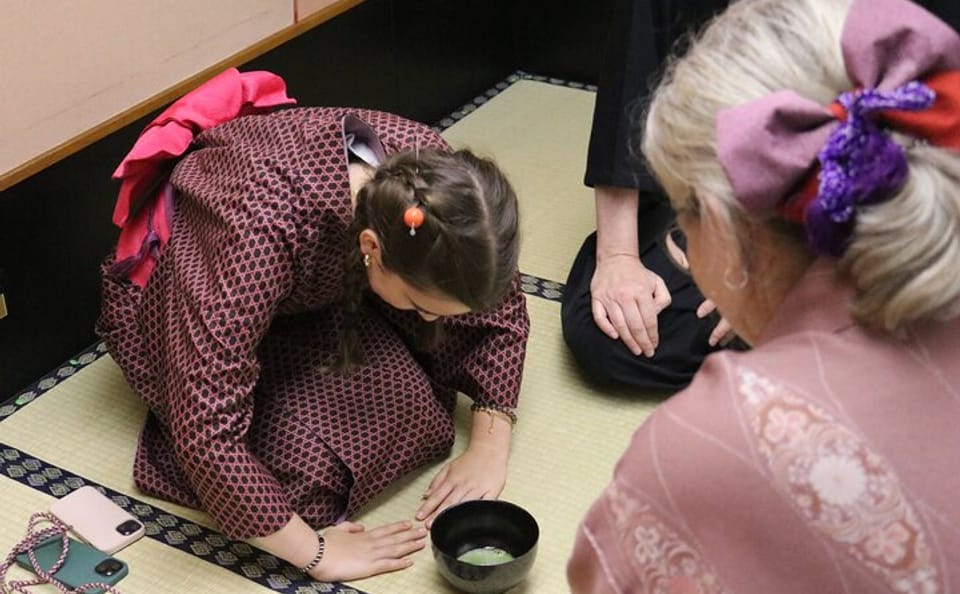
Zen lives on in the traditional culture of our country, and you can expect many changes by learning the tea ceremony. Before experiencing the tea ceremony, you will be asked to change into Japanese traditional clothes.
Activity,1
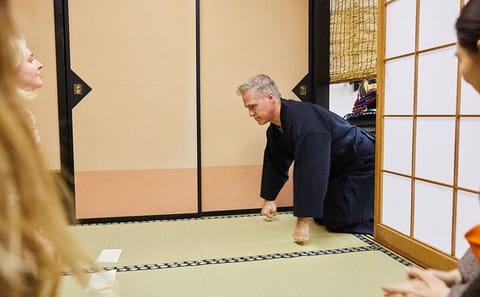
➤“Nijiriguchi”
This refers to the small entrance for guests in a tea room.
Activity,2
➤ Attitude
Students learn these rules by practicing them.
You will learn etiquette, manners, beautiful gestures, and the spirit of hospitality.
Activity,3
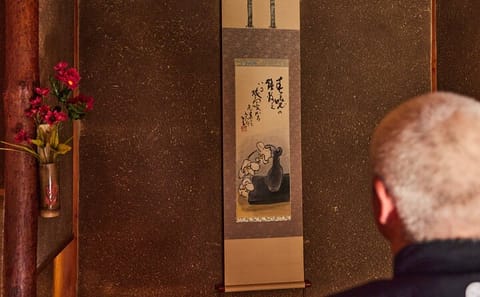
➤ Through wagashi, students learn about the wabi and sabi, the Japanese sense of beauty, the four seasons, etc
Activity,4
➤As a guest invited to the tea ceremony by the master, you will be treated with hospitality and experience the profound charm of the samurai Matcha tea.
Activity,5
➤Understand that hospitality is not a one-way street.
Activity,6
➤Photo Shoot in a Kimono
➤Female-only option/Dressing and hair setting time: 30 min
Optional additional fee 3300yen
Since ancient times, children and adults alike have worn kimonos with "Nihongami" a traditional Japanese style that has been worn in Japan for centuries.
There is a manner of wearing a kimono in which the wearer is not allowed to let his or her hair down.
The traditional Japanese hairstyle has changed over time, each time reflecting functionality, fashions, and cultural backgrounds. In modern times, this is the case when participating in Shinto rituals and the hairstyle of maiko (apprentice geisha) in Kyoto.
The "wagami" hairstyle is a more elegant alternative to the Japanese hairdo, and is usually worn with a kimono.
Collected hair + Kanzashi
Kanzashi are hair ornaments used in traditional Japanese hairstyles.
The updo gives a sense of cleanliness and good manners, and the single, dainty kanzashi gives a sense of dignity, gentleness, and inner beauty. Yes, to create the image of a Yamato Nadeshiko.
It expresses understated and natural beauty, the gentleness that oozes from within, and the softness, grace, and strength that Japanese women are considered to possess.
Wagashi are traditional Japanese sweets that embody the seasons. They are characterized by their vibrant designs and the beautiful, intricate craftsmanship created by artisans, each piece made by hand.
Seasonal flowers and fruits featured in our other activity, [Nerikiri Making]
[Spring] March, April, May
Cherry Blossoms
White Peaches
[Rainy Season] June
Hydrangeas
Musk Grapes
[Summer] July–August
Sunflowers
Watermelon
[Fall] September–November
Chrysanthemums
Persimmons
[Winter] December–February
Snow-resistant camellias
Yuzu
Wagashi is a culture in itself—one that can express various worldviews, such as wabi-sabi and the four seasons of Japan, within its small form.
Wagashi, which developed alongside the tea ceremony, is a uniquely Japanese culinary tradition. It is said to deeply reflect the Japanese spirit of appreciating the four seasons and to possess a beauty that resonates with the concepts of wabi and sabi.
Learning about wagashi allows you to engage with Japanese history and culture, helping you understand the Japanese sense of beauty. Through the process of making these sweets, you can gain insight into Japanese food culture.
- “They’re too beautiful to eat.”
When faced with wagashi, the first thing you notice is their visual beauty. They are brimming with a delicate and gentle charm—clearly the result of meticulous handiwork—that beautifully expresses the four seasons.
However, in Japanese culture, “sweetness” alone tells only half the story. To truly complete the expression of wagashi, let’s step into the profound world of the tea ceremony and experience the spirit of “wabi-sabi.”
~The Ultimate Harmony Woven by Yin and Yang~
Why pair sweet wagashi with bitter tea? It is an expression of the Japanese concept of “Yin and Yang.” The slightly bitter matcha you’ve prepared yourself and the sweet, handmade wagashi. When these two opposites meet on your palate…
Perfect “Harmony”
is born. It is by experiencing bitterness that you can truly appreciate the profound depth of sweetness.
SAMURAI HONOR
Fully refundable until 1 day before start
Non-refundable after 1 day before start
Free Cancellation · Instant confirmation · Meet on location

Free Cancellation · Instant confirmation · Meet on location
Free Cancellation · Instant confirmation · Meet on location

Free Cancellation · Instant confirmation · Private tour

Free Cancellation · Instant confirmation · Min age 12+
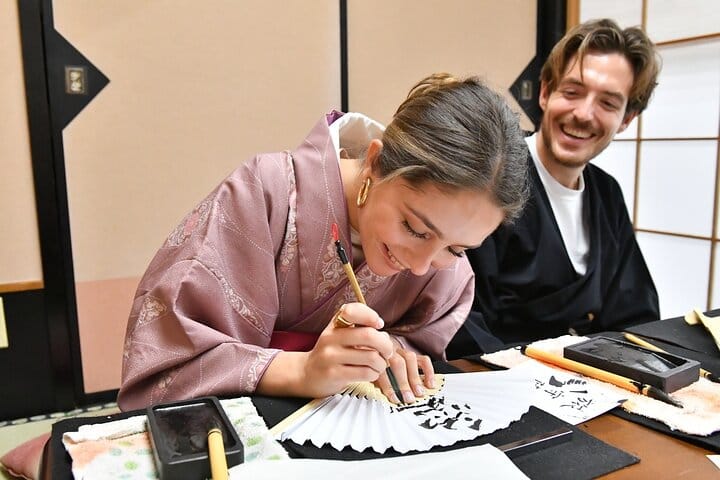
Free Cancellation · Instant confirmation · Meet on location
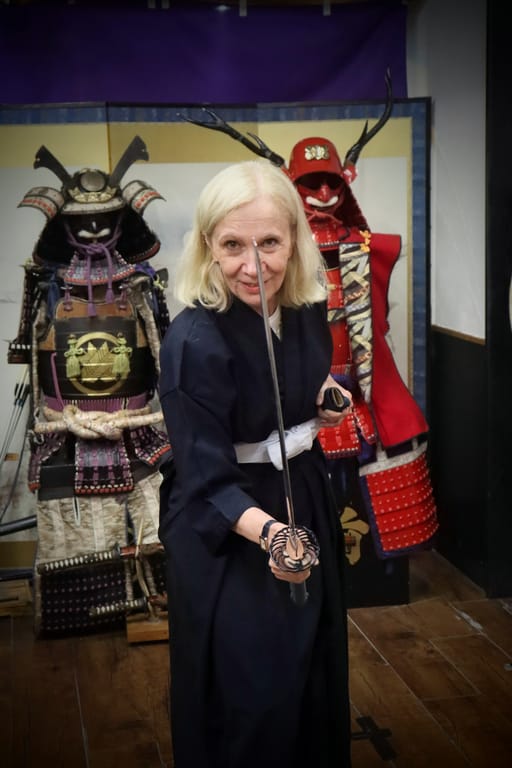
Free Cancellation · Instant confirmation · Meet on location
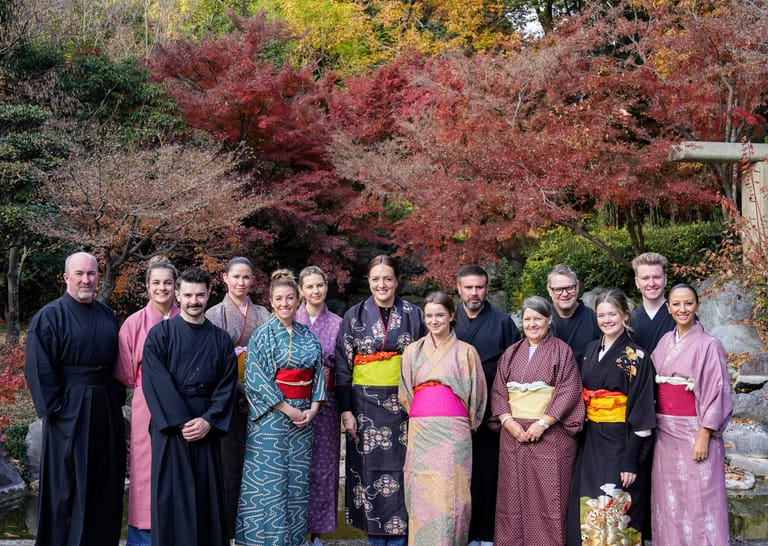
Instant confirmation · Private tour · Meet on location or pickup
Our assistant finds tours and checks live dates and prices, and answers your questions.