

Cultural Walking Tour of Historic Venice Landmarks
Free Cancellation · Instant confirmation · Meet on location

Vous voilà en face de la “mamma” de tous les édifices religieux de Venise. Historiquement à la recherche de prestige, la cité des Doges ambitionnait l’idée de pouvoir accueillir une relique qui serait à la hauteur de ses prétentions.
On vous l’accorde, d’un pont à un autre à Venise, les différences ne sont pas franchement frappantes. Sauf peut-être avec celui-ci ! Enjambant le Grand Canal, comme trois autres de ses compagnons, le pont de l’Accademia doit son existence aux Autrichiens.
Que serait Venise sans ses ponts ? Voilà une question que plus d’une personne s’est déjà posée. Le truc, c’est que pour le savoir, il nous faudrait faire un sacré bon arrière dans l’histoire. La Venise, telle qu’on la connaît aujourd’hui, est bien différente de celle du passé.
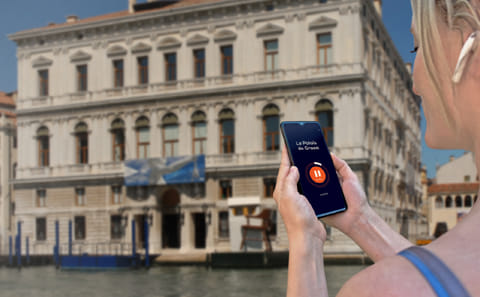
Maintenant que vous êtes arrivée au bord du canal, portez votre regard sur le quai d’en face et plus précisément sur la première bâtisse à 3 niveaux, à gauche du clocher de l’église. Construit entre 1748 et 1772 pour le compte d’une riche famille vénitienne, qui lui donnera son nom, le Palais de Grassi est depuis 2005 une adresse culturelle de Venise.
Autrefois la maison de Francesco Foscari, 65e doge de Venise, l’ancien palais sur votre droite a toujours été rattaché au monde de l’enseignement. En 1866, un juif vénitien y fonde l’École royale supérieure de commerce de la ville, dont l’objectif final était de perfectionner les commerçants et de préparer les professeurs en sciences commerciales aux instituts secondaires.
Deuxième plus vaste édifice de Venise, la basilique dei Frari, tel que nous la percevons aujourd’hui, a mis plus de 100 ans pour être construite. Outre son haut campanile de 70 mètres, du XIVe siècle, le monument renvoie une façade extérieure toute simple, faite de brique et de quelques éléments en pierre blanche et rose.
En tout, la belle Venise ne compte pas moins de six quartiers. Et, sans vraiment le savoir, vous êtes actuellement dans l’un des plus anciens, mais surtout le plus petit d’entre eux : San Polo.
Tout en couleur, et chargé en bonne odeur, voilà un autre arrêt typiquement vénitien qui prend place droit devant vous. Dans un secteur où se concentraient déjà autrefois le commerce de tissus, les échanges d’épices et autres négoces de denrées, le marché Rialto fait partie de l'identité de Venise depuis le XIIIe siècle.
Grande star des publicités touristiques de Venise, le pont Rialto est l’un des symboles les plus connus de la cité des Doges. Sauf qu’avant d’en arriver à ce succès-là, le monument a traversé une histoire plutôt longue et compliquée.
D’une ruelle étroite à un pont tout courbé, il est courant de traverser des places à Venise. Mais attention, pour ne pas risquer de froisser les locaux, il faut savoir qu’il n’existe qu’une seule et réelle place dans la ville. Naturellement, c’est la place Saint-Marc.
Venise fait partie de ces destinations où l’on aime y séjourner plus d’une fois. On ne saurait dire si c’est son ambiance romantique ou bien les eaux paisibles de sa lagune qui nous bercent le plus. Mais au fond, connaissez-vous réellement Venise ?
C’est positionné face au canal que normalement, vous devez apercevoir la silhouette d’une tour qui s’élance dans le ciel. Situé sur l’île du même nom, le campanile de San Giorgio est le troisième plus grand de sa catégorie dans toute la ville.
Tous ceux qui ont déjà pu l’approcher vous diront que cette figure vénitienne fascine autant par sa beauté, son histoire et toutes les légendes qui l'entourent. Construit au début du XVIIe siècle, le pont des Soupirs servait autrefois de liaison entre le palais des Doges et la nouvelle prison de l’autre côté.
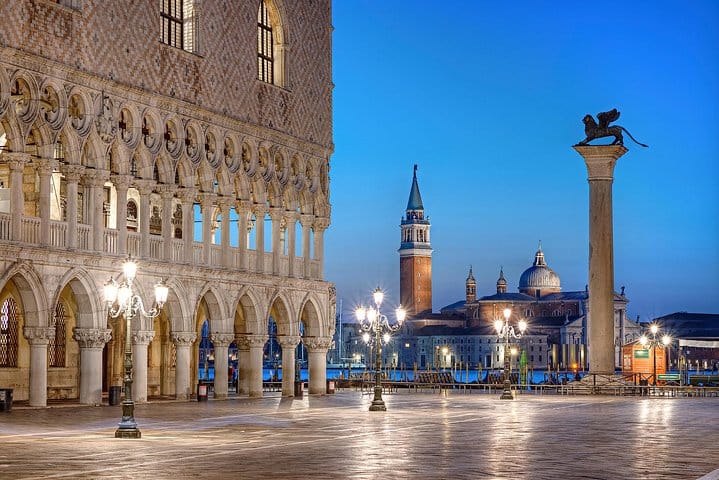
S’il y a bien un palais qui surpasse tous les autres à Venise, c’est de loin celui qui se trouve sur votre droite. En raison de son prestigieux passé et de sa sublime architecture, le Palais des Doges demeure l’un des symboles les plus forts de la ville.
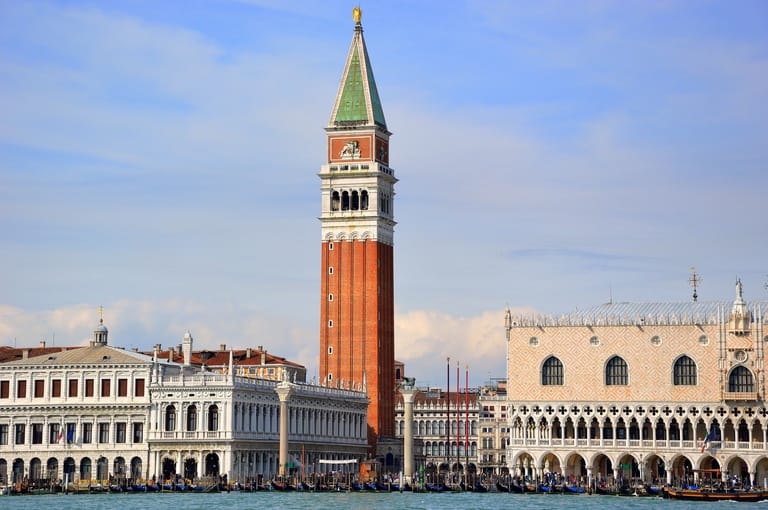
Affectueusement appelé le “Patron de la Maison” par les Vénitiens, le Campanile Saint-Marc est un symbole ancien de la ville. Sa toute première construction, ordonnée en 888 par le 17e doge de Venise, n’a jamais pu aboutir suite à un effondrement du sol, alors que la tour était en pleine édification.
Postée sur le côté gauche de la place Saint-Marc, la Tour de l’Horloge est un réel bijou d’art et de mécanique. Elle fut construite au XVe siècle, sous ordre du Sénat de la République de Venise, pour marquer le passage de la plus grande place de la cité des Doges vers les petites ruelles commerçantes, de l’autre côté, appelées les Merceries.
Seule “grande” place de Venise, la place Saint-Marc est en quelque sorte le cœur de la ville. Sa construction a débuté au IXe siècle et sa physionomie générale définitive n’a été achevée qu’en 1177.
Perdu dans un labyrinthe de ruelles en cul-de-sac, le Palais Contarini del Bovolo est un petit trésor caché. Construit vraisemblablement au XIVe siècle, l’édifice a vu naître sa notoriété lorsqu’une branche de la famille vénitienne Contarini en a fait sa résidence.
Qui n’a jamais entendu dans la bouche d’un proche, d’un ami, ou d’une connaissance, qu’il ne faut jamais se fier aux apparences. Incroyable, mais vrai, derrière cette façade discrète néo-classique se cache l’une des plus belles scènes lyriques au monde.
Dans la grande famille des campaniles que compte Venise, on vous présente celui de Santo Stefano et ses 61 mètres de hauteur. Si ses origines ont été évaluées au XIIe siècle, son aspect actuel, lui, est bien plus récent.
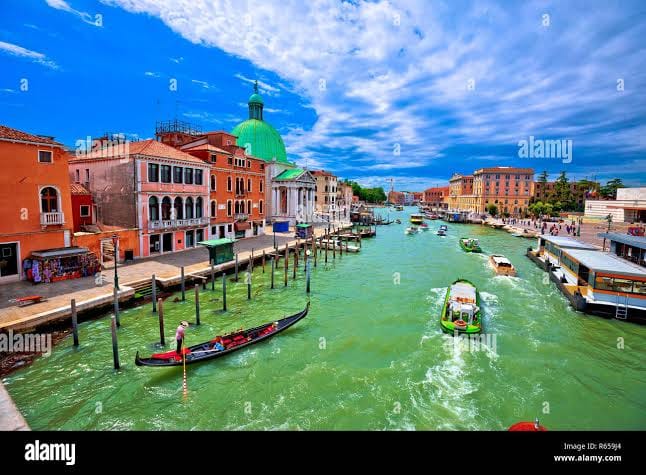
Semblable à l’une des plus belles avenues du monde avec ses splendides églises et palais, échelonnés comme les arbres au bord d’une route, le Grand Canal est souvent la première chose que l'on découvre à Venise.
Plutôt en dehors des sentiers battus et de l’affluence touristique, le Peggy Guggenheim Collection est l’une des plus importantes adresses culturelles de Venise. Au XVIIIe siècle, le site appartenait à la puissante famille Venier dei Leoni qui, engagée à construire le plus beau palais du Grand Canal, ne verra finalement pas son souhait se concrétiser.
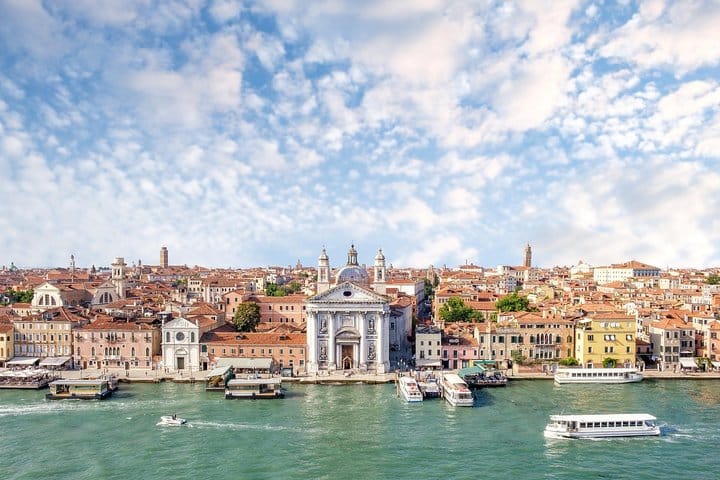
À Venise, il n’est pas nécessaire de se trouver sur la place Saint-Marc pour être un monument emblématique. Située dans le quartier Dorsoduro, et presque à l’extrémité sud du Grand Canal, la Basilique Santa Maria della Salute est un repère spatial et symbolique pour les Vénitiens.
En plus d’avoir atteint l’extrémité du quartier de Dorsoduro, vous êtes également arrivé à l’endroit que l’on appelle, ici, la Punta della Dogana. Au XVe siècle, les bateaux devaient s’y amarrer pour se prêter au contrôle du bureau des douanes.
Petit coin charmant et assez méconnu, les Zattere étaient l’endroit où accostaient autrefois les embarcations pour déposer leurs cargaisons de bois. Et oui, il ne faut pas oublier qu’à cette période tout était construit à partir de ce matériau naturel.
Situé sur la partie sud-ouest de la ville, le quartier Dorsoduro, que l’on traduit par “Dos dur”, tire son nom de la solidité plus ferme des terrains qui le composent. Si les galeries d’art et les universités le rendent artistique et culturel, le Dorsoduro est plutôt connu pour être la zone “chic” de Venise.
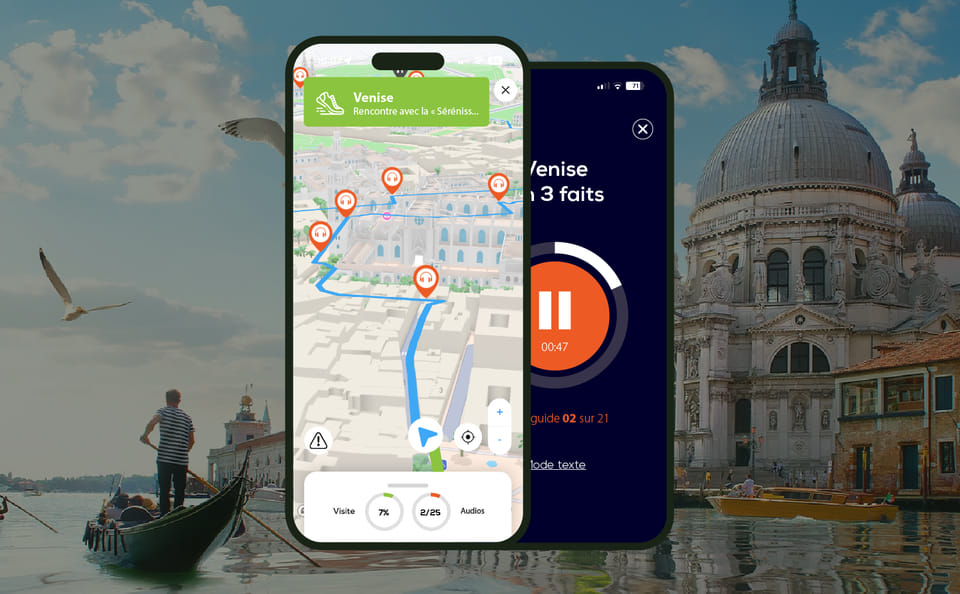
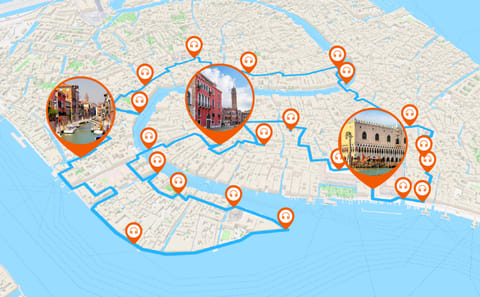
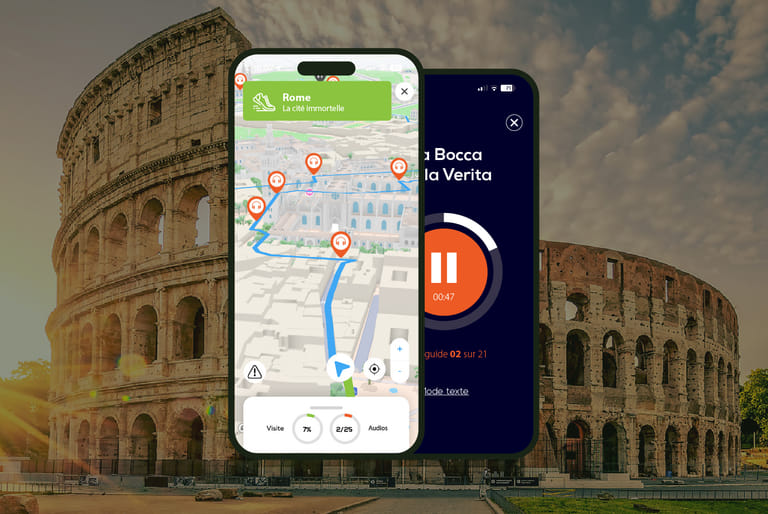
Nous construisons nos circuits sous forme de boucle afin que vous puissiez démarrer facilement la visite au point le plus proche de vous, le guidage s’adaptera automatiquement. Si vous êtes à proximité, nous vous conseillons un point de départ idéal.
Fully refundable until 1 day before start
Non-refundable after 1 day before start
Free Cancellation · Instant confirmation · Meet on location
 Temporarily unavailable
Instant confirmation · Private tour · Meet on location
Free Cancellation · Instant confirmation · Pickup available
Free Cancellation · Instant confirmation · Meet on location
Free Cancellation · Instant confirmation · Private tour
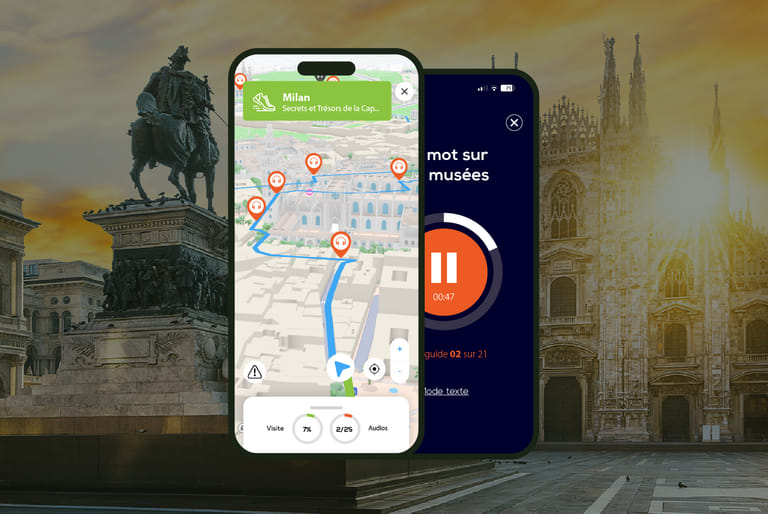
Free Cancellation · Instant confirmation · Private tour
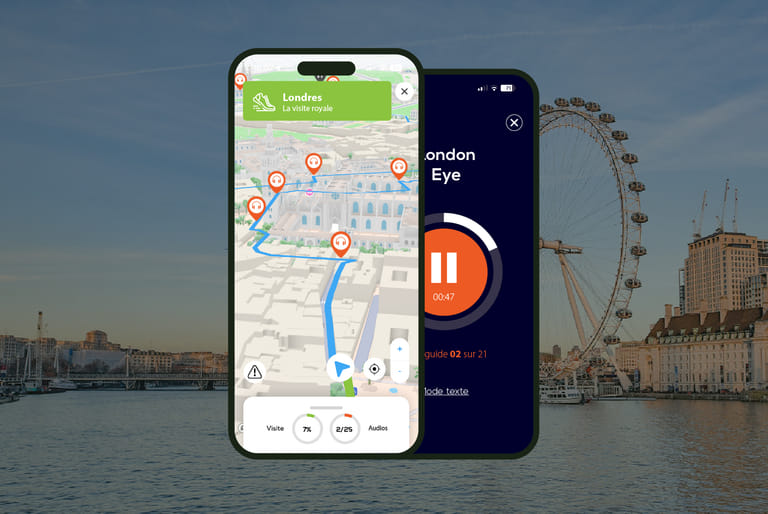
Free Cancellation · Instant confirmation · Private tour
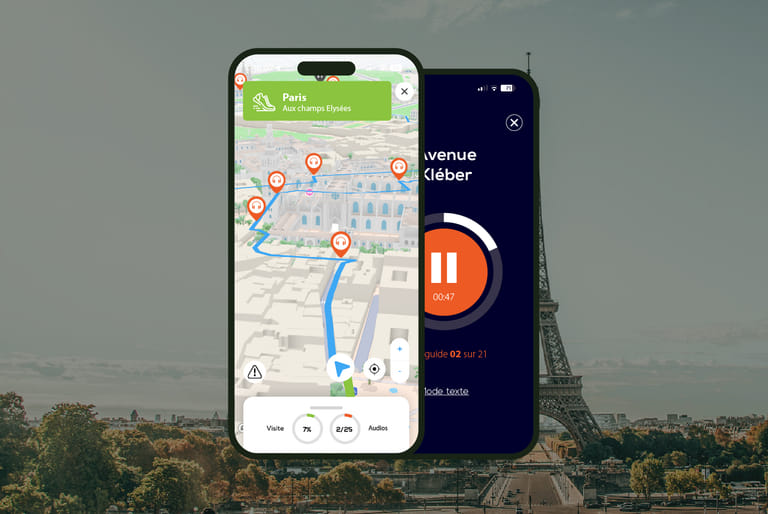
Free Cancellation · Instant confirmation · Private tour
Our assistant finds tours and checks live dates and prices, and answers your questions.