

Guided Walking Tour of Rome's Hidden Historical Gems
Free Cancellation · Instant confirmation · Meet on location

Nous nous dirigeons, vous l’avez deviné, vers le célèbre colosse de Rome, mais si vous êtes également intéressé par la visite d’églises majeures de Rome, sachez que si vous poursuivez sur la Via Cavour que vous avez sur votre gauche, vous arriverez à la fameuse Basilique Sainte-Marie Majeure
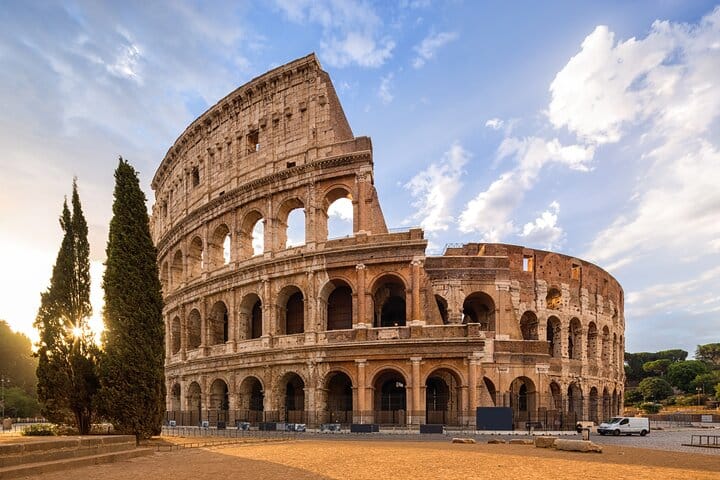
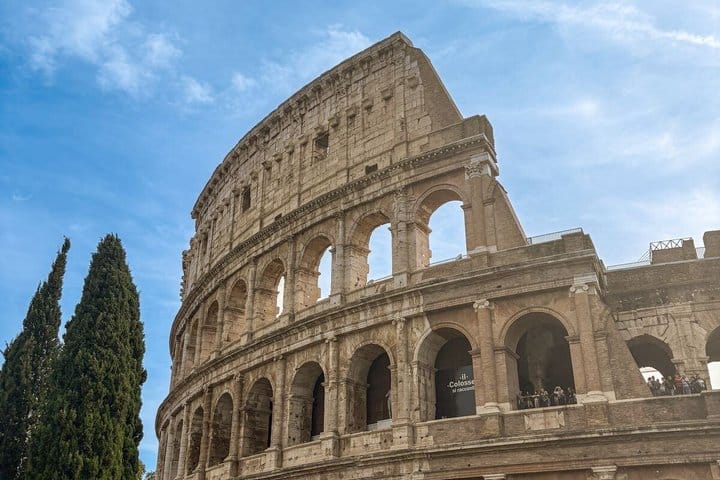
Oui, c’est énorme ! Vous voilà face à celui que l’on nomme le Colosse de Rome! L'amphithéâtre flavien, qui se dresse devant vous, est le plus grand jamais bâti par les Romains ! Cela dit, son nom de Colosse ne vient pas de sa taille, mais de la statue colossale qui ornait son entrée.
Juste à côté du Colisée, nous voici à présent devant l’Arc de Constantin. Il a été commandé par le Sénat pour célébrer les 10 années du règne de l’empereur Constantin, en rappelant sa grande victoire sur Maxence à la bataille du pont de Milvius.
Nous contournons à présent le mont Palatin. Vous pouvez, bien évidemment, prendre une entrée et visiter la colline légendaire de la fondation de Rome.
Vous passez à présent sous une arche de l’ancien aqueduc Aqua Claudia, qui alimentait Rome en eau potable. L’Aqueduc est construit sous le règne de Claude, vous l’auriez deviné, qui est le 4e empereur romain, et a été inauguré en 55.
Si vous n’avez pas coupé à travers le mont Palatin, vous avez alors l’occasion de découvrir le Cirque Maxime. Alors, oui, il va falloir user de votre imagination, car il ne reste pas grand-chose de la grandeur passée du site.
Nous arrivons sur la Piazza della bocca della verita. Pas besoin d’avoir fait Italien LV2 pour comprendre qu’il y a une histoire de bouche de vérité par ici ! Approchez-vous de l’église Santa Maria in Cosmedin.
On ne peut pas faire deux pas à Rome sans tomber sur un vestige de l’antiquité. Traversant la place, vous vous retrouvez sur l’ancien Forum Boarium, littéralement l’ancien marché aux bœufs.
Tous ceux qui ont aimé Rome vous le diront, une visite de cette ville immortelle n’est pas complète sans avoir franchi le Tibre et déambulé dans le pittoresque quartier du Trastevere.
Vous arrivez sur la piazza Mastai, nommée après le Pape Pie IX dont le vrai nom était Giovanni Mastai. La place a pris son nom, car c’est ici que le pape décida de faire construire, en 1860, la manufacture pontificale de tabac que vous voyez en face de vous.
Vous voilà au cœur du quartier de Trastevere face à une basilique plutôt intéressante ! On pense que c’est le premier lieu officiel du culte chrétien.
Juste un mot sur la porte que vous voyez à votre gauche. C’est la porte de Settimiana. Elle fait partie des vestiges des remparts construits par l’empereur Aurélien au IIIe siècle.
Vous repassez de l’autre côté du Tibre grâce au pont Sisto face à la place Trilussa. Ce pont, reconstruit par le Pape Sixte IV au XVe siècle, remplace un premier pont antique probablement détruit lors d’une importante crue du fleuve en 791.
Vous avez certainement remarqué ces plaques portant la mention SPQR et disséminées un peu partout dans Rome. Il s’agit de la devise de la République romaine, puis de l’Empire romain.
Nous arrivons à présent sur une petite place moins connue de Rome, qui abrite cependant l’une des plus belles fontaines de la ville : La Fontaine des Tortues.
Vous voyez sur votre gauche, les vestiges des colonnes qui appartenaient autrefois au temple des Nymphes. Dans le folklore grec ancien, les nymphes sont des personnifications de la nature, représentées comme des jeunes filles et souvent reliées à un lieu en particulier.
Avant de se plonger dans l’Empire romain et de côtoyer César et Auguste, il est peut-être important de saluer le personnage principal de l’Italie réunifiée. Celui que l’on nomme le Père de la Patrie.
Vous avez ici sur votre gauche, des vestiges plutôt intéressants puisqu’il s’agit du seul exemple d’insula romain auquel nous avons accès aujourd’hui. Une insula, qui en latin signifie île, est l’ancêtre de nos immeubles.
Vous voilà au cœur de Rome. Au sommet de la plus petite de ses sept collines. La colline du Capitole. À l’Antiquité, il y avait là une place fortifiée, symbole du pouvoir politique et religieux de la ville, ouverte sur le Forum.
Voilà, du haut de sa colonne, la célèbre Louve de Romulus et Rémus. L’originale, datant du Moyen-Âge, est au musée du Capitole, mais au moins, si vous n’aviez pas l’intention d’y entrer, vous pouvez en admirer la réplique !
Alors là, soyez prêt à faire un vrai bon dans le temps. Essayez déjà de vous imaginer vers le Xe siècle avant notre ère. C’est un terrain marécageux et inhospitalier que vous avez devant vous, il sert de nécropole aux villages des sept collines environnantes.
Vous avez à présent une vue imprenable sur l’Arc de Septime Sévère et ses superbes bas-reliefs. Construit en 203 après Jésus-Christ, il est dédié par le Sénat à l’empereur Septime Sévère et à ses fils, pour commémorer sa victoire militaire sur les Parthes.
Cette petite passerelle, qui apparait devant vous, offre une belle vue dégagée sur le Forum de Trajan. Il s’agit du dernier forum impérial érigé à Rome, au premier siècle après Jésus-Christ.
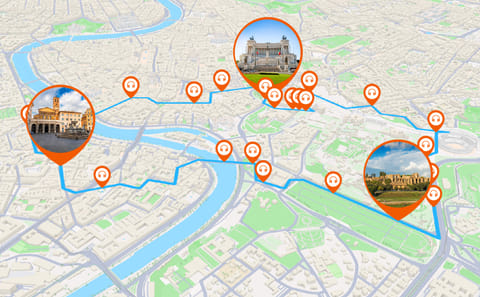
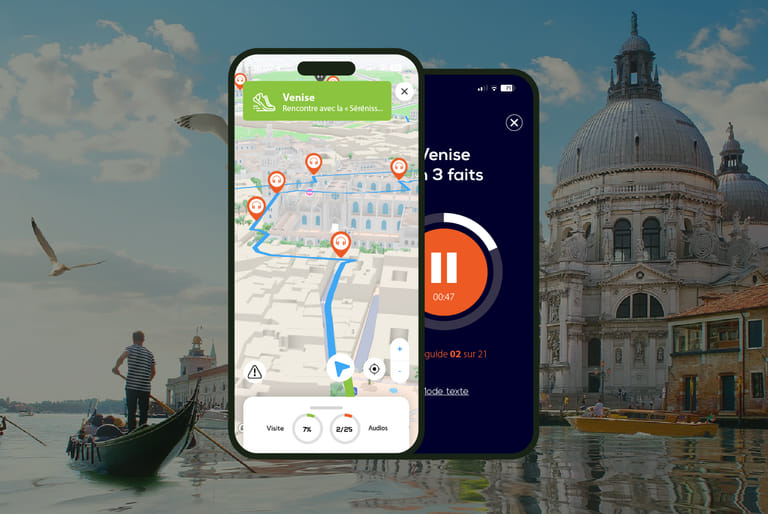
Nous construisons nos circuits sous forme de boucle afin que vous puissiez démarrer facilement la visite au point le plus proche de vous, le guidage s’adaptera automatiquement. Si vous êtes à proximité, nous vous conseillons un point de départ idéal.
Fully refundable until 1 day before start
Non-refundable after 1 day before start
Free Cancellation · Instant confirmation · Meet on location
Free Cancellation · Instant confirmation · Meet on location
 Elite
Elite
Instant confirmation · Meet on location
 Temporarily unavailable
Instant confirmation · Private tour · Meet on location
Free Cancellation · Instant confirmation · Private tour
Free Cancellation · Instant confirmation · Private tour
Free Cancellation · Instant confirmation · Private tour
Free Cancellation · Instant confirmation · Private tour
Our assistant finds tours and checks live dates and prices, and answers your questions.