 Elite
Elite
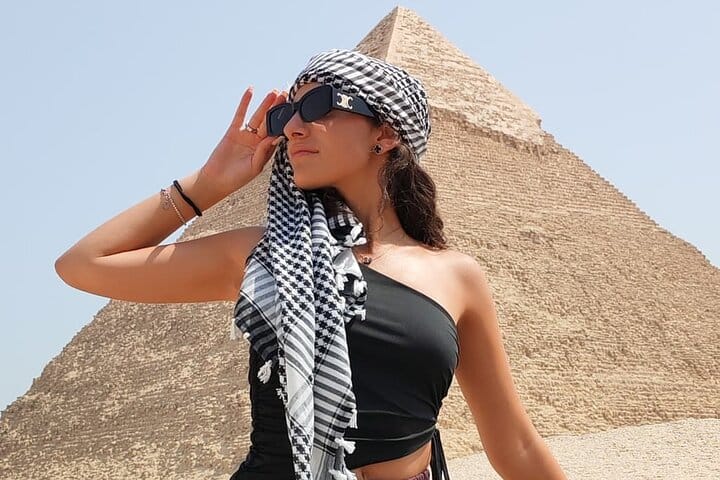
Giza Pyramids Tour with Camel Ride and Lunch
Free Cancellation · Instant confirmation · Private tour

General plateau entry is one ticket; going inside the Great Pyramid is a separate, limited-quota add-on that regularly sells out by mid-morning. Compare inclusions carefully below — some tours bundle interior access and skip-the-line handling, others only cover the base plateau ticket.
Elite
Free Cancellation · Instant confirmation · Private tour
 Elite
Elite
Free Cancellation · Instant confirmation · Private tour
 Elite
Elite
Free Cancellation · Instant confirmation · Private tour
 Elite
Elite
Free Cancellation · Instant confirmation · Private tour
 Elite
Elite
Free Cancellation · Instant confirmation · Private tour
 Elite
Elite
Free Cancellation · Instant confirmation · Private tour
 Elite
Elite
Free Cancellation · Instant confirmation · Private tour
 Elite
Elite
Free Cancellation · Instant confirmation · Pickup available
 Elite
Elite
Instant confirmation · Pickup available
 Elite
Elite
Free Cancellation · Instant confirmation · Private tour
 Elite
Elite
Free Cancellation · Instant confirmation · Private tour
 Elite
Elite
Instant confirmation · Pickup available
 Elite
Elite
Instant confirmation · Private tour · Pickup available
 Elite
Elite
Free Cancellation · Instant confirmation · Private tour
 Elite
Elite
Free Cancellation · Instant confirmation · Private tour
 Elite
Elite
Free Cancellation · Instant confirmation · Private tour
 Elite
Elite
Free Cancellation · Instant confirmation · Private tour
 Elite
Elite
Free Cancellation · Instant confirmation · Private tour
 Elite
Elite
Free Cancellation · Instant confirmation · Meet on location or pickup
 Elite
Elite
Free Cancellation · Instant confirmation · Private tour
 Elite
Elite
Free Cancellation · Instant confirmation · Private tour
 Elite
Elite
Free Cancellation · Instant confirmation · Private tour
 Elite
Elite
Free Cancellation · Instant confirmation · Private tour
 Elite
Elite
Free Cancellation · Instant confirmation · Private tour
 Elite
Elite
Free Cancellation · Instant confirmation · Private tour
 Elite
Elite
Free Cancellation · Instant confirmation · Private tour
 Elite
Elite
Cancellable until 1 day before · Instant confirmation · Pickup available
 Elite
Elite
Free Cancellation · Instant confirmation · Private tour
 Elite
Elite
Free Cancellation · Instant confirmation · Private tour
 Elite
Elite
Free Cancellation · Instant confirmation · Private tour
 Elite
Elite
Free Cancellation · Instant confirmation · Private tour
 Elite
Elite
Free Cancellation · Instant confirmation · Private tour
 Elite
Elite
Free Cancellation · Instant confirmation · Private tour
 Elite
Elite
Instant confirmation · Meet on location
 Elite
Elite
Free Cancellation · Instant confirmation · Meet on location
 Elite
Elite
Free Cancellation · Instant confirmation · Pickup available
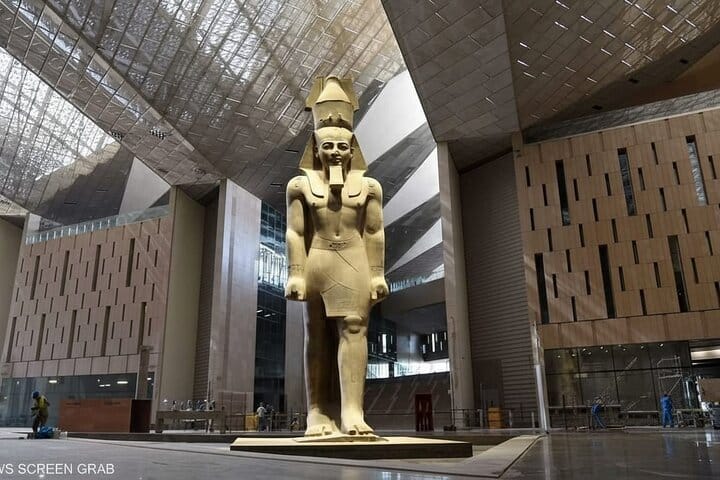
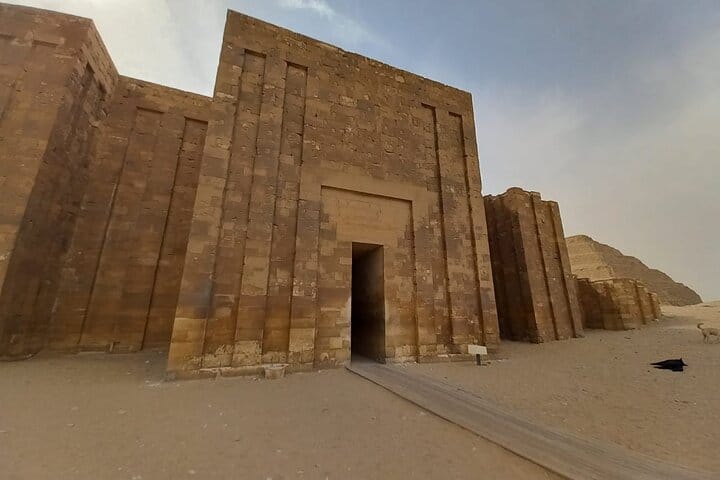
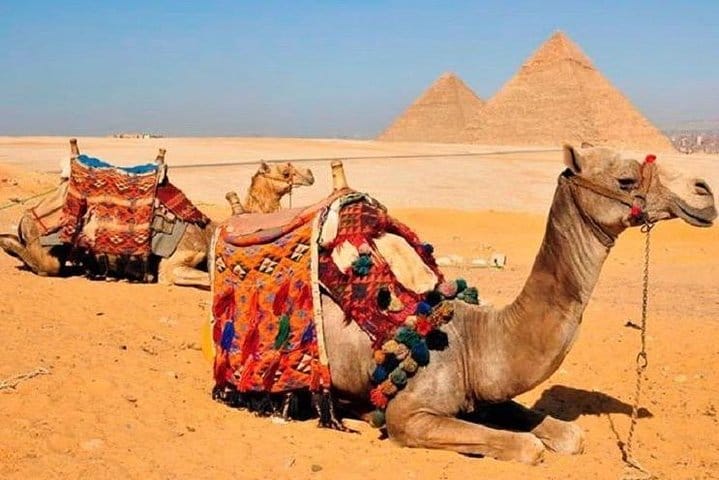
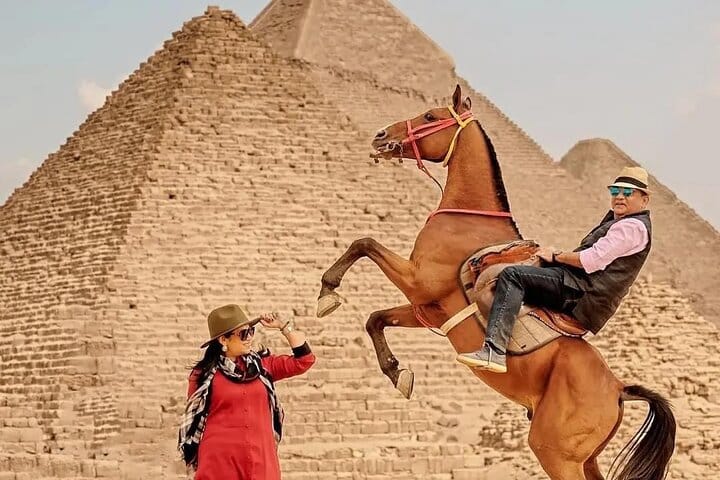
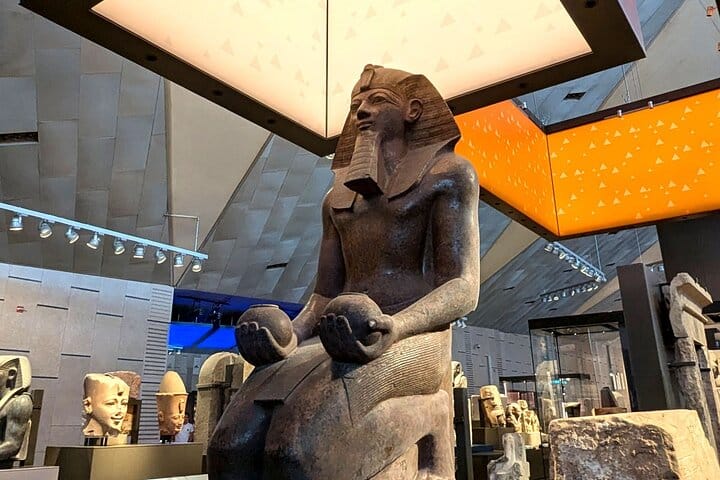
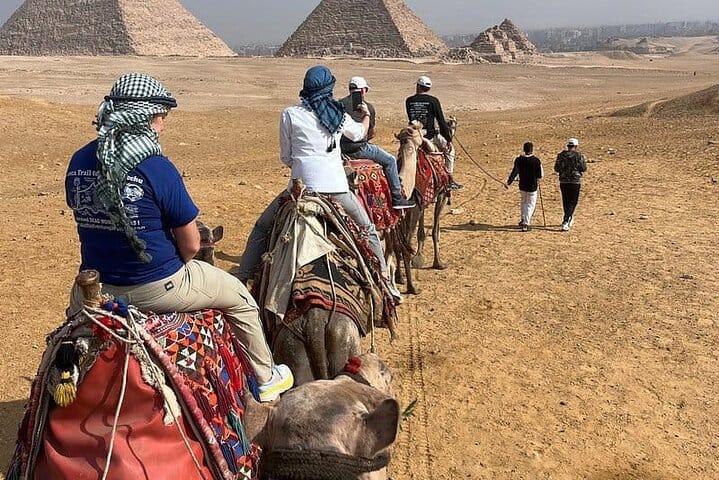
An Egyptologist guide is the difference between walking past unlabeled mastaba tombs and understanding the burial complex around the pyramids. Choose from half-day plateau tours, sunrise photography sessions, camel or horseback rides along the desert ridge, or full-day combinations that pair Giza with Saqqara, Dahshur, or the Grand Egyptian Museum.
 Elite
Elite
Free Cancellation · Instant confirmation · Private tour
 Elite
Elite
Free Cancellation · Instant confirmation · Private tour
 Elite
Elite
Free Cancellation · Instant confirmation · Private tour
 Elite
Elite
Free Cancellation · Instant confirmation · Private tour
 Elite
Elite
Free Cancellation · Instant confirmation · Private tour
 Elite
Elite
Free Cancellation · Instant confirmation · Private tour
 Elite
Elite
Free Cancellation · Instant confirmation · Private tour
 Elite
Elite
Free Cancellation · Instant confirmation · Private tour
 Elite
Elite
Free Cancellation · Instant confirmation · Private tour
 Elite
Elite
Instant confirmation · Meet on location
 Elite
Elite
Instant confirmation · Pickup available
 Elite
Elite
Instant confirmation · Pickup available
 Elite
Elite
Free Cancellation · Instant confirmation · Private tour
 Elite
Elite
Free Cancellation · Instant confirmation · Private tour
 Elite
Elite
Free Cancellation · Instant confirmation · Private tour
 Elite
Elite
Free Cancellation · Instant confirmation · Private tour
 Elite
Elite
Free Cancellation · Instant confirmation · Private tour
 Elite
Elite
Free Cancellation · Instant confirmation · Private tour
 Elite
Elite
Cancellable until 1 day before · Instant confirmation · Pickup available
 Elite
Elite
Cancellable until 1 day before · Instant confirmation · Pickup available
 Elite
Elite
Cancellable until 1 day before · Instant confirmation · Pickup available
 Elite
Elite
Free Cancellation · Instant confirmation · Private tour
 Elite
Elite
Free Cancellation · Instant confirmation · Private tour
 Elite
Elite
Free Cancellation · Instant confirmation · Private tour
 Elite
Elite
Free Cancellation · Instant confirmation · Private tour
 Elite
Elite
Instant confirmation · Meet on location
 Elite
Elite
Instant confirmation · Meet on location
 Elite
Elite
Free Cancellation · Instant confirmation · Pickup available
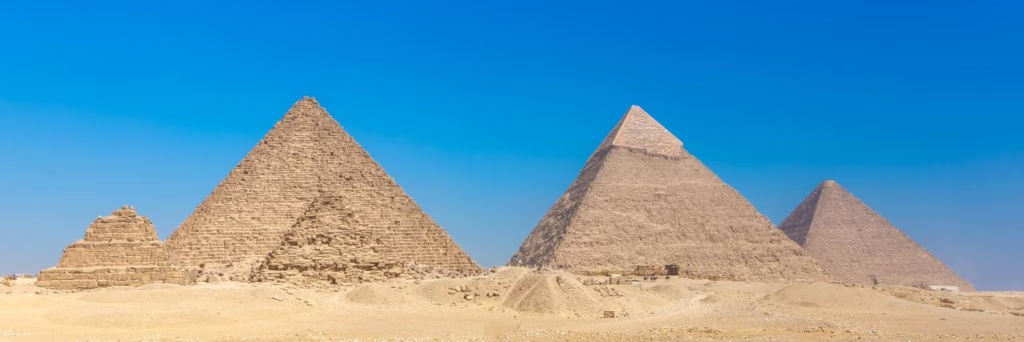
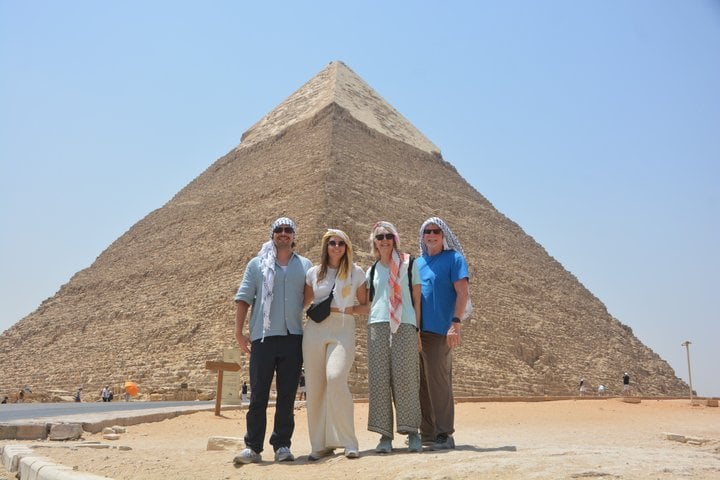
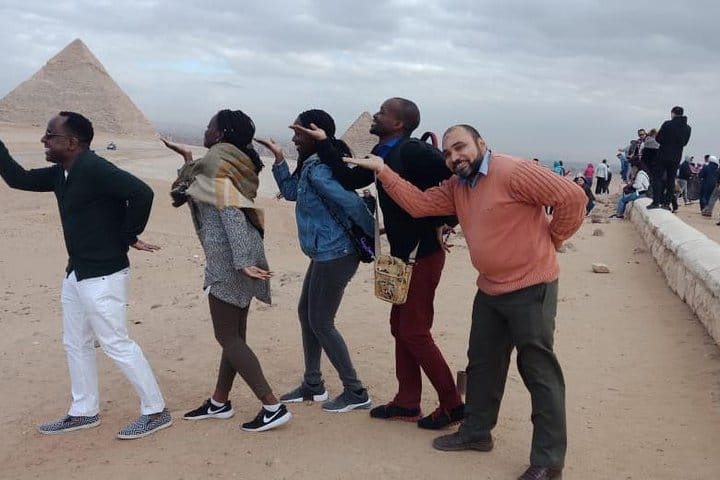
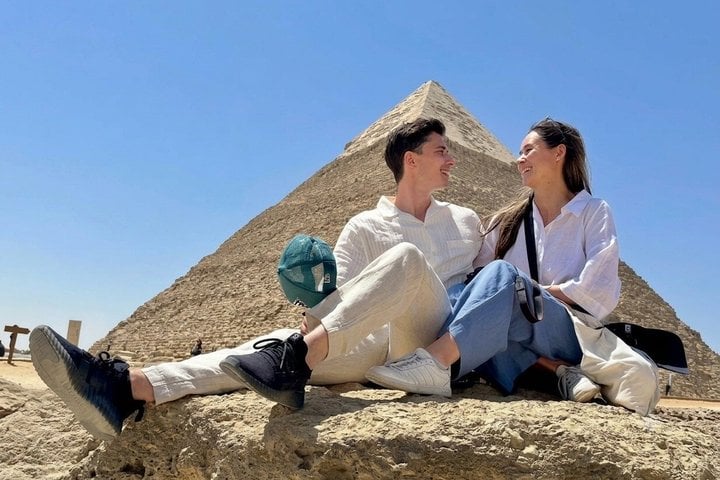
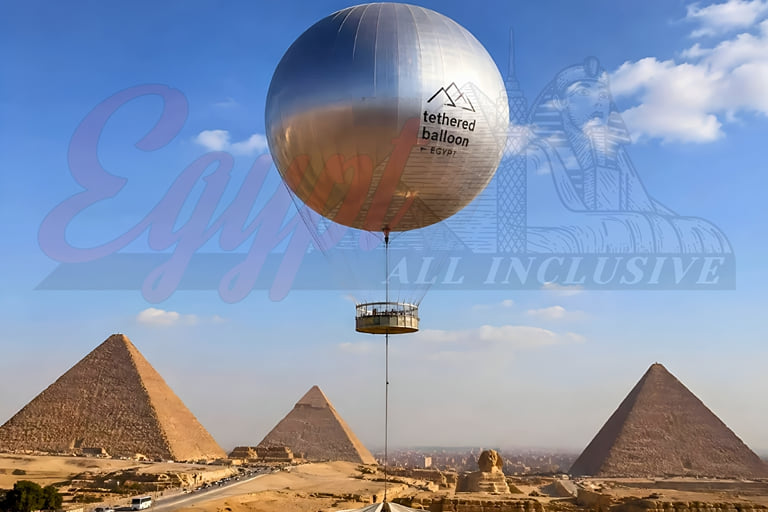
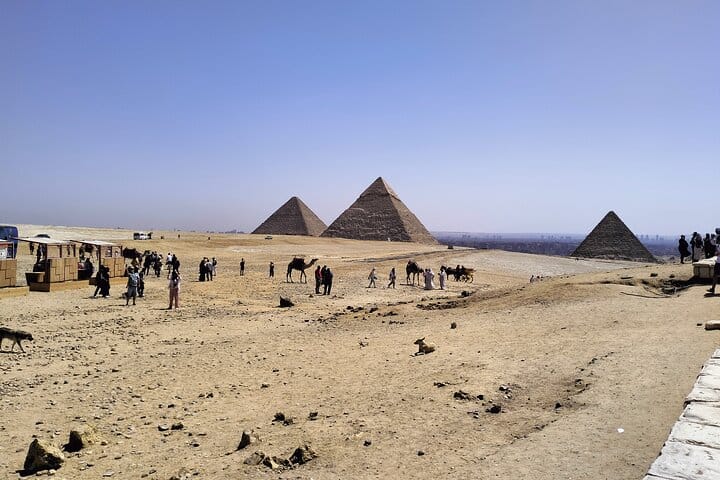
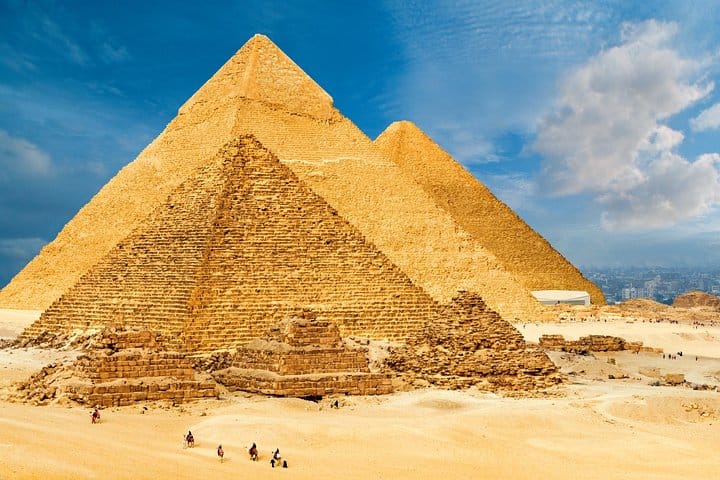
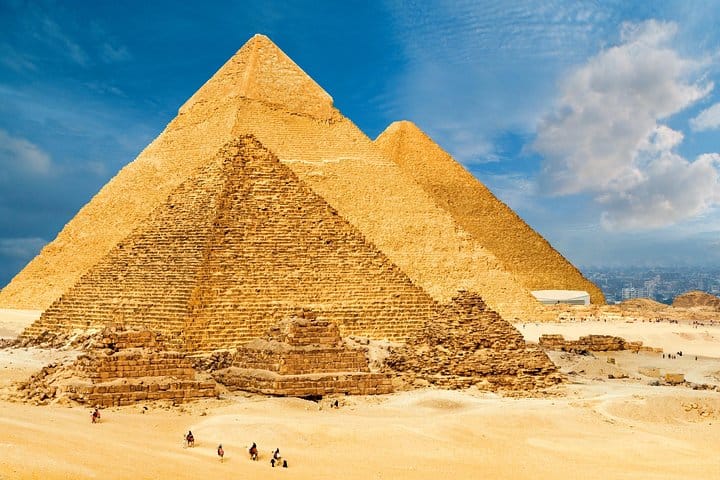
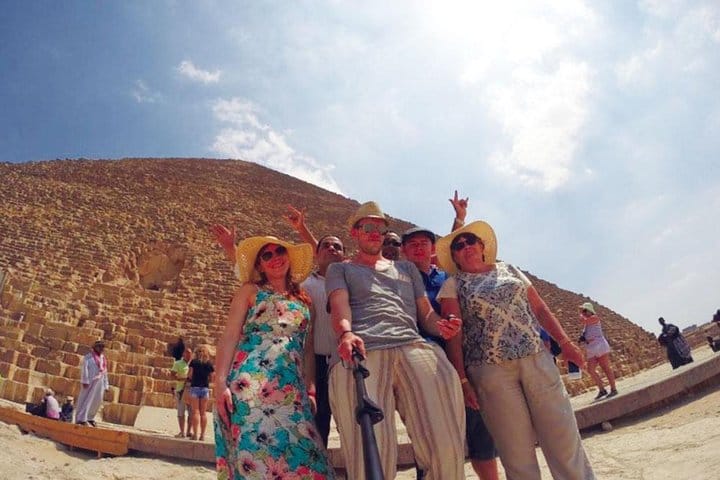
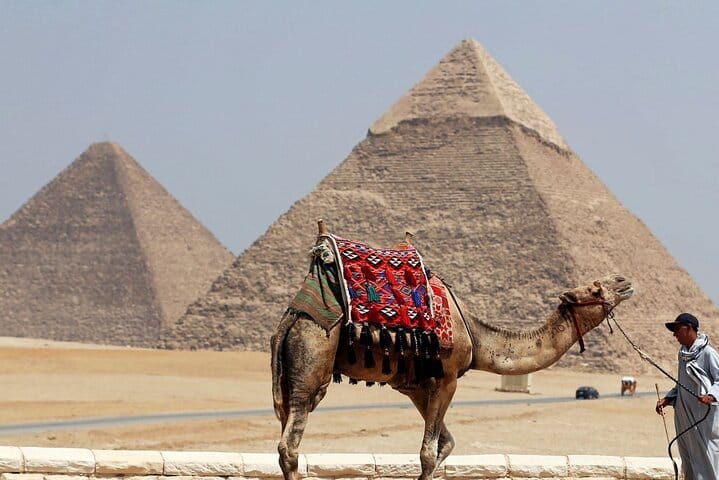
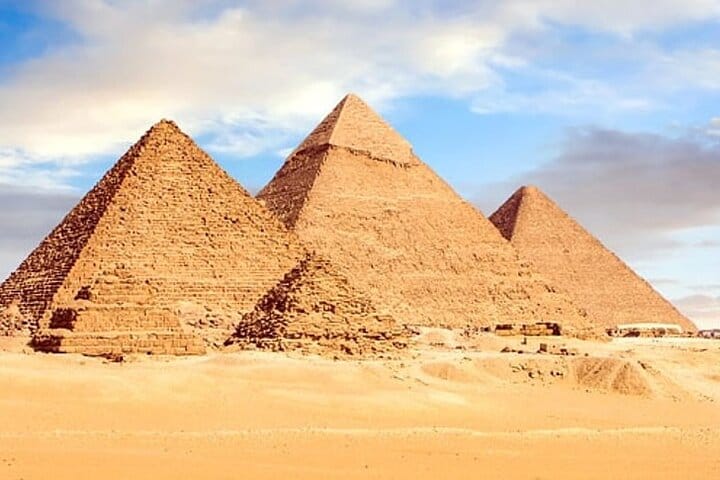
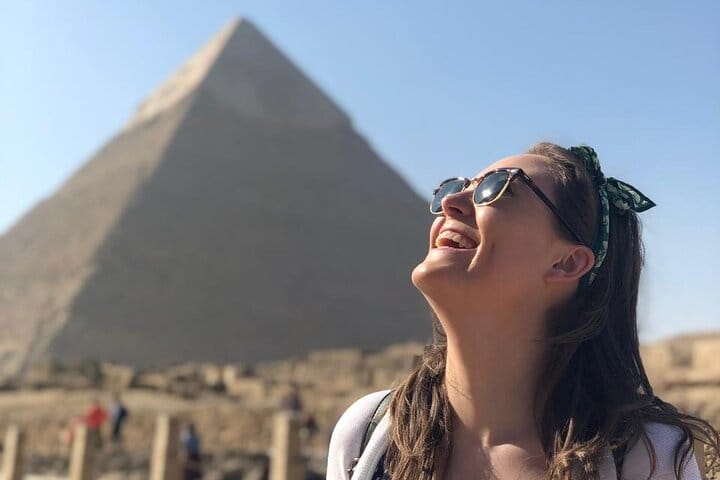
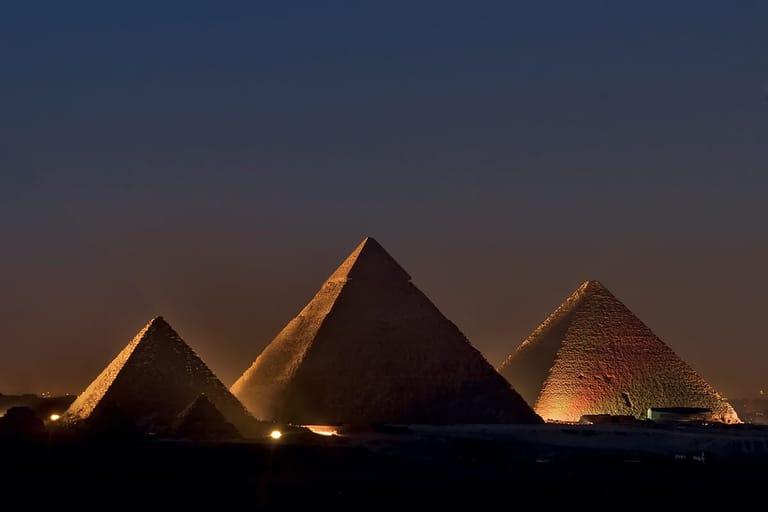
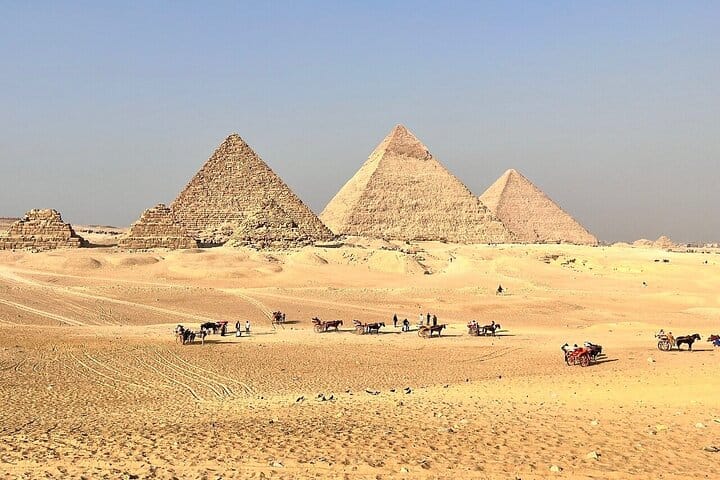
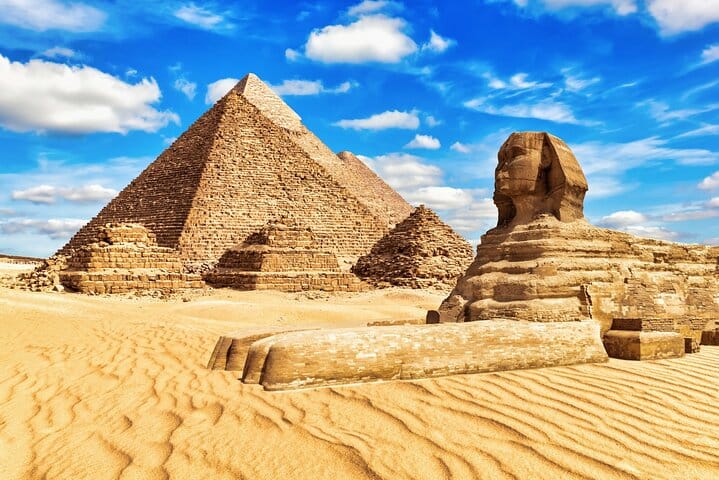
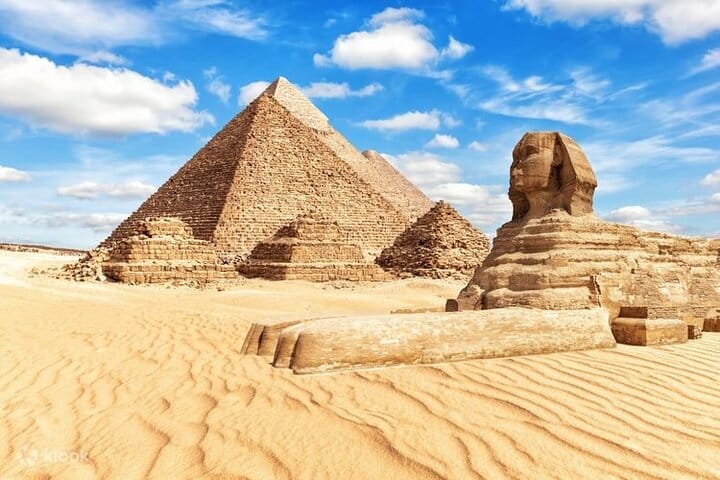
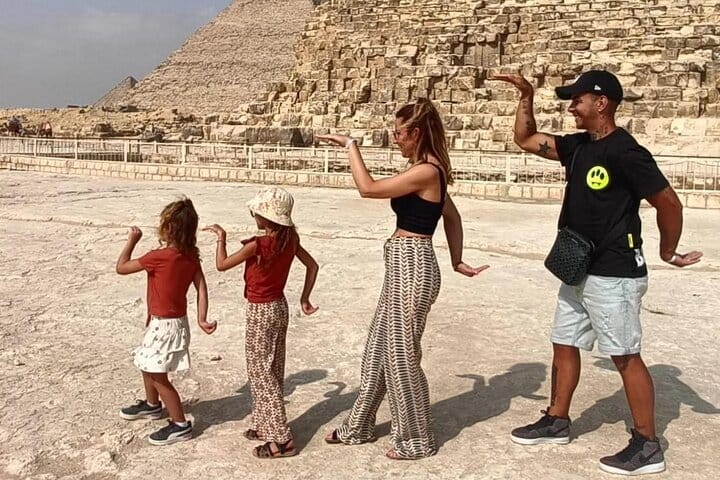
The Giza Necropolis sits on a limestone plateau about 9 miles (15 km) southwest of downtown Cairo, on the edge of the desert where the Nile Valley's farmland stops. It holds three royal pyramids built in quick succession during Egypt's Fourth Dynasty: Khufu's Great Pyramid (c. 2560 BCE), the last of the Seven Wonders of the Ancient World still standing; his son Khafre's pyramid, which still wears a cap of the original polished limestone casing near its peak; and Menkaure's, the smallest of the three. At 146.6 meters when completed, the Great Pyramid held the record as the tallest human-made structure for roughly 3,800 years, until Lincoln Cathedral's spire surpassed it in 1311.
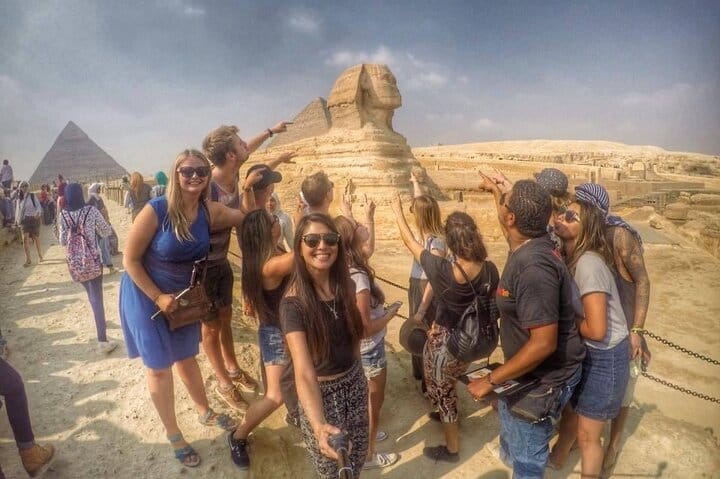
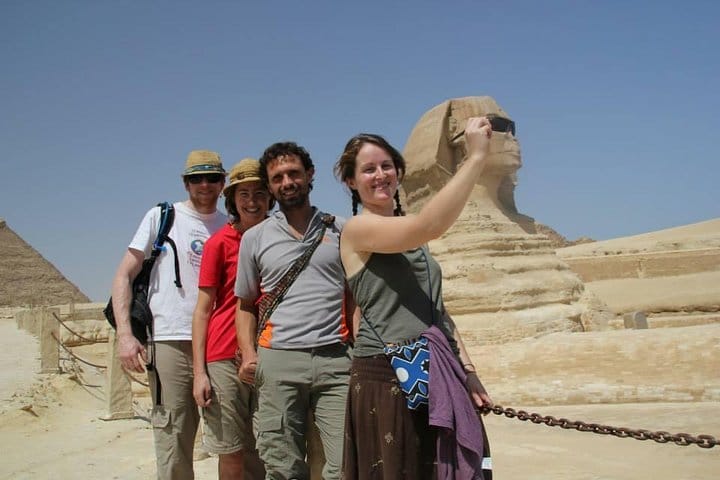
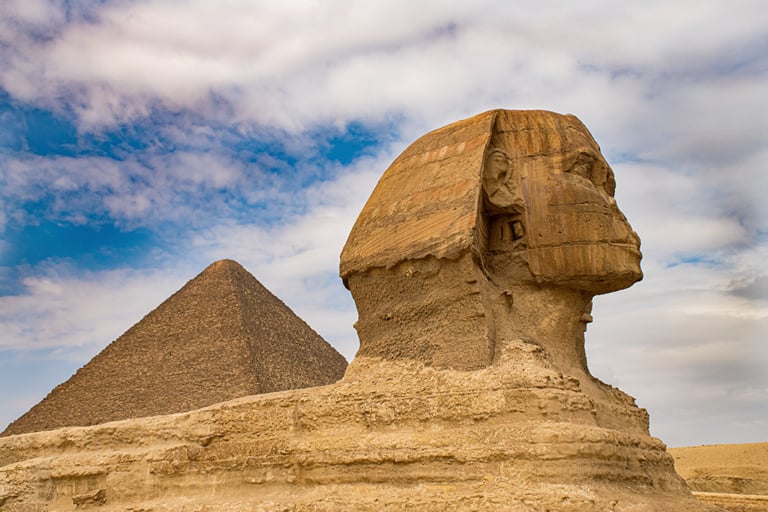
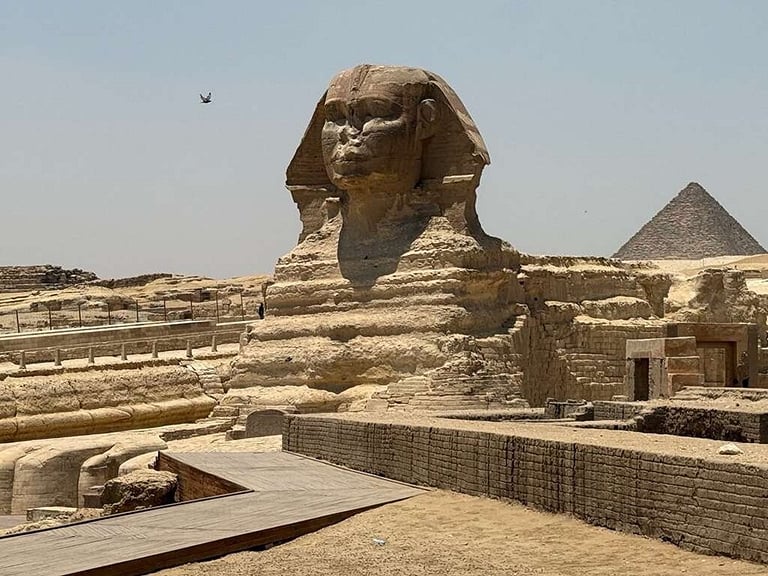
The Great Sphinx guards the causeway leading to Khafre's pyramid, carved from a single limestone outcrop left behind by the quarry that supplied the pyramids' core blocks — making it older than most of the freestanding monuments around it. Beyond the three main pyramids, the plateau holds the Sphinx and Valley Temples, boat pits that once held Khufu's disassembled funerary vessels, and rows of mastaba tombs and smaller queens' pyramids belonging to the royal family and court officials. Most of what's visible today is exterior architecture and stonework; only a fraction of the necropolis has separate, ticketed interior access.
Most guided tours bundle the base Giza Plateau ticket into the price. Entry to the Great Pyramid's interior is usually a separate add-on because of its daily visitor cap, so check each tour's inclusions before booking.
Budget 2–3 hours for the pyramids and Sphinx viewpoints alone. Add roughly an hour if you're entering a pyramid interior, and a half to full day if you're combining Giza with the Grand Egyptian Museum or Saqqara.
Yes, with a separate interior ticket sold in limited daily quantities. The ascending passage is steep, narrow, and low-ceilinged, so it isn't recommended for visitors with mobility limitations or claustrophobia.
Yes. The Sphinx sits inside the Giza Plateau boundary, so the standard plateau ticket covers viewing it from the surrounding platforms — you cannot approach or touch it directly.
Right at gate opening, around 7–8am, gives the softest light, thinnest crowds, and cooler temperatures. Most large tour groups from Cairo hotels don't arrive until mid-morning.
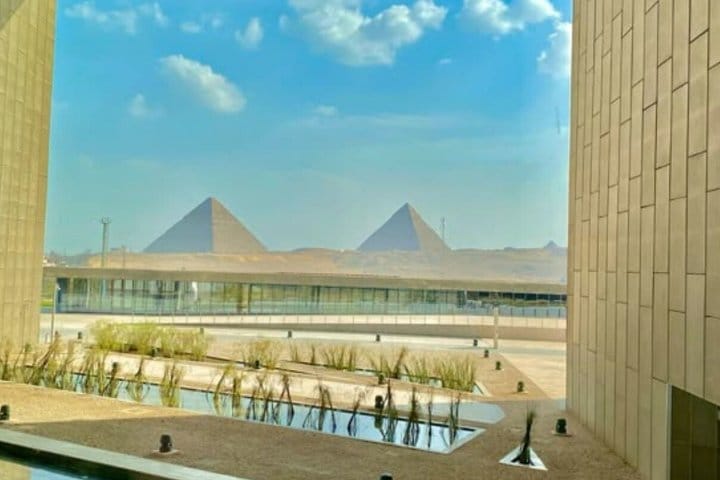
No. The Solar (Khufu) Boat was relocated from its original building at Giza to the Grand Egyptian Museum, a short drive from the plateau.
The plateau is about 9 miles (15 km) southwest of downtown Cairo — typically a 30–45 minute drive, longer during rush-hour traffic.
Independent visits are possible, with tickets available directly at the gate. A licensed guide mainly helps with the layered ticket structure, deflecting vendor pressure inside the gate, and adding historical context that on-site signage doesn't provide.