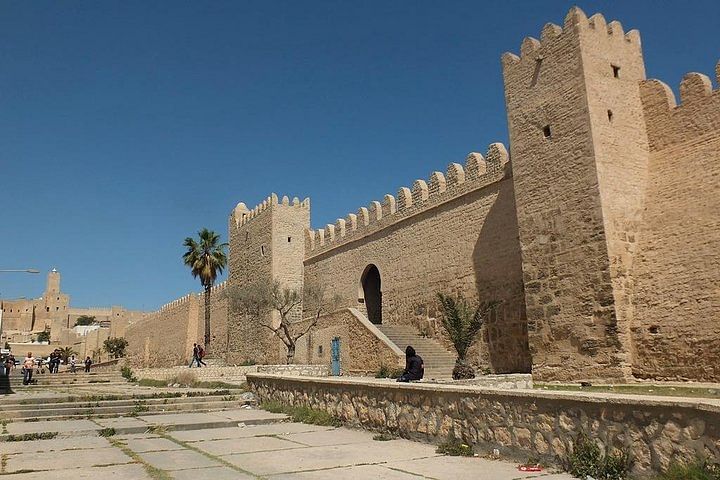
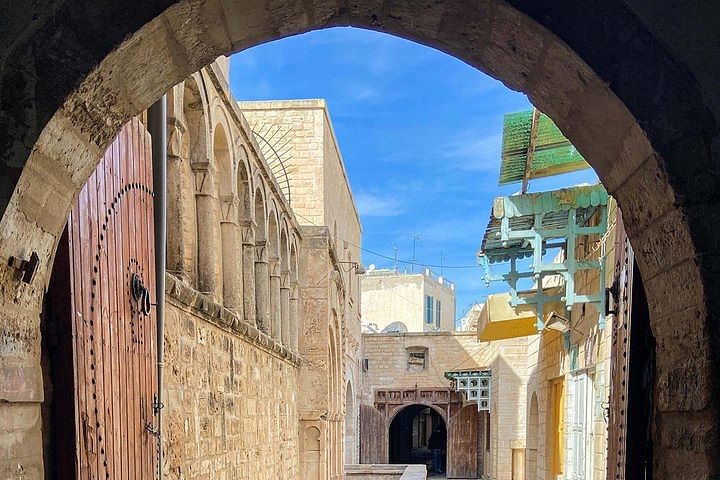
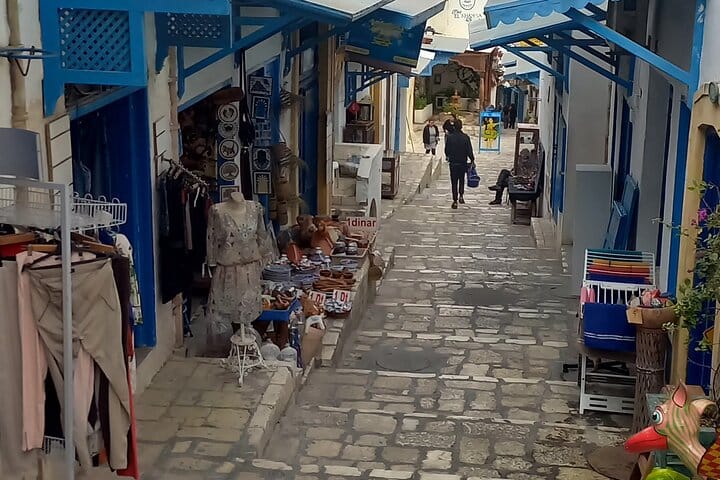
The medina of Sousse is the historic heart of Sousse, listed since December 9, 1988, in the Unesco world heritage.
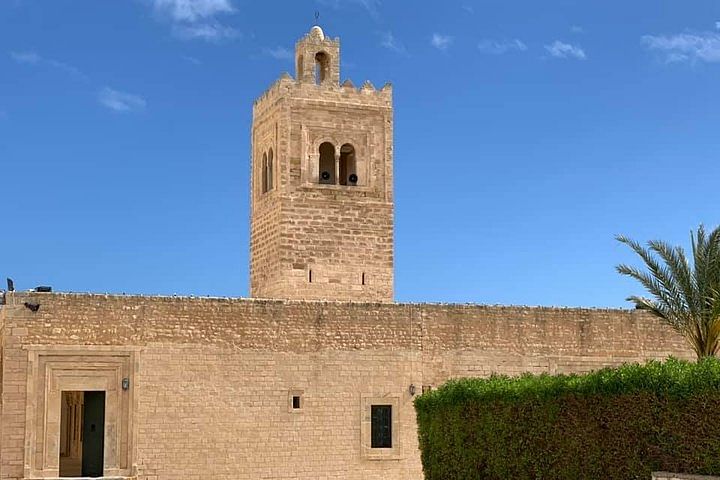
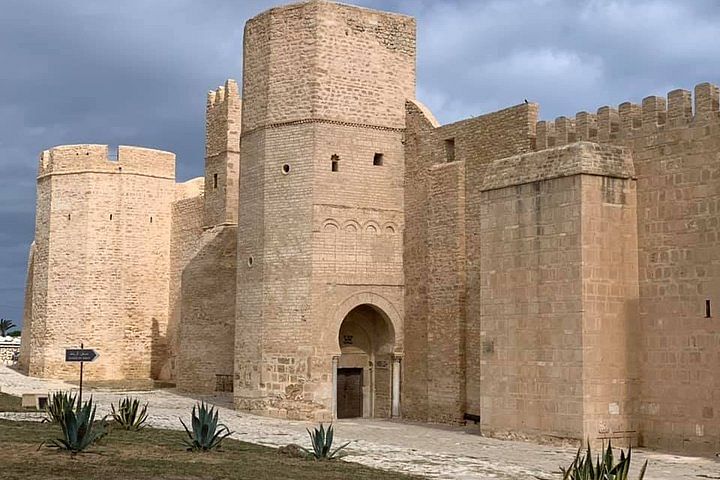
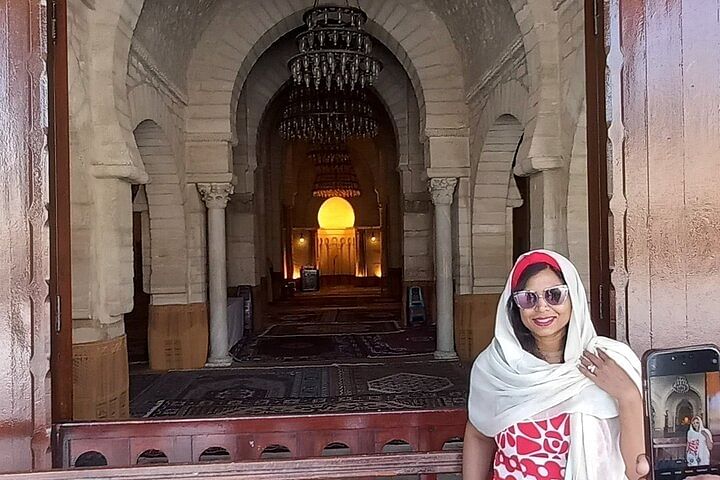
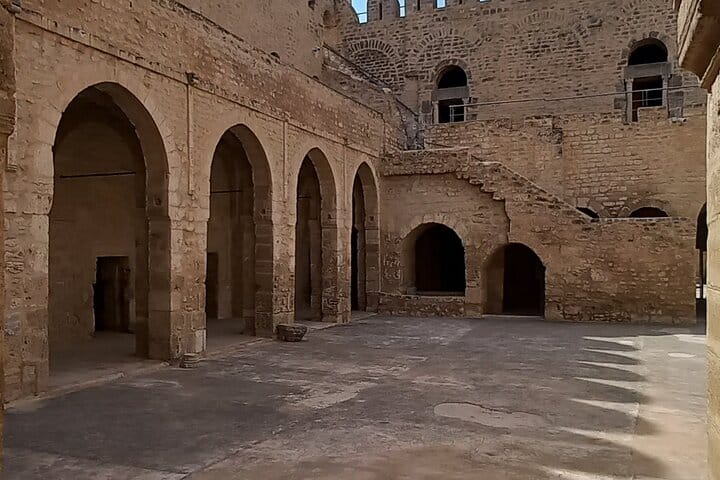
It is considered a typical example of the cities of the first centuries of Islam in the Maghreb. It thus retains its kasbah and ramparts but also its Great Mosque, its ribat and the Bu Ftata Mosque, a military and religious building. On Khalef's tower, there is also a lighthouse since 1890.
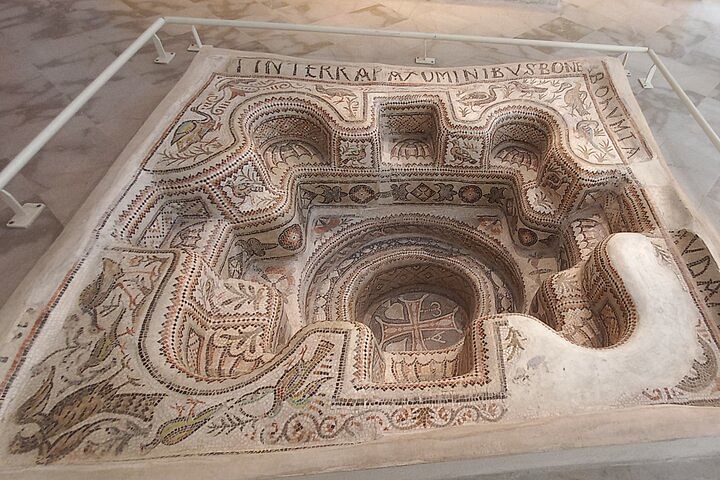
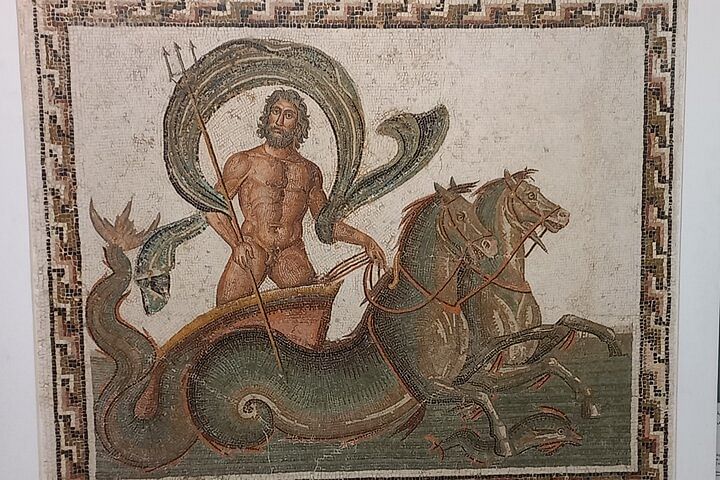
The Sousse Archaeological Museum is located in the city of Sousse, the ancient Hadrumet. It has the largest collection of mosaics in Tunisia after that of the National Bardo Museum.
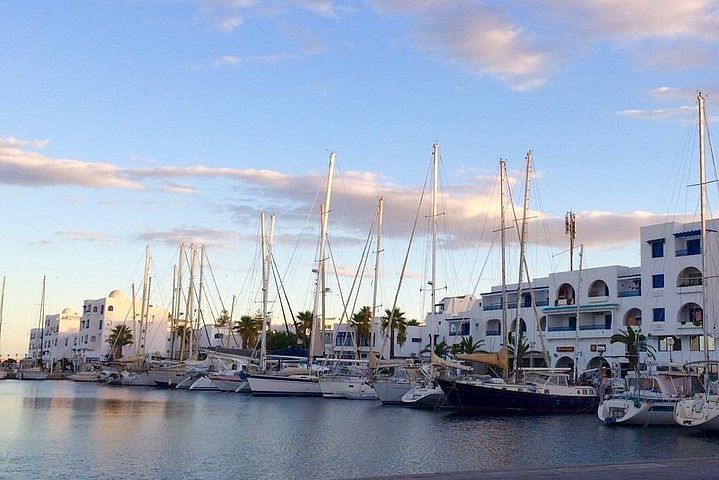
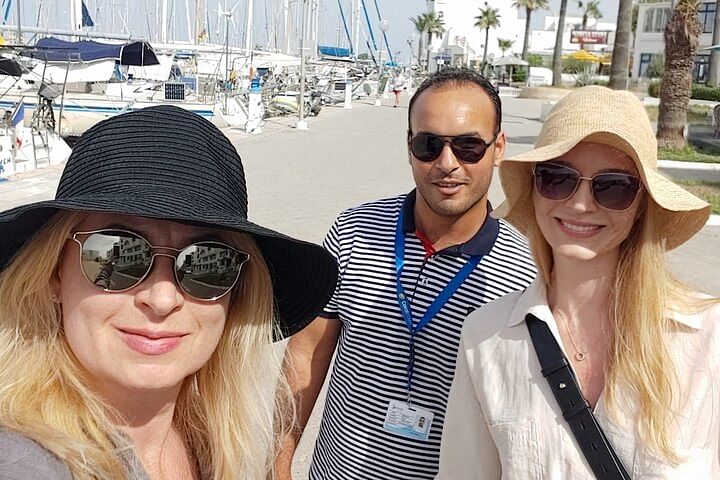
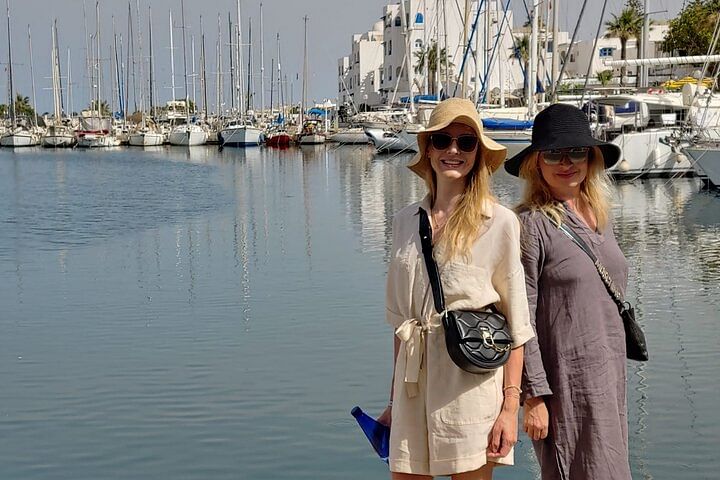
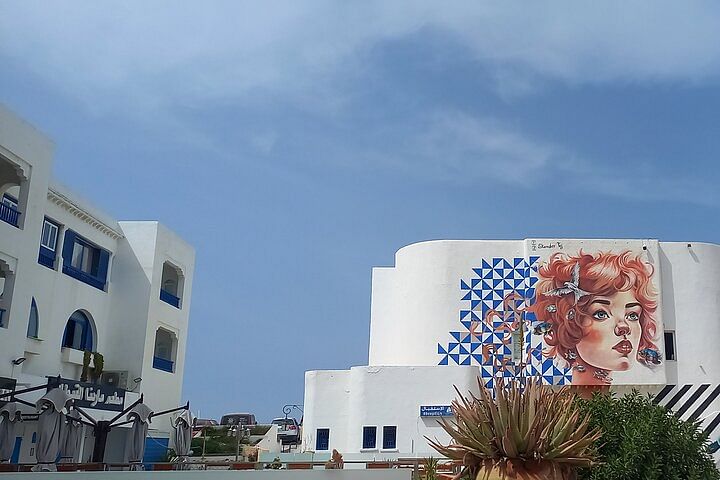
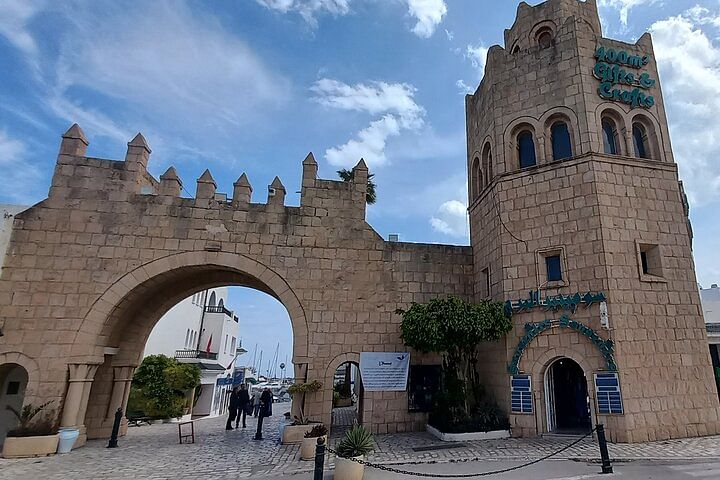
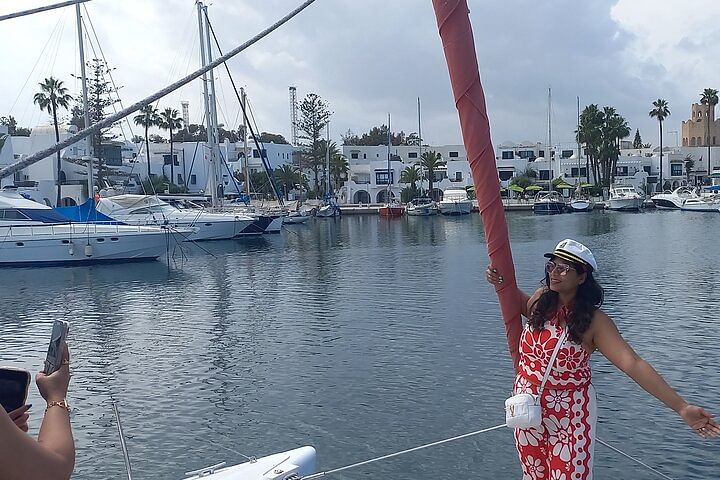
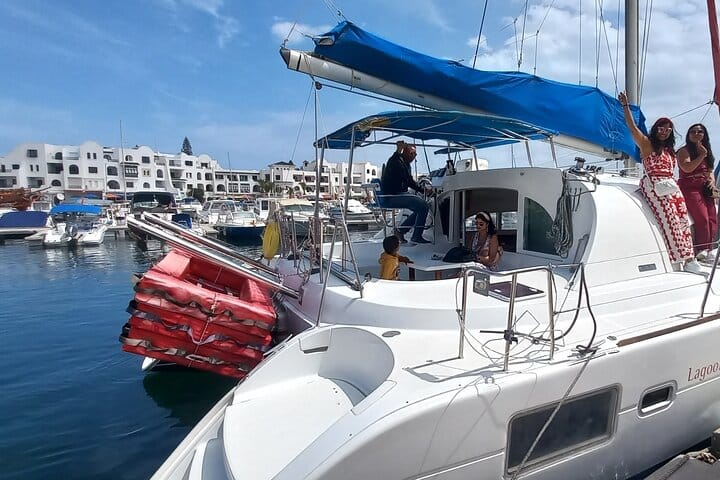
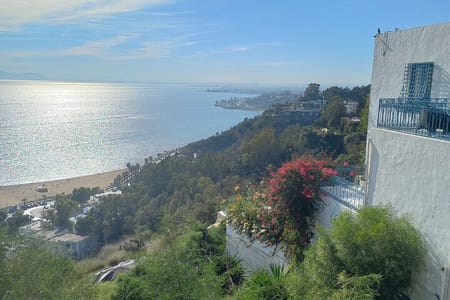
The port is a real village, mainly pedestrian, built according to an architecture which recalls the village of Sidi Bou Saïd in its Arab-Moorish style, the whiteness of its walls, its arcades, its arches, and its alleys embellished with flowers.
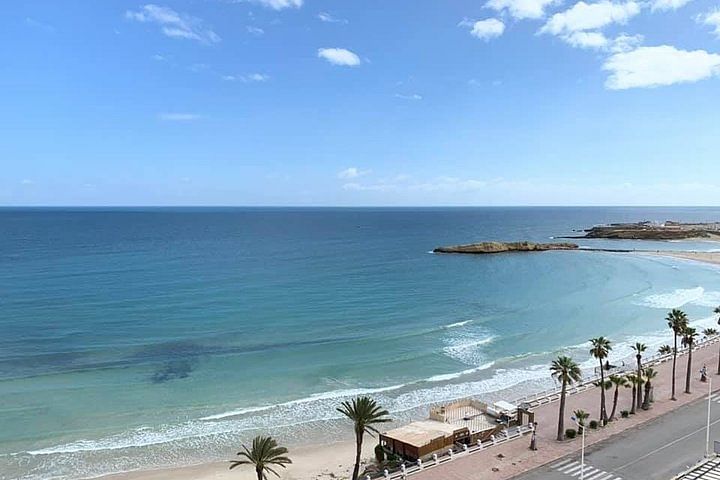
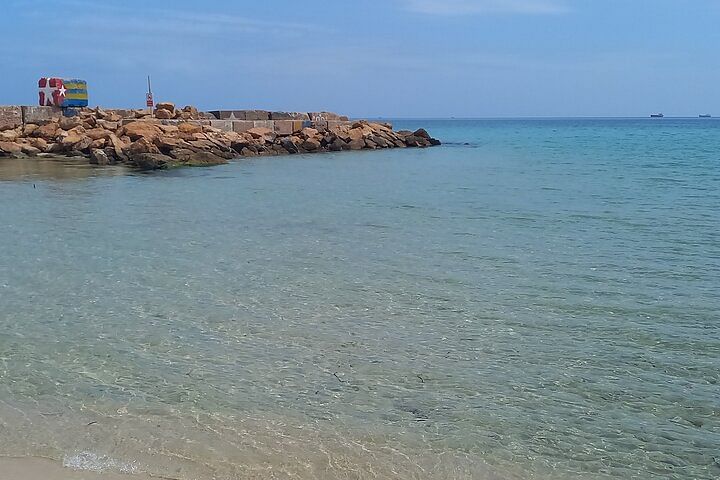
The resort hosts many shops including restaurants, cafes, and shops for foreign tourists who frequent the site for its seven kilometers of beach. In addition, during the summer period, many events take place at the port including the International Internet Summer Festival (from 2000), regattas, musical scenes, etc.
The marina is at the same time a port of call, of passage, of wintering and of regattas, made of the Marin.
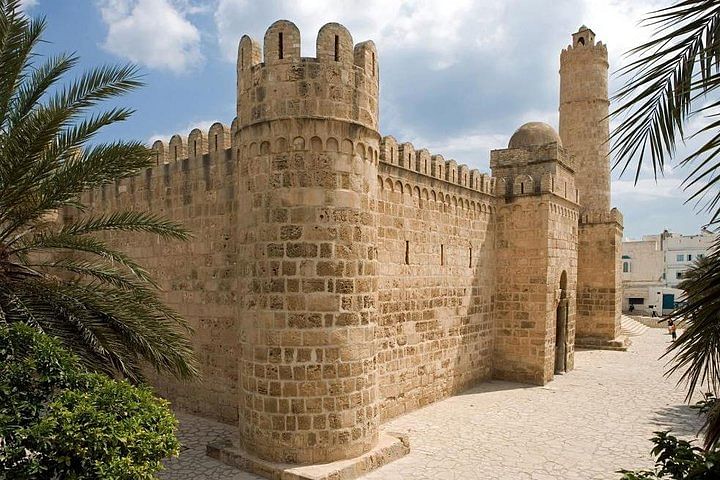
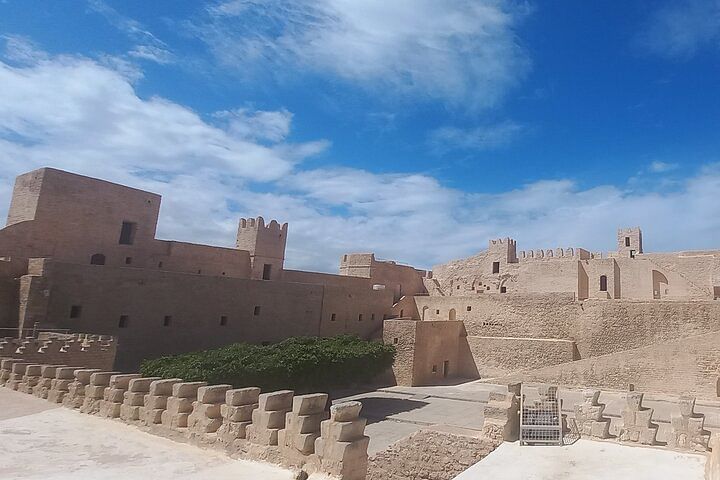
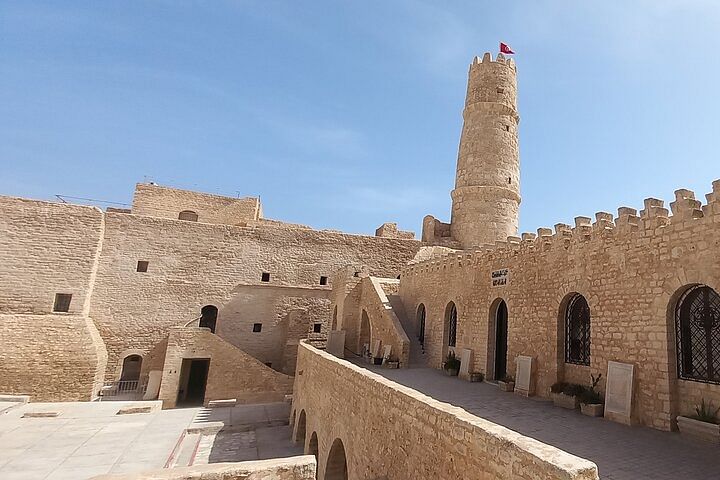
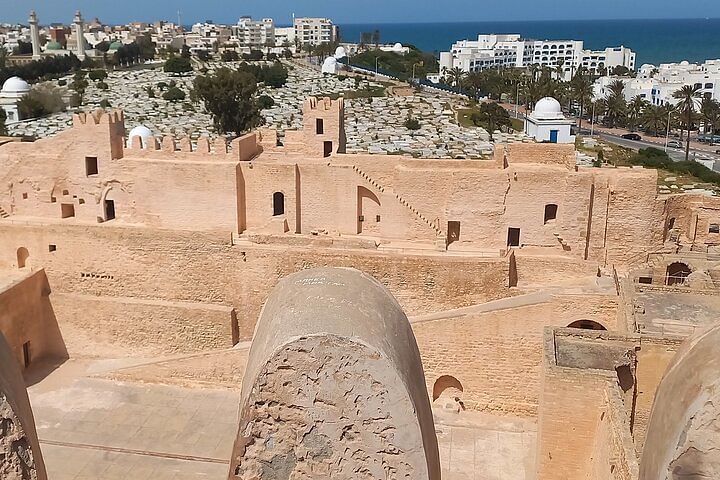
It is an imposing Tunisian fortress located by the Mediterranean Sea, in the city of Monastir.
Considered the oldest and most important ribat in the Maghreb, it is regarded as the flagship monument of Monastir.
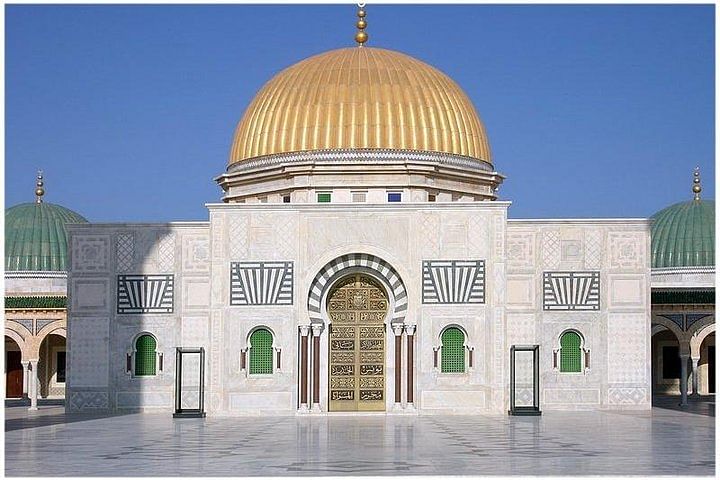
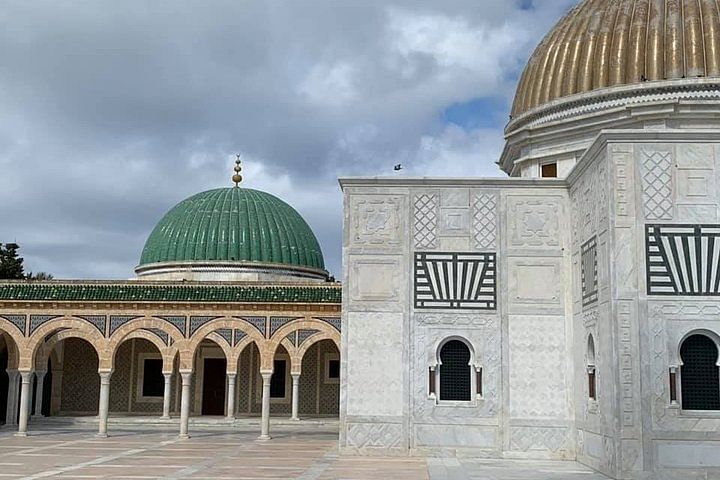
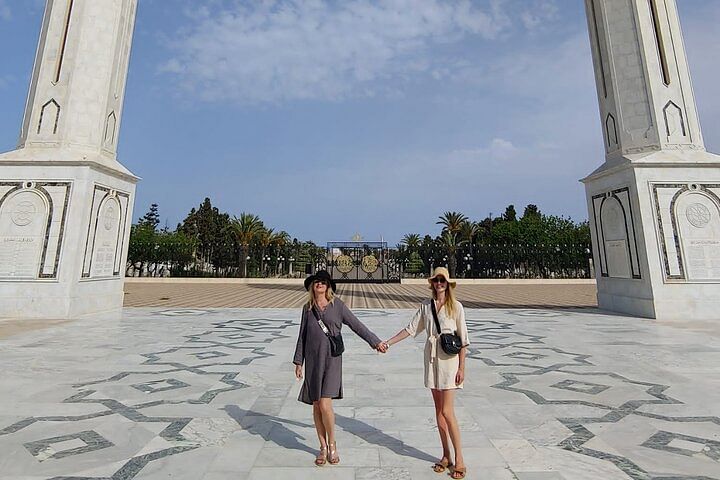
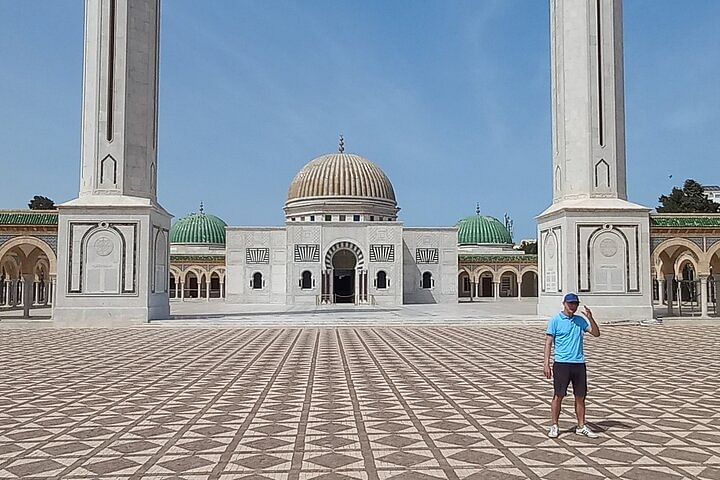
The mausoleum built in Bourguiba's lifetime, in 1963, according to the characteristics of traditional architecture (modern Arab-Muslim style), is located in the western part of the Sidi El Mézeri cemetery, the main burial place of the city, at the end From the main alley, about 200 meters long and thirty meters wide.
The building, framed by two 25 meter high minarets, is surmounted by a golden dome that is itself surrounded by two green domes. The entrance door to the mausoleum and the grid that separates it from the rest of the cemetery are two fine examples of Tunisian art.