

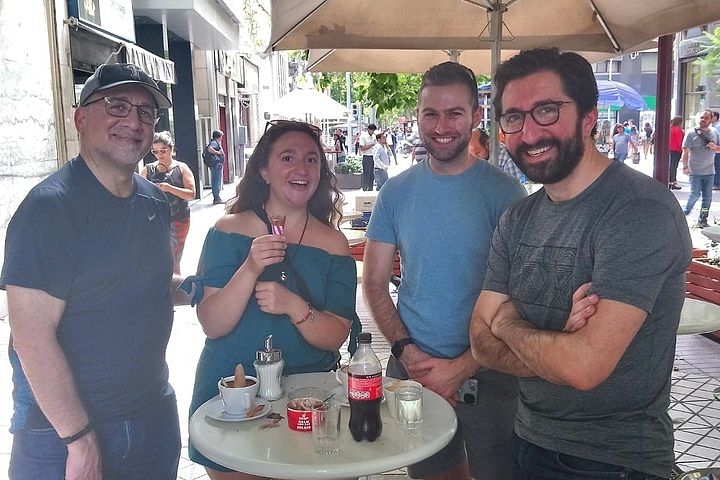
We will start the service at 18.00hrs from your hotel to go to the Central Market of Chile that will be our first stop, in the place we will taste a glass of terremoto a fruity cocktail with wine grenadine and pineapple icecream drink accompanied with a snack.
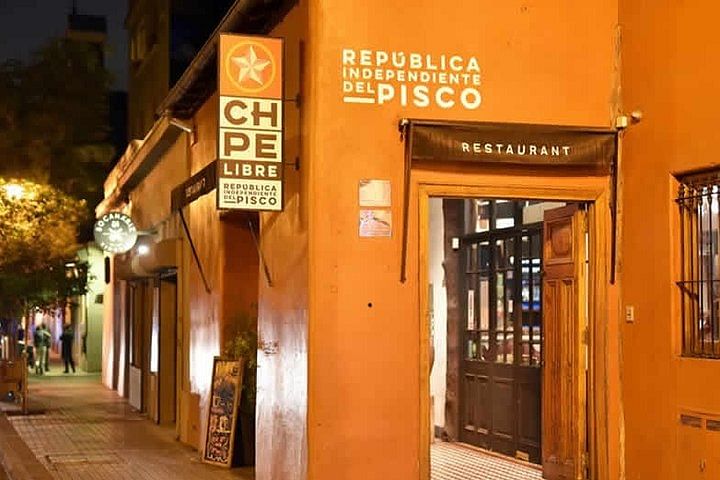
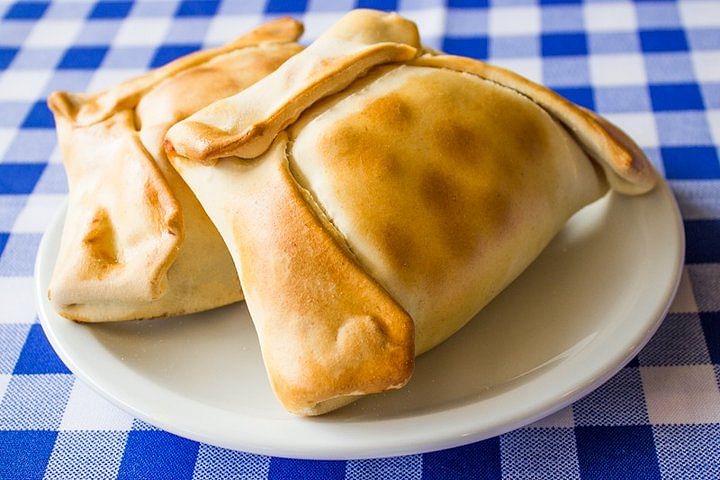
The second stop will be in the Lastarria neighborhood where we will visit a famous bar-restaurant called Chipe libre, in the place you will try sopaipillas, sauces and the famous Chilean Pisco, very typical drink a type fermented grape product like brandy aromas and flavors to enjoy in the afternoon of Santiago.
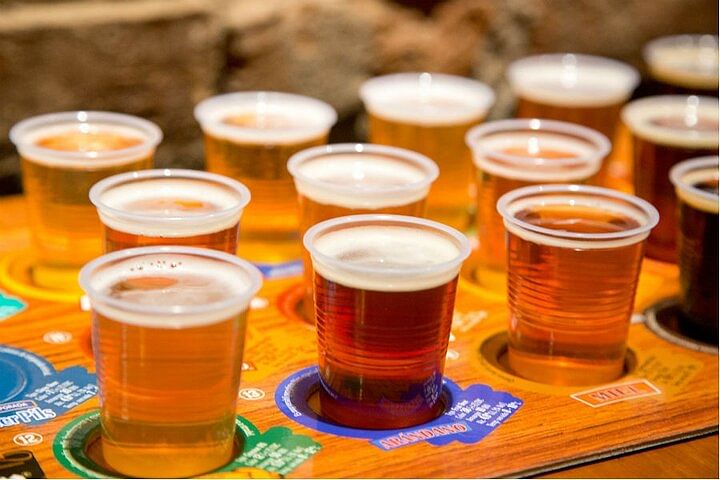
Our last stop will be the Bellavista neighborhood where we will visit the Kunstaman Knipe Pub of German influence to drink artisan beers and find a good moment of relaxation and friendship. After our activity the local guide will organize the return to the hotel.
Duration of the service: 4 hours.
4 Comments
4.4
Our group really enjoyed exploring Santiago’s vibrant bar scene, starting with a taste of the infamous terremoto, which was surprisingly refreshing. As we moved from pub to pub, we savored artisanal beers that showcased local flavors and learned about the craft behind each drink. The opportunity to sample pisco alongside friendly locals added a layer of authenticity to the experience. Transportation was efficient, though a bit cramped at times, which made the journey feel slightly rushed between venues. Overall, it was a fun evening filled with laughter and new discoveries.
4.6
We had a fantastic time exploring the vibrant bar scene in Santiago with our family. One unforgettable highlight was trying the Terremoto; its unique mix of flavors had us all laughing and savoring each sip. The artisan beers we tasted showcased the local craft scene beautifully, and our guide made sure we felt at home in every pub we visited. The transportation between stops was smooth, which kept the energy up and allowed us to really soak in the atmosphere. If there’s one thing we’d suggest, it would be to allow a bit more time at each location to fully enjoy the ambiance! Overall, this experience was a wonderful way to dive into the location’s culture.
5
Sipping on a terremoto while chatting with locals at a cozy pub was a highlight of my evening in Santiago—it truly encapsulated the city’s vibrant spirit. I wish I had spent a bit more time at each stop to really savor each artisanal beer and pisco, but overall, the experience was a delightful journey through the local bar scene.
4.8
The experience was an enjoyable exploration of local flavors, especially the unique Terremoto drink that was a highlight for me. I appreciated the variety of artisan beers and the chance to try pisco in a relaxed pub atmosphere, where the staff were genuinely friendly and knowledgeable. Transportation between venues was convenient, keeping the mood lively throughout the four hours. One suggestion would be to include a bit more background on the drinks and their origins, which I think would enhance the experience even further. Overall, it was a memorable evening well spent indulging in local tastes.