When completed in 1158, the Koutoubia Mosque was Marrakech's most important Mosque and one of Islam followers' most significant places of worship.
Commissioned by Abd-al-Mu'min, the construction of the Koutoubia began in 1141. The highlights of the Mosque are the minaret that stands 226ft (69m) high, which is very similar to the Giralda (bell tower of the Seville Cathedral in Spain), and the colour of the temple, made of red stone, which is typical of the region.
Its name means Mosque of the Booksellers because of the numerous book stands that surrounded the Mosque when it was first built.
The city's highest point, the magnificent minaret, is nearly 70m (226ft) tall and towers over the city. The rest of the temple is 60m (197ft) wide and 90m (295ft) long.
Non-Muslims may not enter the Koutoubia Mosque or any other mosque in Marrakech. Visitors will have to see it from the outside. The Mosque's surroundings are always packed with people who visit the temple's gardens or nearby streets. It is easy to get to since it is opposite the city's main square, Jemaa el-Fna.
The Almohads captured the city of Marrakech after the death of the Almoravid leader Ali ibn Yusuf in 1147. The Almohads wanted no trace of religious monuments built by the Almoravids, their bitter enemies, because they considered them heretics. Abd-al-Mu'min, who won the territory, was responsible for constructing the first Koutoubiya mosque on the grounds of Ali ibn Yusuf's former palace in the medina's southwest quarter. This first Mosque was built between 1147 and 1154 and completed in 1157. This first Mosque was rebuilt under the Almohad Caliph Yacoub El-Mansour because halfway through construction, the mihrab (prayer niche) was off-center and not oriented towards Mecca and underwent many changes until the end of the 12th century. When the Andalusians defeated the Almohad dynasty, the alignment problem was minor, as devotees could constantly adjust the direction when offering prayers in the hall. Still, the decision was made to build a new mosque next to the first structure. The first Mosque was completed while the second Mosque was under construction. The second Mosque was constructed identically to the first except for its orientation. The layout, architectural designs, inscriptions, dimensions, and materials used for construction were all the same. The plan and design of the minaret remained the same in both buildings. In the first Mosque, the orientation of the mihrab was 5 degrees out of alignment with the direction of Mecca; in the second Mosque, the orientation was 10 degrees, and therefore, it was further from Mecca than the first Mosque. These two structures were built during the reign of Abd al-Mu'min (reign 1130-1163). The second Mosque started after 1154, and the building was partially completed in September 1158, with the first prayers held in the Mosque then. It was completed in the 1190s, although the reported completion dates vary between 1162, 1190, and 1199. The first Mosque eventually deteriorated.




5 Comments
4.8
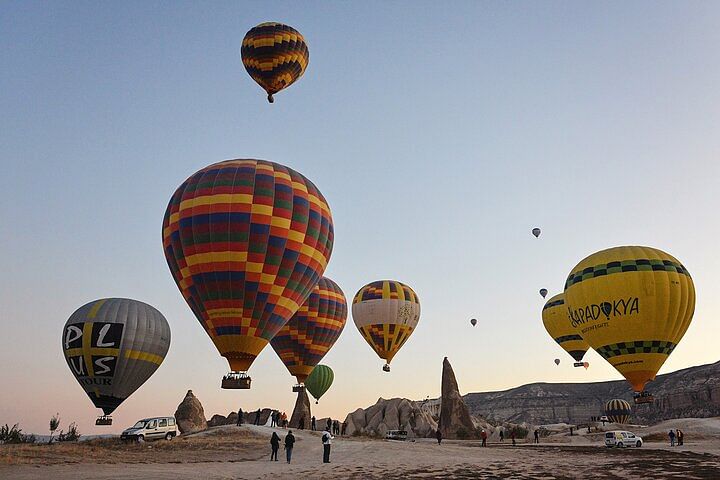
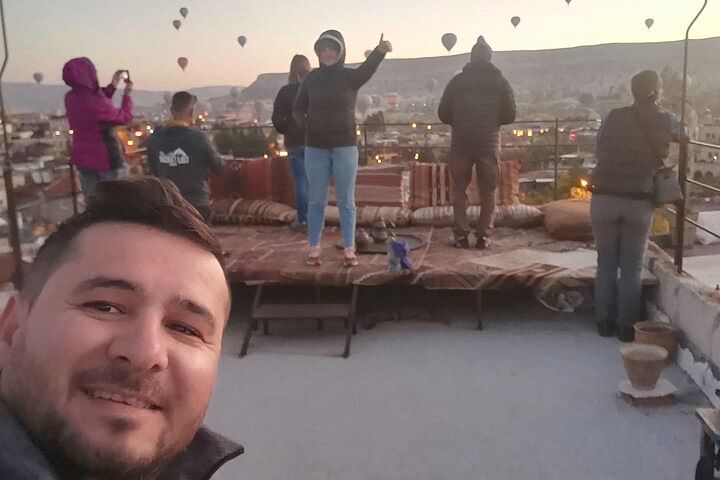
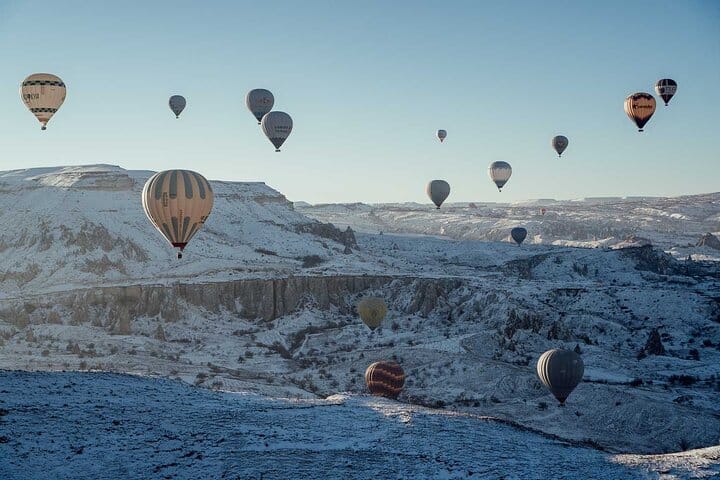
I had an incredible time in İstanbul and Cappadocia, especially when I took part in a hot air balloon ride at sunrise—truly a breathtaking experience. The accommodations were comfortable and perfectly located, though I would have appreciated a bit more guidance on local dining options to enhance my adventure.
4.6
We immersed ourselves in rich culture and breathtaking landscapes over three unforgettable days, enjoying tailored experiences that brought our family closer together.
4.8
Our family’s adventure through the enchanting landscapes of Cappadocia, paired with tailored experiences in İstanbul in Turkey, truly broadened our horizons. While the private meals arranged for us were exceptional, we would have appreciated a bit more guidance on the local dining options during our free time.
4.8
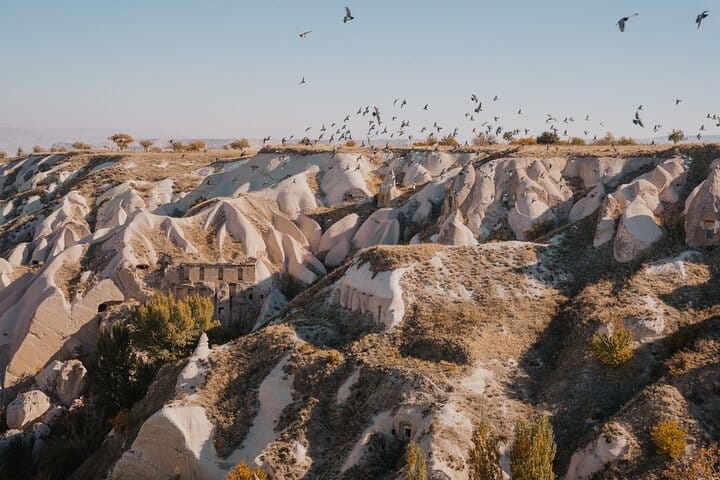
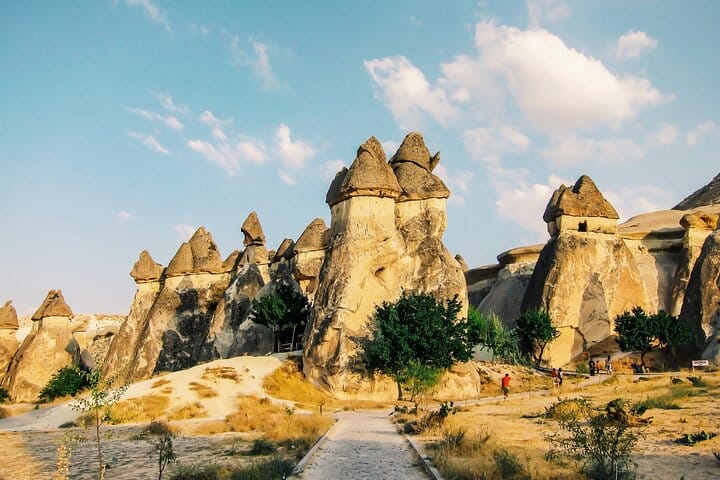
My time exploring the vibrant streets and unique landscapes was unforgettable, especially when I savored a local dish that burst with flavors while gazing at the fairy chimneys.
4.8
Tailored experiences truly made our trip to İstanbul and Cappadocia memorable, as we enjoyed exploring the local culture and stunning landscapes. Each day brought something new, from wandering through bustling markets in the city to taking in the surreal vistas of the fairy chimneys, and our guide was exceptional at customizing activities to fit our family’s interests. A minor suggestion would be to include a bit more downtime; sometimes we felt rushed between the amazing experiences, but overall, it was a fantastic adventure we won’t forget!