Reviews
(2)
4.3 /5

Marsaxlokk Fishing Village, Blue Grotto & Qrendi Village Experience

$560
Duration
9 hours
Difficulty
Previous
Next

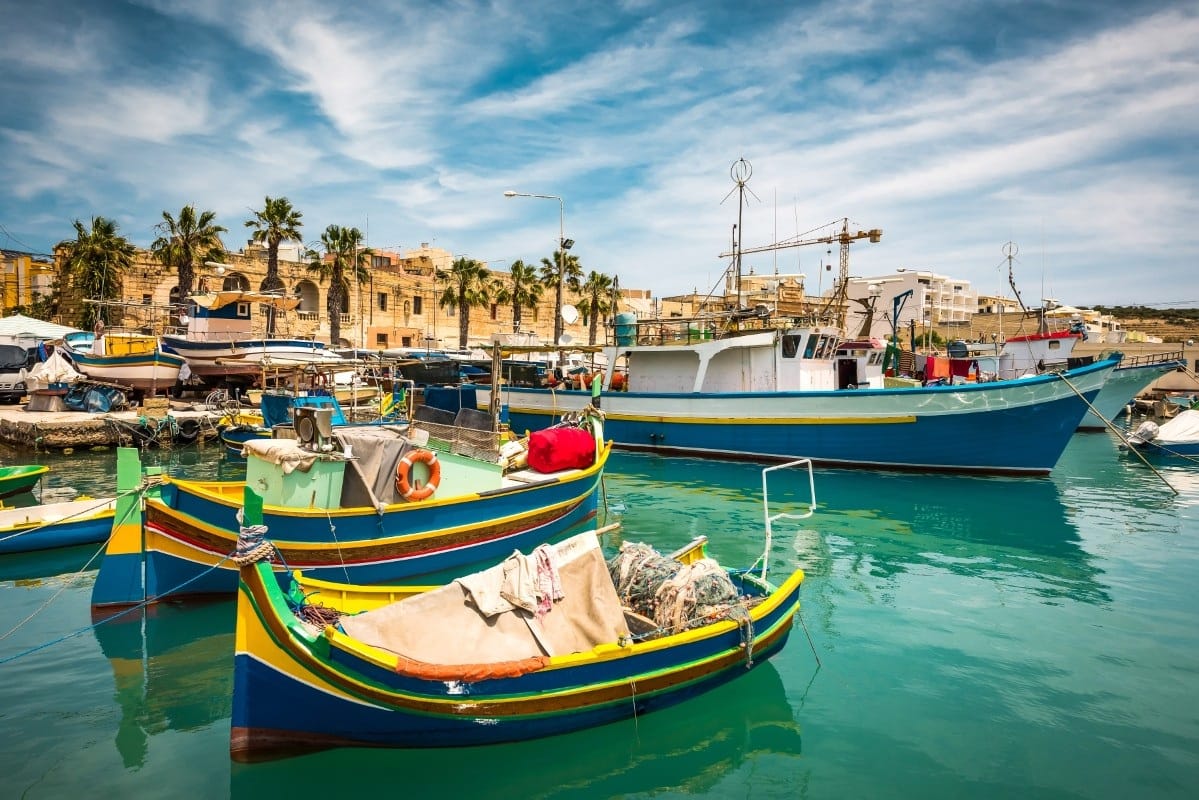
We start our tour with a visit to the picturesque fishing village of Marsaxlokk.
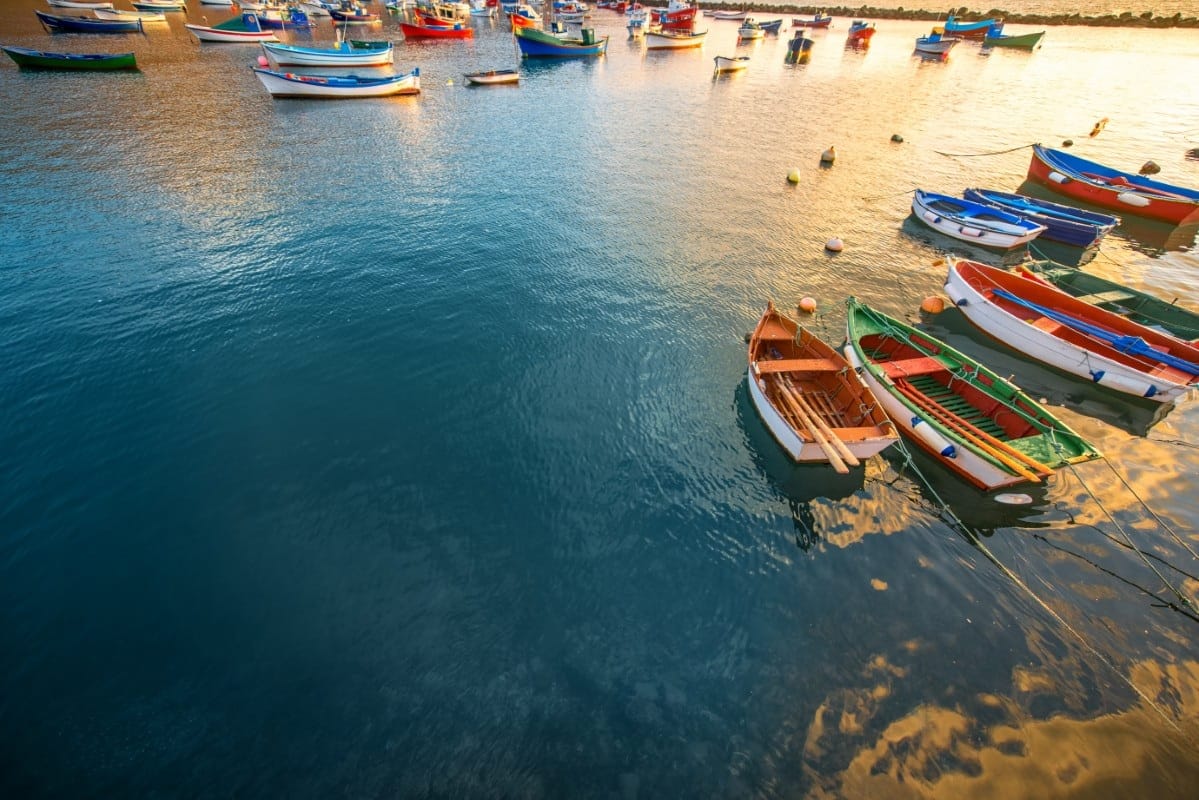
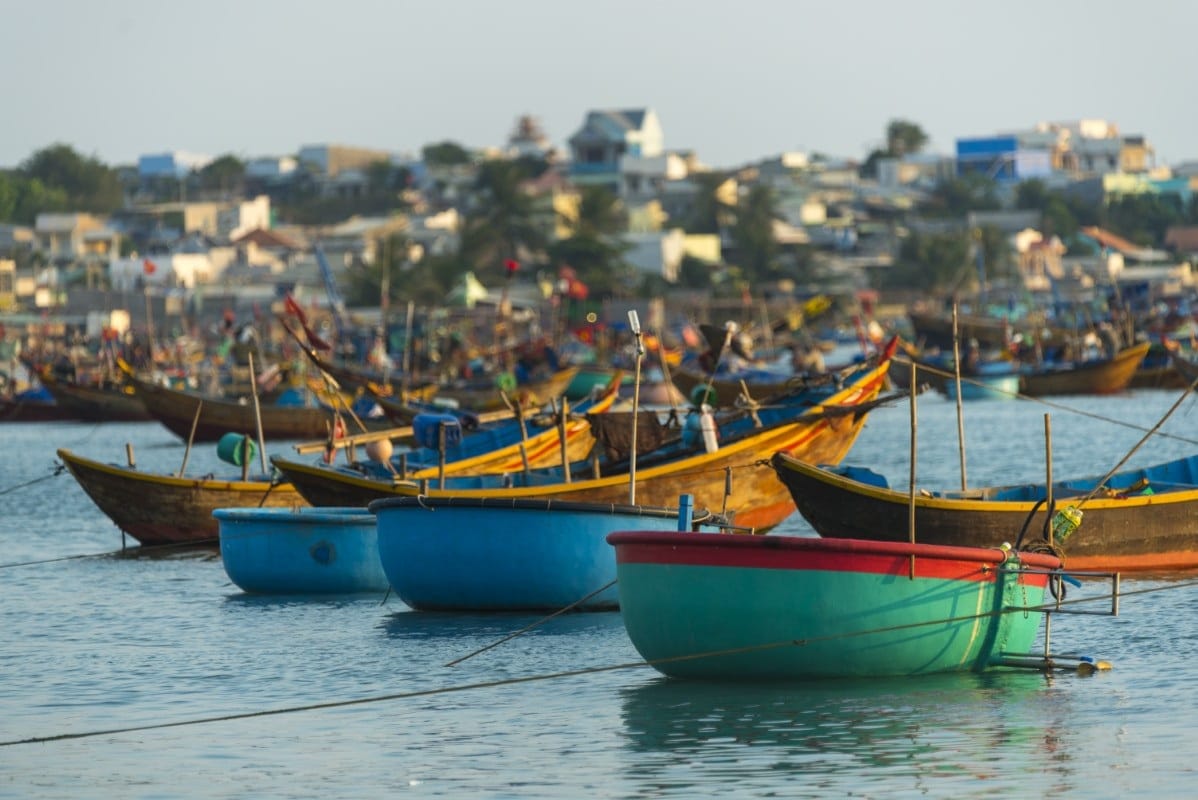
This gorgeous village is the largest fishing harbour in Malta and has been so since antiquity. Today, most fish sold on the islands are caught by fishermen coming from this village. Traditional “luzzu’s” (brightly coloured traditional fishing boats) and larger fishing vessels line the sheltered harbour in a colourful display that has been the subject of countless photoshoots.
Marsaxlokk is also popular for its many delightful restaurants and nice cafés huddled along its entire promenade and for its charming and large open-air market, which sells a vast assortment of food and a wide array of durable goods, such as fish, locally produced honey and fruit jams, traditional sweets and other delicacies, local wines and liquors, souvenirs, clothes, shoes, traditional lacework and crafts, custom jewellery, accessories, and many more.
This is the perfect location to spend a Sunday morning, enjoying a stroll in the unique settings of this quaint village where you can rub your shoulders with the locals, experience the Maltese way of life, and admire the lovely sea views while browsing the market, looking for ‘that’ perfect deal!
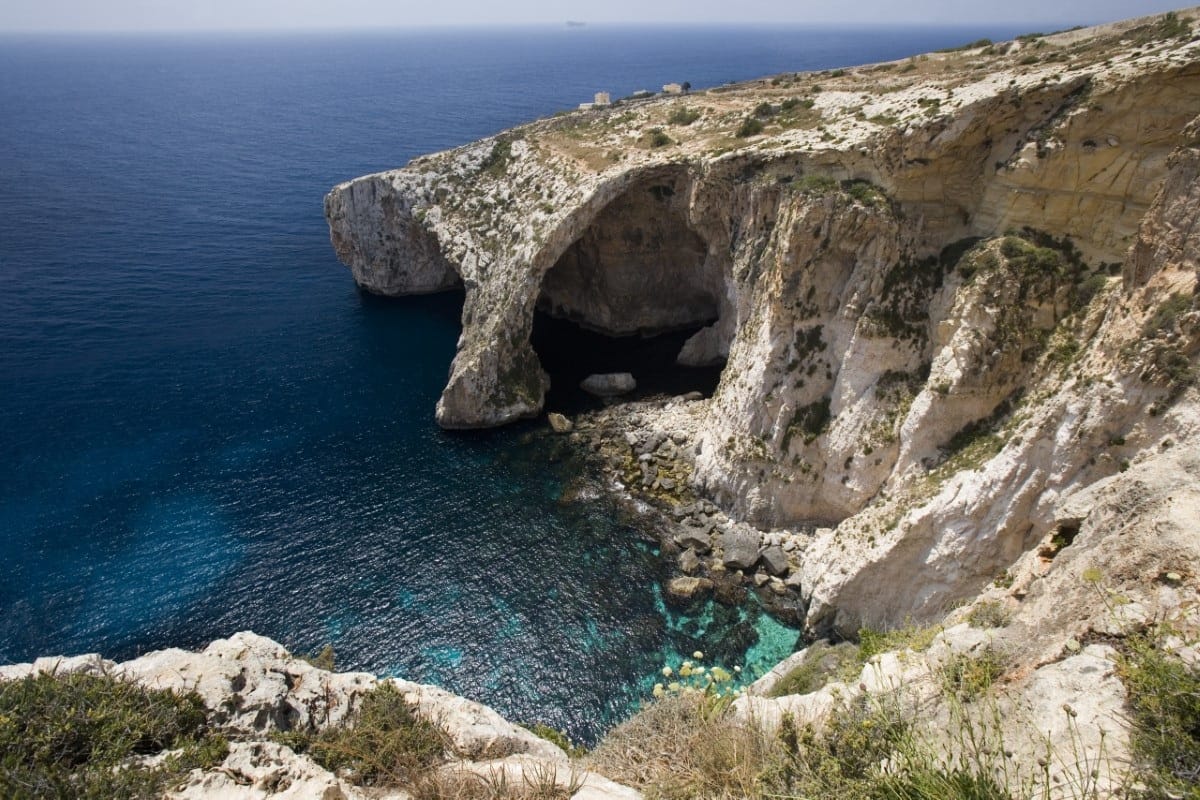
Our next stop is Wied Iż-Żurrieq (Żurrieq Valley), where we will visit the magnificent Blue Grotto and appreciate the fantastic scenery and breath-taking views surrounding the entire site.
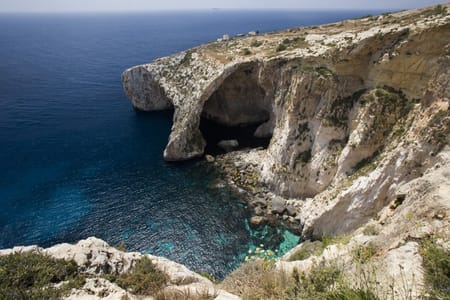
The Blue Grotto is a complex of seven caves found along the southern coast of the island. This complex comprises a massive and very impressive main arch, which is approximately 30 meters in height, as well as a system of six other caves, among which you will find the Honeymoon Cave, the Cat’s Cave, and the beautiful Reflection Cave.
Featured in numerous movies shot in Malta, owing to its natural beauty, enchanting structure, and perfect location, such as Cutthroat Island (1995), The Count of Monte Cristo (2002), and Troy (2004), this extremely popular site attracts thousands of visitors each year, with many opting to see the amazing grotto up-close via local boat trips. Weather permitting, you will also have the time and opportunity to visit the grotto and caves by taking one of the boat trips organised by several local providers and available at a small fee payable on location (the boat trip is not included in the price of your package).
We end our tour with a visit to Qrendi, one of Malta’s unspoilt traditional villages. Our guide will help you explore this peaceful and charming typical Maltese village. While small and compact, with a population of just 2,700 people, it is at the same time bursting with interesting attractions. From the main square to the hub of the village, with its parish church and band club, you will be led through a maze of winding, narrow streets that all have a story to be told.
During the whole tour, our knowledgeable and experienced guides will provide you with riveting information and enhance your experience through narration and engaging storytelling.
Inclusions

  • Hotel pick-up and drop-off (from your Hotel or a close meeting point)
  • A licenced tour guide
  • All transportation in air-conditioned vehicles

Exclusions

  • The optional boat trip at the Blue Grotto (to be paid on location)
  • Food and drinks
  • Tips (optional)

Tour Plan

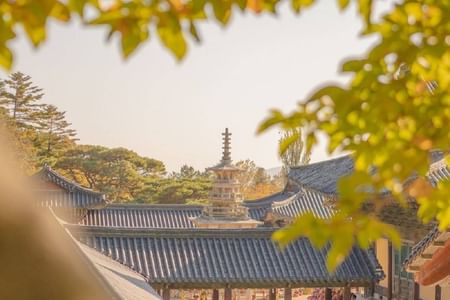
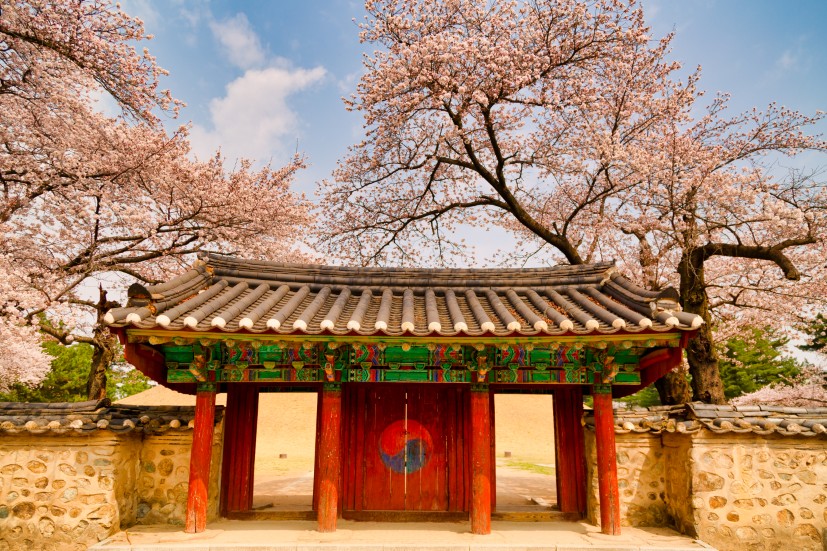
Visit Bulguksa which is designated as a UNESCO World Heritage site for being “a masterpiece of Buddhist art in the Far East.” If you are in the temple, you will see blooming cherry blossoms in spring and colorful foliage in fall.

In the Seokguram Grotto, you can see statues of devas, bodhisattvas and disciples sculpted on the surrounding walls.

After that, you will have Tteokgalbi(grilled short rib patties) for lunch.

From the center of Gyeongju, a city that breaths of history, you run to the east. After 40 minutes, you come to an expensive view of the East Sea. There are more attractions in Gyeongju aside from the cultural and historical sites that you are familiar with.

There are so many enjoyable things to do in Gampohang Port. You can be happy with a plate of raw flounder, sit on a bench in the new marine park near the seawall of Gampohang and wonder where the end of the sea would be, and also take a photo of ‘Haegukgil road’ in Gampo Kkakji Trail or the scenery of thrashing waves in the sea wind here and there from the village.

Next visit is spending time at the Songdaemal Lighthouse. In addition to the lighthouse itself, modeled after the Three-story Stone Pagoda in the Gameunsa Temple Site, you can see the beautiful ‘Gampohang Port’ in one look. It is also a famous spot to watch the sunrise. Be the first to welcome the sun in the morning at Gampohang Port and the Songdaemal Lighthouse.

The coast in front of Igyeondae Observatory is where you can view the underwater tomb of King Munmu, which is a tombstone that looks at the same things as the observatory.

Gameunsaji Temple Site was built by King Munmu (AD 661-681), the king of Silla who unified Baekje and Goguryeo in the late 7th century. The purpose of the temple site was to pray for help and guidance from Buddha against Japanese invasion. Unfortunately, King Munmu passed away before the completion of the temple, and left a will to be cremated and buried in the East Sea so that he may reincarnate as a sea dragon in order to protect the country. As he wished, King Munmu's ashes were scattered at Daewangam of the East Sea. The temple was completed and was named by his son, King Sinmun (AD 681-692) in respect and appreciation for his father.
Gameunsaji The three-story stone pagoda at the temple site is a reminent of the early period of unified Silla, assembled with several parts which rise up to 13.4m high, known to be Silla's highest three-story pagoda.

A little rocky islet approx. 200m from the shore at Bonggil-ri is the Underwater Tomb of King Munmu (661-681 A.D.), who unified the three kingdoms and became the 30th ruler of the Silla Kingdom. The king gave specific instructions to be buried in the East Sea after his death so that he would become a dragon and protect Silla from Japanese intruders. The rocky island, about 200 meters in circumference, is divided by a cross-shaped waterway, forming a pool at the center, at the bottom of which is a granite stone 3.6 meters long, 2.9 meters wide and 0.9 meters thick. Legend has it that the remains of King Munmu’s cremated body are buried under this rock. Historians still debate whether the ashes of the King Munmu were scattered or stored in an urn and placed under the rock.

Treasure had been discovered in 2012 when nearby troops withdrew. ‘Fan-shaped Columnar Joints,’ designated as a Natural Monument No. 536. The 1.7 km-long ‘Columnar Joints Padosori Trail’ has been created where you can see various types of columnar joints in a fan shapes, slanted shapes, flat shapes, rising shapes, etc.

The ‘Columnar Joints Observatory’ was built last year in October in a nearby plaza so that visitors can view various types of columnar joints that were made by waves over time. In the observatory, there are various exhibition articles about various geological sources including Yangnam Columnar Joints. A geological commentator is also there to give explanations of the natural formations.

Itinerary

Expand All
Stage 1

Visit Bulguksa which is designated as a UNESCO World Heritage site for being “a masterpiece of Buddhist art in the Far East.” If you are in the temple, you will see blooming cherry blossoms in spring and colorful foliage in fall.

Stage 2

In the Seokguram Grotto, you can see statues of devas, bodhisattvas and disciples sculpted on the surrounding walls.

After that, you will have Tteokgalbi(grilled short rib patties) for lunch.

Stage 3

From the center of Gyeongju, a city that breaths of history, you run to the east. After 40 minutes, you come to an expensive view of the East Sea. There are more attractions in Gyeongju aside from the cultural and historical sites that you are familiar with.

There are so many enjoyable things to do in Gampohang Port. You can be happy with a plate of raw flounder, sit on a bench in the new marine park near the seawall of Gampohang and wonder where the end of the sea would be, and also take a photo of ‘Haegukgil road’ in Gampo Kkakji Trail or the scenery of thrashing waves in the sea wind here and there from the village.

Stage 4

Next visit is spending time at the Songdaemal Lighthouse. In addition to the lighthouse itself, modeled after the Three-story Stone Pagoda in the Gameunsa Temple Site, you can see the beautiful ‘Gampohang Port’ in one look. It is also a famous spot to watch the sunrise. Be the first to welcome the sun in the morning at Gampohang Port and the Songdaemal Lighthouse.

Stage 5

The coast in front of Igyeondae Observatory is where you can view the underwater tomb of King Munmu, which is a tombstone that looks at the same things as the observatory.

Stage 6

Gameunsaji Temple Site was built by King Munmu (AD 661-681), the king of Silla who unified Baekje and Goguryeo in the late 7th century. The purpose of the temple site was to pray for help and guidance from Buddha against Japanese invasion. Unfortunately, King Munmu passed away before the completion of the temple, and left a will to be cremated and buried in the East Sea so that he may reincarnate as a sea dragon in order to protect the country. As he wished, King Munmu's ashes were scattered at Daewangam of the East Sea. The temple was completed and was named by his son, King Sinmun (AD 681-692) in respect and appreciation for his father.
Gameunsaji The three-story stone pagoda at the temple site is a reminent of the early period of unified Silla, assembled with several parts which rise up to 13.4m high, known to be Silla's highest three-story pagoda.

Stage 7

A little rocky islet approx. 200m from the shore at Bonggil-ri is the Underwater Tomb of King Munmu (661-681 A.D.), who unified the three kingdoms and became the 30th ruler of the Silla Kingdom. The king gave specific instructions to be buried in the East Sea after his death so that he would become a dragon and protect Silla from Japanese intruders. The rocky island, about 200 meters in circumference, is divided by a cross-shaped waterway, forming a pool at the center, at the bottom of which is a granite stone 3.6 meters long, 2.9 meters wide and 0.9 meters thick. Legend has it that the remains of King Munmu’s cremated body are buried under this rock. Historians still debate whether the ashes of the King Munmu were scattered or stored in an urn and placed under the rock.

Stage 8

Treasure had been discovered in 2012 when nearby troops withdrew. ‘Fan-shaped Columnar Joints,’ designated as a Natural Monument No. 536. The 1.7 km-long ‘Columnar Joints Padosori Trail’ has been created where you can see various types of columnar joints in a fan shapes, slanted shapes, flat shapes, rising shapes, etc.

The ‘Columnar Joints Observatory’ was built last year in October in a nearby plaza so that visitors can view various types of columnar joints that were made by waves over time. In the observatory, there are various exhibition articles about various geological sources including Yangnam Columnar Joints. A geological commentator is also there to give explanations of the natural formations.

Meeting / Pickup

Pick-up only: Customers must be picked up from selected pick-up locations.

Please Note

  • The time shown on the website or on your ticket is the approximate start time of the activity and not the time when you will be picked up from your hotel (or closest meeting point). At least a few days before the date of your activity, you need to make sure to contact the tour operator to confirm your pick-up location and pick-up time. Your pick-up time can be any time between 8:15 AM and 8:50 AM, depending on where you are staying. To confirm your pick-up location (meeting point) and your pick-up time, please send an e-mail to [ ] at least a few days before the date of your activity. Make sure to include your booking reference number in the e-mail. The tour will be guided in the language that you have booked; however, please note that occasionally, due to operational circumstances, a multilingual guide (limited to a maximum of two languages) might provide the commentary in two languages. The tour in Spanish will be conducted by either a Spanish-speaking guide (subject to availability) or an English-speaking guide together with a Spanish-speaking host serving as a translator. Although we usually visit Qrendi for our village walk, the provider reserves the right to change the location to another typical Maltese village. When this happens, we always make sure that the tour retains the same appeal, charm, and value as the original programme. When the local government or council organises institutional events or when public holidays fall on a Sunday, the open market at Marsaxlokk may be closed. When this happens, we will either visit another market or spend more time visiting the fishing village. The provider reserves the right to change the order of the visits without prior notice. The boat trip at the Blue Grotto is not included in the price of your package; the boat trip is optional (to be paid on location) and can only be done subject to favourable weather conditions. The cost is around €10 for adults and €5 for children; however, please note that the fee can change without prior notice. No particular dress code is required; we suggest wearing comfortable clothes according to the forecasted weather. The tour is not wheelchair-accessible. Foldable strollers are allowed during the tour. Pets, large luggage, and large suitcases are not allowed during the tour. Any personal belongings, including backpacks or rucksacks, must be carried with you at all times and may not be left unattended on the coach or bus. The tour is not recommended for travellers with mobility impairments. The tour will operate as scheduled, rain or shine. Both electronic and paper vouchers are accepted.

Cancellation Policy

Fully refundable until 1 day before start

Non-refundable after 1 day before start

Reviews

4.3/5
Wonderful
2 verified reviews
Location (4/5)
Amenities (4.5/5)
Services (4/5)
Price (4/5)
Rooms (5/5)

2 Comments

  1. 4.4

    • Location
    • Amenities
    • Services
    • Price
    • Rooms

    Exploring Gyeongju-si’s UNESCO heritage sites was a memorable experience for us, especially the stunning views of the East Sea. We appreciated the flexibility of the customizable itinerary, allowing us to spend more time at the ancient tombs and the beautiful Seokguram Grotto. However, the day felt a bit rushed at times, and we wish we could have lingered longer to soak in the history and scenery.

  2. 4.2

    • Location
    • Amenities
    • Services
    • Price
    • Rooms

    I had a fantastic day soaking in the stunning views of the East Sea while visiting the ancient tombs and temples of Gyeongju-si. The customizable aspect was a huge plus, allowing me to spend extra time at Bulguksa Temple, which was as breathtaking as I’d hoped. My only minor quibble was the pace felt a bit rushed in the afternoon, but overall, it was a memorable dive into Korea’s rich heritage.

Comments are closed.

Login

Sign In / Register

Login
Register
Forgot Password?