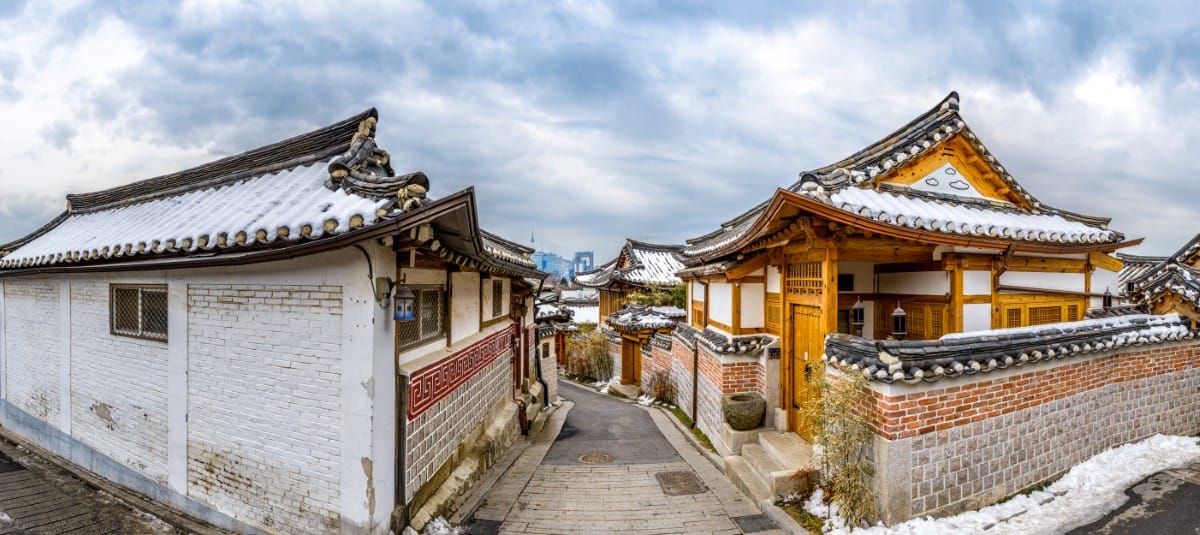
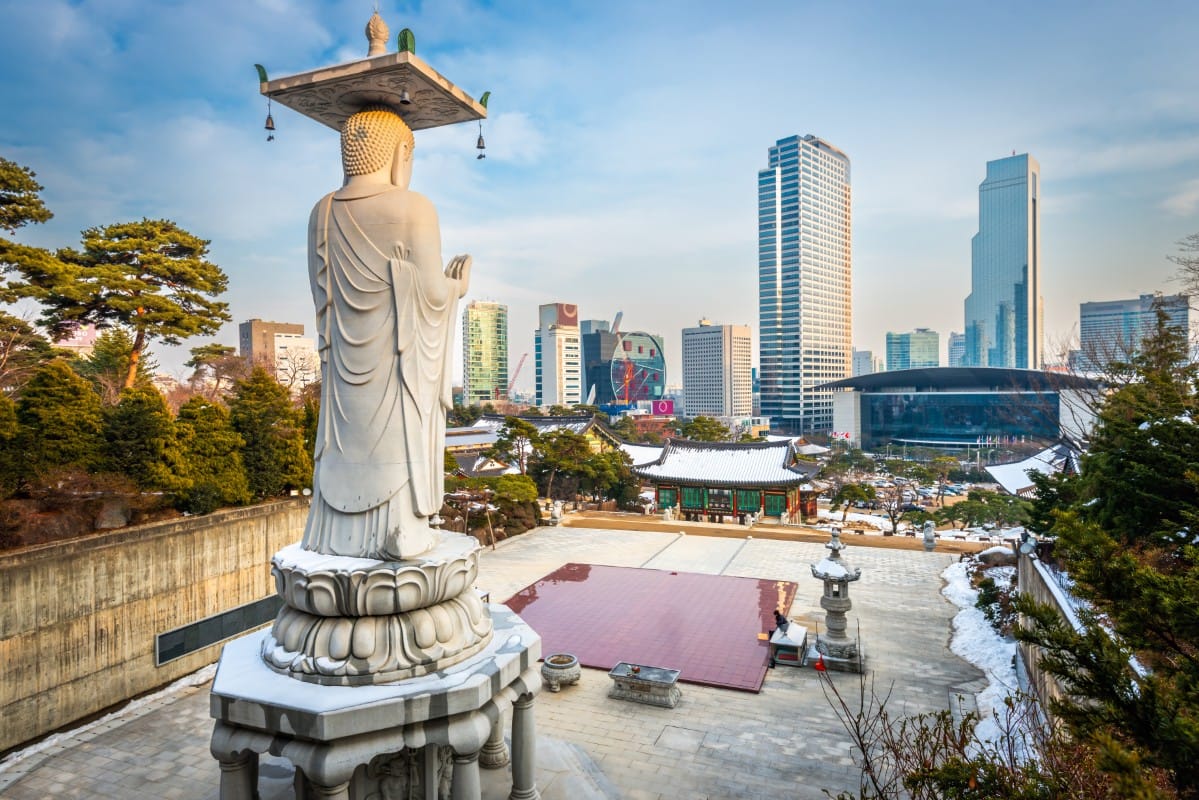
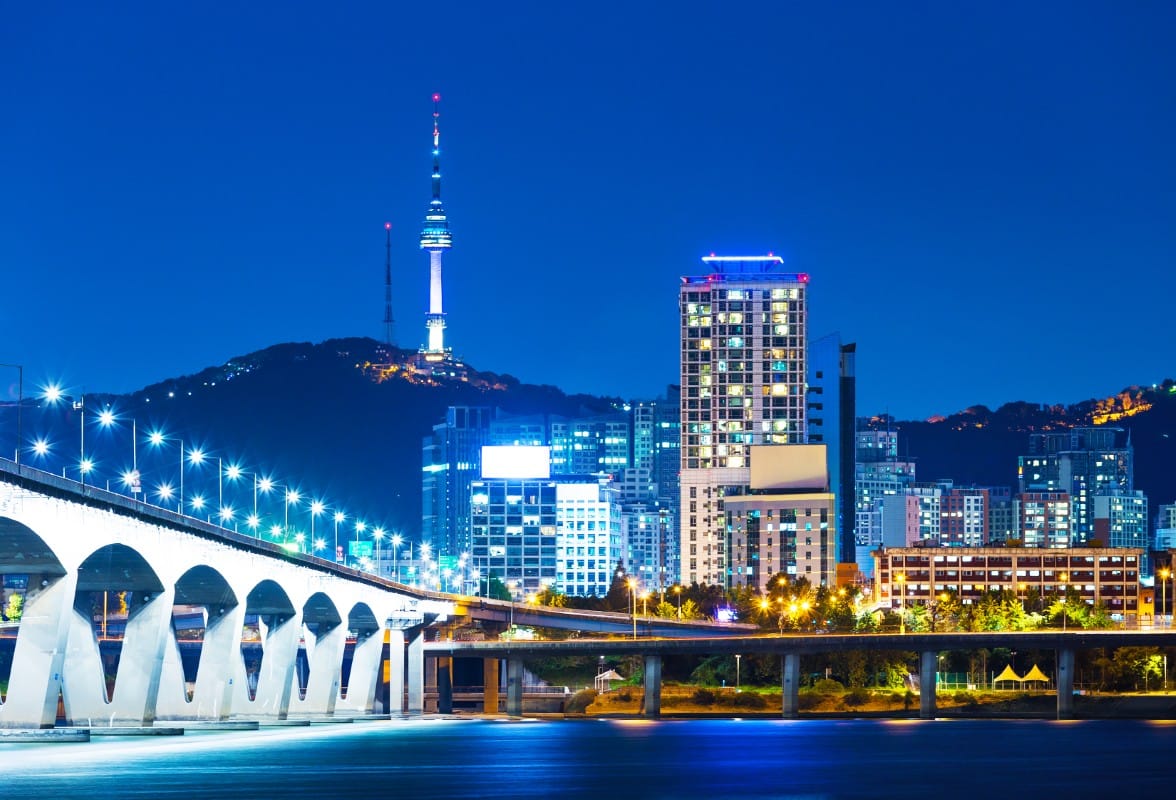
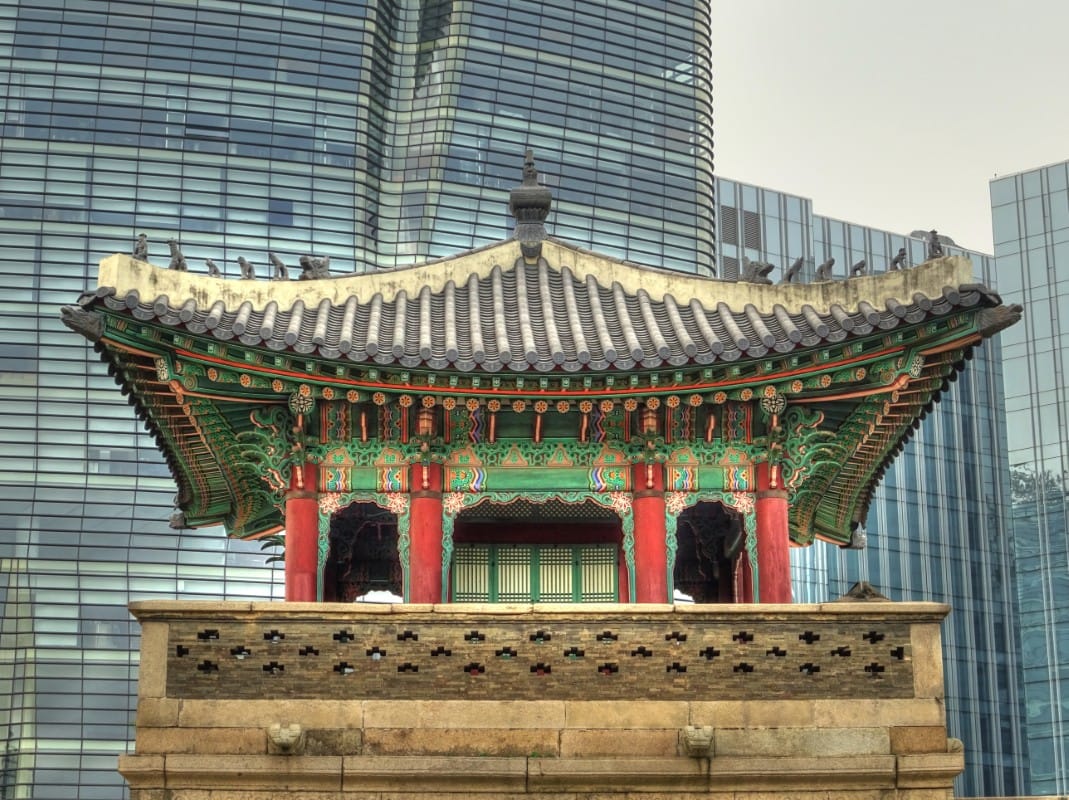
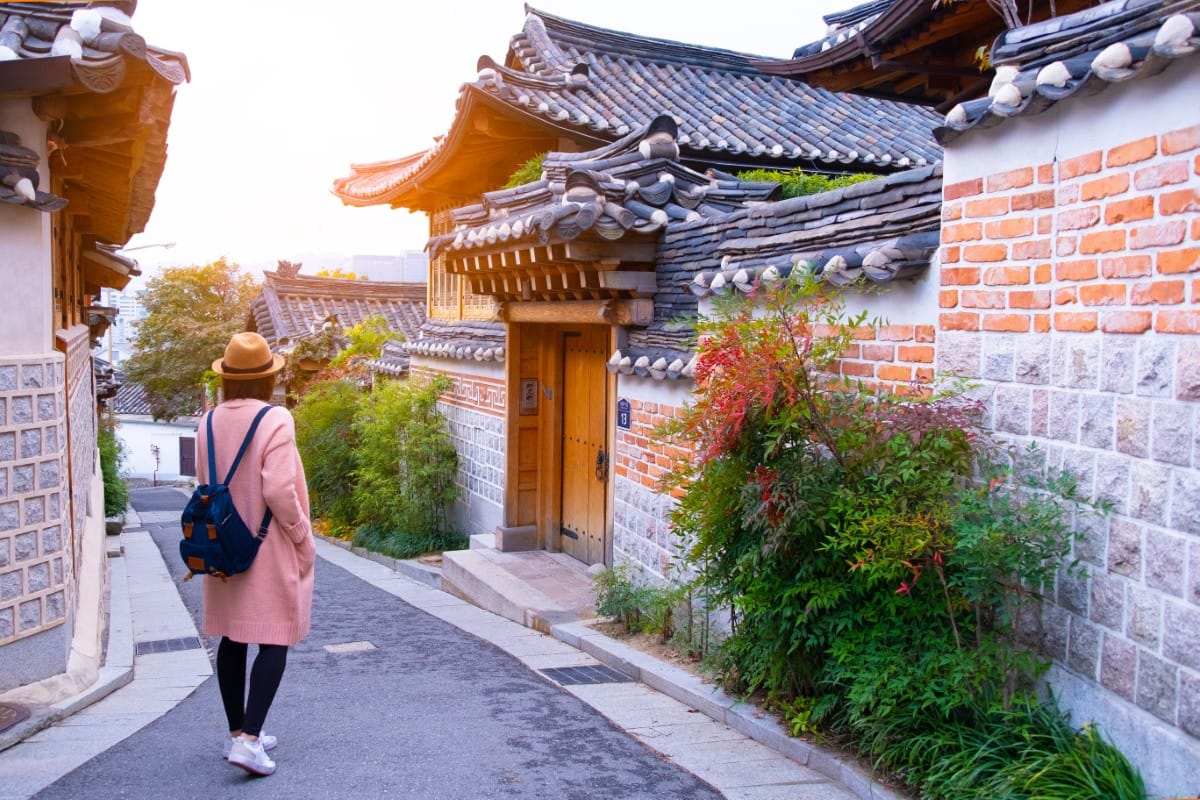
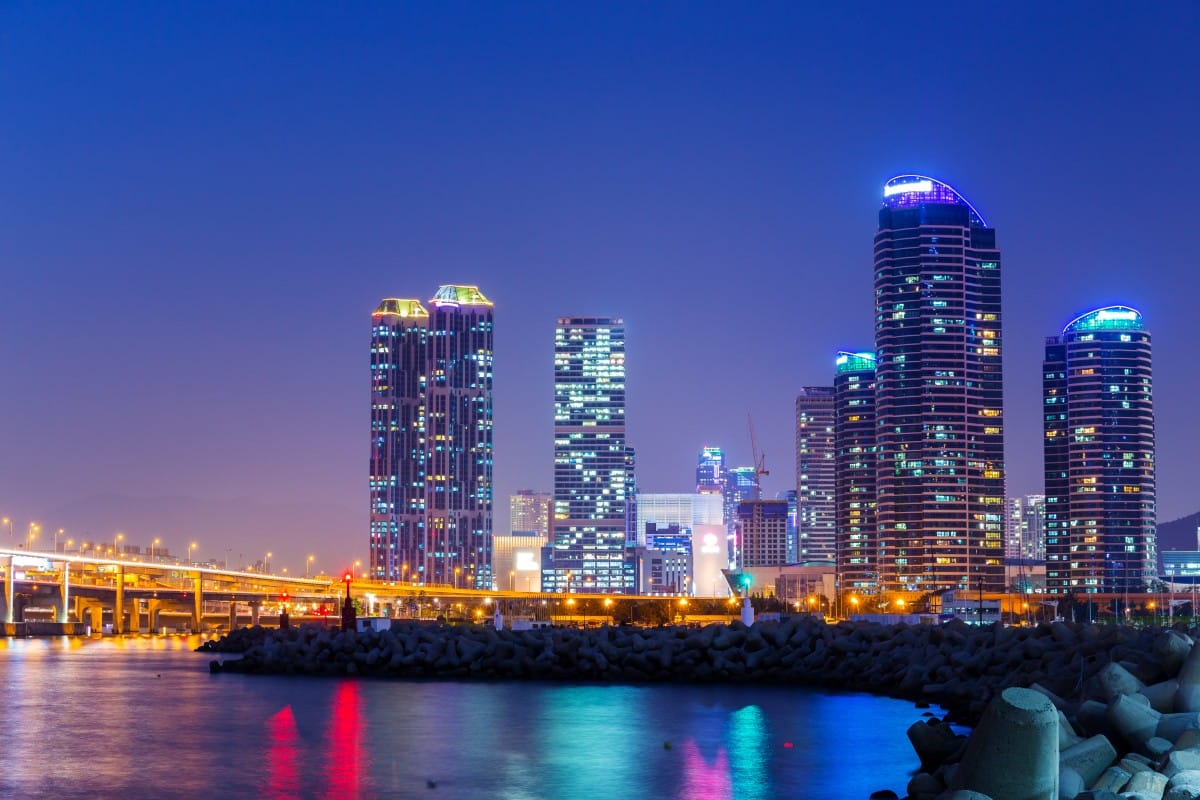
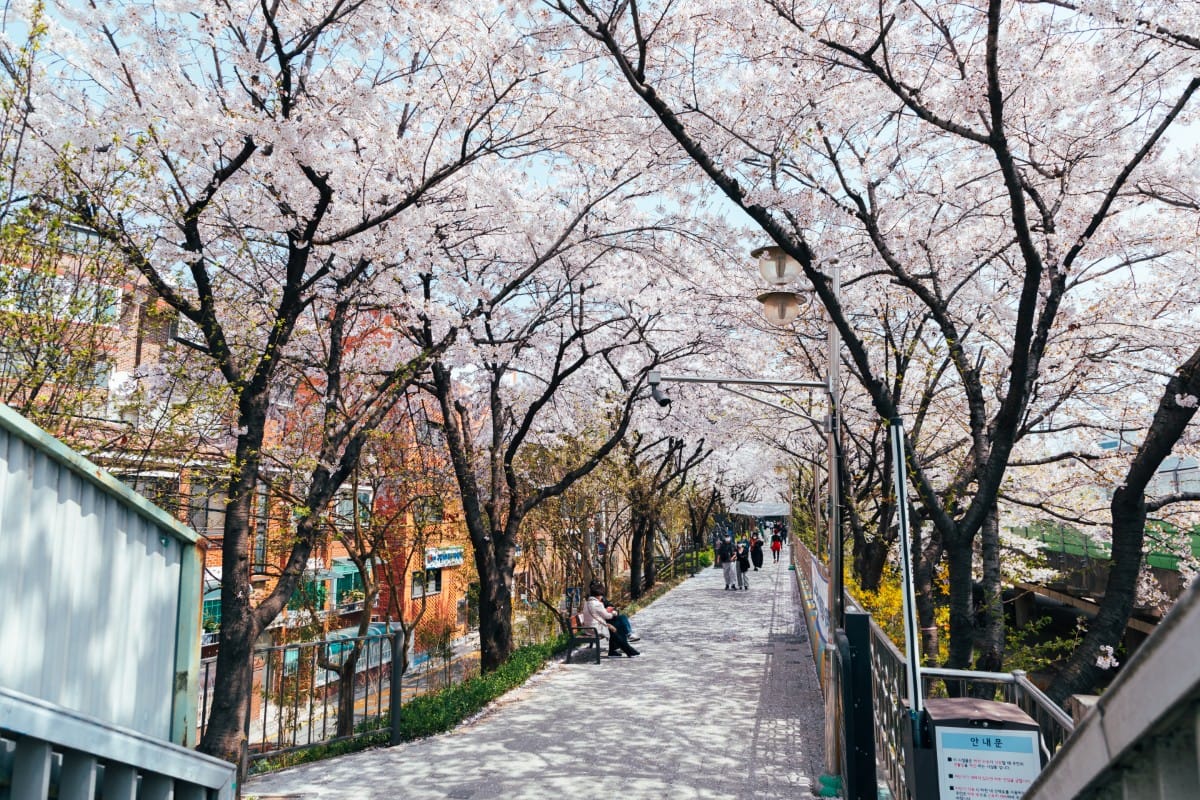
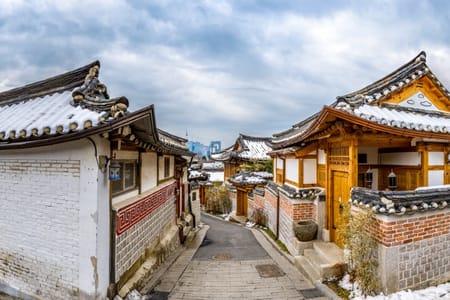
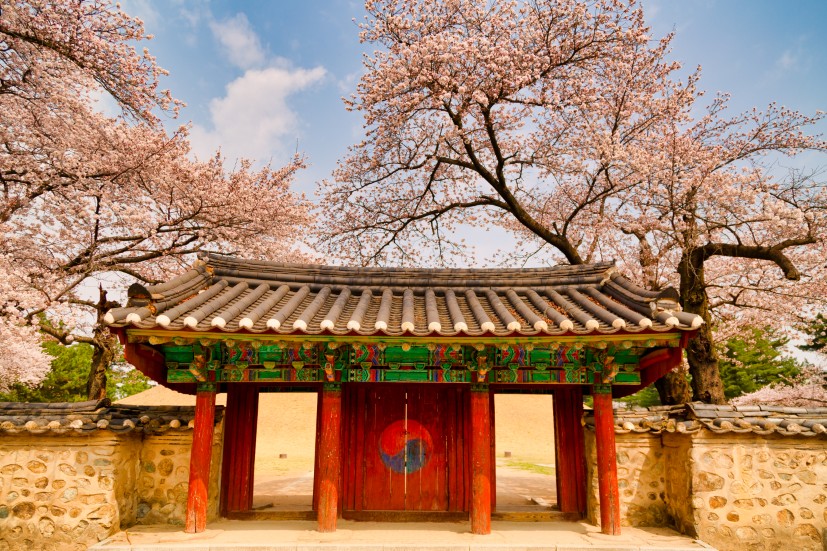
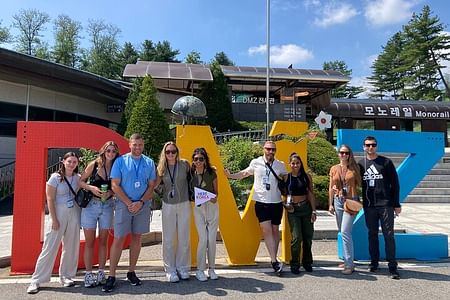
Make your own customized private tour in Luxury Van like Staria Mini Van or Bents Sprinter, Van and use your time efficiently in limited time in Seoul! Our Seoul local tour guide will take you to some places that you want to visit! There are many places though, you can discuss where to go and how much you want to spend time at the site! Itinerary is flexible!
For Food, tour guide will introduce good local restaurants !
Wherever you want to visit, ask us! we will do our best for your memorable trip in Seoul!
Inclusions
- Luxury AC Van with a driver
- Expert tour guide, licensed and experienced
- Pickup & Dropoff at hotel in Seoul
- Customized private tour program
- Cost for vehicle : fuel, parking, toll fee , etc
Exclusions
- Meals
- Entrance fee
Tour Plan
When you start your hiking, your guide will take you to routes On Mt Bukhan depending on your group’s climbing skills. It takes around 2 or 3 hours to hike on Mt Bukhan. If your people are beginners, there is one temple called Seunggasa where you climb about 1,300 feet in elevation. It takes 2 hours. It’s recommendable route for beginners. Or if your people are challenger, Bibong path is suitable route for your people. You will climb approximately 1,835 feet. This route follows a narrow trail with a mountain stream flowing on either side. Around the summit, Munching on Seaweed roll, hot bowl of Ramen and sharing hot cups of tea is common for Korean hikers. You will see people eating in groups enjoying the view. Check a 360 degree of the top of Bukhansan.
Bukhansan Mountain was officially designated as a national park in 1983. The Bukhansan National Park covers both Bukhansan and Dobongsan Mountains, and spans the total area of 80.699㎢. At the top of Bukhansan Mountain are Baegundae Terrace (835.6 m), Insubong Peak (810.5 m) and Mangyeongdae Terrace (799.5 m), which gave the mountain the nickname "Samgaksan" or the "three-horned mountain." The mountain had other names: Sambongsan (mountain with three peaks), Hwasan (flower mountain), and Buaak (mountain shaped like a person giving a baby a piggyback ride). The current name, Bukhansan, was given after the Bukhansanseong Fortress was built under King Sukjong of the Joseon Dynasty.
Your guide will drive your group to jjimjilbang where you can unwind and rejuvenate. Enjoy 20 min hot bath there and you can try to get a Korean body scrub service named Seshin ( Optional ). ddemiri or scrubbing ladies will slough away your skin covers over your thighs down to your feet across your stomach. You are sloshed with soap and water, shampooed and given body massage. Then, you go inside bathhouse separated by gender where nudity is the norm. jjimjilbang offers you exercise rooms as well.
Dragon Hill Spa is a large jjimjilbang & spa facility that offers a chance to try a variety of sauna experiences at a great price. This eight-story facility is equipped with a wide range of amenities, including themed saunas, spas, massage rooms, and open-air bathing pools. Most notably, the spa features a grand, decorative interior and a large hardwood charcoal sauna, which is heated and scented through the use of traditional oak wood burning. Other facilities include a swimming pool and a fitness center.
meet your guide in public saunas and together try many different kinds of saunas such as mud sauna, ice sauna, pinetree sauna, oak sauna, salt sauna and so on.
This restaurants service good quality of Korean, Pork BBQ which is marinated with Korean Special Soy Sauce. So you can enjoy real local food that Korean Love!
Itinerary
is an impressive structure from the latter part of the Joseon Dynasty (1392-1910) and the official fortress of Suwon-si, Gyeonggi-do. The fortress, constructed from 1794 to 1796, was built as a display of King Jeongjo’s filial piety towards his father and to build a new pioneer city with its own economic power.
The fortress wall stretches for a total of 5.52km and has a great variety of military facilities that are hard to find anywhere else. Four gates face each of the cardinal directions—Janganmun (north), Paldalmun (south), Changnyongmun (east), and Hwaseomun (west)—and the seven-arch style Sumun gates straddle the point where the nearby stream reaches the palace. Above the Sumun gates is a pavilion called Hwahongmun.
Hwaseong Fortress was constructed under the guidance of Yu Hyeong-Won (1622-1673) and Jeong Yak-Yong (1762-1836), and is believed to have been constructed very scientifically. The fortress wall was built using Seokjae and Jeondol (bricks) and the holes between the bricks are just big enough to fire guns, arrows, or long spears through in case of an attack.
During construction of the fortress Jeong Yak-Yong invented ‘Geojunggi,’ which uses a ‘hwalcha’ (lever) to lift up heavy stones, greatly reducing construction time.
The fortress was designated as Historic Site No. 3 in January 1963, and in December 1997, it was designated a UNESCO World Cultural Heritage Site. A variety of performances and events are held at the fortress every day and Suwon Hwaseong Cultural Festival takes place here in autumn.
Hwahongmun Gate refers to the northern gate of Hwaseong Fortress among the two main gates installed to control the flow of Suwoncheon Stream that cuts through the fortress. Hwahongmun Gate consists of seven arched watergates, each watergate constructed in a varying size. The watergate at the center is larger than others to control the water flow effectively.
s the main gate of Hwaseong Fortress at the northern wall. Jangan means capital, implying that Hwaseong Fortress is the secondary capital. Janganmun Gate served as the main gate because the king would pass from this gate when arriving from Hanyang, the capital city, now modern-day Seoul. It is interesting to note that this gate is larger than Sungryemun Gate in Seoul.
Other Optional Tour : If you don't want tour of Suwon Hwaseong, other option tour is visit to Namhansanseong Provincial Park. Surrounds Namhansanseong Fortress, one of four forts built to protect Hanyang (the former name of Seoul). Gaeseong, Suwon, Ganghwa and Gwangju are located in the north, south, west, and east direction respectively. Namhansanseong Fortress is located to the east in Gwangju. The park is situated on Namhansan Mountain, 24km southeast from Seoul and 6km northeast from Seongnam. The length of trails is a total of approximately 12.4 km
The fortress is alternately recorded as being the royal fortress of King Onjo of the Baekje Kingdom, whose father was King Dongmyeong during Goguryeo period or a fortress built in 673 during the reign of King Munmu (the 13th year) of Silla period during the heat of the Silla and Tang War. The old site was rebuilt several times, with its current style of construction being built in 1621 during King Gwanghae’s reign.
Namhansanseong’s circumference is approximately 12km, stacking small natural stones over big stones. The fortress includes Sueocheong (Namhansan Mountain Fortress Defense Command), Gwana (government office), storage, and a haenggung (temporary palace), as well as 80 wells and 45 springs. Also, administration was moved from Gwangju-eup to inside of the fortress, clearly showing the importance of Namhansanseong Fortress in that period. 12,700 people participated in a field exercise carried out for the first time after building the fortress by command of King Injo (17th year, 1639). These days, only a few buildings remain inside of the fortress including East and South Gate, Seojangdae, Hyeonjeolsa Temple, Yeonmu Hall, Janggyeongsa Temple, Jisudang, Yeongwoljeong, and Chimgwaejeong. Among these remaining buildings, four gates, Sueojangdae, and some parts of the fortress in the middle of West Gate still maintain their original forms. Namhansanseong Fortress is designated as Historical Site No. 57 and a provincial park.
This is filled with a lot of traditional restaurants, cafe. you can look around here and will have lunch in this traditional restaurant .
At the end of the tour, eating a delicious meal at Baeksuk Street is a must. Located at the entrance of Namhansanseong Provincial Park near the haenggung, many restaurants in Baeksuk Street offer baeksuk (whole chicken soup with rice), dak doritang (spicy chicken stew), and hunje ori (smoked duck). Side orders like dotorimuk (acorn jelly salad) and gamja jeon (potato pancakes) go perfectly with the meal.

next will visit to
Seonjeongneung is comprised of Seolleung Royal Tomb and Jeongneung Royal Tomb ( Closed : Mondays) . Located in downtown Seoul, this place offers tranquil and pleasant promenades for couples and office workers. Seonjeongneung houses the burial mounds of King Seongjong (1469-1494), his wife Queen Jeonghyeon, and King Jungjong (1506-1544) of the Joseon dynasty (1392-1910).
Seonjeongneung has a lush forest, and benches on the promenade provide an ideal place to relax. There are numerous small hills with clusters of trees that create a border between the mystery and serenity of the royal tombs and the hustle and bustle of downtown Seoul.
Meeting / Pickup
Pick-up only: Customers must be picked up from selected pick-up locations.
Please Note
- Infant seats unavailable
- Not suitable for pets
- Wheelchair accessible
- Please add country code to your phone number at time of booking
- You don't have to follow suggested Itinerary above. Just let me know where you want to visit and explore.
- Vegetarian option is available, please advise at time of booking if required
- Please let us know your exact contact number
- We will do our best for you
Cancellation Policy
Fully refundable until 1 day before start
Non-refundable after 1 day before start
Reviews
- • No Tax, No Fees
- • Instant Booking
- • Customizable Tours
- • Guaranteed Departures
- • Flexible Booking Options
- • Verified Local Operators
- • 24/7 Support