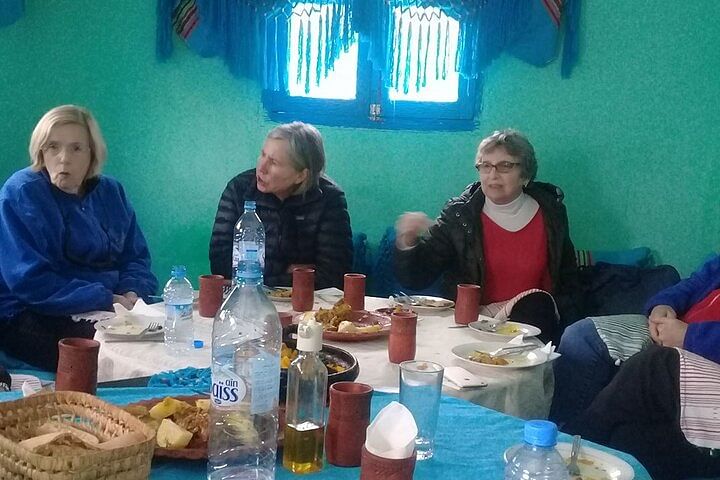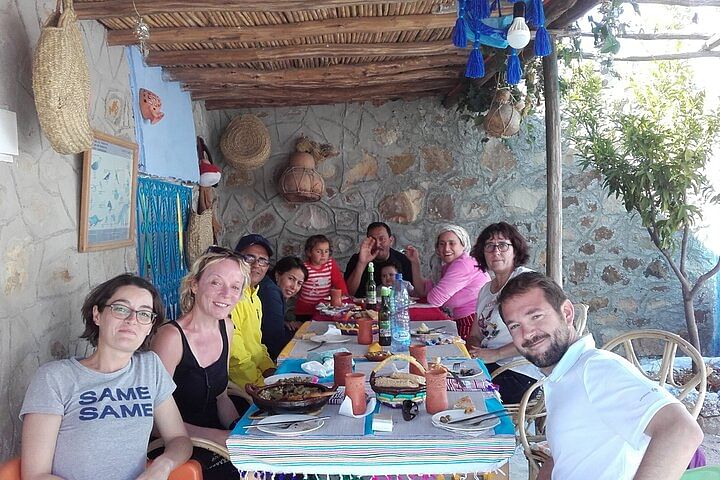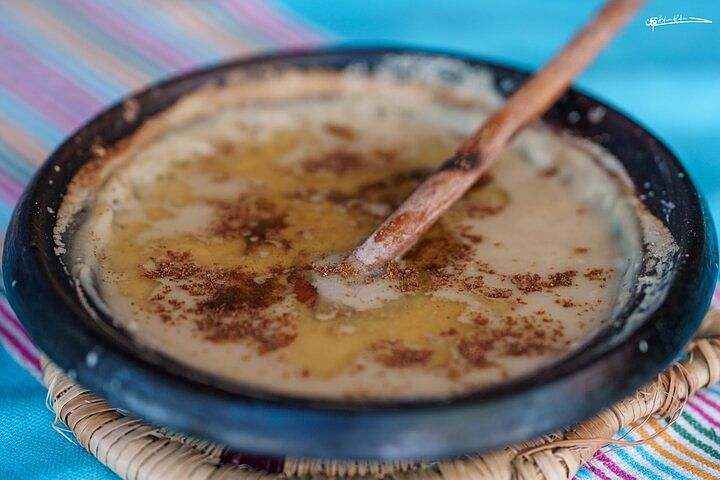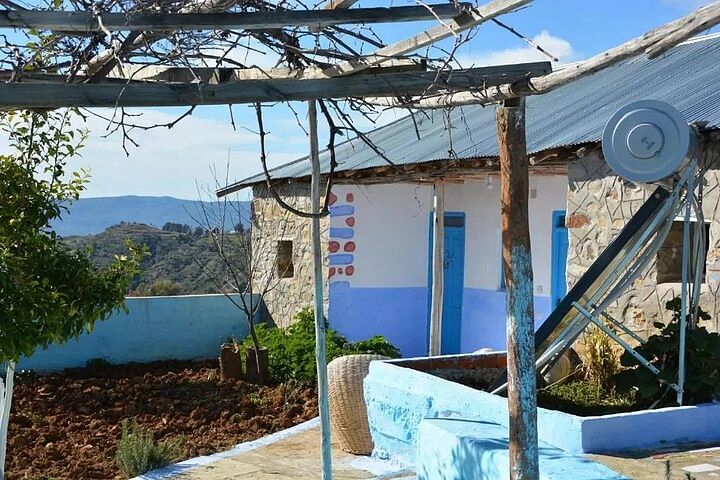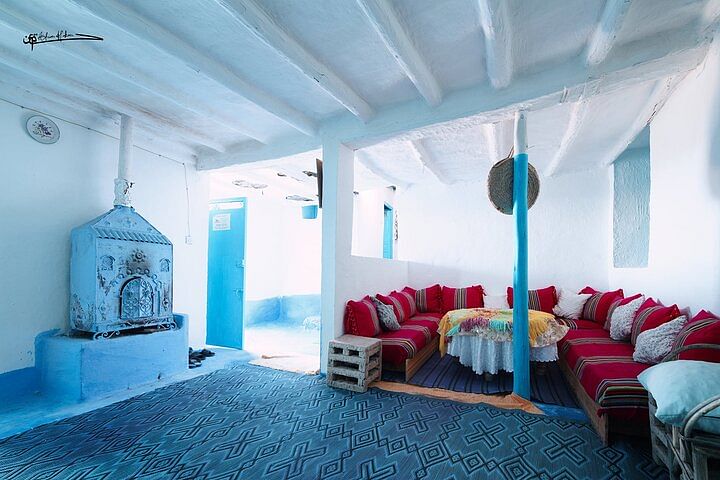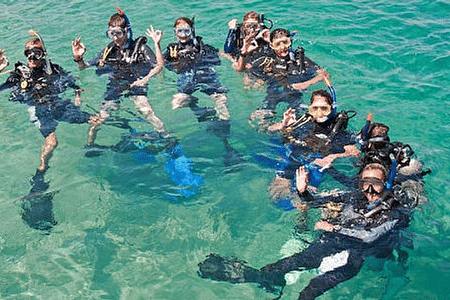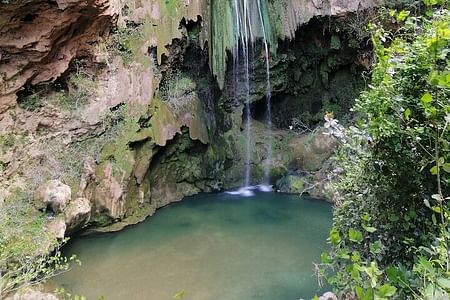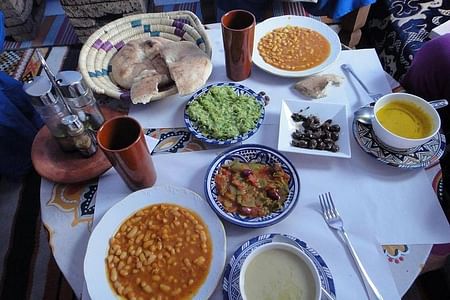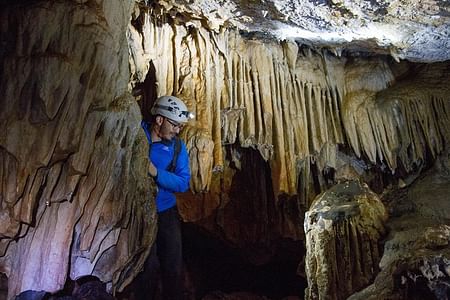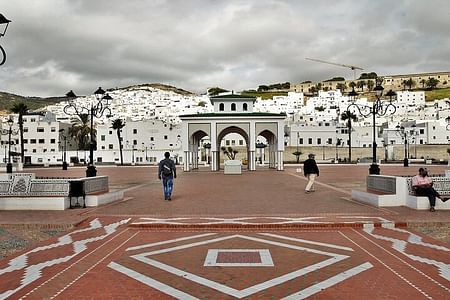
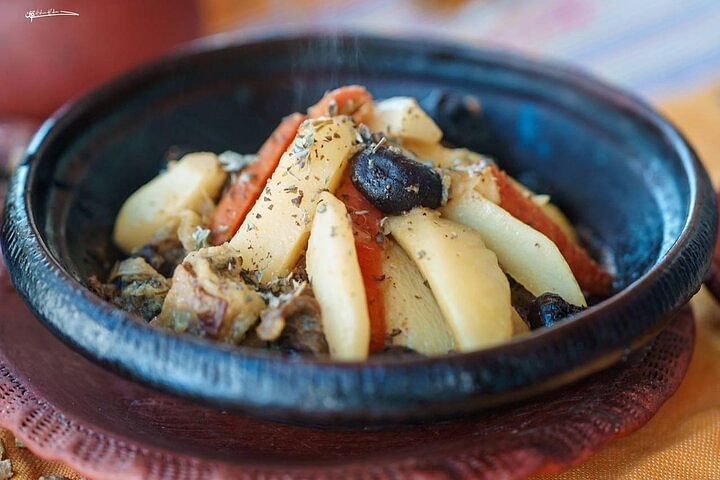
With the help of a native host, you’ll get a hands-on training and you’ll discover the unique flavors of local cooking while learning about traditional ways of life. You’ll learn new cooking techniques that can easily be repeated at home.
Vegetarians are welcome. Let me know in advance if you have any dietary restrictions.
Inclusions
- Pick up from & return transfer to your hotel (by taxi)
- mountain guide for the hike
- Traditional Cooking workshop
- walk in the village
- Lunch on a Breathtaking view Terrace
- Tea with herbs
Exclusions
- Items that are not included in the cost of tour price.
Tour Plan
Itinerary
The Avukana statue is a standing statue of the Buddha near Kekirawa in North Central Sri Lanka. The statue, which has a height of more than 40 feet, was carved out of a large granite rock face during the 5th century. It depicts a variation of the Abhaya mudra, and the closely worn robe is elaborately carved.
Ruwanweli Maha Seya is a towering stupa in Anuradhapura, built by King Dutugemunu in 140 BC. Revered as one of the most sacred Buddhist monuments, it enshrines the largest collection of Buddha’s relics and stands as a symbol of ancient Sinhalese architecture and spiritual devotion2.
The Sri Maha Bodhiya is the oldest historically documented tree in the world, grown from a sapling of the original Bodhi tree under which Buddha attained enlightenment. Planted in 288 BC, it is a sacred pilgrimage site and a cornerstone of Buddhist heritage in Sri Lanka.
Jethawanaramaya is one of the tallest brick structures in the ancient world, built by King Mahasena in the 3rd century AD. This massive stupa once stood over 120 meters high and was part of the Jetavana monastery, symbolizing the power of Theravāda Buddhism.
Thuparamaya is the first stupa built in Sri Lanka after the introduction of Buddhism. Constructed by King Devanampiyatissa in the 3rd century BC, it enshrines the right collarbone relic of the Buddha and marks the beginning of Buddhist architecture on the island.
Mirisawetiya Stupa was built by King Dutugemunu to enshrine his battle spear containing Buddha’s relics. Legend says the king forgot to offer his meal to monks and built the stupa as penance. It’s one of Anuradhapura’s earliest and most revered stupas.
Kuttam Pokuna, or the Twin Ponds, are ancient bathing tanks showcasing advanced hydraulic engineering. Built for Buddhist monks, these symmetrical stone pools reflect the sophistication of Anuradhapura’s water management systems.
The Anuradhapura Moonstone is a semi-circular stone slab found at the entrance of ancient temples. Intricately carved with symbolic motifs, it represents the cycle of life and is a hallmark of Sinhalese artistry and Buddhist symbolism.
Meeting / Pickup
Meet on location or pick-up: Customers can come to our location or we can pick them up on request.
Know Before You Go
- Wheelchair accessible
- Stroller / pram accessible
- Animals or pets allowed
- Infants must sit on your lap
Please Note
- No public transportation nearby
- Infant seats unavailable
- Not wheelchair accessible
Cancellation Policy
Fully refundable until 1 day before start
Non-refundable after 1 day before start
Reviews
Comments are closed.
- • No Tax, No Fees
- • Instant Booking
- • Customizable Tours
- • Guaranteed Departures
- • Flexible Booking Options
- • Verified Local Operators
- • 24/7 Support


3 Comments
4.8
Our time with the local family in the village was a delightful immersion into authentic Moroccan cuisine, especially when we prepared a rich tagine together.
4.2
We had a fantastic time learning to prepare traditional Moroccan dishes with a warm local family in their charming home. The only hiccup was that the class felt a bit rushed at times, but the vibrant atmosphere and delicious food made it a memorable experience.
4
Learning to prepare a traditional meal with a local family was a heartwarming experience for us, especially when we all sat down together to share the dishes we had created.