Tokyo to Kamakura English Guided Private Tour
Free Cancellation · Instant confirmation · Private tour

Zeniarai Benzaiten Shrine, located in Kamakura, Japan, is a small yet popular Shinto shrine known for
its unique water ritual. Visitors wash their money in the shrine s spring water, believed
to multiply it and bring financial prosperity. Founded in 1185 by Minamoto no Yoritomo, the
shrine is dedicated to the deity Benzaiten and combines elements of both Shinto and Buddhist
traditions. Nestled in a tranquil valley surrounded by lush greenery, it offers a serene and
mystical atmosphere for visitors seeking good fortune
Engaku-ji, located in Kamakura, Kanagawa Prefecture, is one of the leading Zen Buddhist temples in Japan.
Founded in 1282 by the regent HÅjÅ Tokimune and the Chinese Zen monk Wuxue Zuyuan,
the temple was established to honor the fallen Japanese and Mongolian soldiers of the Mongol
invasions of Japan. Engaku-ji is part of the Rinzai Zen sect and ranks second among
Kamakura s Five Mountains (a group of the most important Zen temples in the area).
The
temple complex features numerous historic buildings and beautiful gardens, offering a serene environment ideal for
meditation and reflection. Notable structures include the Sanmon (main gate), Butsuden (Buddha Hall), and the
Shariden, which houses a relic of the Buddha. The temple also provides stunning views of
the surrounding hills and is particularly famous for its autumn foliage. Engaku-ji continues to serve
as an active center for Zen practice and cultural heritage
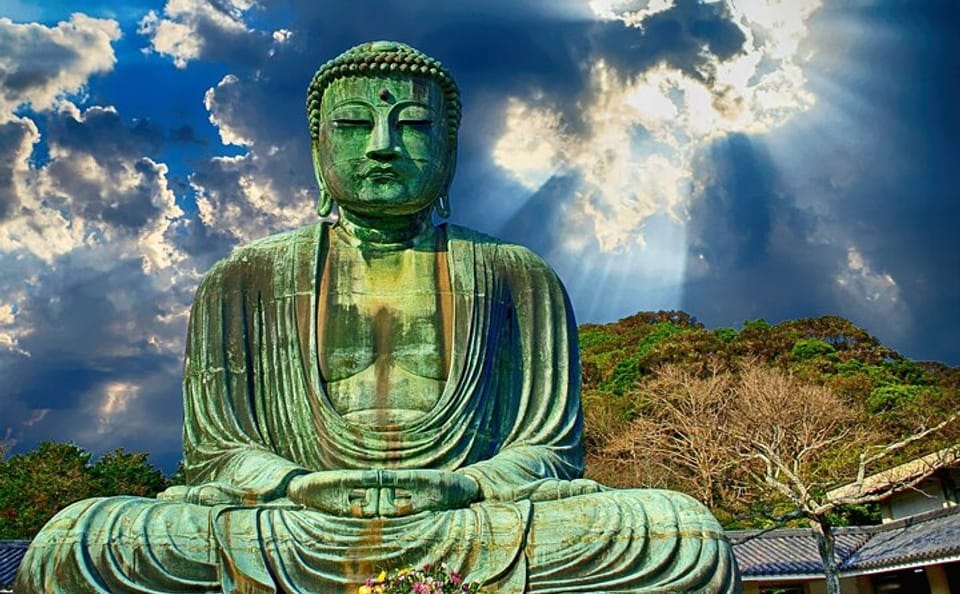
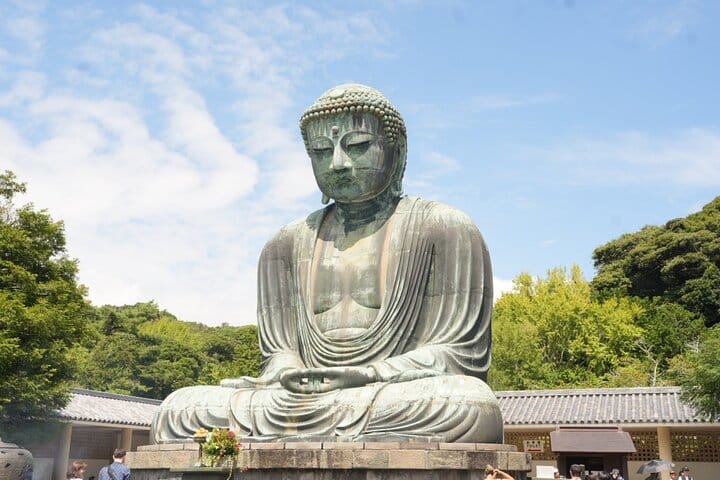
KÅtoku-in is a Buddhist temple in Kamakura, Kanagawa Prefecture, Japan, renowned for its Great Buddha (Daibutsu),
a monumental outdoor bronze statue of Amida Buddha. The temple belongs to the JÅdo-shÅ« (Pure
Land) sect and was originally constructed in 1252 during the Kamakura period.
The Great Buddha
of Kamakura, standing at approximately 13.35 meters (44 feet) tall and weighing around 93 tons,
is one of Japan s most iconic and revered statues. Originally housed in a large
temple hall, the statue has been exposed to the elements since the building was destroyed
by a tsunami in the late 15th century.
KÅtoku-in s serene and spacious grounds offer
visitors a place for contemplation and reflection, with the statue serving as a powerful symbol
of the enduring nature of Buddhist teachings. The temple attracts numerous visitors and pilgrims, drawn
by the statue s majestic presence and historical significance
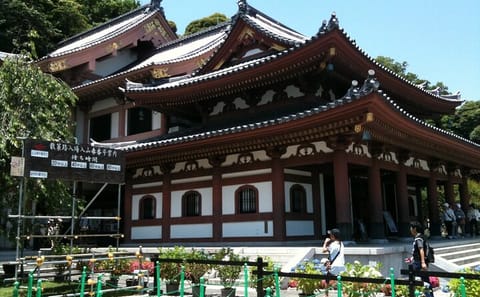
Hase-dera, also known as Hase Kannon, is a Buddhist temple in Kamakura, Kanagawa Prefecture, Japan. It
is part of the JÅdo sect and is famous for its statue of Kannon, the
goddess of mercy. This eleven-headed statue, standing over 9 meters (30 feet) tall, is one
of the largest wooden statues in Japan and is believed to date back to the
8th century.
The temple is situated on a hillside, providing stunning views of the coastal city
of Kamakura and the ocean. Its grounds feature beautiful gardens, ponds, and seasonal flowers, particularly
renowned for hydrangeas in early summer.
Hase-dera also houses a cave called Benten-kutsu, dedicated to
Benzaiten, the goddess of the sea and one of the Seven Lucky Gods in Japanese
mythology. The cave contains numerous carved statues and offers a mystical experience to visitors.
The temple
s serene environment and historical significance make it a popular destination for both pilgrims and
tourists seeking tranquility and spiritual in
Enoshima is a small island off the coast of Kanagawa Prefecture, Japan, known for its scenic
beauty, cultural attractions, and recreational activities. Connected to the mainland by a bridge, the island
is a popular destination for day trips and offers a mix of natural landscapes, historical
sites, and modern entertainment.
Key attractions on Enoshima include the Enoshima Shrine, dedicated to the goddess
Benzaiten, and the Samuel Cocking Garden, featuring beautiful botanical displays and an observation tower with
panoramic views of the island and surrounding area. The island s caves, known as the
Iwaya Caves, add a sense of adventure with their historic and geological significance.
Enoshima s beaches
are ideal for swimming, surfing, and other water sports, making it a favorite spot for
locals and tourists alike. The island also boasts numerous restaurants, shops, and traditional inns, providing
a blend of relaxation and exploration in a picturesque coastal setting
Fully refundable until 1 day before start
Non-refundable after 1 day before start
Free Cancellation · Instant confirmation · Private tour
Free Cancellation · Instant confirmation · Meet on location
Free Cancellation · Instant confirmation · Private tour
Free Cancellation · Instant confirmation · Private tour
Free Cancellation · Instant confirmation · Private tour
Instant confirmation · Private tour · Meet on location or pickup
Free Cancellation · Instant confirmation · Private tour
Free Cancellation · Instant confirmation · Private tour