
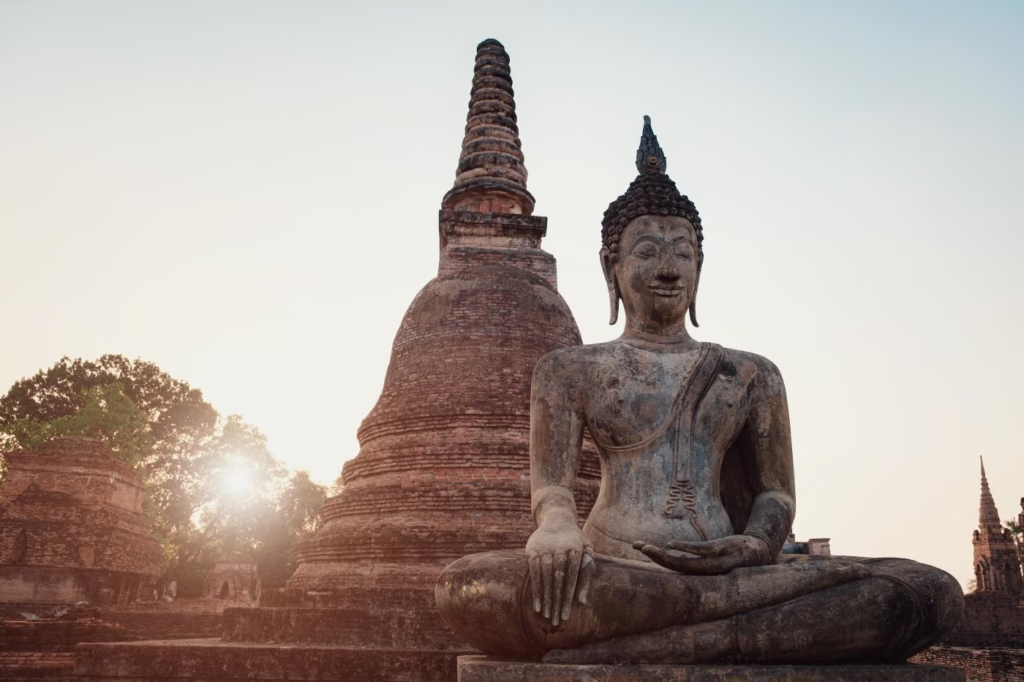
Thailand has a way of turning first-time visitors into repeat ones. Between the golden temples, the roadside food stalls, the limestone islands, and the sheer warmth of the welcome, it’s easy to see why it consistently tops Southeast Asia bucket lists. But precisely because there’s so much packed into one country, first-timers tend to make the same two mistakes: cramming too many cities into too few days, or skipping the practical groundwork that makes everything else run smoothly.
At TripWays, we’ve spent years building itineraries and working directly with local vendors across Thailand, and this guide covers the things we wish every first-time traveler knew before they booked a flight.
1. Choose the Right Time to Visit
Thailand runs on three seasons rather than the usual four, and the season you land in will shape your entire trip.
- Cool season (November–February): The most popular window, with lower humidity, blue skies, and comfortable evenings. It’s also the busiest and priciest time to visit, so book accommodations early.
- Hot season (March–May): Temperatures climb, especially inland. Great for island time, less ideal for long days of temple-hopping in Bangkok or Chiang Mai.
- Rainy season (June–October): Short, heavy downpours rather than all-day rain, plus thinner crowds and lower prices. The Gulf coast (Koh Samui, Koh Phangan) and the Andaman coast (Phuket, Krabi) are actually on opposite rainfall schedules, so it’s worth checking region by region rather than treating “rainy season” as one blanket rule.

2. Sort Out Your Visa and Entry Paperwork Early
Most Western passport holders, including U.S. citizens, can currently enter Thailand for tourism without applying for a visa in advance. That said, Thailand’s entry rules have been actively changing in 2026, with officials moving to shorten the visa-exempt stay, so don’t rely on older blog posts for the exact number of days you’re allowed — check the current limit on the Royal Thai Embassy or immigration website close to your travel dates.
A few things that apply regardless of the exact stay length:
- Your passport should be valid for at least six months from your entry date.
- All travelers must complete the Thailand Digital Arrival Card (TDAC) online within 72 hours of arrival. It’s free, and it has replaced the old paper arrival form.
- Immigration officers can ask for proof of onward travel and, occasionally, proof of funds, so it’s worth having a return or onward ticket booked before you fly.
3. Pick a Smart Home Base for Your First Nights
Bangkok is where almost every first trip to Thailand starts, and where you sleep for those first couple of nights sets the tone for the rest of your visit. Rather than picking a hotel based on a photo alone, look at how connected the neighborhood is to the BTS Skytrain or MRT, since Bangkok traffic can eat up hours of your day.
A well-located hotel in Surawong is a solid choice for first-timers — it puts you within easy reach of the Chao Phraya River, Chinatown, and Silom’s restaurants, while still being a short ride from Bangkok’s biggest sights. Landing somewhere central like this on day one makes it much easier to ease into the city’s pace before heading further afield.
4. Build Your Itinerary Around Experiences, Not Just Cities
New visitors often plan Thailand the way they’d plan a European trip — city, city, city — and end up spending more time in transit than actually experiencing the country. Thailand rewards the opposite approach: pick two or three regions (say, Bangkok, Chiang Mai, and one island) and build your days around what you actually want to do there, not just where you want to stand for a photo.
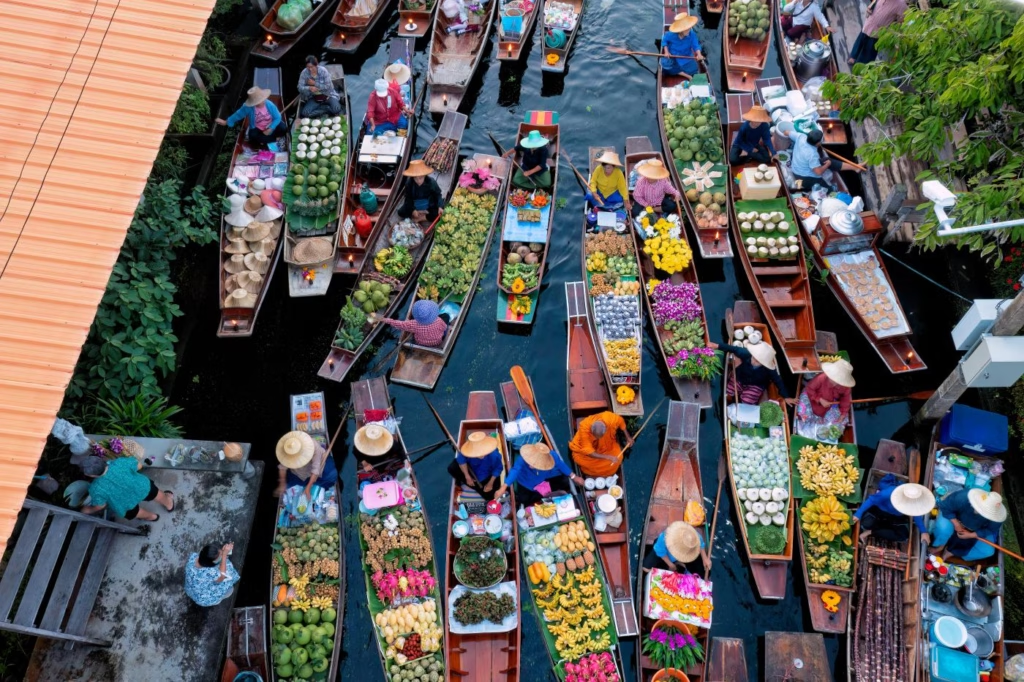
There’ll be countless activities and things to do in Thailand to choose from once you start looking — cooking classes in Chiang Mai, sunrise boat trips through Phang Nga Bay, temple tours led by local guides, jungle trekking, and island-hopping day trips. Browsing a curated list ahead of time makes it much easier to pace your days realistically instead of trying to squeeze in everything you’ve seen on social media.
5. Eat Like a Local From Day One
You don’t need a reservation to eat well in Thailand — some of the best meals of your trip will come from a plastic stool on the sidewalk. That said, first-timers benefit from knowing a bit about what they’re ordering before they dive in.
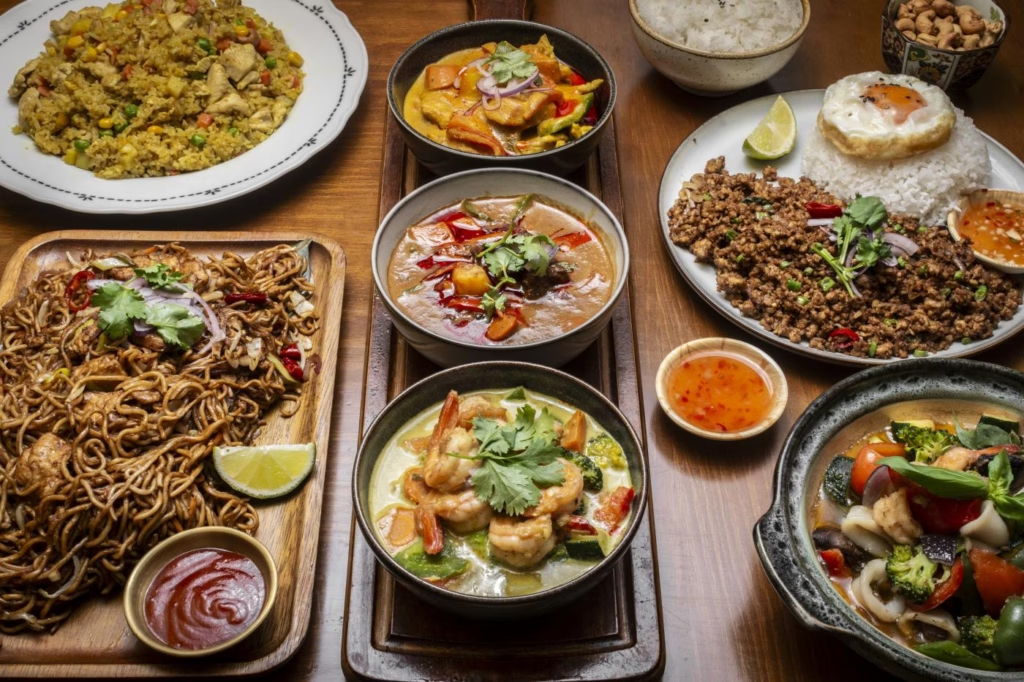
Thai cuisine varies more by region than most visitors expect: the north leans toward milder, herb-forward dishes, the northeast (Isaan) is bold and often built around sticky rice, and the south brings serious heat and coconut-based curries. If you want a primer before you land, this rundown of Thai food essentials is a good starting point for what to look for on a menu — or a street cart — once you arrive. A general rule of thumb: eat where the line is long and the turnover is fast, and start with mild spice levels until you know your tolerance.
6. Don’t Try to See Everything; Prioritize
Thailand’s list of “must-see” places is genuinely long, and no first trip can realistically cover all of it. Rather than trying to hit every temple, waterfall, and beach you’ve bookmarked, pick a handful of places that actually match what you’re after: culture and history, island relaxation, jungle adventure, or some mix of all three.
This roundup of many of the sights worth prioritizing is a helpful way to narrow things down before you commit to a route. It’s far better to properly enjoy three or four destinations than to rush through eight and remember none of them clearly.
7. Handle Money and Packing Like a Local Would
- Currency: Thailand uses the Thai baht (THB). Cash is still king at street stalls and local markets, while cards are widely accepted in malls, hotels, and larger restaurants. It’s worth carrying small bills for tuk-tuks, songthaews, and market stalls.
- Dress code: Pack lightweight, breathable clothing, but bring at least one outfit that covers your shoulders and knees for temple visits — many temples will turn away visitors who don’t meet this standard.
- Rain gear: Even outside the rainy season, a compact umbrella or light rain jacket earns its space in your bag.
- Power adapters: Thailand generally uses Type A, B, and C outlets running at 220V, so check that your devices or adapter can handle the voltage.
8. Respect Local Customs
Thai culture places a lot of value on politeness and modesty, and a little cultural awareness goes a long way with locals.
- The wai (a slight bow with palms pressed together) is the traditional greeting — you don’t need to master it, but returning one when offered is appreciated.
- Remove your shoes before entering homes, some shops, and most temples.
- The head is considered the most sacred part of the body and the feet the least, so avoid pointing your feet at people or at Buddha images.
- The Thai monarchy is held in extremely high regard; avoid making jokes or critical comments about the royal family, even casually.
Final Thoughts
A first trip to Thailand goes best when you balance planning with flexibility, nail down your visa paperwork, your first few nights’ accommodation, and a rough regional route, then leave enough breathing room to say yes to the things you didn’t plan for. That’s usually where the best memories come from.
If you’re still shaping your route, browsing curated tours and activities by destination is one of the easiest ways to see what a realistic itinerary actually looks like before you commit to flights.