 Elite
Elite
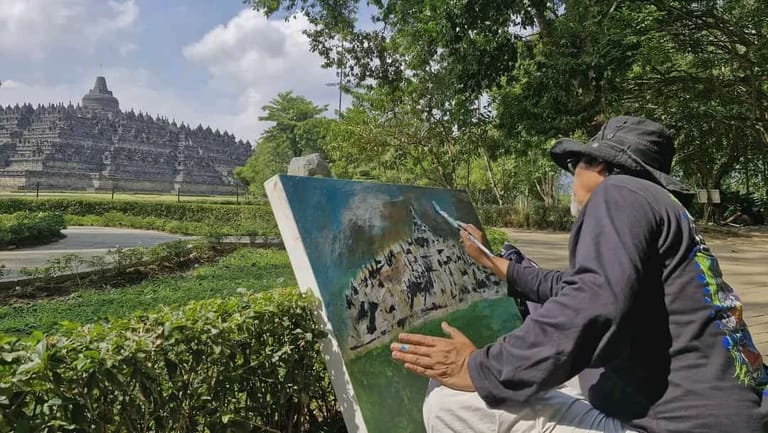
Borobudur Temple Art Painting in Yogyakarta
50% refund until 2 days before · Instant confirmation · Meet on location or pickup

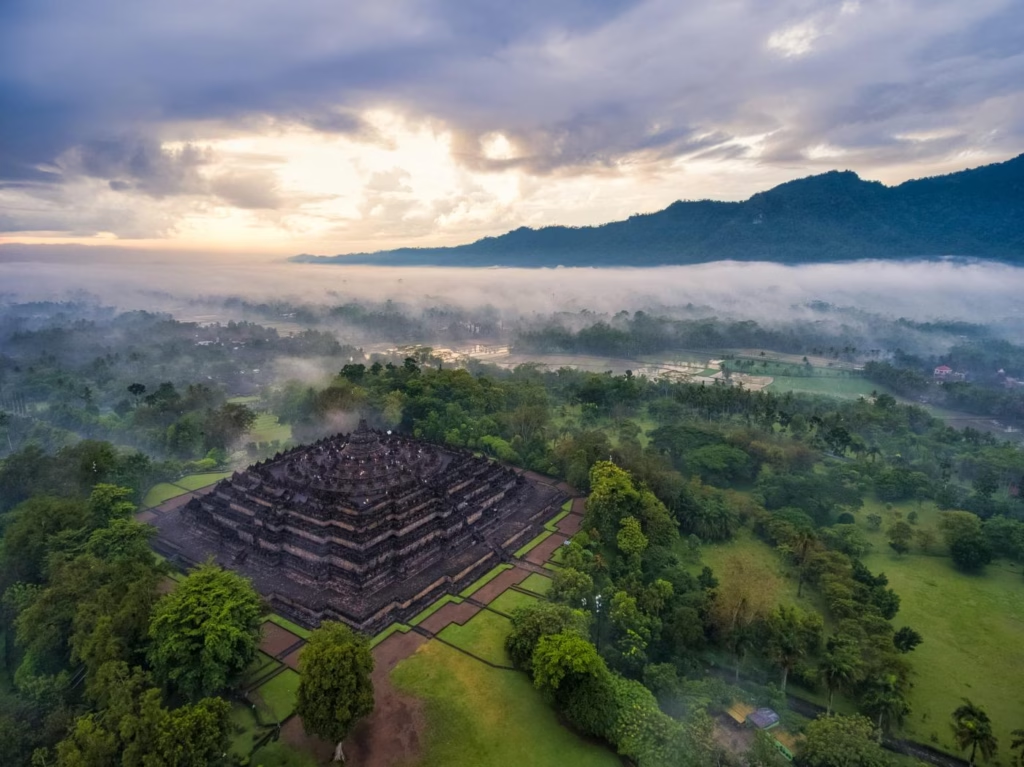
Borobudur runs a two-tier ticket system: a Temple Grounds pass covers the park and base terraces, while the Temple Structure ticket adds a guided climb to the upper platforms with mandatory woven sandals to protect the stone. Structure tickets are capped daily and sell out a week or more ahead, so vetted operators below are worth booking early — several also bundle entry with hotel transfers or a same-day Prambanan add-on.
Elite
50% refund until 2 days before · Instant confirmation · Meet on location or pickup
 Elite
Elite
Free Cancellation · Instant confirmation · Private tour
 Elite
Elite
Instant confirmation · Private tour · Min age 12+
 Elite
Elite
Free Cancellation · Instant confirmation · Private tour
 Elite
Elite
Free Cancellation · Instant confirmation · Private tour
 Elite
Elite
Free Cancellation · Instant confirmation · Private tour
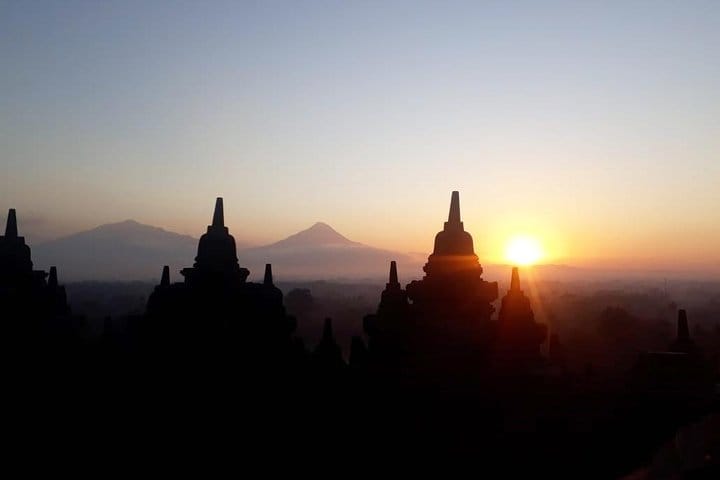
From 4 a.m. sunrise treks to half-day circuits that pair Borobudur with the quieter Mendut and Pawon temples, these tours are run by local guides who know which terrace catches the best light, how to time the climb around the 1,200-person daily cap, and where the tour buses haven't reached yet.
 Elite
Elite
Instant confirmation · Private tour · Min age 18+
 Elite
Elite
Free Cancellation · Instant confirmation · Private tour
 Elite
Elite
Free Cancellation · Instant confirmation · Min age 17+
 Elite
Elite
Free Cancellation · Instant confirmation · Private tour
 Elite
Elite
Free Cancellation · Instant confirmation · Private tour
 Elite
Elite
Free Cancellation · Instant confirmation · Private tour
 Elite
Elite
Free Cancellation · Instant confirmation · Pickup available
 Elite
Elite
Free Cancellation · Instant confirmation · Private tour
 Elite
Elite
Free Cancellation · Instant confirmation · Private tour
 Elite
Elite
Free Cancellation · Instant confirmation · Pickup available
 Elite
Elite
Free Cancellation · Instant confirmation · Private tour
 Elite
Elite
Free Cancellation · Instant confirmation · Private tour
 Elite
Elite
Free Cancellation · Instant confirmation · Private tour
 Elite
Elite
Free Cancellation · Instant confirmation · Min age 14+
 Elite
Elite
Free Cancellation · Instant confirmation · Min age 14+
 Elite
Elite
Free Cancellation · Instant confirmation · Private tour
 Elite
Elite
Free Cancellation · Instant confirmation · Private tour
 Elite
Elite
Free Cancellation · Instant confirmation · Private tour
 Elite
Elite
Instant confirmation · Pickup available
 Elite
Elite
Instant confirmation · Meet on location
 Elite
Elite
Instant confirmation · Private tour · Pickup available
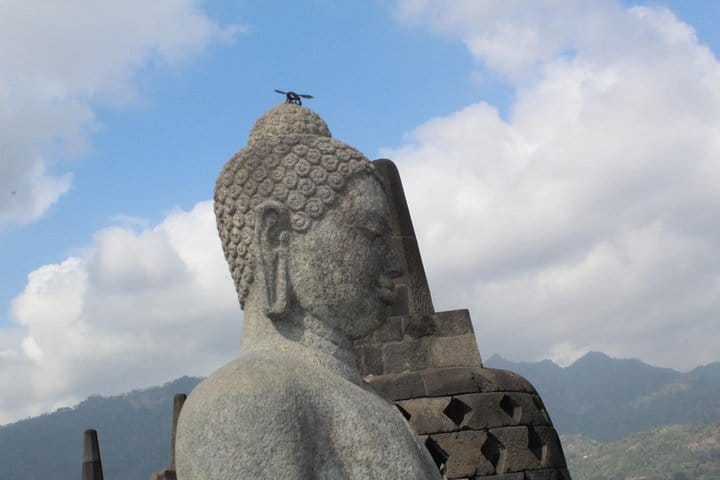
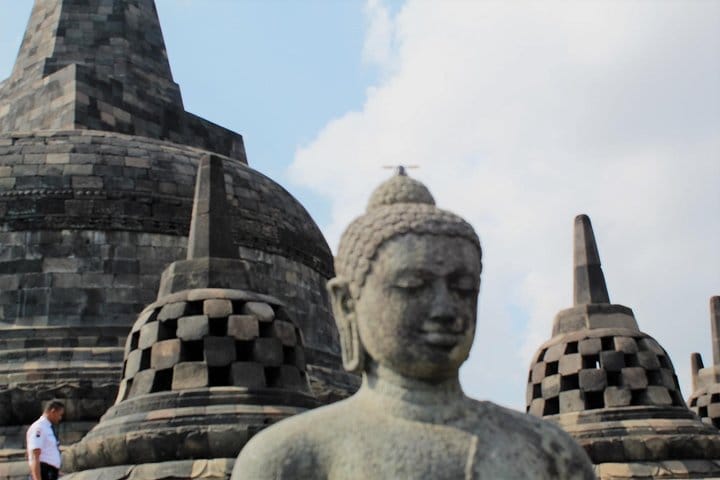
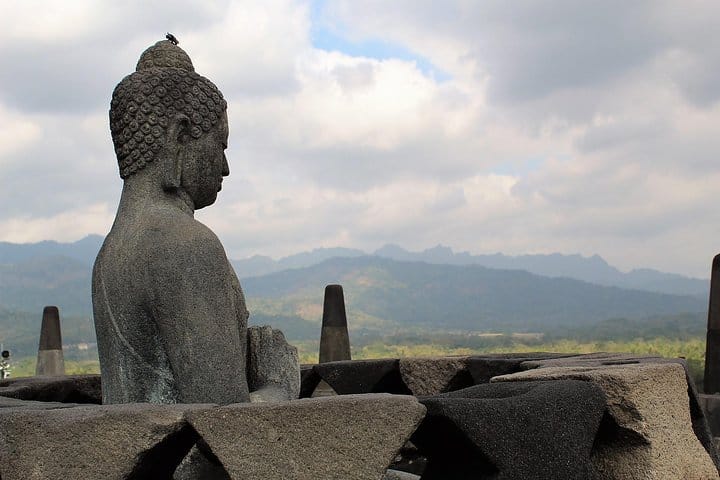
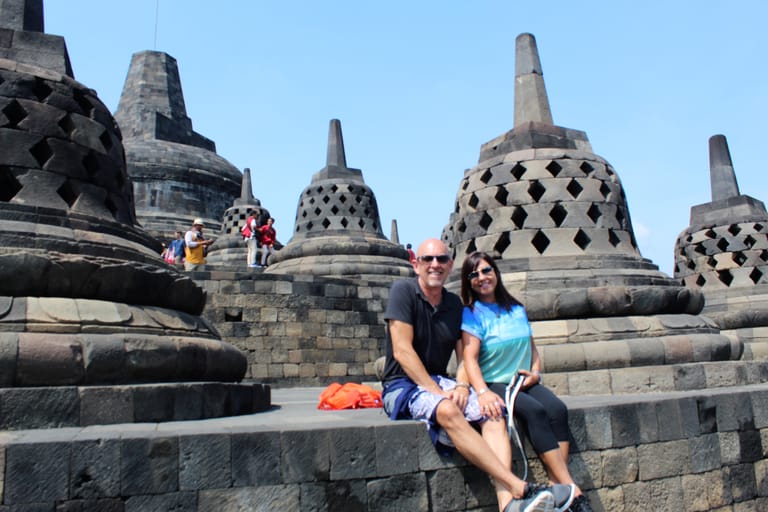
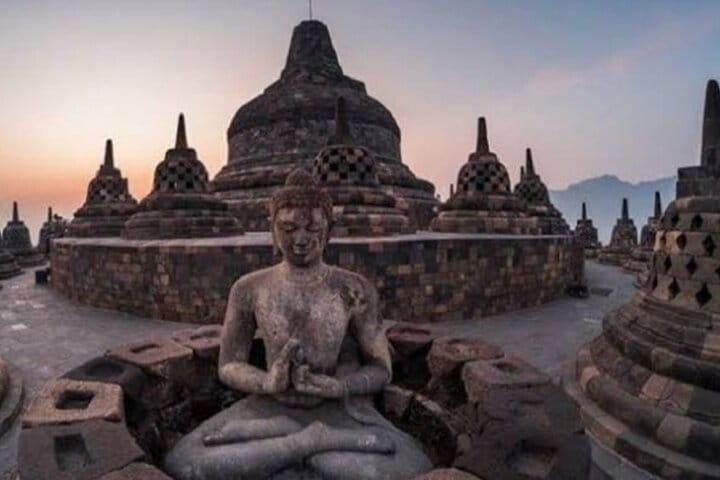
Borobudur was built between roughly 778 and 850 CE under the Sailendra dynasty, using an estimated two million blocks of volcanic andesite stacked without mortar or cement — the quarry that supplied the stone has never been located, and archaeologists still debate exactly how the builders moved it up from the Progo and Elo river valleys below. The monument is laid out as a three-dimensional mandala: a square base representing Kamadhatu, the realm of worldly desire; five terraces of narrative relief panels forming Rupadhatu, the realm of form; and three circular platforms of latticed stupas — Arupadhatu, the realm of formlessness — rising to a single central stupa. Walk the pilgrim's path clockwise around all nine levels and you pass more than 2,600 relief panels and roughly 500 Buddha statues, the largest single collection of Buddhist stone carving anywhere in the world.
The temple was abandoned after a major eruption of nearby Mount Merapi buried it in volcanic ash around 1006 CE, and it stayed hidden under jungle for eight centuries until British lieutenant governor Thomas Stamford Raffles ordered it cleared in 1814. A full UNESCO-backed restoration ran through the 1970s, and the site earned World Heritage status in 1991. Today it's an active pilgrimage site as much as a monument — Buddhist monks still process here each year for Waisak — and climbing the structure itself requires a certified guide and a pair of woven Upanat sandals, issued on-site, that protect the thousand-year-old stone from foot traffic.
For grounds-only entry, same-day tickets are usually available. For the Temple Structure climb, yes — the 1,200-person daily cap regularly sells out a week or more ahead, especially for early morning slots.
Yes, with a Temple Structure ticket. It includes a mandatory certified guide and woven sandals, and access is closed on Mondays for maintenance.
Most travelers spend 2–3 hours for grounds plus a climb. Add roughly an hour if you're doing sunrise, and half a day if you're combining Borobudur with Mendut and Pawon temples.
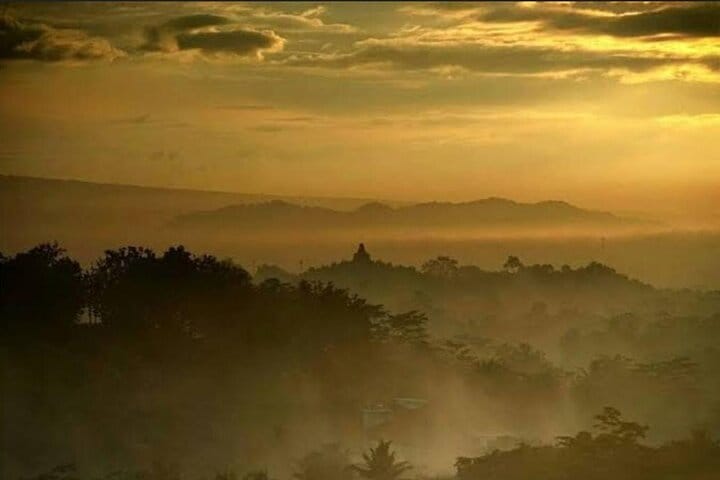
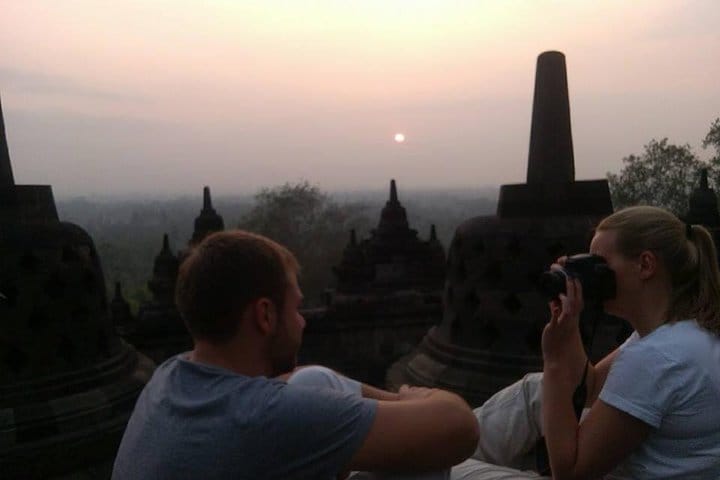
It's a genuinely different experience — smaller crowds, cooler air, and light that changes fast over the reliefs — but it's a separate, limited-allocation ticket priced well above standard entry. Worth it if an early 3–4 a.m. start fits your trip.
It's possible with a private car and an early start, but it's a long day and the combined foreigner ticket bundling both sites was phased out in 2025, so you'll book each entry separately.
Clothing that covers your shoulders and knees. If you show up in shorts or a sleeveless top, temple staff will loan you a sarong at the entrance.