Private Walking Tour of Warsaw's History and Culture
Free Cancellation · Instant confirmation · Meet on location

Pick-up and drop off service is available only for centrally located hotels listed in the pickup selection box. If your hotel is not listed, please contact us to set up the most comfortable pick-up point.
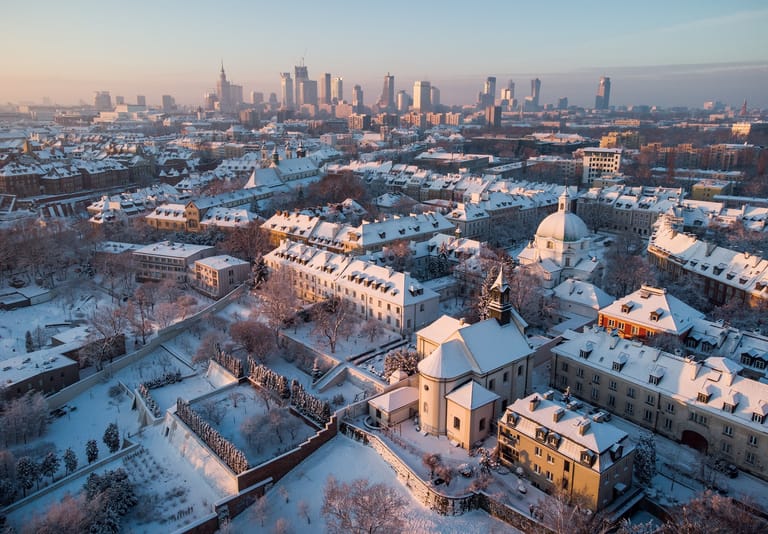
After hotel pickup, your guide introduces you to Warsaw and Poland with a short historical overview. This concise briefing helps you understand the city today through key moments from its past.
The tour continues to Muranów, a district built on the ruins of the former Jewish Ghetto established by the German Nazis in 1940. At first glance, it appears to be a typical residential area of postwar apartment blocks—but beneath the surface lie powerful stories. With your guide, you’ll uncover the hidden traces of the ghetto and learn how this district was completely erased and rebuilt.
Fans of The Pianist may recognize the location of the famous wooden ghetto bridge at the intersection of Chłodna and Żelazna streets. Once towering above the street at the height of third-floor windows, the bridge allowed trams and military vehicles to pass beneath. Using archival photographs and your guide’s explanations, you’ll compare the historical images with what remains today.
In 1943, as the final deportations began, the Jewish underground launched the Ghetto Uprising—a desperate but heroic act of resistance. After weeks of fighting, the entire district was destroyed. Your guide will help bring these events to life by revealing the layers of history hidden in today’s urban landscape.
Later in World War II, political decisions made by the Western Allies and Stalin sealed Poland’s postwar fate under Soviet influence. The Warsaw Uprising of 1944 was the city’s last attempt to resist this outcome. After its defeat, Nazi forces deliberately destroyed around 85% of Warsaw. The Red Army entered the ruins in January 1945.
Next, cross the Vistula River to Praga, the most enigmatic district of Warsaw. From the minibus, enjoy views of the natural riverbank before entering an area that survived WWII almost untouched. Praga offers a rare glimpse of pre-war Warsaw, with elegant Belle Époque buildings, lively courtyards, and a strong local atmosphere. Once neglected, today it is one of the city’s most creative neighborhoods, still largely free from mass tourism.
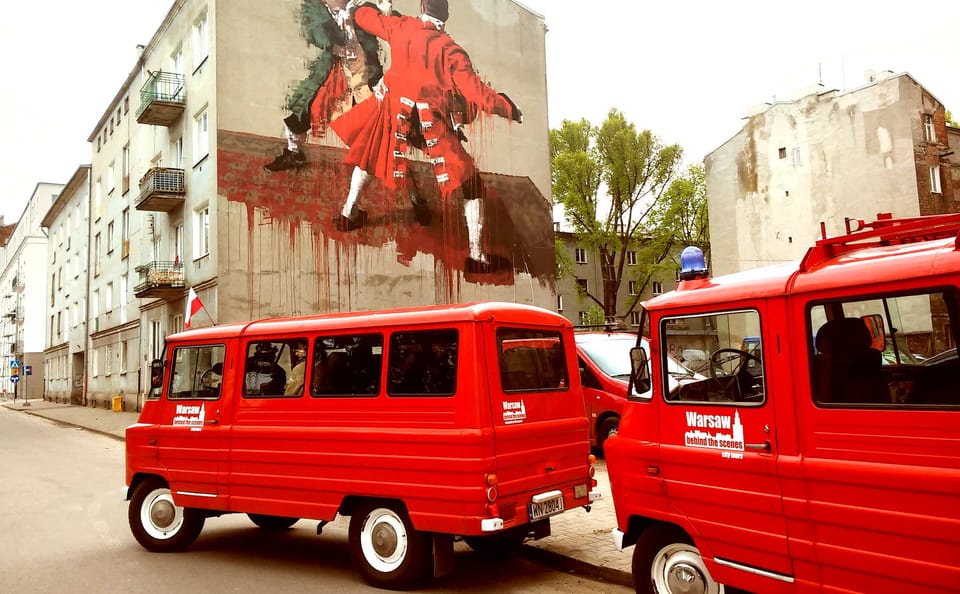
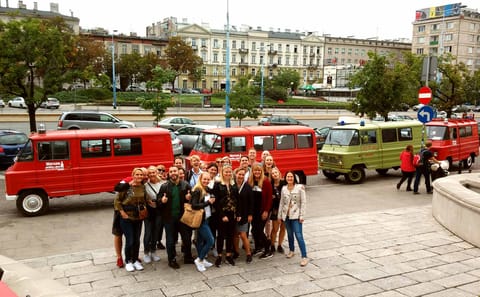
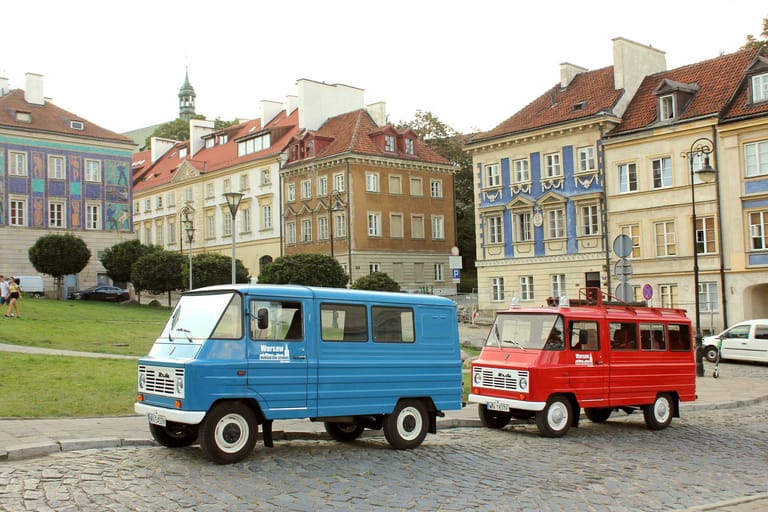
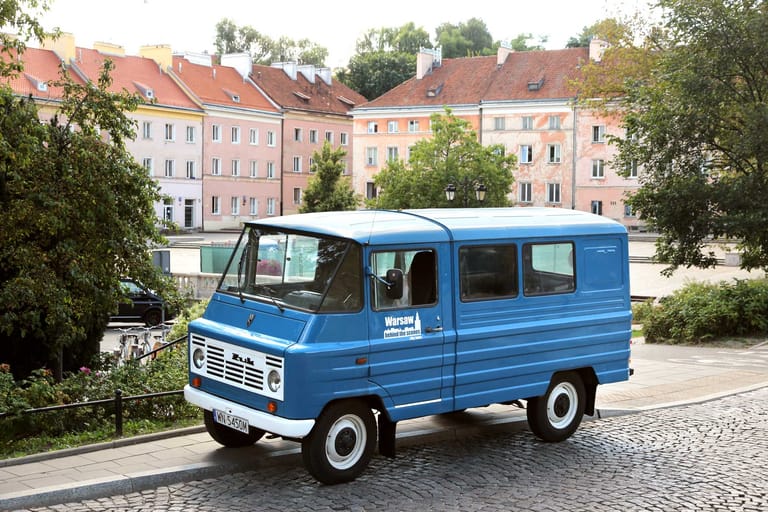
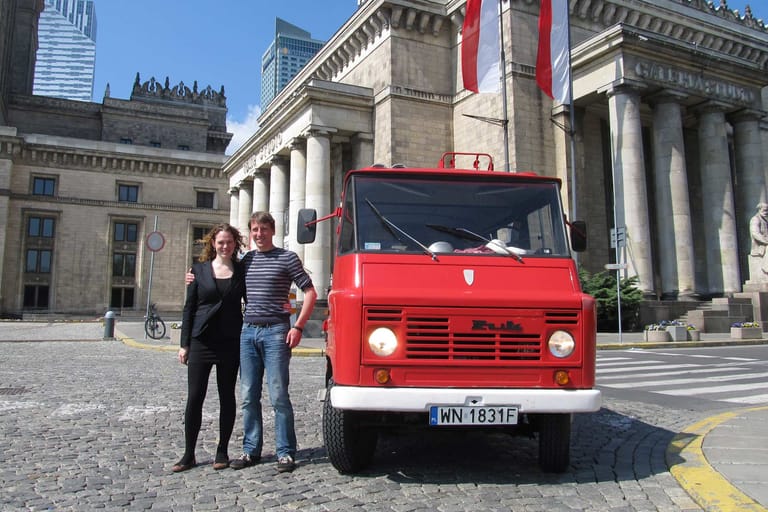
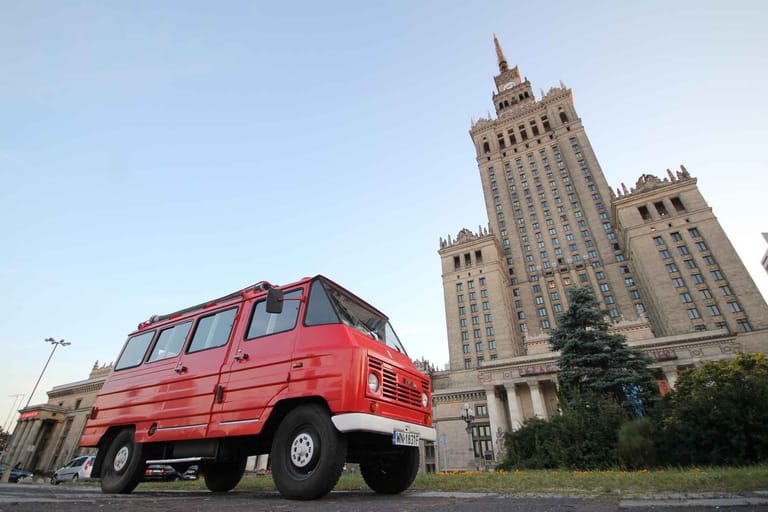
Returning to central Warsaw, the Żuk minibus stops near the former Polish Communist Party headquarters. After 1945, the new regime faced the enormous challenge of rebuilding a destroyed capital. Architects saw this as a unique chance to redesign the city—but their plans had to align with Soviet-style ideology, favoring monumental architecture and socialist ideals. Did they manage to find a balance? You’ll see the results for yourself.
The tour concludes with the fall of communism in 1989, when the Solidarity movement and Pope John Paul II helped usher Poland into an era of democracy and capitalism. Warsaw changed dramatically once again. By the end of the tour, you’ll be able to connect the city’s past with its present—and form your own view of Warsaw’s remarkable journey.
Fully refundable until 1 day before start
Non-refundable after 1 day before start
Free Cancellation · Instant confirmation · Meet on location

Free Cancellation · Instant confirmation · Meet on location
Instant confirmation · Private tour · Meet on location
Free Cancellation · Instant confirmation · Private tour
Free Cancellation · Instant confirmation · Private tour
Free Cancellation · Instant confirmation · Private tour
Free Cancellation · Instant confirmation · Private tour
Free Cancellation · Instant confirmation · Private tour
Our assistant finds tours and checks live dates and prices, and answers your questions.