
Negombo City Tour with Market Visits and Lagoon Exploration
Instant confirmation · Pickup available

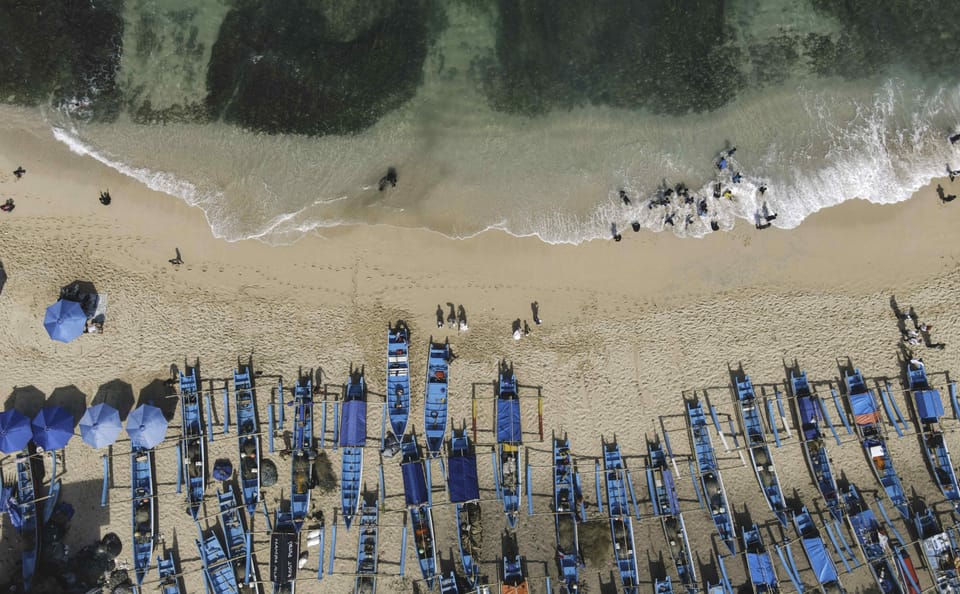
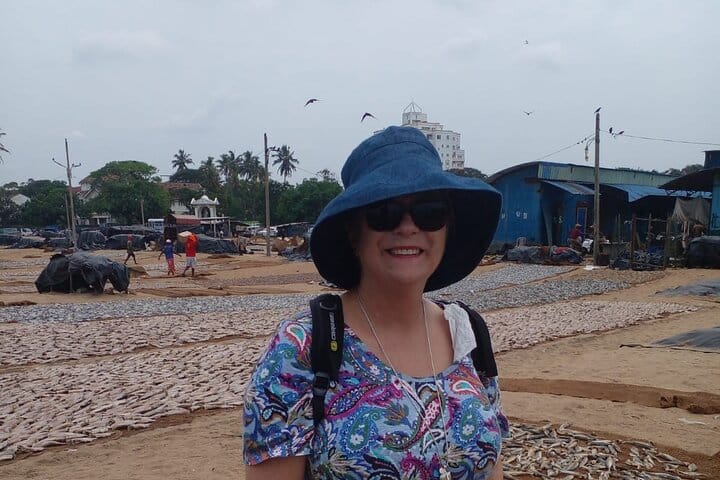
The Negombo Fish Market is interesting because it takes place right on the beach, fresh from fishing boats. Crowds of fishermen are seen untangling their fishing nets, playing with their kids, and stretching out miles of fish to dry in the sun on Negombo's shore. A must see place when you are in Negombo.
A beautiful old Catholic church that was built during the 1800s. St. Mary's Church, Negombo is a landmark structure, an Roman Catholic church in the center of Negombo. The exterior of the church is painted pink. It is among the biggest churches in Sri Lanka. Negombo is greatly influenced by the Christian faith since when it was first occupied by the Portuguese. It is sometimes referred to as "Little Rome" in view of the numerous churches that are located in Negombo. The construction of the church begun in 1874 and was it was completed, following a long gap after 1922. The design and architecture of this church, as well as a handful of different churches located within Sri Lanka demonstrate the cultural blend of European practice and Sri Lankan art and architecture in the beginning into the second half of 20th century. The church was constructed in a neoclassicism design with plain walls and columns. The ceilings are adorned with images of alabaster depicting various saints. The walls on the top are adorned with religious icons. The original paintings of Christ's life Christ in the ceiling painted by N.S. Godamanne who was a local Buddhist artist. The beautiful altarpieces is called "thunderous". The testator was the one who paid for the price of one altar that were imported from Europe
There is a Angurukaramulla Temple is a good destination to see if located in Negombo. It's most well-known for its massive sculpture of the Buddha as well as its dragon-entrance. Inside there are detailed murals dating back to hundreds of years. There's also an older 300+ year ruin of a library that was once a popular one that is covered in the moss. Note : Rs.1000 is the entry cost to the Temple
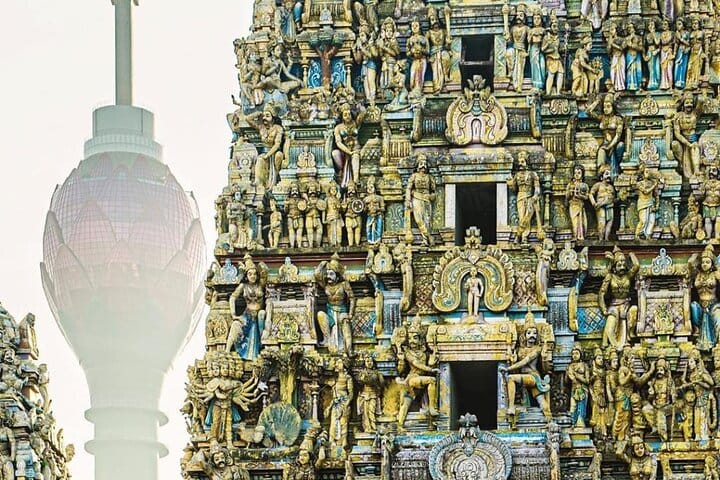
Sri Singama Kali Amman Kovil is a significant Hindu holy location. The beautiful murals and sculptures of the temple are a reason to visit it. one of the most beautiful places to visit!
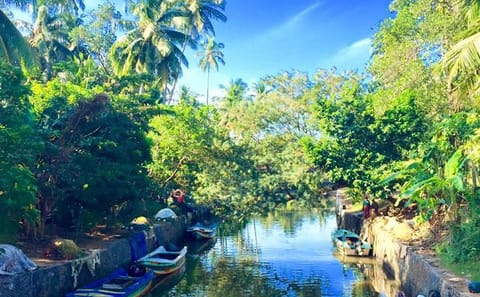
Hamilton Canal (also popularly referred to by"the Dutch Canal) is a 14.5 km (9.0 miles) canal that connects Puttalam to Colombo and via Negombo within Sri Lanka. The canal was erected in 1802 by the British in 1802 before being completed in 1804. It was constructed to remove salt water of the Muthurajawela wetland. The canal was named in honor of Gavin Hamilton, the Government Agent for Revenue and Commerce.
Negombo Fort was a small but important fort in Negombo, approx. 30 km (19 mi) north of Colombo, that was built by the Portuguese to defend Colombo. In its time the fort at Negombo was probably the next in strategic importance after Colombo, Jaffna and Galle. The original Portuguese fort was a weak structure, which was captured by Dutch forces commanded by Philip Lucasz, in February 1640.The Portuguese made several attempts to retake it before they were successful in December 1640. They then strengthened the fortifications and managed to defend the fort until it was recaptured by the Dutch, commanded by Francois Caron, in January 1644.The original bastions were destroyed by the Dutch cannons during the siege of the fort. The Dutch subsequently rebuilt it in 1672 however not on the usual square pattern, but on a pentagonal one, though it had only four bulwarks, the fifth was never constructed (possibly due to the cost). The fort was located on a narrow strip of land between a lagoon and an inlet of the sea. It was surrounded by a dry moat, and the gate was accessed via a drawbridge. In February 1796 it was occupied by the British without opposition. In the late 1800s the British authorities decided to demolish the fort and build a prison in its place, constructed from the stones of the fort.Today all that remains is a section of the eastern rampart with mounds at its northern and Southern ends, where the previous bastions existed, and an recessed arched gateway. Above the gateway is a slab of granite, with the date 1678 inscribed, surmounted by a high decorative gable. The site is still used as a prison by the Department of Prisons.
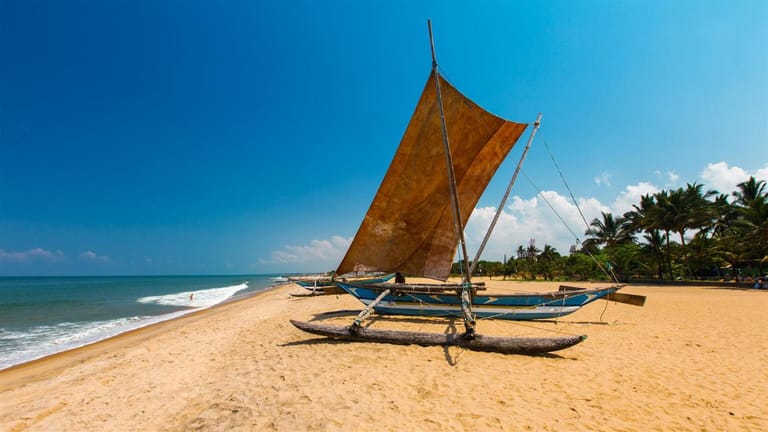
We will be visiting Mankuliya's bridge area to view the vibrant Trawlers that dock and also to look at the location in which Negombo lagoon joins with Indian ocean. Indian ocean
You'll return to the starting point
Fully refundable until 1 day before start
Non-refundable after 1 day before start
Instant confirmation · Pickup available
Free Cancellation · Instant confirmation · Private tour
 Elite
Elite
Free Cancellation · Instant confirmation · Private tour
 Elite
Elite
Free Cancellation · Instant confirmation · Private tour
Free Cancellation · Instant confirmation · Private tour
Free Cancellation · Instant confirmation · Private tour
Instant confirmation · Meet on location or pickup
Free Cancellation · Instant confirmation · Private tour