Self-Guided Walking Tour of Montmartre in Paris
Free Cancellation · Instant confirmation · Private tour

“You will only return to your homes under triumphal arches”! One thing is certain, Napoleon knew how to motivate his troops. This is the promise he made to his soldiers following the Battle of Austerlitz. A great fan of the Roman Empire and their style, he too wanted a triumphal arch erected to welcome the victorious general at the head of his troops.
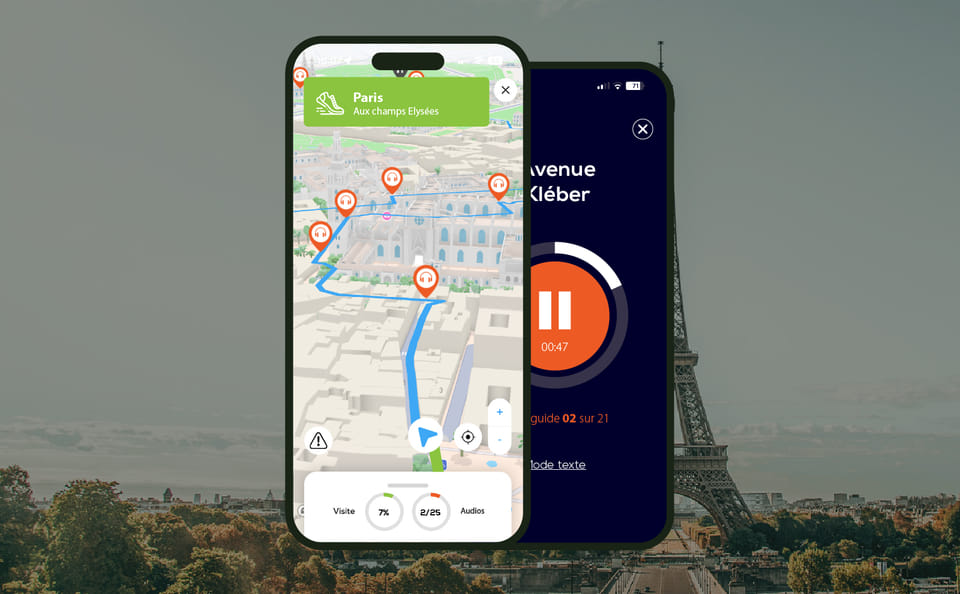
Here you are on the beautiful Avenue Kléber which connects the Arc de Triomphe to the Trocadero for just over a kilometer. It is one of the twelve avenues created by Haussmann that join the Place de l'Étoile.
You arrive on the Trocadéro esplanade dominated by the huge Palais de Chaillot, built on the hill of the same name. The history of the Trocadero is rather unknown. The ancient palace, which has now disappeared, was nevertheless magnificent. It was built for the Universal Exhibition of 1878.
There you are, facing the famous Jena Bridge, which you admire in the foreground. It was wanted by Napoleon the first, to cross the Seine in the continuity of the military school and connect it to the Chaillot hill where a grand palace was to be built for his son.
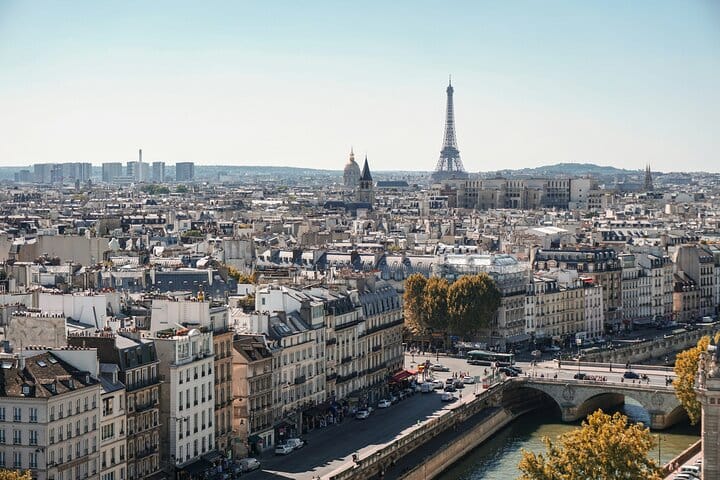
I am not presenting it to you, so here it is, the Eiffel Tower! You certainly know that it was created to be the centrepiece of the Universal Exhibition of 1889, symbol of the centenary of the French Revolution, by Gustave Eiffel.
A word about the Champ de Mars that you are crossing for a moment. This large public garden, 780 meters long, extends from the Jena bridge to the military school. It is also in connection with this military school that it is called the Champ de Mars, in honor of the Greek god of war.
Stop for a moment and admire the splendid facade of the Lavirotte building. Art Nouveau is an artistic movement that was as brief as it was intense.
You pass in front of the Saint-Pierre du Gros Caillou church, installed in the heart of the eponymous district since 1733. So why is this emblematic district, which now houses the Eiffel Tower, the Quai Branly Museum, the Trocadero, etc., called the Gros Caillou?
The Hôtel des Invalides that you see on the square was designed by Louis XIV who was very sensitive to the fate of the military. In the 1670s, he therefore had a foundation built to receive injured soldiers who served in the royal army.
Here you are in front of one of the most beautiful bridges in Paris which offers you a magnificent perspective on the Grand Palais with its beautiful golden statues in the foreground. It is also true on the other side with a great panorama of the Invalides.
You can really say thank you to the Universal Exhibitions when you see the cultural wealth they have brought us. This despite the fact that the tradition wanted the buildings built for exhibitions to be ephemeral.
You are in the gardens at the bottom of the Champs Élysées. Much less well known than the famous shops, they are nevertheless worth a visit and offer a pleasant break from the hustle and bustle of the city.
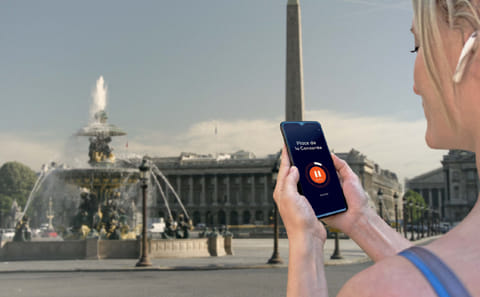
Here we are on the Place de la Concorde. This square, which is the largest in the capital, is also one of the most beautiful. Steeped in history, it was created at the end of 1700 at the request of Louis XV.
This huge Greek temple, installed on Place de la Madeleine, is in reality the Church of the Magdalene! I agree, neoclassical architecture is not the most common for a Catholic Church!
Here we are on Faubourg Saint Honoré. One of the most luxurious streets in Paris and the address of the French President, the Minister of the Interior or the United States Ambassador. Boutiques, art galleries and private mansions complete the picture of the suburb.
You now pass the small Marigny theater, classified as a historic monument. The history of this theater began in 1835, when a physician-magician offered his numbers in Marigny Square, in a small room, called the Castle of Hell.
Here you are on the most beautiful avenue in the world. Just that! This famous avenue connects Place de la Concorde to Place de l'Étoile in two kilometers of luxury brands and great restaurants, all well established in classified monuments.
On your right, you pass the famous Lido cabaret. This legendary room, opened in 1946, has just taken a new direction with Lido 2.0. The Accor group has in fact bought the cabaret, and transformed it into a theater dedicated to musicals.
Fully refundable until 1 day before start
Non-refundable after 1 day before start
Free Cancellation · Instant confirmation · Private tour
Free Cancellation · Instant confirmation · Private tour
Free Cancellation · Instant confirmation · Private tour
Instant confirmation · Meet on location
Free Cancellation · Instant confirmation · Private tour
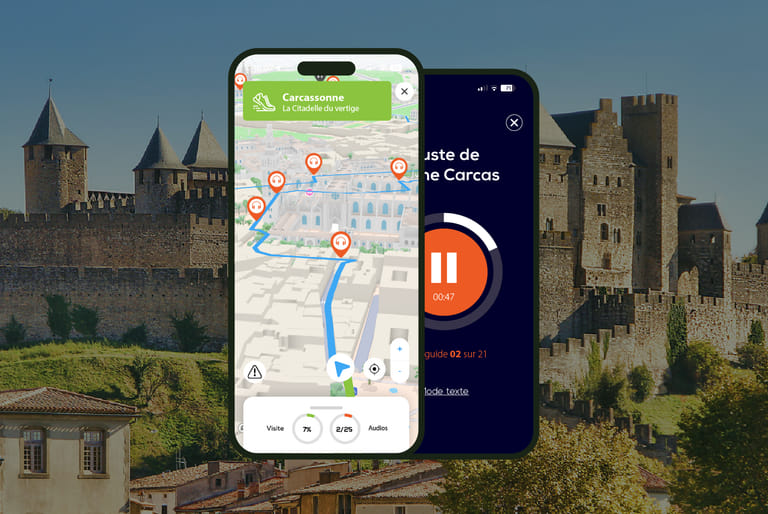
Free Cancellation · Instant confirmation · Private tour
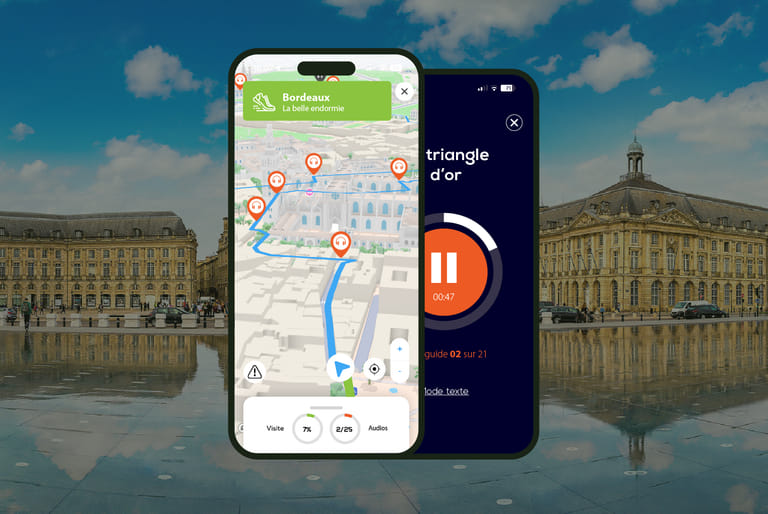
Free Cancellation · Instant confirmation · Private tour
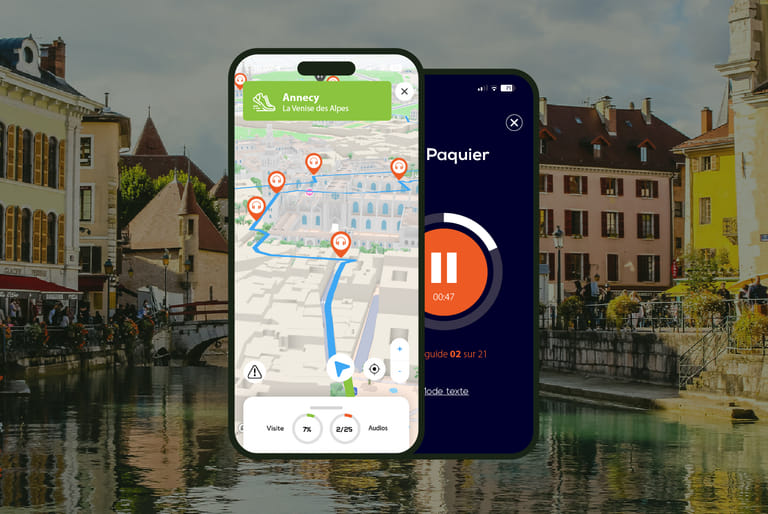
Free Cancellation · Instant confirmation · Private tour
Our assistant finds tours and checks live dates and prices, and answers your questions.