

Interactive Walking Tour of Avignon's Templar History
Free Cancellation · Instant confirmation · Private tour

Vous êtes arrivés devant la cathédrale Saint-Michel. C’est elle qui a détrôné la basilique Saint-Nazaire, dans la cité médiévale, en 1803, lui volant le statut de cathédrale.
Ici, nous allons tourner à gauche, mais si vous continuez un tout petit peu dans la rue Aimé Ramond, vous tomberez sur votre gauche sur la Maison de l’Ambassadeur, au numéro 50.
Vous voilà devant un bâtiment qui va en intéresser plus d’un : les halles de Carcassonne. Construite au milieu du XVIIIe siècle, cette ancienne halle à grains était située sur la place du Pilori, la place où l’on exposait les voleurs pour les punir.
Vous vous trouvez maintenant sur la place Carnot, le cœur vivant de la ville. Idéale pour boire un verre ou goûter les spécialités locales au restaurant, elle est l’un des lieux les plus animés de Carcassonne.
L’église Saint-Vincent est particulièrement intéressante puisqu’elle vous permet de monter en haut du clocher pour profiter d’une vue panoramique sur Carcassonne, en échange de quelques euros !
Jetez un œil sur votre gauche : le mur qui se dresse ici est une partie du bastion Saint-Martial, construit au XVIe siècle.
Nous sommes dans le square André Chénier, du nom de ce poète et journaliste français qui a été guillotiné à Paris en 1794, en pleine Révolution.
C’est au XIIIe siècle que cette église est construite au cœur de la Bastide, en 1297 exactement. Elle suit, comme la plupart des églises de la ville, une architecture basée sur le style gothique méridional
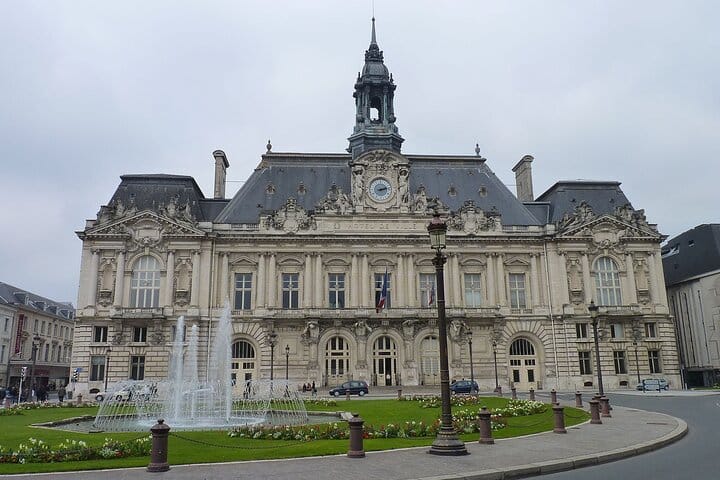
Jetez un œil sur votre gauche : vous voilà en face de l’Hôtel de Rolland, l’actuel Hôtel de Ville de Carcassonne.
Le beau bâtiment devant lequel vous êtes est le Musée des Beaux-Arts.
Face au Musée des Beaux-Arts, le square Gambetta est un petit lieu paisible où il est agréable de faire une pause. Il a été aménagé en 1861 sous le nom de place du Charbon, puis place Sainte-Cécile.
Le Pont-Neuf, en opposition avec le Pont-Vieux qui se trouve juste en face, est construit en 1840 pour permettre un deuxième accès entre la Cité médiévale et la ville basse.
Vous voici dans la rue Trivalle, située dans le quartier le plus ancien de la ville. Au pied de la cité, elle suit le tracé de l’ancienne voie romaine qui reliait Narbonne à Toulouse
Derrière ce mur se cache Notre-Dame de l’Abbaye, un ancien monastère qui nous vient tout droit du Moyen Age.
Vous voici devant une statue d’une grande importance pour Carcassonne.
Vous êtes devant ce qui est aujourd’hui la principale entrée dans la cité médiévale. La porte Narbonnaise, qui se trouve effectivement du côté de Narbonne, est une impressionnante fortification qui assurait la protection de la ville.
La grande porte qui se trouve devant vous correspond à l’entrée dans le château comtal. Il s’agit d’une barbacane, installée ici pour le protéger.
Avec plus de 2 millions de visiteurs par an, la Cité médiévale de Carcassonne est l’un des sites les plus visités de France.
Allez, lançons-nous dans un une petite parenthèse historique. Si vous avez déjà écouté l’audioguide qui raconte l’histoire de la ville, vous avez compris que Carcassonne fut pendant plusieurs siècles, une féodalité.
La basilique Saint-Nazaire-et-Saint-Celse, de son nom complet, est le premier bâtiment restauré par Viollet-le-Duc lors de sa grande restauration de la Cité.
Vous sortez ici de la Cité médiévale par la porte d’Aude, qui se trouve à côté du château comtal. Je suis sûre que ce décor vous dit quelque chose...
L’église Saint-Gimer n’est pas aussi ancienne que les fortifications de la Cité médiévale. En effet, elle n’a été construite qu’en 1859, par Viollet-Le-Duc.
Sur votre droite, située à l’entrée du Pont-Vieux, se dresse l’ancienne manufacture royale de draps.
Nous allons maintenant traverser le Pont-Vieux de Carcassonne, qui permet de traverser l’Aude et de relier les deux parties de la ville.
Cette petite chapelle, sur votre gauche, porte bien son nom : on trouvait autrefois juste à côté d’elle un grand hôpital.
Vous l’avez peut-être déjà compris, mais Carcassonne est divisée en deux parties : la Cité médiévale, perchée sur son éperon rocheux et entourée de ses faubourgs, et la ville basse, appelée la bastide Saint-Louis, qui se trouve de l’autre côté de l’Aude.
Vous voici sur la place du Général de Gaulle. Ici, on tombe sur ce qui était autrefois l’une des constructions les plus importantes de la ville : la porte des Jacobins, sur votre droite, marque l’entrée dans la ville basse de Carcassonne.
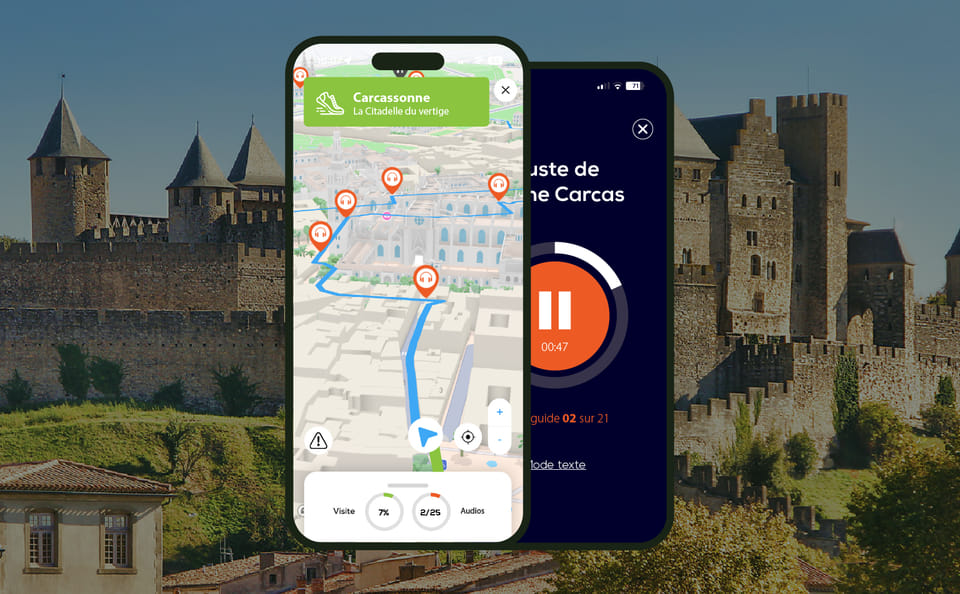
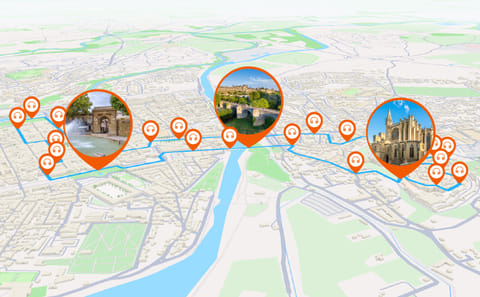
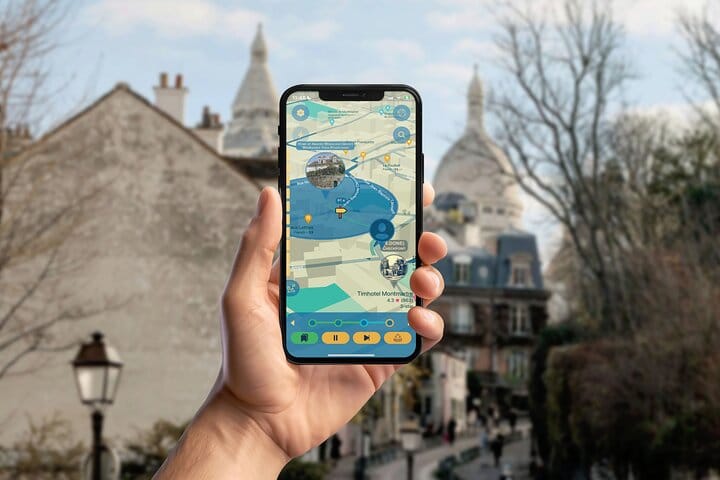
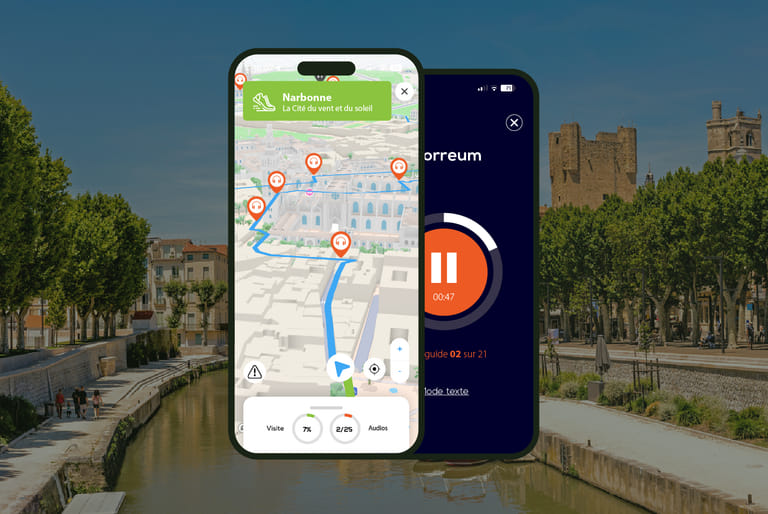
Nous construisons nos circuits sous forme de boucle afin que vous puissiez démarrer facilement la visite au point le plus proche de vous, le guidage s’adaptera automatiquement. Si vous êtes à proximité, nous vous conseillons un point de départ idéal.
Fully refundable until 1 day before start
Non-refundable after 1 day before start
Free Cancellation · Instant confirmation · Private tour
Free Cancellation · Instant confirmation · Private tour
Instant confirmation · Private tour · Meet on location
Free Cancellation · Instant confirmation · Private tour
Free Cancellation · Instant confirmation · Private tour
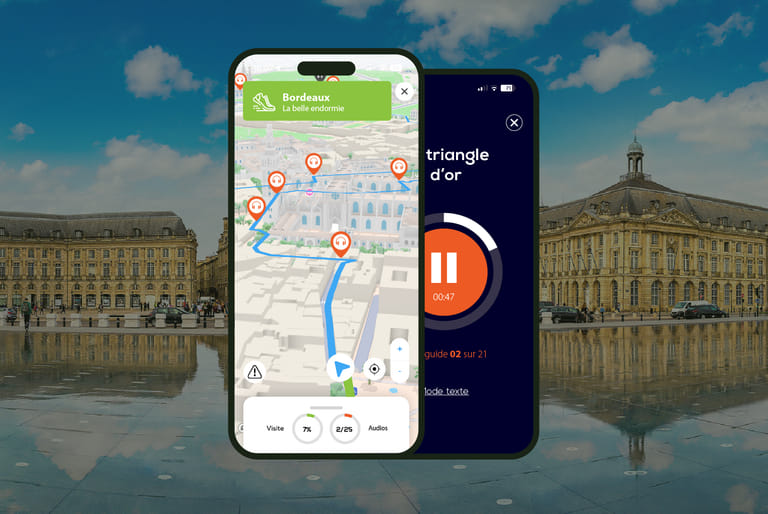
Free Cancellation · Instant confirmation · Private tour
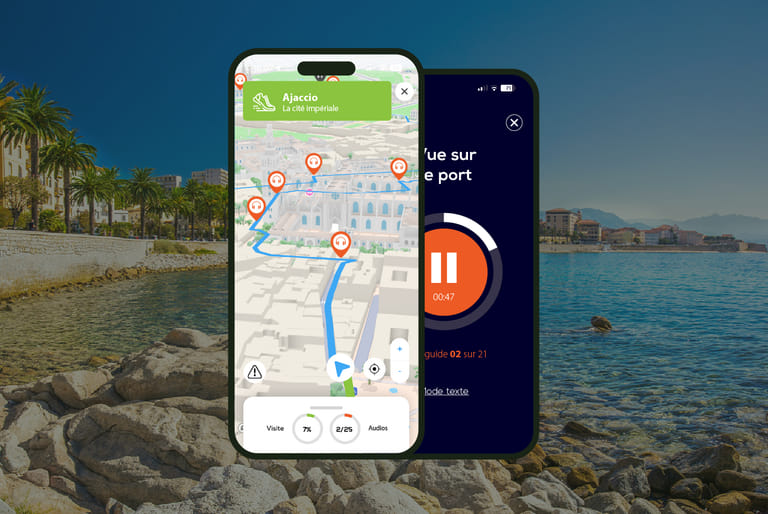
Free Cancellation · Instant confirmation · Private tour
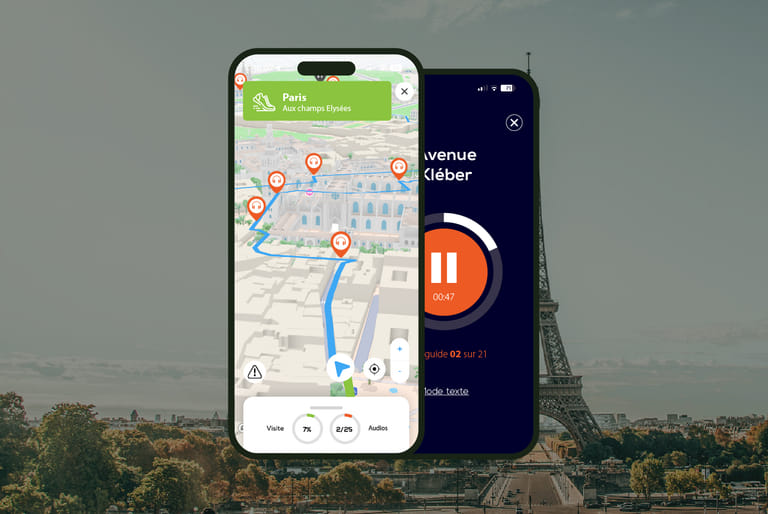
Free Cancellation · Instant confirmation · Private tour
Our assistant finds tours and checks live dates and prices, and answers your questions.