 Temporarily unavailable
Private Historic Walking Tour of Lille's Architectural Highlights
Instant confirmation · Private tour · Meet on location

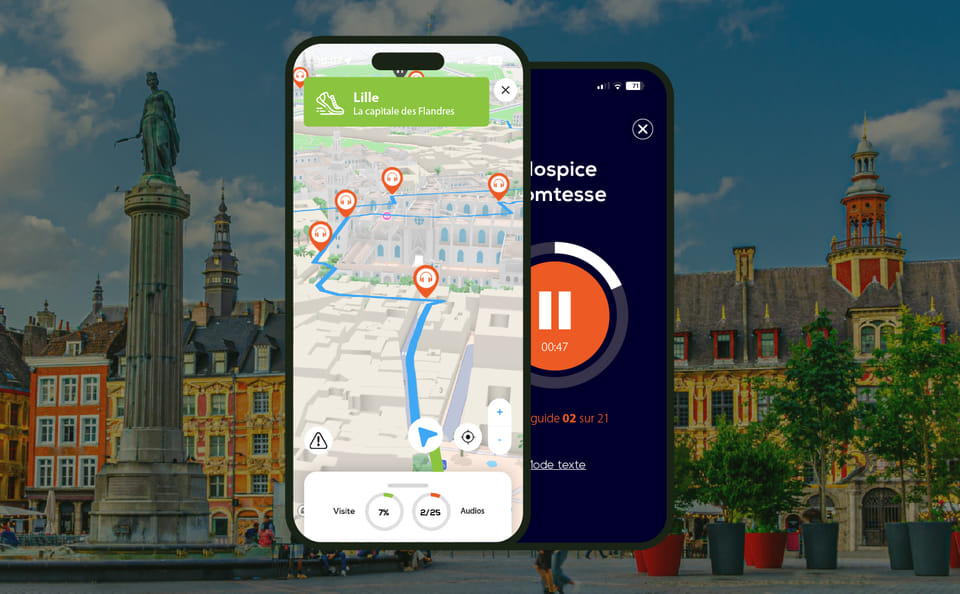
Sur cette place ô combien pittoresque et souvent considérée comme la plus jolie de la ville, ne se trouvait pas un immense marché aux oignons, mais un donjon, dont le nom latin “dominium” s’est transformé en “dominion” puis finalement en oignons.
L’étroite façade jaune que vous voyez est considérée à tort comme étant la plus petite maison de Lille. C’est en réalité un passage qui permet de se rendre sur la place du Lion d’Or de l’autre côté, et ce depuis le Moyen Âge.
Alors, oui, j’avoue, ce n’est pas le genre de cathédrale que vous avez l’habitude de voir trôner fièrement au centre des villes. Mais il faut savoir qu’elle ne ressemble pas du tout à ce qui avait été prévu !
Avant 1750, Lille avait 2 rivages aménagés sur la Deûle, petits ports pour l'échange de marchandises. L’actuel quai du Wault était appelé Petit Rivage sur la Haute Deûle, et l’autre, Grand Rivage sur la Basse Deûle de l’autre côté de la ville.
Cette belle statue, si blanche d’une femme portant un enfant est un hommage à la chanson du P’tit Quinquin, qui est sans doute le premier tube lillois de l’Histoire. Si le nom vous dit vaguement quelque chose, mais sans plus, sachez qu’il s’agit d’une berceuse écrite en ch’ti en 1853 par le poète lillois Alexandre Desrousseaux.
Cette place, beaucoup plus grande que Grand-Place finalement, a été construite après l’époque médiévale, lors de l’agrandissement de la ville géré par Vauban. Elle est le centre du nouveau périmètre de Lille.
Sur cette place ronde, qui n’était pas ronde à l’origine, se trouvaient au XIIIe siècle, les nouveaux remparts de Lille, conçus après l’agrandissement de la ville. Imaginez qu’à l’époque, à chaque fois que l’on ajoutait un quartier et sa paroisse au centre-ville, il fallait en quelque sorte repousser les remparts.
Le Beffroi, en plein cœur du quartier Saint-Sauveur, est construit début du XXe siècle en cerise sur le gâteau pour l’hôtel de ville terminé juste avant. Il représente l'âge industriel d’une ville en plein essor.
Cette arche, classée monument historique, comme l’hôtel qu’elle cache derrière elle, semble un peu perdue dans cette partie plutôt moderne du centre-ville. C’est un morceau d’histoire qui résiste.
Allez, c’est l’heure de l’anecdote flippante. Cette petite impasse à l’allure médiévale est un ancien passage vers le couvent des Brigittines édifié en 1604. Il a été le théâtre d’événements horribles et franchement bizarres.
L'Église Saint-Maurice aurait complètement pu être la cathédrale de Lille. Sa construction débute au XIVe siècle, mais elle n’est telle que vous la voyez aujourd’hui que depuis le XIXe siècle.
Ce palais Rihour sur cette place du même nom est le seul vestige de l’époque bourguignonne de la ville. Lille est en effet passée par plusieurs dominations, changeant de main grosso modo tous les 2 siècles .
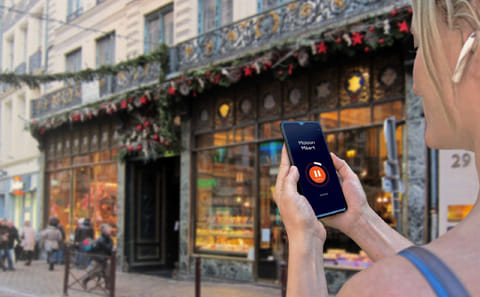
La splendide devanture dorée devant laquelle vous passez à présent est celle de la maison Méert. Bien plus qu’une simple confiserie, cette institution lilloise est l’une des plus vieilles pâtisseries encore en activité au monde.
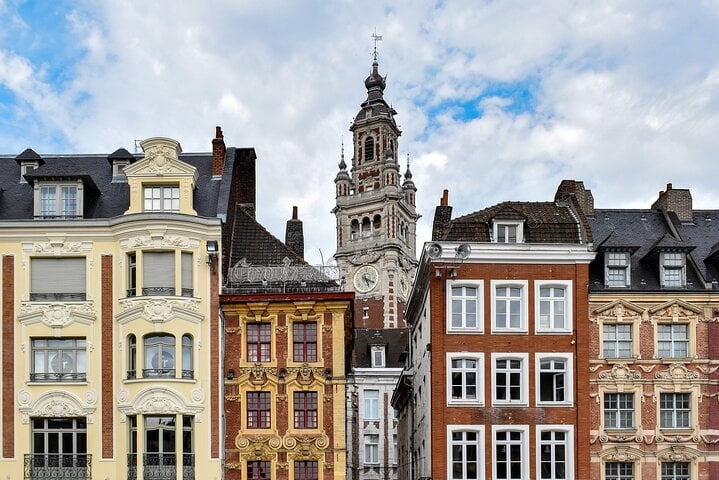
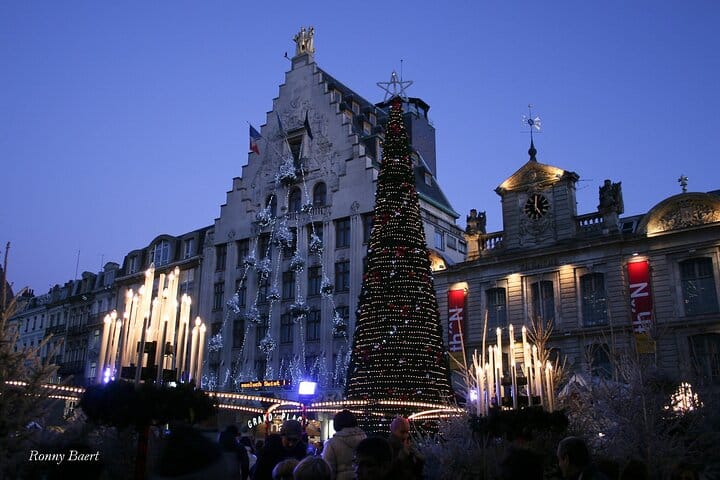
Grand-Place c’est là où bat le cœur de la ville de Lille. Ça l’était déjà au Moyen Âge quand elle représentait son centre géographique, mais aussi économique, social et administratif.
Je vous laisse admirer en face de vous, l’imposant bâtiment de la “Voix du Nord”, inratable au centre de la place, avec sa belle façade à pignon. Il s’agit du siège social du célèbre journal, né dans la clandestinité en 1941, et moteur d’une vague de résistance dans la France occupée.
Traversons à présent la vieille bourse. Considérée comme l’un des plus beaux ouvrages de Lille, elle fut construite au XVIIe siècle pour l’union des marchands de la ville.
Alors là, prenez votre temps en entrant sur cette place élégante, marquant la frontière entre le vieux Lille et les quartiers du centre. Prenez un café même et installez-vous tranquillement tant il y a de choses à voir et de détails à scruter dans les structures qui vous entourent.
La charmante petite place du Lion d’or est l’endroit idéal pour admirer la belle architecture typique lilloise. Elle abritait un ancien hôtel qui servait aussi de relais de poste et c’est ce qui lui a donné son nom, venu de la déformation de la phrase “au lit on dort”, comme tous les hôtels du lion d’or de France d’ailleurs.
Vous êtes à présent sur la très belle place Louise de Bettignie. Un mot sur Louise d’abord parce qu’on ne parle pas assez des personnages derrière les noms des places. C’était une femme extraordinaire qui a été espionne pendant la guerre, délivrant des informations d’importance capitale aux services secrets anglais.
Seule rue légèrement en pente de cette ville plutôt plate, la rue de Gand est une artère très animée de la ville bordée de nombreux bars et restaurants. Vous y trouverez plusieurs édifices classés monuments historiques.
Ce joli jardin encadré de bâtisses aux briques colorées est nommé îlot Comtesse pour Jeanne, la comtesse de Flandre. En 1237, elle fit construire un hôpital dans son propre palais sans lésiner sur la qualité ni sur la richesse des fournitures. Elle donna même aussi tous ses moulins à l'hôpital.
La rue de la monnaie, que vous remontez à présent, est la plus ancienne de la ville. Au XIe siècle, c’est la voie pavée principale qui relie les deux portes de la cité. Elle prend son nom actuel avec l’arrivée de Louis XIV qui y fait construire l'hôtel de la monnaie.
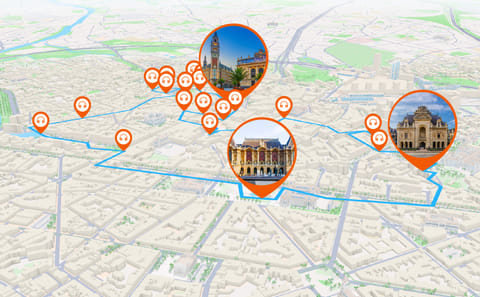
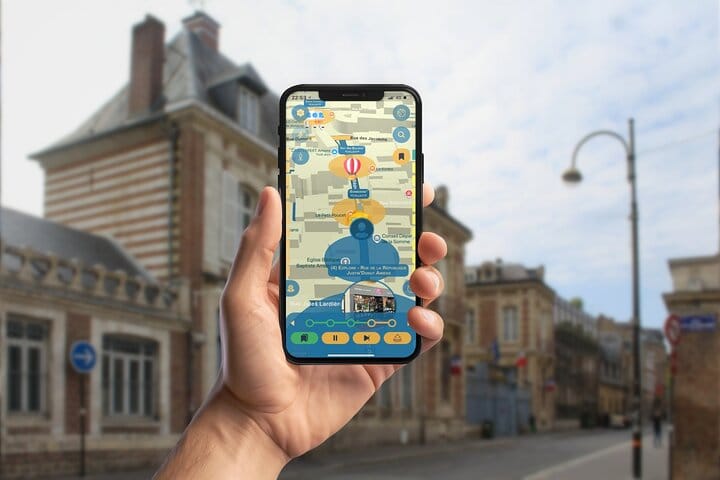
Nous construisons nos circuits sous forme de boucle afin que vous puissiez démarrer facilement la visite au point le plus proche de vous, le guidage s’adaptera automatiquement. Si vous êtes à proximité, nous vous conseillons tout de même Grand Place comme
Fully refundable until 1 day before start
Non-refundable after 1 day before start
Temporarily unavailable
Instant confirmation · Private tour · Meet on location
Free Cancellation · Instant confirmation · Private tour
Free Cancellation · Instant confirmation · Private tour
Free Cancellation · Instant confirmation · Private tour
Free Cancellation · Instant confirmation · Private tour
Free Cancellation · Instant confirmation · Private tour
Free Cancellation · Instant confirmation · Private tour
Free Cancellation · Instant confirmation · Private tour
Our assistant finds tours and checks live dates and prices, and answers your questions.