Self-Guided Anime and Manga Walking Tour in Akihabara
Free Cancellation · Instant confirmation · Private tour

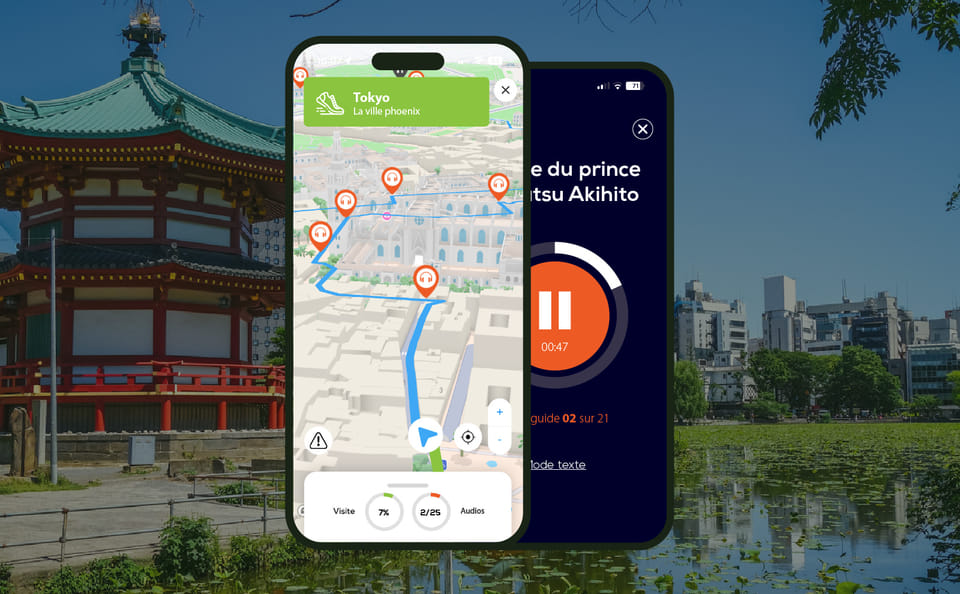
Vous êtes sur une allée qui sépare en deux l’étang Shinobazu, principal point d’eau du parc d’Ueno.
Construit en 1631 par Tenkai, le fondateur de la secte Tendai, le temple Kannon-do est l’un des plus anciens bâtiments de la ville. Contrairement à de nombreux autres monuments, il a survécu au temps et a seulement subi des restaurations pour le remettre dans son état d’origine.
Voilà le temple Bentendo, installé au cœur de l’étang de Shinobazu. Le choix de son emplacement n’a d’ailleurs pas été laissé au hasard. Construit au début du XVIIe siècle, au commencement de la période Edo, il est dédié à Benzaiten, la déesse de la richesse, du bonheur, de la sagesse et de la musique.
Vous l’avez vu, ce parc regorge de merveilles à découvrir, qui retracent les événements passés et les traditions de la ville ! Mais reprenons ensemble son histoire, pour comprendre son importance et l’engouement qu’il suscite chez les visiteurs du monde entier.
Voici un monument qui rend hommage au Docteur Wani, un érudit qui serait venu de Corée pour introduire le confucianisme au Japon. Mais ça, ce n’est qu’une version de l’histoire. Car on ne sait pas vraiment si c’est vrai, et même si ce personnage, le fameux Docteur Wani, a réellement existé.
S’il y a bien une statue qu’on ne peut pas louper dans le parc d’Ueno, c’est celle-ci ! Fièrement assis sur son fidèle destrier, cet homme a joué un rôle si important pour le pays qu’il s’est retrouvé là, dans l’un des parcs les plus connus de Tokyo, trônant à plusieurs mètres de hauteur.
Vous avez devant vous un sanctuaire shinto, appelé Ueno Tosho-gu. Il faut savoir que Tosho était le nom posthume de Tokugawa Ieyasu, le tout premier shogun du shogunat Tokugawa, la grande dynastie qui a gouverné le Japon entre 1603 et 1868.
Le zoo d’Ueno est le plus vieux zoo du pays. Il renferme des centaines d’espèces animales différentes, venus des quatre coins du monde, mais les vraies stars de ce parc zoologique sont sans conteste les deux pandas qui y résident depuis 2011, appelés Ri Ri et Shin Shin, et leur petit bébé né en 2017 qui attire les foules du monde entier.
Bien plus moderne que les autres monuments que l’on peut voir dans le parc d’Ueno, ce bâtiment n’est autre que le musée d’art métropolitain de Tokyo. C’est le premier musée d’art public du pays.
C’est un beau style occidental qui caractérise le bâtiment qui se trouve sur votre gauche. C’est le Sogakudo Concert Hall, la plus ancienne salle de ce style au Japon. À son inauguration en 1890, il appartenait à l’École de Musique de Tokyo, puis il a servi pour l’Université des Arts de la ville jusque dans les années 70.
Vous voici en plein cœur du campus de l’université des Arts de Tokyo, la plus prestigieuse école d’art du pays ! Et aussi la plus ancienne... L’université des Arts, officiellement, a été fondée en 1949, mais elle regroupe en fait l’École des Beaux-Arts, qui date de 1885 et l’École de musique créée en 1879.
Cette visite est assez particulière, puisqu’il s’agit d’un cimetière, mais ce n’est pas n’importe lequel : c’est certainement l’un des plus beaux cimetières de Tokyo.
Il faut savoir que le parc Ueno a été aménagé sur un ancien complexe religieux, en l’occurrence, le plus grand et le plus important temple bouddhiste de la capitale.
Bienvenu devant le bâtiment qui renferme la plus grande collection d’art et d’objets archéologiques du pays ! Fondé en 1872, c’est aussi le plus ancien musée japonais.
Si le parc d’Ueno permet de faire une petite pause nature en plein cœur de l’une des villes les plus peuplées du monde, il propose aussi une excellente offre culturelle grâce aux nombreux musées qu’il possède.
Pour ceux qui n’auraient pas réussi à nouer avec l’art japonais, voici un musée qui dévoile des œuvres que nous, en tant que Français, connaissons tous ! Monet, Renoir, Van Gogh ou encore Picasso décorent les murs de ce bâtiment hors norme qui a été construit par Le Corbusier.
C’est le musée le plus récent que vous puissiez trouver dans le parc Ueno, puisqu’il a ouvert ses portes en 1972. C’en est aussi le seul musée privé, il est géré par la Japan Art Association, la plus ancienne association d’art au Japon.
Le bâtiment qui se trouve devant vous est le musée Shitamachi, musée d’arts et de traditions populaires de Tokyo. C’est un site très intéressant pour connaître l’histoire de la ville, notamment celle que l’on appelle la période d’Edo, pendant laquelle Tokyo s’est rapidement développée entre 1603 et 1868.
Vous voici ici devant l’étang Shinobazu et plus précisément dans l’une des parties les plus intéressantes : c’est ici que les lotus viennent fleurir et étendre leurs énormes feuilles chaque été !
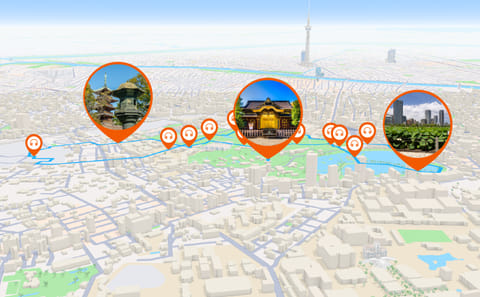
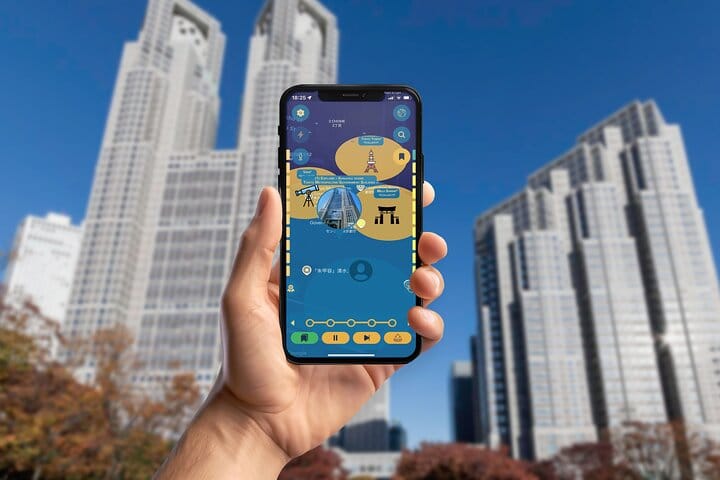
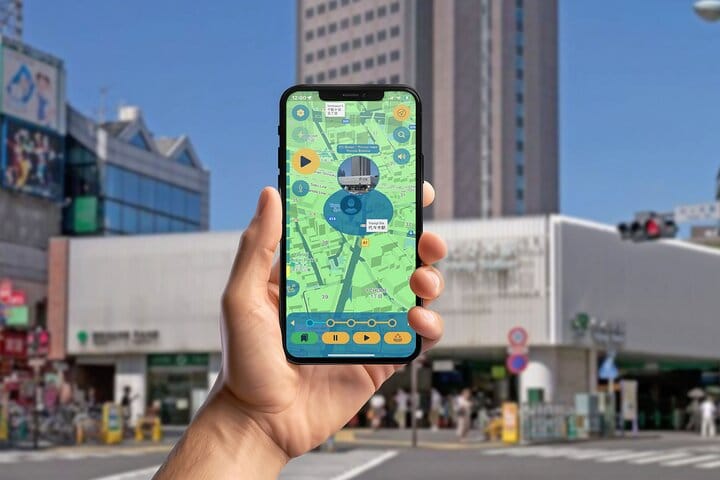
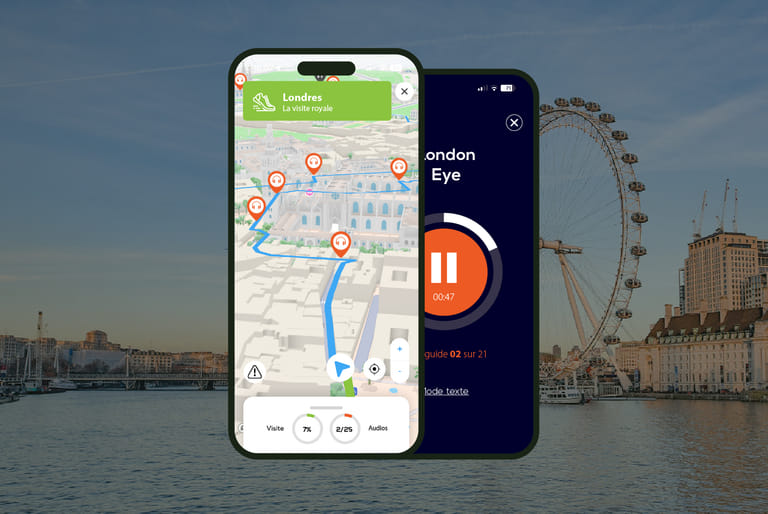
Nous construisons nos circuits sous forme de boucle afin que vous puissiez démarrer facilement la visite au point le plus proche de vous, le guidage s’adaptera automatiquement. Si vous êtes à proximité, nous vous conseillons un point de départ idéal.
Fully refundable until 1 day before start
Non-refundable after 1 day before start
Free Cancellation · Instant confirmation · Private tour
Free Cancellation · Instant confirmation · Private tour
Free Cancellation · Instant confirmation · Private tour
Free Cancellation · Instant confirmation · Meet on location
Free Cancellation · Instant confirmation · Private tour
Free Cancellation · Instant confirmation · Private tour
Free Cancellation · Instant confirmation · Private tour
Free Cancellation · Instant confirmation · Private tour
Our assistant finds tours and checks live dates and prices, and answers your questions.