
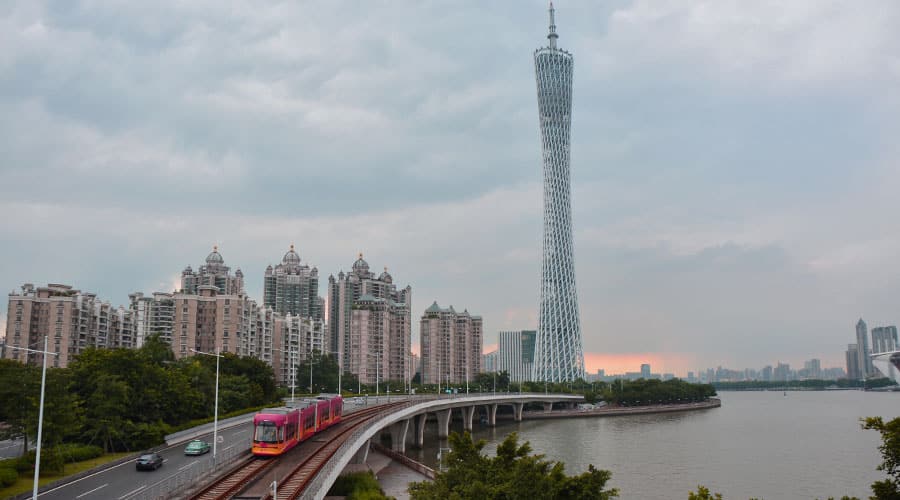
The Pearl River, also known as the Canton River (Zhujiang in Chinese), is one of the most significant river systems in southern China and the country’s third-longest river. Stretching across multiple provinces, it not only serves as a lifeline for the regions it flows through but also plays a crucial role in commerce, culture, and tourism. Parts of its tributaries even extend into northern Vietnam, highlighting its geographical importance in Southeast Asia. In this article, we explore the Pearl River in Guangzhou, its history, scenic highlights, cruises, and much more.
The Size and Scope of the Pearl River
The Pearl River is an extensive river system formed by the convergence of four major rivers in southern China. These rivers meet in the bustling city of Guangzhou, after which the river flows approximately 70 kilometers (43.5 miles) before emptying into the South China Sea. The four primary rivers that make up the Pearl River system include:
- The Xi River, originating from the Yunnan-Guizhou Plateau, is the longest tributary and a vital waterway for trade and transport.
- The Liuxi River, starting in Conghua City, Guangdong Province, is known for its clear waters and scenic banks.
- The Bei River, originating in Jiangxi Province, supports agriculture and provides freshwater to nearby cities.
- The Dong River, also from Jiangxi Province, is historically important for commerce and transport toward Guangzhou.
The total length of the Pearl River system is approximately 2,400 kilometers (1,500 miles), making it the third-longest river in China after the Yangtze River and the Yellow River. In terms of volume, it ranks second, just after the Yangtze, which emphasizes its significant impact on regional ecosystems and human settlements.
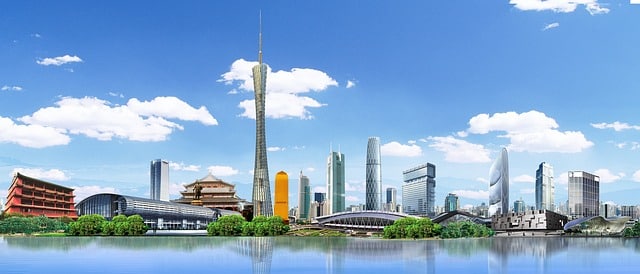
Origin of the Name: Why It’s Called Pearl River
The name “Pearl River” instantly evokes images of Guangzhou for many people. Historically, the river was referred to as “The Pearl Sea” due to its vast width, which once reached around 2,000 meters (approximately 2,187 yards). Over time, urban development and natural sedimentation reduced the width, now measuring closer to 180 meters (around 197 yards) in certain stretches.
Another popular theory for the river’s name comes from a smooth, round boulder located in the riverbed. Known as the “Sea Pearl,” its gleaming surface resembles a giant pearl, giving the river its poetic and elegant name.
Modern Guangzhou and the Pearl River
Guangzhou has transformed dramatically over the past few decades, becoming a vibrant metropolis where historical heritage meets modern architecture. The Pearl River, flowing through the heart of the city, serves as a lifeline and a centerpiece for urban life. Today, there are over ten functional bridges spanning the river, connecting various districts and facilitating smooth transport across the city.
Walking along the banks of the Pearl River, visitors are greeted by impressive high-rise buildings, luxury hotels, and sprawling shopping malls. The juxtaposition of modern skyscrapers with traditional Cantonese architecture creates a unique urban landscape that is visually captivating both day and night.
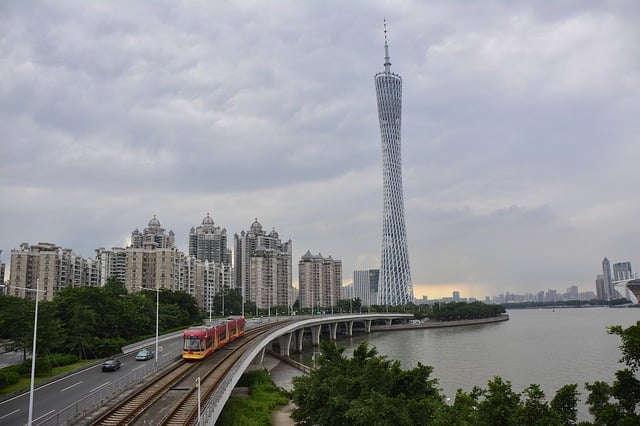
Pearl River Scenery Corridor
The Pearl River Scenery Corridor is a must-visit for travelers who enjoy walking along riverside paths and soaking in city vistas. Stretching approximately 23 kilometers (14 miles), the corridor doubles as a scenic walkway and flood control dike, allowing visitors to experience the river from multiple vantage points.
Along the corridor, travelers can explore several historic and artistic landmarks:
- Huangpu Military Academy: China’s first modern military academy, steeped in revolutionary history.
- Tianzi Dock: A centuries-old dock historically used to welcome visiting officials and dignitaries.
- Xinghai Concert Hall: An iconic performance venue with striking modern architecture and cultural significance.
- Historic Site in Shamian: A preserved area featuring hundreds of buildings in diverse architectural styles, reflecting Guangzhou’s colonial past.
Night Scene Along the Pearl River
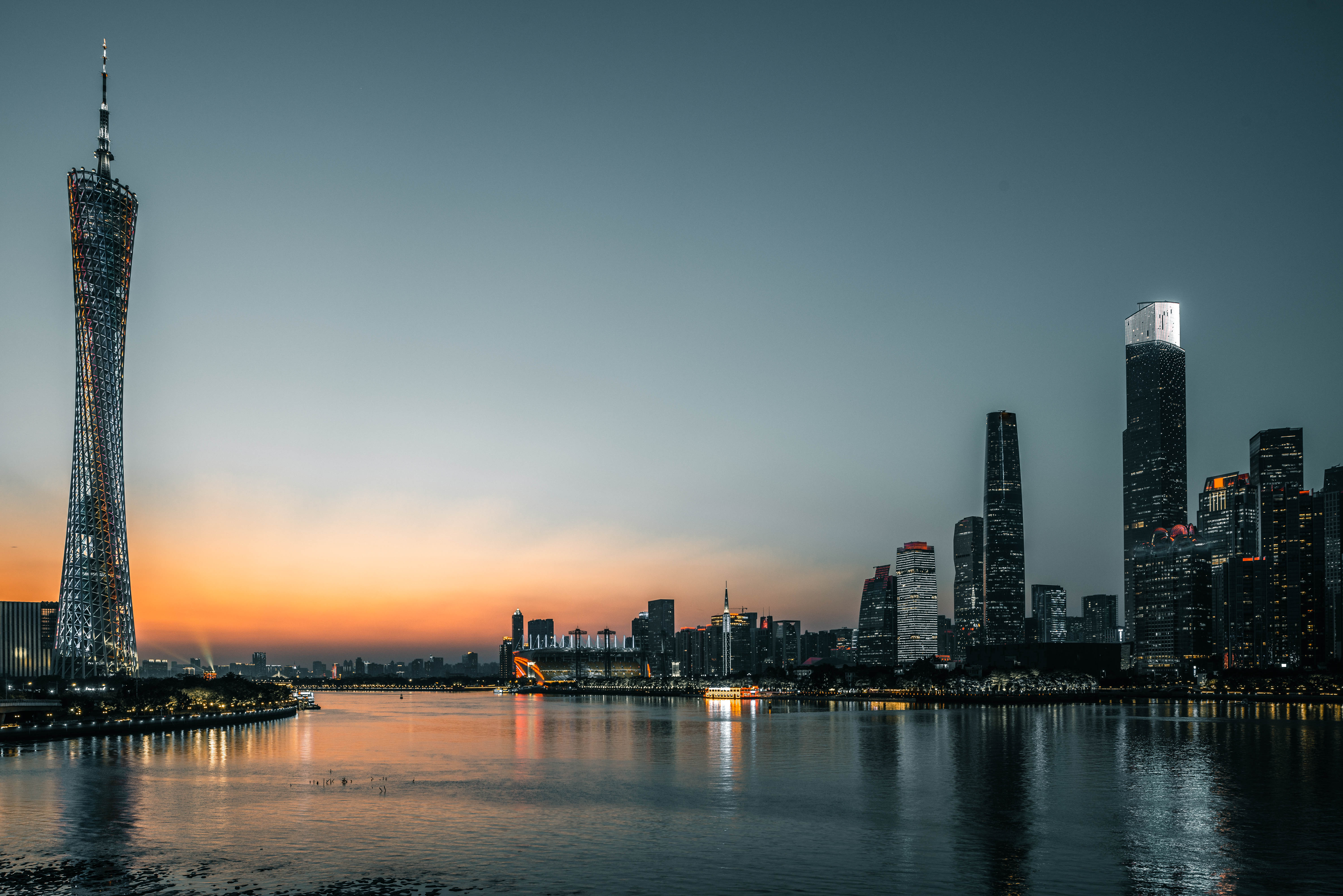
As the sun sets, the Pearl River comes alive with dazzling night lights. Many consider the river’s night view in Guangzhou to rival Hong Kong’s Victoria Harbor. Both riverbanks glow with illuminated skyscrapers, bridges, and colorful lights, creating a breathtaking panorama.
Visitors strolling along the riverbanks at night can enjoy cool evening breezes while admiring bridges lit with vibrant colors, resembling glowing rainbows arched over the water. These lights reflect beautifully on the river, adding a magical dimension to the cityscape. The Pearl River acts as a natural ribbon linking historical sites, modern architecture, and cultural landmarks, offering a complete visual experience of Guangzhou.
Pearl River Cruises: A Different Perspective
One of the best ways to experience the Pearl River is from the water. Guangzhou offers a variety of cruise options that allow travelers to admire the city skyline, historic sites, and illuminated bridges. Cruises range from short one-hour trips to evening dinner cruises, giving tourists a unique perspective of both historical and modern Guangzhou.
Pearl River Cruise Wharves in Guangzhou
Guangzhou offers multiple wharves along the Pearl River where travelers can board cruise ships and enjoy panoramic views of the city. Each wharf provides easy access via bus or metro, making it simple for visitors to plan their journey. Here’s a detailed guide to the most popular wharves:
Xidi Wharf
📍 Address
Yanjiang West Road, Guangzhou
🚌 Bus Access
Take the Sightseeing Bus Xiguan Style Line to Xidi Matou, or buses 1, 31, 57, 64, 128, 131A, 186, 208, 209, 217, 219, 552, 556, Guang 281, or Peak Express Line 78 to Nanfang Dasha.
🚇 Metro Access
Take Metro Line 6 to Cultural Park Station and walk 5 minutes southeast to reach the wharf.
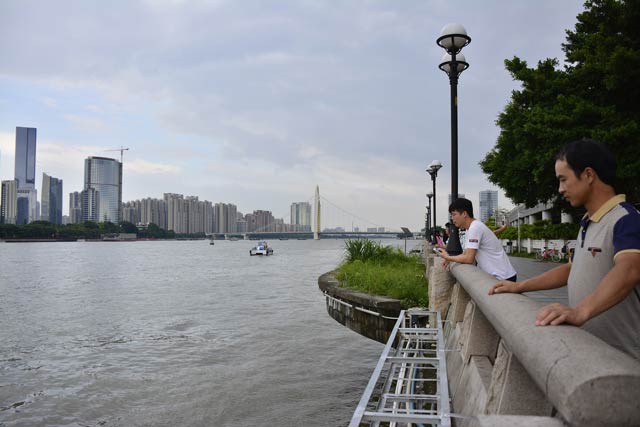
Tianzi Wharf
📍 Address
Yanjiang Middle Road, Taikang Street, Guangzhou
🚌 Bus Access
Take the Sightseeing Bus Ancient City Line, or buses 4, 57, 128, 131A, 208, or Tour Bus 2 to Tianzi Matou Station.
🚇 Metro Access
Take Metro Line 2 or Line 6, exit at Haizhu Square Station, and use Exit A.
Fangcun Wharf
📍 Address
20 Changdi Road, Guangzhou
🚌 Bus Access
Peak Express Line 22, or buses 19, 52, 64, 181, 202, 206, 217, 236, 275, Guang 275A, 309A, 312, 309, 780, 782, 812, 838, 965, 966, 990 to Fangcun Matou Zongzhan (Fangcun Wharf Terminal).
🚇 Metro Access
Take Metro Line 1 to Fangcun Station and walk 10 minutes northeast to the wharf.
Dashatou Wharf
📍 Address
466 Yanjiang East Road, Guangzhou
🚌 Bus Access
Buses 12, 35, 36, 57, 61, 80, 89, 125, 128, 131B, 184, 192, 194, 208, 211, 221, 229, 247, 546, B21, 864 to Dashatou Youchuan Matou Station.
🚇 Metro Access
Take Metro Line 6 to Donghu Station and walk 10 minutes south to the wharf.
Zhongda Wharf
📍 Address
135 Xingang West Road, Guangzhou
🚌 Bus Access
Buses 8, 11, 121A, 131A, 131B, 182, 229, 247, 266, Peak Express Line 59, Tour Bus 1, or Tour Bus 2 to Zhongda Beimen Xi Station.
Travel Tips for Visiting Pearl River
- Bring a camera or smartphone to capture both daytime and nighttime cityscapes.
- Evening cruises are highly recommended for experiencing Guangzhou’s illuminated skyline.
- Wear comfortable shoes if you plan to walk the Scenery Corridor or explore Shamian Island.
- Check the weather forecast; avoid heavy rains as some cruise services may be suspended.
- Try local Cantonese snacks along the riverbanks or at nearby food streets for a cultural experience.
Frequently Asked Questions (FAQs) About Pearl River, Guangzhou
To help travelers plan their visit, here are some commonly asked questions about the Pearl River and its attractions in Guangzhou.
- Q: What is the best time to visit the Pearl River?
A: The best time to visit is from October to March when the weather is cooler and less humid. Evening cruises are ideal during these months for pleasant temperatures and clear views. - Q: How long is a typical Pearl River cruise?
A: Cruises usually last between 60 minutes and 2 hours, with some evening dinner cruises extending to 3 hours. - Q: Are the Pearl River cruises expensive?
A: Prices are generally affordable, ranging from 100 to 300 CNY per person depending on the type of cruise (daytime sightseeing or dinner cruise). - Q: Can I walk along the river instead of taking a cruise?
A: Absolutely! The Pearl River Scenery Corridor offers a 23-kilometer path with pedestrian-friendly sections, perfect for walking or cycling while enjoying the scenery. - Q: Are there historical sites along the Pearl River?
A: Yes, landmarks such as Huangpu Military Academy, Tianzi Dock, Shamian Island, and Xinghai Concert Hall are all accessible along the riverbanks. - Q: How do I get to the main cruise wharves in Guangzhou?
A: Most wharves like Xidi, Tianzi, Fangcun, Dashatou, and Zhongda are accessible by bus or metro. Refer to our wharf guide above for detailed routes.
Conclusion
The Pearl River in Guangzhou is more than just a river, it is a living testament to the city’s history, culture, and modern development. From the historic Huangpu Military Academy to the dazzling night lights reflecting on the river, there is something for every traveler. Cruises, scenic walks, and riverside attractions provide multiple ways to experience the charm of Guangzhou and its Pearl River.
Whether you are a history enthusiast, a photography lover, or simply a traveler seeking a relaxing stroll, the Pearl River offers an unforgettable experience that blends natural beauty, urban sophistication, and cultural richness.
Have you ever been to Guangzhou or experienced the Pearl River? Share your stories and tips in the comments below—your insights could inspire fellow travelers!