

Private Day Tour of Kathmandu's Three Durbar Squares
Free Cancellation · Instant confirmation · Pickup available

We will meet at Pumpernickel Bakery
Your guide will be available 10 minutes before each meeting time with a sign "Meeting Point - Amazing Kathmandu".
Pumpernickel Bakery is centrally located in Thamel and has excellent offerings, including great coffee, all-day breakfasts, delicious cakes, and bakery items that also cater to gluten-free and vegan diets.
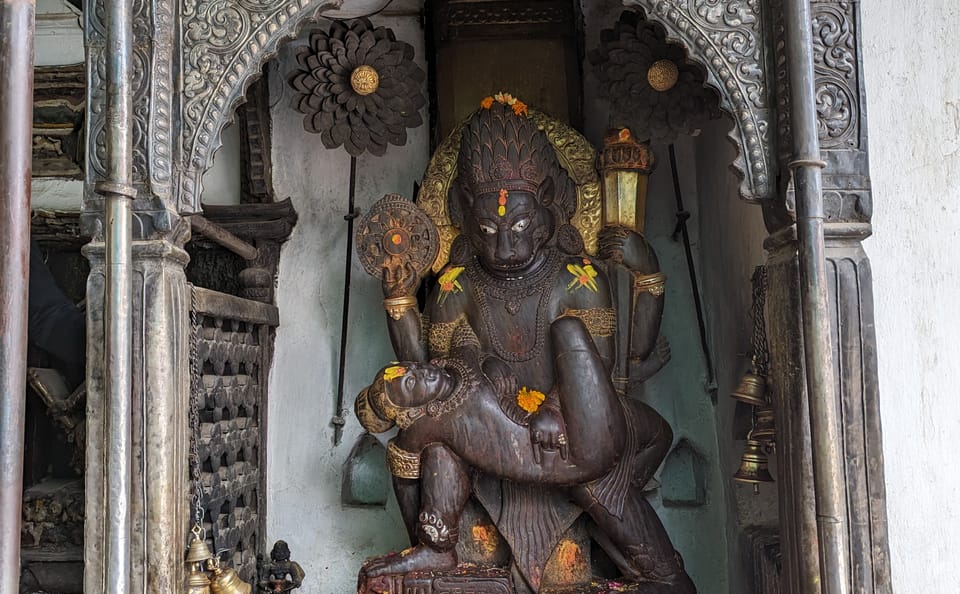
Wasya Dyaa, or the Toothache Tree, is a wooden idol located near Thahiti Tole in Kathmandu, believed to cure toothaches. Traditionally, it is thought that hammering a coin into the tree’s wood can alleviate dental pain. This practice stems from ancient beliefs and continues today, despite modern dental care. The tree is associated with the legendary Bangemudha, and many visitors still come to pray before seeing a dentist.
Around the temple, a dental hub has developed, with more than 20 clinics, some dating back to the Rana period. This spot blends Nepalese mythology and modern healthcare, and visiting Wasya Dyaa is a unique experience for anyone interested in local culture and tradition, especially those with toothaches.
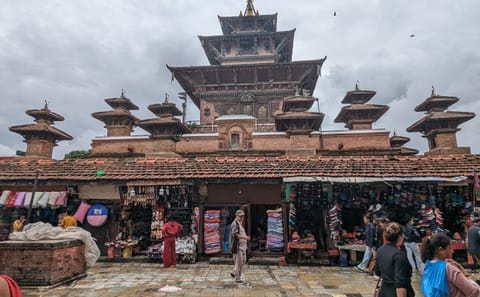
Southwest of Asan Tole, at the junction of Kel Tole, Seto Machhindranath Temple attracts both Buddhists and Hindus. Buddhists view him as Avalokiteshvara, while Hindus worship him as a rain-bringer incarnation of Shiva.
In the courtyard, you'll find small shrines, chaityas (small stupas), and statues, including a European-looking female figure surrounded by candles. Just outside the temple, two graceful bronze statues of Tara are seated atop pillars.
Inside, the white-faced image of Seto Machhindranath is covered in flowers. Though the temple's exact age is unknown, it was restored in the 17th century.
As you exit, you'll see the small Tantric Lunchun Lunbun Ajima temple, known for its erotic carvings. Nearby, shops offer traditional Nepali clothing, including topi (hats) and daura suruwal (traditional dress), with miniature versions for children.
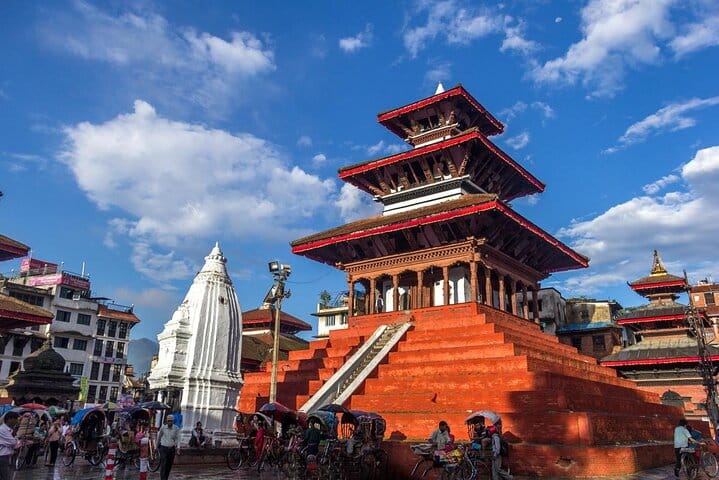
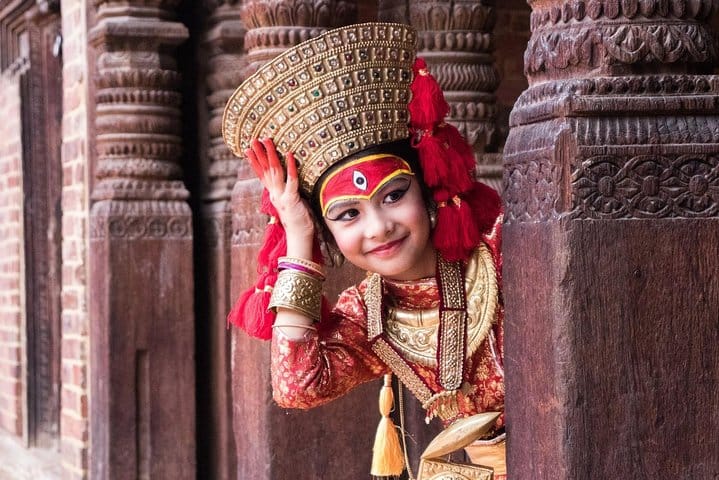
The Kumari, also known as the Living Goddess, is a sacred symbol of power and purity in Kathmandu. She is a prepubescent girl chosen from the Newar community, who embodies the spirit of Taleju, the goddess of power and protection. The Kumari resides in the Kumari Ghar (Kumari Temple) at Kathmandu Durbar Square, and her presence is considered an essential part of the spiritual and cultural fabric of the city.
The selection process for a new Kumari is strict, and the chosen girl must meet specific criteria, including physical characteristics and astrological alignment. Once selected, she remains the Kumari until she reaches puberty, at which point a new living goddess is chosen.
People view the Kumari with great reverence, considering her to be an earthly manifestation of the goddess. Locals and visitors alike come to Kathmandu Durbar Square to catch a glimpse of the Kumari, often waiting outside the temple to see her in the window or balcony of her residence. While she is revered, her interactions with the public are limited to specific rituals and events. People believe that blessings from the Kumari bring good fortune, and some even ask for her blessings for health and success.
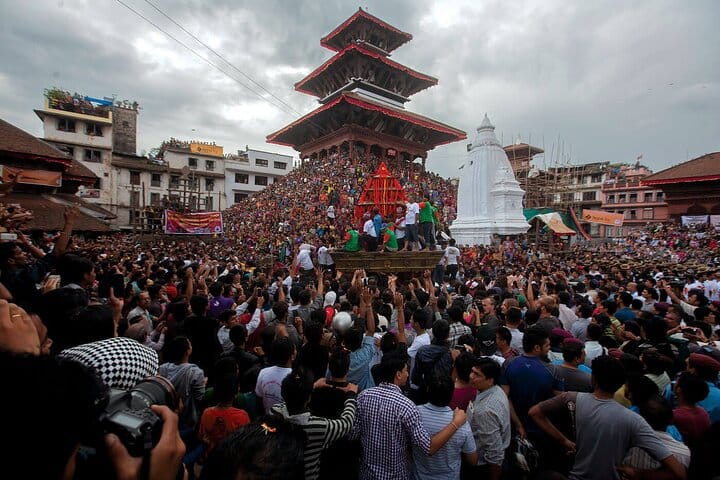
Her role in the community extends to important religious ceremonies and festivals, such as Indra Jatra, where the Kumari is paraded through the streets in a chariot. The Kumari is considered to be a living embodiment of the divine, a unique and deeply spiritual tradition in Nepal that continues to be a source of fascination and awe for both locals and tourists.
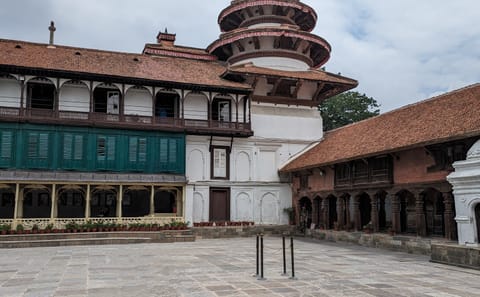
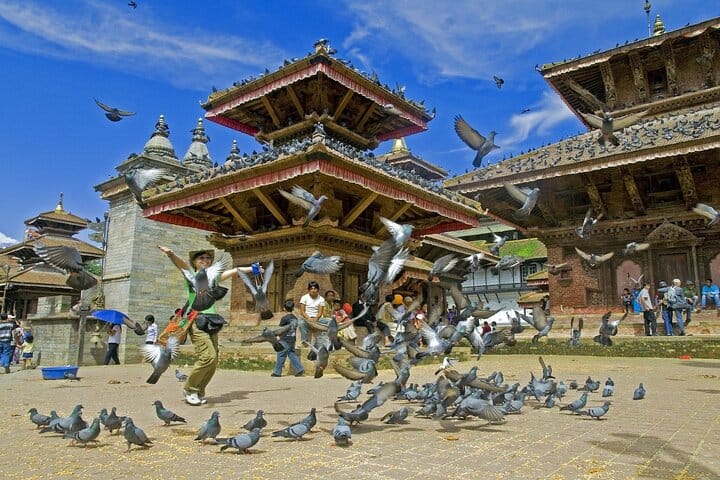
Hanuman Dhoka Palace, located in the heart of Kathmandu Durbar Square, is a historical palace complex that was the royal seat of the Malla kings and later the Shah dynasty. Its name comes from the nearby statue of the monkey god Hanuman, which is believed to protect the royal family.
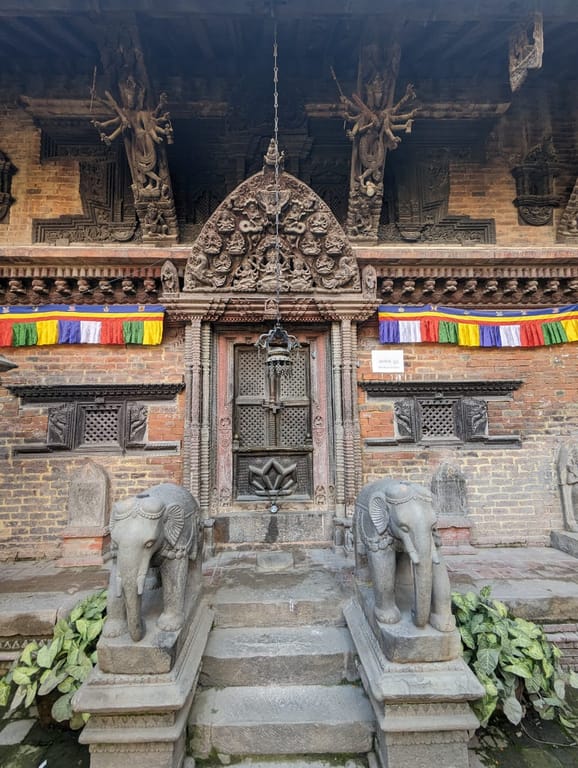
The palace complex, which dates back to the 16th century, consists of several buildings, courtyards, temples, and shrines. The most notable structure is the main palace building, which was used by the kings and their court for centuries. The architecture of Hanuman Dhoka Palace is a stunning example of traditional Nepalese Malla-period architecture, with intricately carved wooden windows, massive stone pillars, and elaborate courtyards.
The palace's significance lies in its long history as the seat of power. The Malla kings ruled from Hanuman Dhoka until the unification of Nepal under King Prithvi Narayan Shah, and later, it became the residence of the Shah monarchs after they moved the capital to the present-day site of the Narayanhiti Palace.
Visitors can explore parts of the palace, including the old palace courtyards and the intricately decorated rooms. The palace also hosts a small museum, which showcases artifacts related to Nepal’s royal history, providing a glimpse into the grandeur of Nepal's monarchy and royal traditions.
Hanuman Dhoka Palace is not only a testament to the rich royal heritage of Nepal but also a symbol of Kathmandu’s vibrant cultural and architectural legacy. It is an important historical site for both locals and tourists who want to learn about the history, art, and culture of the region
Experience the spiritual atmosphere of Naradevi Temple, one of Kathmandu's most sacred sites, and meet Washa Deu, the fascinating toothache god where devotees place coins in a wooden mouth to cure dental ailments.
PUMPERNICKEL BAKERY
Fully refundable until 1 day before start
Free Cancellation · Instant confirmation · Pickup available
 Elite
Elite
Free Cancellation · Instant confirmation · Private tour
 Elite
Elite
Free Cancellation · Instant confirmation · Private tour
 Elite
Elite
Free Cancellation · Instant confirmation · Private tour
Cancellable until 1 day before · Instant confirmation · Private tour
Cancellable until 1 day before · Instant confirmation · Meet on location
Cancellable until 1 day before · Instant confirmation · Meet on location
Cancellable until 1 day before · Instant confirmation · Meet on location
Our assistant finds tours and checks live dates and prices, and answers your questions.