

 Elite
Elite
Pashupatinath and Bouddhanath Private Tour in Kathmandu
Free Cancellation · Instant confirmation · Private tour

We will meet at Gaushala Bus Park
Your guide will be available 10 minutes before each meeting time with a sign "Meeting Point - Amazing Kathmandu".
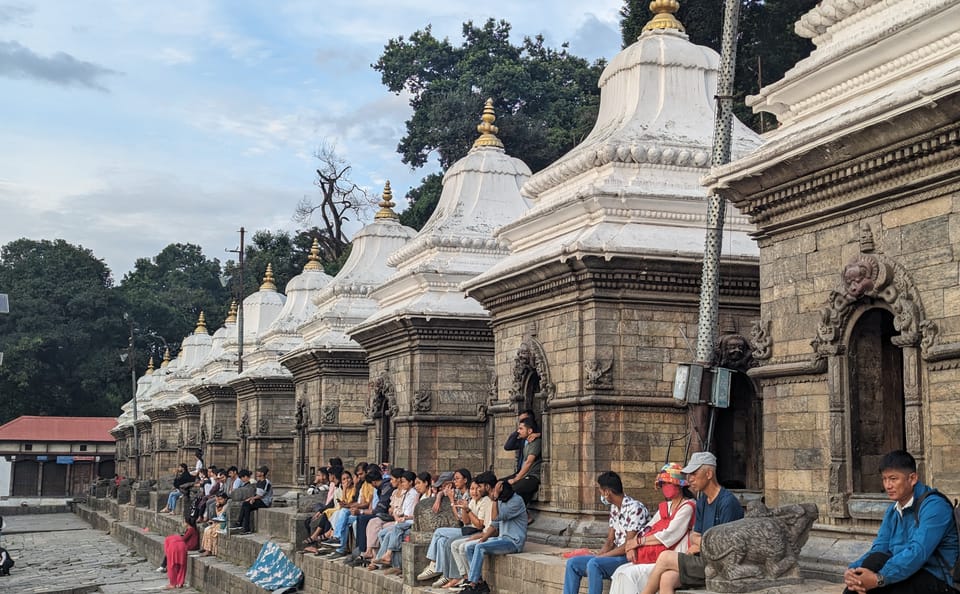
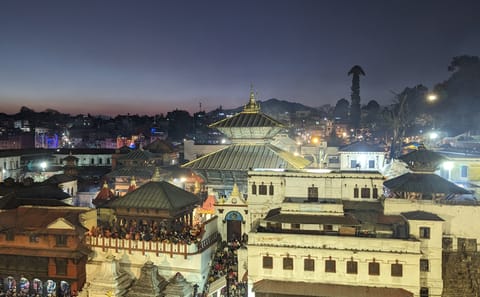
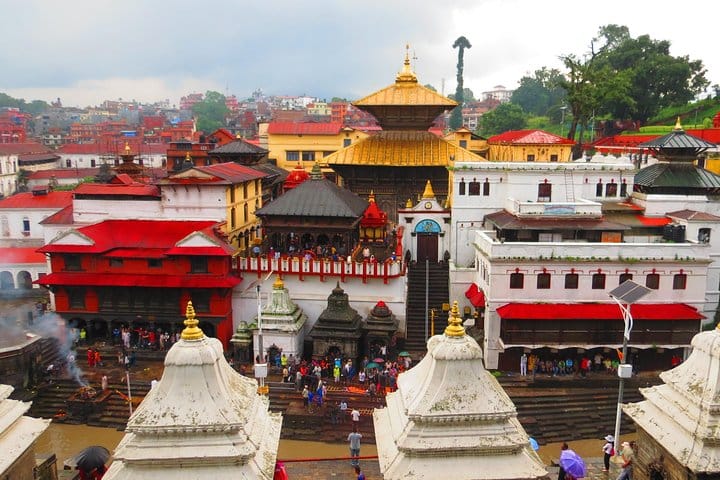
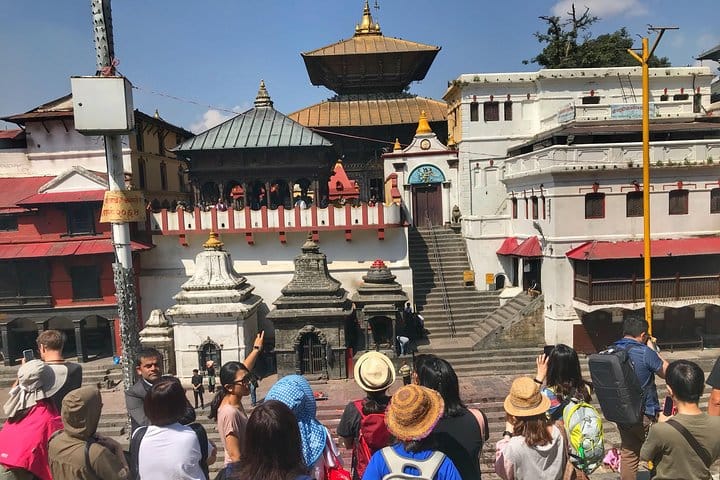
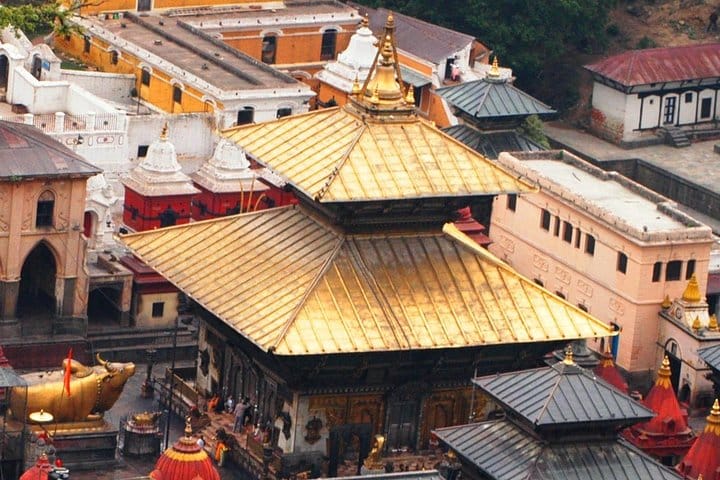
Pashupatinath is a UNESCO World Heritage Site and one of the most sacred Hindu temples dedicated to Lord Shiva. Situated on the banks of the Bagmati River, it is renowned for its stunning architecture and spiritual significance.
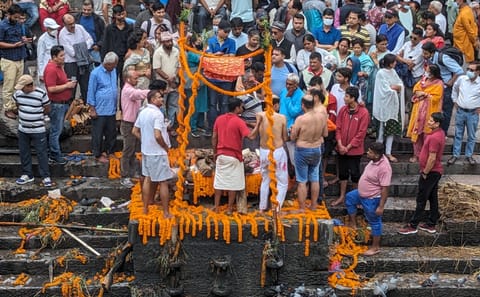
Aryaghat, located within the sacred premises of Pashupatinath Temple, is one of the most important cremation ghats in Nepal. Situated along the banks of the Bagmati River, it is a holy site for performing traditional Hindu funeral rites.
Visitors can observe open-fire cremations, a significant practice rooted in Hindu beliefs about life, death, and the afterlife. Families bring their loved ones here for the final rituals, which include cremation on the funeral pyres and immersion of the ashes into the river. The Bagmati is considered sacred, and it is believed that these rites help the soul attain liberation (moksha).
This deeply spiritual and culturally significant site offers a unique and solemn glimpse into Nepali traditions. Visitors are encouraged to observe respectfully and adhere to the rules of the sacred space.
Mrigasthali, located near the Pashupatinath Temple, is a serene forested area steeped in mythology. According to legend, Lord Shiva took the form of a golden deer here, giving the site its name, which means "Abode of Deer." From this vantage point, visitors can enjoy a bird's-eye view of Aryaghat and a clear view of the Pashupatinath Temple, making it a peaceful spot to witness Nepal’s spiritual and natural heritage.
Guheshwori, a sacred Hindu temple near Pashupatinath, is dedicated to Goddess Parvati. Entry is restricted to Hindu visitors, so we will continue our journey without stopping here, heading towards Boudhanath.
Boudhanath, one of the largest stupas in the world and a UNESCO World Heritage Site, is a spiritual hub for Tibetan Buddhism. This iconic site, with its massive white dome and watchful eyes of Buddha, exudes peace and serenity.
We will explore the area and visit a nearby Buddhist monastery, where our guide will share Buddha's universal message to all beings, inspired by the "Wheel of Life Mandala." This symbolic artwork depicts the cycle of existence and serves as a profound teaching tool.
Additionally, we will learn about two significant Buddhist heritage items: Thankas, intricate Tibetan paintings rich in spiritual symbolism, and Healing Bowls, used for meditation and therapeutic practices. These elements offer a deeper understanding of Buddhist culture and its contributions to well-being and mindfulness.
Gaushala Bus Stop
Fully refundable until 1 day before start
Elite
Free Cancellation · Instant confirmation · Private tour
Free Cancellation · Instant confirmation · Private tour
 Elite
Elite
Free Cancellation · Instant confirmation · Private tour
 Elite
Elite
Free Cancellation · Instant confirmation · Private tour
Cancellable until 1 day before · Instant confirmation · Meet on location
Cancellable until 1 day before · Instant confirmation · Meet on location
Cancellable until 1 day before · Instant confirmation · Meet on location
Cancellable until 1 day before · Instant confirmation · Meet on location
Our assistant finds tours and checks live dates and prices, and answers your questions.