
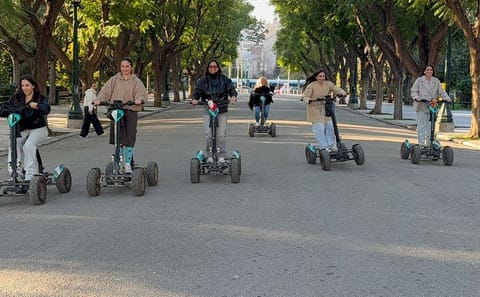
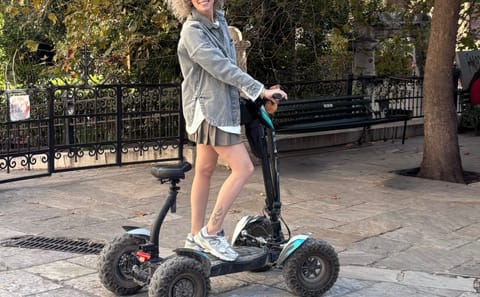


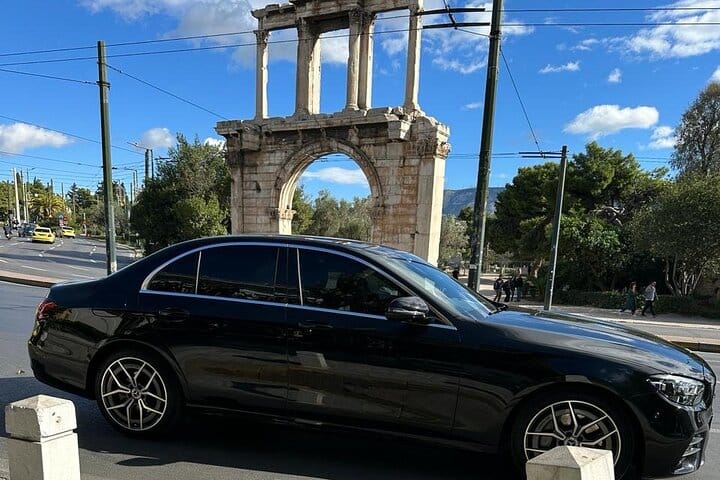
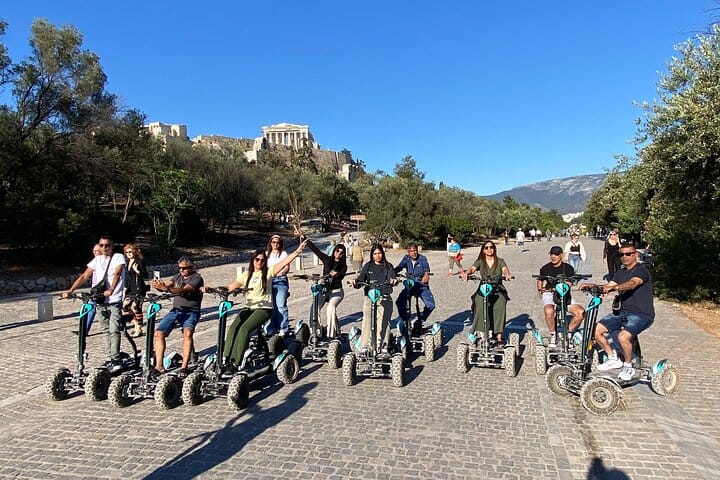
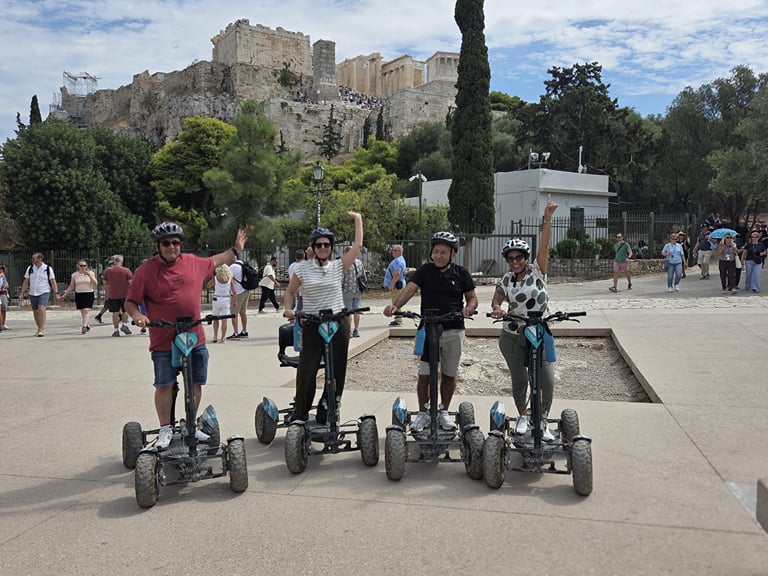
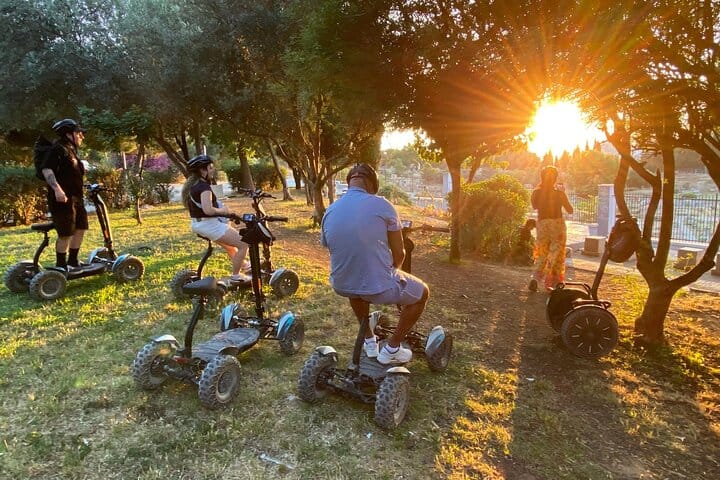
Athens Electric Limousine Guided Cultural Tour
Free Cancellation · Instant confirmation · Private tour

The Acropolis Museum is a modern archaeological museum located in Athens, Greece, dedicated to the artifacts and history of the Acropolis and its surrounding area.
Pass outside Acropolis Museum
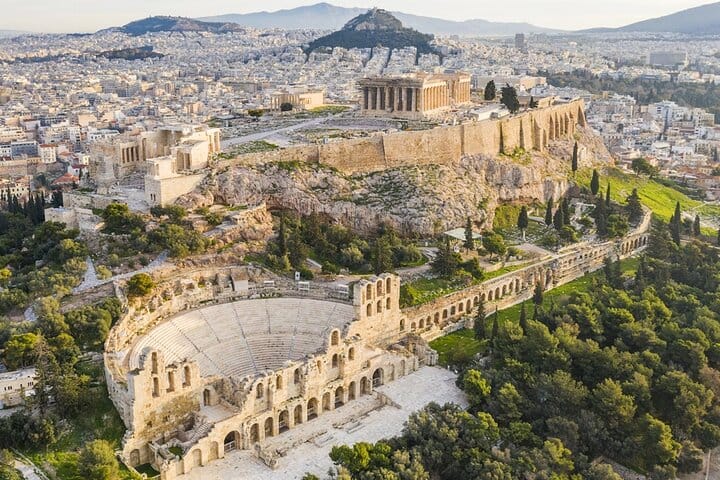
The Theatre of Dionysus is an ancient Greek theatre in Athens, Greece. Built in the 6th century BC, it was dedicated to Dionysus, the god of theater & wine. Considered the birthplace of Greek tragedy, it hosted performances of works by Aeschylus, Sophocles & Euripides.
Stop for information and pictures outside of theatre of Dionysus. Not entering the archeological site.
The Odeon of Herodes Atticus is a stunning ancient theater located on the southwest slope of the Acropolis in Athens. Built in 161 AD, it features remarkable acoustics and hosts performances today.
Stop outside of the entrance for information and pictures, no entrance inside the odeon.
The Hill of Mars, or Areopagus, is a prominent rock outcrop located northwest of the Acropolis in Athens, Greece. It served as a significant site for ancient Athenian council meetings and trials, particularly for homicide cases. The hill is named after Ares, the Greek god of war, and is known for its historical and mythological significance, as well as its panoramic views of the city. Today, it remains a popular spot for visitors and offers a glimpse into Athens' rich history.
Stop for information and pictures.
Pnyx Hill is an important historical site in Athens, Greece, known as the meeting place of the Athenian Assembly (Ekklesia) in ancient times. Located near the Acropolis, it served as a venue for public discussions and decision-making, where citizens gathered to debate and vote on various issues. The hill features a large, flat area with stone seating and a speaker's platform, known as the bema. Pnyx Hill symbolizes the birthplace of democracy, reflecting the political innovations of ancient Athens. Today, it remains a significant archaeological site and a popular destination for visitors interested in Athenian history.
Stop for information and pictures.
Thissio is a vibrant neighborhood in Athens, Greece, known for its charming streets, cafes, and proximity to historical sites. Located near the Acropolis, it offers stunning views of the Parthenon and is popular among both locals and tourists. The area features a mix of traditional and modern architecture, with many restaurants and bars that create a lively atmosphere, especially in the evenings. Thissio is also home to the Ancient Agora and the Temple of Hephaestus, making it a great spot for exploring Athens' rich history.
A pass by.
Keramikos is an ancient neighborhood in Athens, Greece, known for its significant archaeological site that was once the city's potters' quarter. It is located northwest of the Acropolis and served as a major industrial area during ancient times.
Stop for information and pictures outside archeological site
The Ancient Agora of Athens was the central public space in ancient Athens, serving as a marketplace and a hub for political, social, and cultural activities. Established in the 6th century BC, it was surrounded by important buildings, including temples, stoas, and public offices. The Agora was the heart of Athenian democracy, where citizens gathered to discuss politics, philosophy, and community issues. Key structures include the Temple of Hephaestus and the Stoa of Attalos, which has been reconstructed and now houses a museum. The site remains a significant archaeological and historical landmark today.
Stop outside the archeological area for information and pictures.
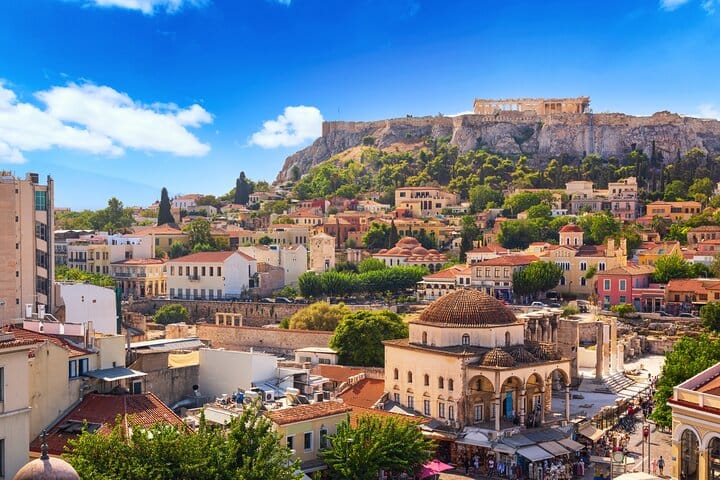
Monastiraki Square is a bustling and historic plaza located in the heart of Athens, Greece. It is situated near the Ancient Agora and the Acropolis, making it a central hub for both tourists and locals. The square is surrounded by a mix of traditional and modern architecture, including the famous Monastiraki Flea Market, where visitors can find a variety of goods, from antiques and souvenirs to local crafts and clothing. The area is also known for its vibrant atmosphere, with numerous cafes, restaurants, and street performers, making it a popular spot for dining, shopping.
Stop for information and pictures.
The Library of Hadrian, built in 132 AD by the Roman Emperor Hadrian, is an ancient structure located in Athens, Greece. It served as a major cultural center, housing a vast collection of scrolls and manuscripts. The library featured a large courtyard, reading rooms, and a stunning façade adorned with columns and decorative elements. Although much of the structure is in ruins today, it remains an important archaeological site, reflecting the influence of Roman architecture and the significance of knowledge and learning in ancient Athens.
Α pass by.
Stop for information and pictures.
Plaka is a historic neighborhood located at the foot of the Acropolis in Athens, Greece. Known for its charming streets, traditional architecture, and vibrant atmosphere, Plaka is often referred to as the "Neighborhood of the Gods."
The Arch of Hadrian, also known as the Hadrian's Gate, is a monumental triumphal arch located in Athens, Greece. It was built in the 2nd century AD to honor the Roman Emperor Hadrian and to mark the boundary between the ancient city of Athens and the new Roman city of Hadrianopolis.
Stop for information and pictures.
The Temple of Olympian Zeus, also known as the Olympieion, is a colossal ancient temple in Athens, Greece. Built in the 2nd century BC, it was dedicated to Zeus, the king of the gods. The temple was massive, with 104 Corinthian columns, but only a few remain today. It was one of the largest temples in Greece and a prominent landmark in ancient Athens.
Stop for information and pictures outside archeological site.
The Zappeion is a historic building located in the National Garden of Athens, Greece. It was constructed in 1888 and designed by the Danish architect Theophil Hansen. The Zappeion was built to host the international exhibitions and the first modern Olympic Games in 1896.
Stop for information and pictures.
The Panathenaic Stadium, also known as Kallimarmaro, is a historic stadium located in Athens, Greece. It is renowned for being the site of the first modern Olympic Games in 1896. The stadium was originally built in the 4th century BC for the Panathenaic Games, a religious festival honoring the goddess Athena. It is the only stadium in the world built entirely of white marble, specifically from Mount Pentelicus,
Stop for information and pictures outside the stadium
Discover the serene beauty of the National Garden in Athens, Greece. This lush oasis features winding paths, vibrant flora, and tranquil ponds, offering a peaceful escape from the city's hustle. Perfect for leisure, the garden is home to ancient ruins, a small zoo, and charming cafes, making it an ideal spot for relaxation and exploration amidst Athens' rich history.
The Hellenic Parliament, located in Athens, Greece, is the country's legislative body. It is housed in the former Royal Palace, a neoclassical building that was completed in 1843.
Stop for information and pictures outside the parliament.
The Changing of the Guards is a ceremonial event that takes place in front of the Hellenic Parliament in Athens, Greece. This tradition is performed by the Evzones, an elite unit of the Greek Army known for their distinctive uniforms and disciplined movements. The Changing of the Guards honors the memory of the Unknown Soldier, whose tomb is located in front of the Parliament. It symbolizes the respect and gratitude of the Greek people for those who have served in the military.
Stop for information and pictures.
Eschinou 9
Fully refundable until 1 day before start
Non-refundable after 1 day before start
Free Cancellation · Instant confirmation · Private tour
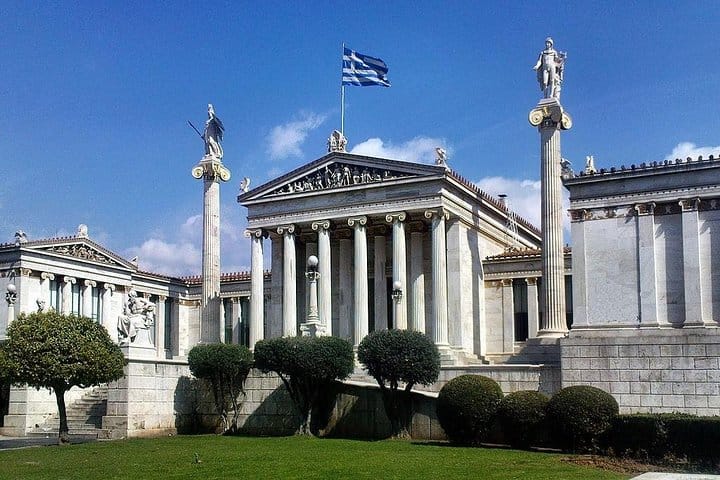
Free Cancellation · Instant confirmation · Private tour
Free Cancellation · Instant confirmation · Meet on location
Cancellable until 1 day before · Instant confirmation · Pickup available
Free Cancellation · Instant confirmation · Meet on location
Free Cancellation · Instant confirmation · Meet on location
Free Cancellation · Instant confirmation · Meet on location
Our assistant finds tours and checks live dates and prices, and answers your questions.