

 Elite
Elite
Cairo Day Trip to Pyramids of Giza, Sphinx and Museum
Free Cancellation · Instant confirmation · Pickup available

The pick up will be from your place in Hurghda
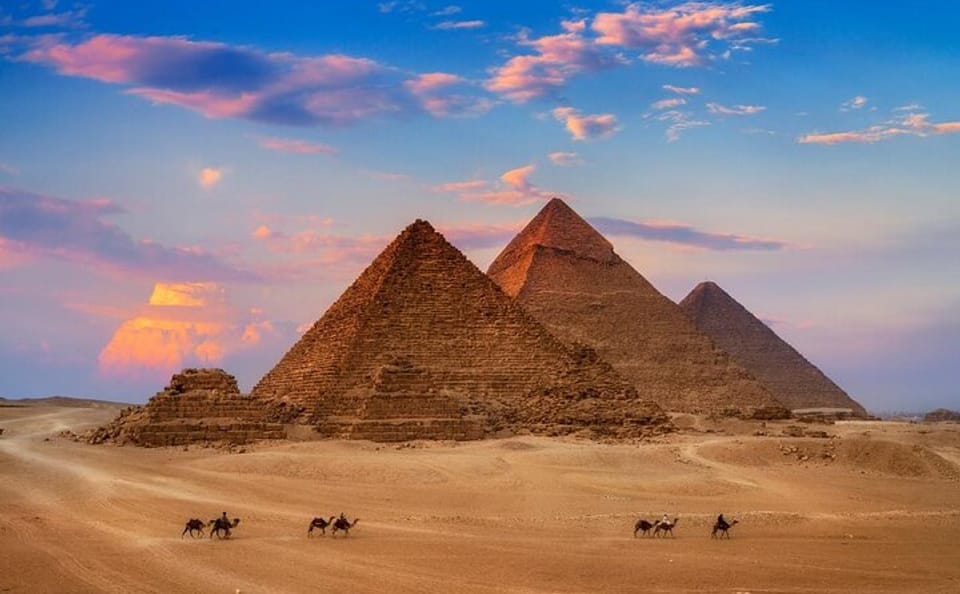
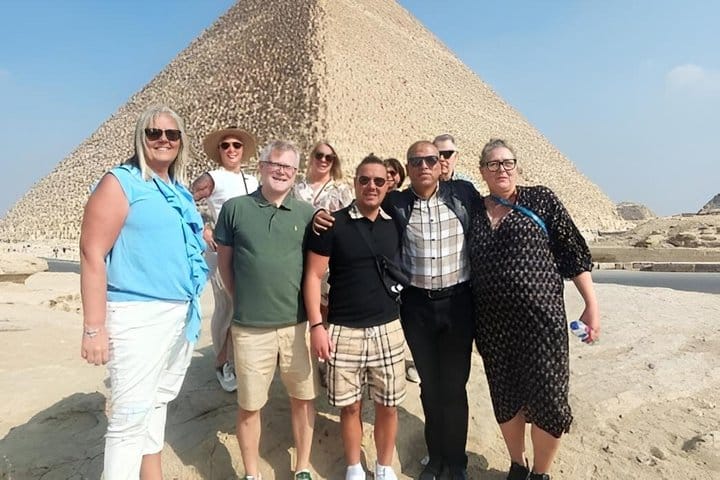
The Great Pyramid of Giza is the largest Egyptian pyramid. It served as the tomb of pharaoh Khufu, who ruled during the Fourth Dynasty of the Old Kingdom. Built c. 2600 BC, over a period of about 26 years, the pyramid is the oldest of the Seven Wonders of the Ancient World, and the only wonder that has remained largely intact. It is the most famous monument of the Giza pyramid complex, which is part of the UNESCO World Heritage Site "Memphis and its Necropolis". It is situated at the northeastern end of the line of the three main pyramids at Giza
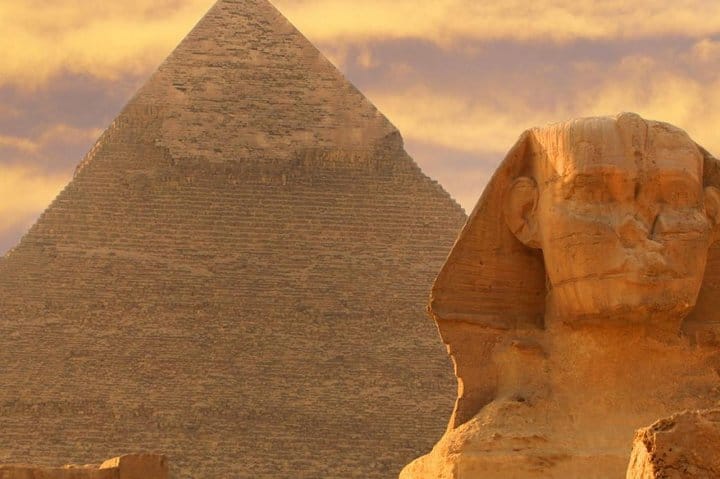
The pyramid of Khafre or of Chephren is the middle of the three Ancient Egyptian Pyramids of Giza, the second tallest and second largest of the group. It is the only pyramid out of the three that still has cladding at the top. It is the tomb of the Fourth-Dynasty Pharaoh Khafre (Chefren), who ruled c. 2558−2532 BC
The pyramid of Menkaure is the smallest of the three main pyramids of the Giza pyramid complex, located on the Giza Plateau in the southwestern outskirts of Cairo, Egypt. It is thought to have been built to serve as the tomb of the Fourth Dynasty King Menkaure.
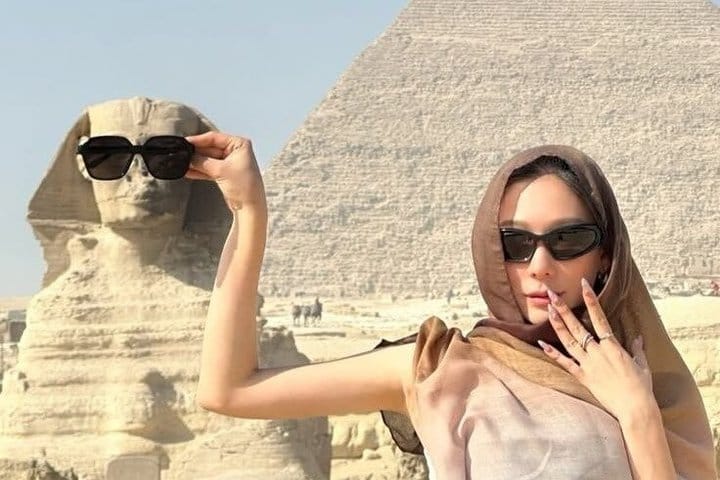
The Great Sphinx of Giza is a limestone statue of a reclining sphinx, a mythical creature with the head of a human and the body of a lion. Facing east, it stands on the Giza Plateau on the west bank of the Nile in Giza, Egypt. The original shape of the Sphinx was cut from bedrock of the Eocene-aged Mokattam Formation, and has since been restored with layers of limestone blocks. It measures 73 m (240 ft) long from paw to tail, 20 m (66 ft) high from the base to the top of the head and 19 m (62 ft) wide at its rear haunches. The Sphinx is the oldest known monumental sculpture in Egypt and one of the most recognizable statues in the world. The face of the Sphinx remains a matter of scholarly dispute; it appears to represent the pharaoh Khufu or one of his sons, pharaohs Djedefre and Khafre. Archaeological evidence suggests that it was created by ancient Egyptians of the Old Kingdom during the reign of Khufu (c. 2590–2566 BC) or Khafre (c. 2558–2532 BC)
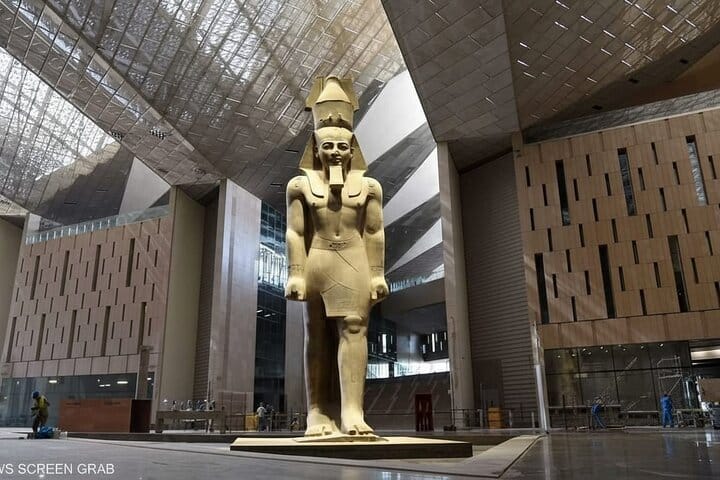
The Museum of Egyptian Antiquities, commonly known as the Egyptian Museum (Arabic: المتحف المصري, romanized: al-Matḥaf al-Miṣrī, Egyptian Arabic: el-Matḥaf el-Maṣri [elˈmætħæf elˈmɑsˤɾi]) (also called the Cairo Museum), located in Cairo, Egypt, houses the largest collection of Egyptian antiquities in the world. It houses over 120,000 items, with a representative amount on display. Located in Tahrir Square in a building built in 1901, it is the largest museum in Africa. Among its masterpieces are Pharaoh Tutankhamun's treasure, including its iconic gold burial mask, widely considered one of the best-known works of art in the world and a prominent symbol of ancient Egypt
Fully refundable until 1 day before start
Non-refundable after 1 day before start
Elite
Free Cancellation · Instant confirmation · Pickup available
 Elite
Elite
Free Cancellation · Instant confirmation · Pickup available
Free Cancellation · Instant confirmation · Private tour
 Elite
Elite
Free Cancellation · Instant confirmation · Private tour
Our assistant finds tours and checks live dates and prices, and answers your questions.