 Elite
Elite
Sigiriya Rock Fortress and Dambulla All-Inclusive Tour from Kandy
Free Cancellation · Instant confirmation · Private tour

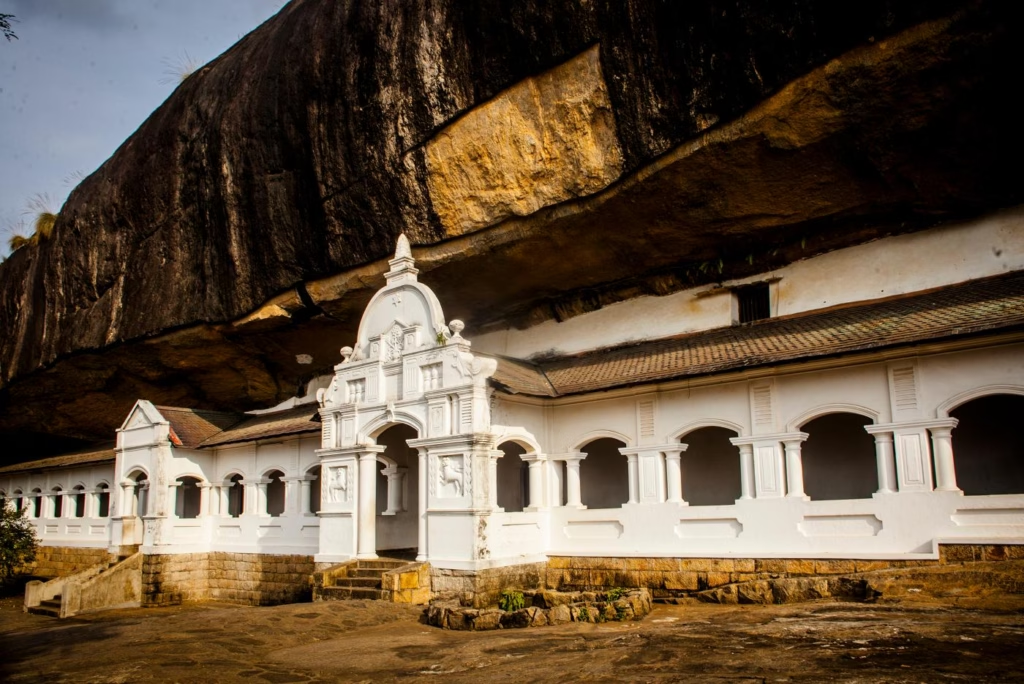
Entry tickets are sold on-site and lines can run long during midday tour-bus hours. The admission options below get you in the door — some bundle skip-the-line access or a local guide who can point out details easy to miss on your own, like the older, unrestored sections tucked behind the 18th-century murals.
Elite
Free Cancellation · Instant confirmation · Private tour
 Elite
Elite
Free Cancellation · Instant confirmation · Private tour
 Elite
Elite
Free Cancellation · Instant confirmation · Private tour
 Elite
Elite
Free Cancellation · Instant confirmation · Private tour
 Elite
Elite
Free Cancellation · Instant confirmation · Private tour
 Elite
Elite
Free Cancellation · Instant confirmation · Private tour
 Elite
Elite
Free Cancellation · Instant confirmation · Private tour
 Elite
Elite
Free Cancellation · Instant confirmation · Private tour
 Elite
Elite
Free Cancellation · Instant confirmation · Private tour
 Elite
Elite
Free Cancellation · Instant confirmation · Private tour
 Elite
Elite
Free Cancellation · Instant confirmation · Private tour
 Elite
Elite
Free Cancellation · Instant confirmation · Private tour
 Elite
Elite
Free Cancellation · Instant confirmation · Private tour
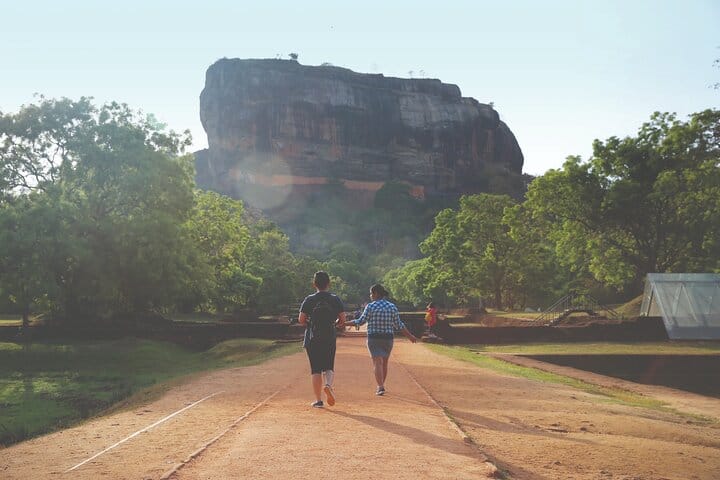
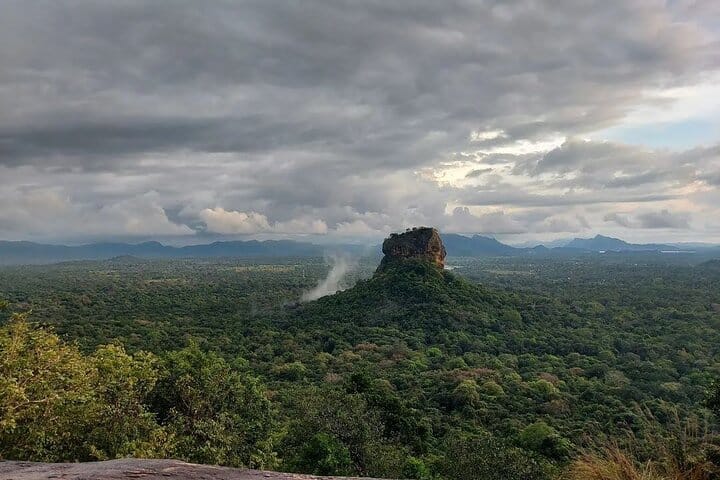
Most travelers pair Dambulla with Sigiriya Rock Fortress or a wider Cultural Triangle day trip. The tours below range from a focused half-day at the caves to multi-site itineraries with a driver and guide included.
 Elite
Elite
Free Cancellation · Instant confirmation · Private tour
 Elite
Elite
Free Cancellation · Instant confirmation · Private tour
 Elite
Elite
Free Cancellation · Instant confirmation · Private tour
 Elite
Elite
Free Cancellation · Instant confirmation · Private tour
 Elite
Elite
Free Cancellation · Instant confirmation · Private tour
 Elite
Elite
Free Cancellation · Instant confirmation · Private tour
 Elite
Elite
Free Cancellation · Instant confirmation · Private tour
 Elite
Elite
Free Cancellation · Instant confirmation · Private tour
 Elite
Elite
Free Cancellation · Instant confirmation · Private tour
 Elite
Elite
Free Cancellation · Instant confirmation · Private tour
 Elite
Elite
Free Cancellation · Instant confirmation · Private tour
 Elite
Elite
Free Cancellation · Instant confirmation · Private tour
 Elite
Elite
Free Cancellation · Instant confirmation · Private tour
 Elite
Elite
Free Cancellation · Instant confirmation · Private tour
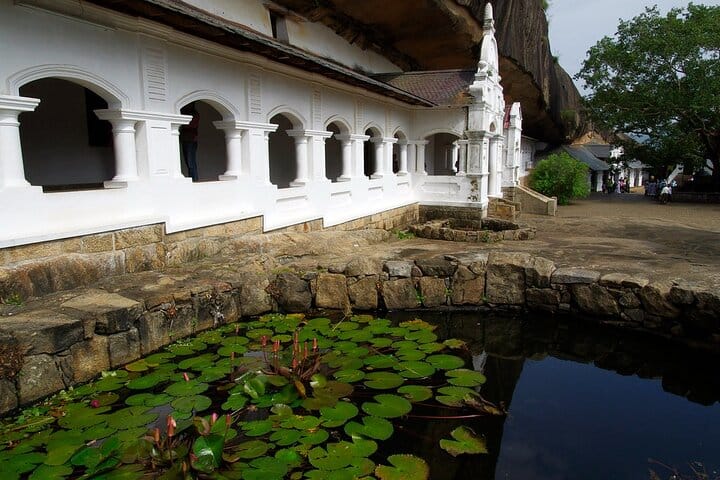
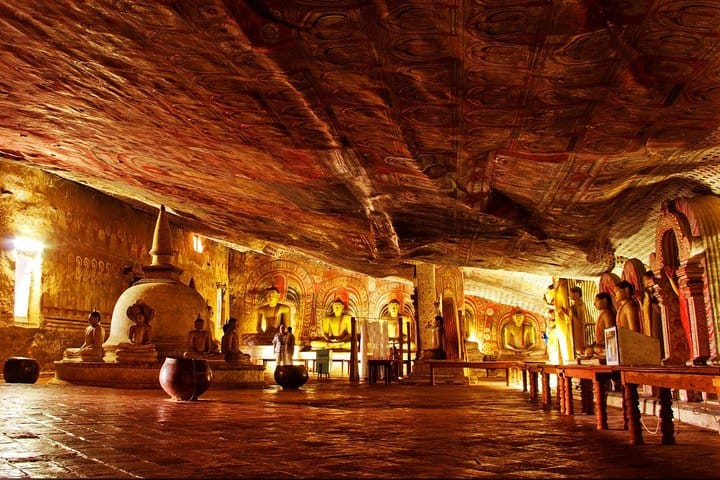
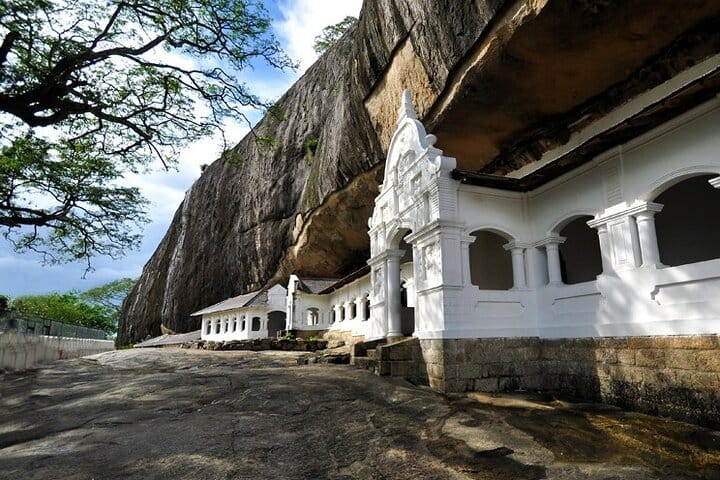
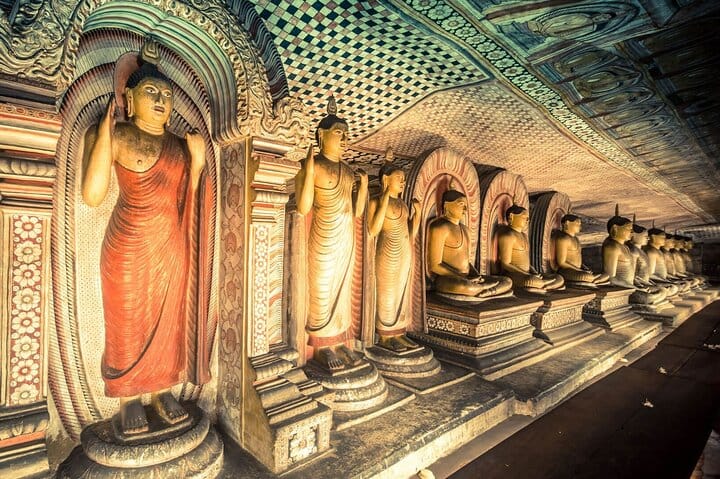
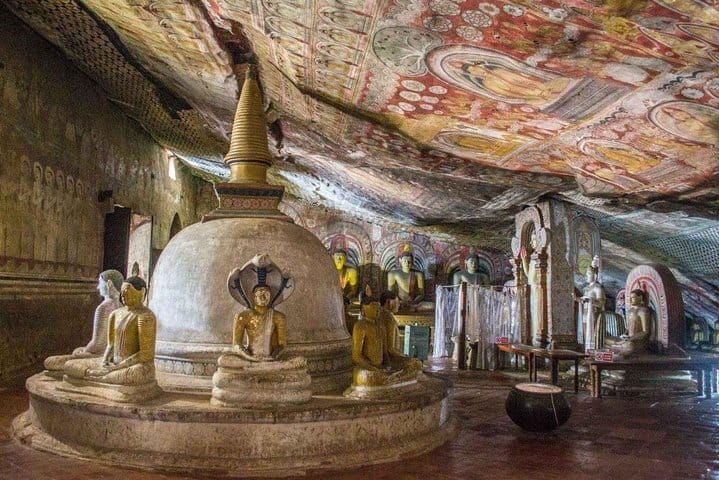
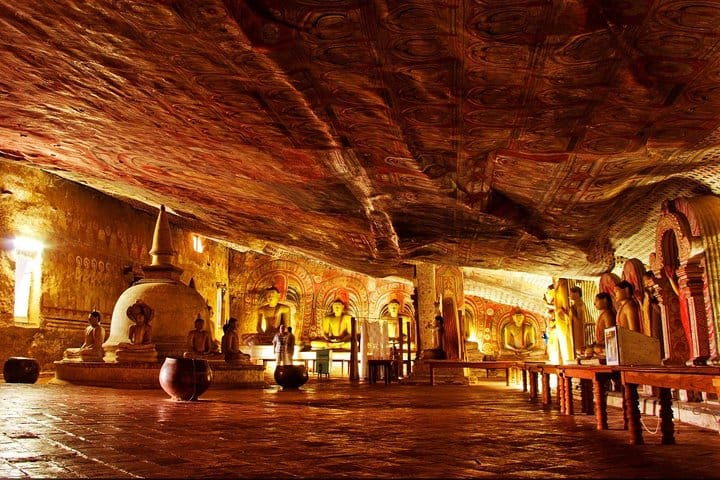
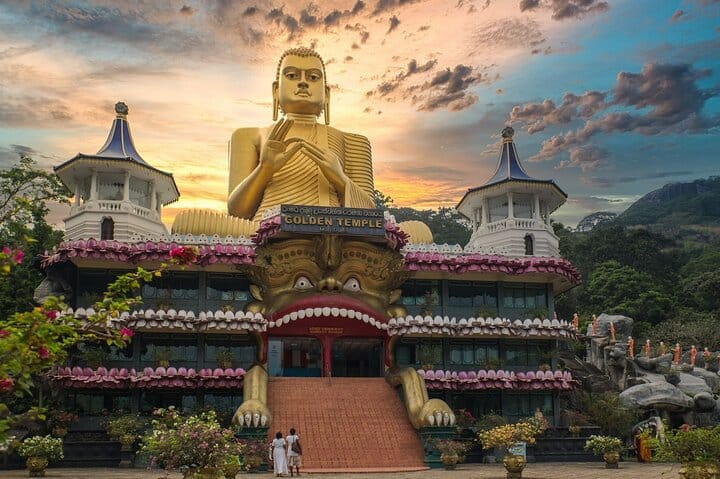
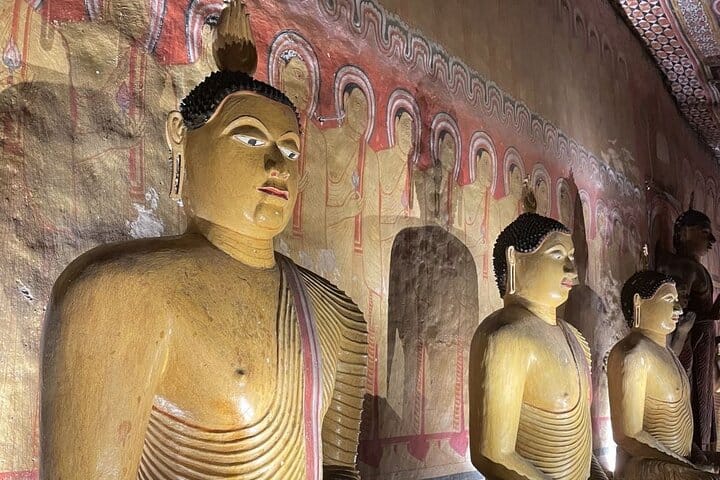
Dambulla Cave Temple — known locally as the Rangiri Dambulla Raja Maha Vihara, or simply the Golden Temple of Dambulla — began not as a temple at all, but as a hideout. In the 1st century BCE, King Valagamba (Vattagamini Abhaya) took refuge in these caves for fourteen years after being driven from his throne in Anuradhapura. When he reclaimed the kingdom, he returned to the caves that had sheltered him and converted them into a monastery in gratitude, a founding story still repeated by the monks who live and worship here today.
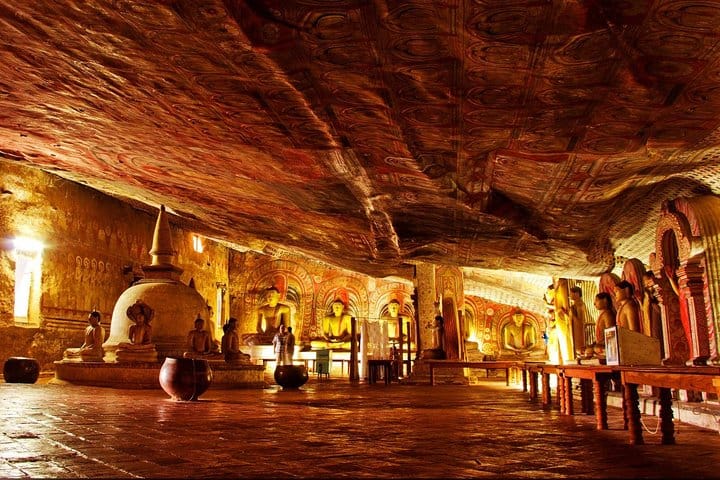
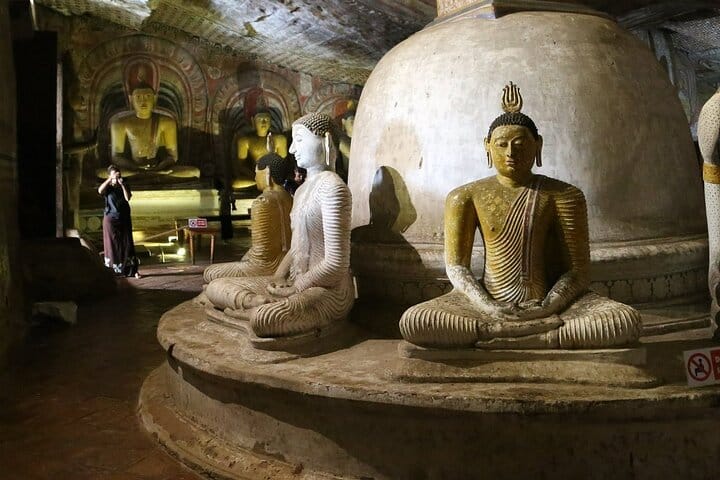
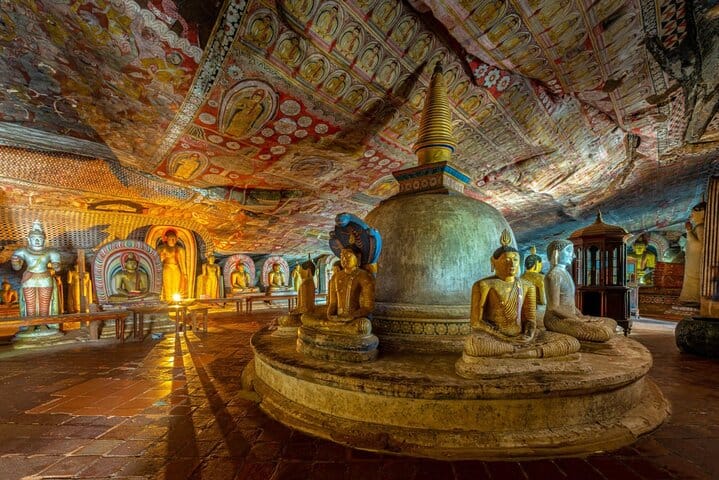
What makes Dambulla remarkable isn't just its age — it's that monks carved five sanctuaries into a single granite outcrop rising 160 meters above the plains, then filled them with over 150 Buddha statues and roughly 2,100 square meters of murals, without a single supporting pillar. Most of what visitors see today — the vivid ceiling paintings, the gilded reclining Buddha — dates to an 18th-century restoration under King Kirti Sri Rajasinha, layered over earlier work scholars are still working to date precisely. It's this continuous, working monastery, not a ruin, that earned Dambulla UNESCO World Heritage status in 1991.
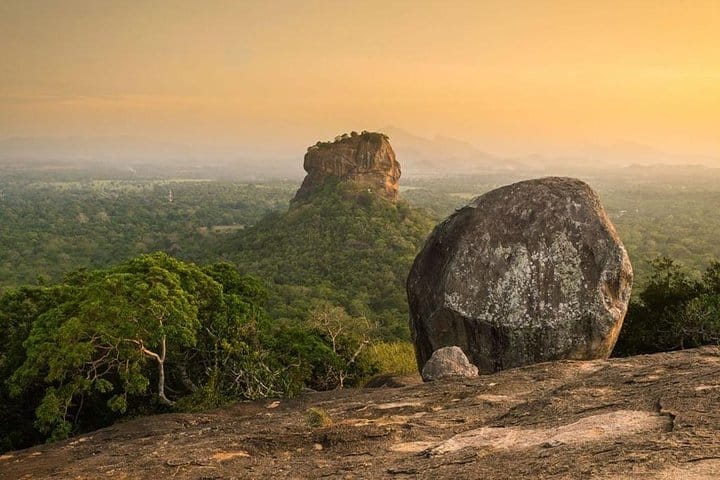
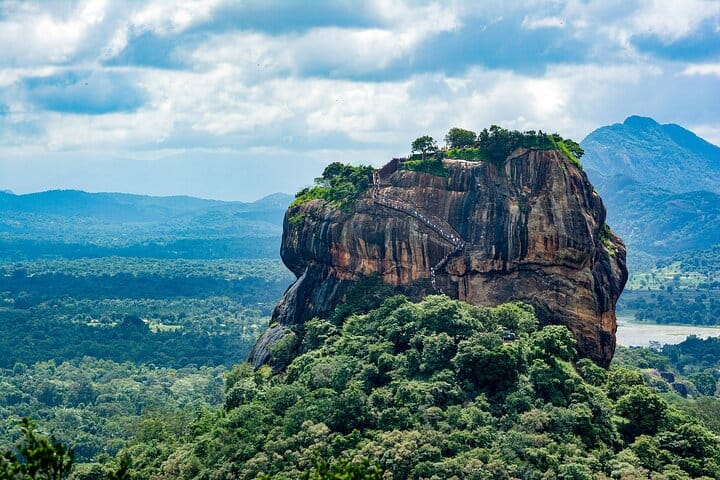
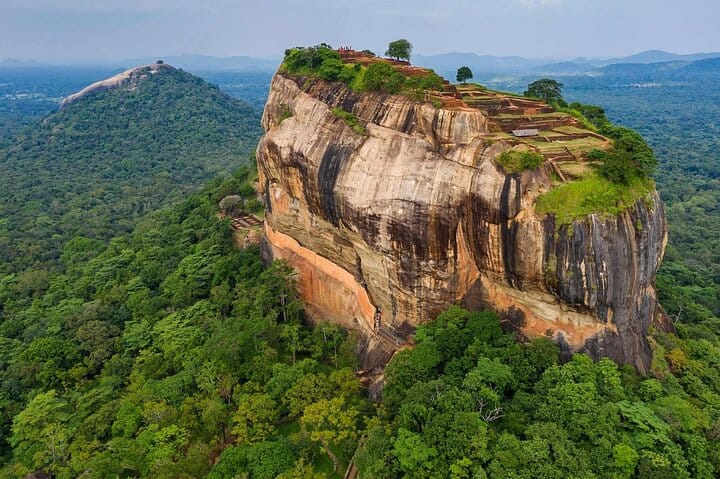
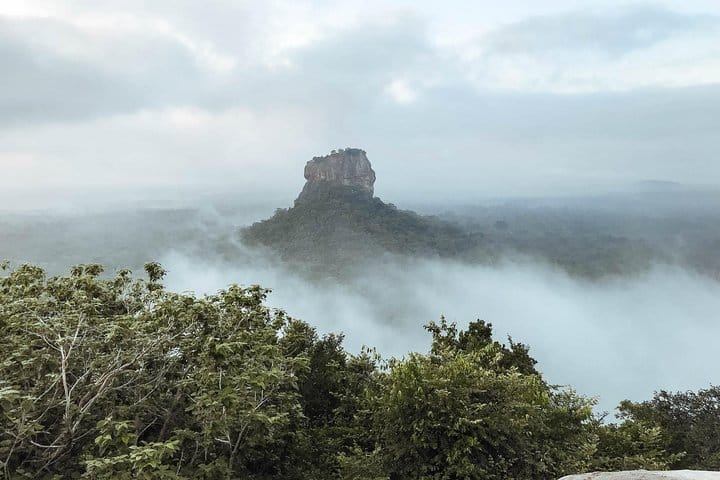
The temple sits in Sri Lanka's Cultural Triangle, an easy stop en route to or from Sigiriya, about 20 minutes away. Because it remains an active pilgrimage site, a modest dress code and a shoeless walk through the caves apply — details worth planning around before you go. The tours below handle transport, timing, and, where noted, skip-the-line entry.
Some do and some don't — check each listing's inclusions before booking, since Dambulla's entry fee is often paid separately from guided tours unless the listing states otherwise.
Most travelers spend 1.5 to 2 hours at Dambulla, including the climb and time in all five caves. Add 30 minutes if you're also visiting the small museum near the base.
The path to the caves involves roughly 15–20 minutes of stone steps with no elevator or ramp, so it isn't well-suited to wheelchairs or significant mobility limitations.
Yes — they're about 20 minutes apart by road, and several tours below combine both. Most travelers do Sigiriya in the cooler morning hours and Dambulla in the afternoon or toward sunset.
Shoulders and knees must be covered to enter, and shoes come off before the cave shrines. Loose, breathable clothing and socks (the stone floor gets hot) make the visit more comfortable.
It's a working Buddhist monastery — monks live and worship on-site, so quiet, respectful behavior is expected throughout, especially inside the shrines.