 Elite
Elite
Private 8-Day Luxury Tour of Pyramids and Denderah, Egypt
Free Cancellation · Instant confirmation · Private tour

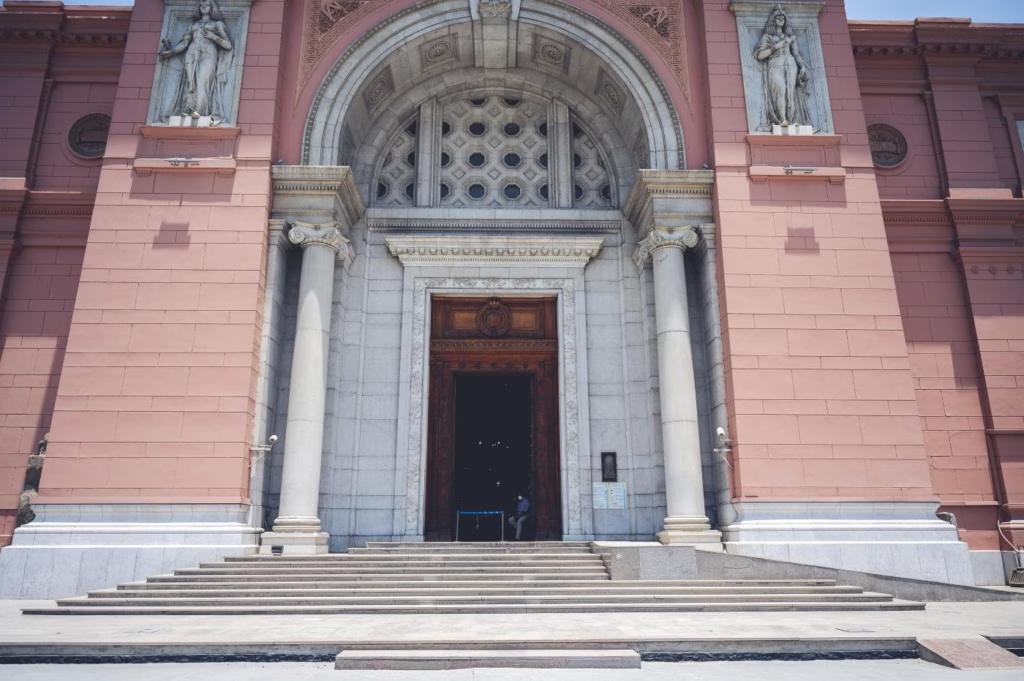
Entry tickets get you into the halls — a guide gets you to the Narmer Palette and the Yuya and Thuya burial without losing an hour to the wrong wing. Compare vetted options below.
Elite
Free Cancellation · Instant confirmation · Private tour
 Elite
Elite
Free Cancellation · Instant confirmation · Private tour
 Elite
Elite
Free Cancellation · Instant confirmation · Meet on location or pickup
 Elite
Elite
Free Cancellation · Instant confirmation · Private tour
 Elite
Elite
Free Cancellation · Instant confirmation · Private tour
 Elite
Elite
Free Cancellation · Instant confirmation · Private tour
 Elite
Elite
Free Cancellation · Instant confirmation · Private tour
 Elite
Elite
Free Cancellation · Instant confirmation · Private tour
 Elite
Elite
Free Cancellation · Instant confirmation · Private tour
 Elite
Elite
Free Cancellation · Instant confirmation · Private tour
 Elite
Elite
Free Cancellation · Instant confirmation · Private tour
 Elite
Elite
Free Cancellation · Instant confirmation · Pickup available
 Elite
Elite
Free Cancellation · Instant confirmation · Private tour
 Elite
Elite
Cancellable until 1 day before · Instant confirmation · Pickup available
 Elite
Elite
Free Cancellation · Instant confirmation · Private tour
 Elite
Elite
Free Cancellation · Instant confirmation · Private tour
 Elite
Elite
Free Cancellation · Instant confirmation · Private tour
 Elite
Elite
Free Cancellation · Instant confirmation · Private tour
 Elite
Elite
Free Cancellation · Instant confirmation · Private tour
 Elite
Elite
Free Cancellation · Instant confirmation · Private tour
 Elite
Elite
Free Cancellation · Instant confirmation · Private tour
 Elite
Elite
Instant confirmation · Meet on location
 Elite
Elite
Instant confirmation · Meet on location
 Elite
Elite
Instant confirmation · Meet on location
 Elite
Elite
Free Cancellation · Instant confirmation · Meet on location
Free Cancellation · Instant confirmation · Private tour
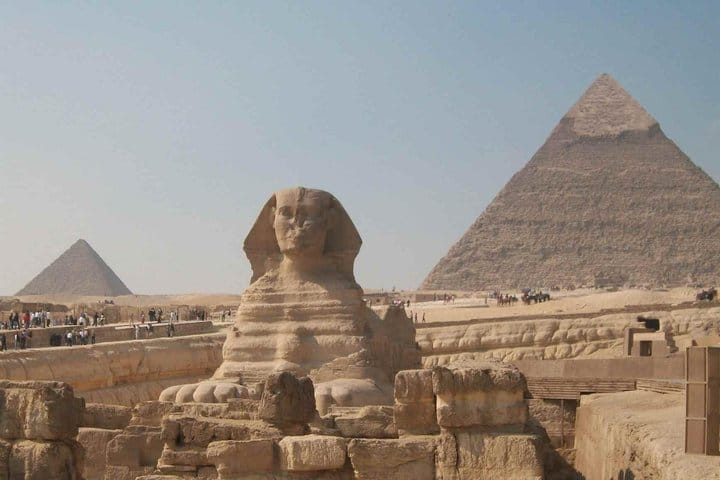
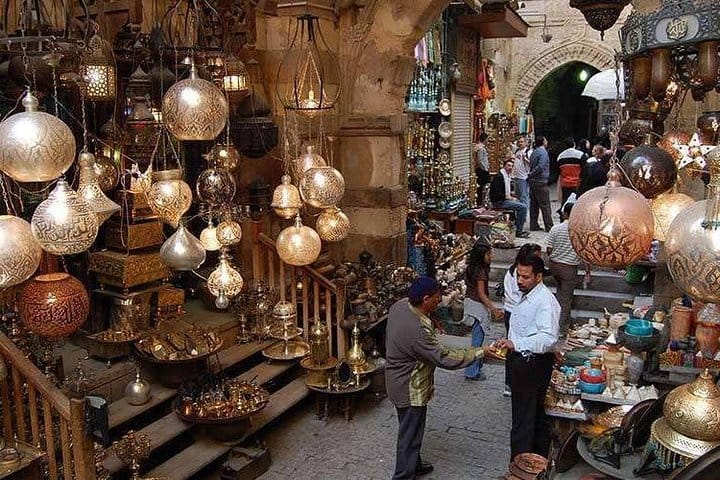
Most travelers pair this museum with Giza, Khan el-Khalili, or a Nile felucca ride. If Tutankhamun's mask and the royal mummies are on your list too, note they now live at two different museums — plan your day accordingly.
 Elite
Elite
Free Cancellation · Instant confirmation · Private tour
 Elite
Elite
Free Cancellation · Instant confirmation · Private tour
 Elite
Elite
Free Cancellation · Instant confirmation · Private tour
 Elite
Elite
Free Cancellation · Instant confirmation · Private tour
 Elite
Elite
Free Cancellation · Instant confirmation · Pickup available
 Elite
Elite
Instant confirmation · Pickup available
 Elite
Elite
Free Cancellation · Instant confirmation · Private tour
 Elite
Elite
Free Cancellation · Instant confirmation · Private tour
 Elite
Elite
Free Cancellation · Instant confirmation · Private tour
 Elite
Elite
Free Cancellation · Instant confirmation · Private tour
 Elite
Elite
Cancellable until 1 day before · Instant confirmation · Pickup available
 Elite
Elite
Cancellable until 1 day before · Instant confirmation · Pickup available
 Elite
Elite
Cancellable until 1 day before · Instant confirmation · Pickup available
 Elite
Elite
Cancellable until 1 day before · Instant confirmation · Private tour
 Elite
Elite
Free Cancellation · Instant confirmation · Private tour
 Elite
Elite
Free Cancellation · Instant confirmation · Private tour
 Elite
Elite
Free Cancellation · Instant confirmation · Private tour
 Elite
Elite
Free Cancellation · Instant confirmation · Private tour
 Elite
Elite
Free Cancellation · Instant confirmation · Private tour
 Elite
Elite
Instant confirmation · Meet on location
 Elite
Elite
75% refund until 9 days before · Instant confirmation · Private tour
 Elite
Elite
Free Cancellation · Instant confirmation · Pickup available
 Elite
Elite
Free Cancellation · Instant confirmation · Pickup available
 Elite
Elite
Free Cancellation · Instant confirmation · Pickup available
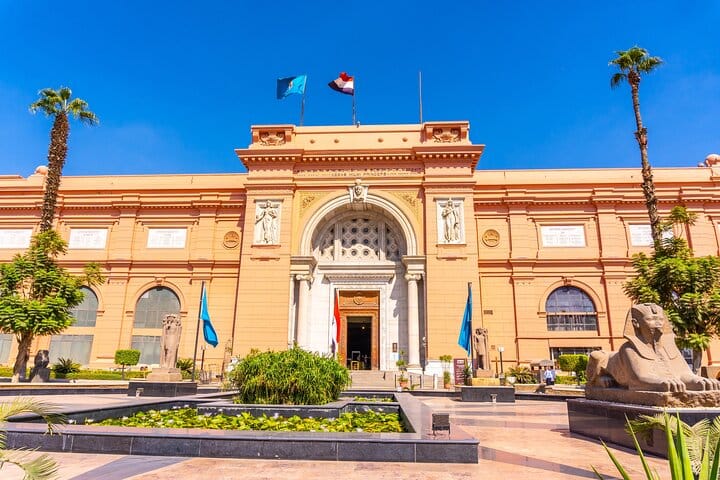
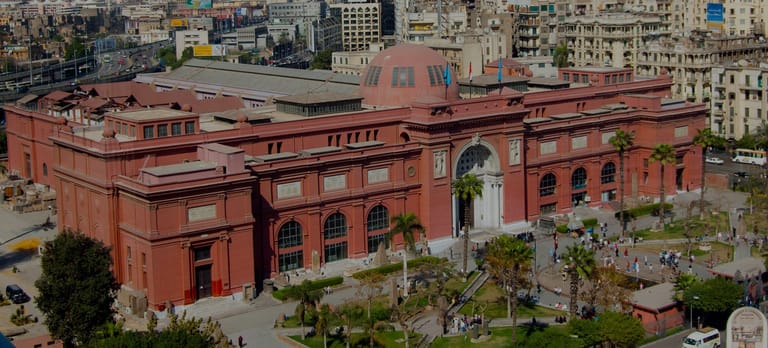
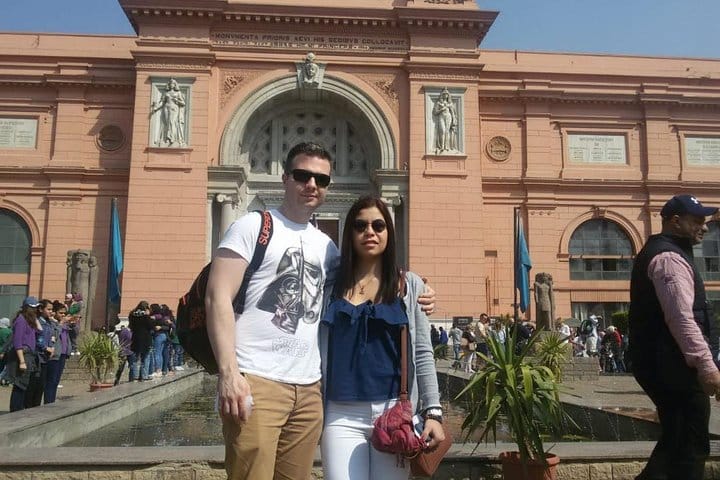
Opened in 1902 on Tahrir Square, the Egyptian Museum is the institution that built the discipline of Egyptology. Its neoclassical home was designed by French architect Marcel Dourgnon, selected through an 1895 international design competition — the first of its kind for a museum building — and the collection first opened under Egyptologist Gaston Maspero. More than a century later, it remains the oldest archaeological museum in the Middle East and still holds one of the largest collections of Pharaonic antiquities anywhere, spread across roughly 107 halls on two floors.
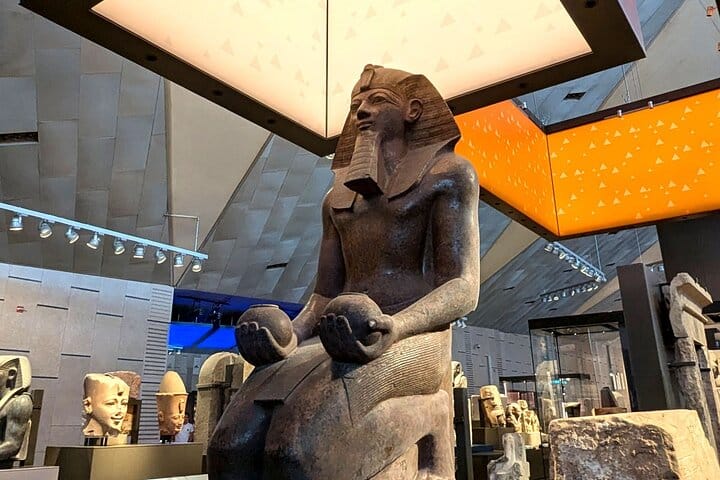
The ground floor runs chronologically, from Predynastic pottery through Old and Middle Kingdom statuary, including the museum's celebrated diorite statue of Khafre. Upstairs, smaller and more delicate finds take over: the complete, undisturbed burial of Yuya and Thuya, the gold and silver treasures of Tanis and Psusennes I, painted Fayum mummy portraits, and the Narmer Palette — the carved slate that records Egypt's unification under one king around 3100 BCE.
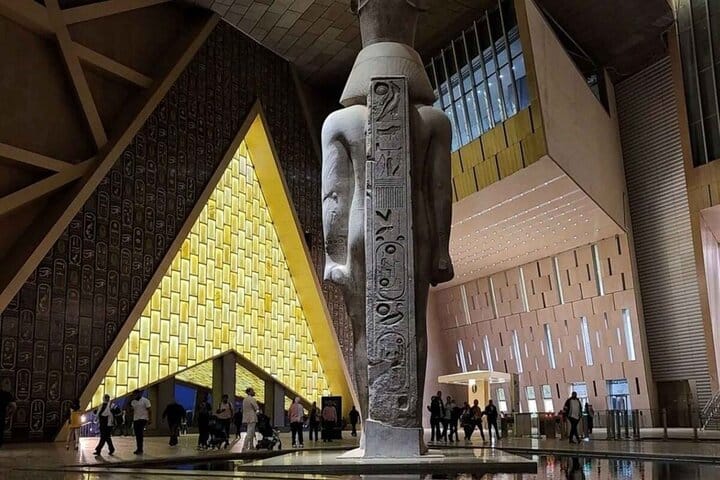
One thing worth knowing before you go: this is no longer the home of Tutankhamun's gold mask or the 22 royal mummies that once anchored the museum's top floor. The mask and most of Tutankhamun's treasures moved to the Grand Egyptian Museum in Giza in 2025, and the royal mummies were relocated to the National Museum of Egyptian Civilization in 2021. Tahrir's museum today is a different, still essential stop — not a diminished one.
No. The mask and most of Tutankhamun's collection were transferred to the Grand Egyptian Museum in Giza in 2025. Only a small number of Tutankhamun-related pieces remain on Tahrir Square.
No — the 22 royal mummies moved to the National Museum of Egyptian Civilization in Fustat back in 2021. This museum now focuses on statuary, jewelry, papyri, and other Pharaonic collections.
Many do, but always check each tour's inclusions before booking — some cover entry only, others add a guide, transport, or skip-the-line access.
Budget 2–3 hours on your own, or 3–4 hours with a guide who can prioritize the highlights across the museum's 107 halls.
Yes, with a paid photography pass for cameras. Phone photos without flash are typically fine in most halls, though a few galleries restrict cameras entirely.
It sits directly on Tahrir Square in downtown Cairo, a short walk from Sadat metro station on Lines 1 and 2.