 Elite
Elite
Private 7-Day Luxurious Egypt Tour with Pyramids Cruise
Free Cancellation · Instant confirmation · Pickup available

Plan your visit to Egypt's unique double temple dedicated to Sobek and Haroeris, featuring ancient medical carvings and crocodile mummies.
Book direct entry tickets or combined Nile cruise excursions to explore the rare double sanctuary of Kom Ombo.
Elite
Free Cancellation · Instant confirmation · Pickup available
 Elite
Elite
Free Cancellation · Instant confirmation · Private tour
 Elite
Elite
Free Cancellation · Instant confirmation · Pickup available
 Elite
Elite
Free Cancellation · Instant confirmation · Private tour
 Elite
Elite
Free Cancellation · Instant confirmation · Pickup available
 Elite
Elite
Free Cancellation · Instant confirmation · Pickup available
 Elite
Elite
Free Cancellation · Instant confirmation · Private tour
 Elite
Elite
Free Cancellation · Instant confirmation · Private tour
 Elite
Elite
Free Cancellation · Instant confirmation · Private tour
 Elite
Elite
Free Cancellation · Instant confirmation · Pickup available
 Elite
Elite
Free Cancellation · Instant confirmation · Private tour
 Elite
Elite
Free Cancellation · Instant confirmation · Private tour
 Elite
Elite
Free Cancellation · Instant confirmation · Private tour
 Elite
Elite
Free Cancellation · Instant confirmation · Private tour
 Elite
Elite
Instant confirmation · Meet on location
 Elite
Elite
75% refund until 9 days before · Instant confirmation · Private tour
Enhance your visit with expert Egyptologist-guided tours, private transfers from Aswan or Luxor, and evening floodlit site visits.
 Elite
Elite
Free Cancellation · Instant confirmation · Private tour
 Elite
Elite
Free Cancellation · Instant confirmation · Private tour
 Elite
Elite
Free Cancellation · Instant confirmation · Pickup available
 Elite
Elite
Free Cancellation · Instant confirmation · Pickup available
 Elite
Elite
Instant confirmation · Pickup available
 Elite
Elite
Free Cancellation · Instant confirmation · Pickup available
 Elite
Elite
Free Cancellation · Instant confirmation · Pickup available
 Elite
Elite
Free Cancellation · Instant confirmation · Pickup available
 Elite
Elite
Free Cancellation · Instant confirmation · Pickup available
 Elite
Elite
Free Cancellation · Instant confirmation · Pickup available
 Elite
Elite
Free Cancellation · Instant confirmation · Pickup available
 Elite
Elite
Free Cancellation · Instant confirmation · Pickup available
 Elite
Elite
Free Cancellation · Instant confirmation · Pickup available
 Elite
Elite
Free Cancellation · Instant confirmation · Pickup available
 Elite
Elite
Free Cancellation · Instant confirmation · Pickup available
 Elite
Elite
Free Cancellation · Instant confirmation · Pickup available
 Elite
Elite
Free Cancellation · Instant confirmation · Private tour
 Elite
Elite
Free Cancellation · Instant confirmation · Pickup available
 Elite
Elite
Free Cancellation · Instant confirmation · Private tour
 Elite
Elite
Free Cancellation · Instant confirmation · Private tour
 Elite
Elite
Free Cancellation · Instant confirmation · Private tour
 Elite
Elite
Free Cancellation · Instant confirmation · Private tour
 Elite
Elite
Free Cancellation · Instant confirmation · Pickup available
 Elite
Elite
Free Cancellation · Instant confirmation · Private tour
 Elite
Elite
Free Cancellation · Instant confirmation · Meet on location or pickup
Elite
Instant confirmation · Meet on location
 Elite
Elite
Free Cancellation · Instant confirmation · Pickup available
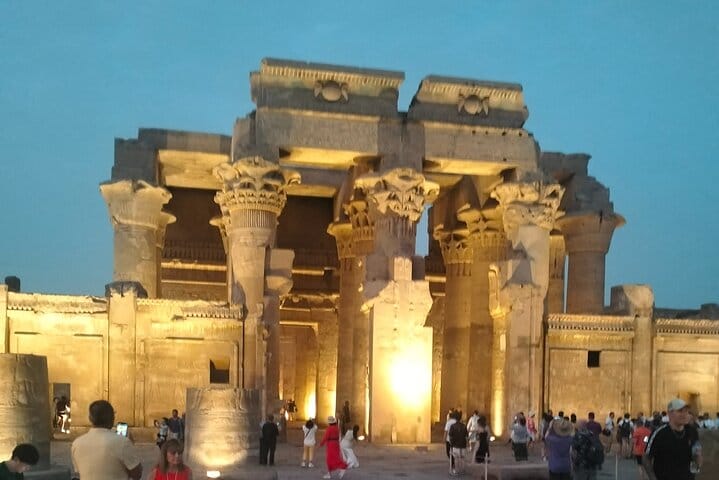
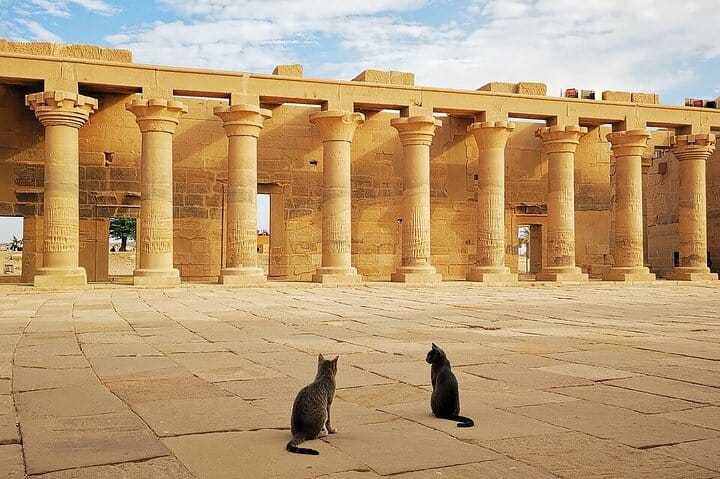
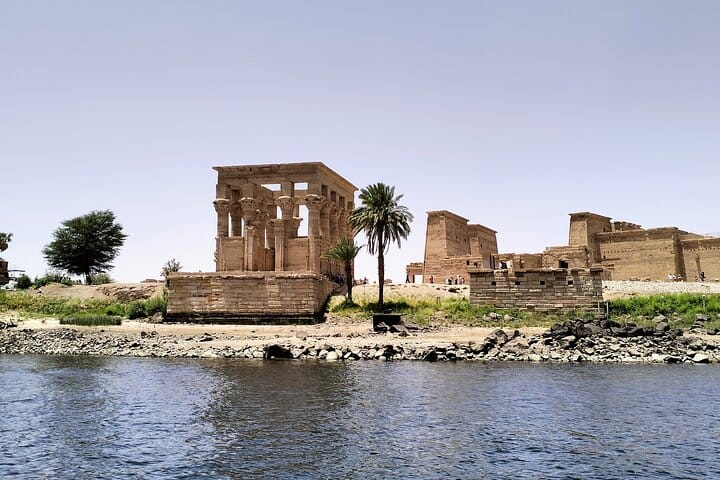
Perched on a high promontory overlooking a strategic bend in the Nile River, the Temple of Kom Ombo stands out as one of Egypt’s most unusual ancient sites. Built during the Greco-Roman period under the Ptolemaic dynasty (180–47 BCE), this extraordinary complex features a completely symmetrical double design. Every doorway, court, hall, and sanctuary is perfectly mirrored down a central axis to honor two distinct deities simultaneously: Sobek, the local crocodile god of fertility and creation, and Haroeris (Horus the Elder), the falcon-headed god of the sky and healing.
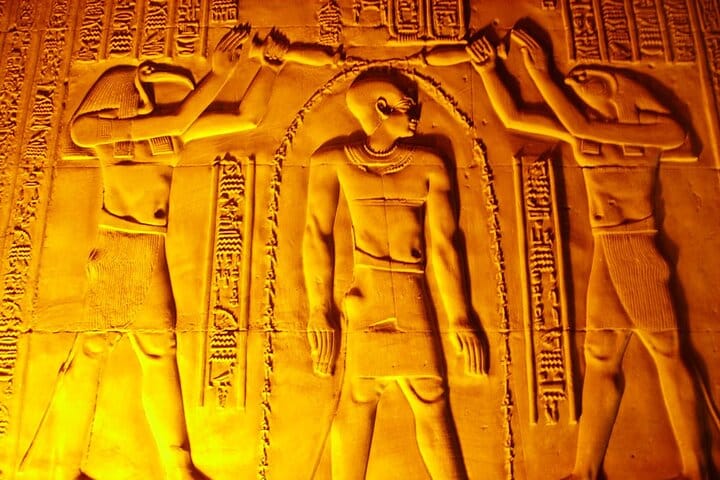
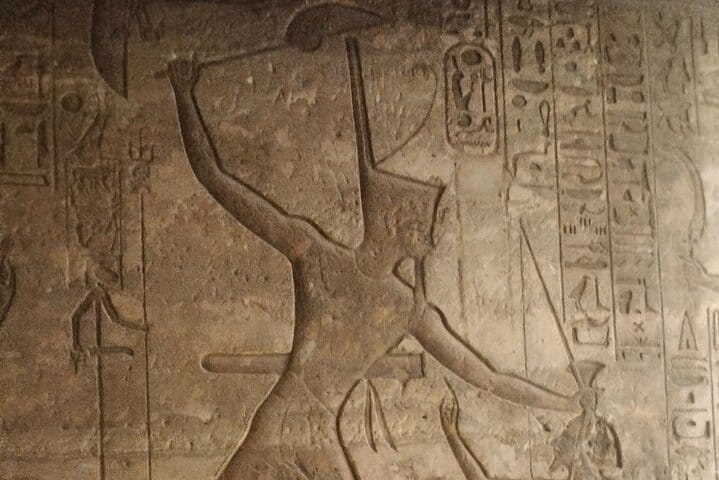
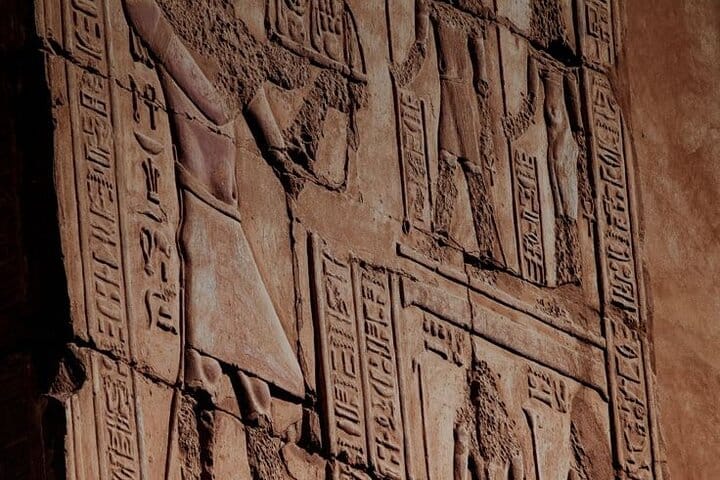
Walking through the ruins reveals remarkable architectural details found nowhere else in Egypt. Key highlights include detailed relief carvings showcasing ancient Egyptian surgical instruments—from scalpels and bone saws to forceps—as well as a remarkably well-preserved ancient Nilometer used to measure river levels for crop taxation. Next door, the modern Crocodile Museum houses dozens of mummified crocodiles excavated from nearby tombs, offering an intimate glimpse into the sacred rites of ancient Upper Egypt.
Unlike traditional Egyptian temples dedicated to a single god, Kom Ombo was designed as two identical halves along a central axis. The southern half honors Sobek, the crocodile god, while the northern half honors Haroeris, the falcon god.
Yes, standard admission to Kom Ombo Temple includes access to the Crocodile Museum located within the same complex.
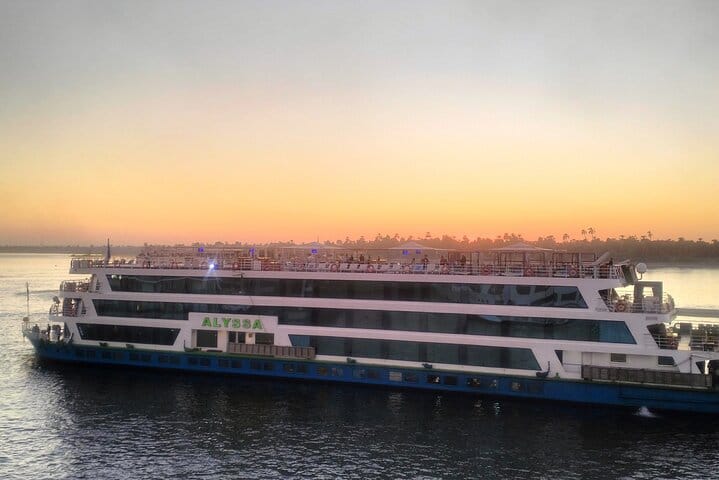
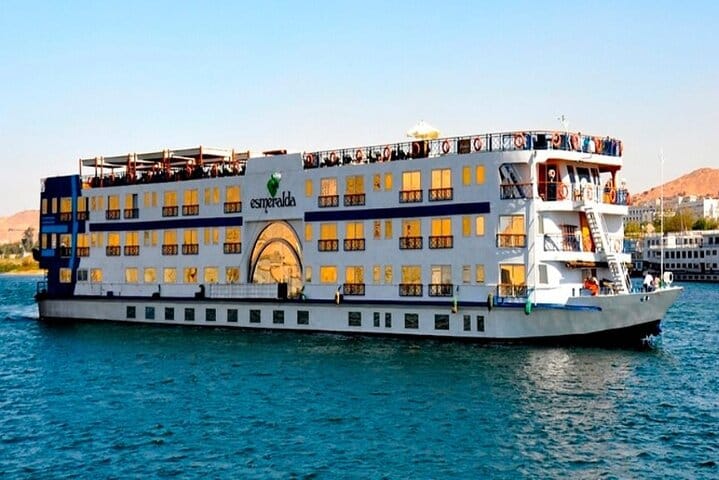
Kom Ombo is situated approximately 48 km north of Aswan. It is a standard stop on Nile cruises operating between Aswan and Luxor, but can also be reached by private car transfer, taxi, or local train from either city.
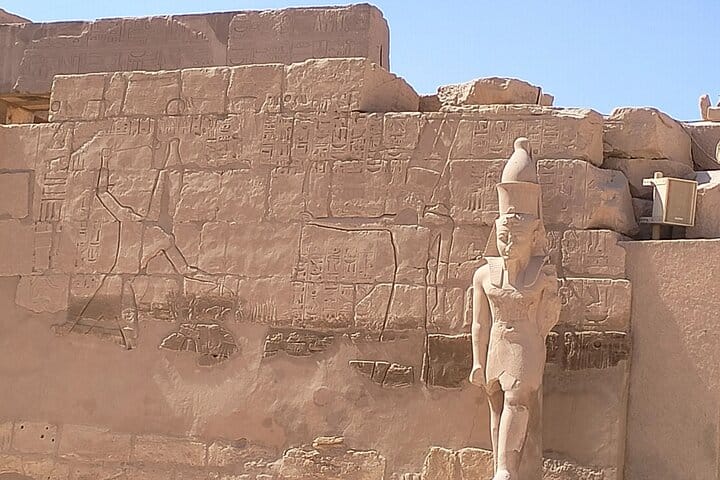
Yes, the relief on the outer temple enclosure wall dates back to the Roman period and depicts ancient medical and surgical instruments, including scalpels, forceps, suction cups, and dental tools.