Warsaw WWII History Tour: Explore the Jewish Ghetto & Uprisings

$293
Duration
3 hours
Difficulty
Reviews
(2)
4.6 /5

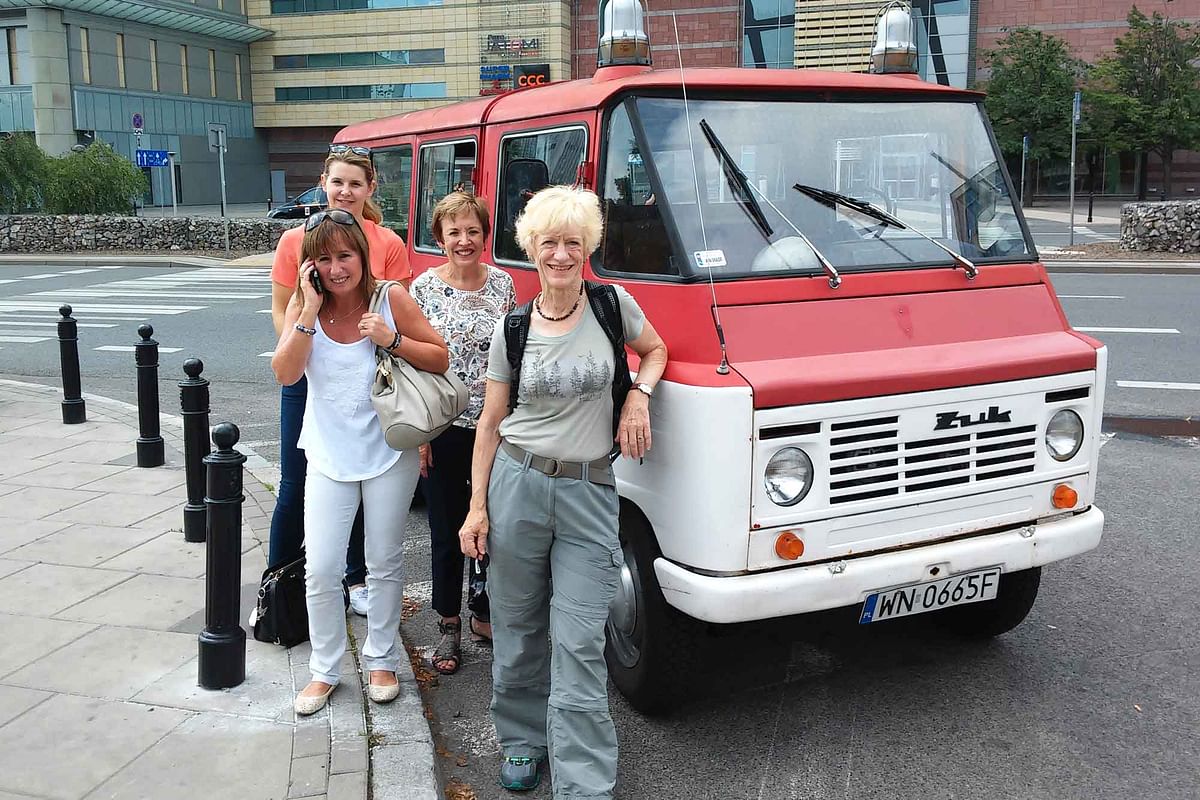
Uncover the traces of World War II in Warsaw on this private 3-hour WWII history tour aboard a retro Żuk minibus. Traveling in chronological order, you’ll explore how Warsaw transformed from a vibrant European capital into one of the most devastated cities of the Second World War. Learn about the invasion of Poland, Nazi and Soviet occupation, the rise of the Polish resistance, the Jewish Ghetto, the 1943 Ghetto Uprising, the 1944 Warsaw Uprising, and the arrival of the Soviet army in 1945.

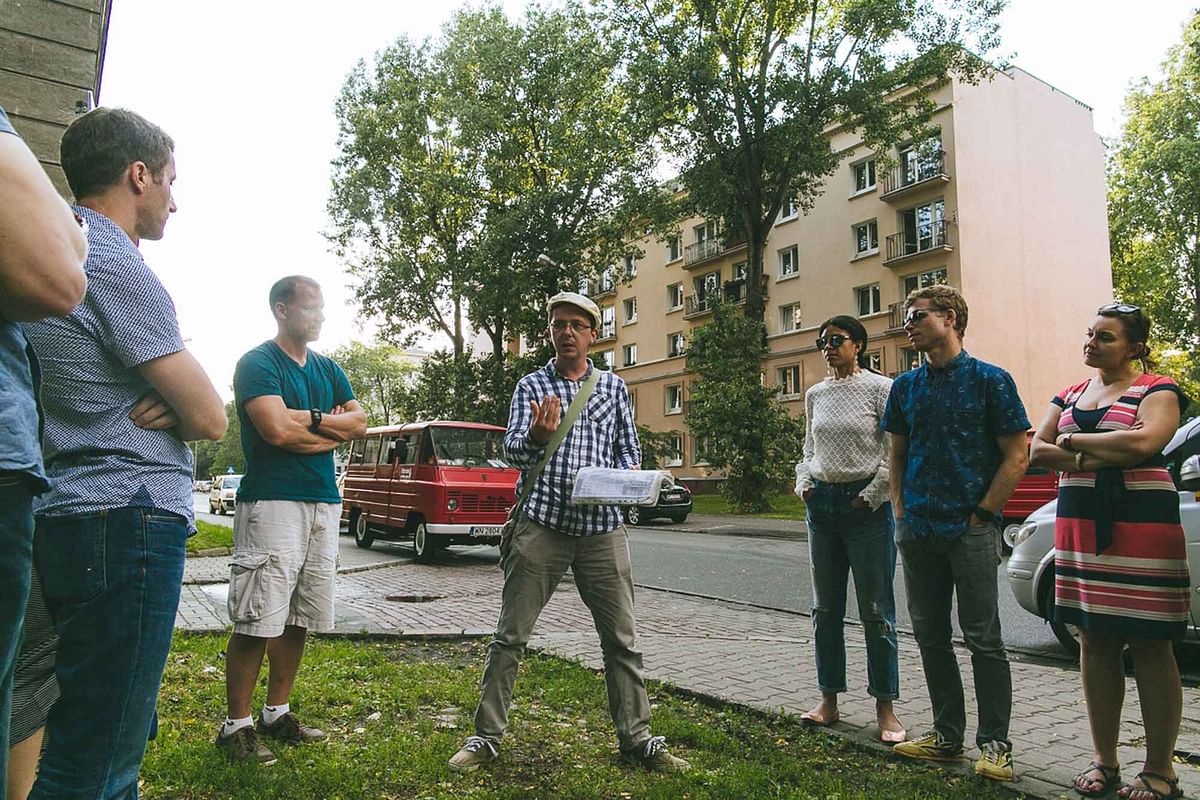
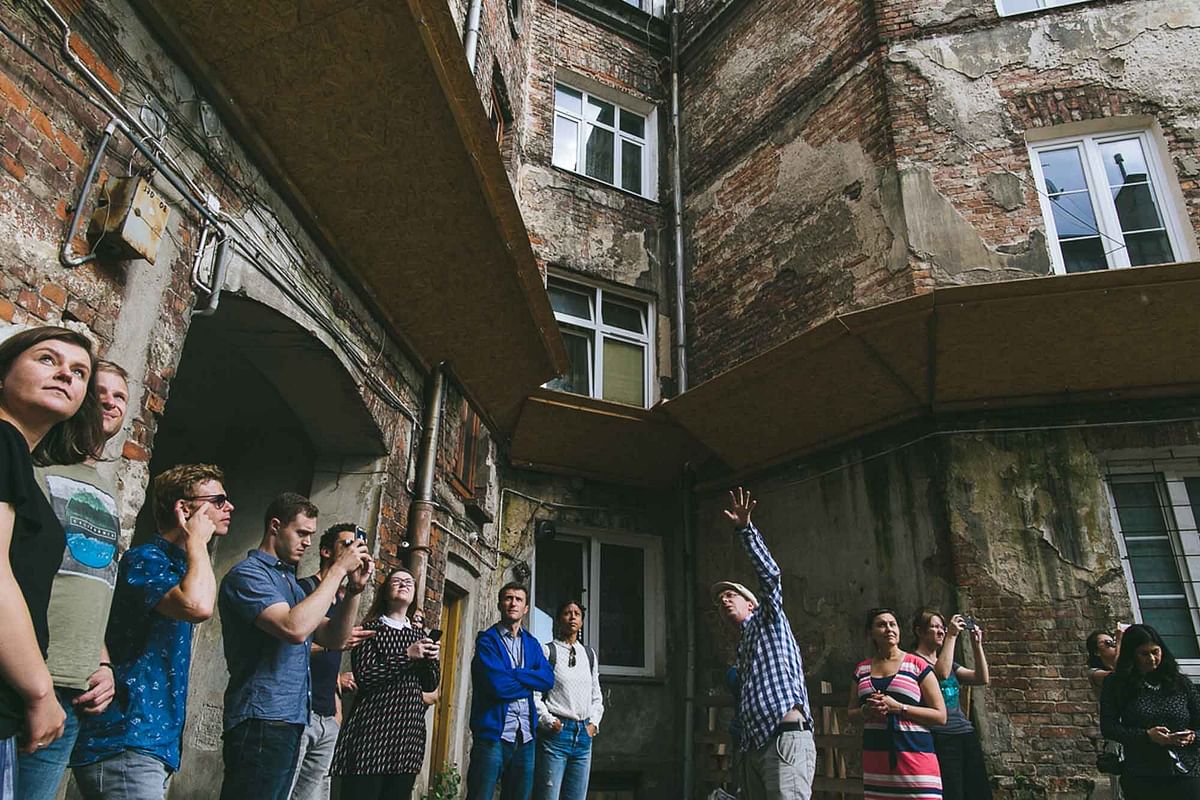
This private Warsaw WWII tour is designed for travelers seeking an in-depth understanding of wartime history. Through powerful storytelling, historical context, and visible wartime remnants, your guide brings the past to life. You’ll explore sites marked by bullets and shrapnel, preserved fragments of the Warsaw Ghetto wall, ruins left deliberately unrestored, and memorials commemorating Polish and Jewish victims.

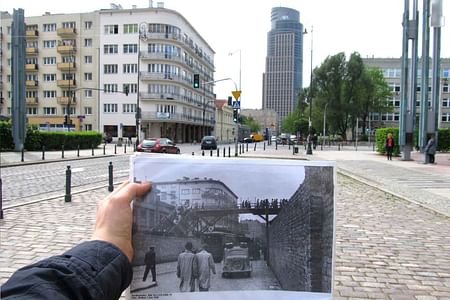
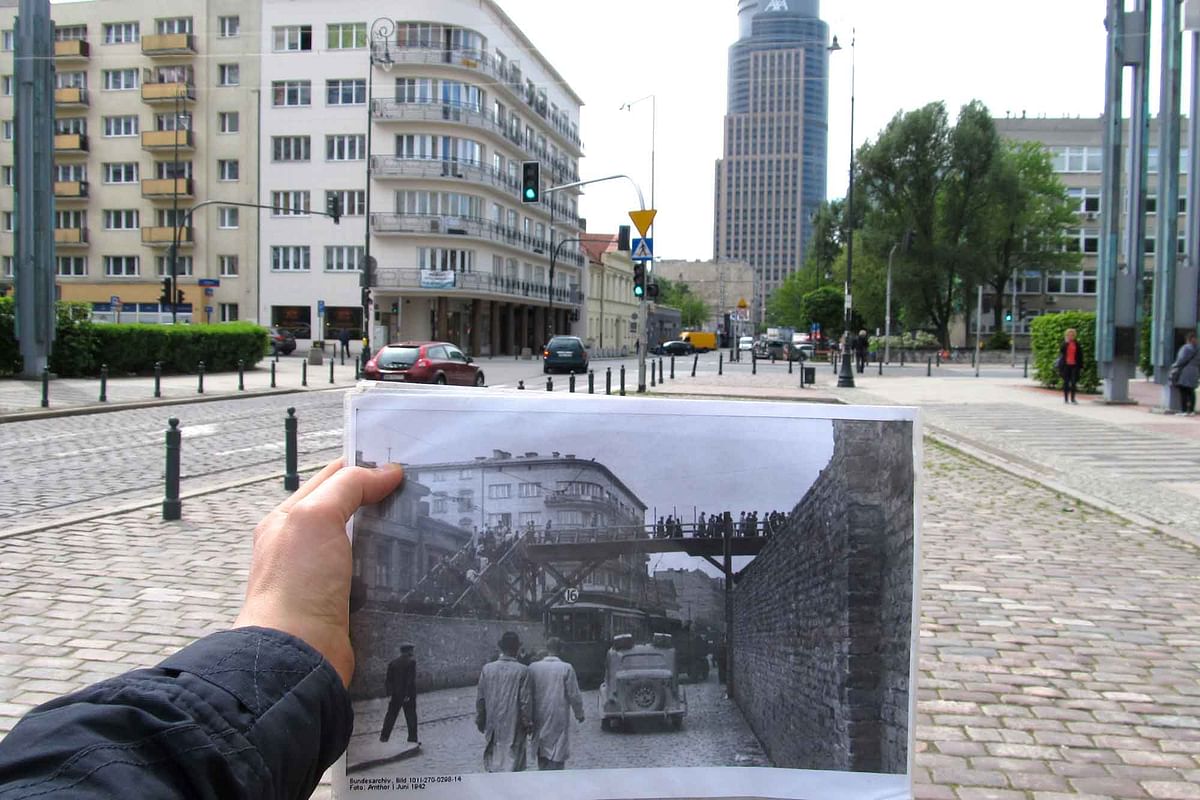
Archival photographs are used throughout the tour to compare historical images with today’s cityscape, helping you visualize daily life during Nazi occupation. Traveling by vintage minibus allows you to cover more ground comfortably while following the historical narrative step by step.

This experience goes beyond sightseeing—it is a moving and educational journey through one of the most important chapters of Warsaw WWII history.

Highlights:

  • Private World War II tour of Warsaw with a local expert
  • Learn about Nazi occupation and Soviet terror in Poland
  • Explore the Jewish Ghetto, Ghetto Uprising, and Warsaw Uprising sites
  • See preserved WWII ruins, memorials, and bullet-marked buildings
  • Use archival photos to compare past and present locations
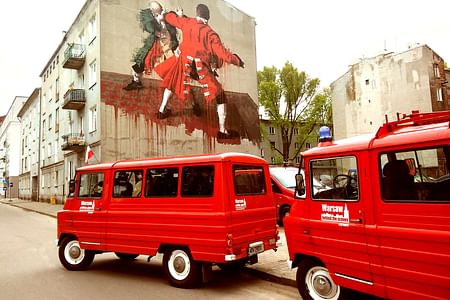
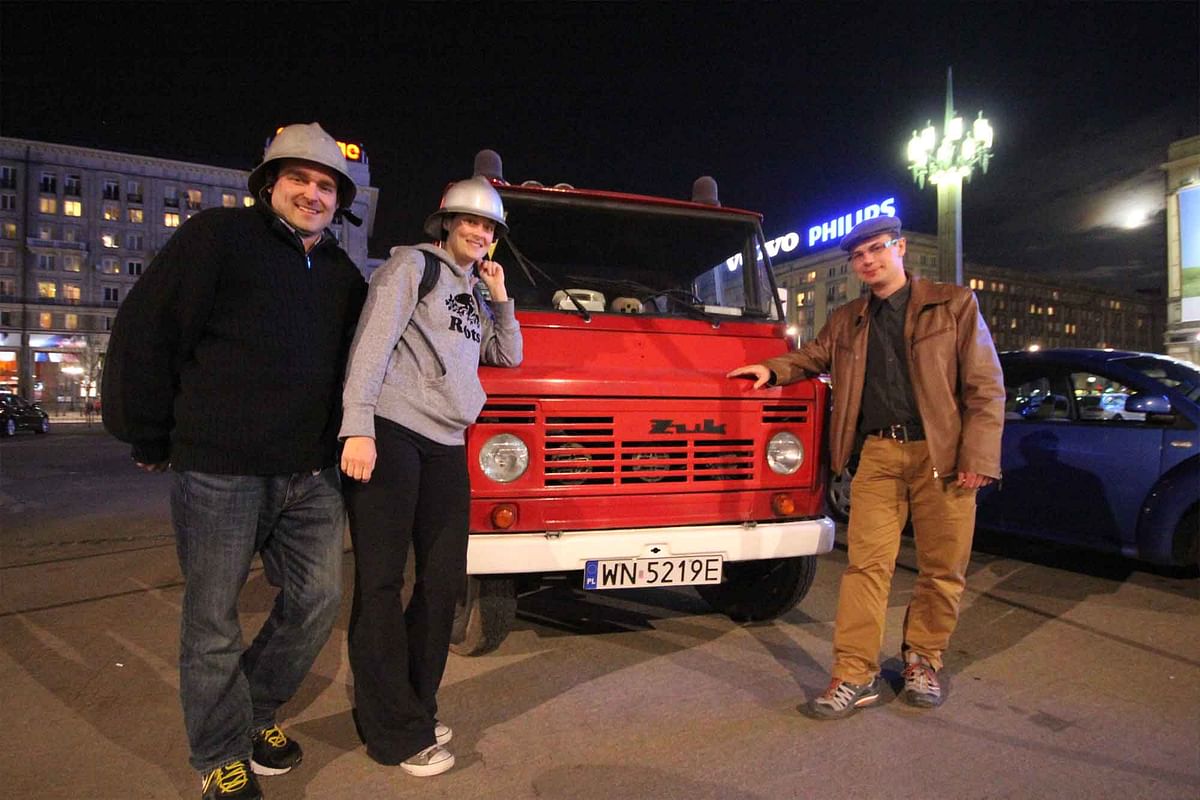
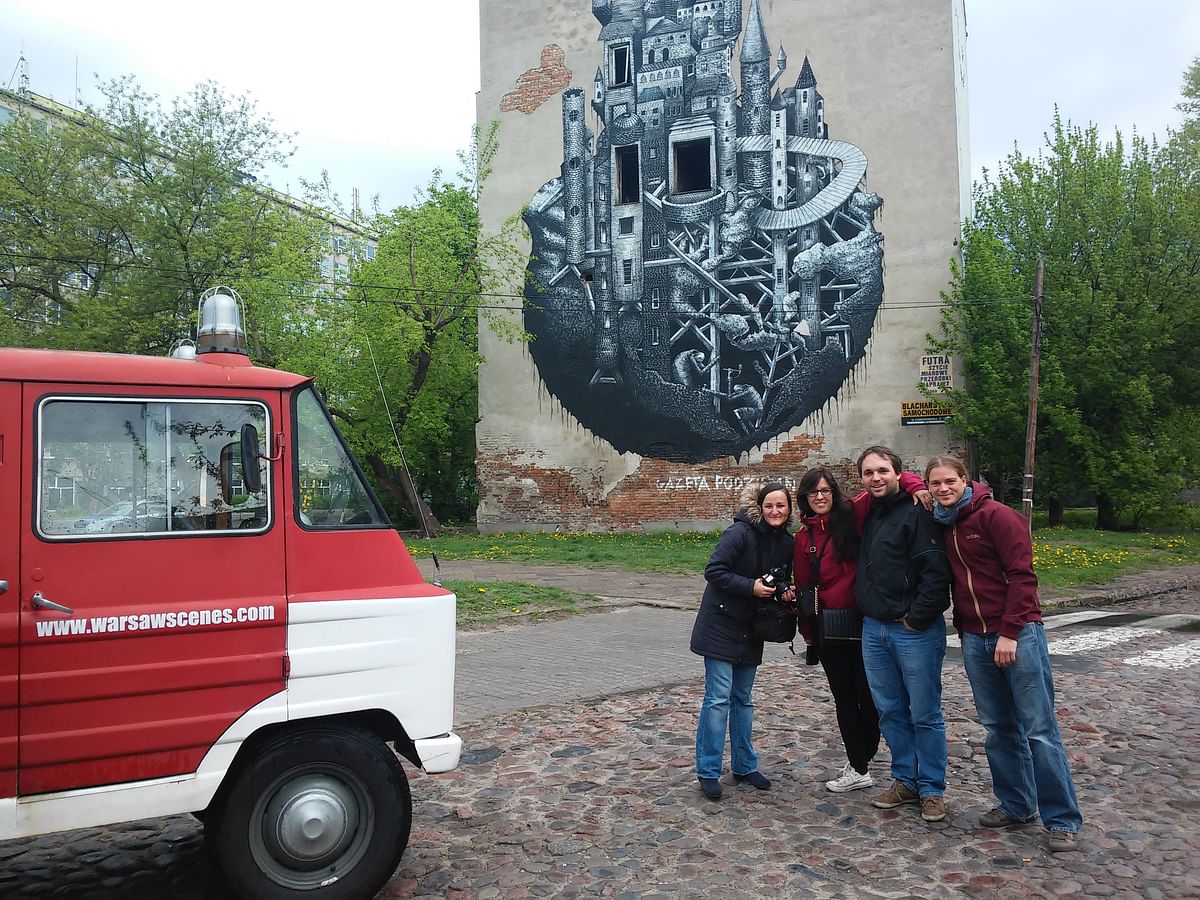
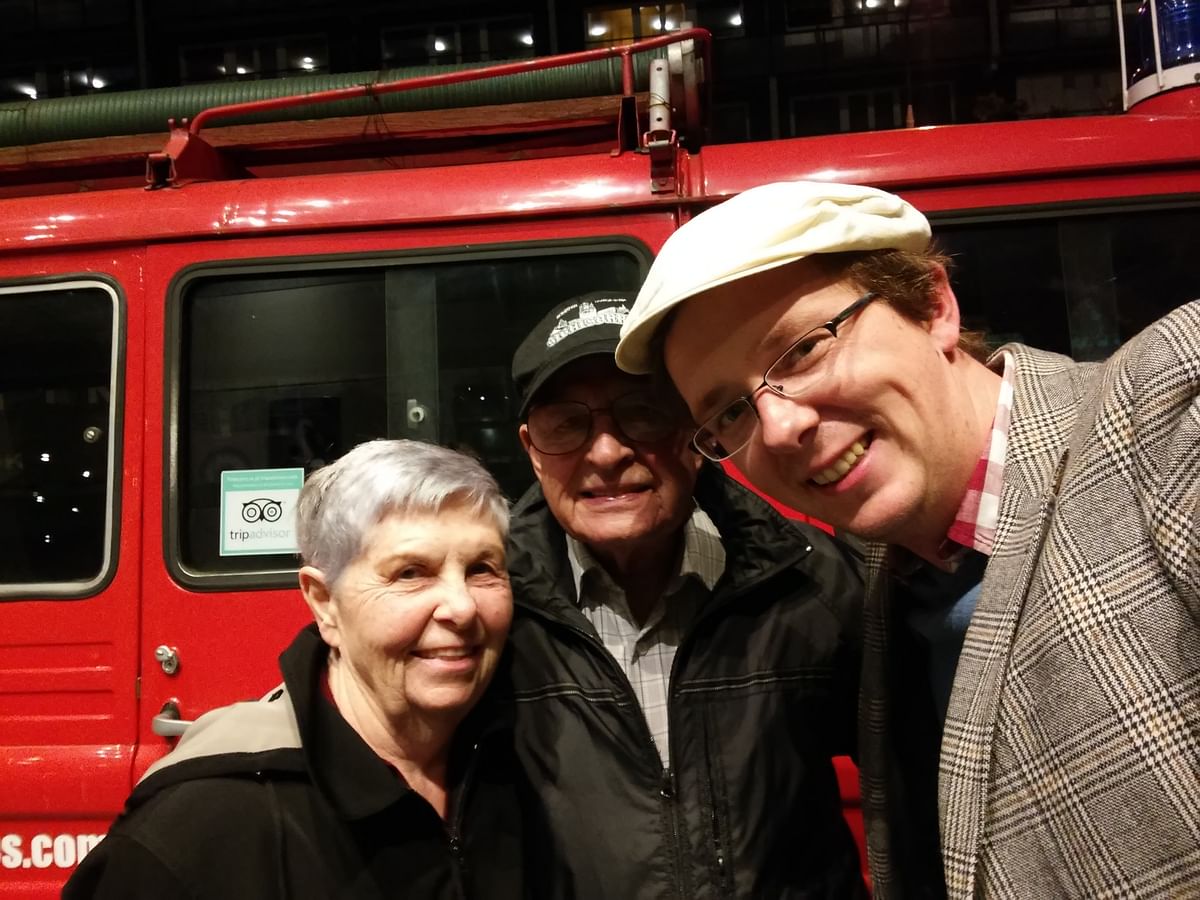
  • Travel by retro Żuk communist-era minibus
  • Ideal for history-focused travelers
Inclusions

  • Hotel/apartment Pickup and drop-off within a 3 km radius of the city center
  • English speaking guide
  • Transport by retro communist minibus

Exclusions

  • Tip or gratuity

Tour Plan

1939-1940 Shock of Nazi terror. Polish resistance and Underground State
Tour’s schedule is organised in chronological order. The first part is looking for witnesses of the war in downtown Warsaw. The wounds are still visible - you just need to know where to look for them. Next, the guide introduces you to the international situation in the late 1930s and the WWII outbreak in 1939. It was the time of shock caused by nazi and communist (the Soviet Union captured eastern Poland) terror and the birth of Polish resistance.

1940 Jewish Ghetto
The crucial part of WWII history in Poland is the tragedy of Jewish citizens who were oppressed and murdered by German Nazis. Poland was home to 3 million Jews, 300 000 of them lived in Warsaw. In 1940 German Nazis created Warsaw Ghetto and squeezed half a million Jews into it.

Fragment of Ghetto Wall
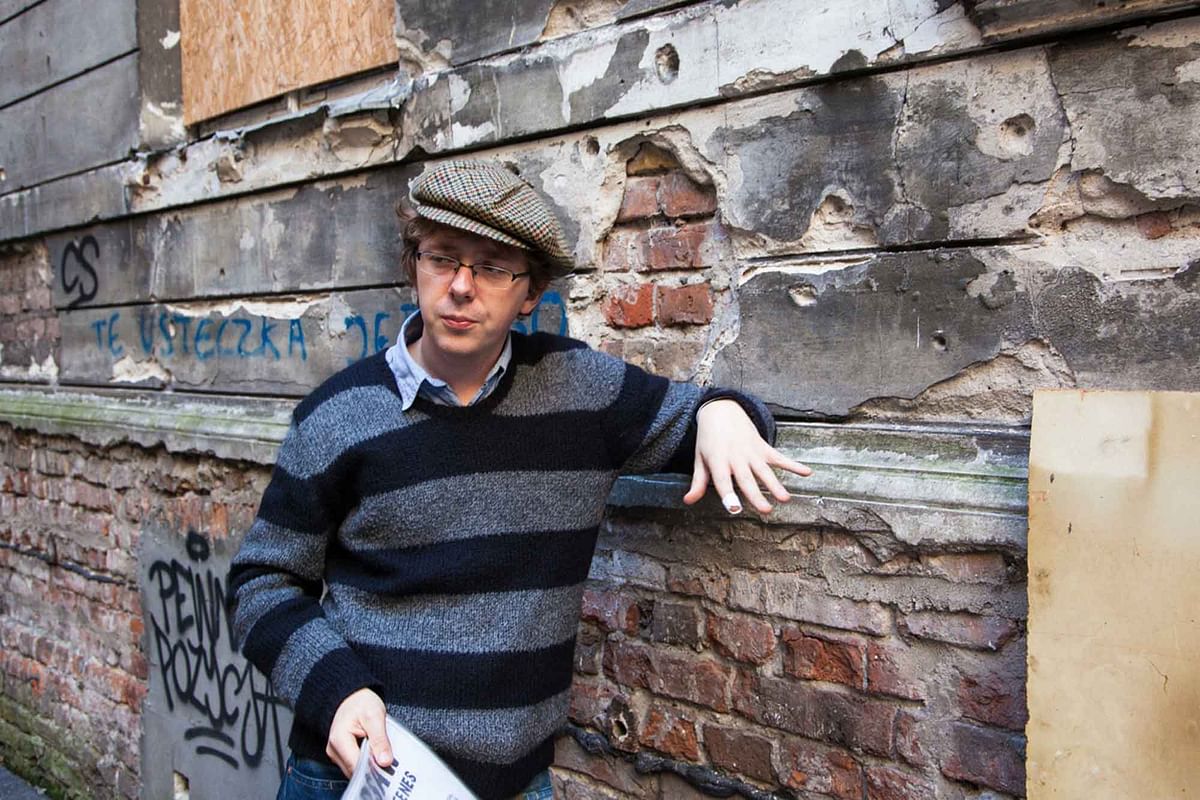
A few fragments of the Ghetto Wall running between the properties are preserved, as well as the walls of the pre-war buildings that marked the border of the ghetto. The three best-known parts of the wall are located in the former small ghetto, although some are periodically not accessible: the guide takes you to one of them.

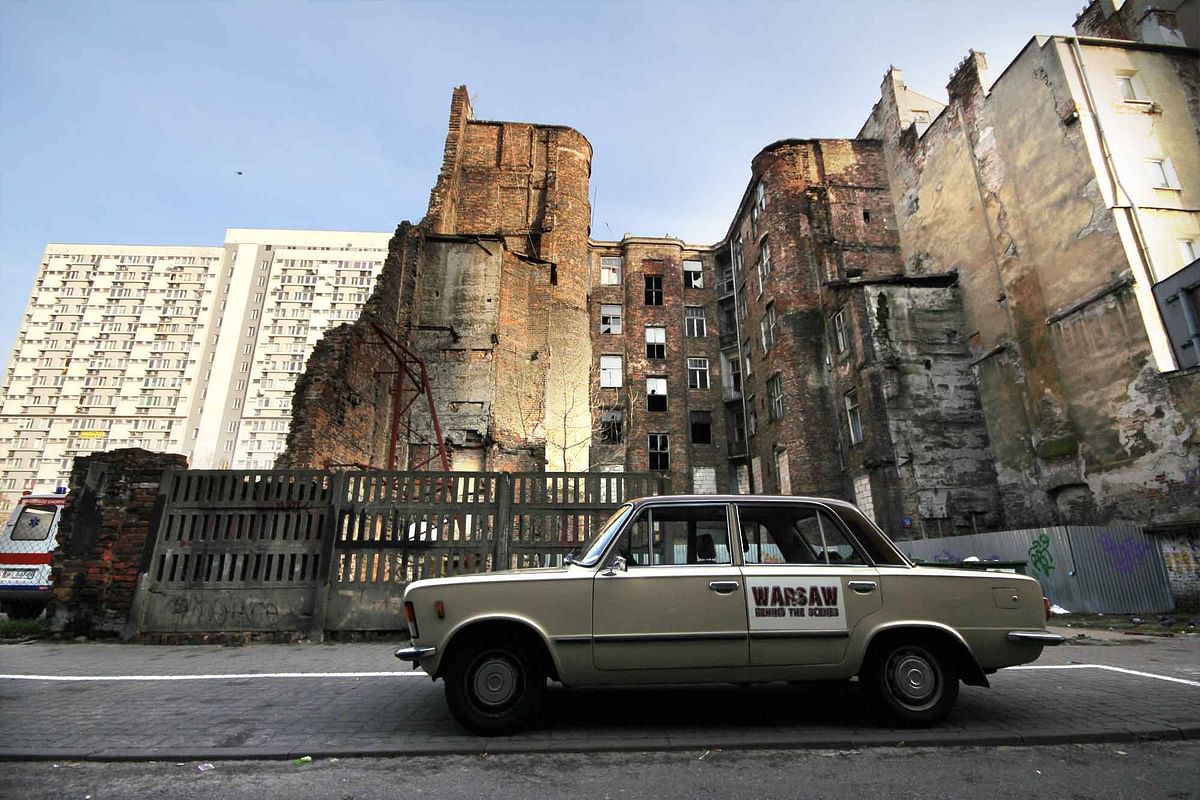
Derelict tenement house
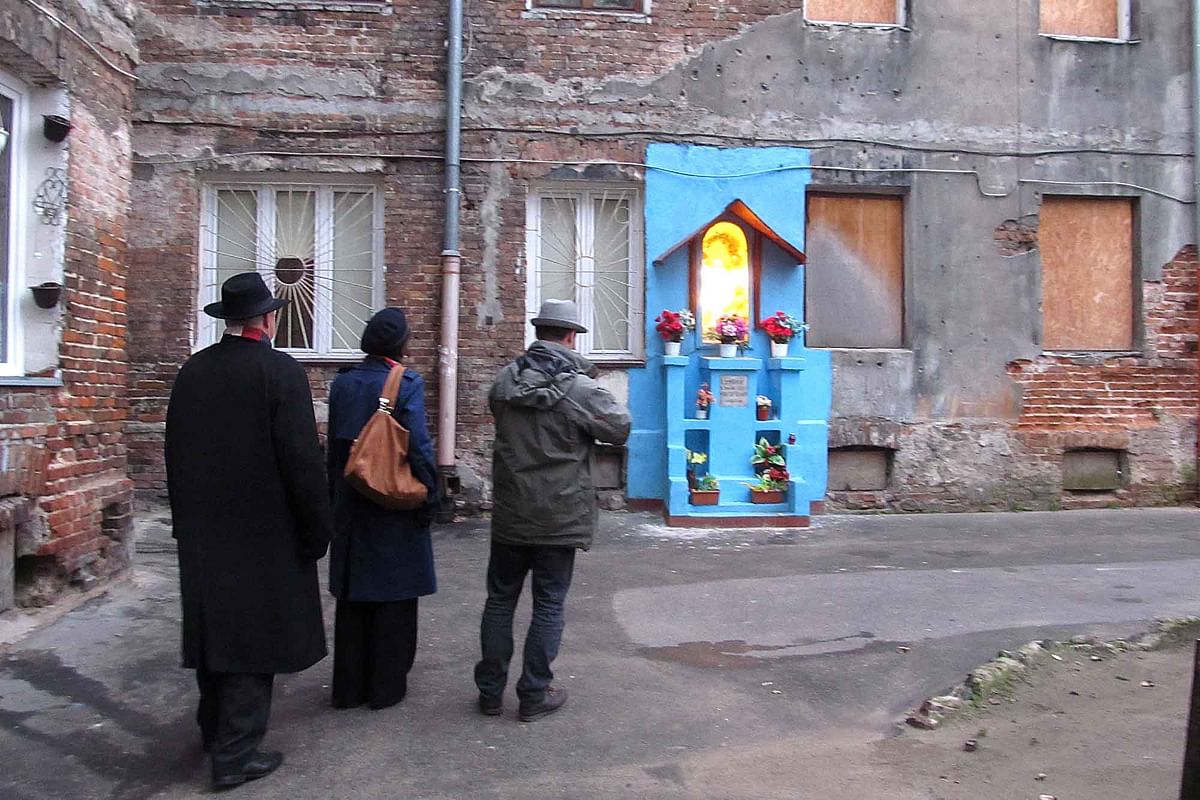
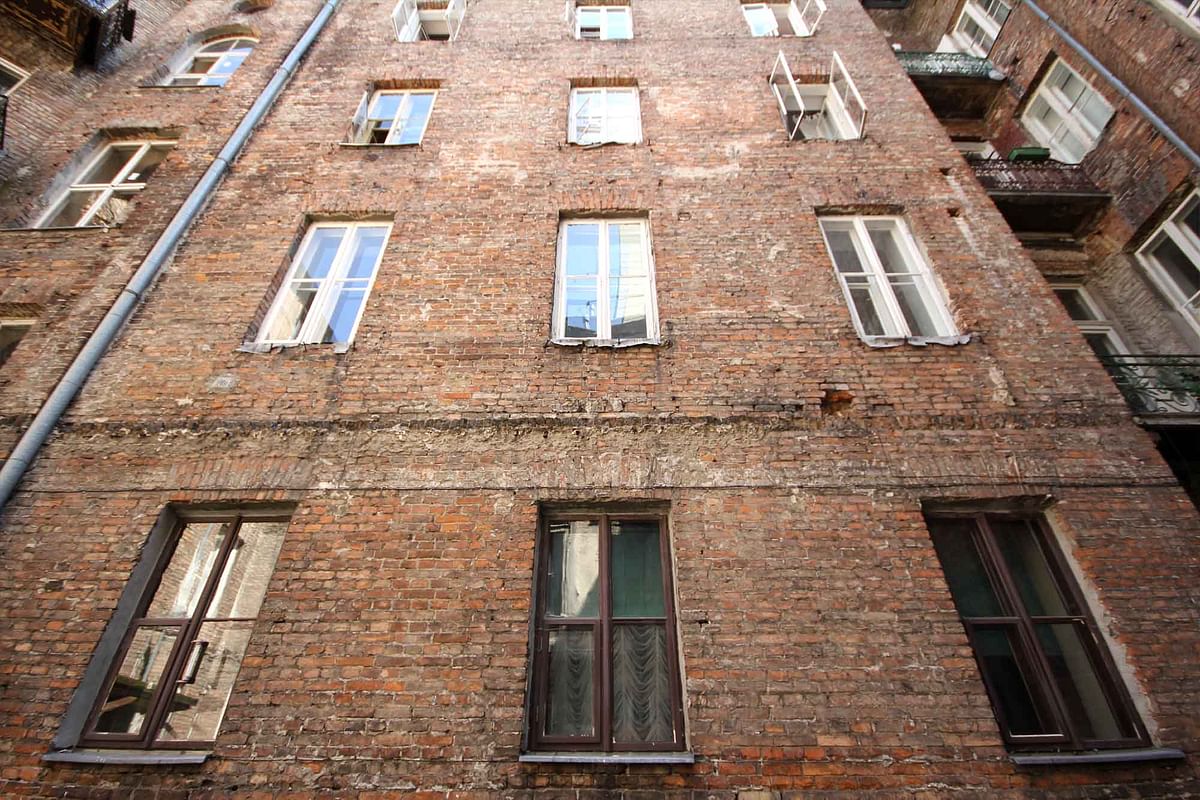
The Waliców street tenement house is, as we say, the last ghost from the Ghetto since it remains a ruin up to now. Also - there is a fragment of the Ghetto wall preserved in the same place.

The bridge over Chłodna
In 1941 Ghetto was divided into two parts by Chłodna street, used for East-West transfer traffic. The wooden bridge was built near the intersection of Chłodna and Żelazna streets to link two parts. It reached the third floor of the buildings, which allowed the “Aryan” trams, German military transports and cars to pass beneath it, as we can see in many photographs.

1943 Jewish Ghetto Uprising
The next stop is the Muranów district. Again, the first impression is that it is just a regular neighbourhood filled with squared blocks of flats. But there is much more from the past to be discovered with the help of a guide.

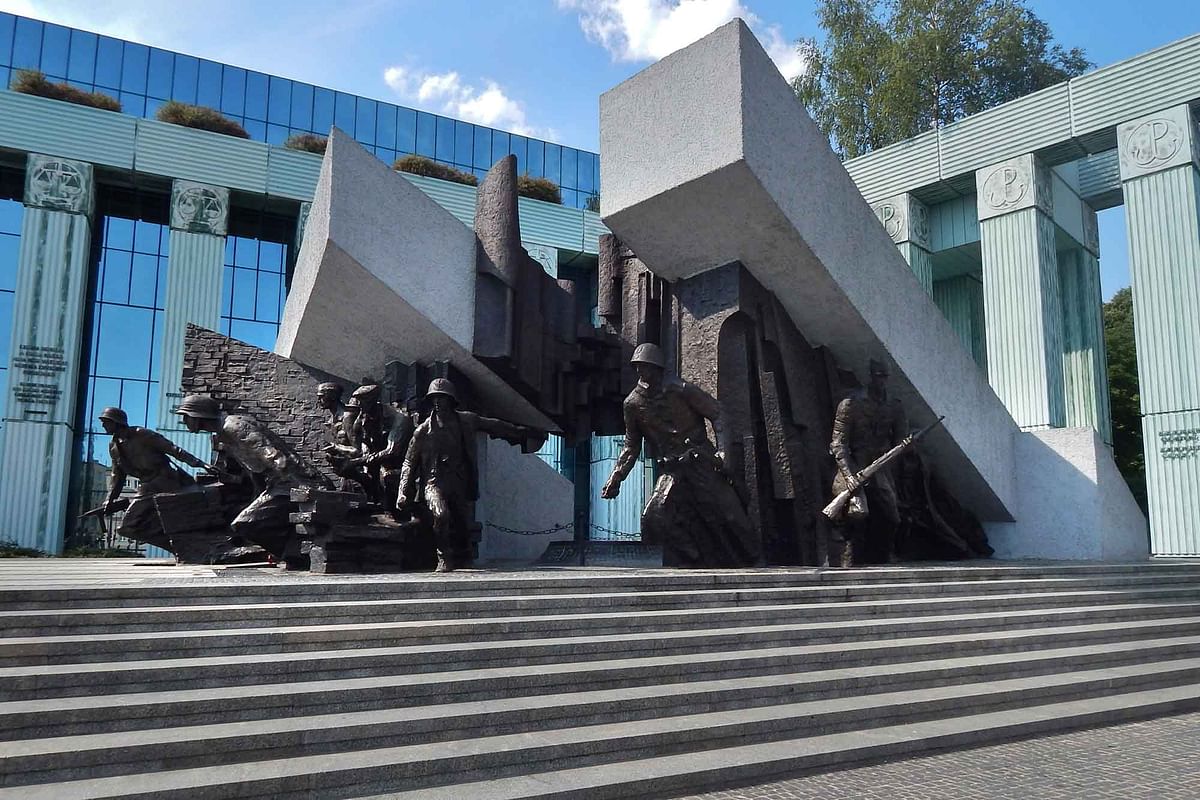
Monument to the Ghetto Heroes
The monument of the Ghetto Heroes and Polin museum are two symbolic and essential places where your guide takes you. Both are located near the spot where the first armed clash of the 1943 uprising took place. Yet, at the same time, it is where Polish, Jewish and German nations reconciled through several events throughout the last 50 years.

Monument to the Fallen and Murdered in the East
On September 17th 1939, two weeks after the outbreak of WWII in Europe, Poland was attacked by the Soviet Union, and the Eastern part of our country was lost forever. After the fall of the USSR, the Monument to the Fallen and Murdered in the East was erected in honour of Poles deported to Gulags in Siberia, killed in executions and the victims of the Katyń massacres.

1944 Warsaw Uprising
Later in World War II, an agreement was reached between the Western Allies and the dictator of the USSR, Stalin; as a result, post-war Poland was about to become a country subordinate to the Soviet Union. The last attempt to avoid this fate was the 1944 Warsaw Uprising, which resulted in the Nazis destroying 85% of Warsaw. Red Army captured the empty city three months after the fall of the insurrection, in January 1945.

Itinerary

Expand All
1939-1940 Shock of Nazi terror. Polish resistance and Underground State

This Warsaw WWII private tour follows a clear chronological structure. It begins in central Warsaw, where wartime scars remain visible in the urban landscape. Your guide explains the international situation of the late 1930s, the German invasion of Poland in 1939, and the Soviet occupation of eastern Poland.

1940 Jewish Ghetto

A major focus is the tragedy of Warsaw’s Jewish population. Before the war, Warsaw was home to nearly 300,000 Jews. In 1940, Nazi Germany created the Warsaw Ghetto, imprisoning hundreds of thousands of people in extreme conditions. You will visit preserved fragments of the Ghetto Wall, including locations where original boundaries ran between buildings.

Fragment of Ghetto Wall

A few fragments of the Ghetto Wall running between the properties are preserved, as well as the walls of the pre-war buildings that marked the border of the ghetto. The three best-known parts of the wall are located in the former small ghetto, although some are periodically not accessible: the guide takes you to one of them.

Derelict tenement house

At Waliców Street, see a ruined tenement house—left intentionally unrestored—as one of the last physical remnants of the ghetto.

The bridge over Chłodna

Nearby, learn about the famous wooden ghetto bridge over Chłodna Street, built high above traffic to connect the two sealed parts of the ghetto.

1943 Jewish Ghetto Uprising

The next stop is the Muranów district. Again, the first impression is that it is just a regular neighbourhood filled with squared blocks of flats. But there is much more from the past to be discovered with the help of a guide.

Monument to the Ghetto Heroes

Continue to Muranów, a district built entirely on wartime rubble. Visit the area around the Monument to the Ghetto Heroes and the POLIN Museum, close to the site of the first armed clashes of the 1943 Ghetto Uprising.

Monument to the Fallen and Murdered in the East

The tour also covers Soviet crimes against Polish citizens, including deportations to Siberia and the Katyń massacres, commemorated at the Monument to the Fallen and Murdered in the East.

1944 Warsaw Uprising

The final chapter focuses on the Warsaw Uprising of 1944, the city’s last attempt to regain independence. After its defeat, Nazi forces deliberately destroyed most of Warsaw. The Soviet army entered the ruins in January 1945, marking the beginning of communist rule in Poland.

Meeting / Pickup

Pick-up only: Customers must be picked up from selected pick-up locations.

What to Bring

  • Clothes suitable for actual weather.

Please Note

  • This tour can be booked instantly online for adults and children over 150 cm (4 ft 9 in). If you wish to book the tour for a child under 150 cm, please contact the tour operator in advance to check the availability of seat boosters, which are mandatory under Polish law.
  • Each minibus accommodates up to 8 passengers, and a fleet of 5 minibuses is available.
  • The vehicles are used primarily for transfers between locations, with walking segments at each stop. Please wear comfortable clothing and suitable footwear.
  • Please note that classic vintage minibuses are not equipped with air conditioning, and some do not have seat belts (which is permitted for historic vehicles). All vehicles are equipped with heating for the winter season.

Cancellation Policy

  • We will charge a cancellation fee of 100% if booking is cancelled 1 day or less before the event
Destinations
Language

Reviews

4.6/5
Wonderful
2 verified reviews
Location (5/5)
Amenities (4.5/5)
Services (4.5/5)
Price (4.5/5)
Rooms (4.5/5)

2 Comments

  1. 5

    • Location
    • Amenities
    • Services
    • Price
    • Rooms

    As a solo traveler, I found the experience of walking through the remnants of the ghetto particularly moving; it felt like stepping into a haunting chapter of history. Our guide was incredibly knowledgeable, sharing stories of resilience during the uprisings that sparked deep reflection in me. One highlight was visiting the memorials, where I paused to absorb the weight of the stories behind them. I did feel, however, that some parts of the tour could have used a bit more time for exploration, as I rushed past a few significant spots. Overall, it was a profound journey that added layers to my understanding of this complex past.

  2. 4.2

    • Location
    • Amenities
    • Services
    • Price
    • Rooms

    We delved into the heartbreaking yet profound history of the Jewish ghetto and uprisings, which was both enlightening and somber at the same time.

Comments are closed.

Login

Sign In / Register

Login
Register
Forgot Password?