
Explore Ancient Egyptian Heritage in Luxor and Surroundings
Why we love it?
The "One Week in Luxor" tour is an immersive 8-day experience designed for history enthusiasts and cultural explorers. Participants will visit significant archaeological sites, including the Temple of Seti I in Abydos and the temples at Dandarah and Dayr Al Fakhuri, offering a deep dive into ancient Egyptian civilization. This tour suits those seeking a comprehensive understanding of Luxor's rich heritage, with a focus on both well-known and lesser-visited sites on the West Bank. Its distinctive blend of guided exploration and historical insight sets it apart for travelers interested in the intricacies of Egypt's past.
Itinerary
Day 1 starting point
-
after we confirming the booking we would send the ticket for two way flit direct journey to Luxor and back or itinerary is every Monday and Thursday flit usually on runway at 9:00 we advice to be three hours on advance at the airport for boarding
-
arrive at Luxor international airport
arrival at Luxor airport usually being at 5 o'clock Egyptian time is two hour before English time at the arrival gat you would meet elite trip representative he or she would be waiting for you with elite trip arrival board with the traveler leader name on it he or she would handing all arrival procedure as well as the luggage
-
check in at 5stars hotel
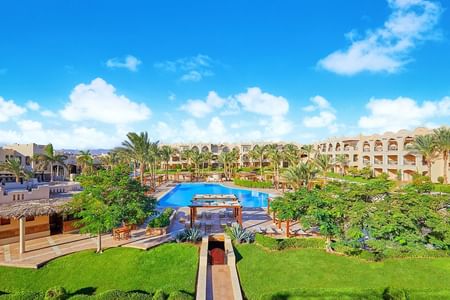
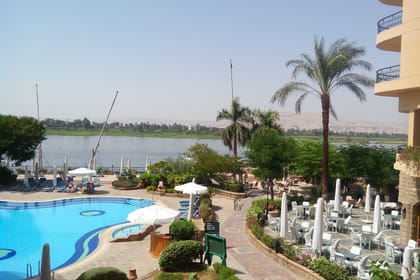
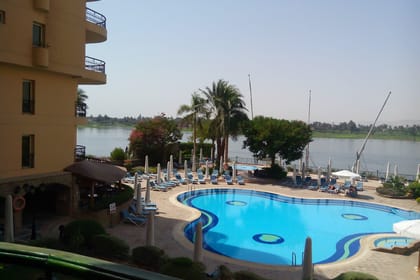
"Upon your arrival, our representative will assist you with all necessary procedures and take great care of your luggage. You will then be escorted to a luxurious 5-star hotel, where you’ll spend the next 8 days in the heart of Luxor. During your check-in, you’ll meet your personal tour guide, who will be with you throughout your stay. The guide will provide a detailed overview of the upcoming itinerary, ensuring you’re fully prepared for each day. We kindly ask that you follow your guide’s instructions closely, as they are essential for your safety and to make the most of your experience."
Day 2 visiting Temple of Seti I (Abydos)
-
The Temple of Abydos, a breathtaking gem nestled in the heart of Upper Egypt, stands as a majestic testament to the wonders of ancient civilization. Dedicated to Osiris, the revered god of the afterlife, this sacred site was not just a temple, but a spiritual epicenter, drawing pilgrims from across Egypt for centuries. Built by the mighty Pharaoh Seti I around 1300 BCE, and magnificently expanded by his son, the legendary Ramesses II, Abydos is a place where divine and earthly realms meet in perfect harmony.
Every inch of the temple exudes an awe-inspiring sense of grandeur. Its limestone walls are intricately carved with vivid scenes that capture the essence of divine power, royal might, and ancient rituals. The Abydos King List, a stunning chronicle of Egypt’s pharaohs, preserves the names of the rulers of Egypt, offering us an invaluable glimpse into a royal lineage that spans millennia.
But Abydos isn’t just about its striking architecture—it is also the heart of the sacred "mysteries of Osiris" festival, an annual event that brought Egypt’s people together to honor the death and resurrection of Osiris. The festival was a profound spiritual experience, and the Osireion, an enigmatic underground chamber believed to be the tomb of Osiris, adds an aura of mystery and reverence to the site.
Today, the Temple of Abydos remains an extraordinary treasure, where history, spirituality, and architectural brilliance come alive. Stepping into Abydos is like stepping into the soul of ancient Egypt—a place where the divine legacy of Osiris still whispers through the ages.
-
visit the temple of dendara
The Temple of Dendera, a mesmerizing marvel located in the heart of Egypt, stands as a majestic testament to the ingenuity and spirituality of ancient Egyptian civilization. Dedicated to Hathor, the goddess of love, music, and motherhood, this magnificent temple was a vital center of worship and pilgrimage, drawing countless devotees from all over Egypt. Built during the reign of the Ptolemaic rulers, notably Cleopatra’s dynasty, the temple is a perfect blend of architectural grandeur and divine symbolism, capturing the essence of both the Egyptian and Greek influences of the time.
Every corner of the Temple of Dendera showcases an awe-inspiring and remarkable sense of beauty. Its walls are adorned with exquisite reliefs and vivid carvings depicting scenes of gods, goddesses, and royal figures in acts of devotion. Among the temple’s most famous features is the Dendera Zodiac, an incredibly detailed celestial map carved on the ceiling, showcasing the ancient Egyptians’ deep understanding of astrology and the cosmos. This intricate design is one of the most celebrated astronomical representations of ancient Egypt.
But the temple’s allure extends beyond its stunning architecture—it was the heart of the Hathor festival, a grand religious event where followers celebrated the goddess’s power to bring fertility, healing, and protection. The Sanctuary of Hathor, the innermost chamber of the temple, exudes an ethereal aura of reverence and invites a profound connection to the divine.
Today, the Temple of Dendera remains an extraordinary treasure, standing proudly as a symbol of Egypt’s spiritual legacy and architectural brilliance. Visiting Dendera is like stepping into an ancient world where the goddess Hathor continues to reign in her celestial splendor, making the temple a must-visit for anyone captivated by the ancient mysteries of Egypt.
-
Back to hotel
after our visiting to dendera and abydos we go back to the hotel for lunch and l
-
visiting Luxor museum
later on at the day time afternoon you would visiting the Luxor museum
Day 3 visiting Luxor west bank
-
after the breakfast you will be visiting the west bank of Luxor
-
visiting the valley of the kings
The Valley of the Kings, an unparalleled royal necropolis nestled in the heart of Egypt’s Theban hills, is one of the most extraordinary archaeological sites in the world. This ancient burial ground, which spans over several centuries, served as the final resting place for Egypt’s most powerful pharaohs and their elite nobles. Located on the west bank of the Nile, the valley’s awe-inspiring cliffs and mysterious tombs are steeped in history, mystery, and divine reverence. It is a sacred space where the rulers of Egypt were laid to rest in grand tombs designed to ensure their journey into the afterlife.
The tombs of the Valley of the Kings are nothing short of architectural masterpieces, intricately carved into the rock with detailed walls adorned with stunning hieroglyphic reliefs and vivid scenes from Egyptian mythology. Among the most legendary tombs is that of Tutankhamun, whose discovery in 1922 revealed a treasure trove of ancient riches, giving the world a glimpse into the extraordinary life of this young pharaoh. The tombs, each uniquely designed to reflect the power and divinity of the pharaohs, are filled with glorious art, sacred texts, and hidden chambers that continue to fascinate archaeologists and historians.
What sets the Valley apart is its deep spiritual significance. It is not just a burial site; it was a gateway to the afterlife, where the deceased pharaohs were believed to be reborn into eternity. The valley was carefully chosen for its symbolic meaning, with its secluded, rocky setting representing the realm of the dead. The tombs were designed to protect the pharaohs’ bodies and possessions from robbers and the ravages of time, ensuring their immortality.
Today, the Valley of the Kings is an iconic symbol of ancient Egypt’s grandeur, offering visitors a rare glimpse into the lives of the great pharaohs who once ruled one of the most powerful civilizations in history. Its breathtaking tombs, intricate art, and mysterious aura make it an essential destination for anyone captivated by Egypt’s ancient past. A visit to the Valley is a journey into eternity, where the pharaohs’ spirits continue to whisper through the ages, and their legacy remains immortalized in stone.
-
visiting Hatshepsut temple
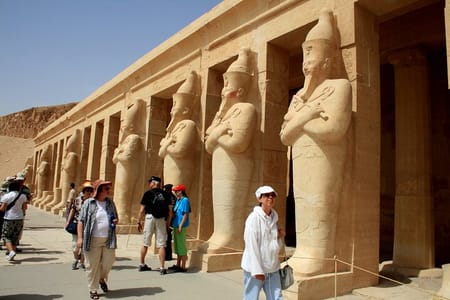
The Temple of Hatshepsut, an architectural wonder carved into the cliffs of the Deir el-Bahari, is one of Egypt’s most magnificent and awe-inspiring monuments. This stunning mortuary temple, dedicated to one of Egypt’s most powerful and groundbreaking rulers, Queen Hatshepsut, is a striking fusion of natural beauty and divine architecture. Rising from the desert floor like an oasis of stone, this temple stands as a symbol of female power, ambition, and legacy in a time when Egypt was ruled by men.
Designed by the queen’s visionary architect, Senmut, the temple is an embodiment of flawless design and masterful engineering. Its three imposing terraces are lined with beautiful columns and elegant statues, while the walls inside are adorned with vivid reliefs that tell the story of Hatshepsut’s divine birth and her bold ascension to the throne. The temple’s harmony with the surrounding landscape is breathtaking, as it perfectly blends into the surrounding cliffs, creating a seamless connection between the temple and the natural world.
Hatshepsut’s reign was marked by monumental achievements, and the temple was not only built as a place of worship, but also as a testament to her legacy. The reliefs on the temple walls depict scenes of her diplomatic missions, trade expeditions, and her unparalleled role as a ruler. One of the most famous depictions is the expedition to Punt, an ambitious trade mission that brought back exotic goods, which solidified Hatshepsut’s reputation as a ruler of great vision and skill.
Today, the Temple of Hatshepsut stands as an eternal tribute to her remarkable reign, and a reminder of the enduring power of one of Egypt’s greatest female pharaohs. Its awe-inspiring architecture, historical significance, and spiritual beauty make it an unmissable destination for those who wish to step into the past and witness the incredible legacy of Hatshepsut—a ruler who defied convention and secured her place in the annals of history.
-
Visit Colossi of Memnon
after visiting the temple of Hatshepsut you will be visiting The Colossi of Memnon, standing like ancient sentinels on the west bank of the Nile, are a breathtaking sight to behold. These two towering statues, each rising over 18 meters, are remnants of the once-grand mortuary temple of Amenhotep III. Though the temple has long since crumbled, the Colossi remain, steadfast and proud, their silent presence commanding awe and admiration. Over millennia, they’ve witnessed the rise and fall of empires, yet their majesty endures.
Famed for their haunting, mysterious sound at dawn a phenomenon that ancient Egyptians believed was the voice of the king the statues seem to whisper secrets of a distant past, where the power of Egypt's rulers was felt across the land. The Colossi of Memnon stand as timeless symbols of Egypt's eternal glory, offering an emotional connection to the grandeur and mystique of this ancient civilization.
-
back to the hotel
after you finishing you day tour to Luxor west bank part one you will be back to hotel
-
the sound and light show
later of the day time proximately 6.30 pm you will attending the sound and light show .
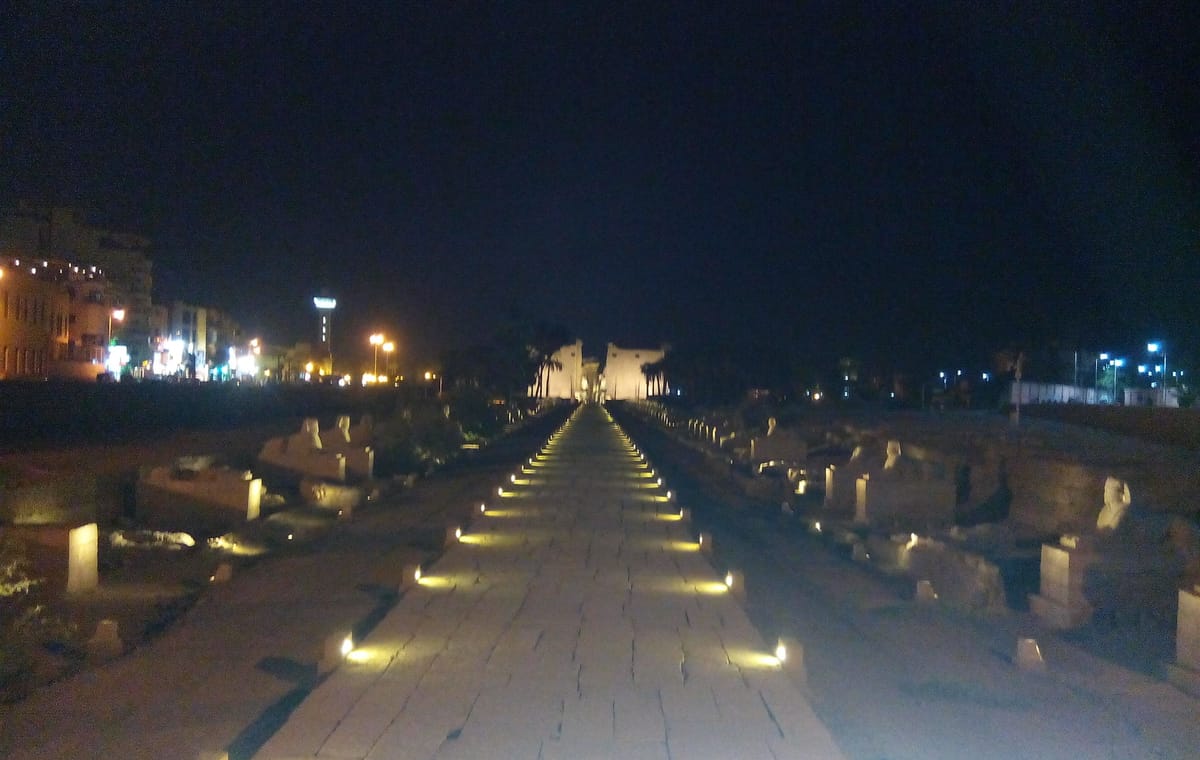
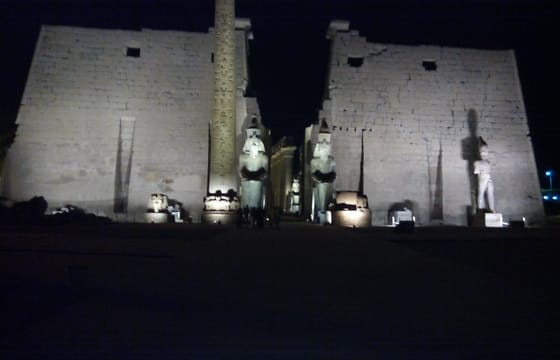
The Sound and Light Show at Karnak Temple is a truly magical experience that brings the ancient wonders of Egypt to life. As darkness falls, the temple's colossal columns and towering statues are illuminated in a mesmerizing display of light, while a captivating narration transports you back in time. Through the powerful fusion of light, sound, and music, the stories of pharaohs, gods, and ancient rituals unfold before your eyes, enveloping you in the grandeur of Egypt’s past. This unforgettable spectacle offers a chance to witness the majesty of Karnak Temple in an entirely new way, leaving you spellbound by the echoes of history that resonate through its sacred halls.
Day 4 balloon riding
-
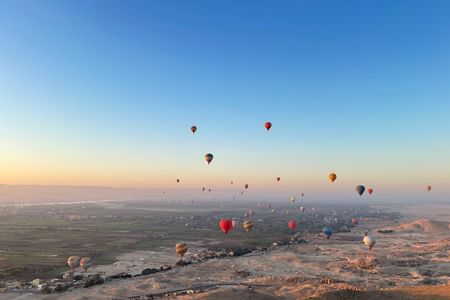
Very Early morning On the fourth morning, we invite you to embark on an extraordinary adventure that will stay with you forever! Picture this: you start your day with an experience like no other, witnessing the sunrise from a hot air balloon soaring high above the Valley of the Kings and Queens. For 45 minutes of pure enchantment, you’ll glide over towering mountains that guard the tombs of ancient pharaohs, and take in a breathtaking bird's-eye view of Luxor’s awe-inspiring temples Karnak, Luxor, the Ramesseum, Habu, and the Temple of Hatshepsut, in both the Eastern and Western Thebes. It’s a moment unlike any other, where you’ll see the ancient wonders of Egypt in a whole new light, with the first rays of sunlight casting an indescribable beauty over the scene. This is a once-in-a-lifetime opportunity to immerse yourself in a magical journey through the heart of Egypt's glorious history. Are you ready to live these unforgettable moments that will forever ignite your soul?
-
enjoy special breakfast
"Immediately after your extraordinary hot air balloon journey, you’ll be invited to enjoy a special breakfast on the banks of the Nile River, where you'll immerse yourself in the experience of a traditional Egyptian breakfast in all its details. Delight in tasting the authentic Egyptian spirit, with the unique flavors brought by the harmonious eastern spices that blend perfectly with the surrounding atmosphere. You’ll be surrounded by smiling faces, in an experience that fills you with contentment and love for life, making your heart beat with a love for adventure and its spirit. It’s a unique opportunity to live the magic of the moment and taste the flavor of life in all its details
-
visiting the valley of the queen
The Valley of the Queens, a hidden gem nestled on the western bank of the Nile, is an extraordinary necropolis that offers a glimpse into the royal afterlife of ancient Egypt. Known for its serene beauty and mysterious allure, this sacred burial ground was designed for the queens, royal children, and nobility of Egypt, offering them a peaceful resting place beyond the grandeur of the pharaohs’ tombs. It stands as a testament to the grace and dignity of the royal women who played pivotal roles in Egypt’s storied history.
Unlike the more imposing tombs of the pharaohs, the tombs of the Valley of the Queens are renowned for their intimate scale, yet no less magnificent in their design. The tombs, cut into the rock, are adorned with vivid reliefs and intricate murals that depict scenes of divine offerings, funerary rituals, and spiritual journeys, providing a window into the lives and deaths of Egypt's royal women. The vibrant colors and delicate details bring these ancient spaces to life, evoking a sense of timelessness that transcends the centuries.
One of the most famous tombs in the valley is that of Nefertari, the beloved queen of Ramses II. Her tomb is widely regarded as one of the most beautifully decorated in all of Egypt, with breathtaking wall paintings that immortalize her in divine glory. The tomb’s art and inscriptions reveal a deeply spiritual connection to the gods, illustrating her journey into the afterlife as she was eternally revered as a goddess.
Today, the Valley of the Queens is an extraordinary testament to the role of royal women in ancient Egypt’s history. The tombs, though smaller in scale than those of the pharaohs, are a silent tribute to the power, influence, and sacred roles that these queens held. The peaceful setting and elegant architecture create a tranquil aura that draws visitors into the world of Egypt’s most influential women. The Valley remains a profound place of remembrance, where the queens' legacies continue to whisper through the ages, preserving their eternal journey into the afterlife.
-
Temple of Medinat Habu
After visiting the valley of the queen you will be visiting temple of medinat Habu
Medinet Habu, a grand architectural wonder on the western bank of the Nile, stands as one of Egypt’s most magnificent temples, showcasing the monumental power and divine authority of Ramesses III, the last great pharaoh of the New Kingdom. This ancient complex, a masterpiece of monumental architecture, is more than just a temple; it is a stunning expression of royal might, military triumph, and divine protection, offering a captivating glimpse into the grandeur of Egypt’s past.
The Temple of Medinet Habu is an awe-inspiring sight, with towering walls, massive pylons, and intricate reliefs that depict the pharaoh’s greatest victories, particularly his legendary battles against the Sea Peoples. The temple’s walls are adorned with dramatic scenes of military conquests, royal rituals, and divine interventions, emphasizing Ramesses III’s role as the protector of Egypt. The reliefs capture the essence of Egypt’s glory, showcasing the pharaoh as a powerful, invincible ruler, and the temple itself stands as a monumental symbol of his reign.
One of the most striking features of Medinet Habu is the temple’s vibrant color and well-preserved state. Its walls and columns are still richly adorned with scenes that depict everything from royal processions to divine ceremonies, providing a deep insight into the ceremonial life of ancient Egypt. The temple’s inner sanctum, the holiest of spaces, was designed to house the gods and protect the pharaoh in the afterlife, and its architectural design reflects the importance of the divine in Egypt’s royal ideologies.
Today, Medinet Habu stands as an immense testament to Ramesses III’s legacy, echoing with the history and power of one of Egypt’s greatest rulers. Its striking presence, historical significance, and remarkable preservation make it a must-see for anyone seeking to explore the true might of ancient Egypt. Medinet Habu’s towering walls and grandeur continue to captivate visitors, offering a profound connection to a civilization that ruled the world for centuries.
-
Visiting the Valley of the Artisans (Deir el-Medina
Deir el-Medina, an enchanting and historically rich site nestled in the shadows of the Valley of the Kings, offers a profound glimpse into the daily lives of the skilled artisans and laborers who built the tombs of Egypt’s pharaohs. Unlike the grand temples and tombs of the royal elite, this vibrant village was home to the workers who spent their lives creating Egypt’s most sacred and magnificent monuments. It is a rare and remarkable treasure, preserving a unique window into the lives of the common people who shaped Egypt’s eternal legacy.
The village of Deir el-Medina is an astonishing archaeological discovery, where the homes of the workers, the craftsmen, and their families have been preserved with remarkable clarity. The mudbrick structures, some of which are still standing, give a fascinating insight into the humble yet vibrant lives of these artisans, who worked tirelessly on the tombs in the nearby Valley of the Kings. These workers were not just laborers, but highly skilled craftsmen, entrusted with the creation of the most sacred and intricate artworks in Egypt’s history, making their contributions vital to Egypt’s grandeur.
The site is also home to a breathtaking array of tombs of the artisans and workers themselves, many of which are adorned with vibrant frescoes and hieroglyphic inscriptions. These tombs are filled with personal scenes that depict family life, daily activities, and spiritual beliefs, offering an intimate and humanizing perspective on ancient Egyptian society. Unlike the grand royal tombs, the workers’ tombs reflect a more personal connection to the gods, showcasing their desire for a peaceful afterlife, surrounded by family and loved ones.
Today, Deir el-Medina stands as an extraordinary testament to the ingenuity, dedication, and artistry of Egypt’s common people. The site’s rich history and well-preserved structures provide a rare and intimate look into the lives of the builders who crafted the tombs of the pharaohs. Walking through this ancient village, one can almost hear the echoes of the workers’ voices, connecting modern visitors with the ancient artisans who, though often overlooked in history, played a vital role in the creation of Egypt’s immortal monuments.
-
back to the hotel
after you finishing the tour to the west bank you well be back to the hotel for lunch and rest
-
visiting down town
later on the day four you will go for tour with the tour guide to Luxor down town we are high recommend to follow the tour guide instruction
Day 5 visiting el tod temple
-
The Temple of Tod is an awe-inspiring and hidden treasure, nestled in the town of Tod, just 15 km south of Luxor. Built during the reign of the magnificent King Amenhotep III of the 18th dynasty, this temple was further expanded and enhanced by the great pharaohs Tutankhamun and Ay. Its unique architectural design and breathtaking location make it a site of unmatched beauty, with a towering pylon and majestic columns, each adorned with intricate carvings that bring to life ancient Egyptian myths, religious rituals, and history. Dedicated to the mighty god Horus, the protector and god of war, the temple once stood as a sacred ground for monumental religious ceremonies. Although it may be lesser-known, the Temple of Tod is a remarkable and invaluable gem, offering an intimate and peaceful journey into the spiritual heart of ancient Egypt, far from the usual crowds. It's a place where history comes alive and where you can truly feel the power and devotion of the ancient Egyptian
-
Visting the Temple of Esna
The Temple of Esna, an ancient gem nestled along the western bank of the Nile, is a stunning testament to Egypt’s enduring spiritual legacy. This remarkably preserved temple, dedicated to the god Khnum, the ram-headed deity of creation and water, offers a rare glimpse into the religious practices and architectural grandeur of Egypt’s later periods. Built during the reign of the Ptolemaic and Roman rulers, the Temple of Esna is a masterful fusion of Egyptian religious tradition and Greco-Roman influences, standing as a symbol of Egypt’s unwavering devotion to its gods.
What makes Esna truly captivating is its imposing pylon, which rises majestically above the surrounding landscape, drawing visitors into its timeless beauty. The temple’s walls are adorned with intricate reliefs and detailed carvings that depict scenes of the gods, the pharaohs, and offerings, all executed with a delicate yet powerful sense of grace. The temple’s inner chambers are dedicated to Khnum, and the divine imagery on its walls speaks to the intricate connection between the gods and the pharaohs, showcasing the divine power that governed the natural world.
One of the most striking aspects of the Temple of Esna is its well-preserved hypostyle hall, where the immense columns, decorated with rich carvings and images of the gods, rise toward the sky like towering guardians of ancient knowledge. The ceiling, though incomplete, still offers a glimpse into the temple’s grandeur, while the reliefs that line the walls showcase a blend of traditional Egyptian religious scenes and Roman influences, reflecting the temple’s place at the crossroads of two great civilizations.
Today, the Temple of Esna stands as an enduring symbol of Egypt’s divine legacy and architectural brilliance. Its breathtaking reliefs, monumental columns, and serene atmosphere make it a must-visit destination for those seeking to understand the spiritual and artistic depth of ancient Egypt. With its fascinating blend of Egyptian and Roman elements, the temple invites visitors to experience a timeless connection to Egypt’s rich history and religious traditions, offering a truly unforgettable experience.
-
Visiting the sulfur spring in Thomas 3 Esna
The sulfur spring in Thomas 3 Esna is a hidden gem, where the hot, sulfur-rich waters rise from deep within the earth, carrying with them a magical healing power. These waters, believed to have been used since pharaonic times, have a mystical quality that helps treat skin ailments, joint pains, and respiratory issues. The spring’s pure waters, bubbling with heat, offer the perfect setting for a therapeutic bathing experience, one that revives your body, soothes your soul, and awakens your senses. Nestled in an enchanting location, surrounded by the untouched beauty of nature, this spring is a sanctuary of peace and tranquility. It’s a place where you can lose yourself in a moment of complete relaxation, with the warm, healing waters embracing you in a serene atmosphere, perfect for those seeking both physical renewal and romantic solace. Here, time stands still, and every drop of water feels like a loving touch, offering a deeply restorative and unforgettable experience.
-
Visiting The Fakhouri Monastery
The Fakhouri Monastery in Esna, a tranquil and hidden gem tucked away in the heart of Egypt, stands as a remarkable testament to the country’s rich Christian heritage. This ancient monastery, located just south of the modern city of Esna, offers a rare glimpse into the early Christian life of Egypt, blending spirituality, history, and stunning architectural beauty in a way few sites can. Established during the Byzantine era, the Fakhouri Monastery is a peaceful retreat that carries the spirit of Egypt’s early Christian communities.
The monastery’s architecture is a harmonious blend of Coptic design and traditional Egyptian craftsmanship, with thick stone walls, arched doorways, and fortified structures that echo the need for protection and sanctuary during turbulent times. The monastery’s serene atmosphere is enhanced by its secluded location, surrounded by the desert landscape, providing an ideal setting for reflection, prayer, and devotion. Its peaceful courtyards and simple yet beautiful interiors invite visitors to step back in time and experience the quiet reverence of ancient monastic life.
Inside the monastery, the walls are adorned with delicate Coptic frescoes and religious icons that offer a glimpse into the spiritual world of early Egyptian Christianity. These vibrant artworks depict scenes of biblical stories, saints, and angels, showcasing the monastery's deep religious significance. The well-preserved churches and chapels within the complex are sacred spaces, where ancient Christian rituals were once performed, and where the whispers of devotion can still be felt today.
What makes the Fakhouri Monastery truly special is its historical context. As one of the many monasteries built during the Christianization of Egypt, it stands as a living symbol of the country’s rich spiritual transformation, marking the shift from the ancient Egyptian pagan practices to a flourishing Christian tradition. Despite the passing of centuries, the monastery remains a peaceful beacon of Egypt’s Christian past, offering visitors a deep connection to the country’s religious and cultural history.
Today, the Fakhouri Monastery remains a quiet sanctuary of faith, art, and history, waiting to be discovered by those who seek to understand the spiritual roots of Egypt. Its profound beauty, coupled with its serene atmosphere, makes it a timeless treasure for anyone drawn to the spiritual and historical richness of this ancient land. A visit to the monastery is like stepping into a sacred journey where history and faith intertwine, leaving an indelible mark on all who come to appreciate its quiet majesty.
-
special dinner
On the fifth evening, we invite you to experience an exquisite dinner at the company Restaurant, where the dishes are carefully selected to offer a unique and authentic Egyptian experience. The dinner will feature a wonderful mix of traditional flavors that embody the essence of the rich Egyptian cuisine, taking you on a journey through dishes filled with spices and history. From delectable dishes to fresh ingredients, you’ll enjoy an unforgettable tasting experience.
To make this evening even more special, the dinner will also include mesmerizing Egyptian folkloric performances, where talented artists will showcase dances and music that reflect the vibrancy and beauty of the Egyptian folk heritage, making you feel like a part of the country’s rich history.
It’s an invitation to immerse yourself in a world of authentic flavors and captivating melodies in an atmosphere filled with heritage, making this evening a truly unparalleled experience.
Day 6 felucca trip
-
After savoring your delicious breakfast on this special day, prepare for an extraordinary and thrilling adventure as you embark on a private Nile journey through some of the most enchanting natural islands along the Nile River near Luxor. This is your chance to witness the majestic beauty of rare migratory and resident birds, thriving in their untouched, natural habitat. Picture yourself spotting the vibrant migratory waterfowl, graceful African storks, and the iconic Egyptian geese, all of which are an integral part of the Nile’s rich ecological heritage.
This journey offers a once-in-a-lifetime opportunity to fully immerse yourself in the beauty of nature, where the breathtaking views of the Nile blend harmoniously with the serene peace of the wild. You’ll be captivated by the sights and sounds of the birds, while the tranquil surroundings offer a rare chance for reflection and awe. It’s a heart-stirring experience, where the pure magic of nature and wildlife becomes a part of your soul, creating memories that will last a lifetime.
-
trip in very special location
After completing the Nile journey on a felucca, we will stop at one of the enchanting islands along the way, where we will embark on a private horseback ride through the villages surrounding Luxor. This will be a unique journey through lush green fields and gardens that showcase nature's unspoiled beauty. You will have the chance to explore banana fields nestled in the fertile land, where the air is filled with the natural fragrance of the trees, and the view is nothing short of spectacular.
This ride offers a rare opportunity to immerse yourself in the simplicity of rural Egyptian life, as the green landscapes blend seamlessly with the local culture. You’ll enjoy moments of peace and tranquility as you wander through vast fields, surrounded by the unspoiled beauty of nature and the gentle rhythm of village life. It’s an unforgettable experience, allowing you to connect deeply with the authentic Egyptian countryside.
-
lunch at very special Nile island
After an unforgettable horseback ride through the lush green fields and enchanting Egyptian countryside, we will pause at a truly exceptional location, where you’ll indulge in a luxurious lunch at an exclusive restaurant nestled on a banana island. Here, you'll experience a symphony of flavors, where global influences beautifully intertwine with local ingredients, all presented with a distinctive touch that celebrates the richness of Egyptian cuisine. The finest chefs, with their unparalleled expertise, will craft each dish to perfection, ensuring that every bite delivers an extraordinary dining experience you won’t soon forget.
Surrounded by the mesmerizing beauty of the banana fields, you'll be immersed in a world of serene peace and breathtaking tranquility. This isn’t just a meal—it’s an invitation to indulge in a moment of pure magic, where the delicious flavors of Egyptian cuisine combine with the natural splendor around you. It's an irresistible experience, one that stirs your soul and creates memories that will stay with you forever.
-
back to the hotel
after you finishing your lunch you would take the felucca back to the hotel
Day 7 having sun at the pool
-
so at the day number 7 you would enjoy the sun at the pool on the hotel try to have some tan
Day 8 check out
-
so at the day number 8 our representative would meet you at the reception with all your luggage ready in way to the airport
-
Departure procedures
after finishing the check out procedures at the hotel our representative will lead you to Luxor airport he or she would taking care of all the departure procedures at the airport as well he will be taking care of all your luggage
Please Note
- we need to be informed in advance if there is any food allergy or any other medical Special requirements
Know Before You Go
- Passport required