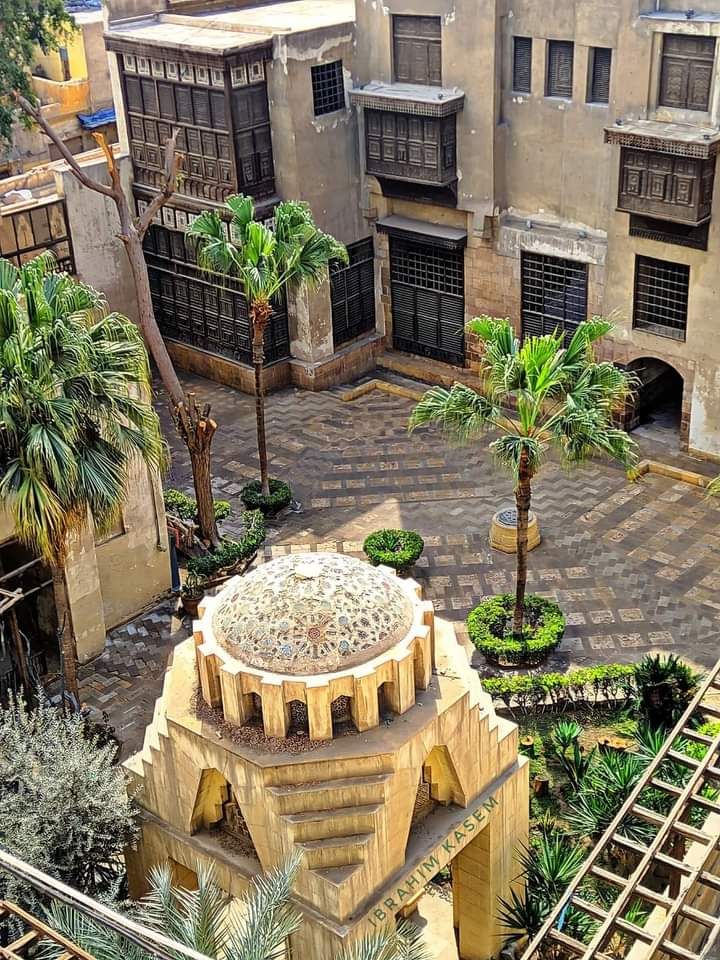
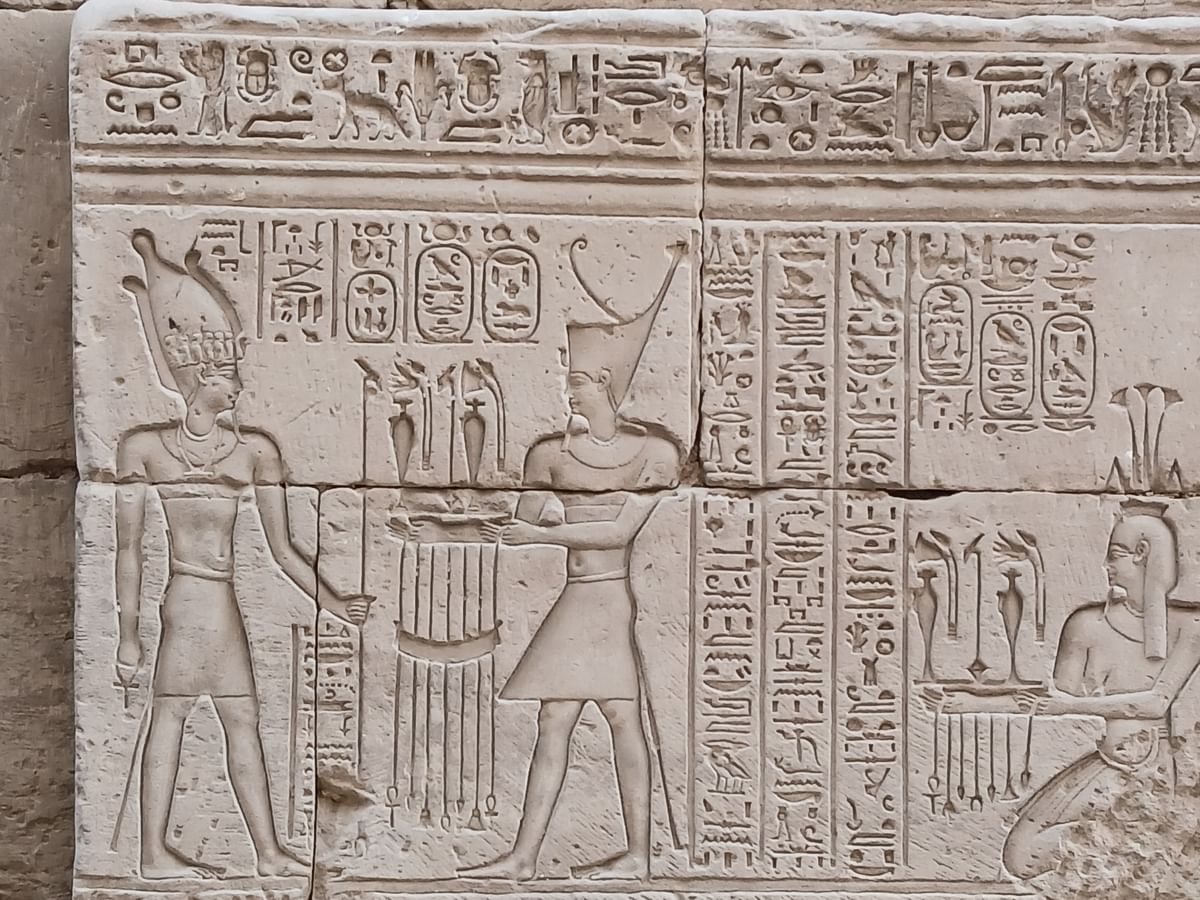
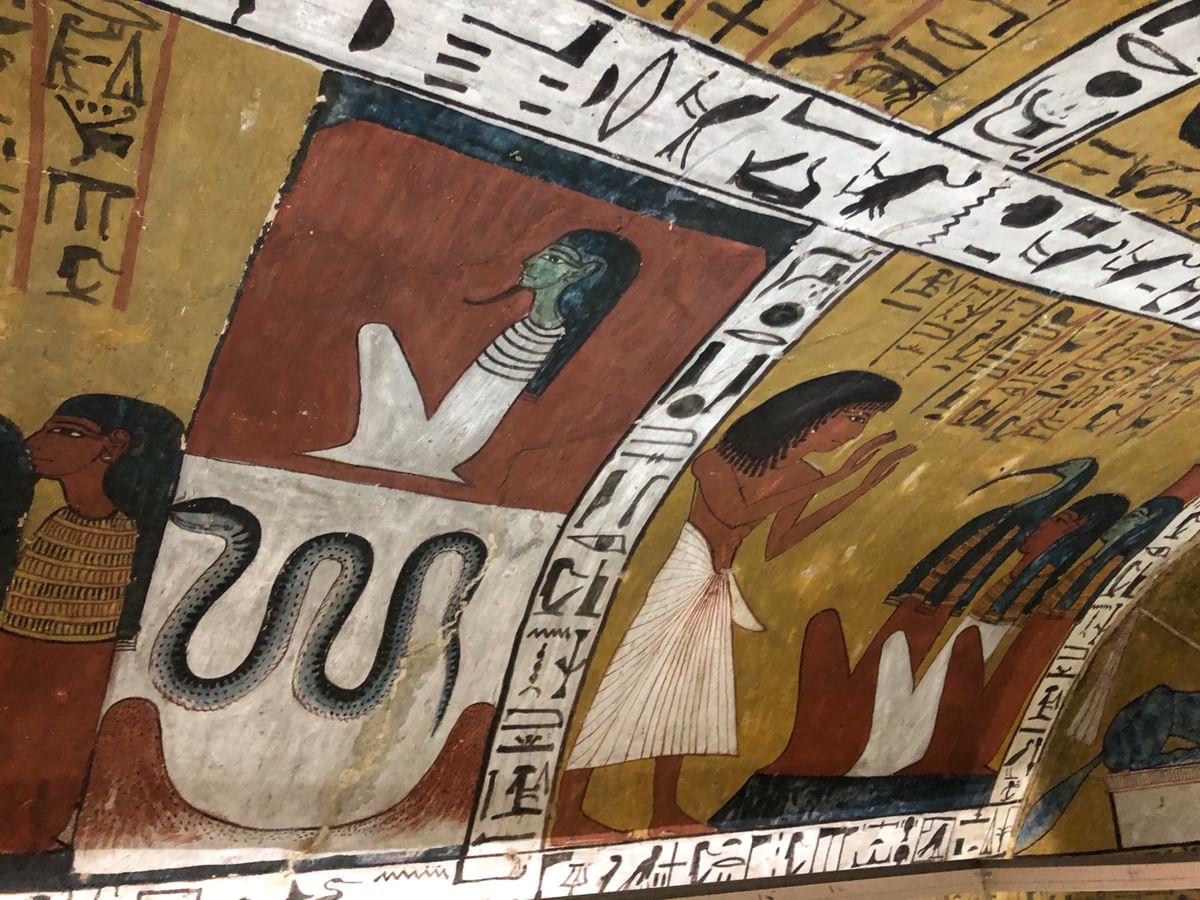
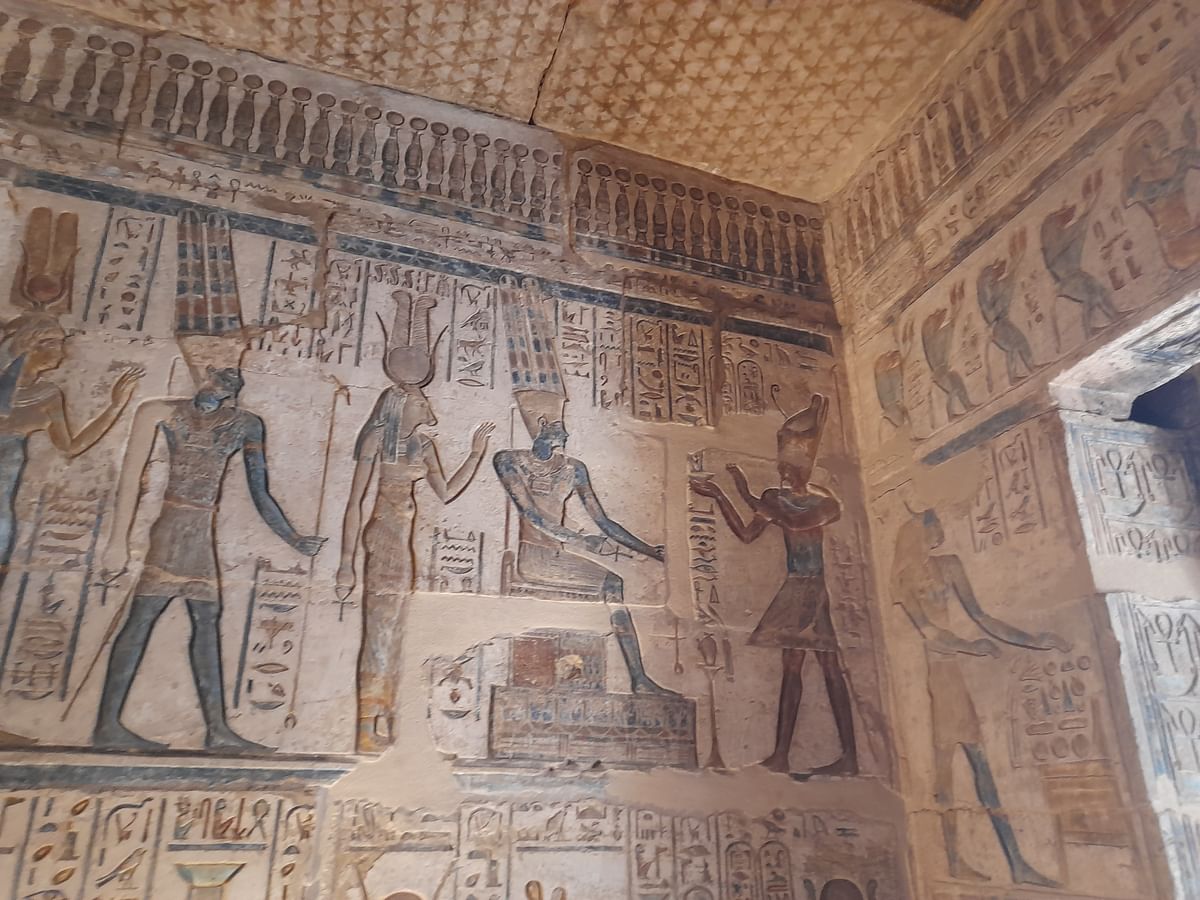
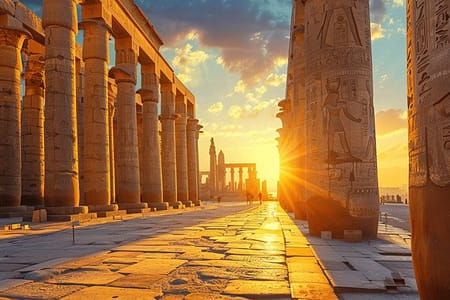
after finishing your breakfast you will be visiting the temple of Karnak .
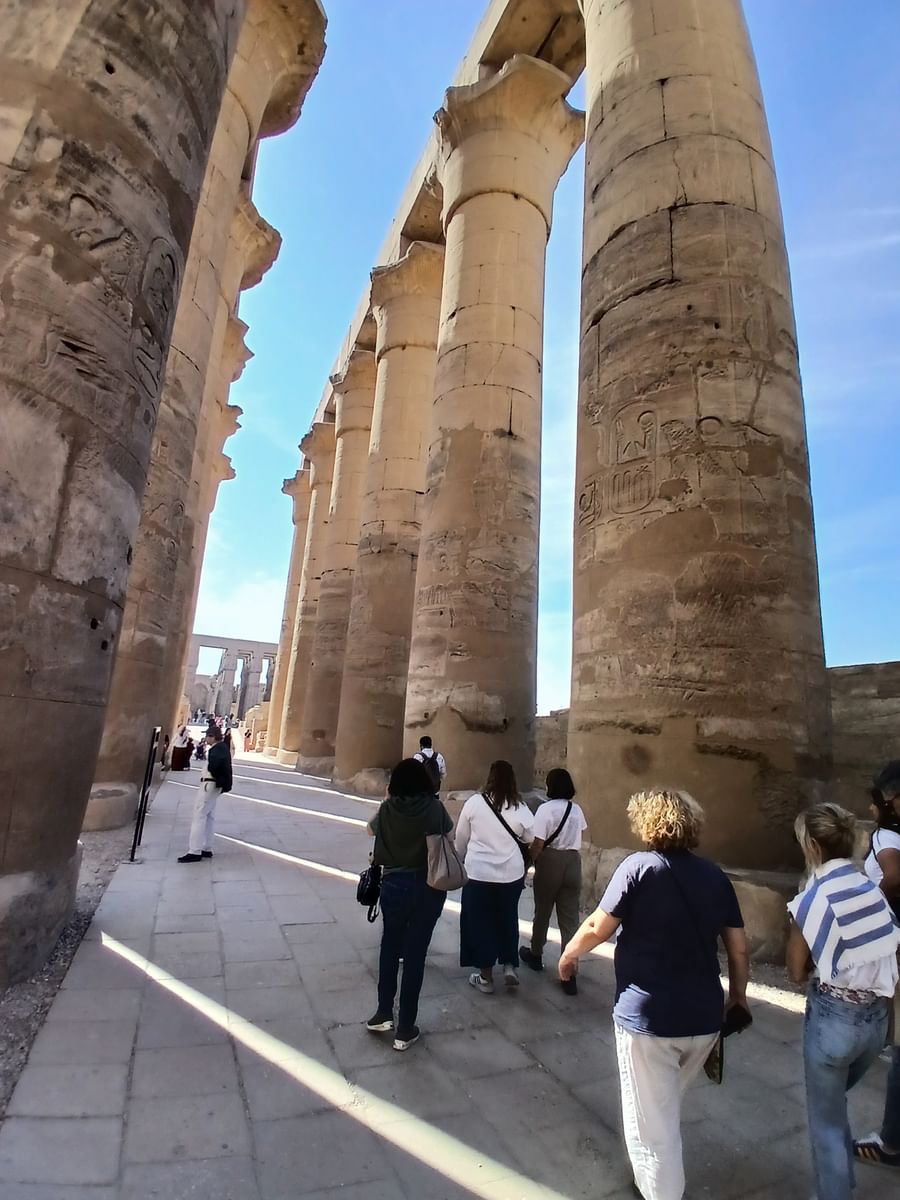
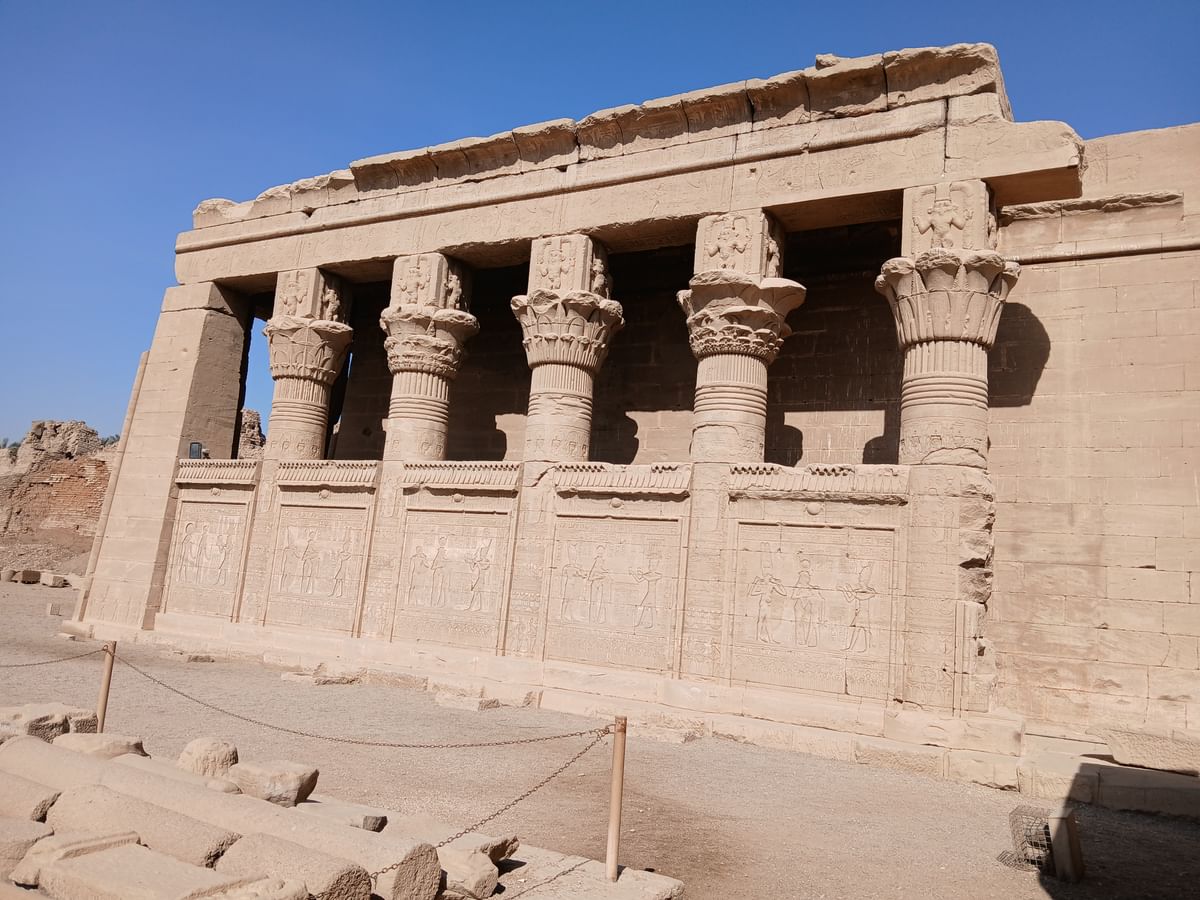
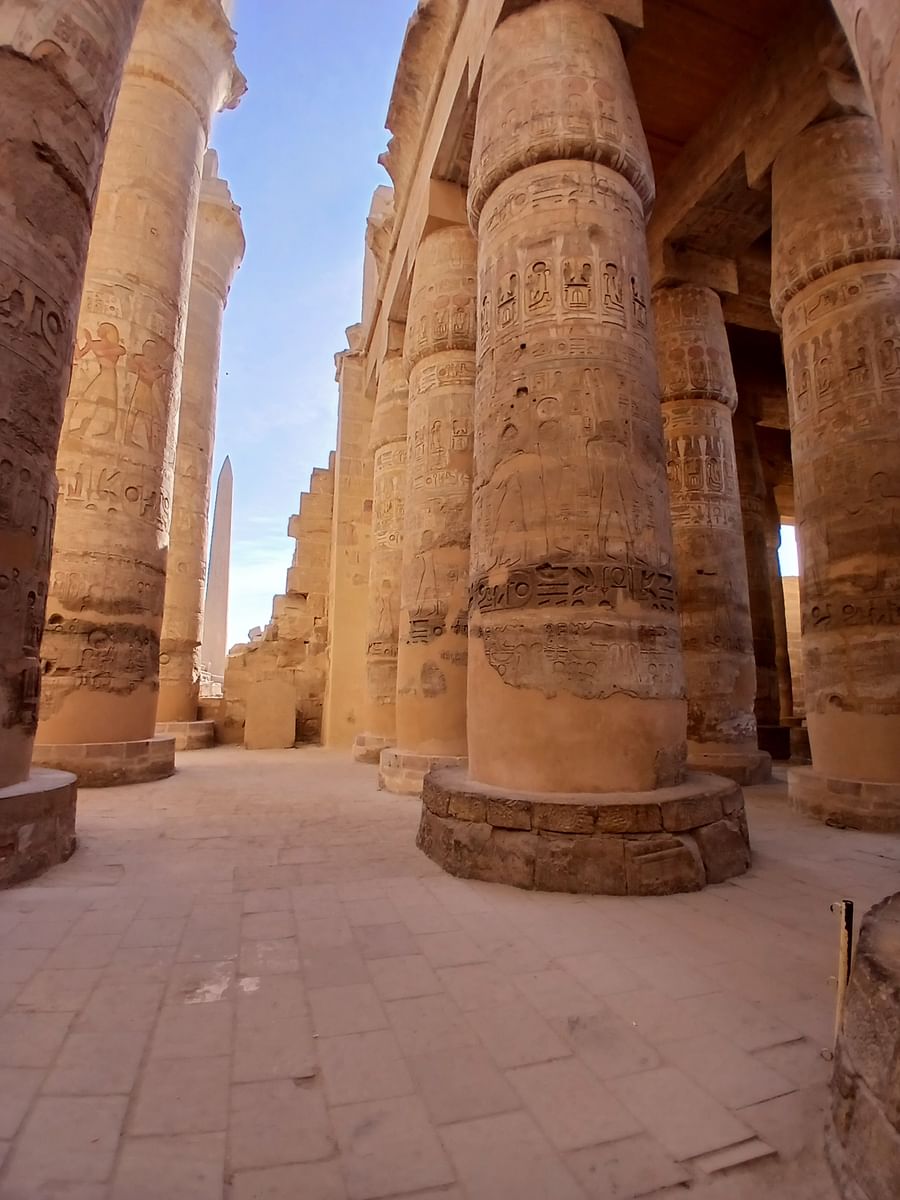
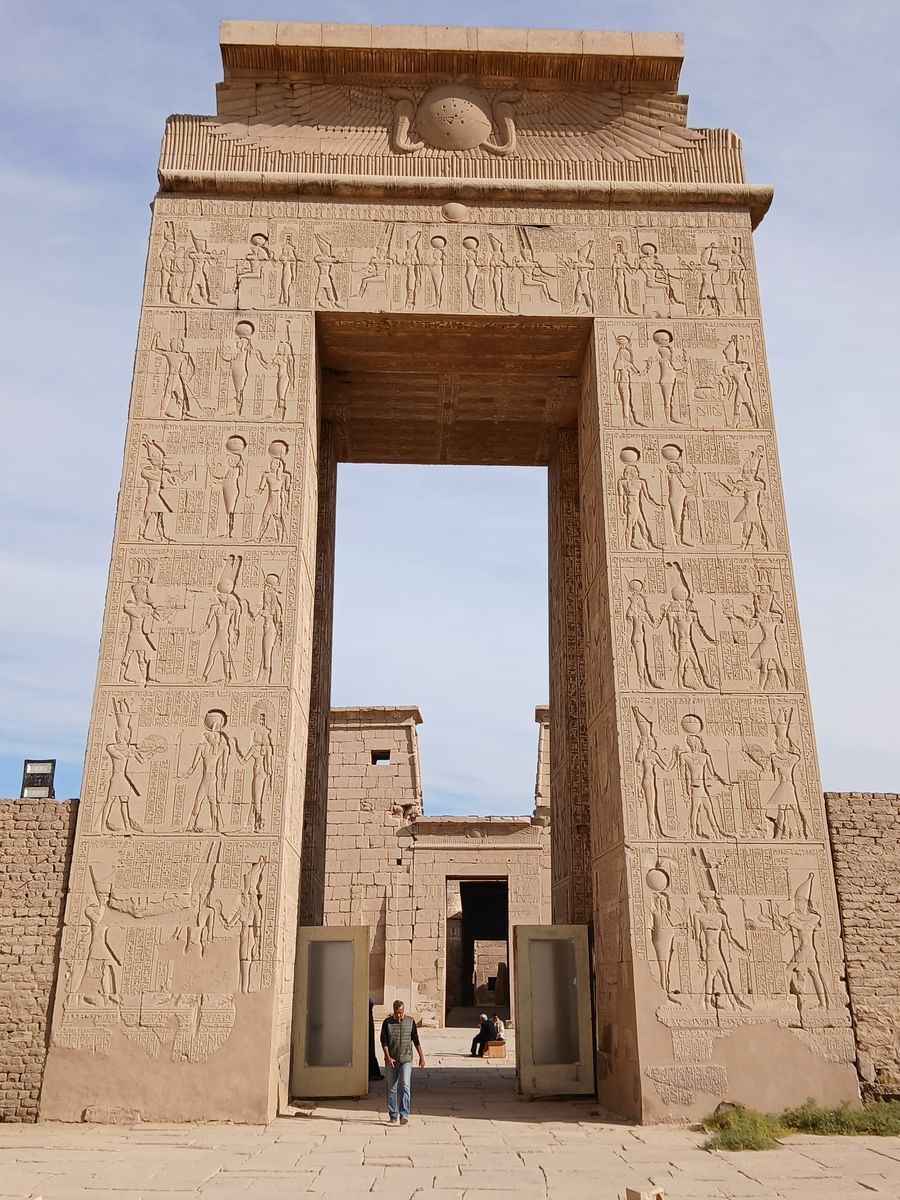
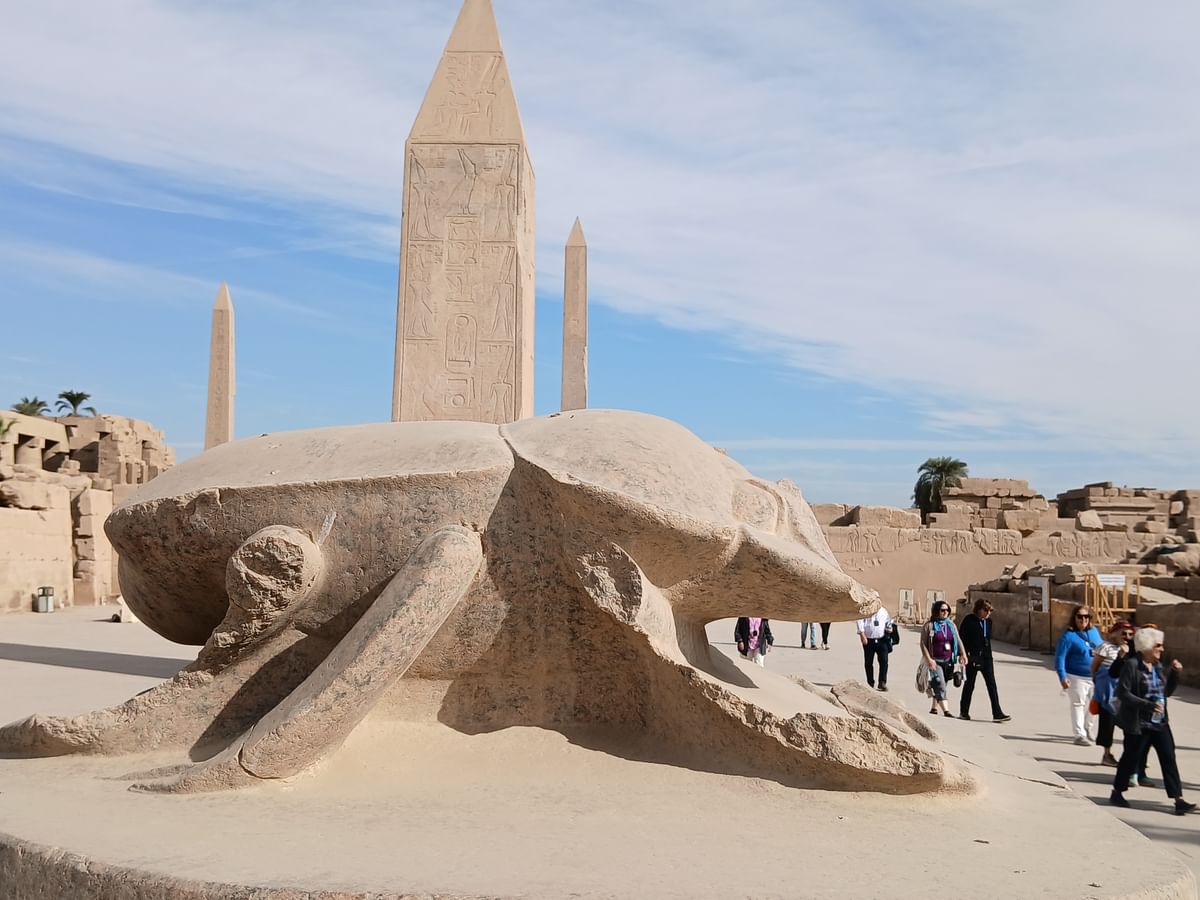
The Temple of Karnak, a magnificent jewel nestled on the banks of the Nile in Luxor, Egypt, is a breathtaking journey back in time, where history, religion, and architectural brilliance come alive. Spanning over 2,000 acres, it’s the largest religious complex ever built, and its grandeur is unmatched. This ancient wonder began its construction in the Middle Kingdom, but it was the mighty pharaohs of the New Kingdom—like Thutmose III, Ramses II, and Amenhotep III—who truly transformed Karnak into a symbol of Egypt’s power and divine connection. Thutmose III, often hailed as the ‘Napoleon of Egypt,’ added magnificent chapels and towering obelisks, while Ramses II, the legendary builder, left behind colossal statues and the awe-inspiring Great Hypostyle Hall, with 134 towering columns that seem to touch the sky. Queen Hatshepsut, one of the most powerful female pharaohs, graced the temple with an elegant obelisk that still stands proudly today. Even Alexander the Great, enchanted by the divine aura of Karnak, built a temple dedicated to Amun-Ra, further intertwining his legacy with that of Egypt’s gods. As you wander through Karnak’s sacred halls, you’ll be spellbound by intricate hieroglyphs, massive statues, and a sprawling layout that reflects Egypt’s spiritual devotion across millennia. The best time to visit this awe-inspiring site is between October and April, when the weather is kinder, making it perfect for exploring its vast expanses and uncovering the rich history of the pharaohs who left their mark on this eternal treasure.
after visiting the Karnak temple you will be visiting Luxor temple .
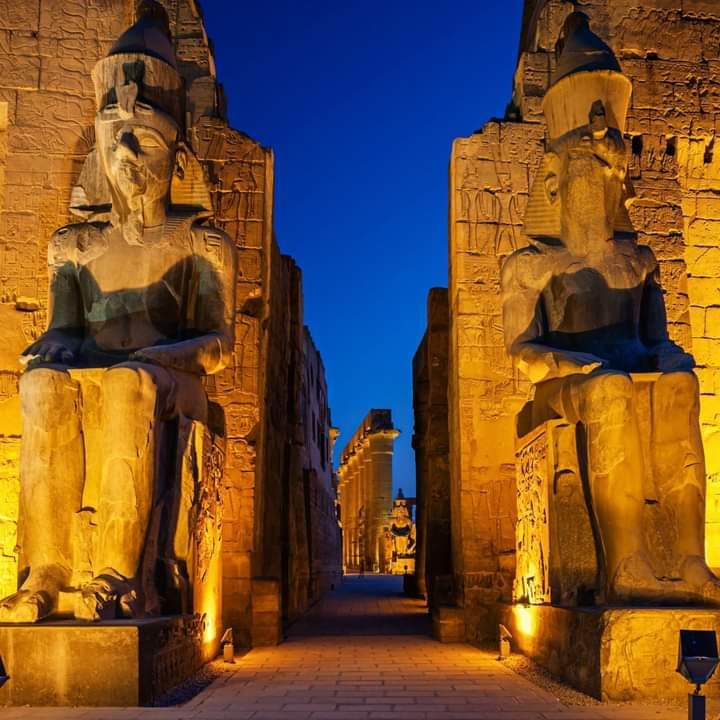
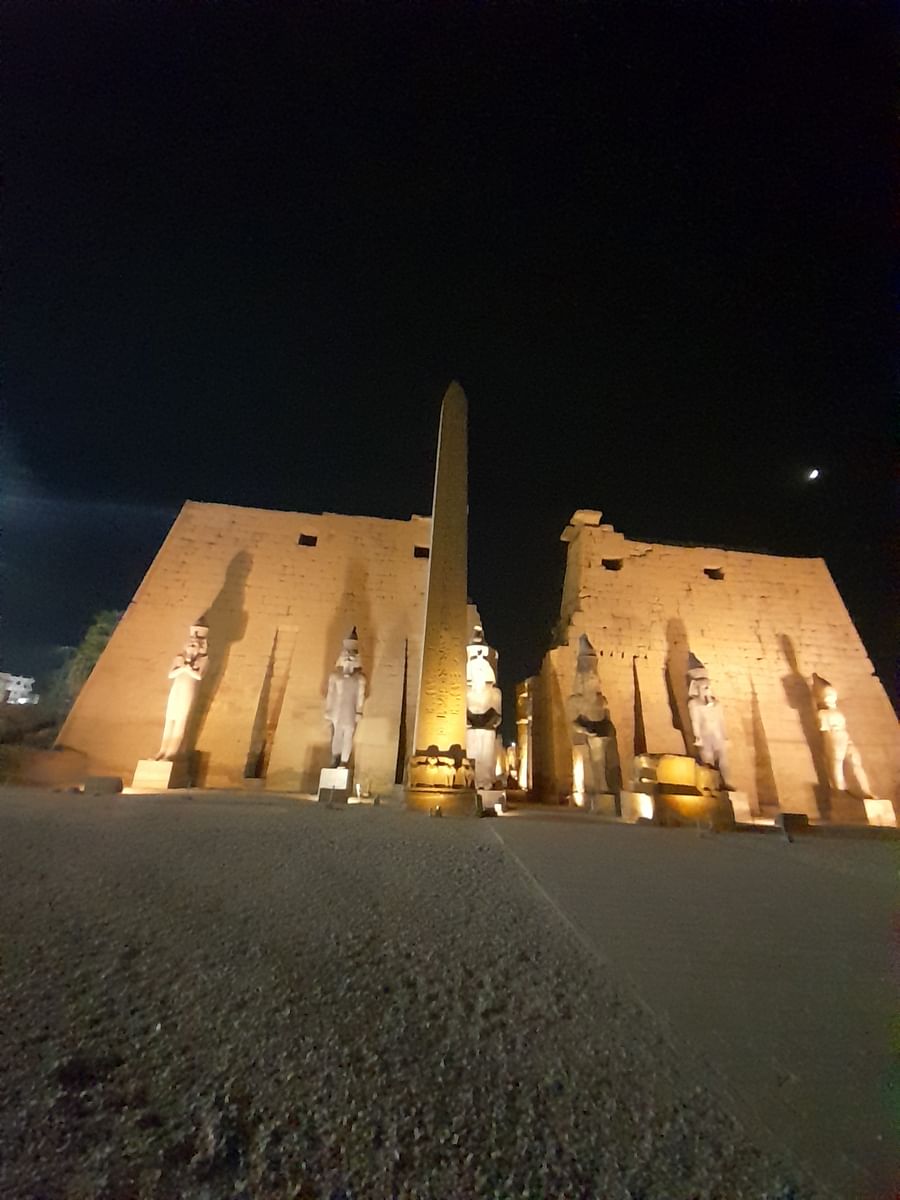
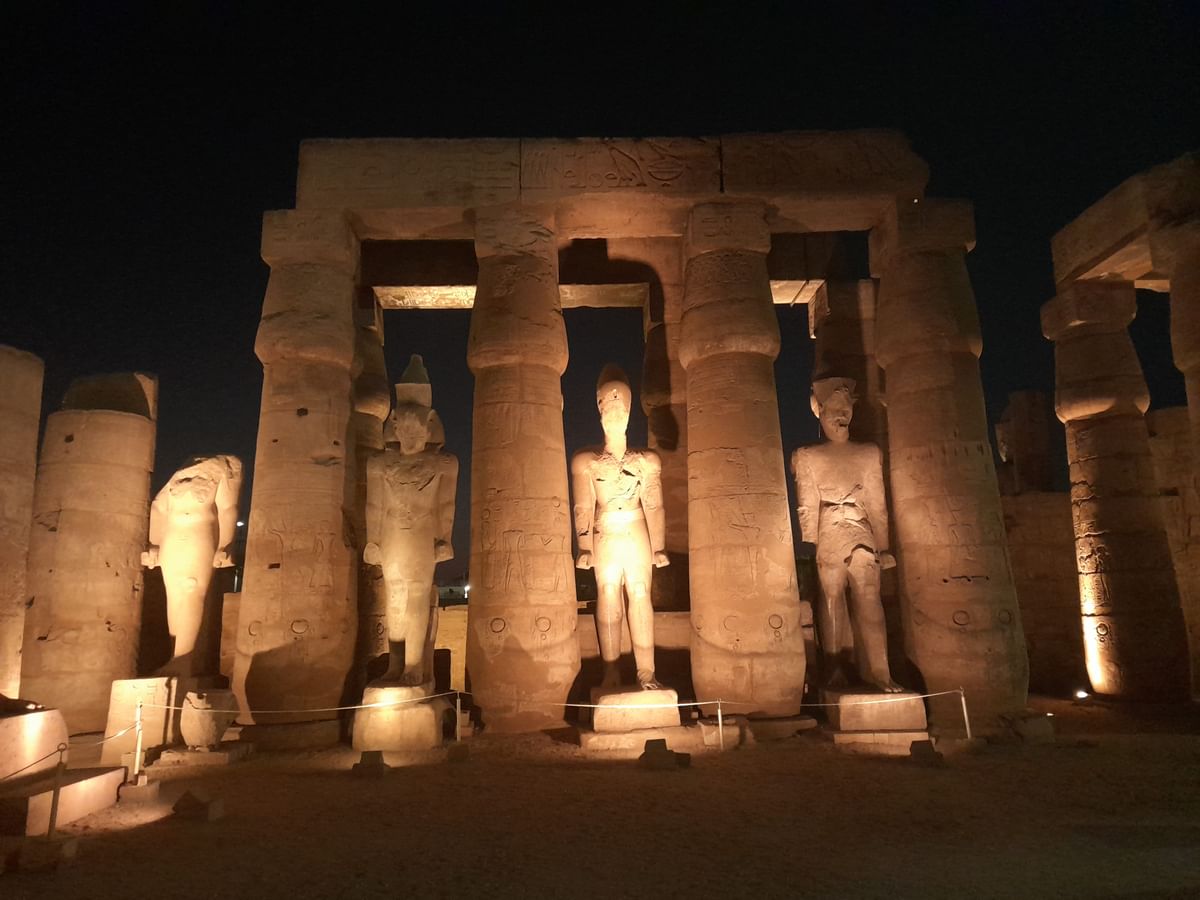
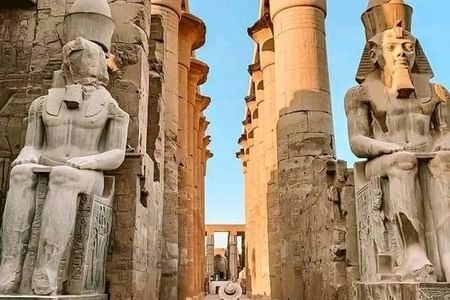
Luxor Temple, an awe-inspiring masterpiece of ancient Egypt, stands proudly on the east bank of the Nile River in the heart of Luxor, the legendary city of Thebes. This monumental temple was brought to life around 1400 BCE by the visionary Pharaoh Amenhotep III and later expanded by the great Ramses II. Dedicated to the mighty Theban Triad—Amun, Mut, and Khonsu—it is not just a structure, but a testament to the divine power and grandeur of ancient Egypt.
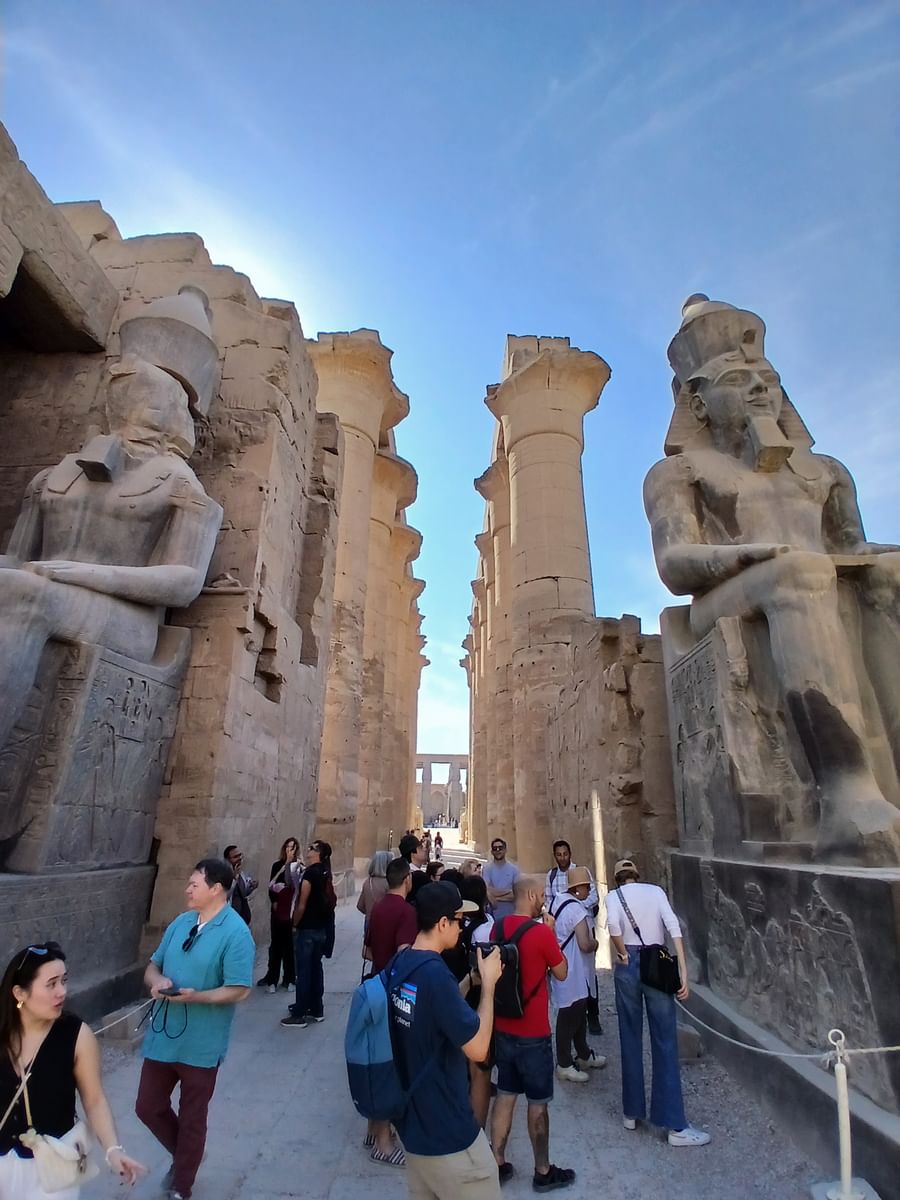
For centuries, Luxor Temple has echoed with the reverberations of powerful religious ceremonies, most notably the Opet Festival. During this sacred occasion, the statues of gods would make their majestic journey from Karnak Temple to Luxor, a procession that symbolized the powerful connection between the divine and the mortal. The temple itself is a marvel, with its towering pylons, regal obelisks, vast courtyards, and awe-inspiring halls. The Great Hypostyle Hall, with its 32 massive columns, rises like a forest of stone, drawing all who enter into its magnificent embrace.
At the entrance, the colossal statues of Ramses II stand like eternal sentinels, watching over the temple with unyielding strength. And the Avenue of Sphinxes, a path lined with statues of these enigmatic creatures, once connected Luxor to the mighty Karnak Temple, creating a breathtaking route for festival processions and spiritual journeys.
Excavations over the years have uncovered an array of statues, inscriptions, and reliefs, revealing the splendor and sophistication of Egypt’s religious and political life. Buried under centuries of sand, many parts of the temple have been miraculously preserved, allowing us to witness the grandeur of a civilization that shaped the very fabric of human history.
Luxor Temple is not just an archaeological site; it is a living, breathing reminder of the power, mystery, and magnificence of ancient Egypt. It stands as a bridge between the past and the present, inspiring awe in all who are lucky enough to witness its timeless beauty.
later on afternoon you would be visiting Luxor museum
The Luxor Museum, nestled on the Nile’s west bank in Luxor, Egypt, is a hidden gem that brings the rich history of ancient Egypt to life in a captivating and intimate setting. Unlike the grandeur of its monumental counterparts, this museum offers a refined and personal experience with its carefully curated collection of artifacts, many of which were discovered in the Valley of the Kings and the Valley of the Queens. The museum’s collection includes magnificent statues, intricate jewelry, mummified remains, and rare reliefs, each piece providing a deeper understanding of Egypt’s fascinating history. Among the highlights are the famous colossal statues of Amenhotep III and the mummy of the priestess of Amun, showcasing the extraordinary craftsmanship of ancient Egyptian artists. One of the museum’s most remarkable features is its well-lit, spacious design, allowing visitors to view each artifact in detail, accompanied by informative plaques that reveal their historical significance. The stunning collection of Tutankhamun's treasures, though smaller than the famous display at the Egyptian Museum in Cairo, offers a glimpse into the opulence and mystique of the young pharaoh’s reign. The museum also features an exceptional display of mummification tools and funerary masks, giving visitors an intriguing look into ancient Egyptian burial practices. Visiting the Luxor Museum is a perfect way to delve into the quieter, yet equally captivating, aspects of Egypt’s ancient past. For the best experience, visit in the early morning or late afternoon, when the light adds a touch of magic to the museum’s serene atmosphere. The Luxor Museum is open year-round, but the months from October to April offer the most comfortable weather for exploring its enriching collection.
after the breakfast day 3 you will be visiting the valley of the king
The Valley of the Kings is a breathtaking and mysterious marvel, nestled on the west bank of the Nile near Luxor. This sacred valley was the final resting place for the greatest pharaohs of Egypt’s New Kingdom, including legendary rulers like Tutankhamun, Ramses II, and Seti I, whose names still echo through history.
From the 18th Dynasty to the 20th Dynasty (around 1539 to 1075 BCE), the valley became a sanctuary where pharaohs and the nobility were buried in elaborate tombs filled with treasures to guarantee their eternal journey in the afterlife. These tombs are carved deep into the towering cliffs, with winding corridors and vast chambers that seem to draw you deeper into the mysteries of Egypt's ancient soul.
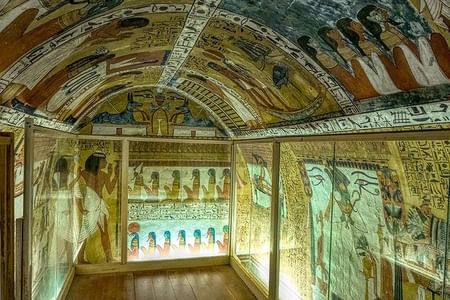
The true wonder of these tombs lies in their magnificent artwork. The walls come alive with vibrant paintings that tell the stories of the pharaohs’ lives, their passage into the afterlife, and their devotion to the gods. The most famous of these tombs is that of Tutankhamun, discovered by the relentless Howard Carter in 1922—a find that continues to captivate the world and ignite curiosity.
With over 60 tombs, the Valley of the Kings is a testament to Egypt’s awe-inspiring belief in the afterlife. These tombs, once filled with dazzling gold, jewels, and statues, were looted long ago, yet their power and mystery remain. The curse of the pharaohs, which surrounds the ill-fated events after the opening of Tutankhamun’s tomb, only adds to the aura of intrigue and wonder.
Even today, the valley is a site of unwavering exploration, continually revealing hidden truths about the spiritual and cultural legacy of ancient Egypt. It is a place where history, legend, and mystery come together, drawing all who seek to experience the timeless beauty and majesty of this extraordinary civilization