Maktaris and Kesra: Explore Tunisia's Ancient Sites and Berber Culture

$294
Duration
8 hours
Difficulty
Reviews
(2)
4.3 /5
Previous
Next

From Tunis, Hammamet or Sousse!!!

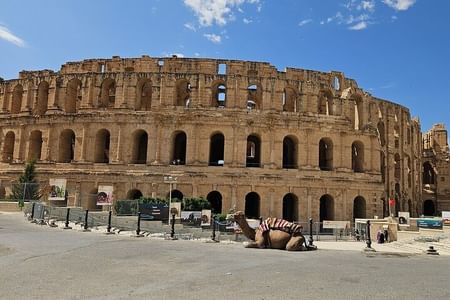
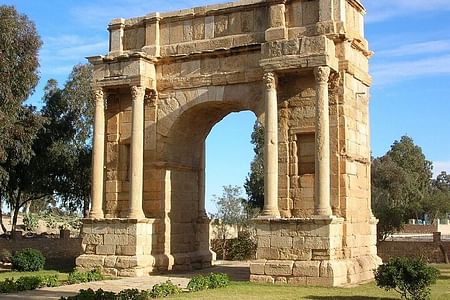
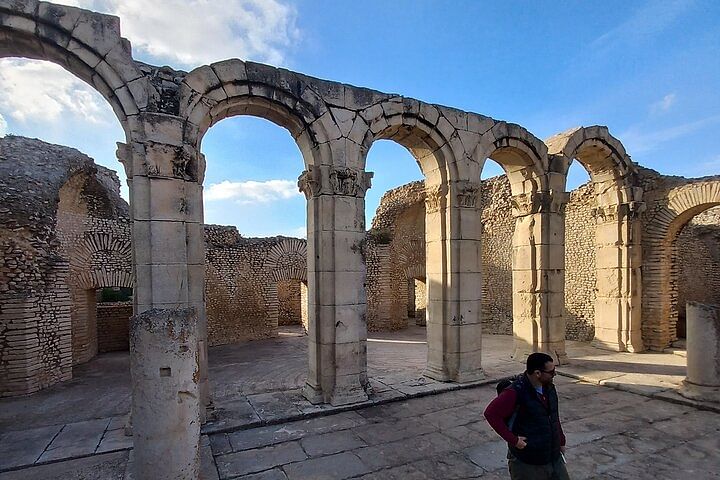
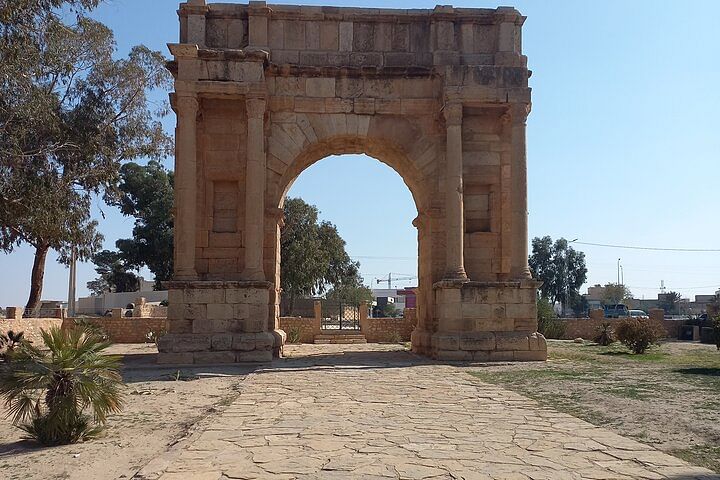
Embark on a day-long journey into Tunisia’s ancient heart, exploring the historic site of Mactaris, which offers a meaningful connection to Numidian and Roman history and inspires curiosity among travelers.

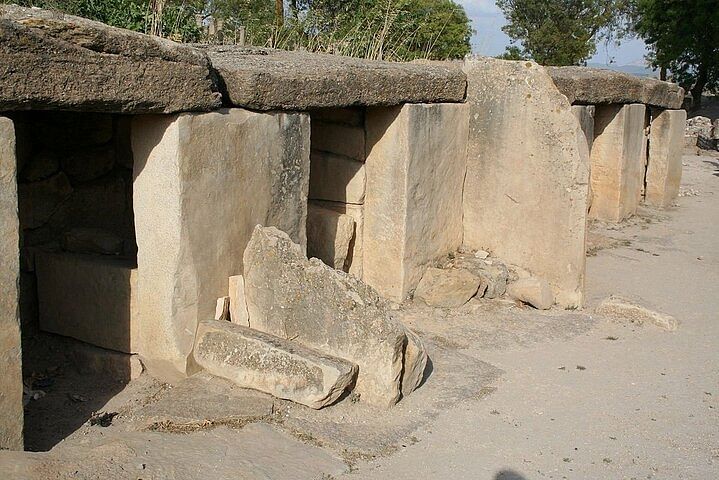
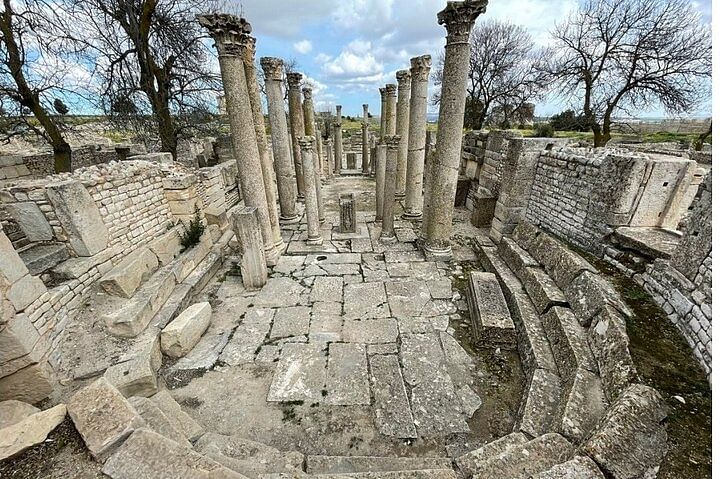
Explore 2,800-year-old megalithic tombs and monumental ruins—crowd-free glimpses into deep antiquity that inspire awe and respect for the past.

Next, a scenic drive to Kesra, explore Tunisia’s highest village.
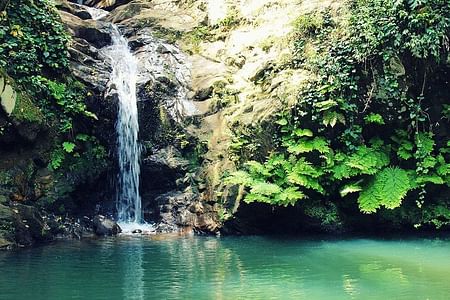
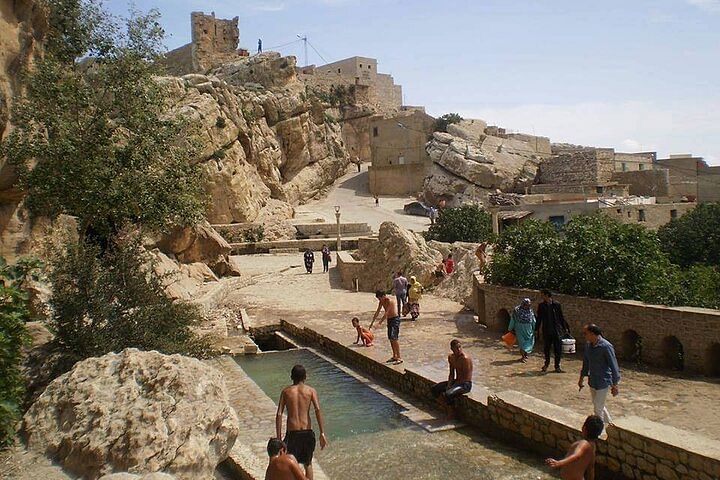
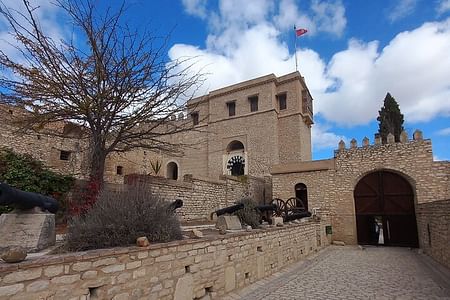
Perched at ~1,100 m on a rocky hill, it threads Berber, Punic, Roman, Byzantine, and Islamic legacies, with panoramic plains, natural springs, and pristine air—true rejuvenation.

Brief stops along the drive back allow you to absorb the stunning landscapes and capture memorable photos of Tunisia's natural beauty.

Total distance and pace crafted for comfortable discovery, photography, and reflection.

Dress for outdoor adventure, ensuring comfort and safety, and enjoy a day of rich history and stunning vistas with confidence.
Inclusions

  • All Fees and Taxes
  • Air-conditioned vehicle
  • Wi-Fi
  • Bottled water
  • Food & drinks

Exclusions

  • Lunch
  • Food & drinks

Tour Plan

Mactaris archeological sites
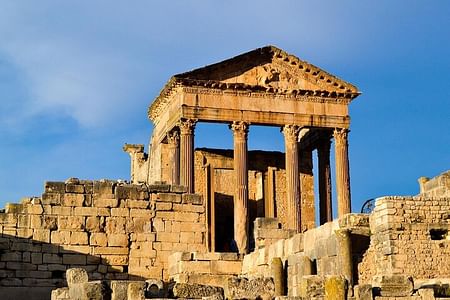
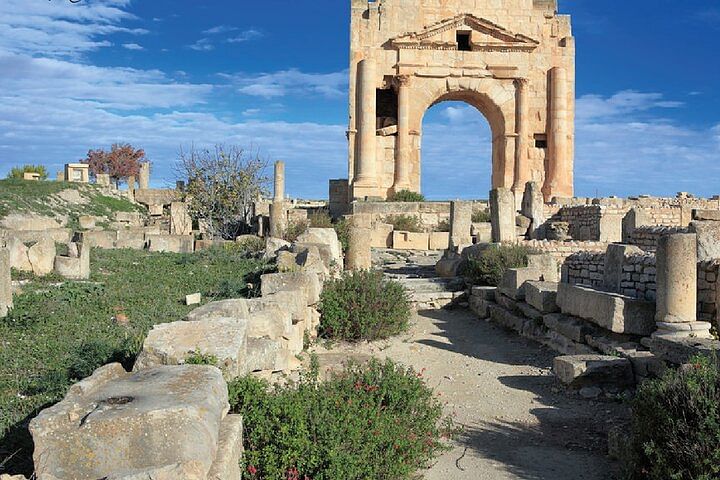
Makthar, the ancient Mactaris is a city of Numidian origin located on a plateau at the northern edge of the Tunisian ridge. It is located at the limit between the North-West and the Center-West of Tunisia, 150 kilometers southwest of Tunis, and 70 kilometers southeast of Kef. With an altitude of 900 meters, it is the highest in the country.The Mactaris site is located at the entrance to the modern village of Makthar.It was once one of the richest regions of Tunisia; it is enough to see its stelae preserved in the museum of the site as well as the density of the megalithic tombs, the monuments which are drawn up until our days to realize the antiquity of the occupation and the importance of the cited. The city played a commercial role going beyond the strictly local framework, its excellent location in the geometric center of Tunisia and at the watershed point between the two slopes enabled it to control the most important passages in the region.The name Makthar is attested in Neounic inscriptions in the form MKTRYM. In the Latin inscriptions, they register MACTARIS, a name that has been conserved it until our days without great phonetic changes.The installation of man in the region of Mactaris is very old, it has been occupied for more than 2800 years as evidenced by the megaliths that have been encountered throughout the site. The birth of a city called Makthar dates back to the 4th century BC with the Numidian kings. The city took advantage of the development of Carthage before welcoming large flows of refugees when the city fell in 146 BC. J.-C.The visit ends in a small museum that houses various pieces exhumed on-site or brought from neighboring sites.

The Berber village of Kesra
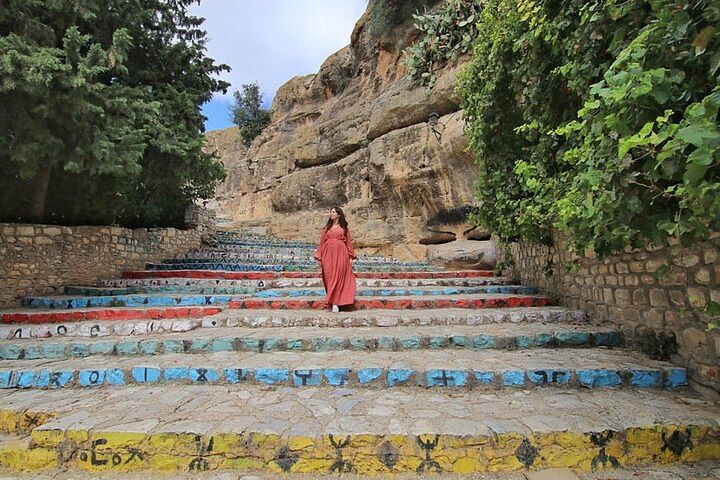
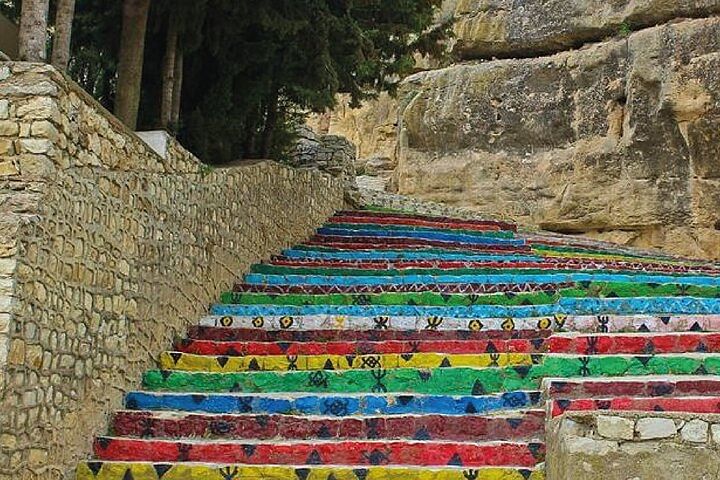
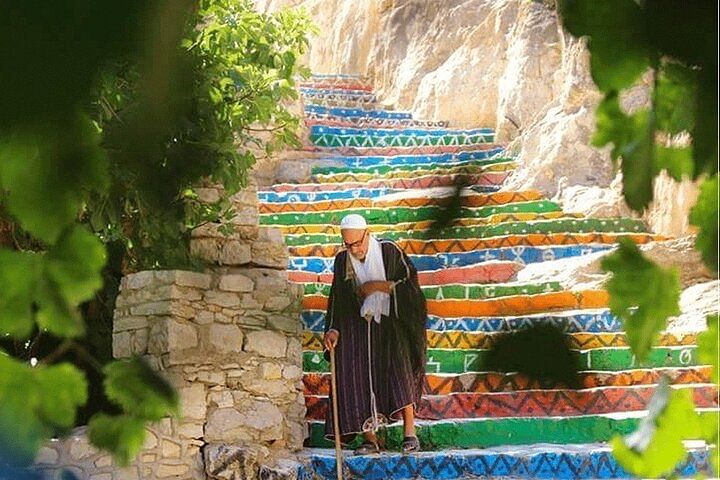
Kesra is the highest village in Tunisia “perched at 1100 meters above sea level”, still has some 2600 inhabitants, and is considered among the first Berber villages.Cradle of Berber, Punic, Roman, Byzantine, and Islamic civilizations, Kesra remains one of these mythical cities clinging to a rocky hill, in the center-west of the country, 175 km from Tunis, 20 km from Makhtar, Mactaris to the Roman era, and 50 km from Zama, an ancient city, the scene of a famous battle in 202 BC, which saw the confrontation of the Roman armies, led by Scipio Africanus and the Numidian king Massyle Massinissa, on the other hand, the Carthaginian armies, led by Hannibal and the other Numidian king Massaesyle Syphax.Its initial name “Chusira” a Numidian city that was part of one of the most urbanized provinces of the kingdom of Massinissa (king of Numidia 238 – 148 BC), recalls the nostalgia of the ancient and historical eras and gives the impression of a world, another world where time seems to have stopped or at least will have forgotten to pass.In this village where the past and the present intertwine, the life of the inhabitants, quite conservative, takes place around ancient and ancestral traditions and social practices.A natural fortress in itself, this Berber village, with its strategic position at altitude dominating the surrounding plains and the presence of natural water sources, which made it a strategic place for the civilizations that succeeded each other in the region, is also known, both for its architecture with its dry stone constructions, carved by the force of the wrists, which give it a specific cachet and integrate it completely into its environment of rocky awesome landscapes.

Itinerary

Expand All
Mactaris archeological sites

Makthar, the ancient Mactaris is a city of Numidian origin located on a plateau at the northern edge of the Tunisian ridge. It is located at the limit between the North-West and the Center-West of Tunisia, 150 kilometers southwest of Tunis, and 70 kilometers southeast of Kef. With an altitude of 900 meters, it is the highest in the country.

The Mactaris site is located at the entrance to the modern village of Makthar.

It was once one of the richest regions of Tunisia; it is enough to see its stelae preserved in the museum of the site as well as the density of the megalithic tombs, the monuments which are drawn up until our days to realize the antiquity of the occupation and the importance of the cited. The city played a commercial role going beyond the strictly local framework, its excellent location in the geometric center of Tunisia and at the watershed point between the two slopes enabled it to control the most important passages in the region.

The name Makthar is attested in Neounic inscriptions in the form MKTRYM. In the Latin inscriptions, they register MACTARIS, a name that has been conserved it until our days without great phonetic changes.

The installation of man in the region of Mactaris is very old, it has been occupied for more than 2800 years as evidenced by the megaliths that have been encountered throughout the site. The birth of a city called Makthar dates back to the 4th century BC with the Numidian kings. The city took advantage of the development of Carthage before welcoming large flows of refugees when the city fell in 146 BC. J.-C.

The visit ends in a small museum that houses various pieces exhumed on-site or brought from neighboring sites.

The Berber village of Kesra

Kesra is the highest village in Tunisia “perched at 1100 meters above sea level”, still has some 2600 inhabitants, and is considered among the first Berber villages.

Cradle of Berber, Punic, Roman, Byzantine, and Islamic civilizations, Kesra remains one of these mythical cities clinging to a rocky hill, in the center-west of the country, 175 km from Tunis, 20 km from Makhtar, Mactaris to the Roman era, and 50 km from Zama, an ancient city, the scene of a famous battle in 202 BC, which saw the confrontation of the Roman armies, led by Scipio Africanus and the Numidian king Massyle Massinissa, on the other hand, the Carthaginian armies, led by Hannibal and the other Numidian king Massaesyle Syphax.

Its initial name “Chusira” a Numidian city that was part of one of the most urbanized provinces of the kingdom of Massinissa (king of Numidia 238 – 148 BC), recalls the nostalgia of the ancient and historical eras and gives the impression of a world, another world where time seems to have stopped or at least will have forgotten to pass.

In this village where the past and the present intertwine, the life of the inhabitants, quite conservative, takes place around ancient and ancestral traditions and social practices.

A natural fortress in itself, this Berber village, with its strategic position at altitude dominating the surrounding plains and the presence of natural water sources, which made it a strategic place for the civilizations that succeeded each other in the region, is also known, both for its architecture with its dry stone constructions, carved by the force of the wrists, which give it a specific cachet and integrate it completely into its environment of rocky awesome landscapes.

Meeting / Pickup

Pick-up only: Customers must be picked up from selected pick-up locations.

Know Before You Go

  • Wheelchair accessible
  • Stroller / pram accessible
  • Animals or pets allowed
  • Public transportation nearby
  • Infant seats available

Please Note

  • Infants must not sit on laps
  • Wheelchair accessible
  • Pick-up from your Address in Tunis, Hammamet, Sousse or ,Monastir.

Cancellation Policy

  • We will charge a cancellation fee of 100% if booking is cancelled 1 day or less before the event
  • We will charge a cancellation fee of 0% if booking is cancelled 1000 days or less before the event
Destinations

Reviews

4.3/5
Wonderful
2 verified reviews
Location (4/5)
Amenities (4/5)
Services (4.5/5)
Price (4.5/5)
Rooms (4.5/5)

2 Comments

  1. 4.2

    • Location
    • Amenities
    • Services
    • Price
    • Rooms

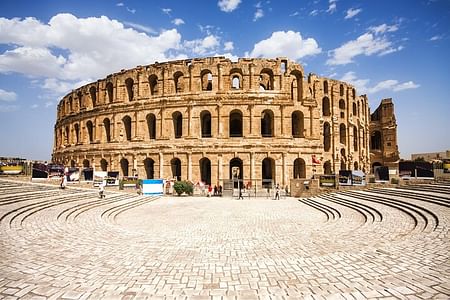
    We had a fantastic time discovering the ancient ruins of Maktaris, especially the stunning amphitheater that seemed to rise from the earth itself. The Berber culture in Kesra was equally captivating, though we wished we had more time to interact with the locals.

  2. 4.4

    • Location
    • Amenities
    • Services
    • Price
    • Rooms

    Exploring the ancient sites of Maktaris and the rich Berber culture in Kesra was a memorable experience for our group, especially walking through the impressive ruins that felt straight out of history.

Comments are closed.

Login

Sign In / Register

Login
Register
Forgot Password?