Lille: Audio Guided Walking Tour (2h30 - 22 audio comments)

$7
Duration
2 hours 30 minutes
Difficulty
Reviews
No reviews yet
Previous
Next

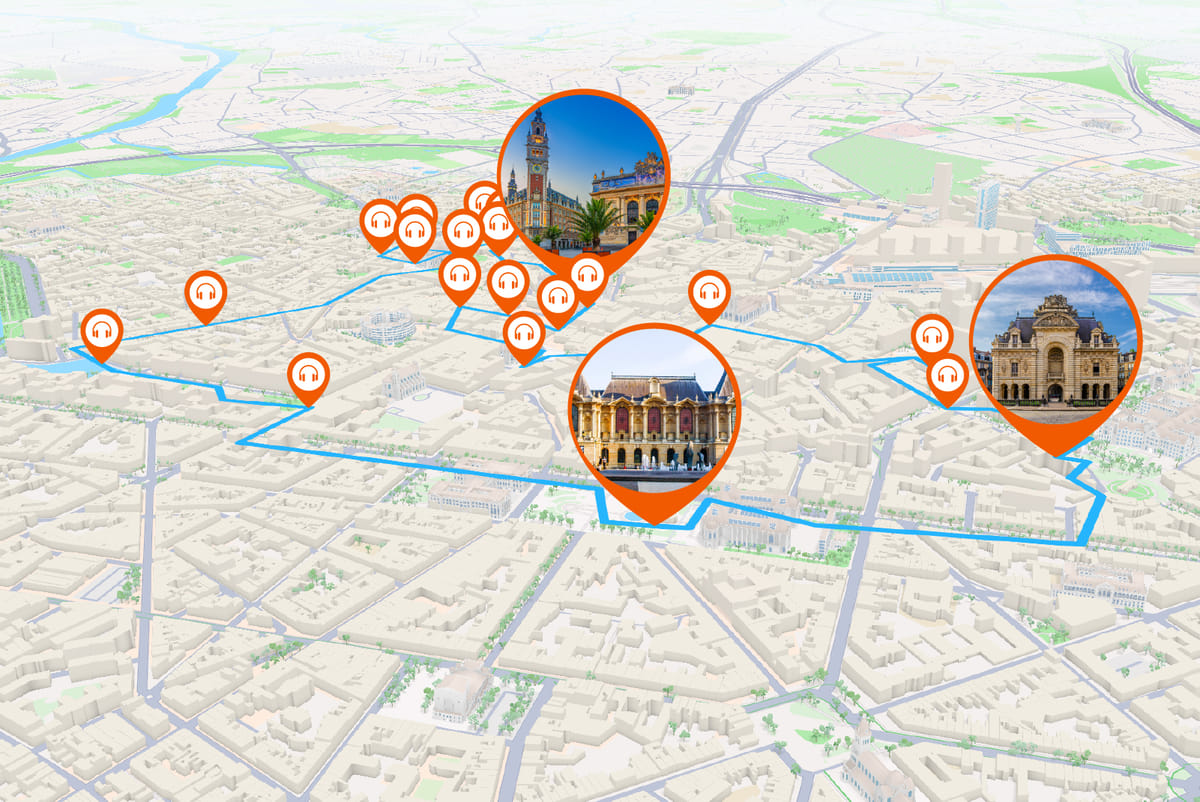
Experience Lille differently thanks to our unique audioguided tour and let yourself be surprised at each alley, each square, at each typical facade of the North! At your own pace, without time constraints, dive into the heart of the capital of Flanders through a 6 km (approximately 2.5 hours) route designed to reveal all the richness, charm and secrets of the city. Guided by an interactive 3D map and immersive audio commentary, you will discover not only the must-see places, but also corners full of character, local stories and hidden treasures — far from traditional tourist circuits.

From the warm Grand Place of Lille — the beating heart of the city — to the discreet charm of the small streets of the center, our circuit takes you through the most beautiful squares, neighborhoods and panoramas of Lille. From the refinement of the Palais des Beaux-Arts in Lille to the warm bricks of the old center, through the imposing Belfry of the Lille City Hall, the historic facades, the picturesque passages and the lively squares, each stage immerses you in the history and unique identity of the city.

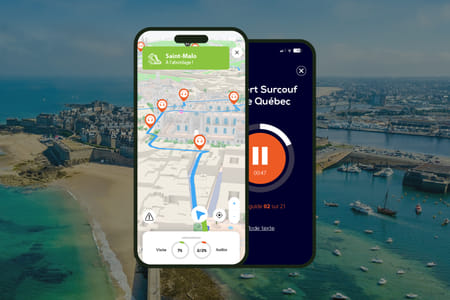
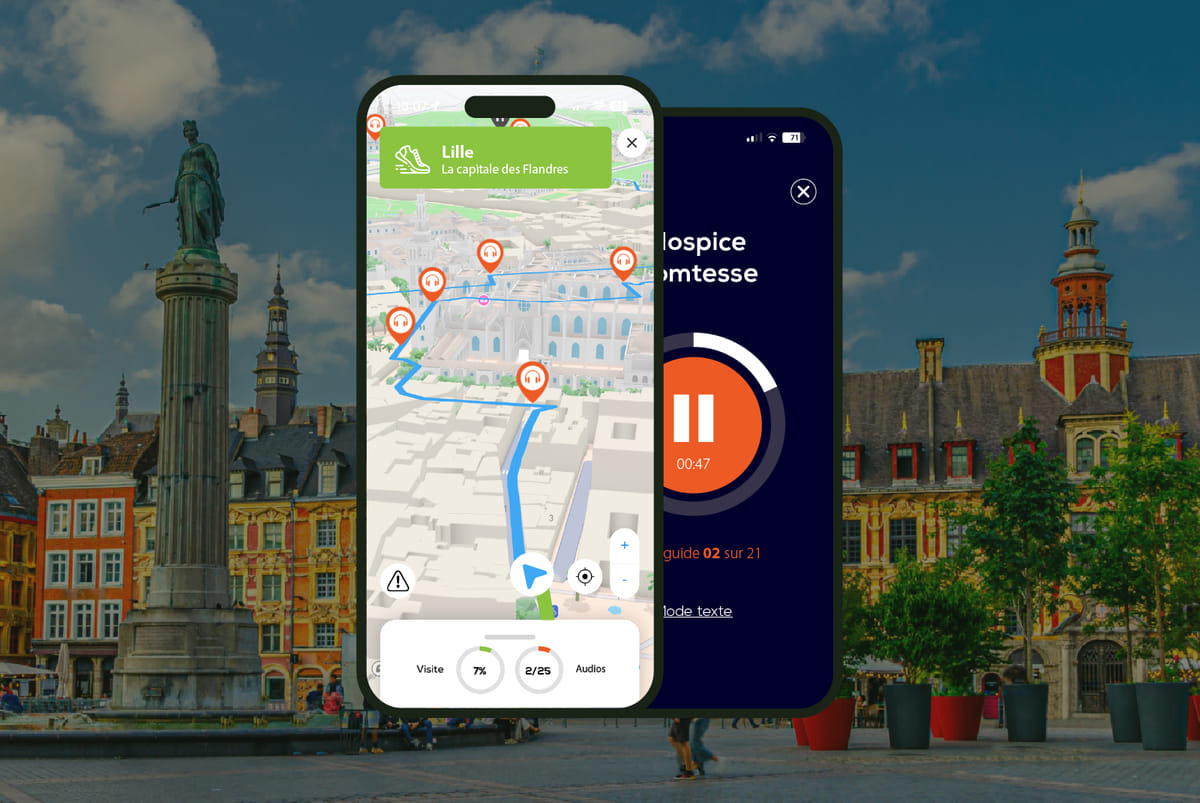
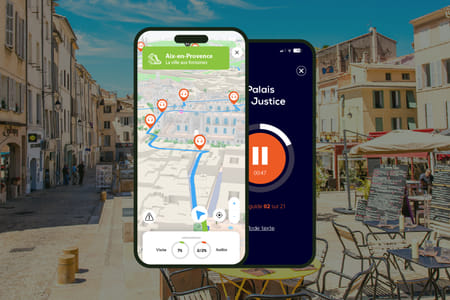
Everything is designed to make your visit simple and pleasant: once downloaded, the application works without an internet connection. Follow your path without stress thanks to real-time geolocation and let yourself be guided by the 22 audio comments available. Share the experience with friends and family — the content is accessible on multiple devices.

Our circuit is designed as a loop so that you can start from the point closest to you, or from our recommended starting point: the Grand Place. Thanks to this smooth and intuitive navigation, you can enjoy a comfortable visit, even if you decide to take a break — to enjoy a waffle in a historic pastry shop, stroll down a paved street or sit on a terrace. Your access is unlimited: start the visit whenever you want, today or in several months.

Some of the wonders you will discover include: Grand Place, the Old Stock Exchange, the Palais des Beaux-Arts, the Town Hall Belfry, Notre-Dame-de-la-Treille Cathedral, the streets and small squares of the city center, picturesque passages like Place aux Oignons, the typical Flemish heritage of Old Lille, historic façades, and many other iconic and characterful sites.

Inclusions

    Immediate access to the audio-guided tour, no tickets or equipment to collect

    No deadline or expiration

    22 immersive audio comments along the way (historical comments, monuments, anecdotes, mysteries...)

    Text transcripts of all audio content

    Admire hidden gems that lie off the beaten path

    3 languages available: French, English, Spanish

    Interactive navigation with real-time geolocation and 3D map to discover the most beautiful streets, squares and neighborhoods

    Recommendations for the best photo opportunities

    Offline mode (no data consumption during the visit)


Exclusions

    Admission fees to fee-paying establishments along the route if you want to make visits

    Headphones or earbuds (optional)

Tour Plan

Itinerary

Expand All
Place aux Onions

On this very picturesque square and often considered to be the prettiest in the city, there was not a huge onion market, but a dungeon, whose Latin name “dominium” was transformed into a “dominion” and then finally into onions.

The Little Yellow House

The narrow yellow facade you see is wrongly considered to be the smallest house in Lille. It is in fact a passage that allows you to go to the Golden Lion Square on the other side, and has been since the Middle Ages.

Notre-Dame-de-la-Treille Cathedral

So, yes, I admit, it is not the kind of cathedral that you are used to seeing proudly enthroned in the center of cities. But you should know that it does not look at all like what was planned!

Wault docks

Before 1750, Lille had 2 shores on the Deûle, small ports for the exchange of goods. The current Quai du Wault was called Petit Rivage on Haute Deûle, and the other, Grand Rivage on Basse Deûle on the other side of town.

Le P'tit Quinquin

This beautiful, white statue of a woman carrying a child is a tribute to the P'tit Quinquin song, which is undoubtedly the first Lille hit in history. If the name says something vaguely to you, but nothing more, know that it is a lullaby written in Ch'ti in 1853 by the Lille poet Alexandre Desrousseaux.

Museum of Fine Arts

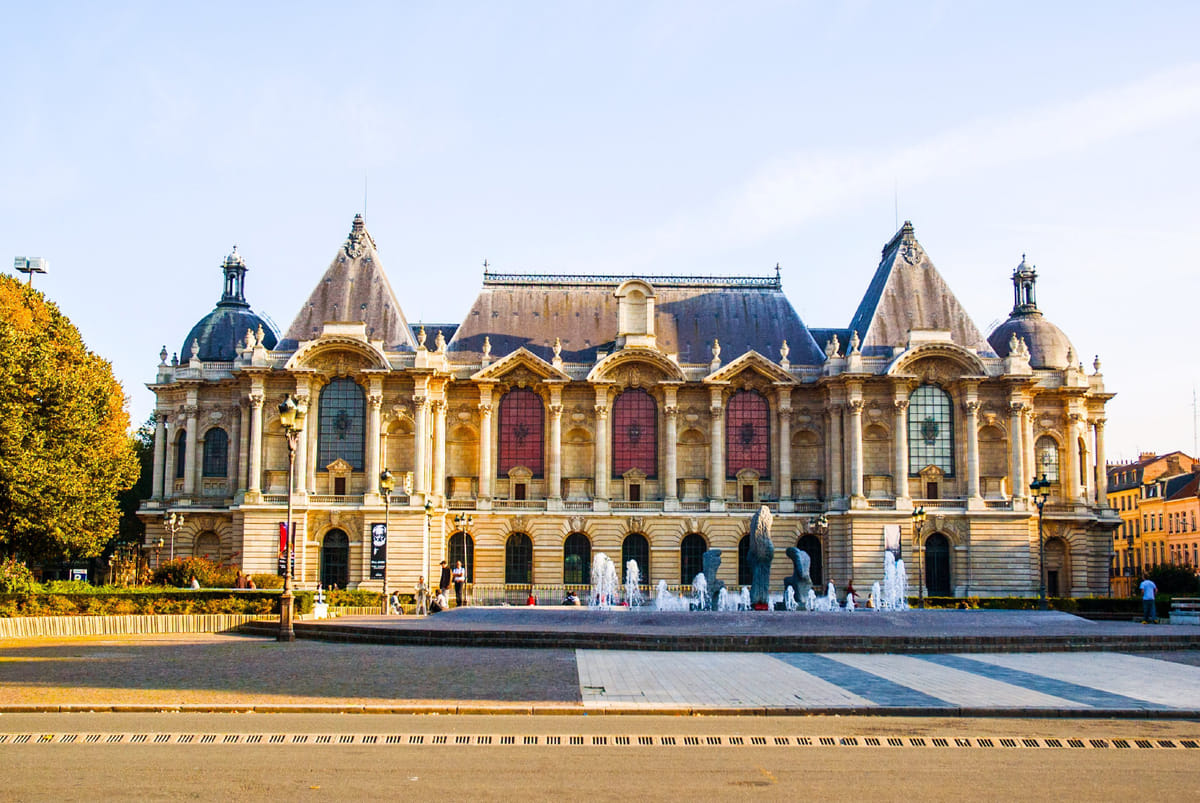
This square, much larger than Grand-Place in the end, was built after medieval times, during the expansion of the city managed by Vauban. It is the center of the new perimeter of Lille.

Porte de Paris

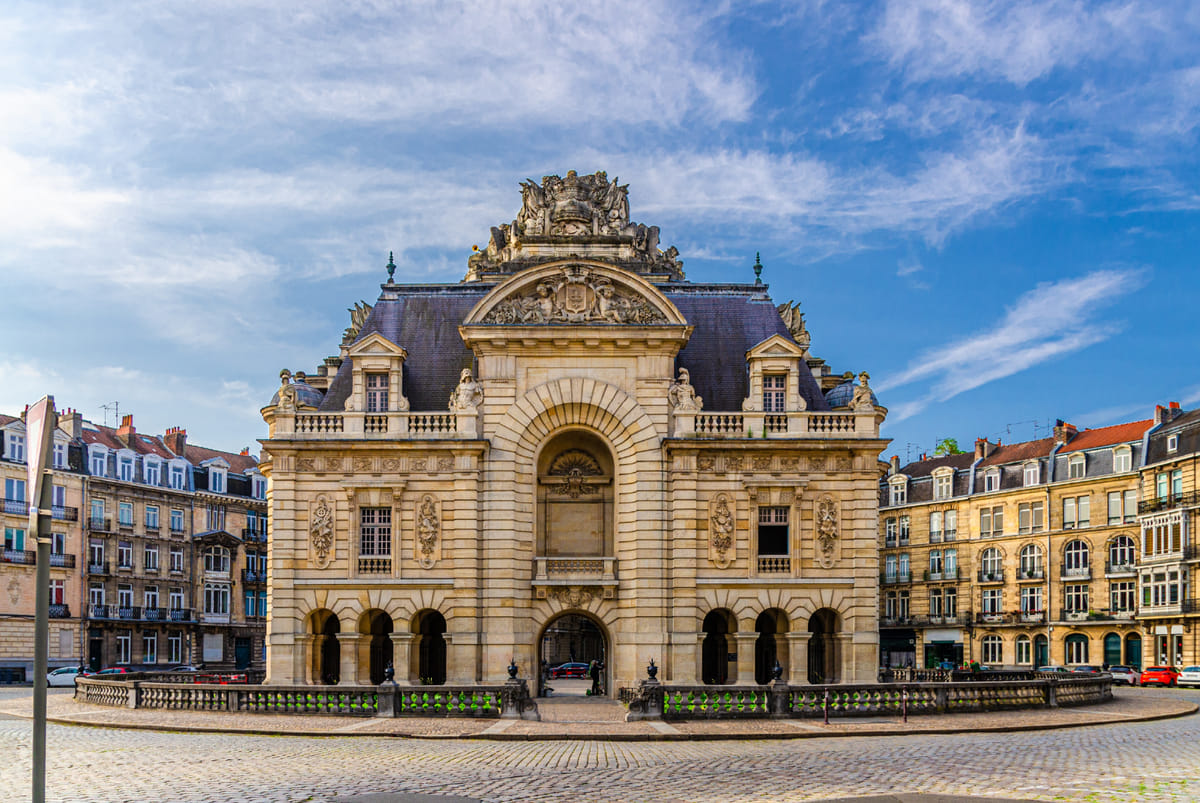
In this round square, which was not round at the beginning, were located in the 13th century, the new ramparts of Lille, designed after the expansion of the city. Imagine that at the time, every time you added a neighborhood and its parish to the city center, you had to push back the ramparts in a way.

Town Hall and Belfry

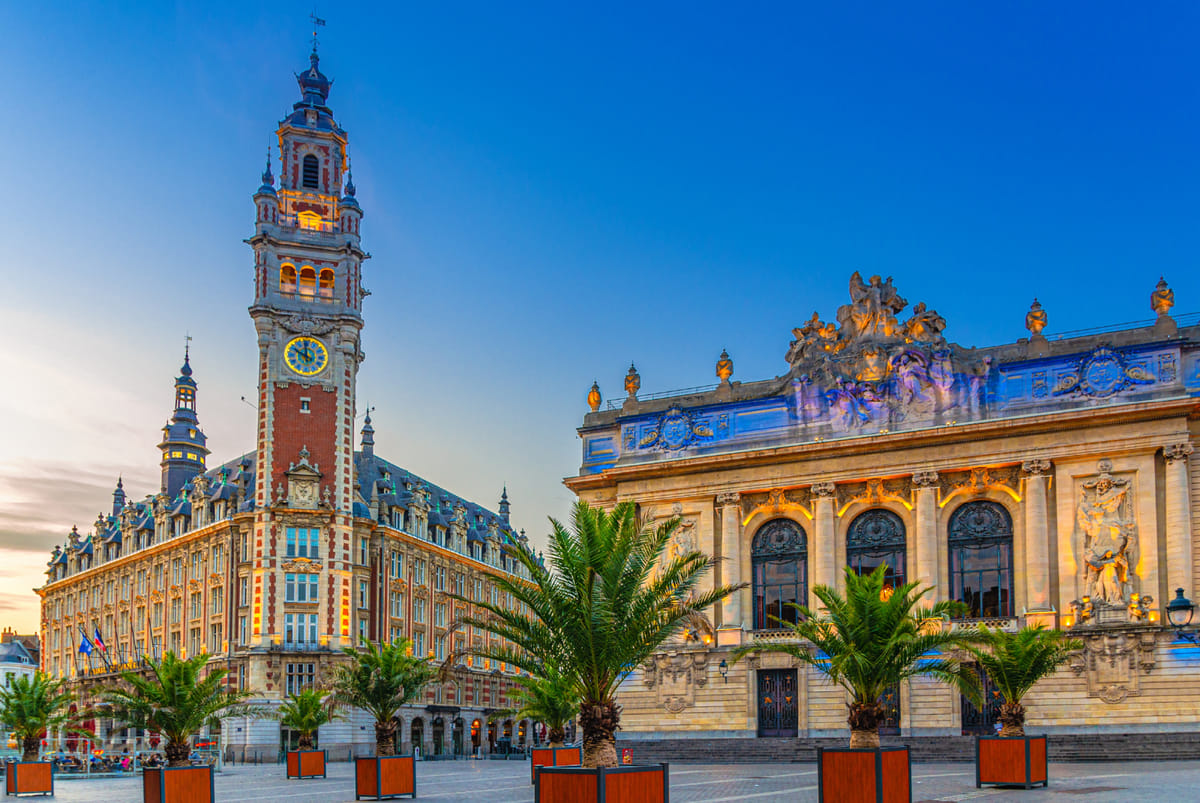
The Belfry, in the heart of the Saint-Sauveur district, was built at the beginning of the 20th century as the icing on the cake for the city hall completed just before. It represents the industrial age of a booming city.

Hotel des Marchiennes

This arch, classified as a historical monument, like the hotel it hides behind it, seems a bit lost in this rather modern part of the city center. It's a piece of history that resists.

Rue des Brigittines

Come on, it's time for the creepy anecdote. This small, medieval-looking cul-de-sac is an ancient passage to the Brigittines convent built in 1604. It has been the scene of horrible and frankly bizarre events.

Saint-Maurice Church

The Saint-Maurice Church could completely have been the cathedral of Lille. Its construction began in the 14th century, but it has only been as you see it today since the 19th century.

Rihour Palace

This Rihour Palace on this square of the same name is the only remnant of the Burgundy era in the city. Lille has in fact gone through several dominations, changing hands roughly every 2 centuries.

Maison Méert

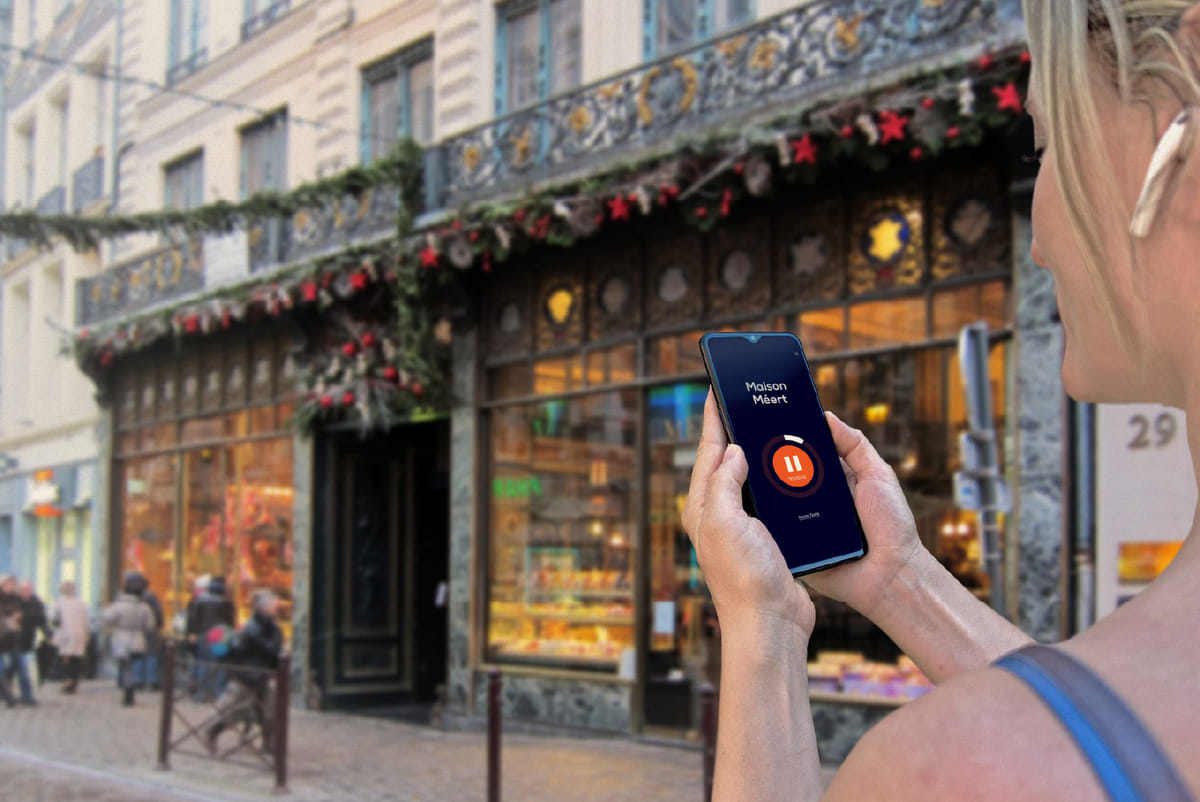
The splendid golden storefront you are now walking past is that of Maison Méert. Much more than a simple confectionery, this institution in Lille is one of the oldest patisseries still in operation in the world.

Grand Place

Grand-Place is where the heart of the city of Lille beats. This was already the case in the Middle Ages when it represented its geographical, but also economic, social and administrative center.

The Voice of the North

I let you admire in front of you, the imposing building of the “Voix du Nord”, unmissable in the center of the square, with its beautiful gable facade. It is the head office of the famous newspaper, which was born underground in 1941, and was the driving force behind a wave of resistance in occupied France.

Old Stock Exchange

Now let's cross the old stock exchange. Considered to be one of the most beautiful works in Lille, it was built in the 17th century for the union of the city's merchants.

Opera and Belfry

So now, take your time as you enter this elegant square, marking the border between old Lille and the central districts. Have a coffee and sit back and relax, as there is so much to see and so many details to explore in the structures around you.

Golden Lion Square

The charming little Place du Lion d'Or is the ideal place to admire the beautiful architecture typical of Lille. It housed a former hotel that also served as a post house and this is what gave it its name, which came from the distortion of the phrase “in bed you sleep”, like all the hotels in the Golden Lion in France, by the way.

Place Louise de Bettignie

You are now on the very beautiful Place Louise de Bettignie. A word about Louise first of all because we don't talk enough about the characters behind the names of the places. She was an extraordinary woman who was a spy during the war, providing vital information to the English secret services.

Gand Street

The only slightly sloping street in this fairly flat city, Rue de Gand is a very lively street in the city lined with numerous bars and restaurants. There you will find several buildings classified as historical monuments.

Countess Island

This pretty garden surrounded by colorful brick buildings is named Îlot Comtesse for Jeanne, the countess of Flanders. In 1237, she had a hospital built in her own palace without skimping on the quality or the richness of the supplies. She even gave all her windmills to the hospital.

Hospice Comtesse

The Rue de la Monnaie, which you are now going up, is the oldest in the city. In the 11th century, it was the main paved road that connected the two gates of the city. It took its current name with the arrival of Louis XIV who built the mint there.

Meeting / Pickup

Meet on location: This experience has no pick-up service, customers have to make their way to our meeting point.

Please Note

An internet connection is required to download the itinerary before the visit, organize yourself accordingly

Always check local conditions before you leave

Make sure your smartphone is sufficiently charged or carry an external battery.

After booking, you will receive an email with instructions for installing the application (available for iPhone and Android) as well as the procedure for activating the circuit code

The circuit is not suitable for people with reduced mobility (presence of stairs).

Destinations
Language
Operator

Reviews

No reviews yet

Login

Sign In / Register

Login
Register
Forgot Password?