
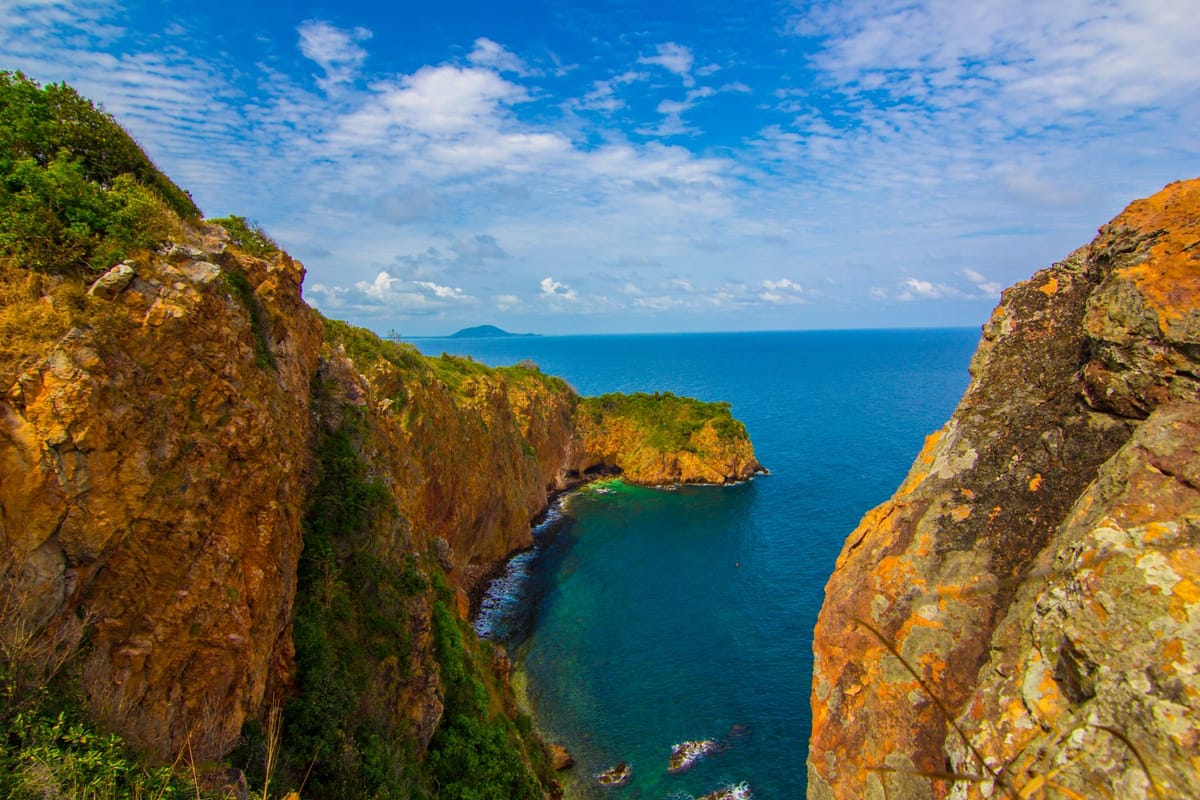
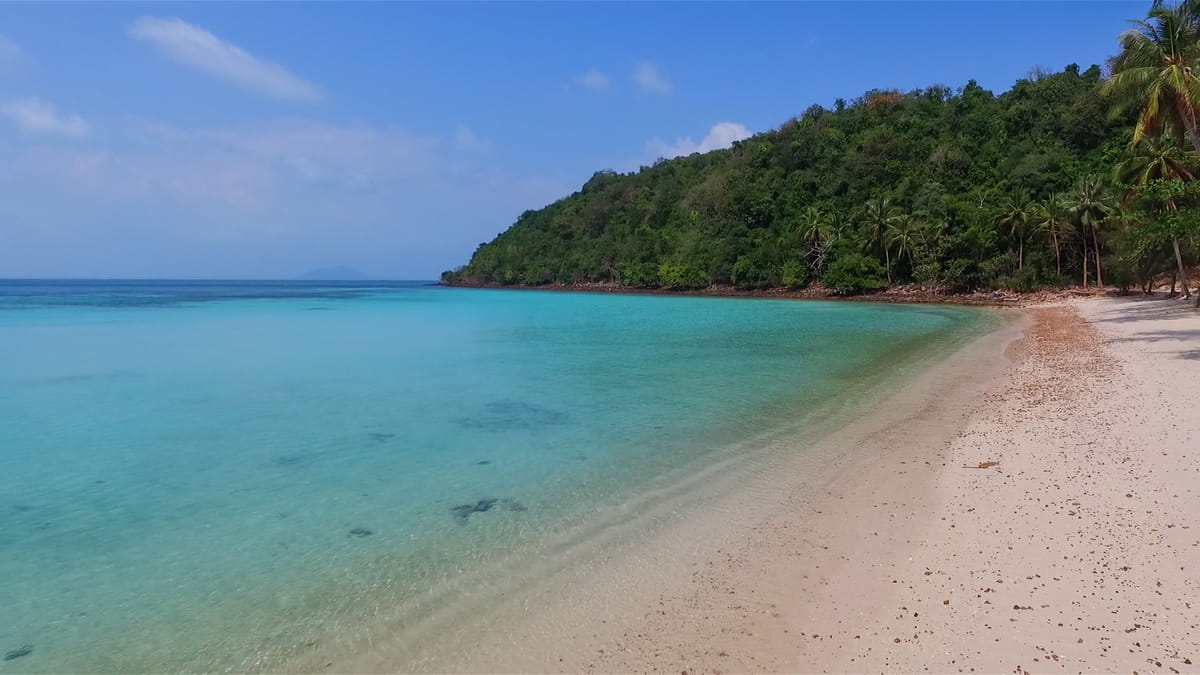
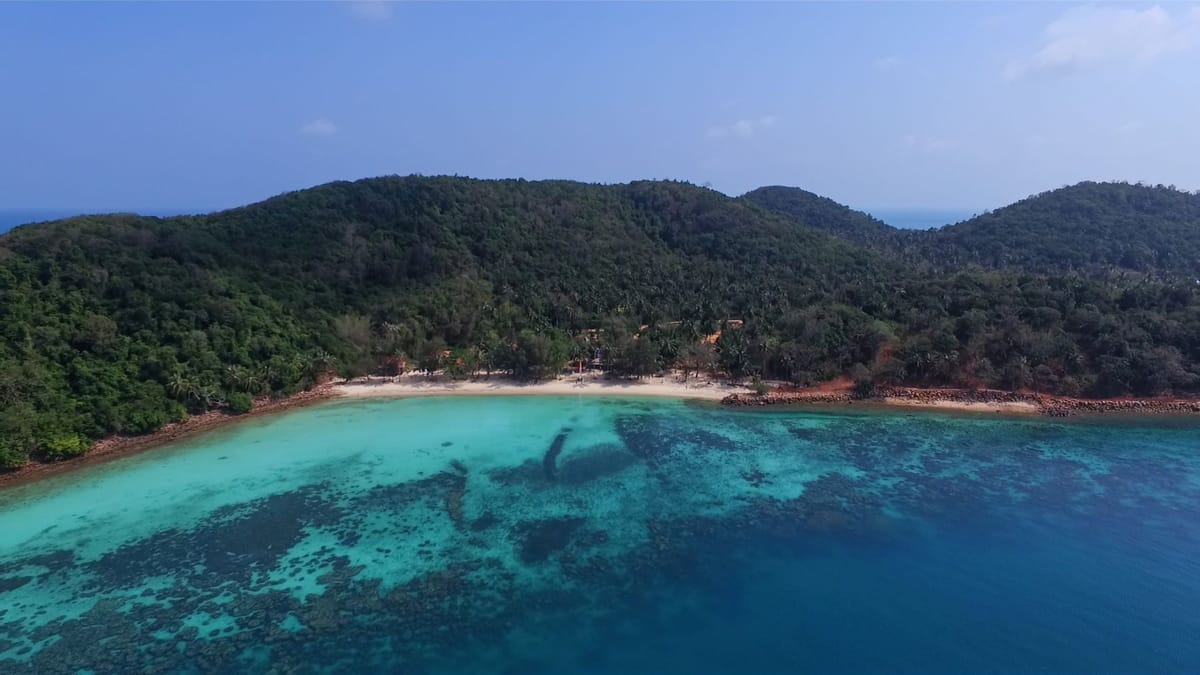

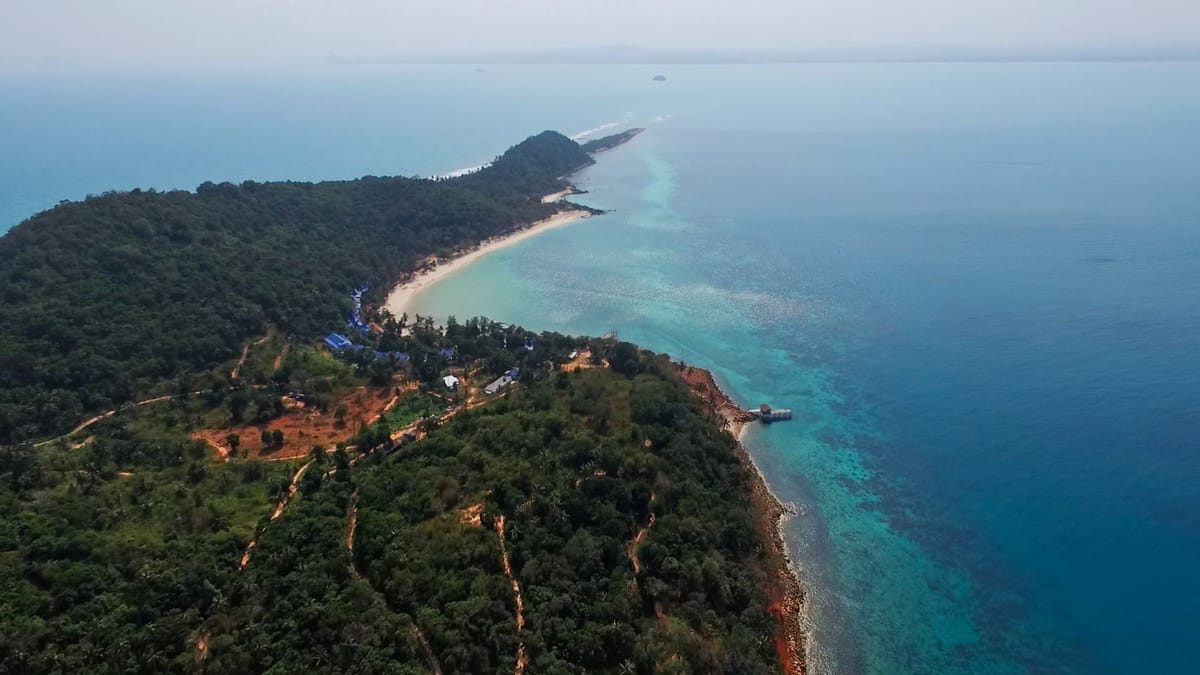
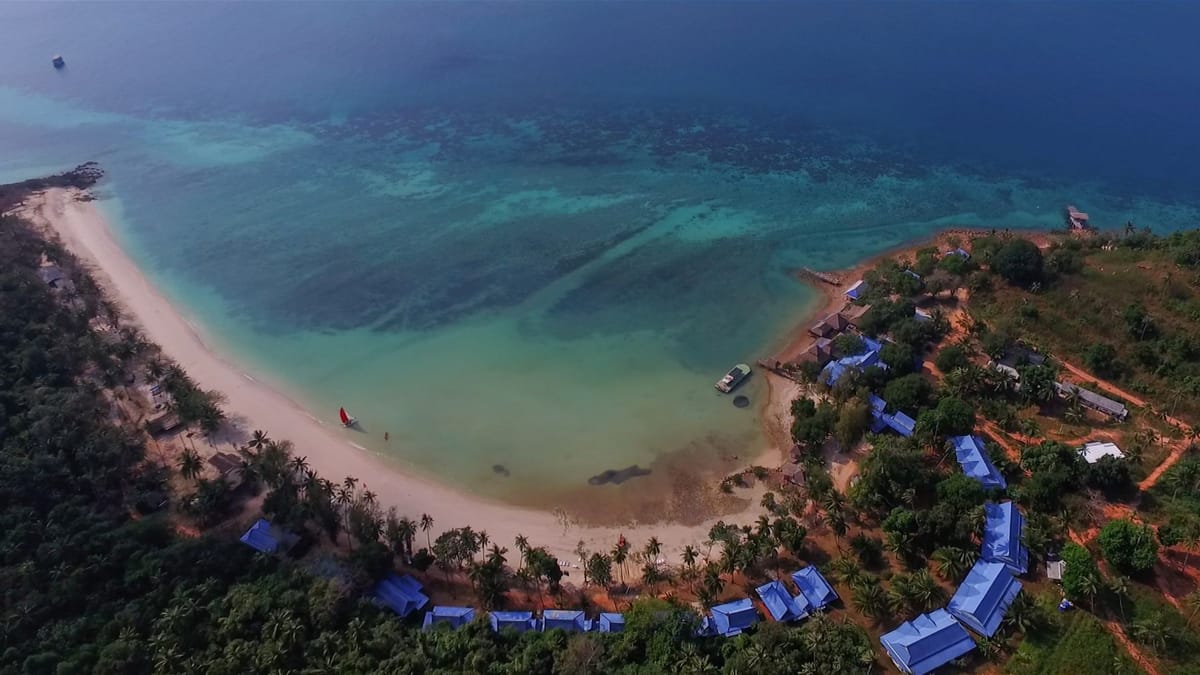

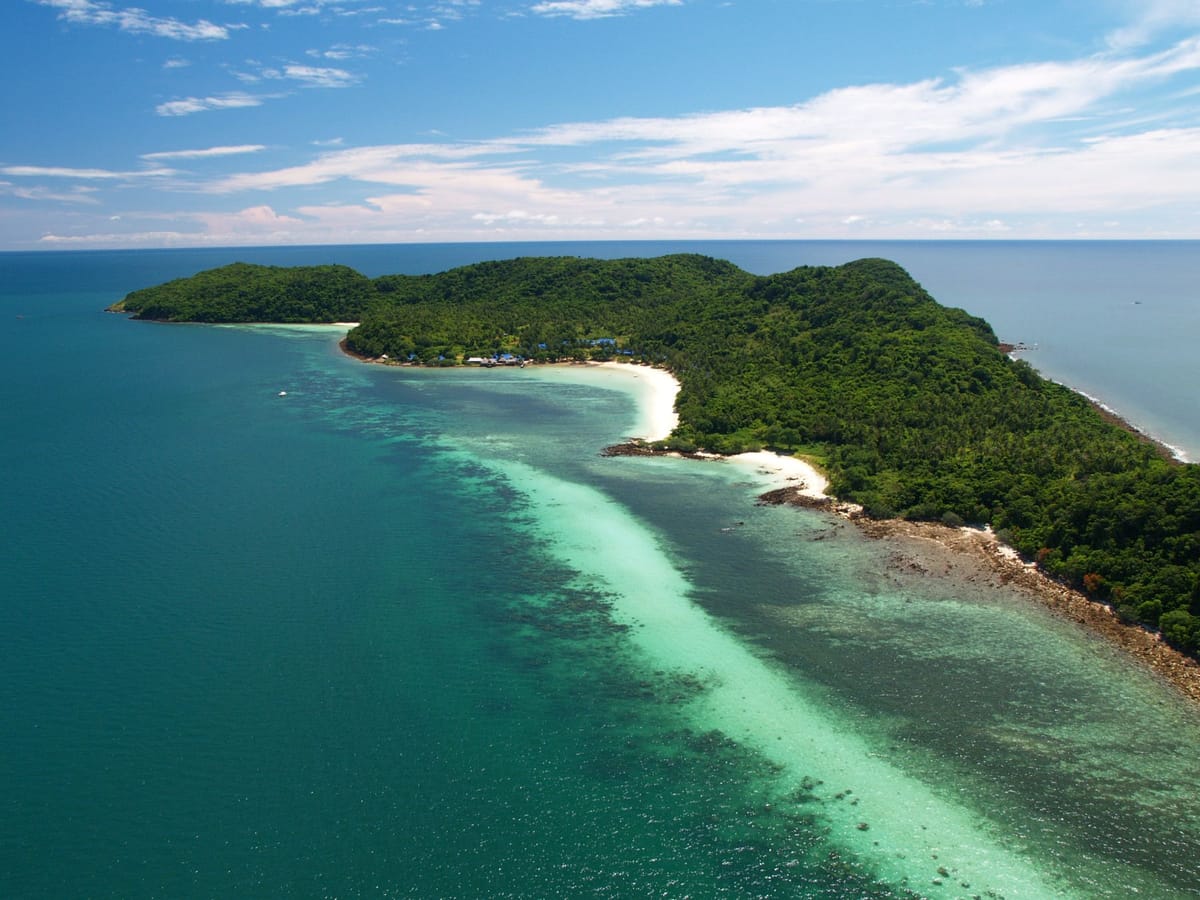



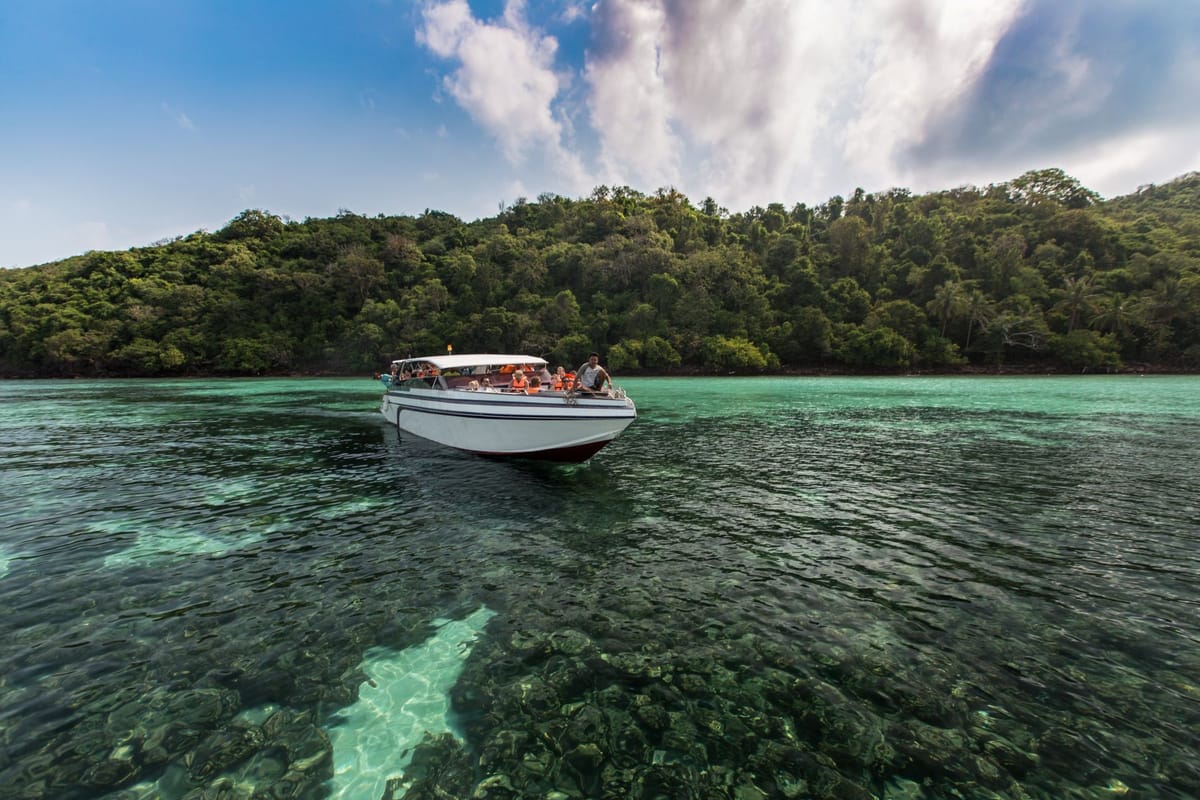


Escape the crowds by retreating to a secluded island in the Gulf of Thailand, just 2½ hours south of Hua Hin.
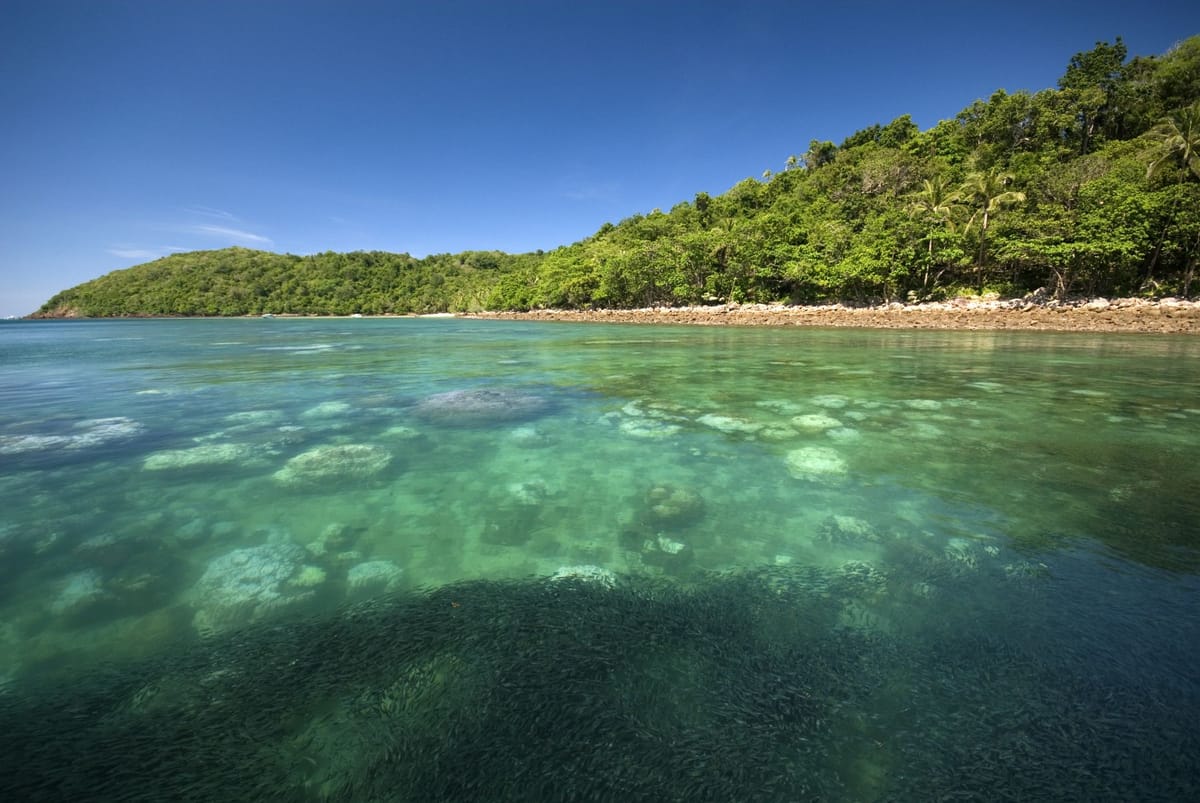
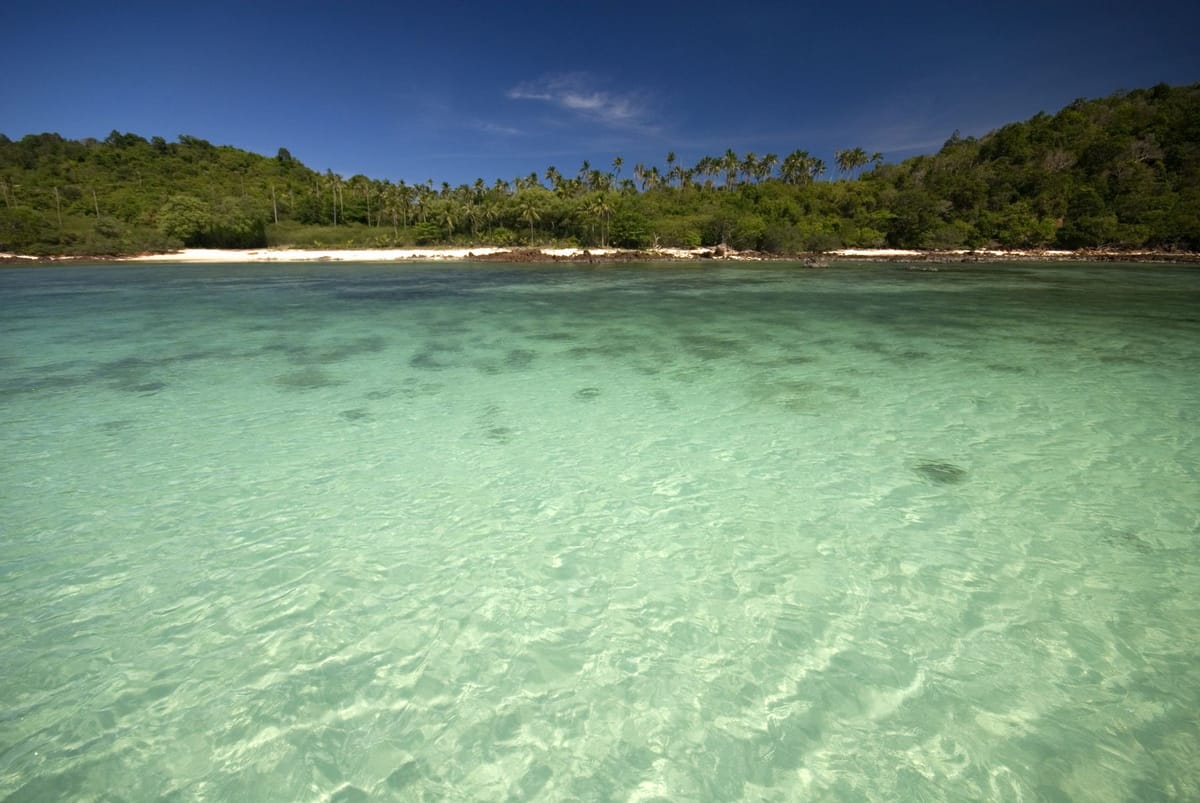
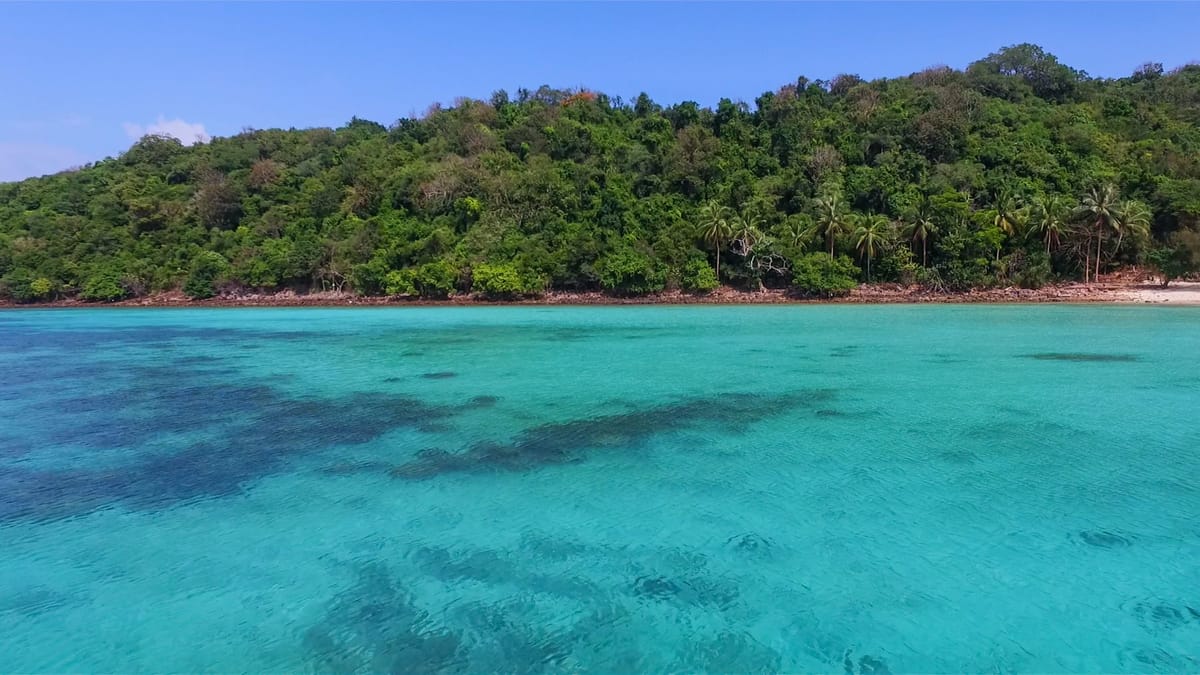
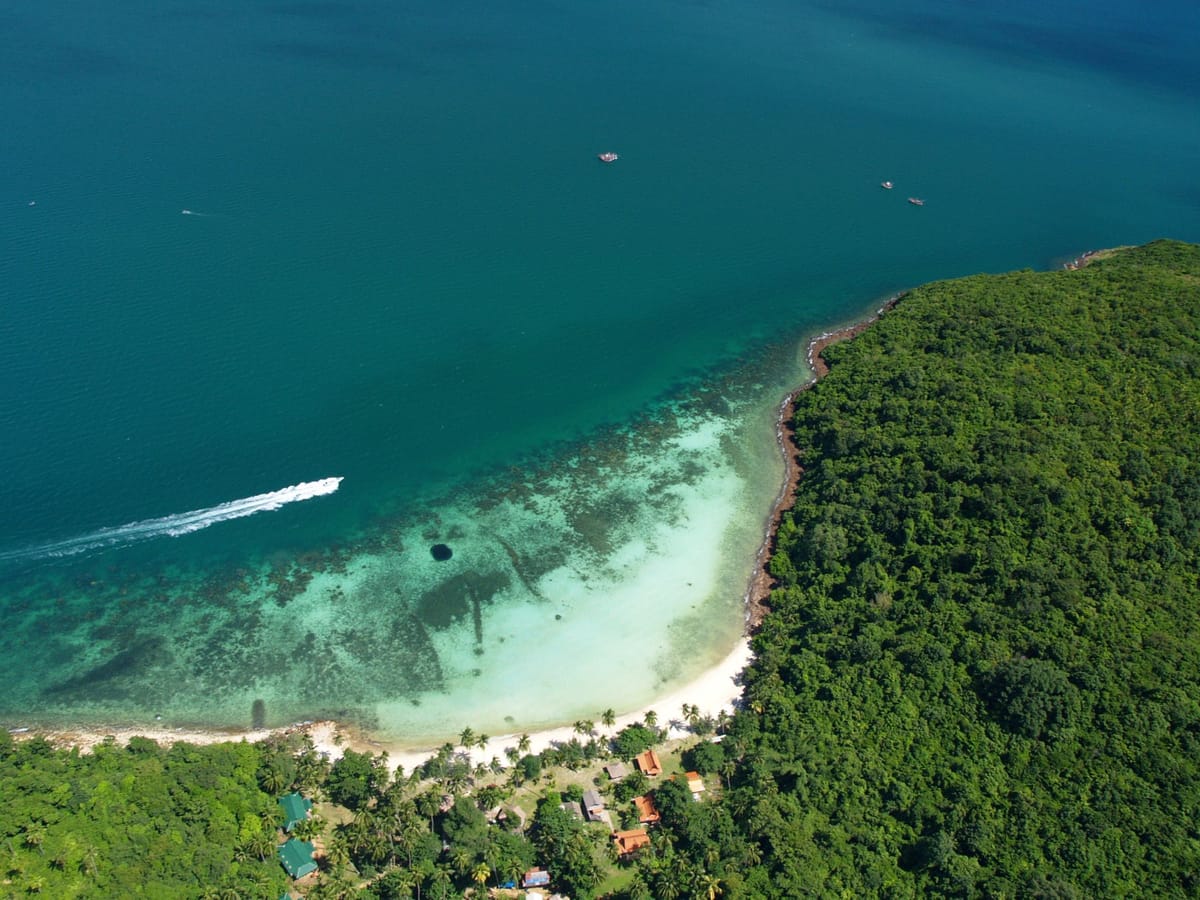
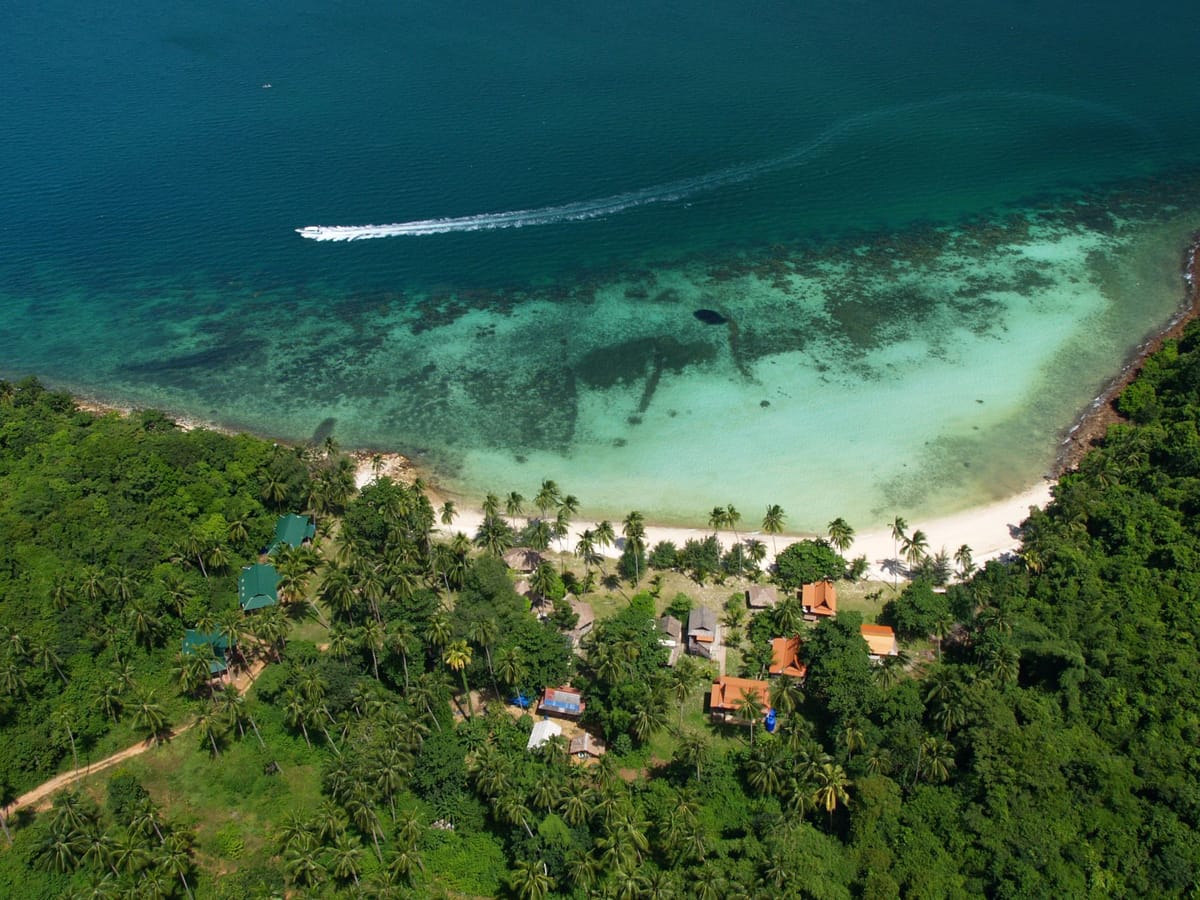
Upon arrival, immerse yourself in the tranquility of our island paradise as you leisurely stroll along the pristine white sandy beaches, bordered by crystal-clear waters.
A plethora of activities awaits, from kayaking and Stand-Up Paddleboarding to beach volleyball and snorkeling. Our knowledgeable staff are on hand to assist beginners with snorkeling basics, ensuring a memorable experience for all.
Savor the flavors of our freshly prepared buffet-style meals, courtesy of Koh Talu Island Resort. Delight in an abundant seafood spread, complemented by unlimited refreshments and a tempting selection of desserts to tantalize your taste buds.
When to go :
The weather patterns around Koh Talu Island and its vicinity are greatly affected by seasonal monsoons due to its location on the western side of the Thai Gulf. The island's east side faces the wind, while the west side is sheltered from it.
During January and February, the Northeast Wind, including the Tapao Wind and Pattaya Wind, prevails, resulting in waves originating from the northeast.
In March and April, the Southeast Wind, commonly known as the Afternoon Wind, dominates, causing waves to come from the southeast. The eastern and northern parts of the island are protected during this time.
May and June experience the Southwest Monsoon, known as the Slatan Wind, with waves typically coming from the south. The southern side of the island faces the windward direction.
July and August see the influence of the West Wind, or Serng Wind, resulting in waves coming from the west. However, the windward side is less affected due to the proximity of the Tanaosri Mountains along the shore and the island's relative closeness to the coastline.
September and October are characterized by the Northeast Wind, or Uga Wind, accompanied by heavy rainfall. Waves originate from the northeast, and the northern side of the island faces the windward direction.
November and December are influenced by the North Wind, also known as the Kite Wind, which brings the strongest gusts of wind during this period. The windward sides are the north and east, particularly towards the end of October through December, when strong winds and large waves may occur intermittently.