Hotel pickup
Pick-up and drop off service is available only for centrally located hotels listed in the pickup selection box. If your hotel is not listed, please contact us to set up the most comfortable pick-up point.
Introduction
After the hotel pick-up, your guide introduces you to Warsaw and Poland - this quick historical briefing helps you understand the present through interesting facts from the past.
Muranów district
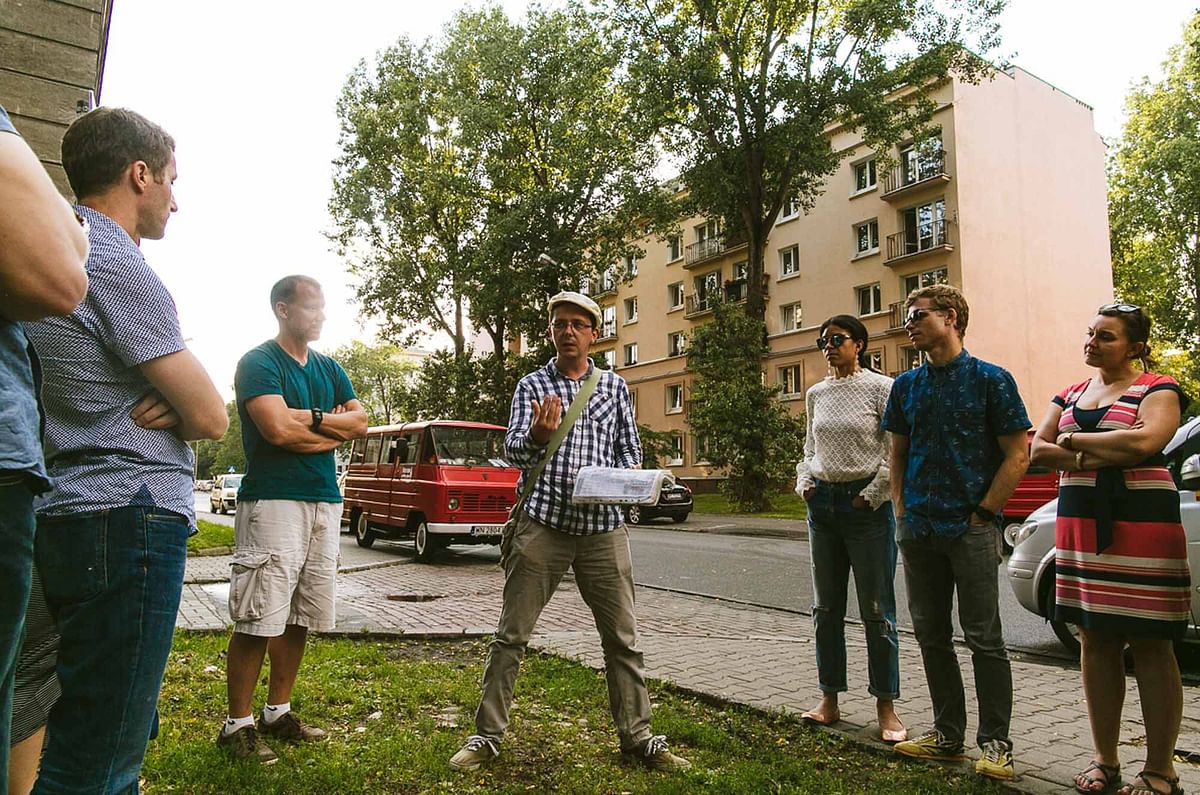
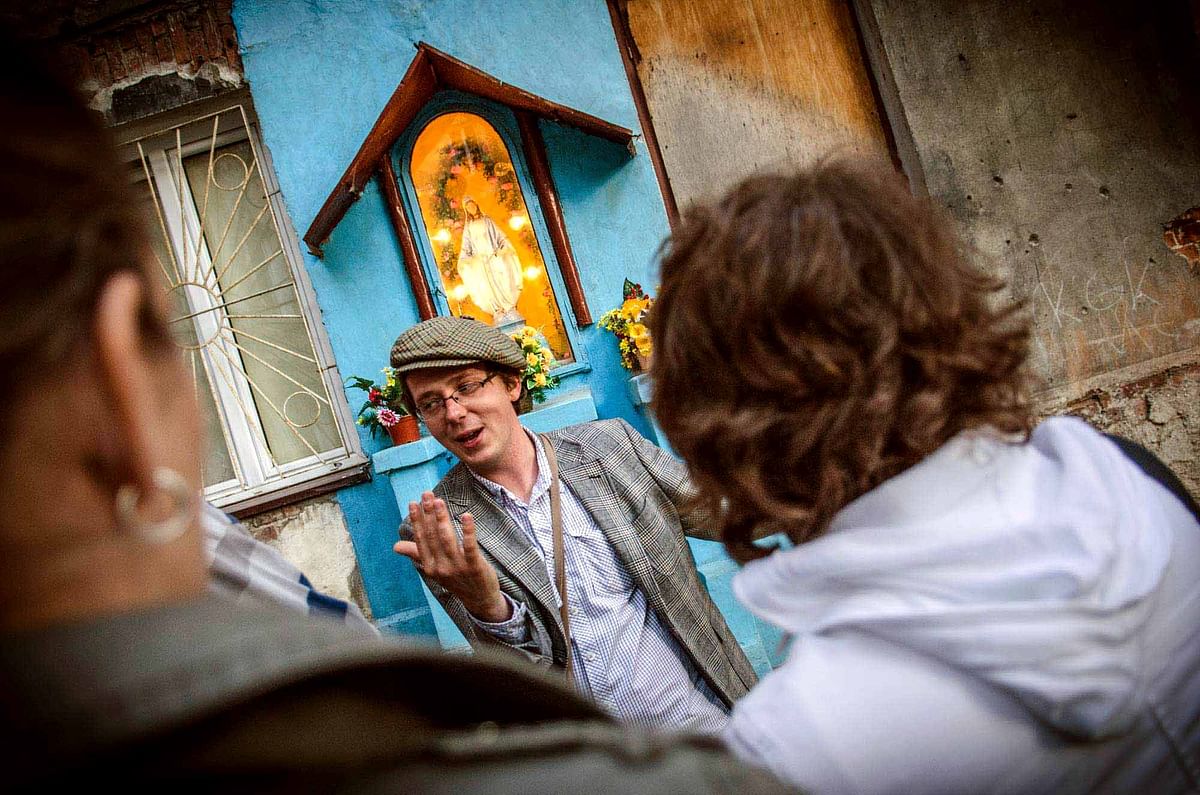
Next is the Muranów district - the witness of the tragedy of the Jewish Ghetto, created by Nazis in 1940. The first impression is that it is just a regular neighbourhood filled with squared blocks of flats. But there is much more from the past to be discovered with the help of your guide.
WWII Jewish Ghetto
Have you seen the Pianist movie? If yes, you must remember the place portrayed in the film: the wooden bridge built near the intersection of Chłodna and Żelazna streets to link two separated parts of the Ghetto. As we can see in photographs, it reached the third floor of the buildings, which allowed the “Aryan” trams, German military transports, and cars to pass beneath it. With the help of the guide and your imagination, find the remains of the scene and compare them with archival photographs.
1943 Jewish Uprising
In the year 1943, when the last part of the Jewish community was about to be deported to the extermination camp, they created the underground resistance and started the insurrection aimed against their oppressors. This fight took three weeks and resulted in the complete demolition of the Jewish district in Warsaw. Today, the guide will uncover the covered layers from the past for you.
1944 Warsaw Uprising
Later in World War II, an agreement was reached between the Western Allies and the dictator of the USSR, Stalin; as a result, post-war Poland was about to become a country subordinate to the Soviet Union. The last attempt to avoid this fate was the 1944 Warsaw Uprising, which resulted in the Nazis destroying 85% of Warsaw. Red Army captured the empty city three months after the fall of the insurrection, in January 1945.
Praga district
The next part is the enigmatic Praga district, located on the Eastern side of the Vistula river. When the minibus crosses the river, one can see picturesque views of the wild riverside. Praga is the only district of Warsaw that survived the apocalypse of WWII - that's why it represents the picture of the pre-WWII city filled with belle-epoque buildings with small and noisy courtyards. Once neglected, it becomes a hip and artistic part of Warsaw, still not affected by commercial tourism.
1945-89 Communist Poland
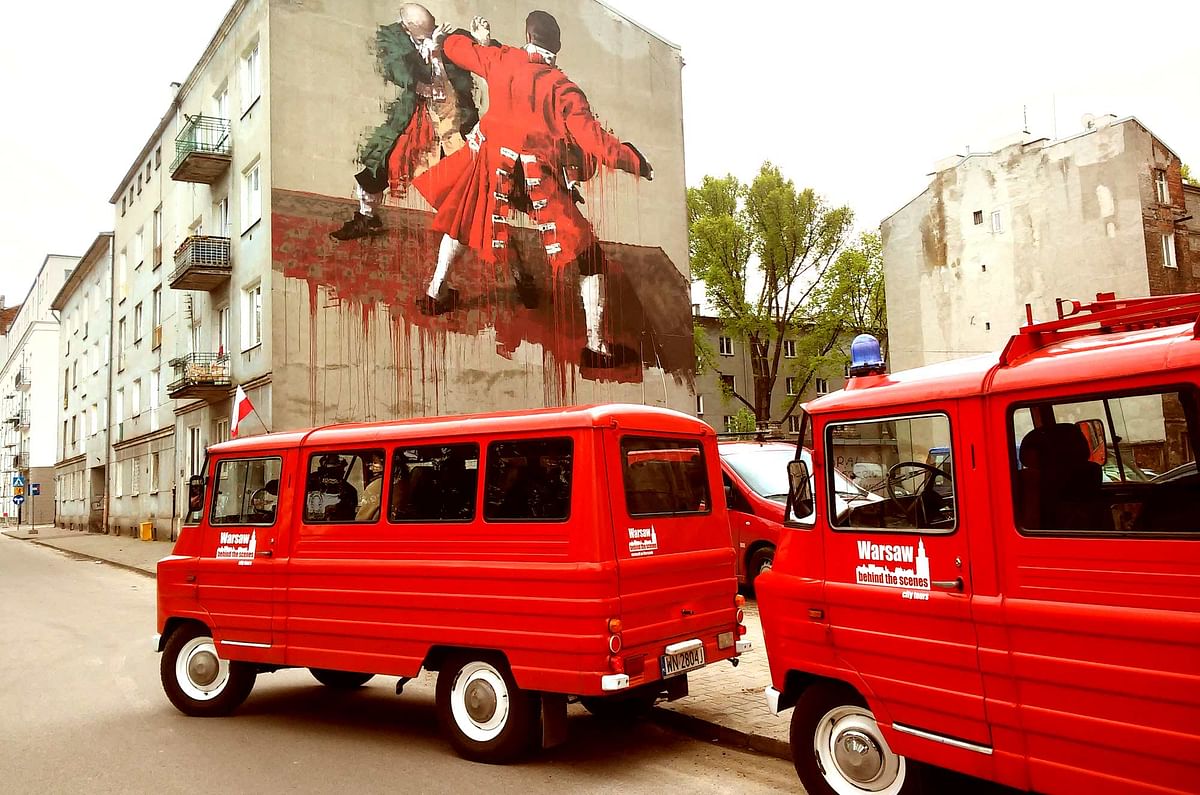
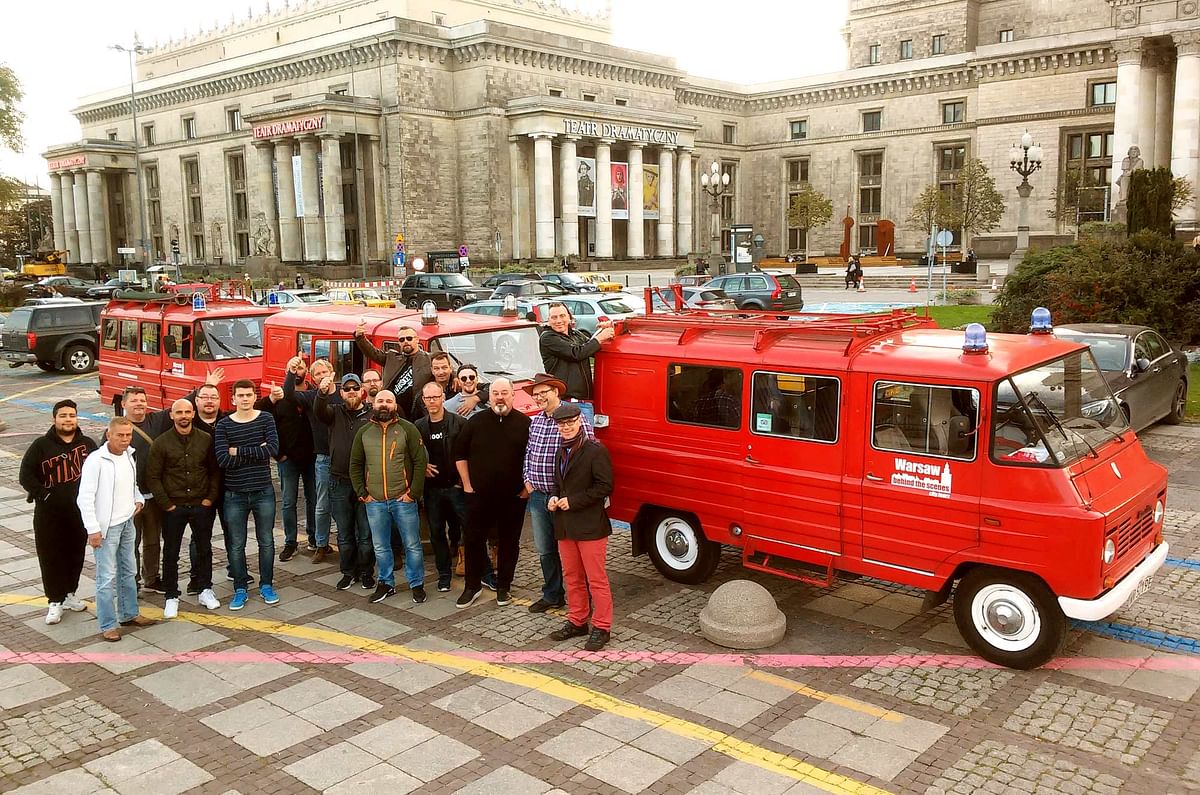
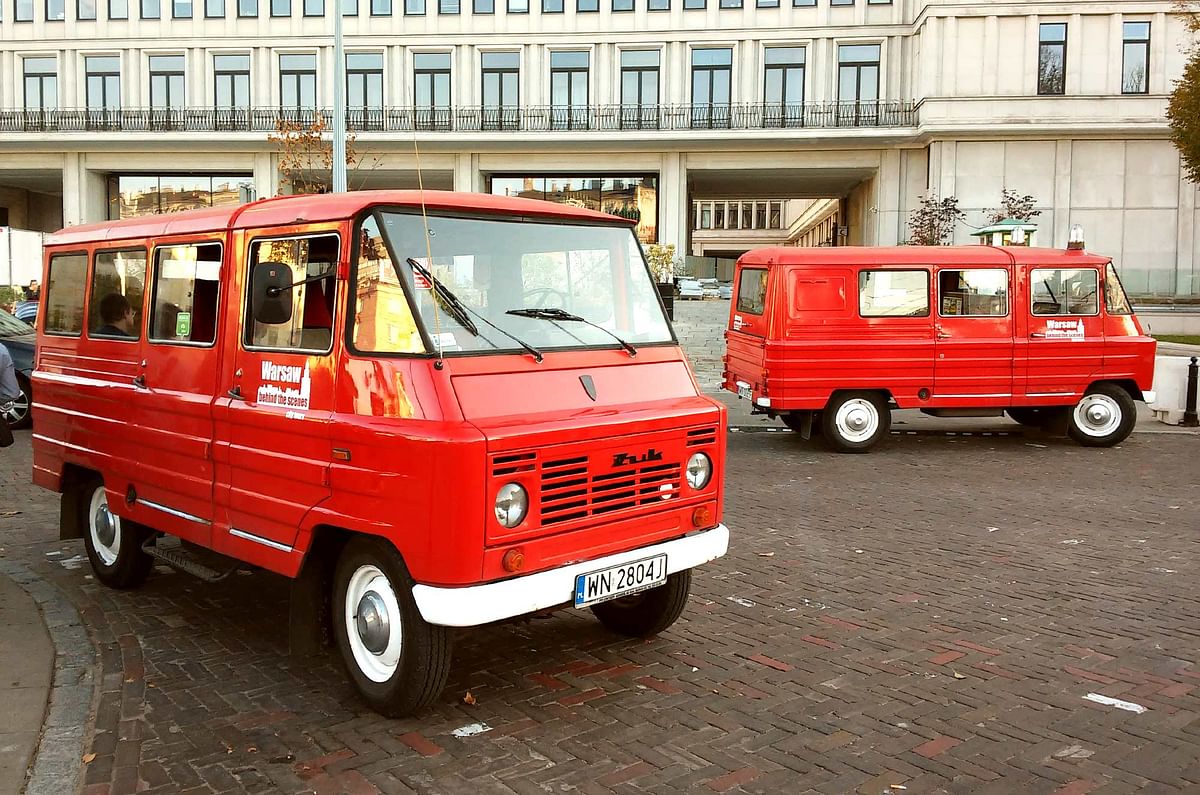
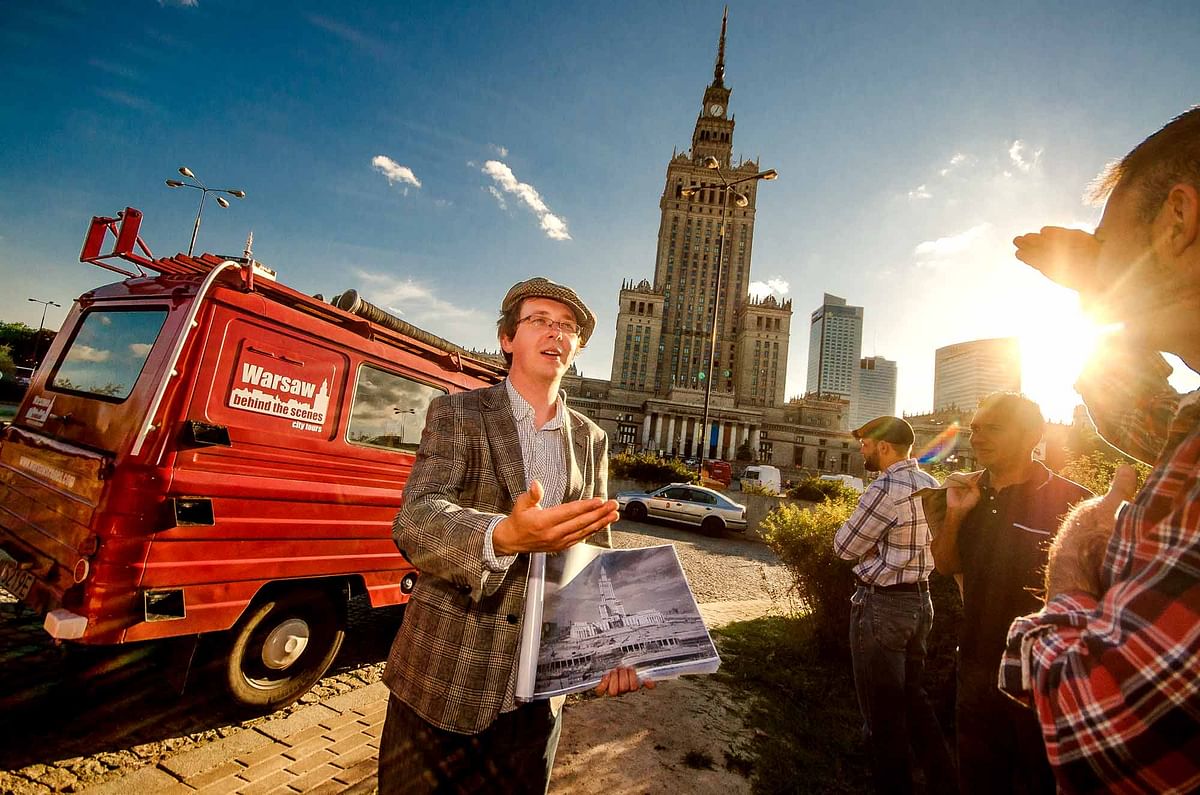
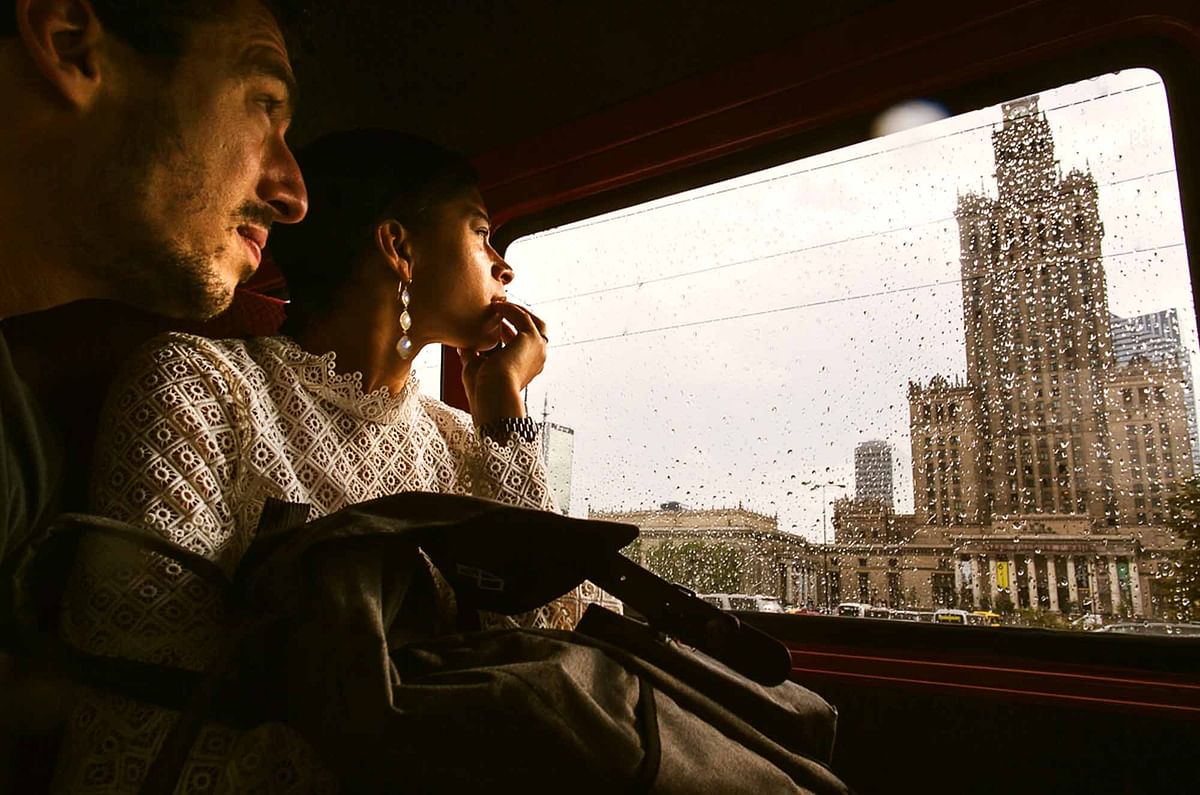
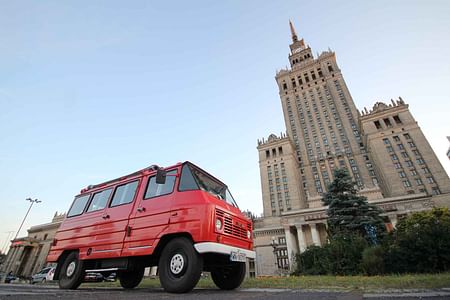
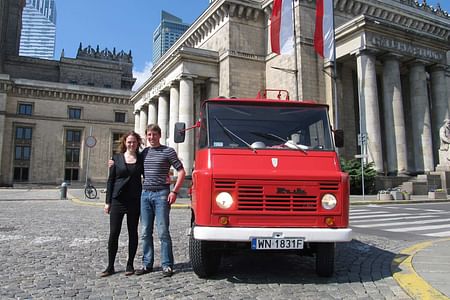
Back in the central district, your Żuk minibus parks near ex Polish Communist Party headquarters. This regime, settled up in 1945, had a challenging task to cope with - reconstructing Poland's capital city. What's more, since it seemed to be the only chance ever in time, architects decided to remodel Warsaw and make it a more comfortable place to live and work. But unfortunately, they had to cope with the Party, which opted for a Soviet-style city filled with overwhelming buildings and a happy proletariat. Did they make a compromise? Let's check it out!
Freedom and democracy
When workers from "Solidarność" and John Paul II kicked out the communist regime from Poland in 1989, we stepped into the new era of our history - democracy and capitalism. Life has changed completely, and so did the city. Is it possible to link the past and the future? We hope that thanks to our trip you will form your own opinion.


2 Comments
4.4
We had a fascinating time exploring Warsaw’s hidden communist-era sites in the minibus, where our guide shared compelling stories that brought the history to life. While the three-hour duration felt a bit rushed at times, we appreciated the insights into a past that many overlook.
4.2
Exploring Warsaw’s hidden communist history in a cozy minibus was a unique experience for our family, as we discovered stories and sites often missed by typical tourists.